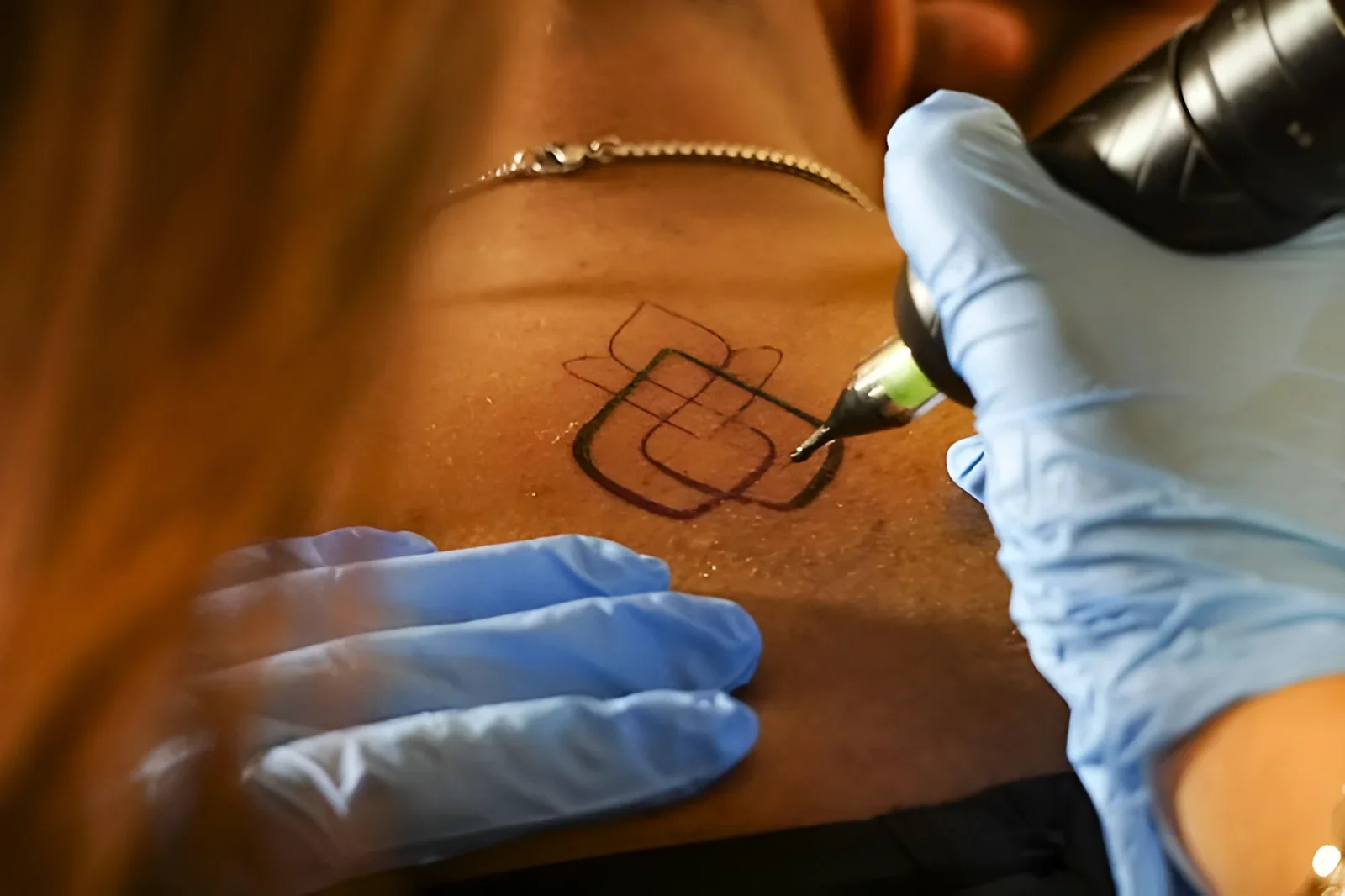
Tattooing has long ceased to be a mark of rebellion or an elitist sign. Today, it is a language through which a person speaks to themselves—and to the world. It is in this vein that one should read the story of Jane Wang, a Cornell University student (class of 2029) and licensed tattoo artist, who decided to tattoo the symbol of sexual assault survivors for free for anyone willing to accept this gesture.
Why permanence
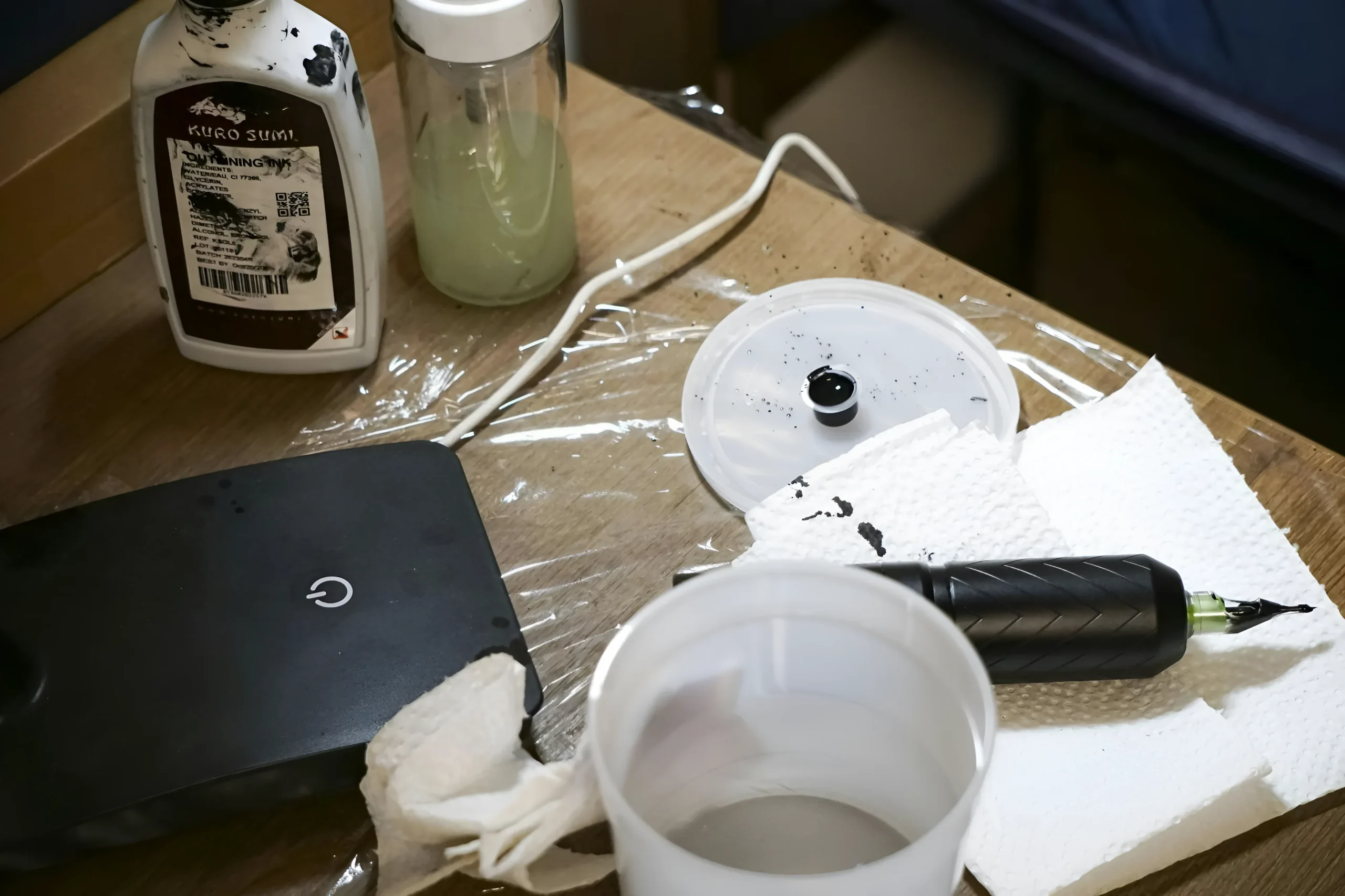
Wang discusses tattoos as a form of expression pushed to the limit: here, intimacy and risk coincide. “There is a beauty in the permanence of such a decision,” she explains. “Tattoos carry immense meaning. They can mark an important period or even just a moment in life.” She got her first tattoo at eighteen—a Chinese character behind her ear, 家恩 (read as “jia-en”), meaning community and gratitude. Since then, her body has become not a canvas, but a personal archive.
From hobby to practice
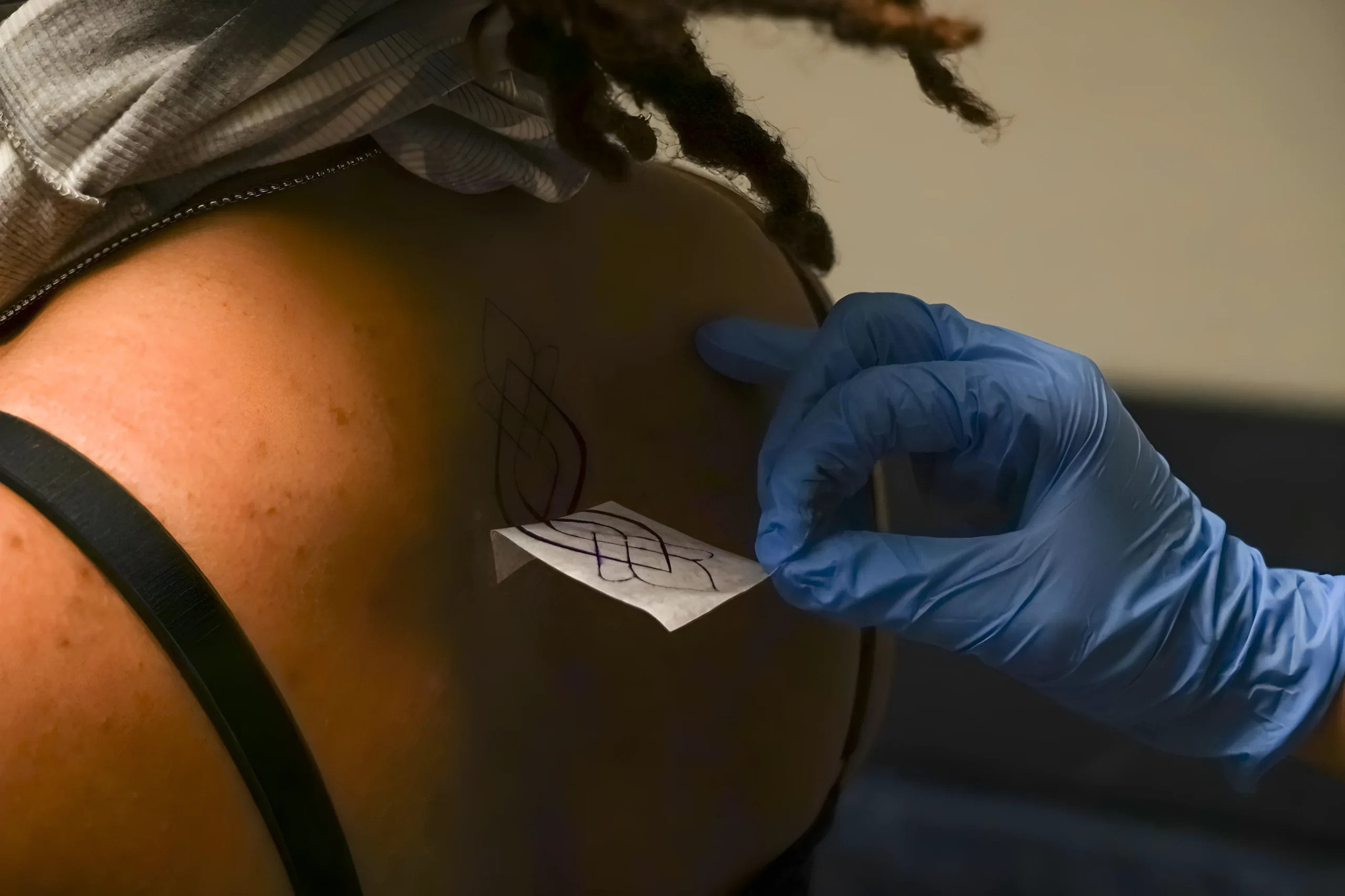
During her first semester at Cornell, she began an internship at a local salon, received her license by the end of the semester, and took her first clients right from her dorm room. At first, people found out about her through word of mouth, without online advertising. The turning point came after public hearings on sexual assault in the Student Assembly, where Wang spoke about her own experience and how the university responded to her report. The Title IX process started in January of the second semester, but by May, it hadn’t moved an inch. She closed the investigation herself, without an institutional conclusion.
Rose and fire
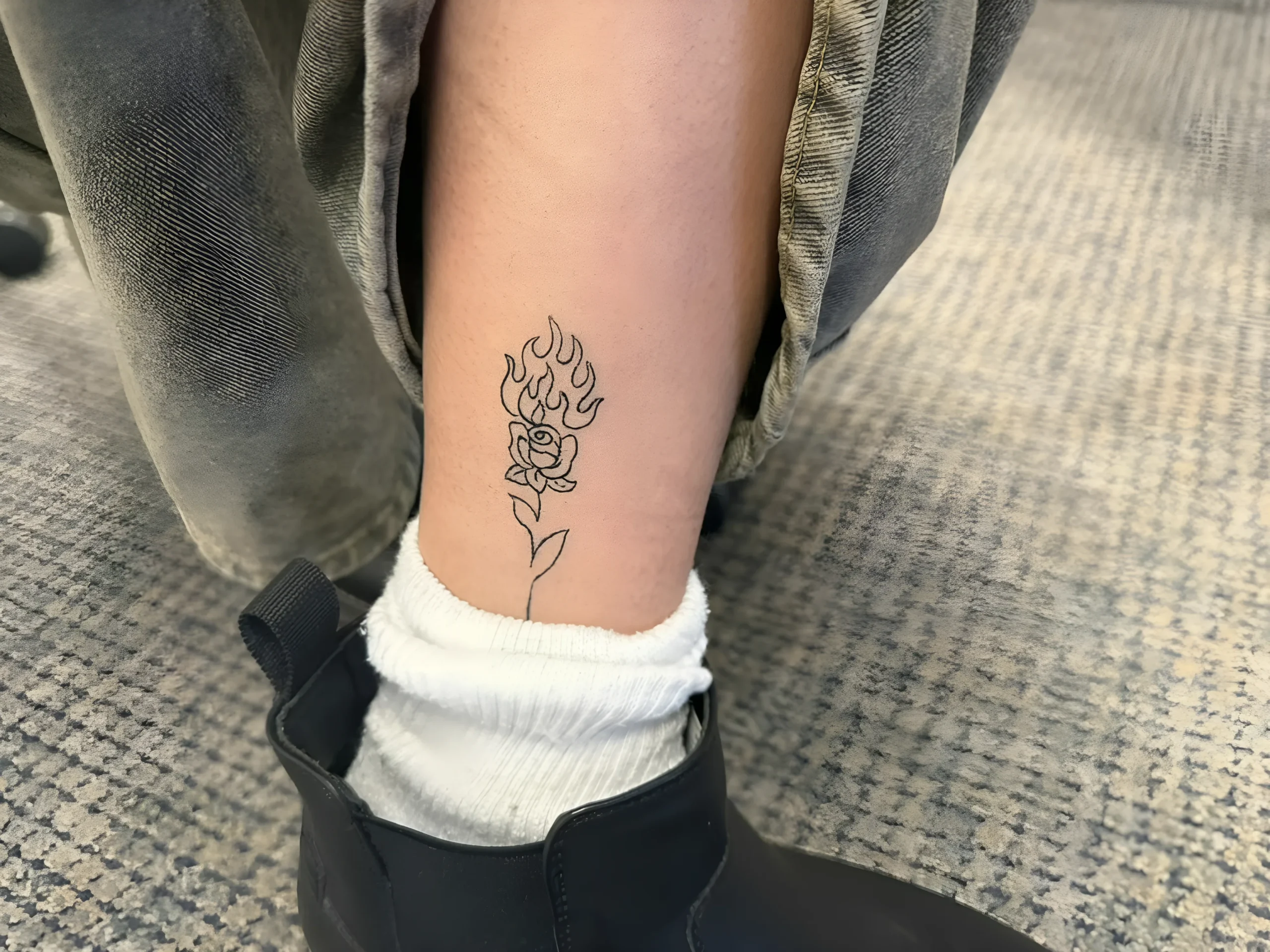
During finals week, in her dorm room, Wang drew on her own leg and tattooed a design that she now offers to other survivors: a rose intertwined with fire. The symbolism here is not accidental. The rose is beauty; fire is both life and destruction. Together, they speak to the fact that trauma does not erase a person, but becomes part of their form. “It is not a frozen bad memory,” Wang emphasizes. “It is an acknowledgment that something happened, and growth from it.”
Scale and community
The demand was unexpected: at the time of publication, the entries were already approaching seventy-five. Wang tattoos before, between, and after classes, building a tight schedule. According to her, the project has united a community of survivors and allies, and this is perhaps one of the few bright spots against the backdrop of the high-profile case. The context is as follows: a Jane Doe lawsuit accuses individuals of drugging and gang rape at the Chi Phi fraternity house in October 2024. The case caused a national outcry, student protests, and intense scrutiny of the university administration.
Expert view
From the perspective of tattoo culture, Wang’s gesture is not just charity. It is work with bodily autonomy: a person whose body was used against their will reclaims the right to control it through a tattoo. A permanent mark here acts as an anchor of identity, not as a reminder of being a victim. In global practice, such “tattoo rituals” already exist—from military memorial tattoos to tattoo markers of past crises—but the combination of “free + specific social agenda + survivor-author” makes the Cornell case particularly telling.
Wang’s story shows how tattoo culture continues to evolve: from an aesthetic choice into a tool for public expression and mutual aid. And, perhaps, this is its greatest strength today.