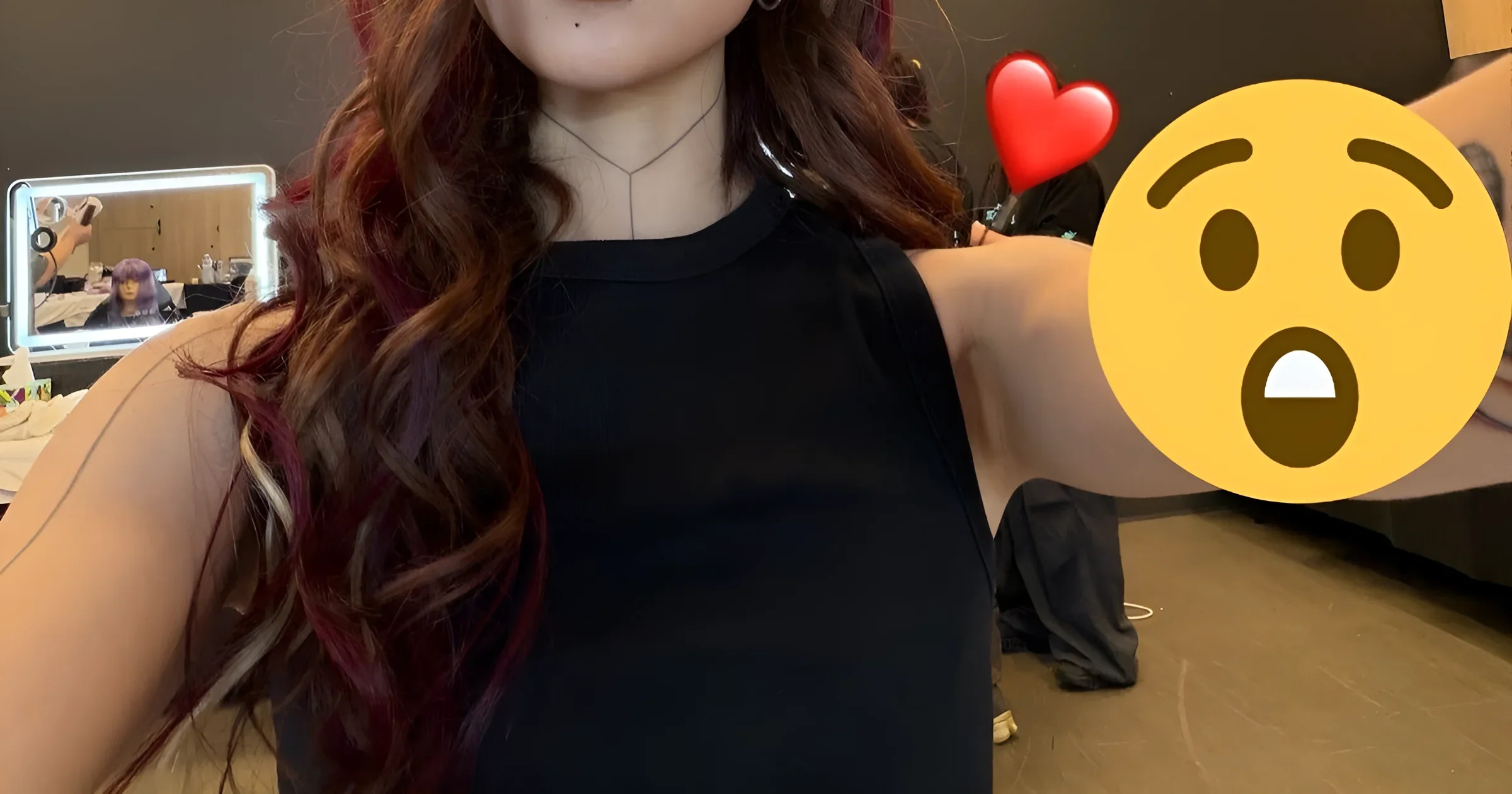
In early November, a new controversy erupted online surrounding idol Kokona, who showed fans a fresh tattoo on their arm. The design depicted a female figure, and this choice became the catalyst for a avalanche of reactions: from simple critical remarks to openly hostile messages. The situation clearly demonstrated how two painful issues intersect in tattoo culture—the taboo against “indecent” images for public artists and the rejection of gender identity that does not fit into conventional frameworks.

The first posts appeared on November 8, 2026. Users shared a photo of Kokona’s arm and commented on the design. A portion of the audience considered the image “ugly” and “inappropriate” for an idol: in their logic, a public artist, especially from the Asian industry, is obligated to maintain a restrained image, and a tattoo of a nude figure crosses acceptable boundaries. One commenter bluntly called the drawing “cringe” and reminded others that the person is an idol. Another added in Spanish that the tattoo was “terrible and inappropriate.” The criticism quickly gained momentum and did not subside on November 9.
However, not all followers agreed with this tone. In response to accusations of “sexualization” and “dehumanization” of the woman in the drawing, some fans pointed out that the same arguments had previously been applied to similar tattoos on other artists and asked why the reaction was so intense now. Thus, the dispute over taste escalated into a discussion about double standards in the evaluation of bodies and tattoo culture.
But the main conflict unfolded in a different direction. Parallel to the criticism of the drawing, a wave of messages appeared in the comments, directed not at the tattoo, but at Kokona themselves. The discussion focused on the artist’s gender transition and the fact that Kokona looks “like a woman” externally, even though they use they/them and he/him pronouns. Offensive remarks began to appear online: some called the artist a “man” and mocked their choice of appearance, others asked “why transition if you still dress like a girl,” and others openly spoke out against so-called “trans-madness.” Such comments, dated November 8–9, showed that the tattoo was merely a trigger, and the true target of the attack was a person’s very right to their own identity.
From an expert perspective, this case is useful to view as an overlap of two cultural layers. The first is the aesthetics of tattooing in the pop environment. Historically, tattoos on idols were perceived as a risk: dark, large, or “sexy” designs could ruin a commercial image. But in recent years, the trend has shifted: tattoos have become a means of self-presentation, and the ban on “indecent” subjects increasingly sounds like the voice of a conservative segment of the audience, rather than the industry itself. The second layer is gender politics. The tattoo here acts as a pretext: critics are not so much discussing the drawing as they are using it to challenge the right of trans and non-binary artists to exist in the public sphere.
A summary of the main lines of reaction looks like this:
- Criticism of aesthetics: the drawing was called ugly and inappropriate for an idol.
- Counter-argument about double standards: similar tattoos on other artists had not previously caused such condemnation.
- Transphobic wave: messages about Kokona’s “incorrect” transition and appearance.
- Support: some fans separated the discussion of the tattoo from the artist’s personality and stood up for their identity.
For tattoo culture, this case is a reminder that an artist’s body remains a battlefield for norms. What was considered “normal” for one performer yesterday may become a reason for harassment of another today if it does not coincide with the expectations of a part of the audience. And until the industry develops clear boundaries, every new design risks turning into a reason for conflict that goes far beyond aesthetic taste.