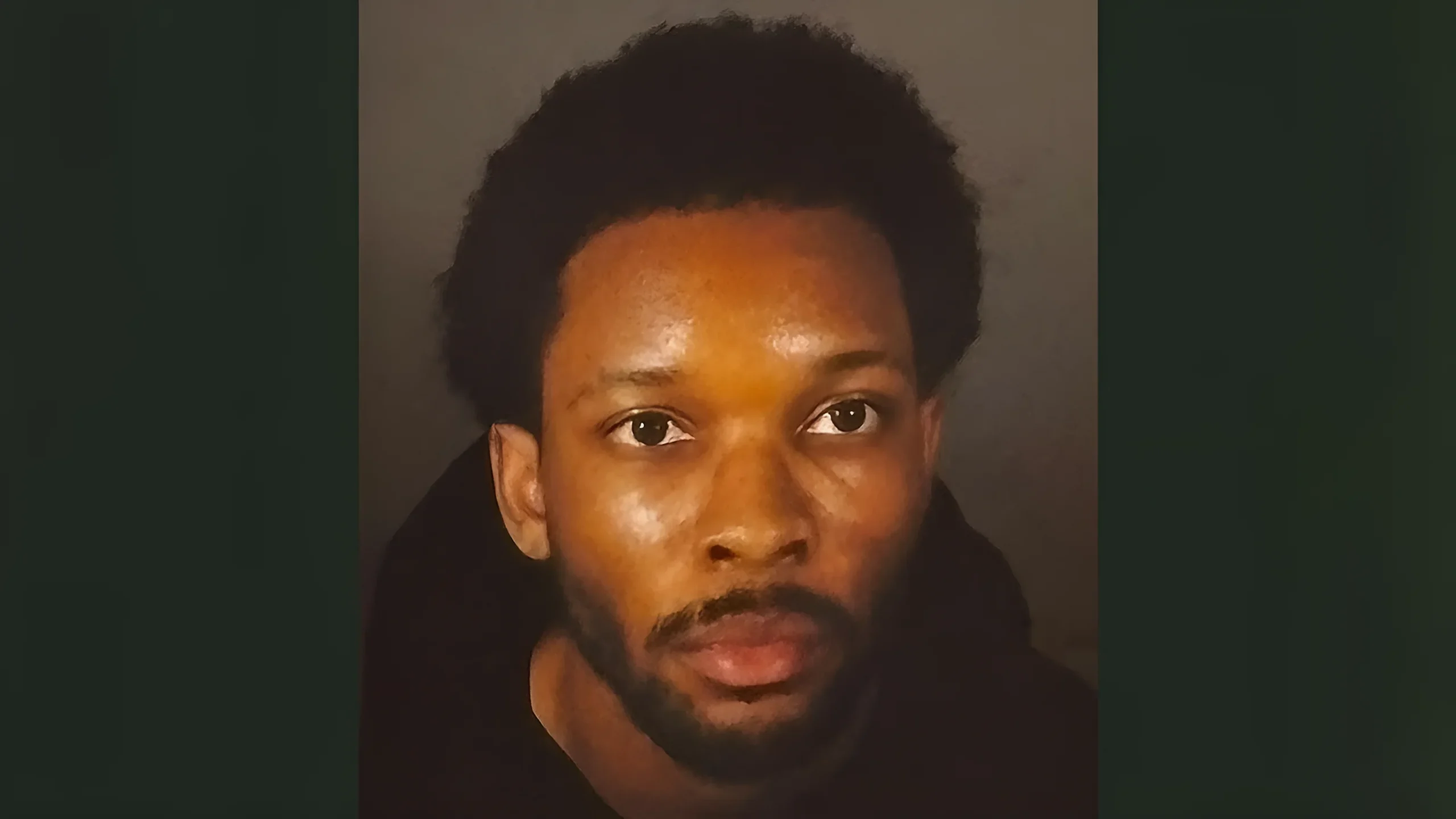
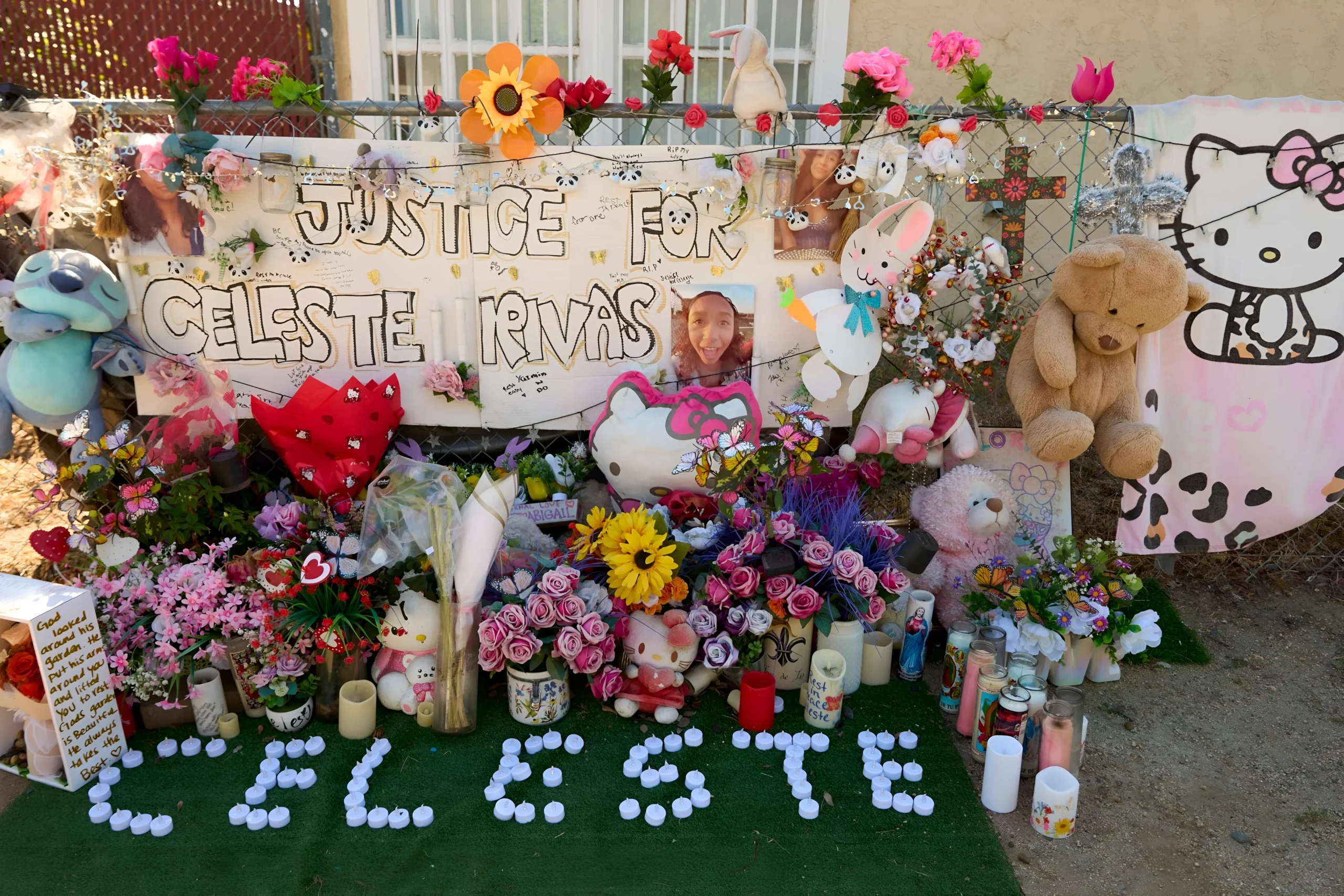
A story has emerged in the Los Angeles criminal chronicle that the tattoo community is discussing with a specific, almost professional interest. Prosecutors in the murder case of 14-year-old Celeste Rivas Hernandez have revealed a detail that seems gruesome at first glance, but logical to those who understand the language of skin and ink: the accused, 21-year-old Los Angeles resident David Burke, known by his stage name D4vd, allegedly amputated two fingers from the victim’s left hand precisely because there was a tattoo of his name on the ring finger. According to the investigation, he wanted to “distance himself from the victim” and erase the visible connection between himself and the girl. The fingers have still not been found.
Let me recall the timeline outlined in the nine-page document. The relationship, according to the prosecutor’s office, began in 2023 when Celeste was 13 and D4vd was 18. The couple broke up in November 2024, but investigators believe they continued to see each other. In correspondence dated April 22, 2025, the girl, according to the accusers, “became extremely irritated and threatened to reveal compromising information about her relationship with the defendant to end his career and ruin his life.” The next day, April 23, 2025, she was allegedly invited to a house in the Hollywood Hills, where she was stabbed to death. It was on this day, two days before the release of D4vd’s debut studio album, that all activity on her phone ceased.
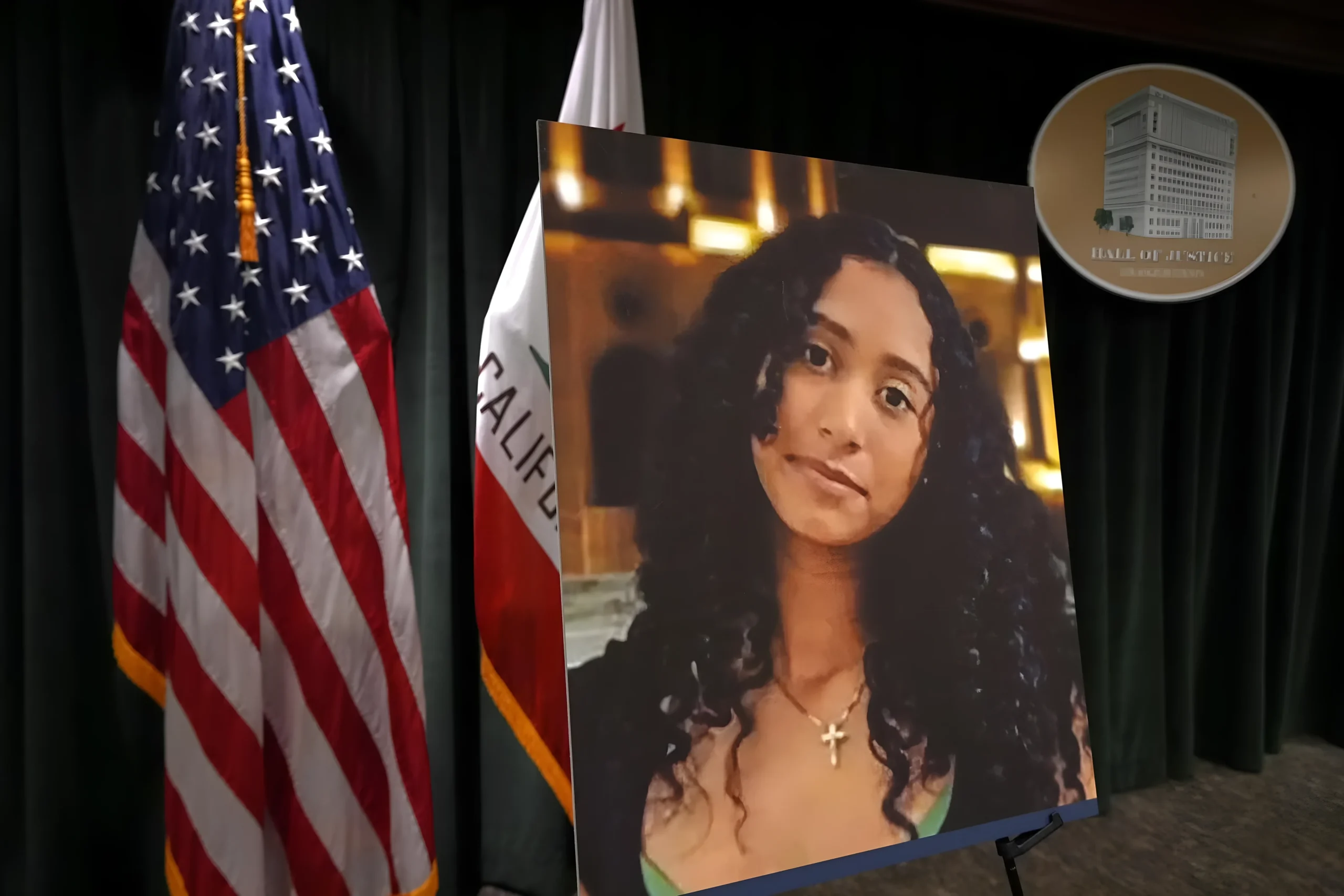
Then begins what prosecutors call “horrific measures to destroy the body.” In the days following the alleged murder, the accused, according to the investigation, ordered two chainsaws, a body bag, heavy-duty laundry bags, and a blue inflatable pool from Amazon—some of the purchases were made under the alias Victoria Mendez. The limbs, accusers claim, were sawed off right in the pool so that blood would not get on the garage floor. Blue plastic fragments found in the remains matched the purchased pool, and DNA from bloodstains in the garage matched the victim’s genetic profile. The dismembered body was placed in bags and left to decompose in the trunk of a Tesla. The remains, according to police, were found in September 2025 at a tow yard in Hollywood: the head and torso were in a body bag, and the limbs were in a trash bag in the front trunk. The girl’s personal belongings, including documents, were dumped in a secluded area in Santa Barbara County, where they were discovered in January 2026.
D4vd himself does not admit guilt, and his defense insists on his innocence. He is charged with murder, continuous sexual assault, and illegal desecration of remains; no bail has been set. A preliminary hearing is scheduled for May 26. The victim’s family attorney, Patrick Steinfeld, called the charges “horrific” in a statement and reported that the family has declined public comment “amidst the daily gruesome details.”
Why a name tattoo is not just a detail here
For tattoo culture, this case is a clear example of how the “permanent marker” of relationships works both ways. A tattoo with a name, initials, or a date on the body is one of the most common ways to record an attachment: it is a public yet intimate gesture that is read in the subculture as a promise and, at the same time, as a trace. In everyday life, such works are almost never considered a vulnerability—they are done by people ready to carry this symbol for years. But in a criminal context, the logic is reversed: what was a sign of closeness for the wearer becomes proof of a connection for the investigator, and a reason for the accused to get rid of a patch of skin.
It is important to separate two layers here. On one hand, a name tattoo is a social contract written on the body: it assumes that the person is aware that the connection will be visible to others. On the other hand, in a situation where a relationship becomes threatening, this very “visibility” turns into a risk. The prosecution builds its case on the fact that D4vd understood: as long as his name could be read on the victim’s finger, the connection between them did not disappear even after death. Hence, according to the prosecution, the desire to erase the symbol along with the finger.
Tattoo culture experts have long noted that name tattoos are the most “alive” and the most conflict-prone: they most often become the subject of regret, disputes, and attempts to cover up or remove. In this case, the tattoo played a role rarely discussed in the studio: it became part of the evidence base, and its destruction became an episode of the indictment. This is a rare but telling case where an aesthetic choice on the skin goes beyond personal expression and enters the field of forensics.
For the reader of tatufoto.com, the key takeaway is simple: a tattoo is not only art and identity, but also a trace that can be read by others. In most cases, this is not a problem, but the D4vd case clearly shows how a permanent symbol on the body can become evidence, and the desire to “erase a name” can become part of a criminal narrative. Until the preliminary hearing takes place, all details remain allegations by the prosecution, and the defense rejects them entirely.