
Choosing a tattoo artist is like choosing a surgeon, only instead of a scalpel, it’s a tattoo machine, and instead of a body, it’s your canvas. And, as with any important decision, you need to be attentive and pay attention to details. In my experience, the first look at a portfolio and the artist’s workspace can tell you more about them than they can themselves. Believe me, this is a critical stage that can save you a lot of nerves and, most importantly, keep your skin safe and sound.
Let’s start with the portfolio. It’s the business card of any artist. If they show you printed pictures from the internet or low-quality photos, that’s already a red flag. A good artist is proud of their work and showcases it in a decent manner – whether it’s high-quality photos on Instagram, a neatly organized album, or a website. Pay attention to the variety of styles and techniques. If an artist only does one type of tattoo, it might indicate their limitations. Assess the quality of lines, color saturation, and detail. Poorly filled areas, crooked lines, blurry outlines – all these are signs of unprofessionalism.
Next, the workspace. When you enter a tattoo studio, pay attention to cleanliness and order. This isn’t just about aesthetics; it’s about your safety. A dirty workspace is a direct path to infections and other unpleasant consequences. Make sure all surfaces are disinfected, instruments are sterilized, and the artist wears gloves. If you see dirty rags on the table, open jars of ink, or scattered needles, run away without looking back.
- Assess the portfolio: photo quality, variety of styles, overall impression.
- Pay attention to the workspace: cleanliness, order, adherence to sanitary standards.
- Don’t hesitate to ask questions: about the artist’s experience, materials used, sterilization process.
A Deaf Man Talking to Paints: Lack of Consultation and Disregard for Client’s Wishes

Imagine going to a doctor, and they don’t even ask what’s wrong, but immediately start prescribing medication. Absurd? It’s the same with tattoos. A good artist will definitely consult with you to understand what you want, what your preferences and expectations are. If an artist immediately grabs the machine without inquiring about your wishes, it’s a serious reason to reconsider.
Consultation is not just a formality. It’s an important stage where the artist should clarify all the details: size, placement, style, color palette, presence of allergies, and other contraindications. They should offer their ideas and recommendations, but at the same time, consider your wishes. If an artist imposes their opinion, ignores your feedback, or dismisses your questions, it indicates their disrespect for you as a client.
In my experience, a good artist is always ready to listen to your ideas, offer alternative options, and help you make the right choice. They should be able to explain why a particular idea might not work and suggest a more suitable solution. They should be willing to make changes to the sketch if something doesn’t appeal to you. After all, it’s your tattoo, and you should be the one who likes it.
- Lack of consultation: the artist is not interested in your wishes and preferences.
- Disregard for your ideas: the artist imposes their opinion and ignores your feedback.
- Unwillingness to make changes: the artist refuses to adjust the sketch according to your wishes.
A Needle in a Haystack: Violation of Sanitary Norms and Lack of Sterility
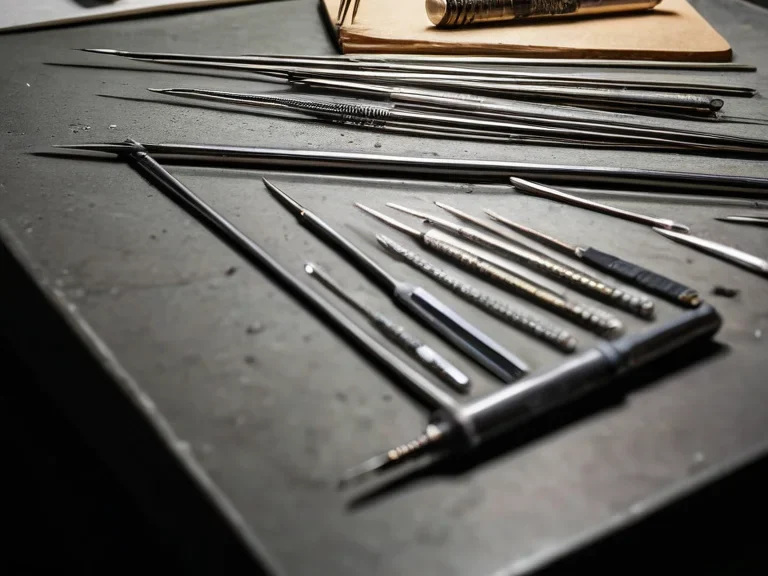
This is perhaps the most important point. Violation of sanitary norms is a direct path to infection, which can lead to serious health problems. Remember that a tattoo is essentially a micro-operation, and it must be performed in sterile conditions. If you see an artist neglecting sanitary norms, run away, even if they do amazing tattoos.
How to check if an artist adheres to sanitary norms? Firstly, look for an autoclave – a device for sterilizing instruments. If there isn’t one, that’s a bad sign. Secondly, ensure that all instruments that come into contact with the skin are disposable and opened in front of you. This applies to needles, tips, gloves, wipes, and other consumables. Thirdly, check how the artist prepares the skin before applying the tattoo. They should thoroughly disinfect it with an antiseptic and use disposable blades for shaving (if necessary).
In my opinion, saving money on health is the biggest foolishness one can commit. Therefore, if you doubt the sterility of the workspace, it’s better to forgo the tattoo and look for another artist. Your health is worth more than any tattoo.
- Absence of an autoclave: instruments are not sterilized properly.
- Use of non-disposable instruments: risk of infection.
- Negligent attitude towards disinfection: disregard for sanitary norms.
The Price Tag: Overpriced or Suspiciously Low Cost of Work
The price of a tattoo is a complex issue that depends on many factors: size, complexity, style, artist’s experience, materials used, etc. However, as in any other field, there are extremes here: an overpriced or suspiciously low price. And both should make you wary.
An inflated price doesn’t always indicate high quality. Some artists simply inflate prices to create an impression of exclusivity and attract clients willing to pay more. Before agreeing to a high price, make sure the artist truly matches the claimed level. Look at their portfolio, read reviews, and talk to other clients.
A suspiciously low price is an even more alarming sign. It can indicate that the artist uses cheap materials, cuts corners on sterilization, lacks sufficient experience, or is simply trying to attract clients by any means necessary. In any case, saving money on a tattoo can lead to serious health problems and ruined skin.
In my experience, it’s best to aim for the average market price. Find out how much similar tattoos cost from other artists in your city and compare prices. If the price differs too much in either direction, it’s a reason to think twice.
- Overpriced: doesn’t always guarantee high-quality work.
- Suspiciously low price: may indicate the use of cheap materials and non-compliance with sanitary norms.
- Compare prices: aim for the average market price.
Master of Mishaps: Refusal to Fix Mistakes and Lack of Confidence

Nobody is perfect, and even the most experienced artists make mistakes. The main thing is how the artist reacts to these mistakes. If they refuse to fix them, shift the responsibility to you, or simply pretend nothing happened, it indicates their unprofessionalism and disrespect for you as a client.
A good artist will always admit their mistakes and be willing to fix them. They will offer you solutions to the problem and do everything possible to ensure you are satisfied with the result. They understand that a tattoo is for life, and they are responsible for their work.
Furthermore, pay attention to the artist’s confidence. If they constantly doubt themselves, ask for constant reassurance, get nervous, or refuse to take on complex projects, it may indicate their lack of qualifications. A good artist should be confident in their abilities and capable of handling any task.
In my opinion, confidence is one of the main signs of professionalism. But confidence should not turn into overconfidence and arrogance. A good artist should be confident, but at the same time remain humble and open to learning.
- Refusal to fix mistakes: unprofessionalism and disrespect for the client.
- Lack of confidence: insufficient qualifications.
- Overconfidence and arrogance: lack of humility and willingness to learn.