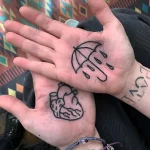
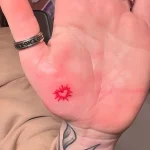
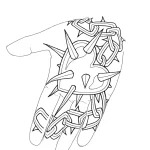
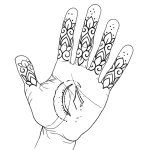
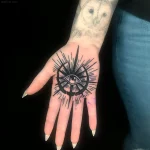
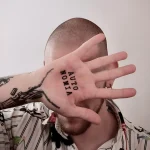
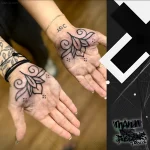
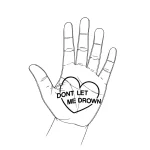
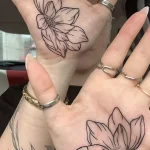
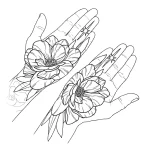
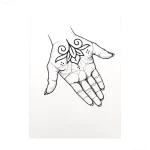
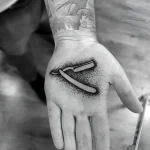
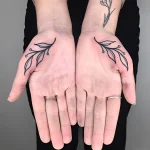
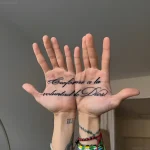
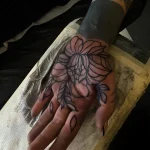
A tattoo on the palm is, without exaggeration, one of the most complex and demanding types of work in modern tattoo art. If you are a beginner tattoo artist just starting to master all the intricacies of the profession, you must understand that working on the palm requires not only perfect control of the machine but also a deep understanding of the dermatology of this area, as well as its cultural and symbolic weight. It’s not just “another canvas”; it’s a patch of skin with unique anatomy, a high degree of friction, and constant epidermal renewal, which calls into question the longevity of the pigment. This guide aims to provide you, as a future or aspiring professional, with comprehensive information on how to approach this challenge, minimizing the risk of fading and ensuring the client receives the highest quality result.
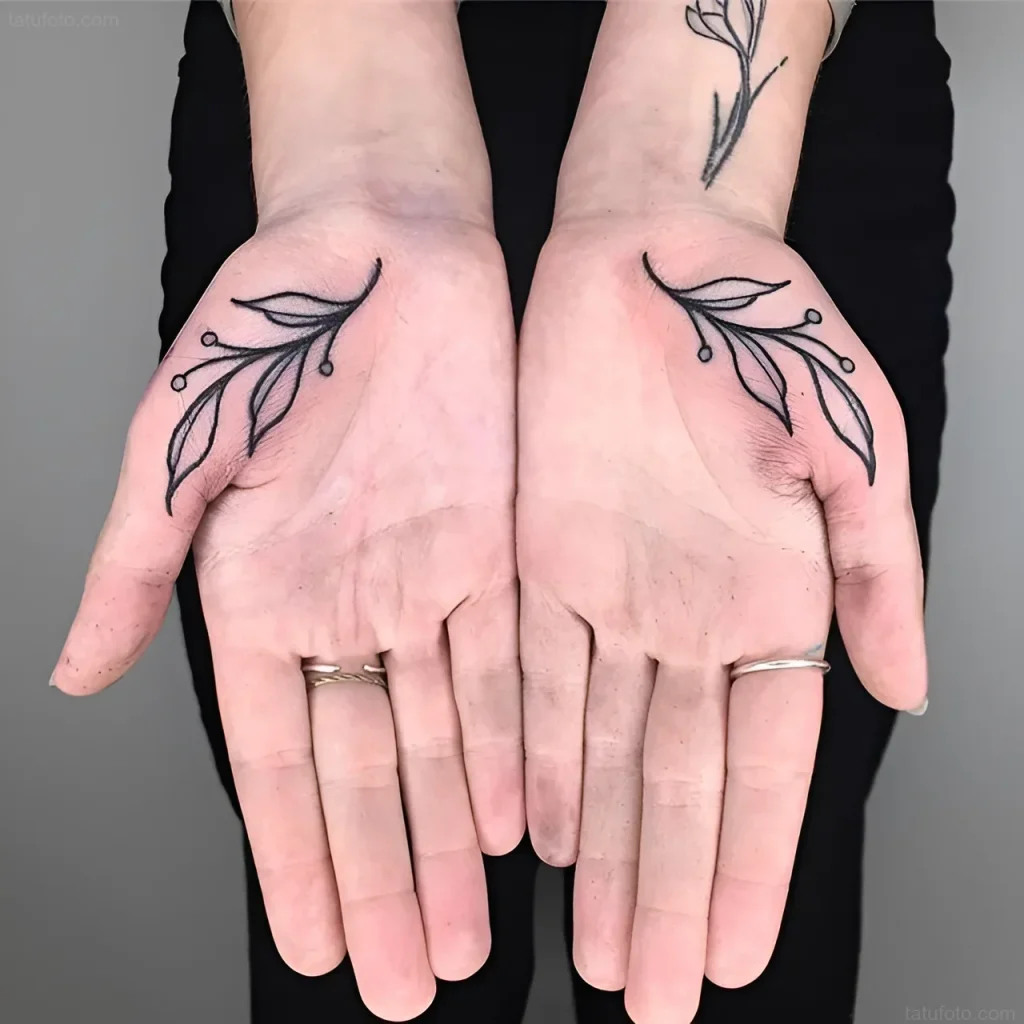
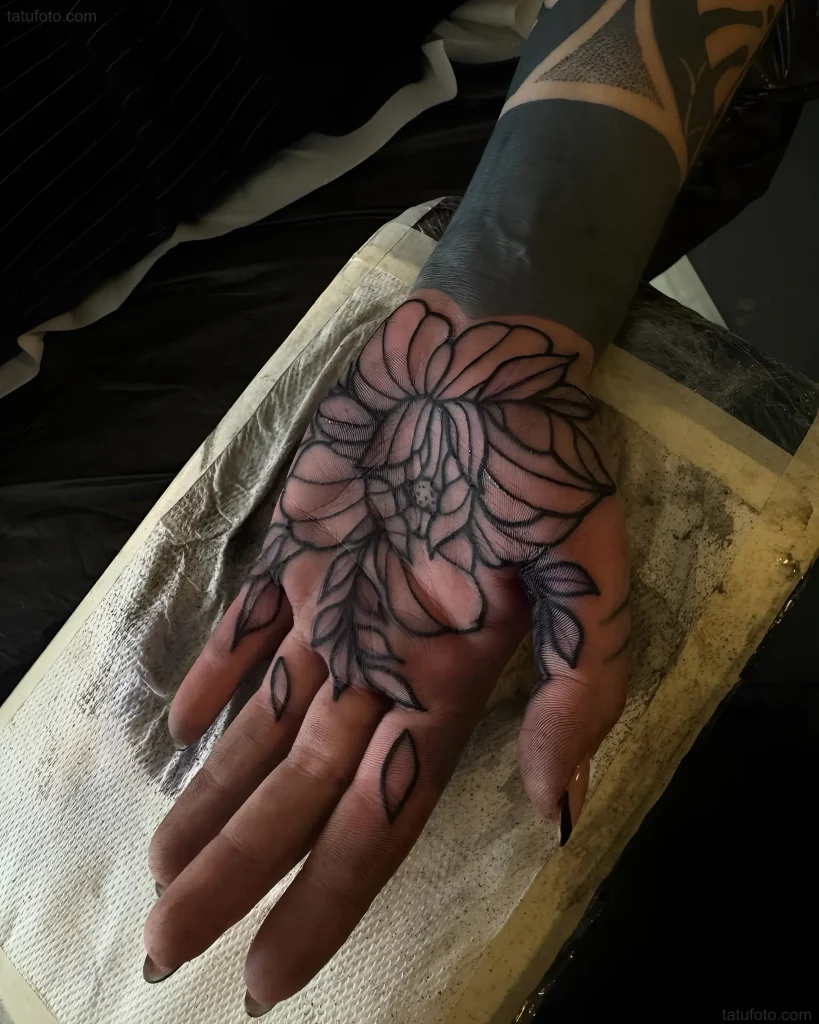
History of Palm Tattoos: From Ancient Traditions to Modernity
Before diving into the technical aspects, it’s essential to realize that palm tattoos have always carried exceptional cultural and social weight. This knowledge will help you better understand the client’s motivation and the complexity of the symbols they choose.

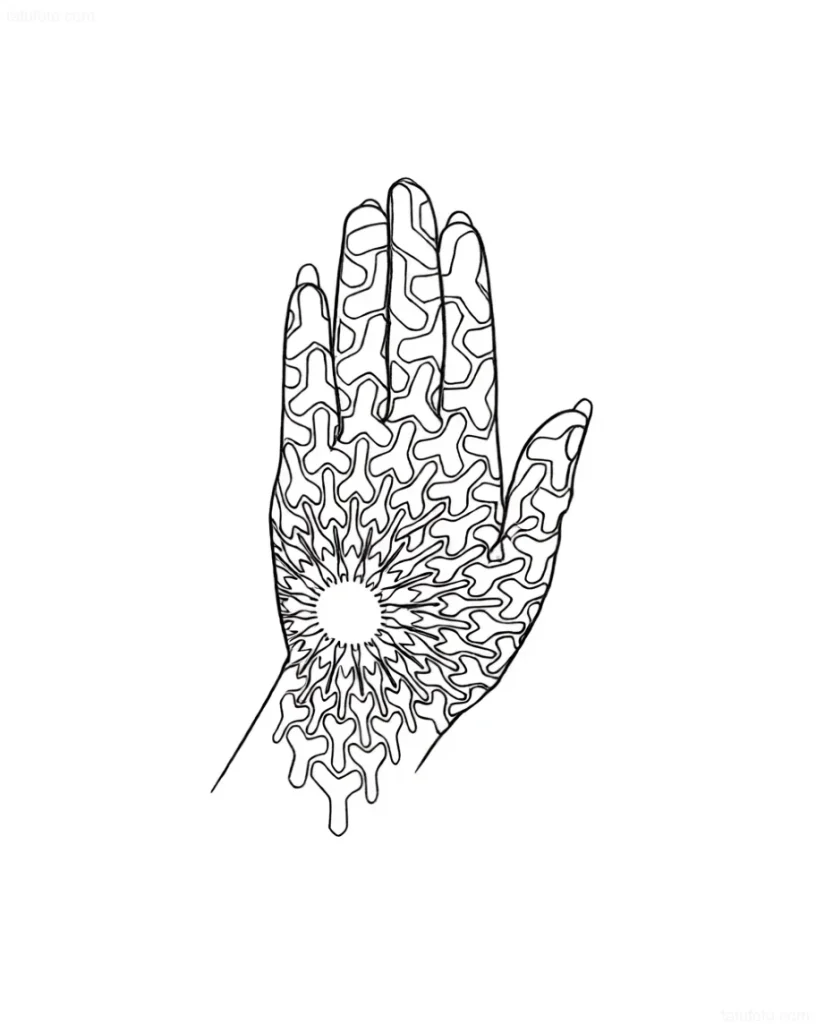
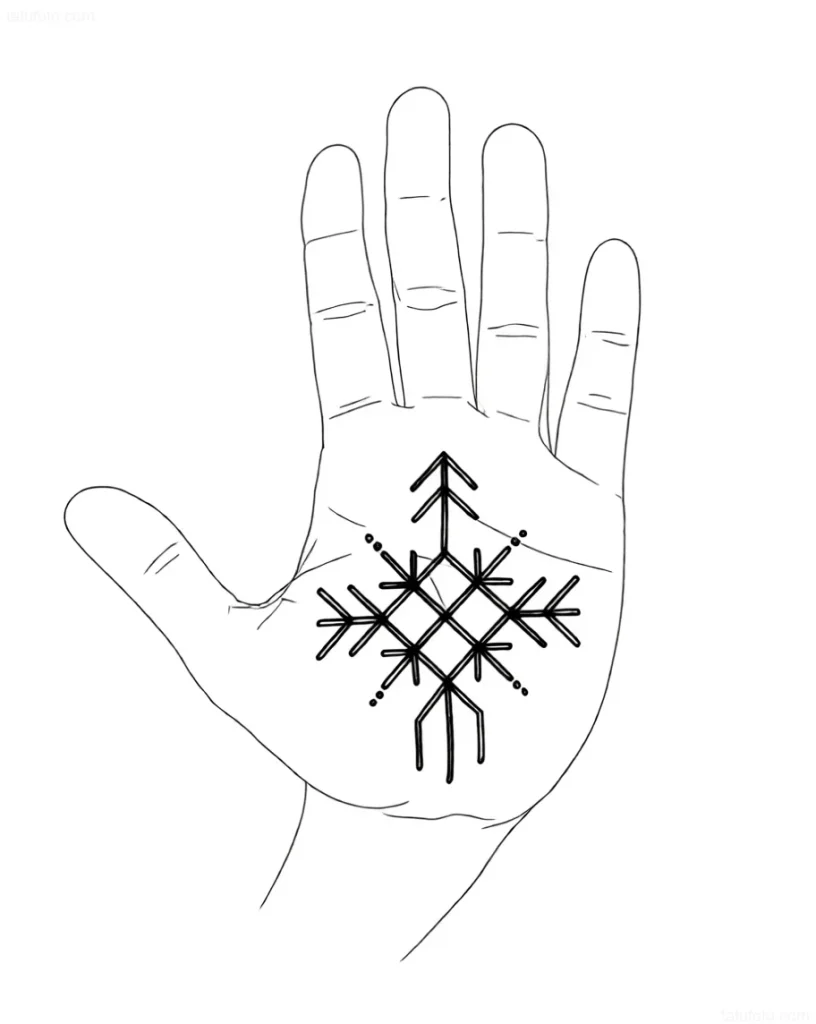
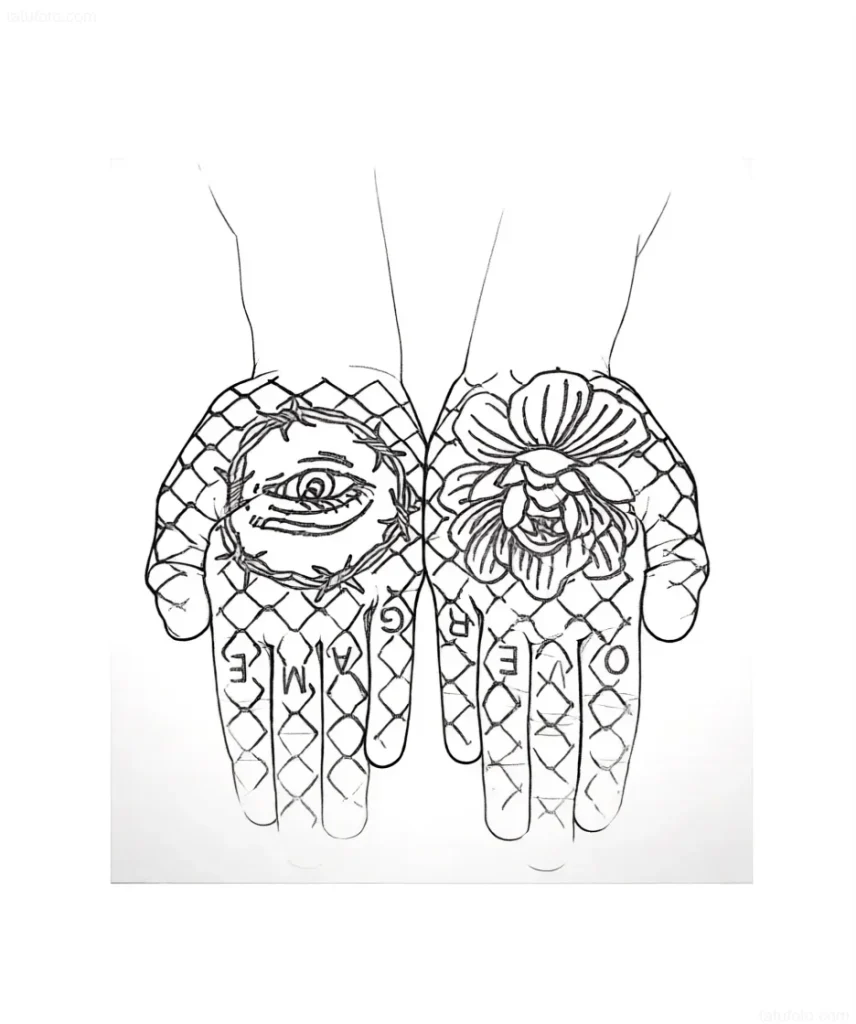
Historically, the palm and hand were among the most common places for permanent images, and this was due to several key factors:
- Sacredness and Protection: In the cultures of the Middle East, North Africa, and South Asia (especially in Mehndi/Henna traditions), patterns on the palms served as powerful amulets and talismans. They were intended to protect against the evil eye, attract luck, and denote status. Applying a permanent drawing (even if not always with ink, but with the same symbolic meaning) transferred this protection to a permanent basis.
- Visibility and Declaration: Palms are always an exposed part of the body, involved in gestures, handshakes, and rituals. Tattoos here were a public declaration of faith, tribal affiliation, or achieved status.
- Traditional Techniques: Many ancient cultures used hand-application techniques (hand-poking or tapping), which allowed for deeper and denser pigment insertion into the thick skin of the palm, achieving greater durability than early tattoo machines. This is an important lesson for modern artists: pigment density and depth of insertion are key to success.
In modern Western culture, palm tattoos were long associated with marginalized groups, prison culture, or radical devotion to the tattoo art (so-called “Job Stoppers”). Today, although the stigma has significantly weakened, they are still considered a symbol of maximum commitment and bravery, as they cannot be hidden.
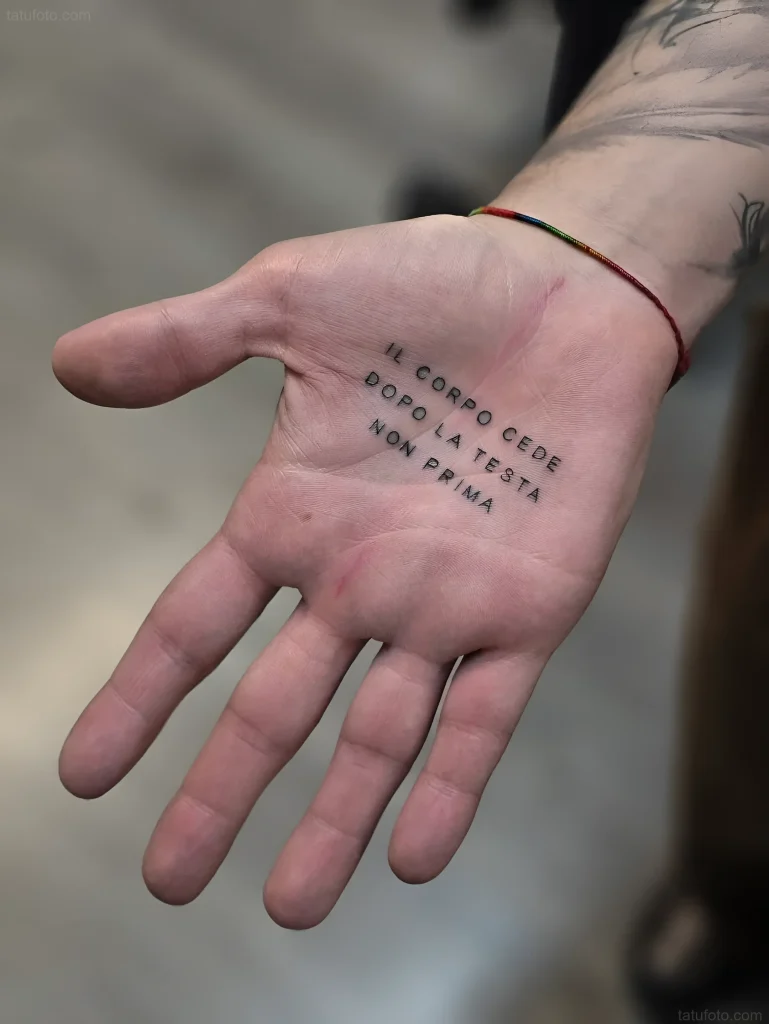
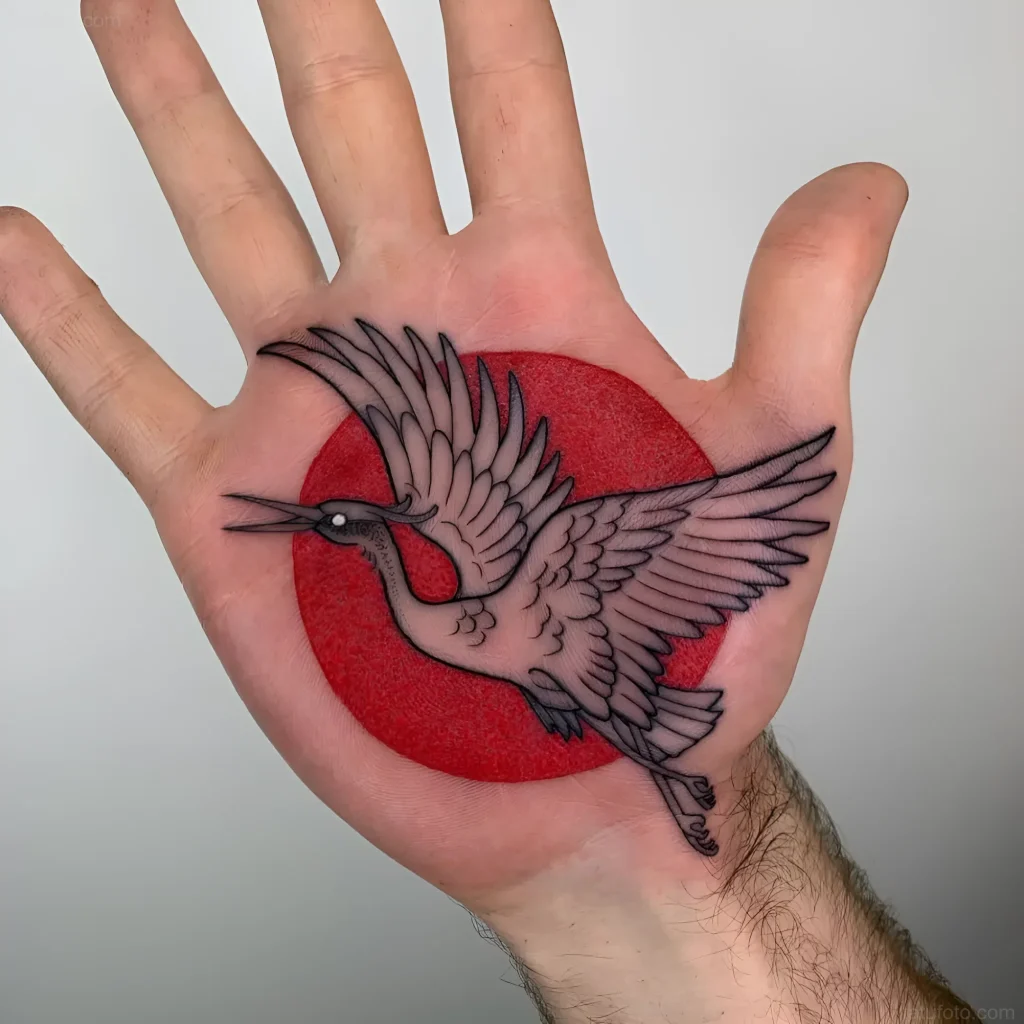
Meanings of Palm Tattoos: Symbolism and Interpretations of Designs
Since the palm is the most visible and functional part of the body, drawings placed here are rarely random. They often carry deep existential or protective meaning.
Symbolism Associated with Palm Anatomy
The palm is closely associated with palmistry and the concept of fate. A drawing placed on the palm can be interpreted as:
- Control over Fate: A person getting a tattoo on their palm often seeks to “rewrite” or “strengthen” the lines of their life, demonstrating an active life stance and determination.
- Action and Creation: Palms are tools for labor, creativity, and interaction with the world. A tattoo can symbolize professional mastery, the ability to create, or the desire to leave one’s mark.
- Openness and Honesty: An open palm is a gesture of trust. A tattoo in this area can signify a person’s readiness to be completely open to the world, despite vulnerability.
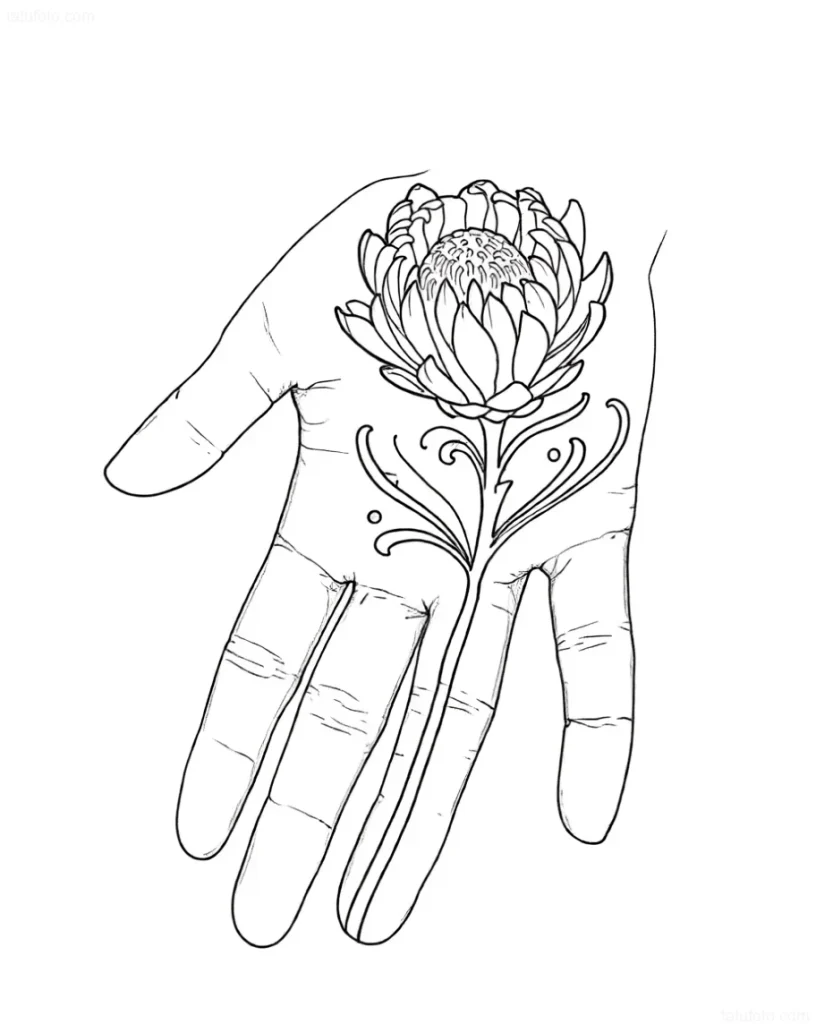
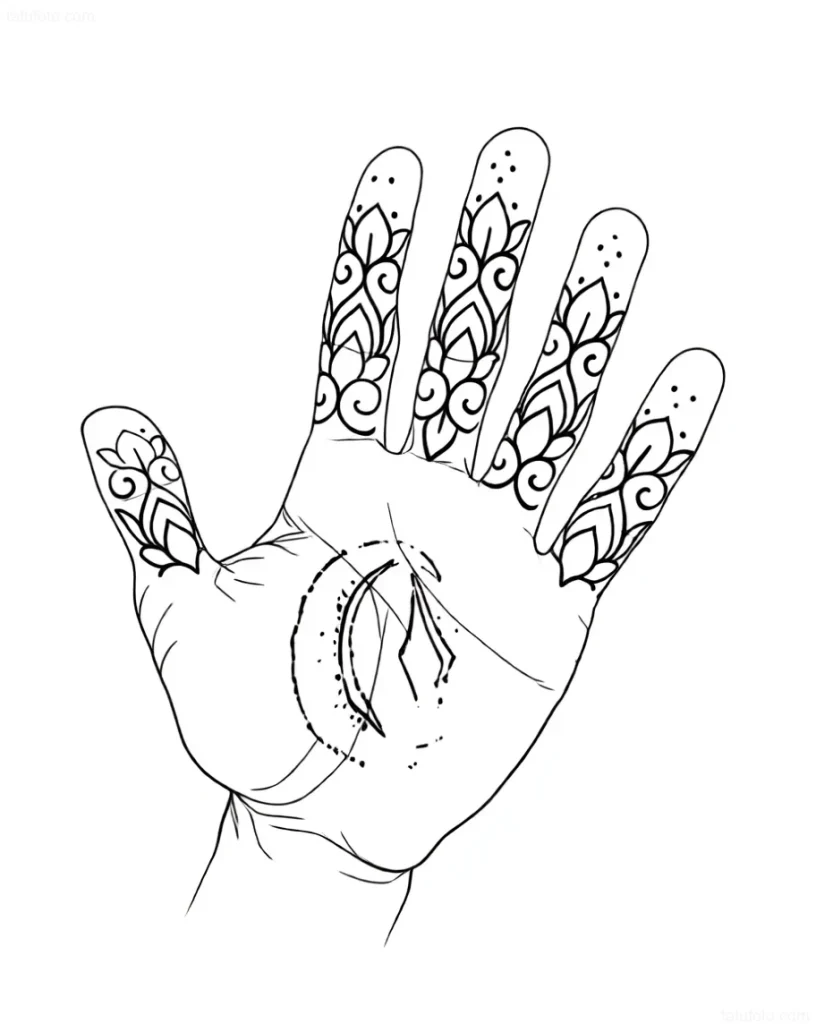
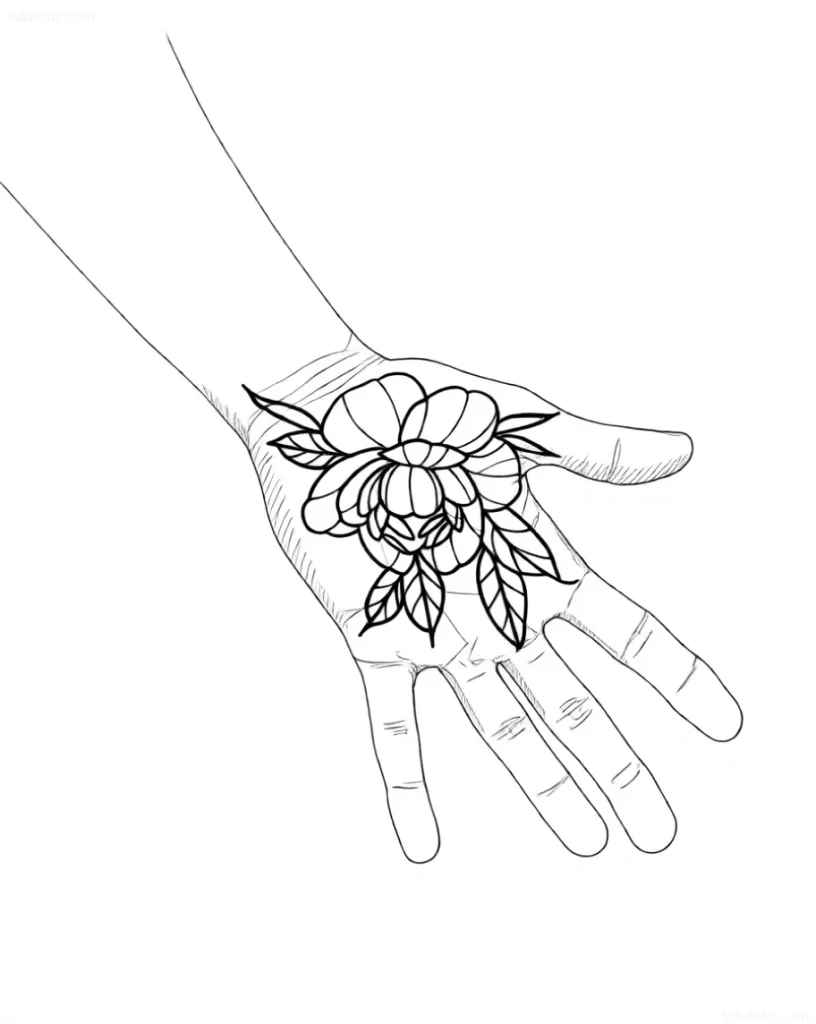
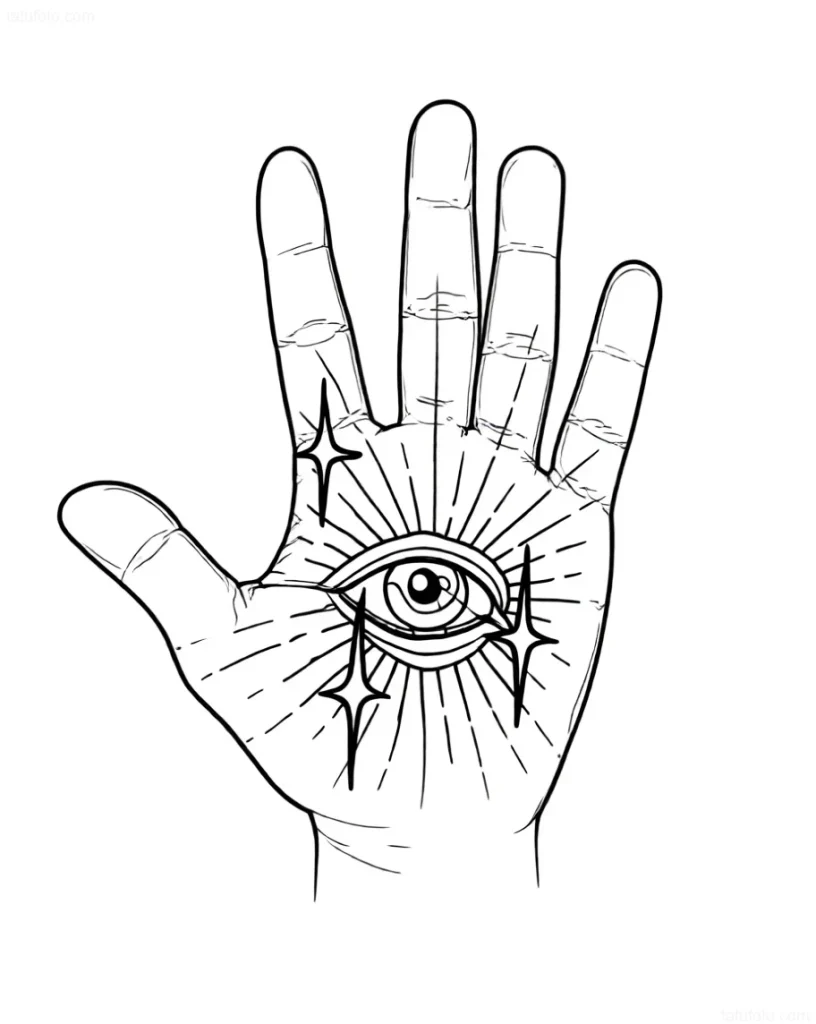
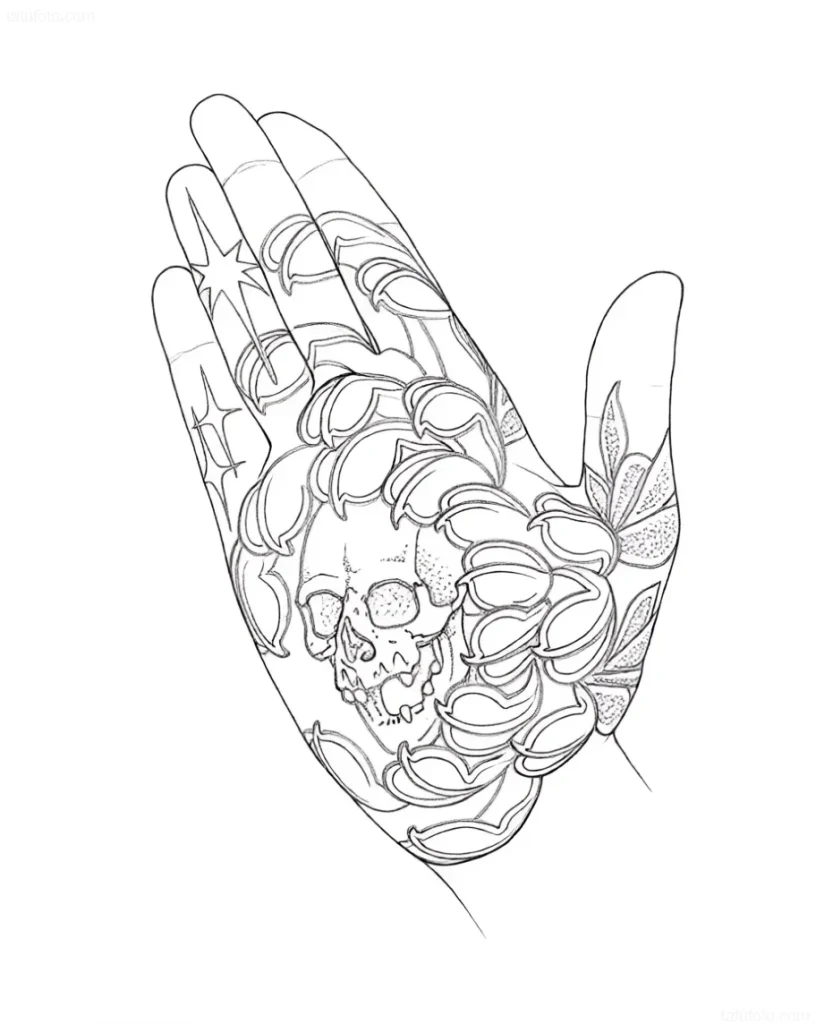
Popular Motifs and Their Meanings
As an artist, you’ll notice that clients often choose specific motifs that are maximally suitable for this area:
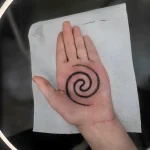
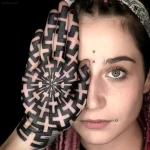
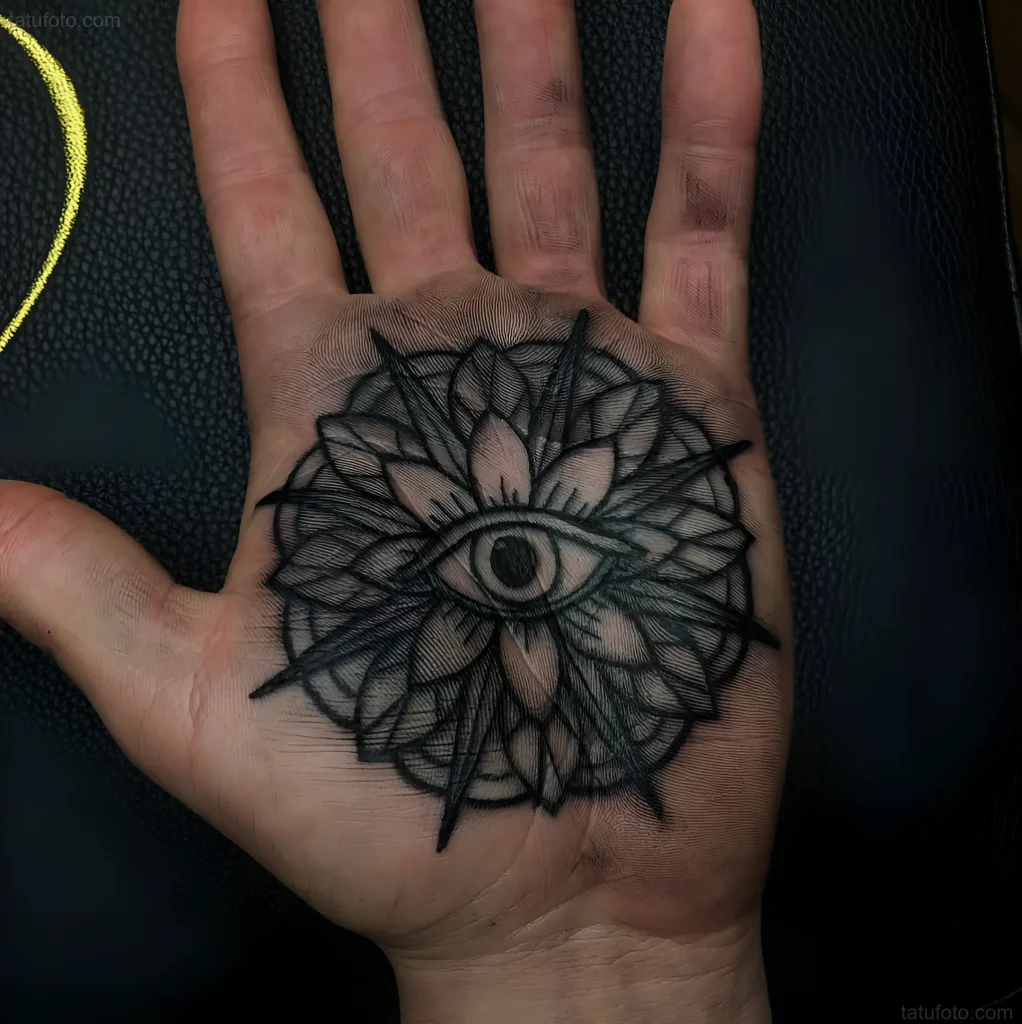
Mandalas and Geometric Patterns:
- Symbolism: Spiritual harmony, wholeness, infinity, meditation.
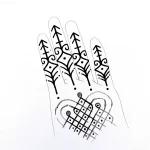
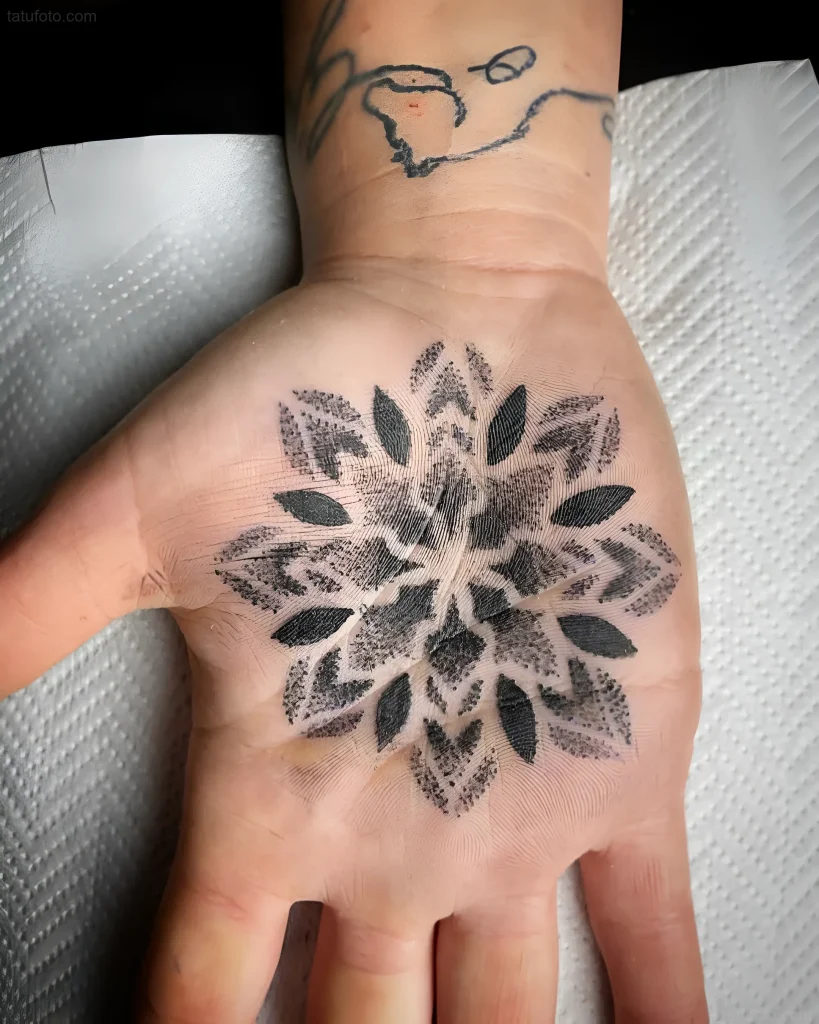
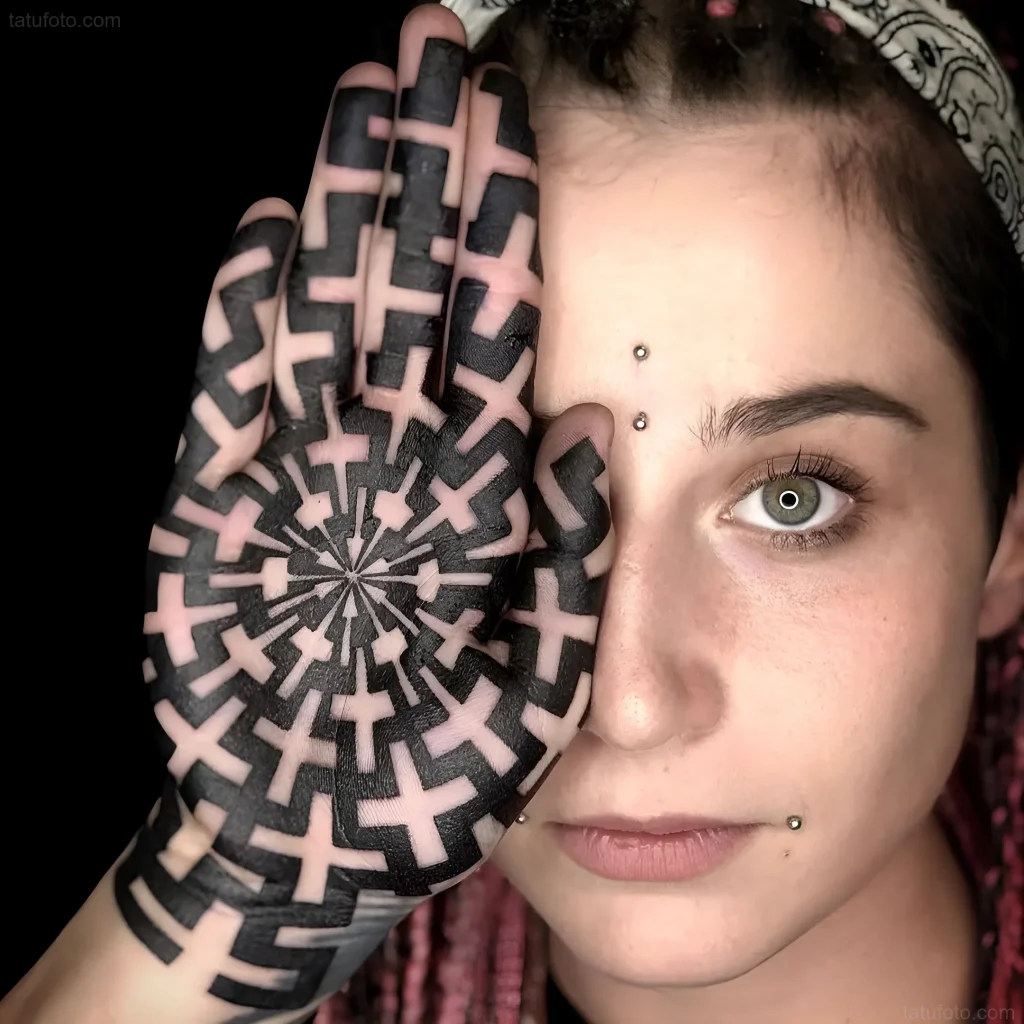
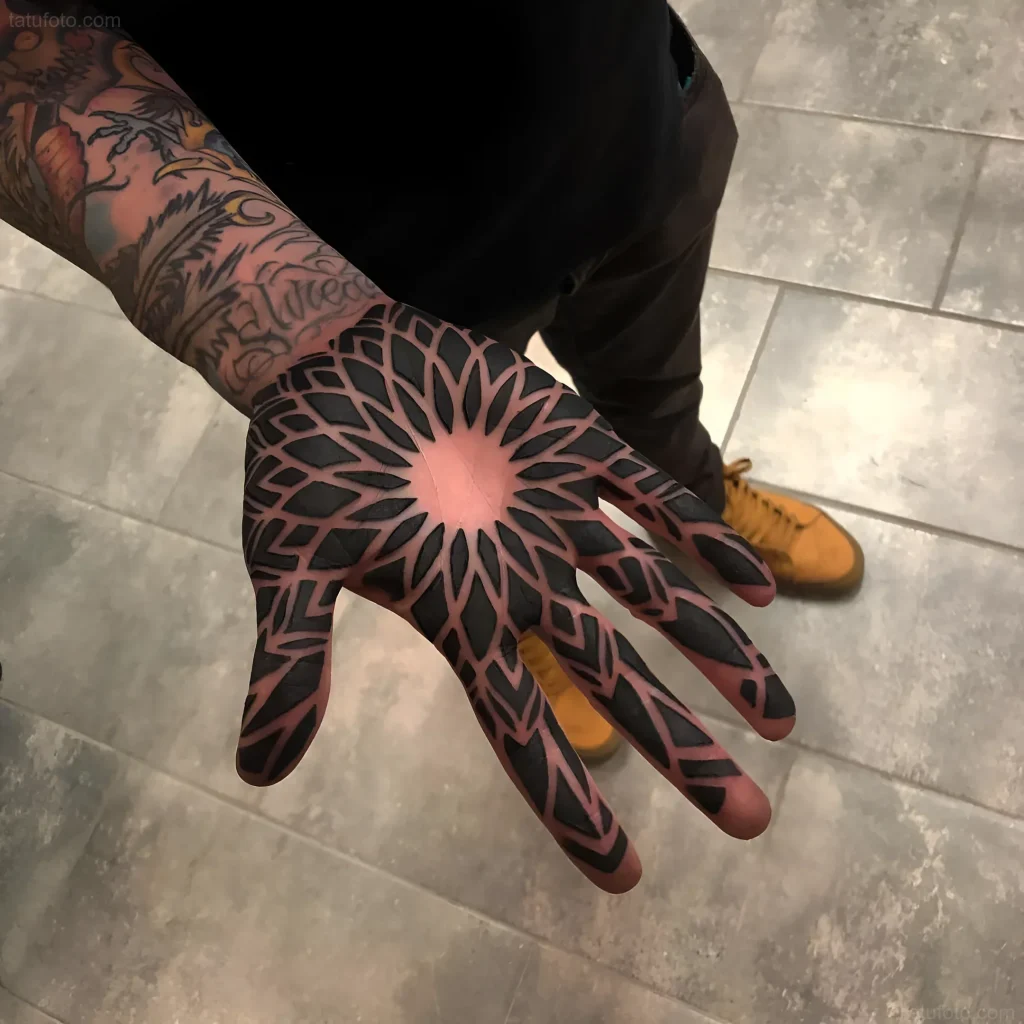
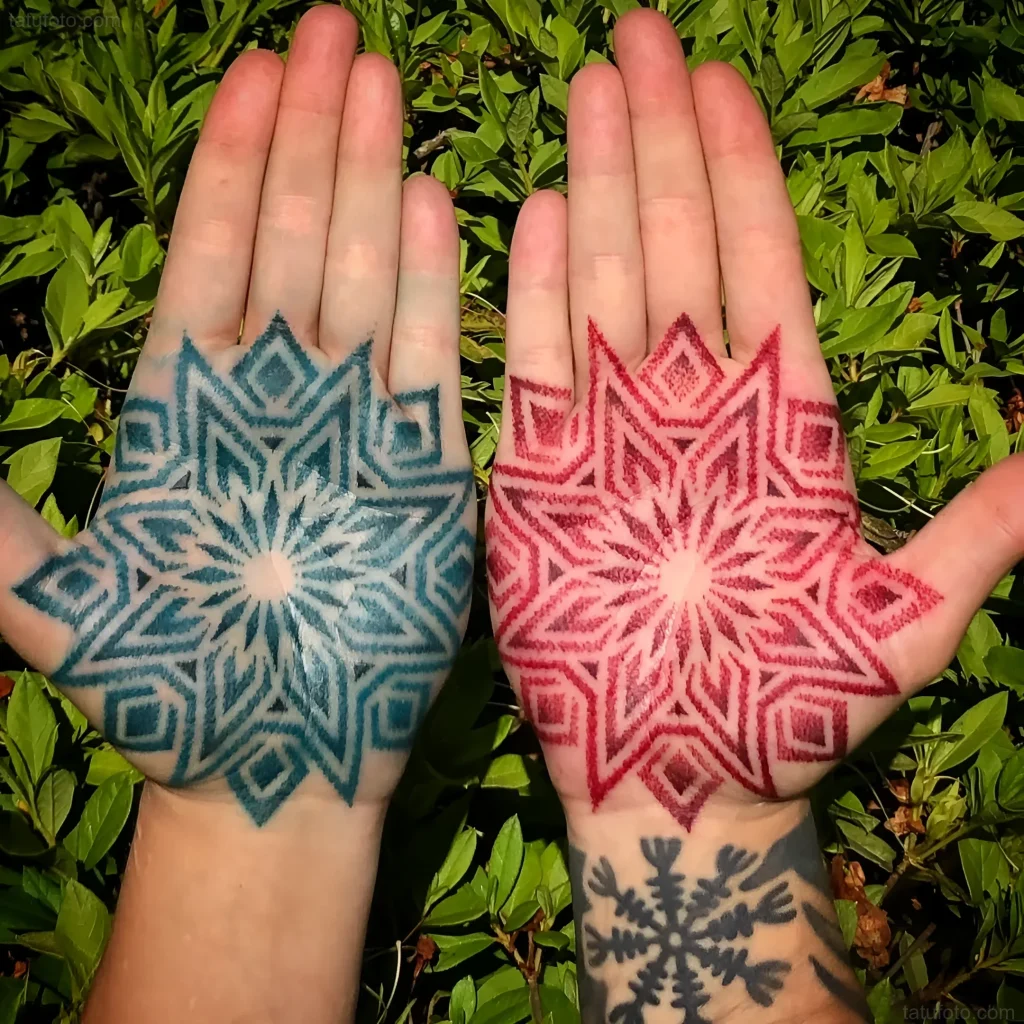
- Practical Aspect: Geometry is ideal for symmetrical placement on the palm, following its natural lines. These patterns, done in Blackwork or Dotwork style, best withstand natural fading.
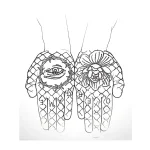
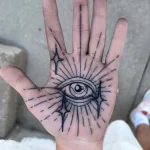
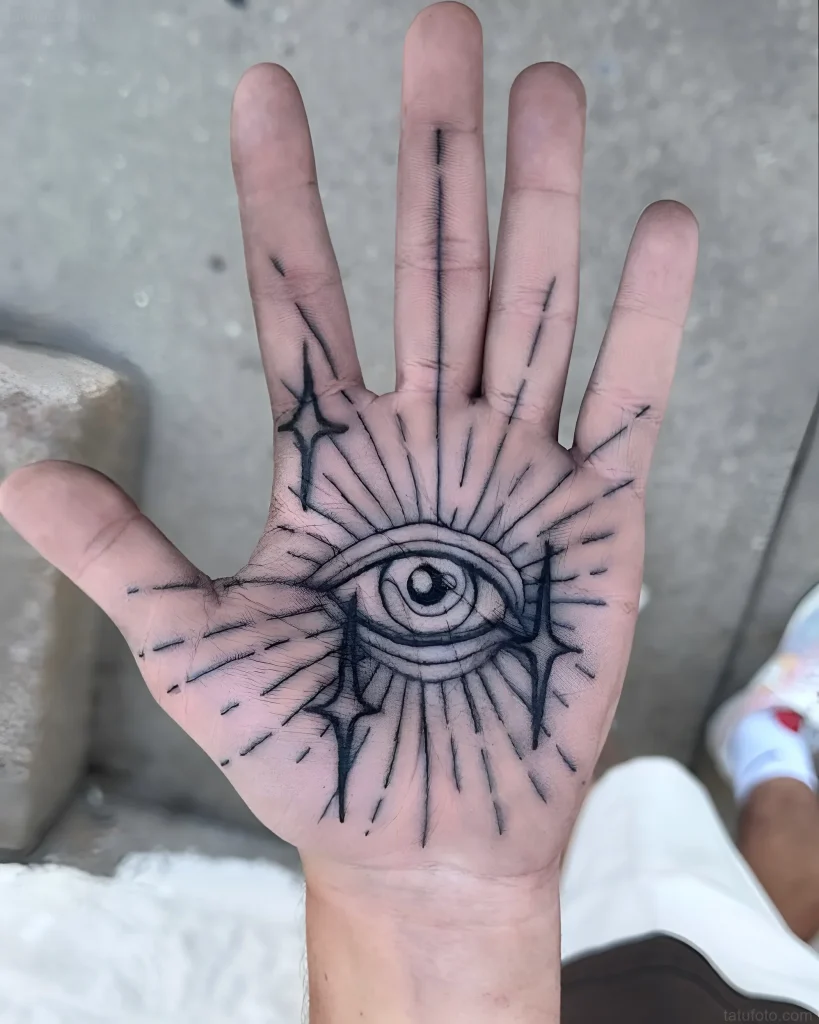
Eye of Horus or Hamsa (Hand of Fatima):
- Symbolism: Protection from evil, vigilance, divine providence.
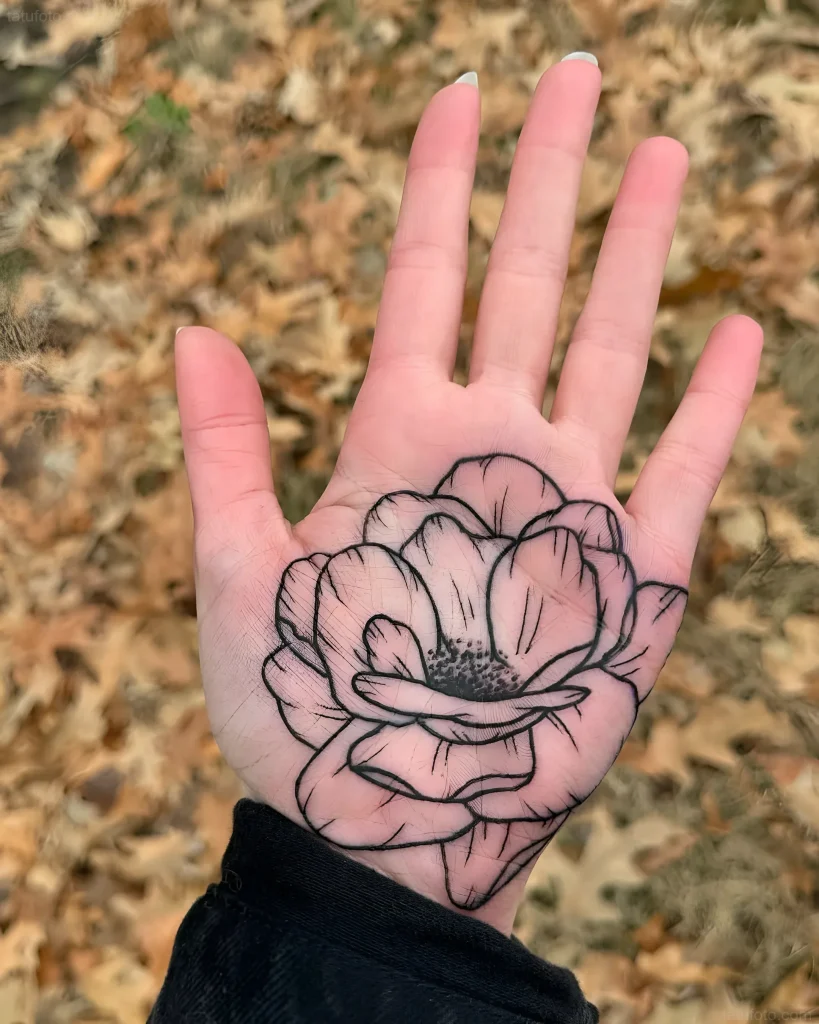
- Practical Aspect: These are classic protective symbols historically placed on hands. They require clear, bold outlines, which is critical for the durability of a palm tattoo.
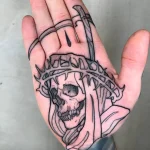
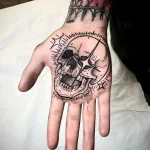
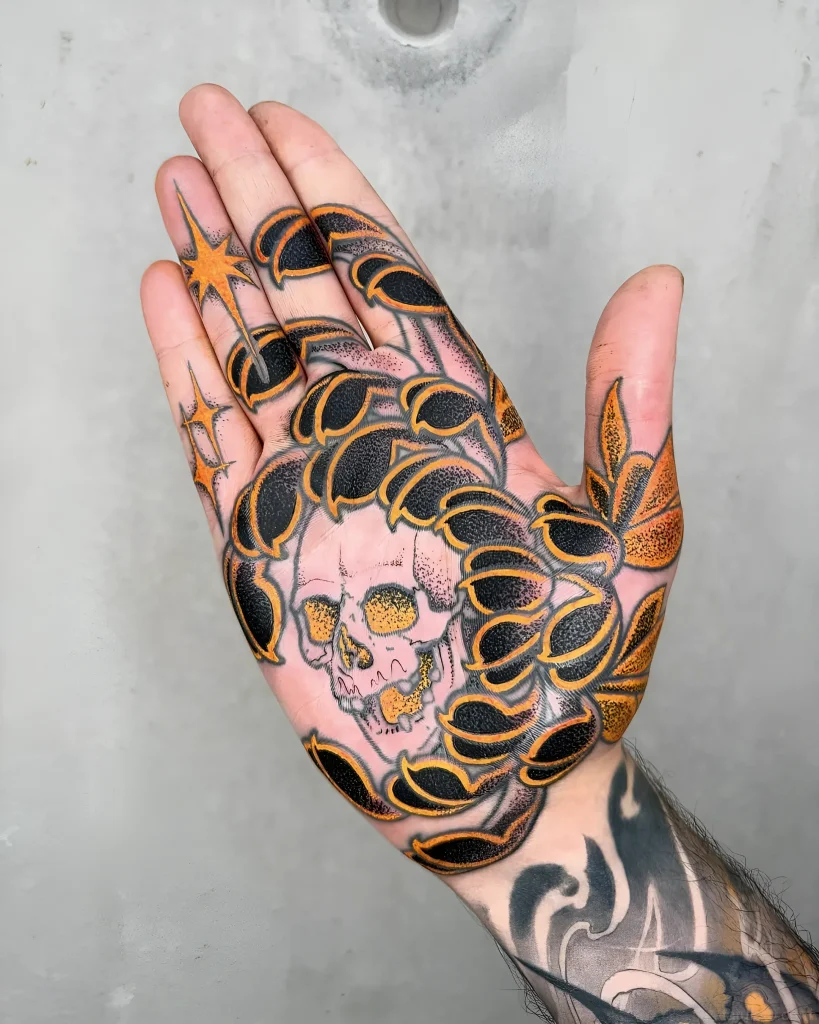
Skeletal Motifs or Skulls:
- Symbolism: Death, rebirth, acceptance of mortality.
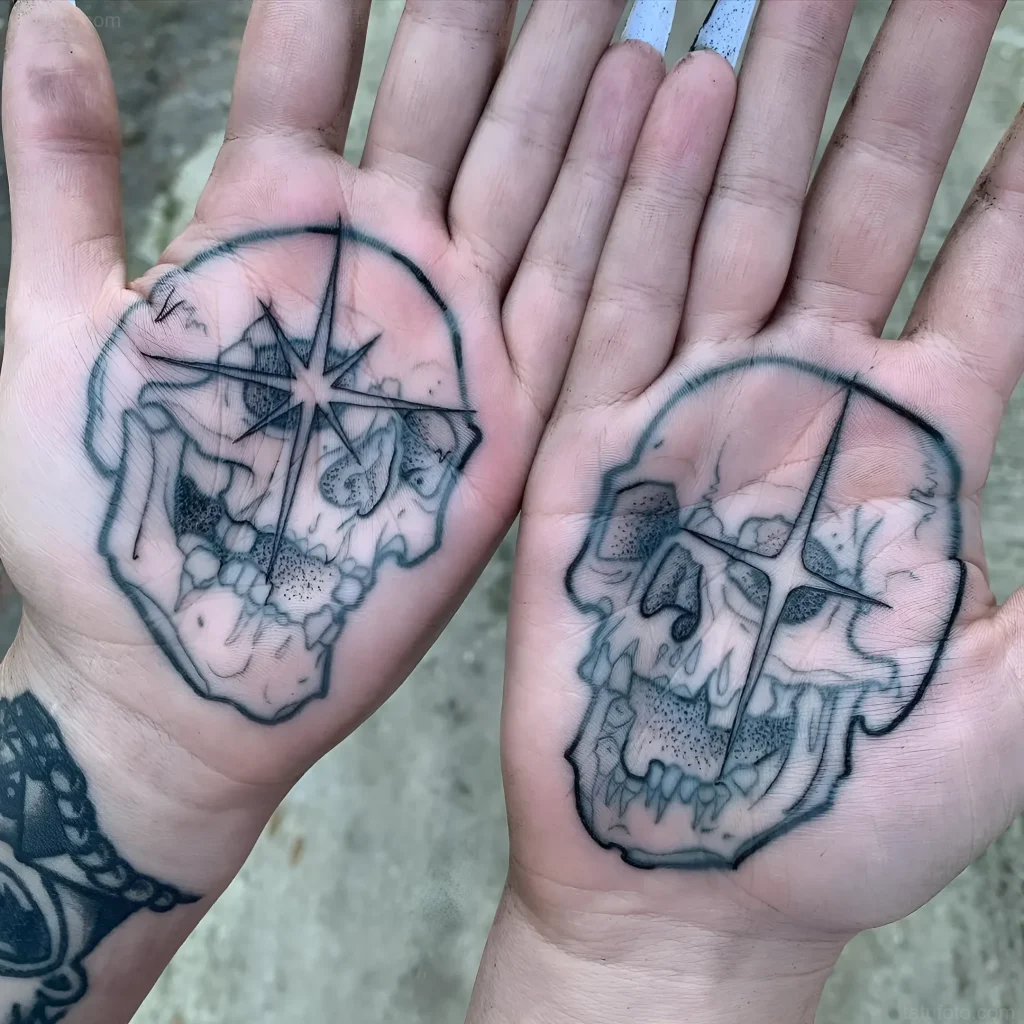
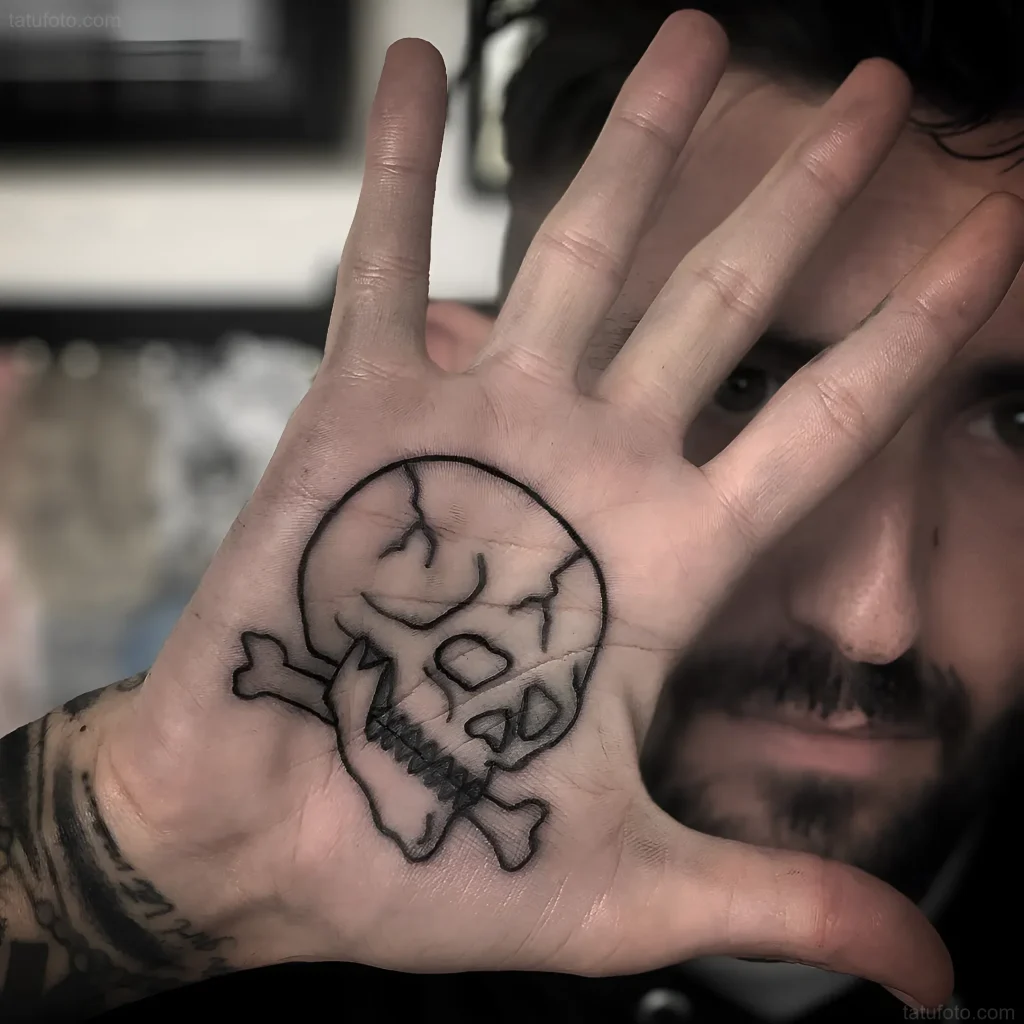
- Practical Aspect: Often done in Blackwork style, emphasizing the hand’s anatomy and creating a “second skin” effect.
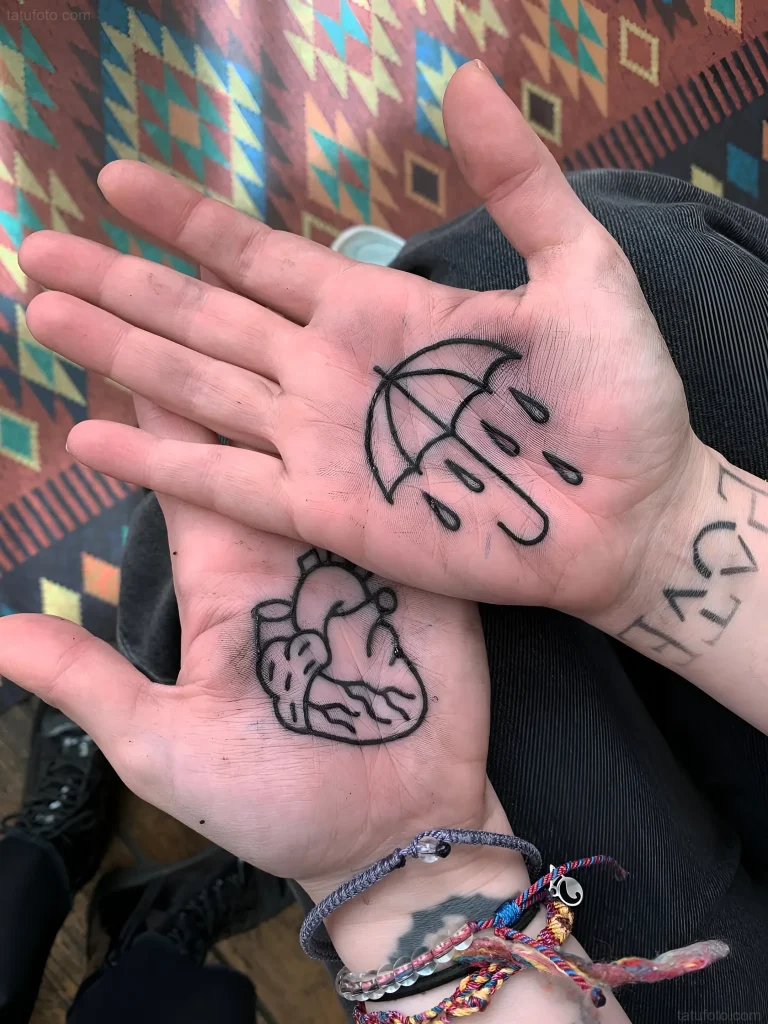
Palm Tattoo Styles: Choosing the Right Design
Choosing a style for a palm tattoo is not just an aesthetic decision; it’s a technical requirement. Due to the high rate of cell regeneration and the thickness of the stratum corneum on the palm, some styles are almost guaranteed not to survive the healing process.
Styles That Work (High Durability):
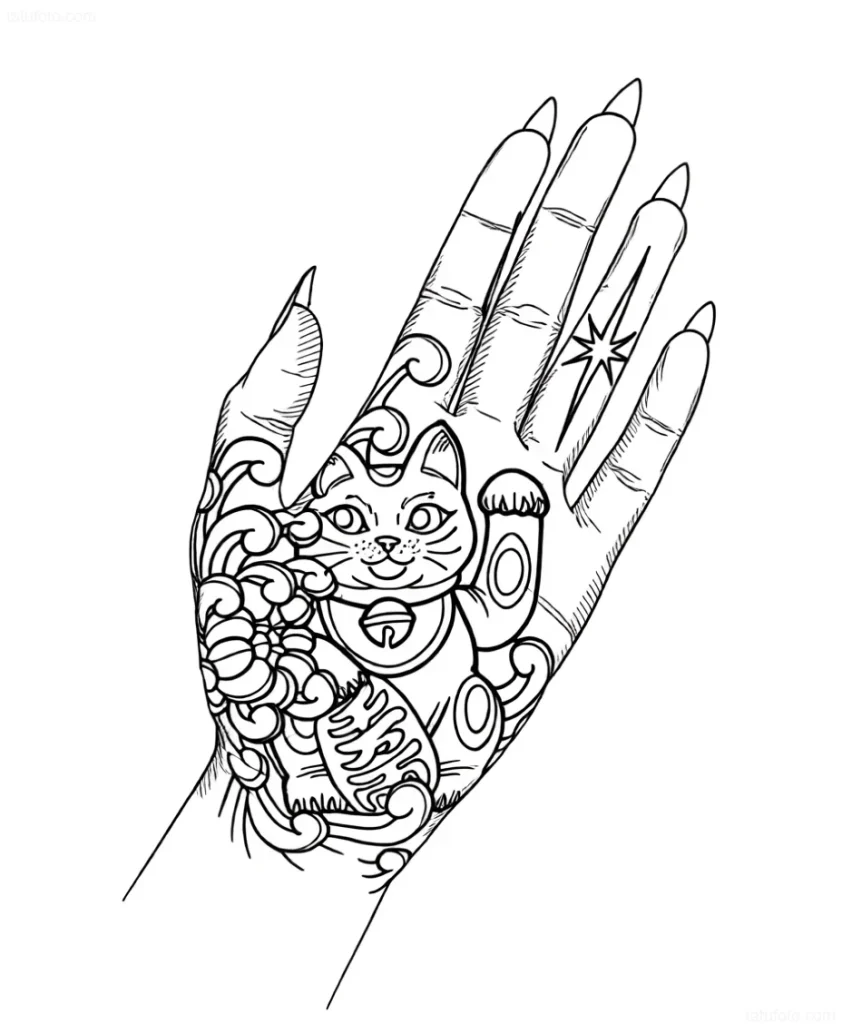
1. Traditional (Old School) and Neo-Traditional:
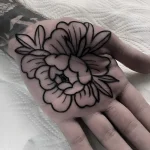
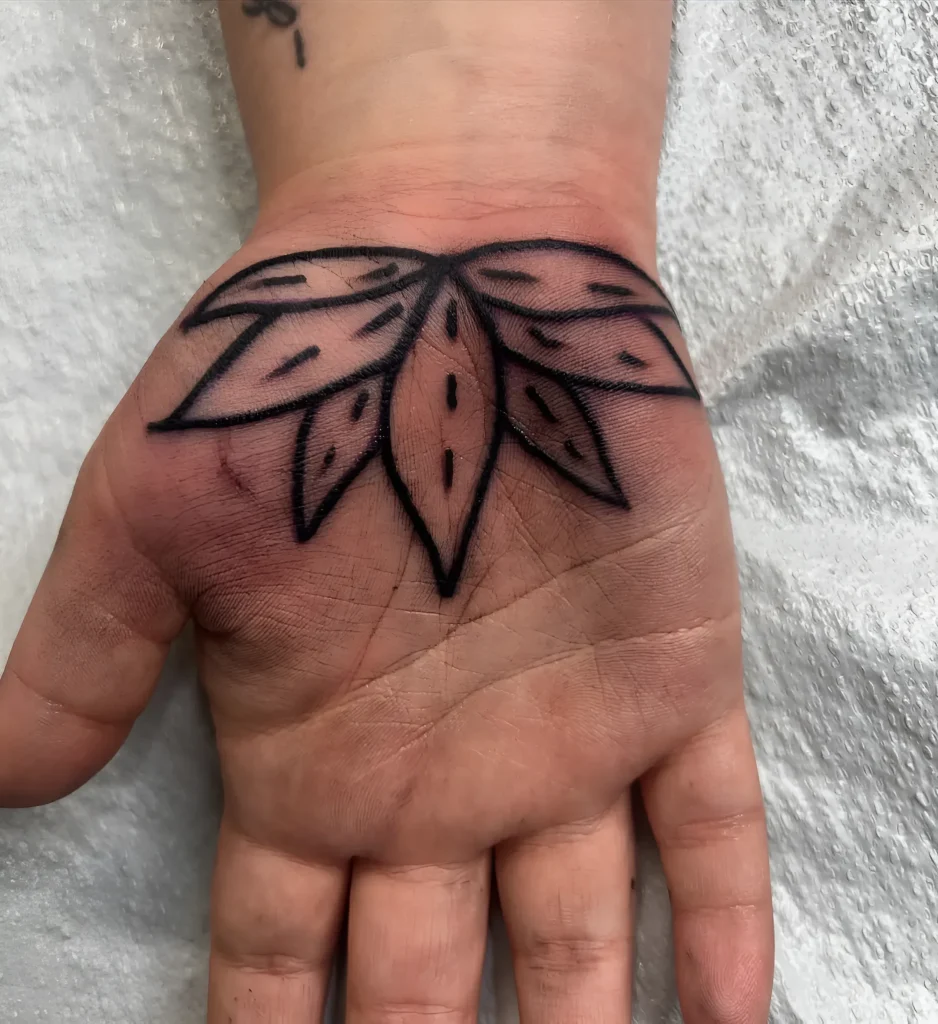
- Why it Works: This style is based on bold, clear outlines (bold lines) and minimal, dense coloring. The pigment density and depth of insertion required for the traditional style best resist fading.
- Artist’s Tip: Increase the thickness of the outlines and use the most saturated colors, avoiding halftones.
2. Blackwork and Tribal:
- Why it Works: Using exclusively black pigment and completely filling large areas of skin (packing) is the most reliable way to achieve longevity. Tribal patterns that follow anatomical curves also benefit from their density.
- Artist’s Tip: Multiple passes over the area are required to ensure 100% saturation.


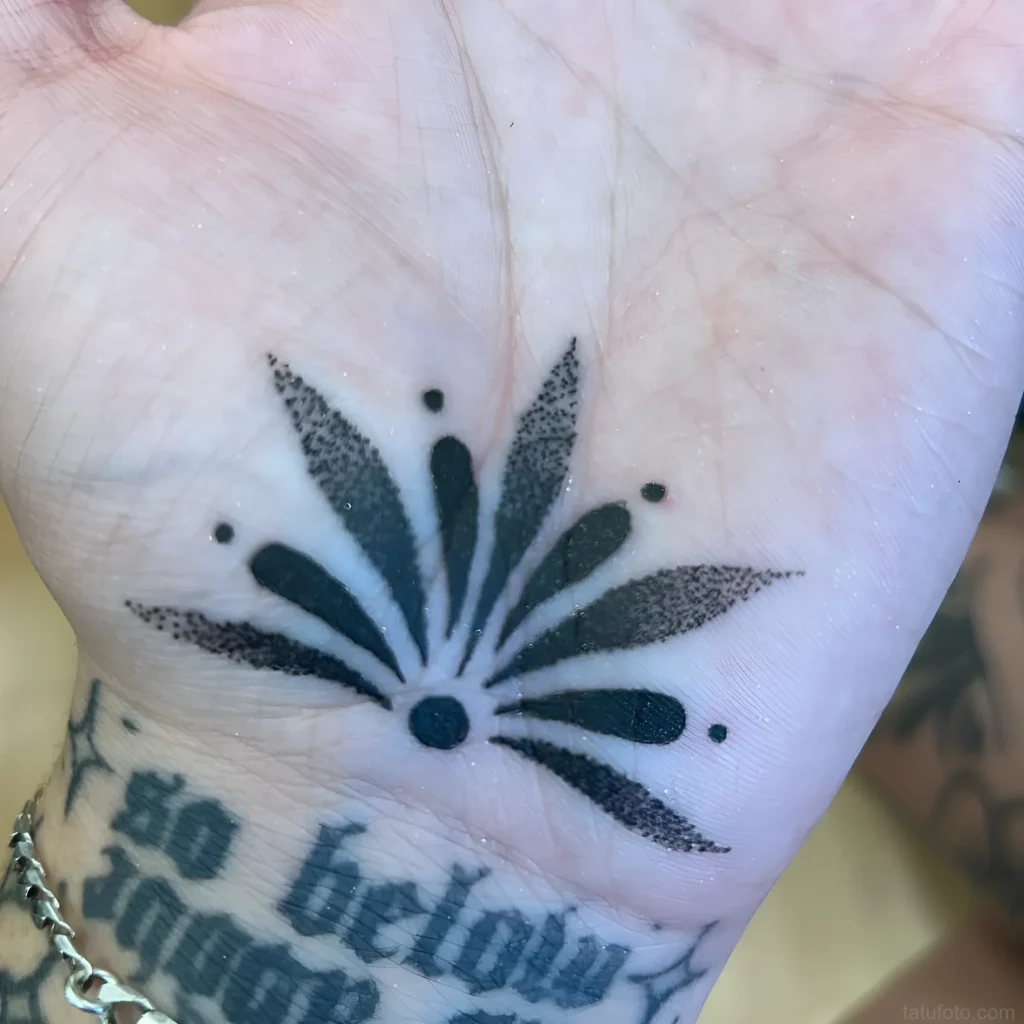
3. Dotwork and Geometry:
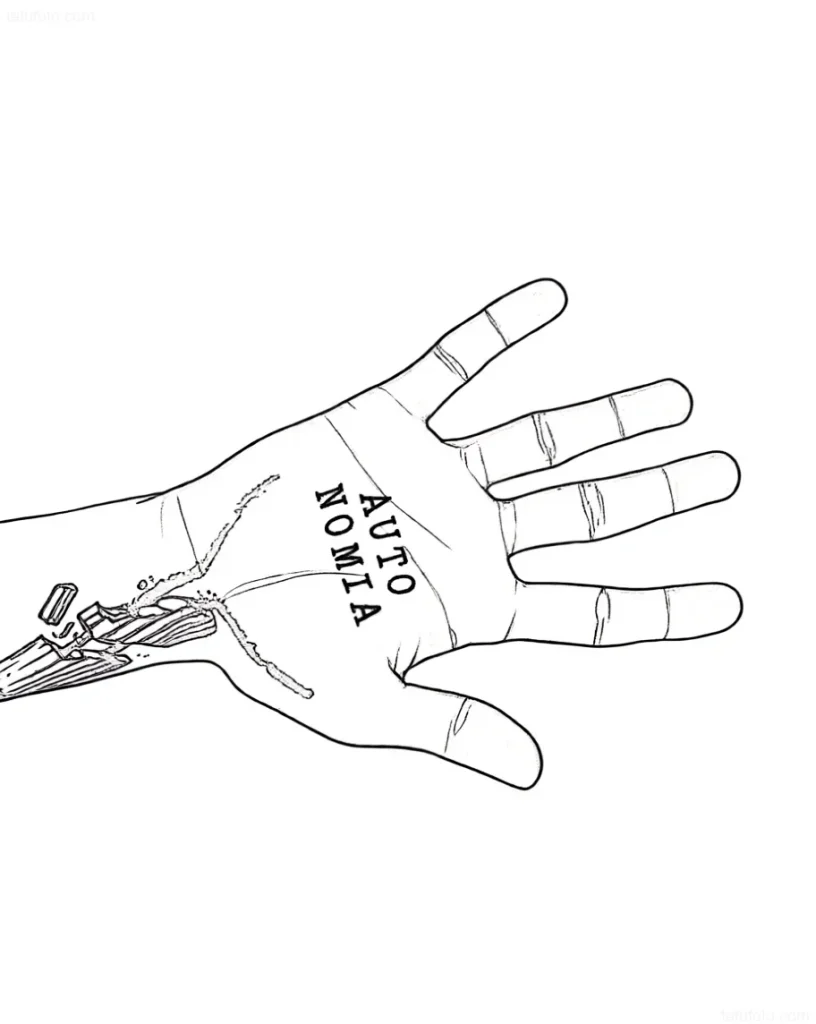
- Why it Works: Although dots may seem less stable, when applied with high density (the effect of “visual filling”), they create a texture that holds well.
- Artist’s Tip: Avoid dots that are too small and sparse. Density should be maximal.
Styles to Avoid (Low Durability):
- Realism and Portraits: Extremely difficult. They require fine transitions, soft shading, and gradients. These elements disappear first, leaving an indistinct smudge.
- Fine Line: Thin, delicate lines that are so popular in other areas are highly likely to be “pushed out” by the skin during healing on the palm.
- Watercolor: Soft, blurred color transitions are completely unsuitable for an area with such rapid cell turnover.
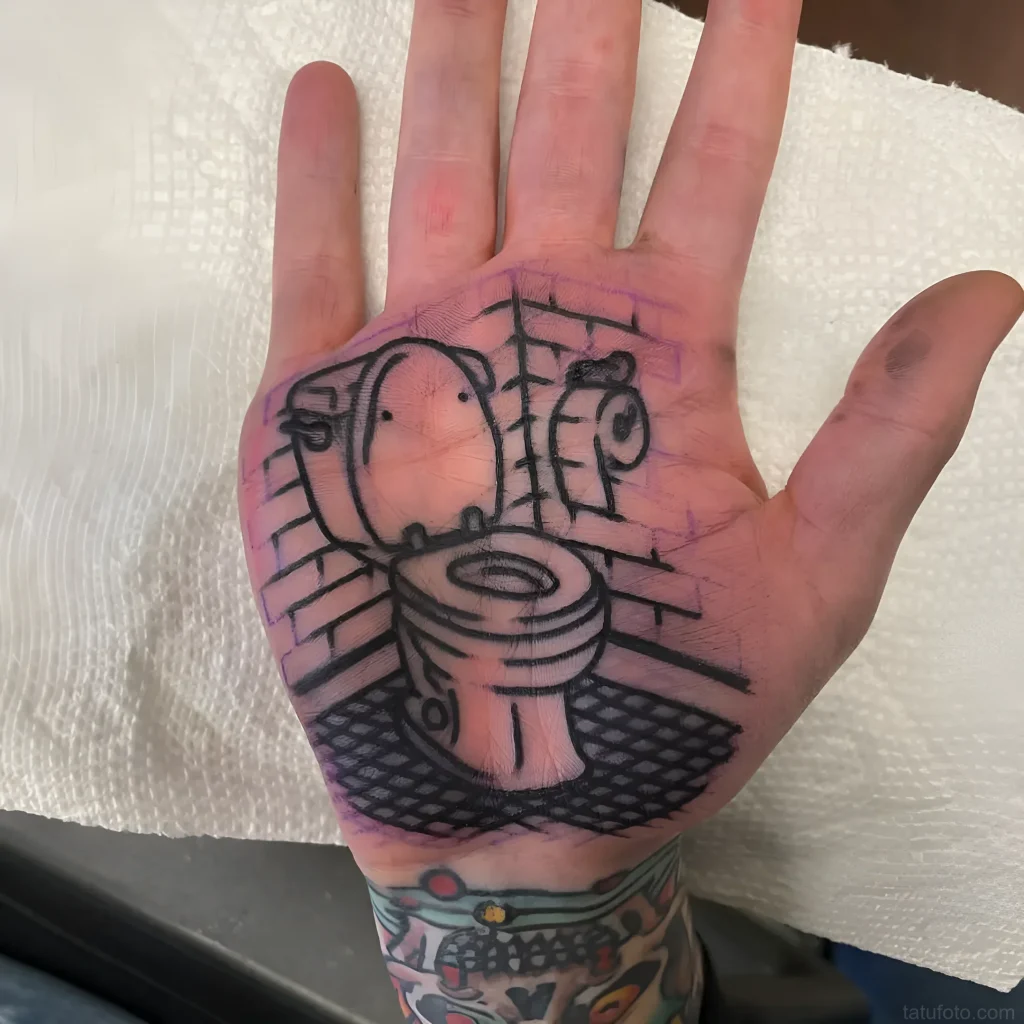
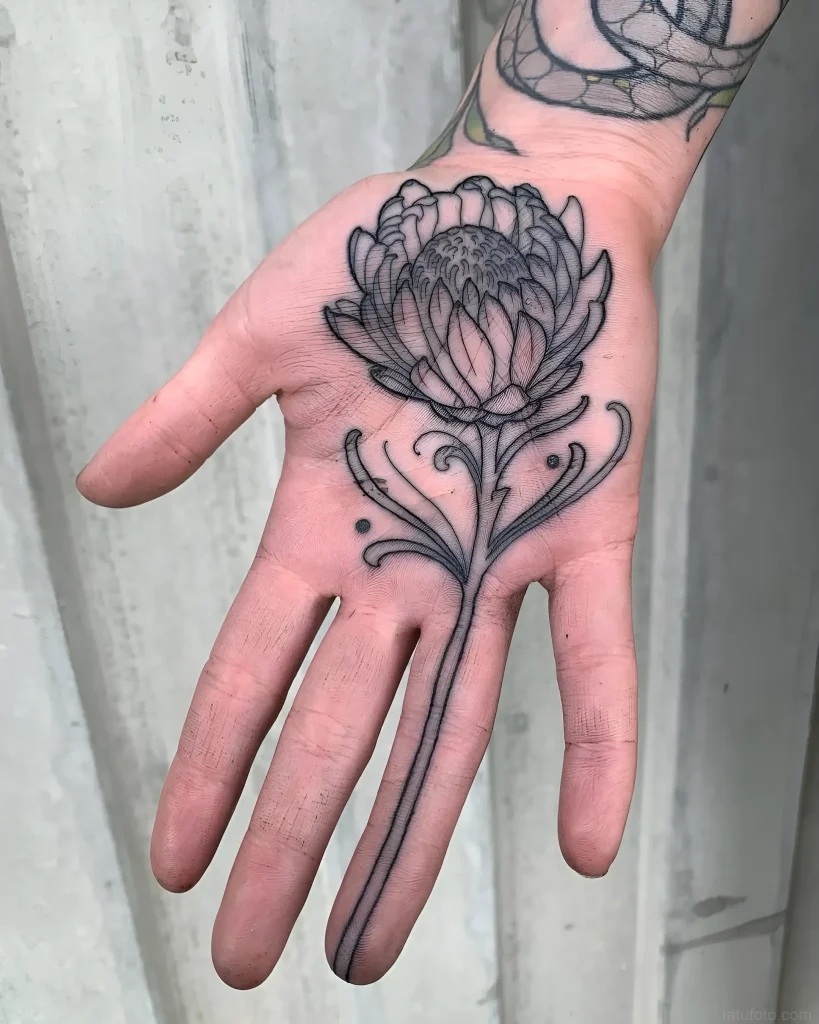
Palm Tattoo Application Technique: Nuances and Challenges for the Tattoo Artist
This is the most critical section for a beginner artist. The palm requires a radically different approach to technique than any other part of the body.
Anatomical Features of Palm Skin
Palm skin is unique for several reasons:
- Thick Stratum Corneum: This is the thickest layer of epidermis on the body, designed for protection against friction. Pigment has difficulty penetrating it.
- Absence of Hair Follicles and Sebaceous Glands: This leads to drier skin, but more importantly, a different healing process.
- High Regeneration: Due to constant use and friction, cells regenerate much faster than on the forearm or back. This is the main reason for fading.
- Proximity of Tendons and Nerves: Requires extreme caution to avoid inserting pigment too deeply (risk of injury and “blowout”).
Key Technical Recommendations
1. Equipment and Needle Setup:
- Needles: It is recommended to use needles capable of achieving maximum saturation. For outlines, use Round Liners (RL) with tight groupings (e.g., 7RL or 9RL). For shading, use Flat Magnums (FM) or Curved Magnums (CM), as they allow for dense pigment application in stripes.
- Depth: The depth should be greater than when working on soft skin, but not excessive. You need to penetrate the thick stratum corneum and reach deep into the dermis, but not the hypodermis. This requires very precise needle depth adjustments and constant monitoring.
- Machine Speed (Voltage): Use a higher speed than usual so the needle can effectively penetrate the thick skin layer.
2. “Packing” Technique:
Forget about light passes. On the palm, pigment must be “packed” with maximum density. This is achieved by:
- Slow Movement: The movement should be slow to allow the pigment time to settle.
- Multiple Passes: The same area may require three to five passes (instead of one or two). Each pass should be uniform.
- Skin Stretching: Palm skin is very elastic and has many folds. It’s necessary to stretch it as much as possible in different directions to ensure even pigment penetration into all micro-folds.
3. Pigment Work:
Use only the highest quality, thickest, and most reliable black pigments (for Blackwork). Do not dilute outline pigment. All work should be maximally saturated to compensate for inevitable fading.
4. Pain Management:
The palm is one of the most painful areas, especially around the pads and wrist. Pain relief can be helpful, but remember that it can temporarily alter skin texture, requiring extra attention to depth.
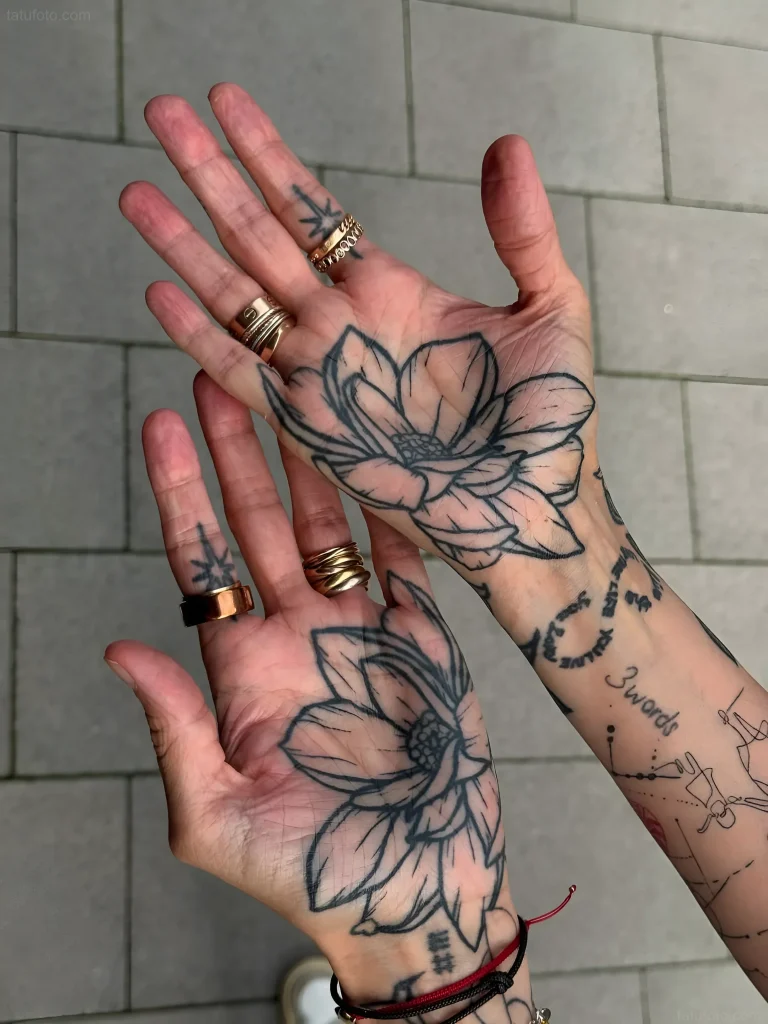
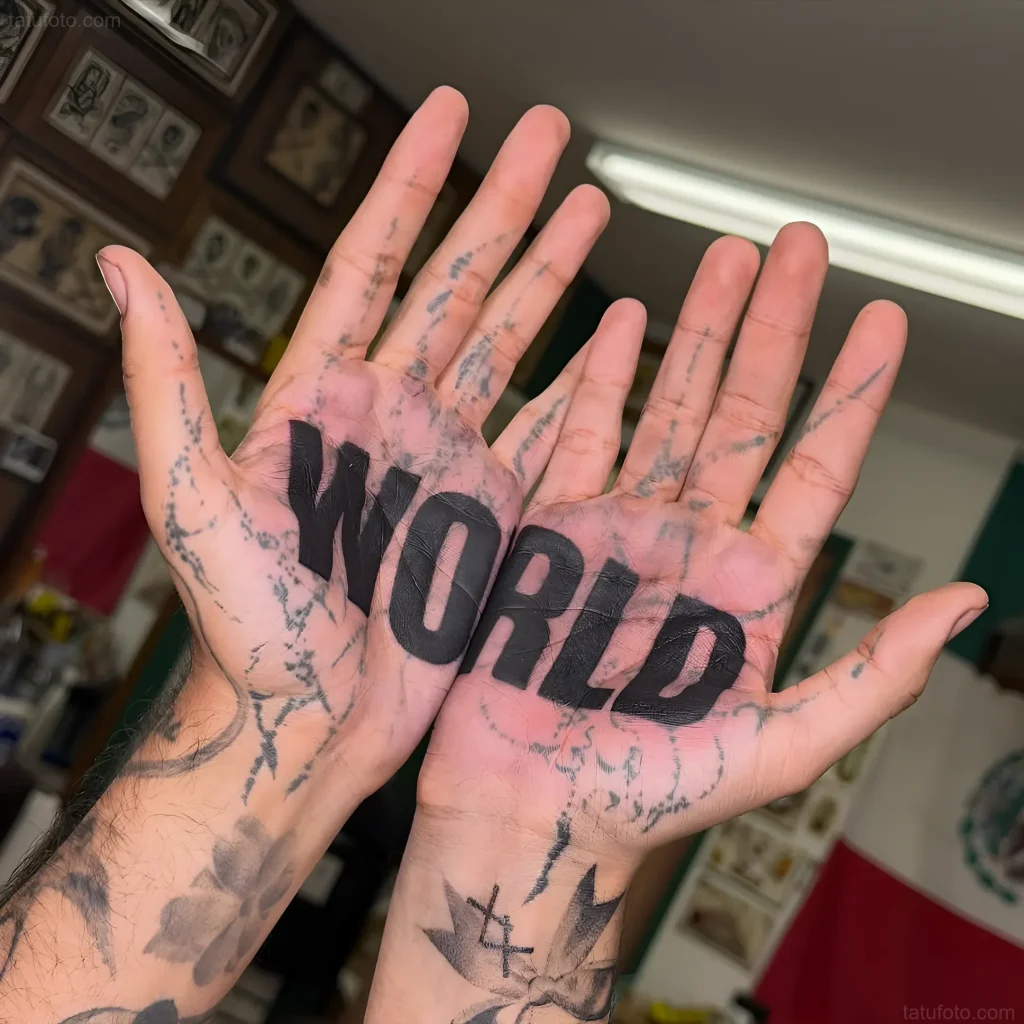
Palm Tattoo Placement: Best Options and Recommendations
Not all of the palm is the same. Different areas have different skin thickness, friction levels, and consequently, different resistance to fading. You must explain to the client what to expect from each area.
High Durability Zones (Relatively Long-Lasting):
- Central Palm Area (Heel of the Palm): Thickest skin, least mobility relative to the fingers. Ideal for large, dense geometric patterns or mandalas.
- Thenar Eminence (Thumb Pad): Also thick skin. Holds dense lines well.
Medium and Low Durability Zones (High Risk of Fading):
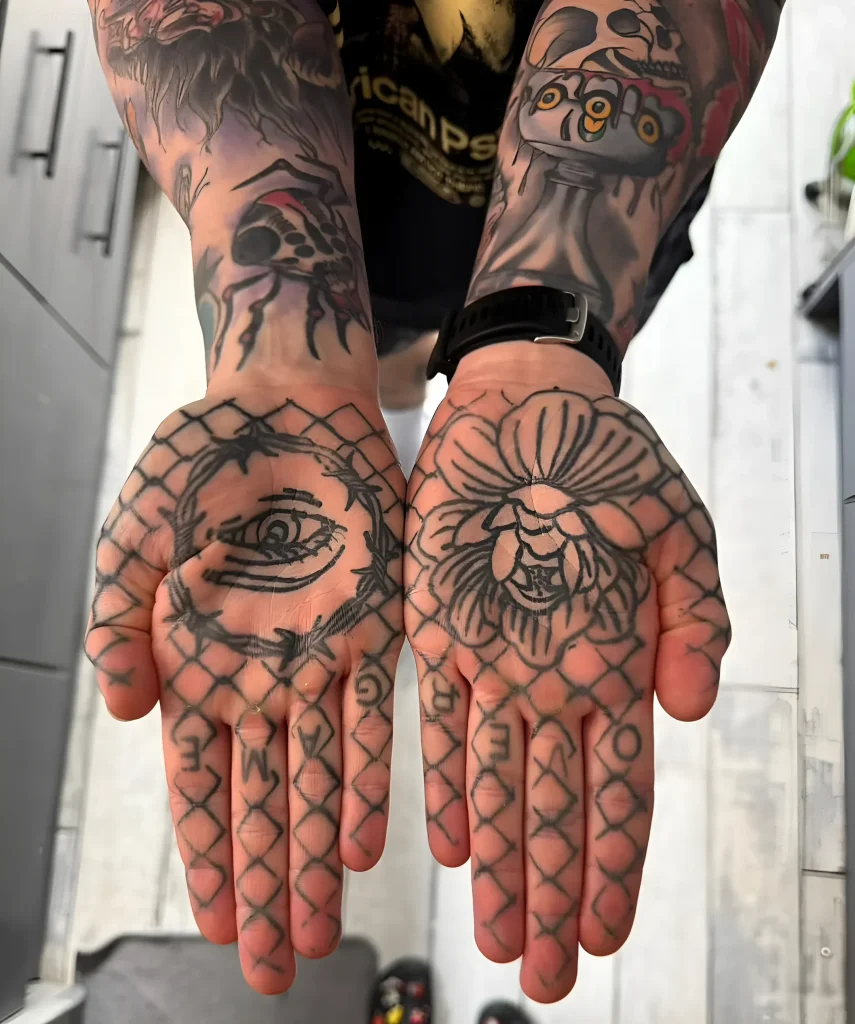
- Creases and Folds: Ink in these areas will inevitably be “pushed out” by the skin due to constant movement. Avoid placing critical design elements directly on the fold lines.
- Sides of Fingers and Webbing: The skin here is thinner, but friction is maximal (during handshakes, holding objects). Tattoos here require constant touch-ups.
- Fingertips: The highest regeneration rate. Tattoos on fingertips often disappear completely within a few months, requiring annual or semi-annual touch-ups.
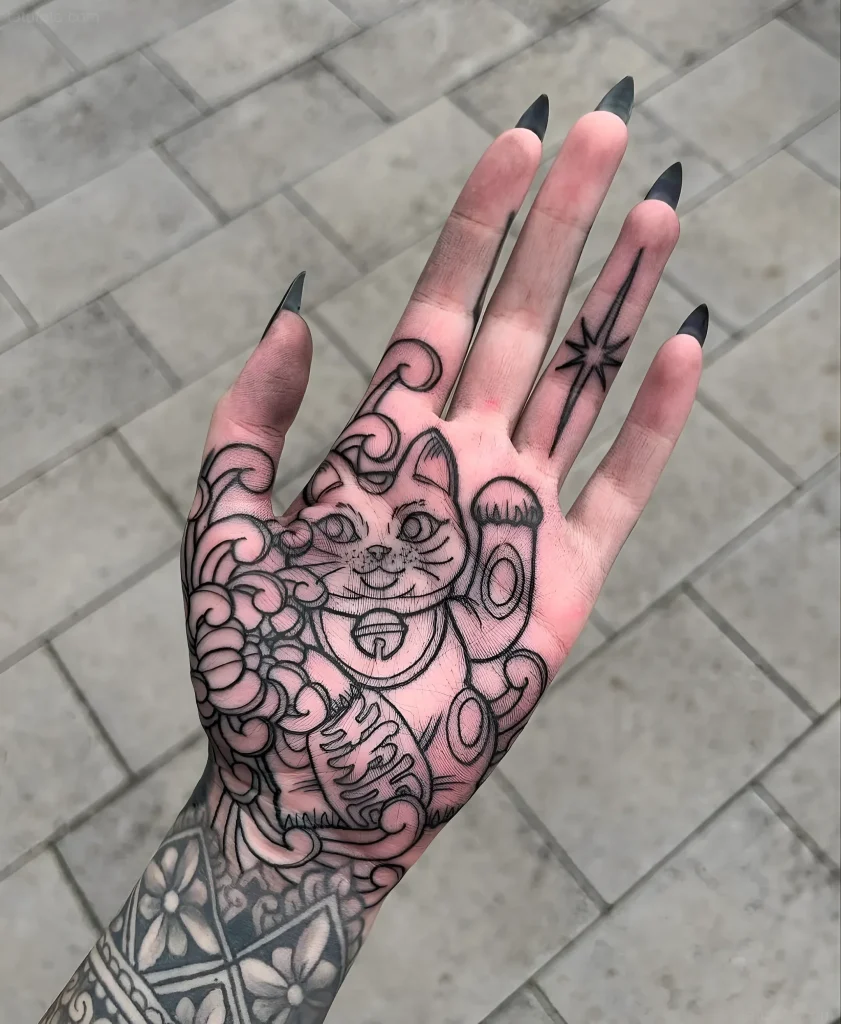
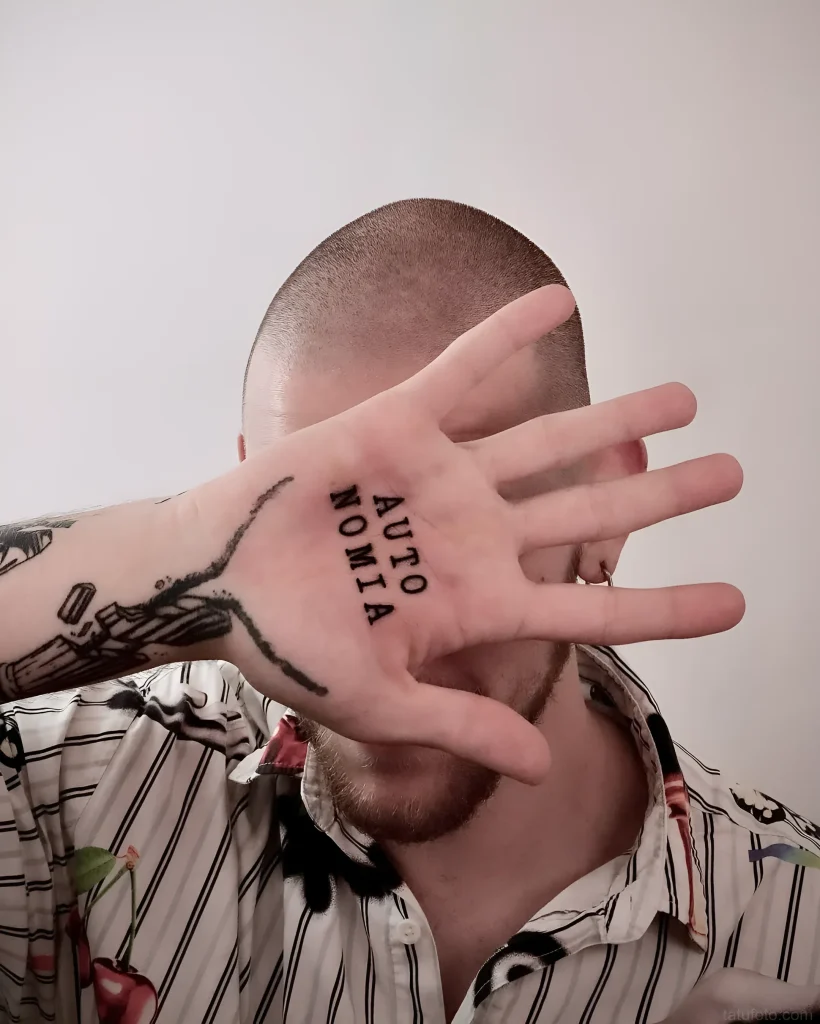
Design Tip: Always orient the design so it is readable when the client’s palm is open and facing the other person. Symmetry is your best friend in this area.
Palm Tattoo Aftercare: Healing and Maintaining Vibrancy Tips
Aftercare for a palm tattoo is 80% of the success. You must be extremely strict and detailed in the instructions you give the client, as their daily life will constantly interfere with healing.
Specific Problems with Palm Healing:
- Water Contact: Hand washing (inevitable) and showering.
- Friction: Holding steering wheels, writing utensils, bags, working on a computer.
- Sweating: The palm is an area of high sweat secretion.
Detailed Aftercare Instructions for the Client:
1. First 48 Hours:
- Using Film: If you use healing film (second skin), it must be of the highest quality and adhere tightly. The film should stay on the palm longer than on other body parts (at least 3-5 days) to protect the tattoo from water and dirt.
- Minimizing Use: The client should limit the use of the tattooed hand as much as possible. If the tattoo is on the dominant hand, this will be very difficult.
2. Daily Care (After Removing Film):
- Washing: Wash the tattoo only with mild antibacterial soap without harsh surfactants. Rinse quickly, avoiding prolonged soaking.
- Moisturizing: Apply a thin layer of recommended healing cream (e.g., based on dexpanthenol). Important: the layer should be thin so the skin can breathe, but moisturizing should be frequent (every 2-3 hours) as palm skin dries out quickly.
- Protection from Chemicals: The client must wear disposable gloves when in contact with household chemicals, dirt, or when washing dishes for the entire month of healing.
3. Peeling and Touch-ups:
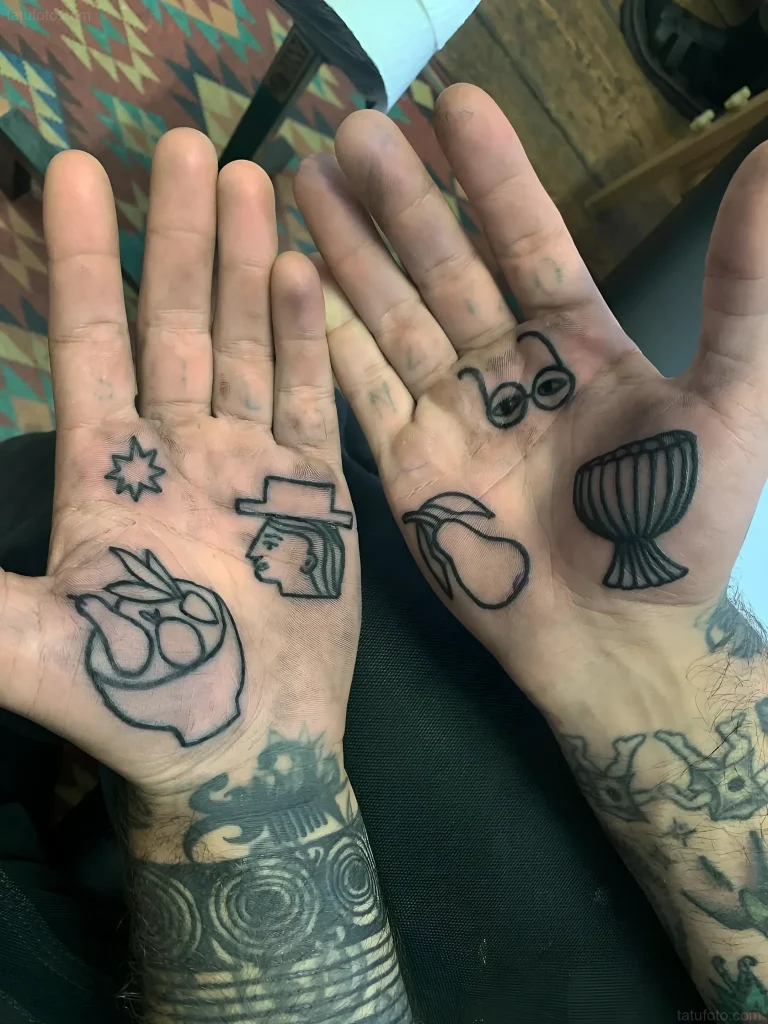
Peeling on the palm can be more intense and look like “flaking” off thick layers of skin. This is normal. You must warn the client that touch-ups for palm tattoos are almost always necessary, even with perfect execution, and should be scheduled 6-8 weeks after the first session.
Palm Tattoos: Frequently Asked Questions (FAQ)
1. How much does a palm tattoo fade?
This is the most fading-prone area. Depending on skin type, style, and aftercare, a tattoo can lose 30% to 70% of its original saturation within the first six months. Dense Blackwork and Traditional have the best chance of longevity.
2. How long does a session take?
Due to the need for multiple, slow pigment “packing” passes, working on a palm takes significantly longer than a similarly sized design on softer skin. Expect even a small design to require at least 2-3 hours of pure work.
3. Can colored inks be used?
Yes, but it’s not recommended for beginners. Colored pigments (especially light ones like yellow, red, blue) tend to fade faster than black. If the client insists on color, use the darkest and most saturated shades, applying them with maximum density.
4. What are the risks of “blowout” (pigment spreading)?
The risk of “blowout” is lower than on thin skin (e.g., the inner forearm) due to the thick stratum corneum. However, if you insert pigment too deeply in an attempt to prevent fading, you risk damaging sensitive tissues or causing significant scarring. The key is a balance between depth and density.
Interesting Facts About Palm Tattoos
To complete your expert guide, here are a few interesting facts you can discuss with clients or use to demonstrate your expertise:
- Record of Durability: Despite the challenges, the oldest tattoo specimens (e.g., Ötzi the Iceman) had patterns on their joints and hands, indicating the ancient importance of these areas.
- “Inner” vs. “Outer” Palm: In some cultures, there’s a distinction between the symbolism of tattoos on the back of the hand (more social, open meaning) and on the palm (more personal, mystical, related to fate).
- Hand Method Returns: Many modern artists specializing in palms use or combine machine work with the traditional hand-poking technique, as manual pigment insertion allows for better control of depth and density in the thick palm skin.
- Professional Challenge: Within the tattoo artist community, palm tattoos are often considered an unspoken test of technical skill. A successfully healed and saturated palm is a professional’s calling card.
Working on the palm is the pinnacle of skill. It requires you, as an artist, not only technical perfection but also honesty with the client regarding the healing process and the need for touch-ups. If you are ready to take on this challenge, a palm tattoo will become one of the most impressive and significant elements in your portfolio.