
The work of a tattoo artist is a complex symbiosis of artistic vision, technical skills, and, importantly, psychology. When a client comes with an idea, the artist evaluates it not only from the perspective of aesthetics but also durability, feasibility, and compliance with their own ethical principles. Contrary to popular belief, professionals rarely refuse due to personal dislike of the subject matter. Refusal or significant hesitation most often arises when the request contradicts the laws of skin physiology, the fundamentals of artistic composition, or professional ethics. We have prepared a detailed article on exactly what designs and requirements can “infuriate” (in the context of professional disappointment) even the most patient specialist and how to avoid such situations by building a productive dialogue.
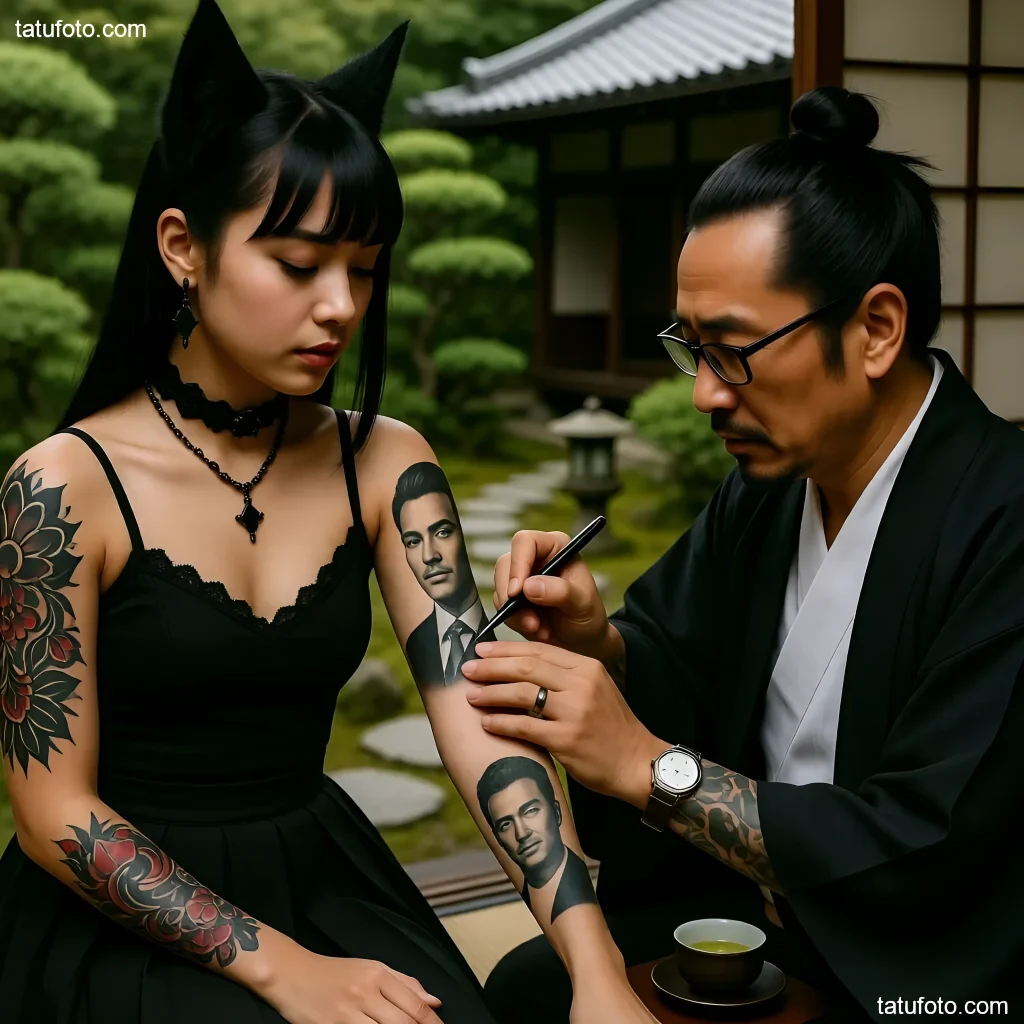
What Tattoos Confuse Tattoo Artists: An Overview of the Most Common Requests
A professional tattoo artist aims to create a work of art that will look dignified not only on the day of the session but also decades later. Confusion and even outright irritation arise when a client requests a product that is knowingly of poor quality or not durable. These requests can be divided into several categories:
- Clones and “Pinterest Clichés.” These are tattoos that the artist has done dozens of times: a dandelion turning into a flock of birds; an infinity symbol with names or feathers; minimalist arrows placed as if they were just copied from a random internet selection. The problem is not with the idea itself, but with the lack of individuality. It is difficult for an artist to put their soul into a work that lacks originality and looks like a mass-produced product.
- Unrealistic Demands for Scale and Detail. A classic example is the request to create a hyper-realistic portrait of a beloved cat the size of a coin (2×2 cm). The artist knows that lines of such density will merge into an illegible blotch over time (the blowout effect). By refusing, they protect their reputation and the future quality of your tattoo.
- Ignoring Anatomy. A request for a symmetrical, perfectly horizontal design on a mobile or curved part of the body (e.g., the side of the wrist or the elbow crease). The skin moves, and a static design will distort. The artist has to explain basic principles of working with anatomy, which is often perceived by the client as unwillingness to work.
- Hieroglyphs and Inscriptions Without Value Confirmation. A request for a tattoo in a language the client does not know. Artists are annoyed by irresponsibility, especially when it comes to phrases that could have a ridiculous or offensive meaning. A professional will always ask for confirmation of the meaning from a native speaker.
The History Behind Difficult Tattoo Requests: From Trends to Personal Preferences
Many “problematic” tattoos arose as a result of fleeting fashion trends that did not stand the test of time or technical capabilities. When a trend becomes widespread, the request loses its uniqueness, and its technical flaws become obvious.
- Tribal of the 90s and 2000s. In its time, it was a symbol of strength and courage. Today, artists often face requests to “cover up” old, sloppy tribals done by low-skilled specialists. A request for a new, non-individual tribal causes fatigue, as this style requires perfect symmetry and solid fill, but rarely carries deep personal meaning for a modern client.
- “Fashionable” Styles Unsuitable for Skin. A prime example is watercolor without a black outline. At the peak of fashion, this style looked fresh, but artists quickly realized its drawback: the absence of an outline leads to rapid blurring and loss of color shape after a few years. The artist’s refusal in this case is a concern for long-term quality, not a whim.
- Symbols Used on Social Media. Active use of emojis and simple symbols (hearts, stars, small geometric shapes) as tattoos. The problem is that these symbols often lack personal context and are perceived by the artist as “filling a void” rather than a conscious choice.
It is important for the artist that you realize that a tattoo is not a seasonal accessory, but a permanent element of your identity. When a client approaches the process lightly, it causes professional indignation.
The Meanings Hidden Behind “Problematic” Tattoos: Why Artists May Refuse

Sometimes an artist refuses not because of technical complexity, but because of an ethical or cultural conflict related to the meaning of the design. High-level professionals carefully guard their reputation and do not wish to be associated with certain ideologies or symbols.
Ethical and Moral Limitations
This category includes requests that could be considered discriminatory, promote violence, or be associated with banned movements:
- Hate and Extremist Symbolism. Any Nazi, racist, or overtly aggressive symbols. An artist who values their studio and reputation will refuse immediately and unequivocally. This is a matter of professional and civic stance.
- Blatant Cultural Appropriation. For example, a request for sacred Maori symbols (Moko) or Native American totems without understanding their deep cultural and ancestral significance. If the artist sees that the design is requested solely for “a pretty picture,” it may lead to refusal, as applying such symbols without proper respect is considered inappropriate.
- Temporary, Frivolous Meanings. Tattoos related to the names of new lovers, hasty bets, or momentary emotional outbursts. An experienced artist understands that in a year, the client will likely come for a cover-up. Some specialists refuse such work to avoid participating in the creation of “youthful mistakes.”
Case Study: A request for matching tattoos with a partner’s name, whom the client has been dating for only a few weeks. A professional typically offers an alternative – symbolism reflecting shared interests, rather than a direct name, to avoid future problems.
Tattoo Styles That Are Particularly Difficult to Execute at a Client’s Request: Technical Limitations
Technical requirements that contradict the nature of skin as a canvas are one of the main reasons for professional dissatisfaction. If a client insists on a technique that is guaranteed to “bleed” or fade, it puts the artist in a dilemma: do a bad job or refuse.
Subtleties Causing Professional Stress:
- Ultra-thin Fine Line on Large Areas. This style requires flawless technique, ideal needle depth, and high-quality equipment. If a client asks for “even thinner” or insists on placing such a design on a mobile joint (where the skin is elastic and prone to stretching), the artist knows that in a year, the lines may lose their clarity, turning into messy streaks.
- White Tattoo on Unsuitable Skin. White pigment is intended for highlights and accents, not for a standalone tattoo, especially on pale or tanning-prone skin. White ink yellows or takes on a tan hue over time, becoming unnoticeable or messy. The artist has to explain that the result will differ from idealized photos online.
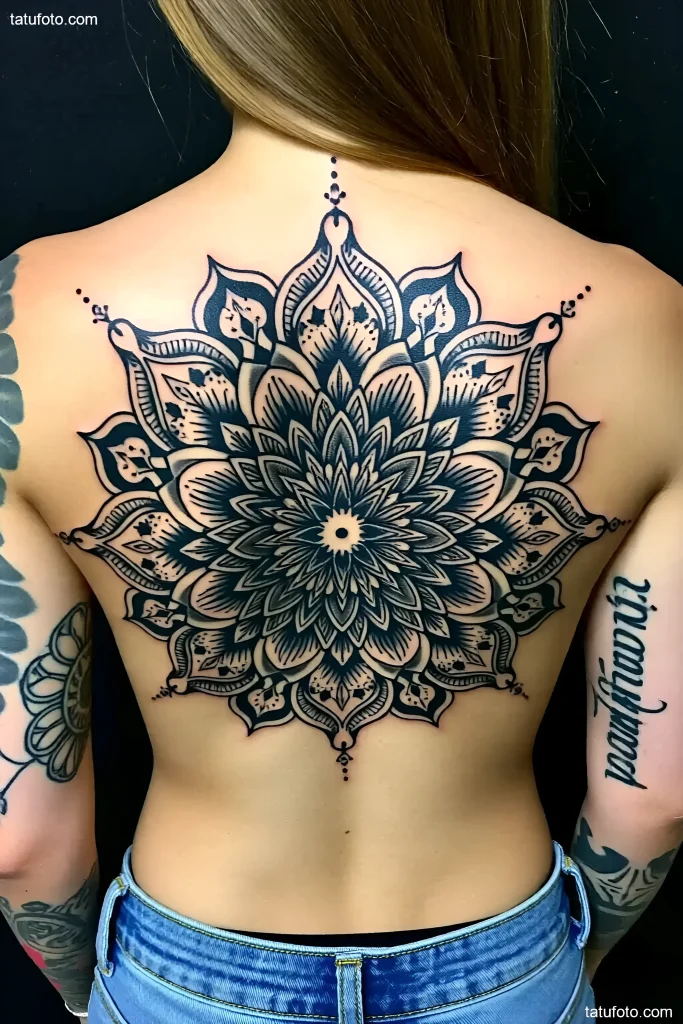
- Geometry and Mandalas with a Demand for “Perfect Symmetry.” The human body is not a perfectly symmetrical plane. Creating a mandala that looks perfectly straight in any body position is practically impossible. The demand for absolute, mathematical precision that does not account for anatomical curves causes serious tension for artists.
- Trash Polka Style Requiring Artistic Freedom. The client often comes with a strict demand to copy a specific work in the Trash Polka style (a mix of realism, graphics, red and black elements). However, the essence of this style lies in spontaneity and aggressive chaos. Attempting to rigidly copy someone else’s sketch kills creativity, which is a serious irritant for an artist.
Where Not to Place Complex or Controversial Tattoos: Tips for Choosing a Location
The placement of a tattoo critically affects its longevity. Requests for complex, detailed, or fine-line work in high-risk areas are a common reason for professional refusal, as the artist does not want to be responsible for rapid loss of quality.
Problematic Areas and Their Features:
- Fingers and Sides of the Palms. The skin here is constantly regenerating, rubbing, and coming into contact with water. Any tattoo, especially Fine Line or small text, fades quickly, blurs, and requires frequent touch-ups. The artist has to explain that touch-ups are not their mistake, but a natural process in this area.
- Inner Lip. This area is temporary. The pigment rarely lasts longer than a few months. Requesting a complex or detailed design here is absurd in terms of longevity.
- Soles of the Feet and Palms. Due to the thick layer of calloused skin and constant friction, tattoos here fade quickly. Artists who value their reputation often refuse unless it’s a large, solid ornament done in a traditional technique.
- Neck and Face (for a first tattoo). Although not a technical, but a social aspect, many artists refuse clients without experience who want their first tattoo in a visible location. This is due to ethics: the artist does not want their work to cause serious social problems for the young person in the future.
Important: If you insist on a tattoo in a “problematic” area, a good artist will require you to sign a document confirming that you are aware of the high risk of rapid fading and the need for touch-ups.
How to Avoid Refusal for a Tattoo: Tips for Preparing a Sketch and Communicating with the Artist
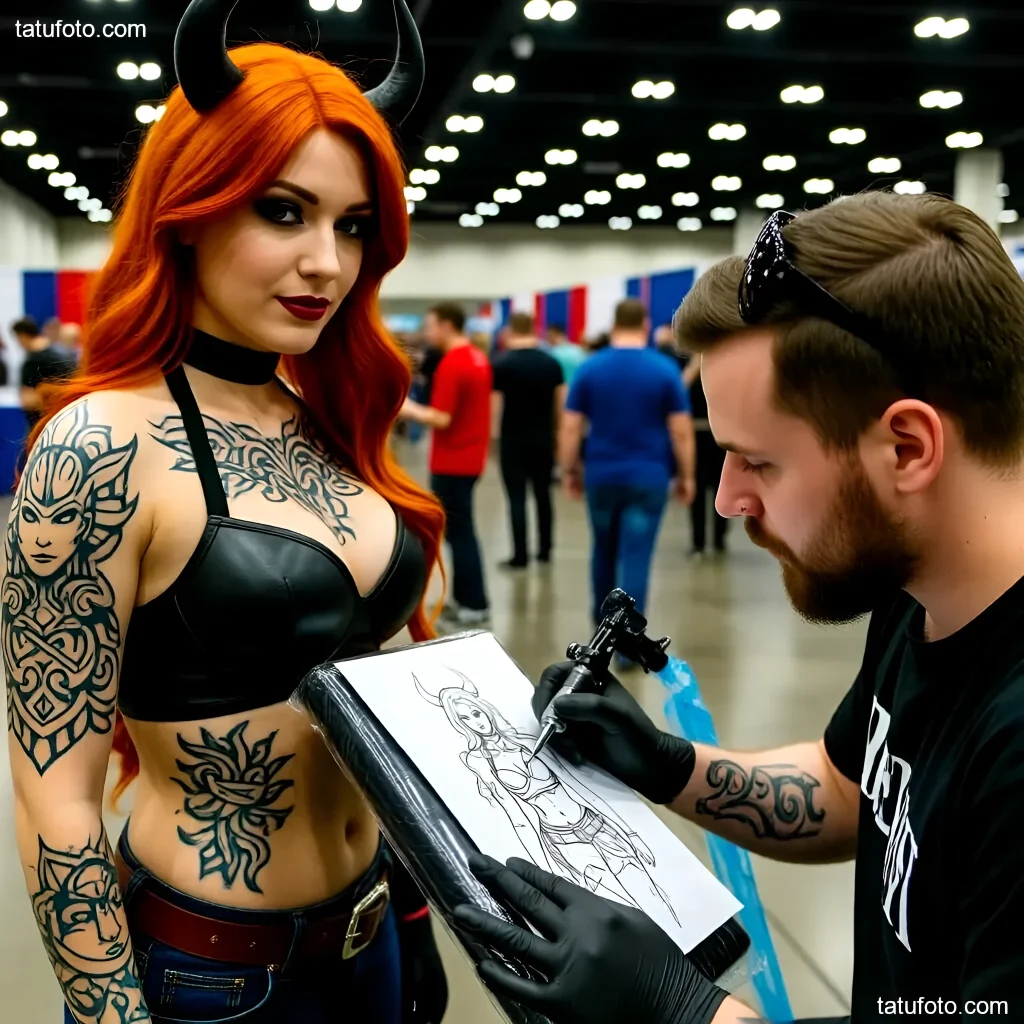
Productive interaction between client and artist is the key to success. If you want your sketch to be accepted with enthusiasm, follow simple but critically important rules.
1. Conduct Thorough Preparation
- Study the Artist’s Portfolio. Make sure the specialist you choose works in the style you need (e.g., don’t ask for pure realism from an artist specializing in traditional Old School style). Do not ask to copy someone else’s work, but use it as a reference.
- Determine Your Budget. Don’t ask: “How much does a tattoo cost?” Formulate your request: “I want a blackwork style sketch, 15×20 cm, my budget is XXX rubles.” This shows your seriousness and allows the artist to immediately understand if your idea can be realized within your financial means.
- Gather Quality References. Bring not one, but 3-5 images that convey the atmosphere, detail, style, and composition you are looking for. Clearly state what you like about each image.
2. Respect Professionalism
- Trust the Scale. If the artist says your chosen design requires a size of at least 10 cm for durability, listen. They are not trying to sell you a larger tattoo; they are protecting the quality of their work.
- Be Prepared for Changes. The ideal client is one who comes with an idea, not a rigid, unchangeable sketch. Give the artist creative freedom to adapt your idea to the anatomy and technical capabilities of the skin.
- Do Not Haggle. Asking for a discount immediately is one of the most irritating factors. Pricing includes materials, rent, taxes, sterility, and, most importantly, the artist’s years of experience.
Frequently Asked Questions About Difficult Tattoos and Working with an Artist
Can an artist refuse to do a tattoo if they don’t like the idea?
Yes, they can if the idea contradicts their artistic vision or moral principles. A professional artist is an artist, and they have the right to choose projects that align with their style. If the idea is simply “not their thing,” they will most likely politely recommend another specialist who works in the style you need.
Why don’t artists like being asked to copy another artist’s work?
Copying is plagiarism and disrespect for copyright. Moreover, it limits the artist’s creative potential. Professionals are willing to use someone else’s work as inspiration, but they will always create a unique sketch that reflects their own style.
What should I do if I want a tattoo in a style that the artist considers not durable (e.g., watercolor without an outline)?
The artist is obliged to inform you about the risks (rapid fading, blurring). If, after receiving all the information, you still insist on this style, the artist may agree, but will definitely require you to sign a waiver confirming that you are aware of the need for frequent touch-ups and the possibility of poor aging of the design.
How to correctly formulate a request so as not to “infuriate” the artist?
Start with context: “I want a tattoo symbolizing strength of spirit. I like the blackwork style, especially works with a lot of texture and shading. I’ve attached a few examples. The location is the forearm, size approximately 15 cm. I am open to your suggestions for composition.” Clarity, respect for the style, and readiness for dialogue are key to success.
Interesting Facts About Tattoos That Surprise Even Experienced Artists
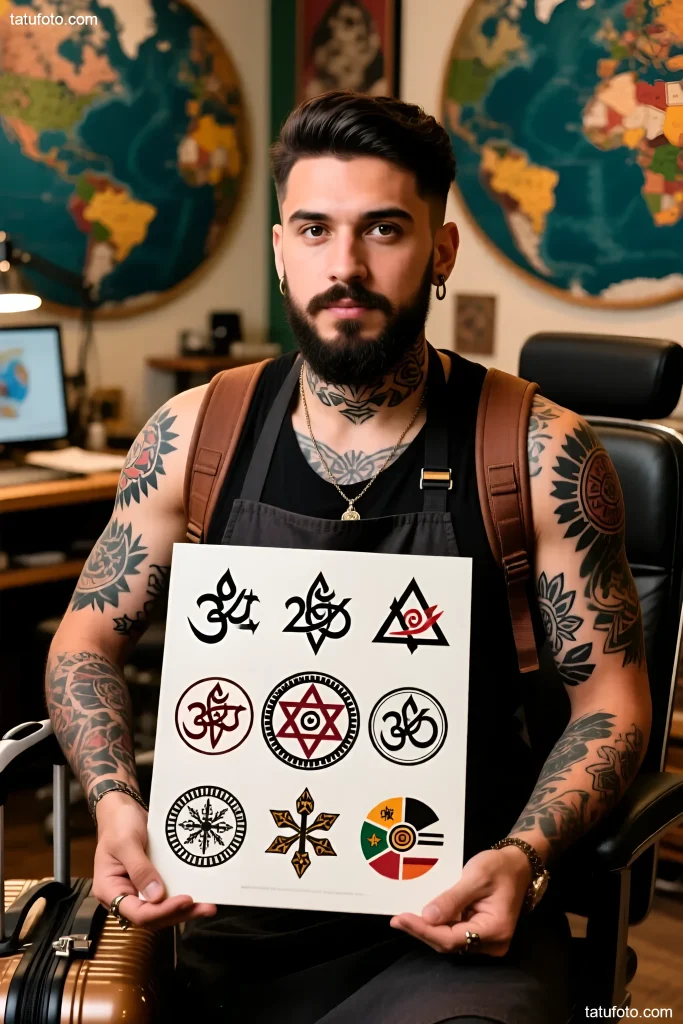
Despite years of experience, even the most seasoned tattoo encyclopedists and artists sometimes encounter surprising phenomena related to skin and pigments.
- The Phenomenon of “Indigestible” Color. Sometimes a client’s skin, regardless of the type and quality of pigment, categorically refuses to accept a certain color (most often bright yellow or some shades of green). The artist can work for a long time and carefully, but the pigment will come out or fade. This is not a technique error, but a unique bodily reaction.
- Unexpected Line Aging. There are known cases where tattoos done in the Fine Line technique hold up surprisingly well in areas considered “risky” (e.g., on the ribs), and conversely, blur in seemingly ideal locations (e.g., on the bicep). This is due to the individual structure of collagen and skin elasticity.
- Demand for “Invisibles.” Requests for tattoos visible only under UV light still come in. Experienced artists warn that UV pigments are often not certified for subcutaneous injection in Europe and the US, and their long-term effects are unknown, making such a request ethically questionable.
- Symbolism That Changes. Artists note how quickly public perception of symbols changes. For example, an owl, which used to be an unambiguous symbol of wisdom, today in some subcultures may be perceived as a symbol of secrecy or even a nocturnal lifestyle, far from intellectualism. The artist must be aware of these cultural shifts.