A tattoo featuring a conquistador is one of the most dramatic, symbolically rich, and visually complex choices in modern tattoo art. The conquistador (from the Spanish conquistador — conqueror) is an archetype that carries a powerful charge of ambition, fearlessness, and the drive toward the unknown. For the wearer, such a tattoo often becomes a visual manifesto of their personal struggle, conquering new horizons, or readiness to take risks for a great goal. This image requires a deep understanding of the historical context and personal reflection so that its meaning is not perceived superficially.
Conquistador Tattoo: What Does This Symbol of the Conqueror Mean?

The meaning of the conquistador tattoo goes far beyond a simple historical illustration. It is not just a portrait of a 16th-century Spanish soldier. In the context of modern tattoo art, the conquistador personifies a complex set of qualities and life attitudes that make it a choice for strong and decisive individuals. Before committing to such a large and detailed project, it is necessary to realize the multifaceted nature of this symbol.

Main Interpretations of the Conquistador Symbol:
- Ambition and Purposefulness. Conquistadors were driven by an incredible thirst for discovery, wealth, and glory. In a tattoo, this symbolizes your personal insatiable ambition, the drive to reach the top in career, sports, or personal life, despite obstacles.
- Fearlessness and Endurance. Crossing the ocean and exploring uncharted lands required immense courage and physical stamina. A conquistador tattoo can serve as a reminder of your ability to endure hardship and not give up in the face of danger.
- Search and Discovery. The image is often associated with the search for the ‘New World’ or the mythical El Dorado. This can symbolize your personal spiritual or professional quest, the pursuit of self-knowledge, or finding your own ‘golden city.’
- Authority and Leadership. The conquistador is usually depicted in full armor, often on horseback, which emphasizes his status as a commander and leader. The tattoo may reflect your desire for dominance, control over the situation, and the ability to lead others.
Historical Context: How the Conquistador Image Entered the Tattoo World

The image of the conquistador appeared in tattoo culture relatively recently, gaining particular popularity in realism and Chicano styles (although Chicano uses it in a more complex context, often mixing it with images of Santa Muerte or the Mexican Revolution). Its appeal is due not only to the aesthetics of massive armor and weapons but also to the powerful mythology surrounding these historical figures.
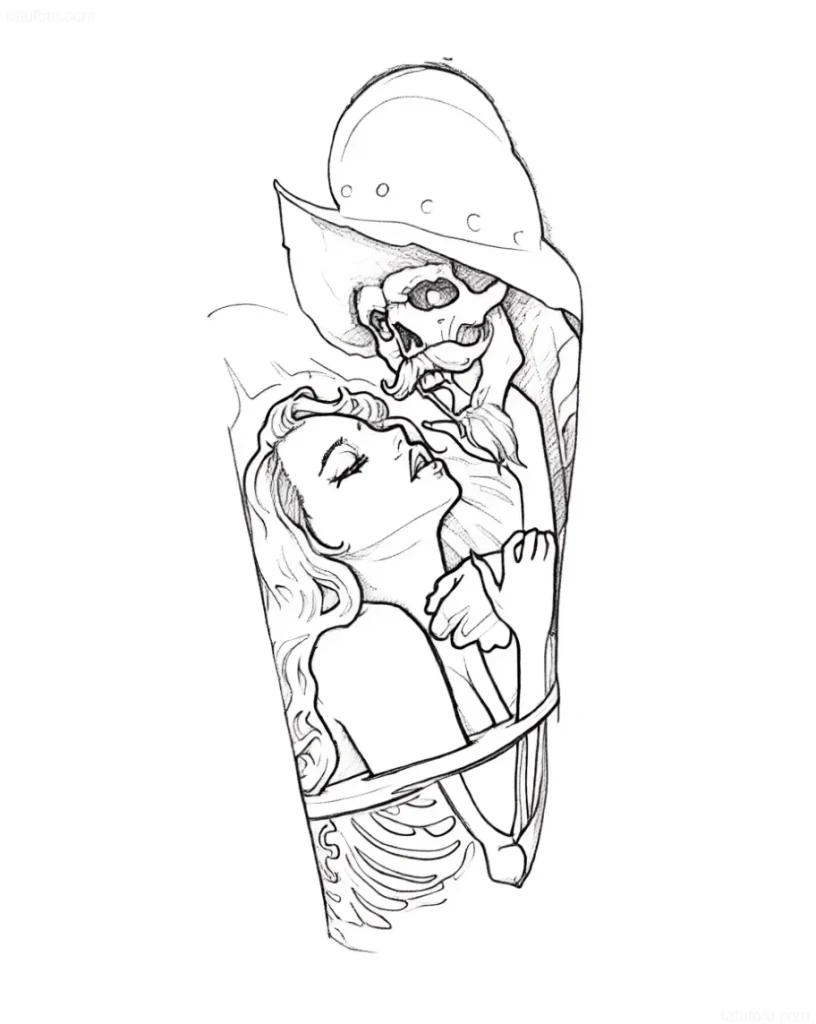
Unlike more traditional symbols such as samurai or Vikings, the conquistador carries a unique European imprint from the Age of Discovery. The artistic value of the image lies in its detail:
- Visual Drama: Morion helmets, heavy cuirasses, flowing capes, and steel swords create a dramatic, cinematic image that fits perfectly into the black and gray realism technique.
- Symbolism of Conflict: The conquistador always stands on the border between the civilized world and the wilderness, between faith and greed. This duality makes the tattoo deeply personal, allowing the wearer to explore their own internal struggle.
In the world of tattoos, the conquistador has become synonymous with ‘unyielding will.’ For many, it is the perfect way to visualize a turning point in life when a person decides to ‘conquer’ their new reality, even if it requires the destruction of old foundations.
Deep Symbolism: Main Meanings of the Conquistador Tattoo

To fully reveal the meaning of the conquistador tattoo, it is necessary to examine the symbolism of the individual elements that make up his image. These details do not just decorate the drawing; they enhance its semantic load.
Symbolism of Equipment Elements and Attributes
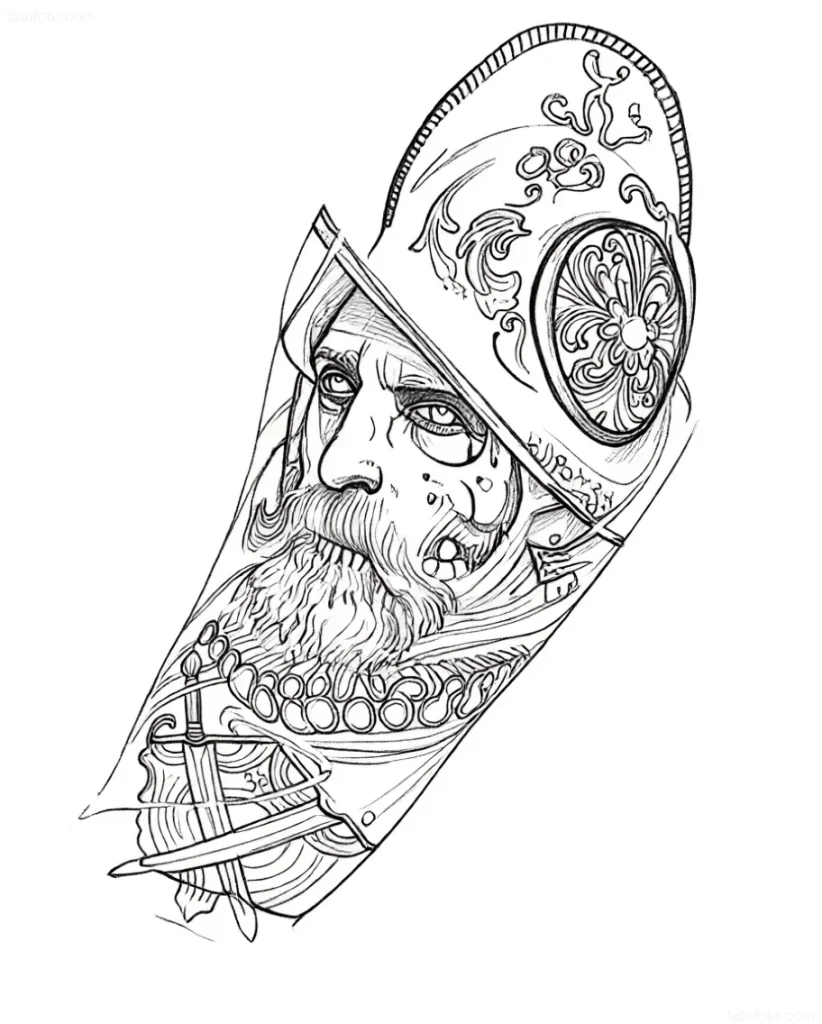
- Morion Helmet: This recognizable Spanish helmet with a crest symbolizes protection, but also status. In a tattoo, it often signifies the protection of the mind, the inviolability of beliefs, and readiness for battle. The crest can represent pride and nobility (even if these qualities were historically debatable).
- Sword (Espada): The sword is a traditional symbol of justice, strength, and power. In the hands of a conquistador, it becomes a symbol of decisive action and the ability to ‘cut’ one’s way to the goal. The sword is often depicted bare, indicating constant readiness for struggle.
- Armor (Armadura): Symbolizes psychological and emotional armor. The wearer of the tattoo demonstrates that they have been hardened by battles (life trials) and possess a high degree of resilience to external blows.
- Cross and Religious Symbols: Many conquistadors carried religious symbols, justifying their actions by spreading the faith. In a tattoo, this can mean unwavering faith in one’s mission, goal, or personal moral code, even if that code is incomprehensible to others.
- Flag or Banner: If the conquistador is depicted with a waving banner, it symbolizes loyalty to an idea, mission, or one’s ‘team’ (family, organization). This is a visualization of personal commitment.

Duality and Moral Choice
It is important to note that the image of the conquistador is not unequivocally positive. Historically, it is associated with conquest, violence, and the destruction of ancient civilizations. A conscious choice of this tattoo often involves accepting this duality:
- Light Side: Courage, exploration, overcoming.
- Dark Side: Greed, aggression, destruction.
If you choose a conquistador tattoo, you acknowledge that great goals often require sacrifice and that every conqueror has both a hero and a destroyer within. This is a tattoo for those ready to admit their own ‘dark,’ ambitious side, but channel it toward creating personal success.
Styles and Techniques: How to Apply the Conquistador Image to the Skin

Due to the high level of detail required to convey the texture of metal, fabric, and skin, the image of the conquistador looks most effective in several key styles. The choice of style is critically important, as it determines which aspect of the symbolism will dominate.
1. Black and Grey Realism
This is undoubtedly the most popular and suitable style for a conquistador tattoo. It allows the artist to:
- Convey Texture: Rust on the armor, the gleam of steel, wrinkles on the conqueror’s face (if a portrait is depicted)—all this is achieved through the finest gradations of gray and flawless work with contrast.
- Create Drama: The use of deep shadows (negative space) emphasizes the severity and tension of the image, enhancing the sense of danger and determination.
- Focus on the Face: If a close-up image is chosen, realism allows for conveying character—fatigue, fanaticism, or unyielding will.

2. Neo-Traditional
If you want to maintain the power of the image but add color and artistic stylization, Neo-Traditional will be an excellent choice. In this style:
- Lines: Clear, bold outlines are used, making the tattoo durable and expressive.
- Color: Bright, saturated colors are used for accents—red or blue feathers on the helmet, gold highlights on the armor, or a rich background (jungle, stormy sea).
- Stylization: The image becomes more heroic and less grim, emphasizing adventure and glory rather than the cruelty of conquest.
3. Linework and Dotwork
These styles are suitable for a minimalist depiction where only the essence of the symbol needs to be conveyed. For example, one might limit the design to just the profile of a morion helmet or a stylized sword combined with elements of maps or a compass. This is the choice for those who prefer restrained symbolism but want to retain its historical depth.
Choosing a Location: Best Spots for a Conquistador Tattoo

Since the conquistador tattoo is almost always done in realism and is large-scale, it requires a lot of space for detail. The placement should be chosen so that the image can ‘breathe’ and fully realize its potential.
1. Sleeve
A full sleeve (from shoulder to wrist) is the ideal ‘canvas.’ The conquistador can be the central figure, surrounded by elements of his journey: old maps, ships, exotic animals, or ruins of ancient temples. A sleeve allows for the unfolding of an entire narrative scene.
2. Back
The back is the largest and flattest ‘canvas’ on the body, perfectly suited for a monumental, epic depiction. On the back, the conquistador can be shown full-length, on horseback, with a waving banner, symbolizing immovability and protection of the rear.

3. Chest and Ribs
A tattoo on the chest or ribs (especially if it extends to the shoulder) often symbolizes the closeness of values to the heart. Depicting a conquistador on the chest can emphasize personal courage, honor, and the readiness to fight for one’s ideals.
4. Thigh
The thigh, especially the outer part, provides enough space for a detailed vertical portrait or scene. This is a more hidden, personal location, which gives the symbol an intimate, deeply personal meaning.
Master’s Tips: Preparation and Care for a Conquistador Tattoo

Since the conquistador tattoo is almost always done in realism and is large-scale, it requires special preparation and careful aftercare. Tatufoto.com experts have prepared key recommendations.
Preparation for the Session
- Consultation and Sketch: Ensure your artist specializes in realism or Neo-Traditional. Discuss which attributes (sword, morion, background) are most important to you in terms of symbolism. Realistic portraits require a perfectly worked-out sketch.
- Time: Plan several long sessions. Depicting armor, metal textures, and complex shadows does not tolerate haste. Be prepared for the project to take between 20 and 40 hours of work, spread over 3–5 sessions.
- Skin: Start actively moisturizing the skin in the chosen area a month before the session. Healthy, nourished skin accepts pigment better and promotes faster healing.
Care for the Finished Tattoo
Caring for large-scale realism has its nuances, as a large amount of pigment is introduced into the skin, and it undergoes prolonged trauma:
- Primary Protection: Use professional healing films (e.g., Dermalize or Suprasorb F) for the first 3–5 days. This is especially important for protecting fine details and shadows from infection.
- Moisturizing and Cleansing: After removing the film, wash the tattoo twice a day with antibacterial soap without fragrances. Use a thin layer of specialized healing cream (e.g., Bepanthen Plus or similar). Avoid too thick a layer, which can ‘suffocate’ the skin.
- Avoid the Sun: Sunlight is the main enemy of realism. UV rays quickly destroy fine details and gray gradations. Subsequently, use SPF 50+ sunscreen every time the tattoo is exposed.
- Touch-up: Realistic works, especially black and gray ones, may require one touch-up 1–2 months after healing to enhance contrast and refine fine highlights on the armor.
Frequently Asked Questions About the Meaning of the Conquistador Tattoo (FAQ)

1. Does the conquistador tattoo carry a negative meaning due to the history of colonization?
This depends on personal interpretation and context. In modern tattoo art, the emphasis has shifted from historical aggression to personal qualities: courage, ambition, overcoming, and searching. If you are getting a tattoo to symbolize your personal struggle or the conquest of a personal peak, the negative historical connotation fades into the background. Always be prepared to explain your personal meaning.
2. What animals or symbols combine best with the conquistador?
To enhance the symbolism, the following are often used:
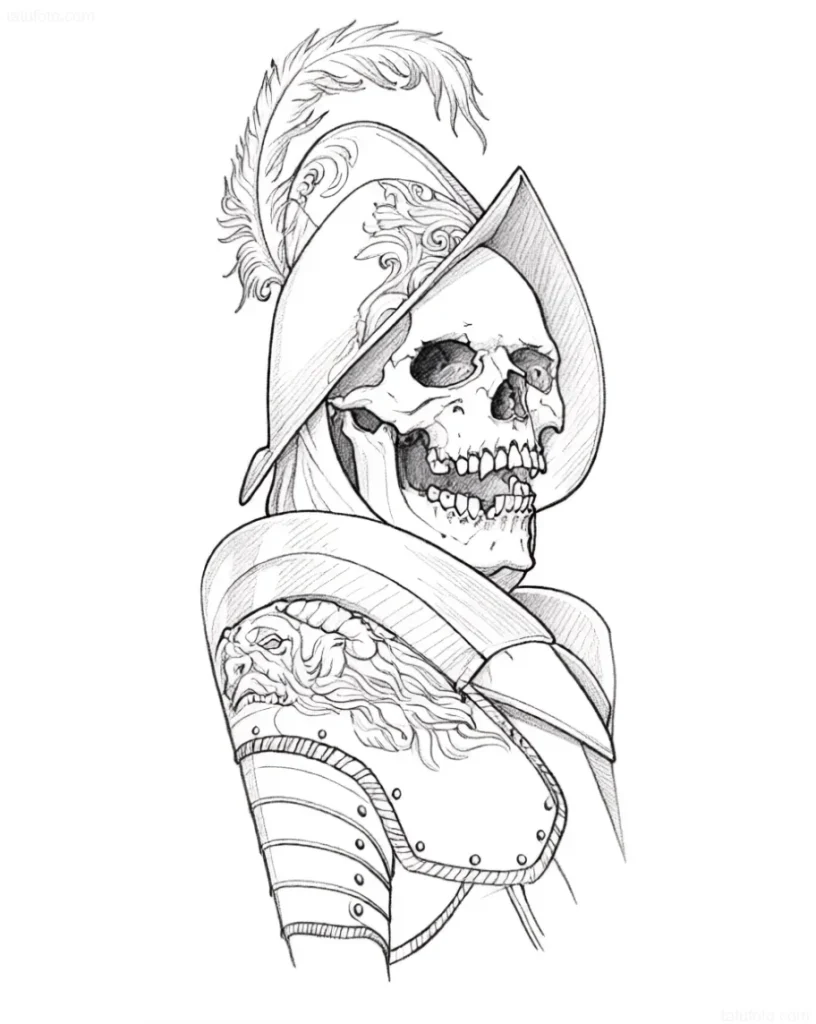
- Lion: A symbol of bravery, royal power, and strength.
- Compass or Map: A symbol of searching, journey, and purposefulness.
- Ship or Caravel: A symbol of long voyages and the beginning of a new life.
- Ancient Ruins (Aztec/Inca): Enhance the atmosphere of conquest and mystical adventure.
3. Is the conquistador tattoo suitable for women?
Absolutely. In tattoo culture, there are no strict gender restrictions. For women, a conquistador tattoo can symbolize strength of will, capacity for leadership, unbending determination, and the readiness to fight for one’s place. Often, female versions of the conquistador are depicted more stylized, emphasizing the elegance of the armor and the drama of the gaze.
Interesting Facts and Myths About Conquistador Tattoos

Myth: The Conquistador is Exclusively a Symbol of Greed.
Fact: Although the thirst for gold was the driving force behind many expeditions, modern tattoo art interprets ‘gold’ metaphorically. Gold can symbolize reward for labor, the achievement of a cherished goal, spiritual enlightenment, or invaluable personal experience. Thus, the tattoo symbolizes not so much material greed as an unquenchable desire for success.
Fact: The Morion as a Symbol of Protection.
The morion (helmet) has become so iconic that it is sometimes used as a standalone symbol, without depicting the conqueror himself. In this context, it acts as a kind of protection talisman that has been hardened by battle and has withstood trials. This is a popular choice for those who prefer a restrained yet powerful symbol.
Interesting Fact: Connection to the El Dorado Mythology
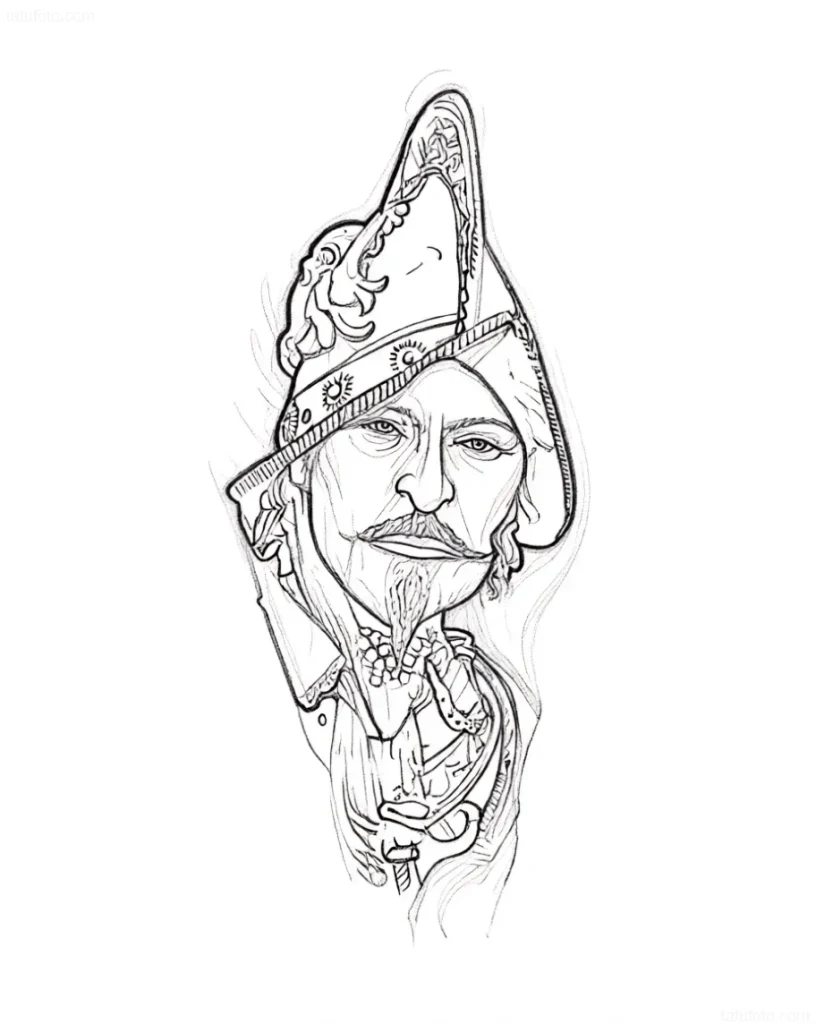
The image of the conquistador is inextricably linked to the myth of the Golden City (El Dorado). If the tattoo includes elements of wilderness, fog, or golden glow, it emphasizes the symbolism of the eternal search for the ideal or the unattainable dream. The wearer of such a tattoo acknowledges that the journey is more important than the final destination, and that real life is a constant adventure and exploration.
Expert Conclusion
The conquistador tattoo is a choice for those who see themselves as pioneers, are not afraid of risk, and are ready to fight for their beliefs. It is a complex, majestic, and deeply personal symbol that requires not only mastery of execution but also a conscious approach to its meaning. By choosing this image, you are making a statement about your strength, ambition, and readiness to conquer your own New World.
Image Gallery


/* GALLERY ISOLATION v4.15.8: wp:html block + !important rules for Gutenberg protection */
.attachment-gallery-wrapper {
margin: 40px 0 !important;
padding: 20px !important;
background: #1a1a1a !important;
border-radius: 8px !important;
box-sizing: border-box !important;
clear: both !important;
width: 100% !important;
}
.attachment-gallery-title {
font-size: 24px !important;
margin-bottom: 10px !important;
color: #ffffff !important;
font-weight: bold !important;
}
.attachment-gallery-description {
color: #cccccc !important;
margin-bottom: 20px !important;
font-size: 14px !important;
}
.attachment-gallery-page {
margin-bottom: 20px !important;
clear: both !important;
}
/* CRITICALLY IMPORTANT: Base grid for 3 columns in the gallery */
.attachment-gallery-grid {
display: grid !important;
grid-template-columns: repeat(3, 1fr) !important;
gap: 16px !important;
list-style: none !important;
padding: 0 !important;
margin: 0 !important;
width: 100% !important;
box-sizing: border-box !important;
}
.attachment-gallery-item {
margin: 0 !important;
padding: 0 !important;
display: flex !important;
align-items: center !important;
justify-content: center !important;
overflow: hidden !important;
list-style: none !important;
box-sizing: border-box !important;
}
.attachment-gallery-item a {
display: block !important;
width: 100% !important;
height: 100% !important;
text-decoration: none !important;
}
.attachment-gallery-item img {
width: 100% !important;
height: auto !important;
display: block !important;
object-fit: cover !important;
border-radius: 4px !important;
transition: transform 0.3s ease !important;
max-width: 100% !important;
}
.attachment-gallery-item img:hover {
transform: scale(1.05) !important;
}
.attachment-gallery-controls {
text-align: center !important;
margin-top: 20px !important;
clear: both !important;
}
.attachment-gallery-btn {
background: #0073aa !important;
color: white !important;
border: none !important;
padding: 12px 24px !important;
font-size: 16px !important;
border-radius: 4px !important;
cursor: pointer !important;
transition: background 0.3s ease !important;
font-family: inherit !important;
}
.attachment-gallery-btn:hover {
background: #005177 !important;
}
.attachment-gallery-btn:active {
transform: translateY(1px) !important;
}
.attachment-gallery-btn:disabled {
opacity: 0.5 !important;
cursor: not-allowed !important;
}
/* Responsiveness for mobile devices */
@media (max-width: 768px) {
.attachment-gallery-grid, .attachment-remaining-gallery {
grid-template-columns: repeat(2, 1fr) !important;
gap: 12px !important;
}
}
@media (max-width: 480px) {
.attachment-gallery-grid, .attachment-remaining-gallery {
grid-template-columns: 1fr !important;
gap: 10px !important;
}
}
/* Styles for remaining images in the content */
.attachment-remaining-gallery {
display: grid !important;
grid-template-columns: repeat(3, 1fr) !important;
gap: 16px !important;
list-style: none !important;
padding: 0 !important;
margin: 20px 0 !important;
}
.attachment-inline-image {
margin: 20px 0 !important;
text-align: center !important;
}
.attachment-inline-image img {
max-width: 100% !important;
height: auto !important;
border-radius: 4px !important;
}