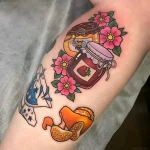
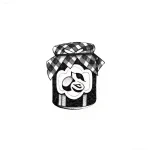
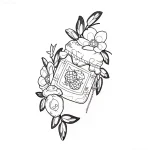
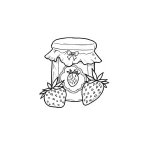
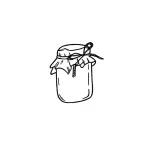
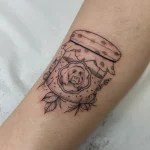
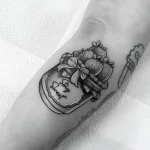
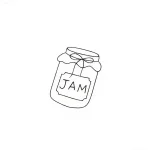
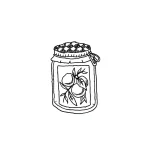
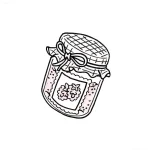
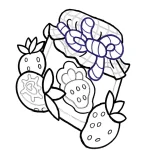
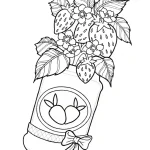
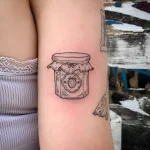
A tattoo is not just a decoration; it’s a carefully encoded message we convey to the world and ourselves. In the catalogs of tattoo artists, alongside classic images of predators, flowers, and mythological scenes, unusual motifs are increasingly appearing. One such motif is the jam tattoo. This subject, seemingly simple and “homemade,” actually possesses surprisingly deep and multi-layered symbolism related to nostalgia, preservation, home comfort, and life philosophy. For our portal dedicated to symbolism, we have prepared an exhaustive analysis of this unique and “tasty” tattoo subject.
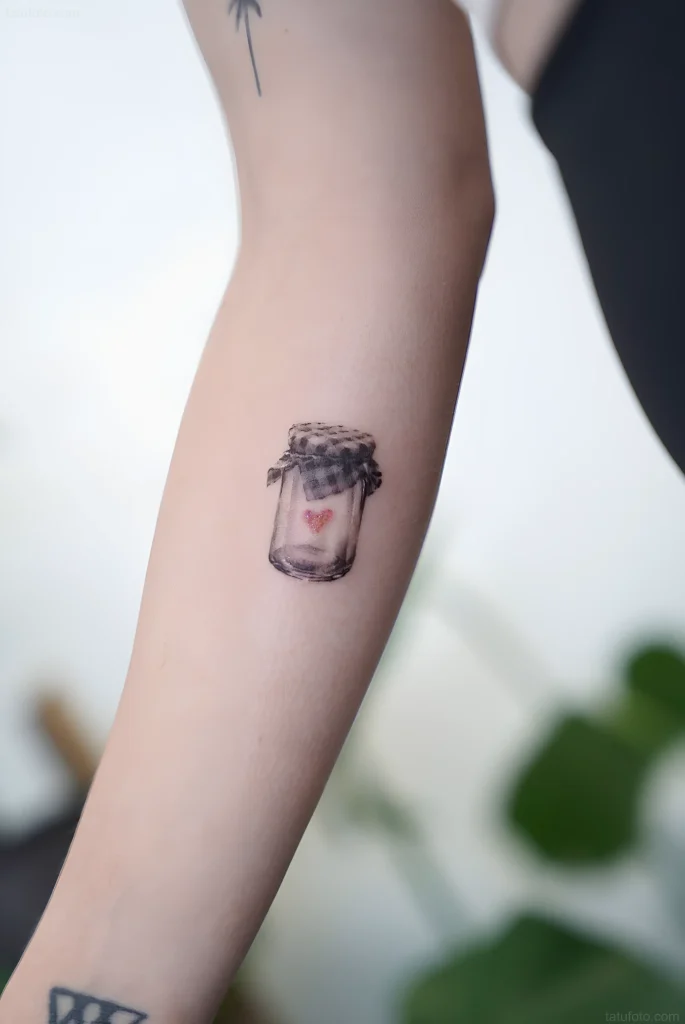
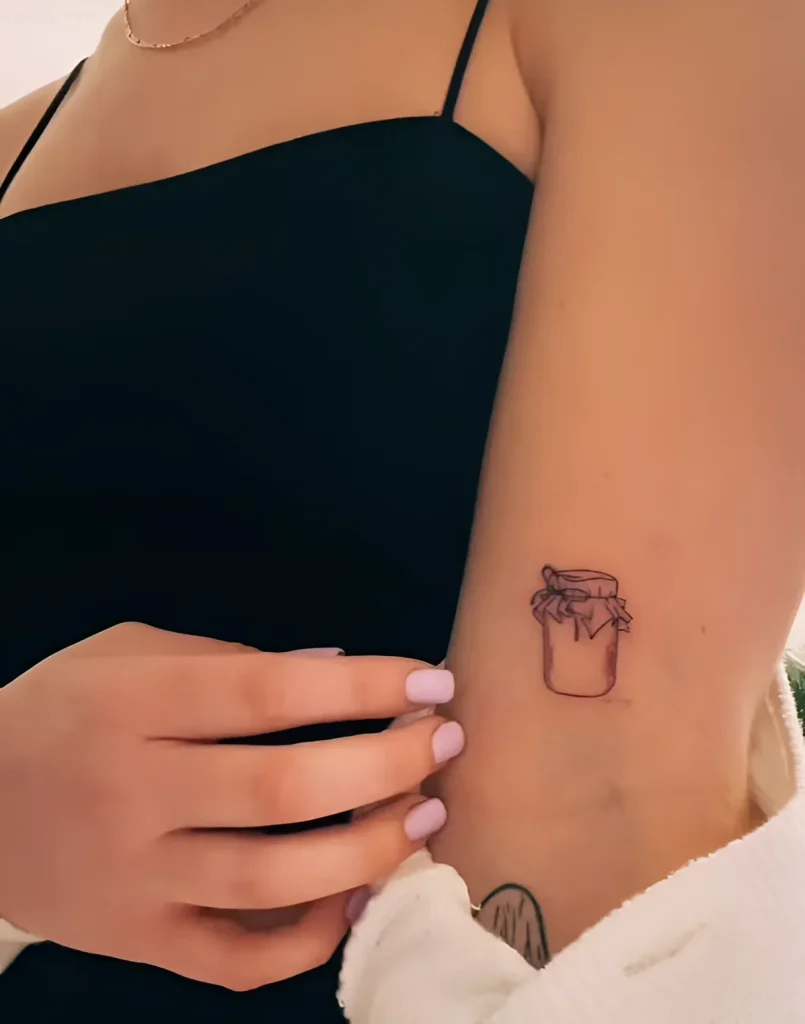
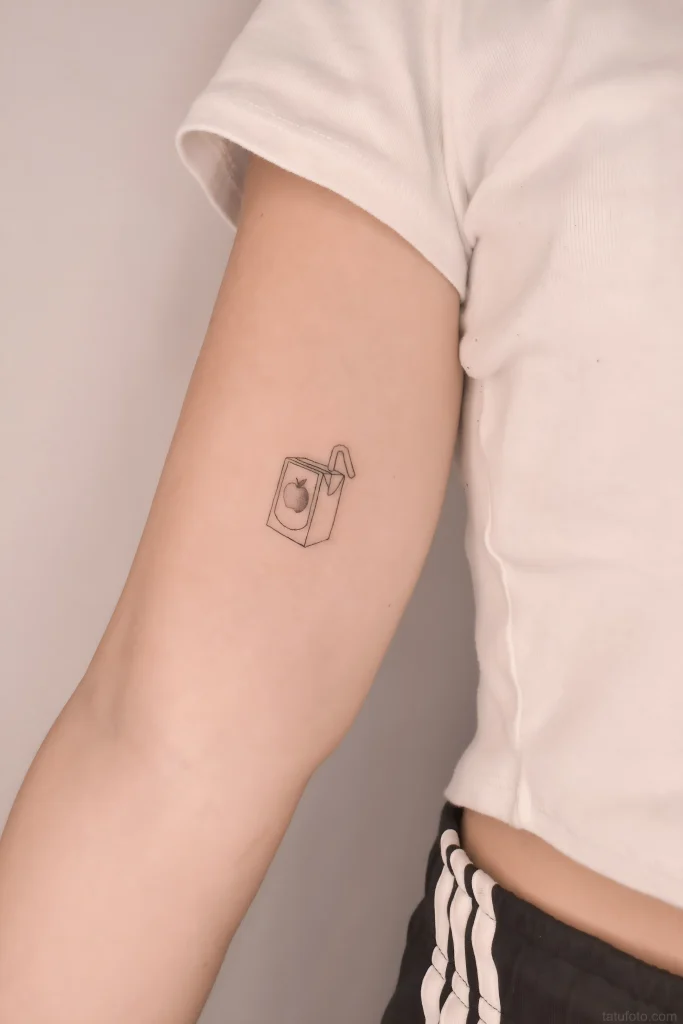

Jam Tattoo: A Sweet Symbol and Its Hidden Meanings
Jam, as a product, has always been at the intersection of several important cultural concepts: preservation, provision, labor, and sweetness. When we transfer the image of a jam jar or a spoon filled with it onto our skin, we automatically activate these associations. A jam tattoo doesn’t always simply mean a love for sweets; it serves as a powerful metaphorical anchor.
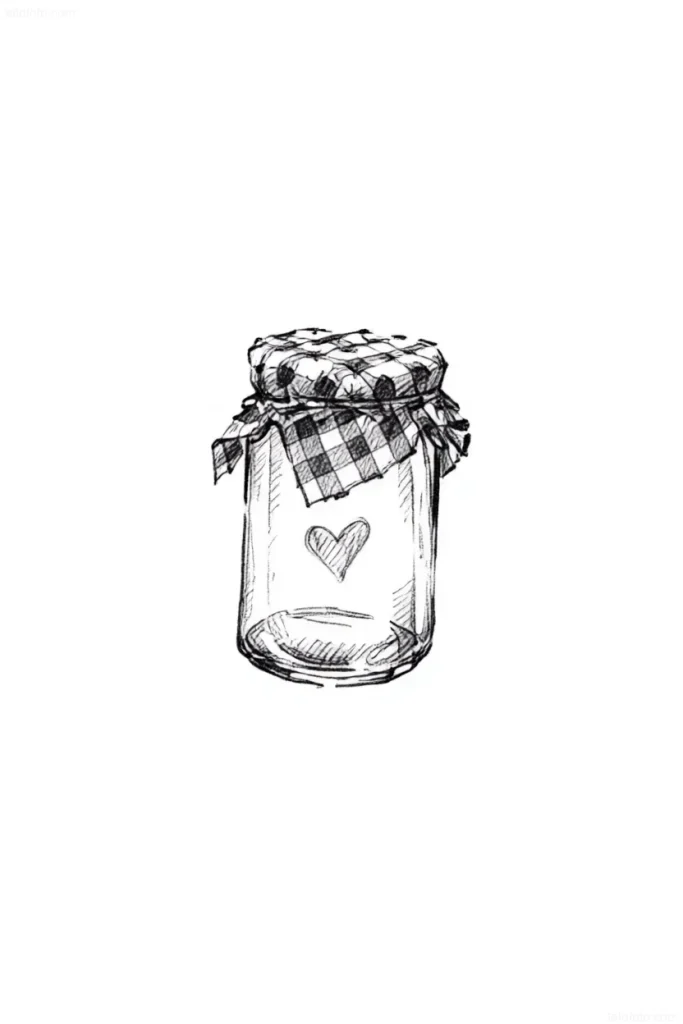
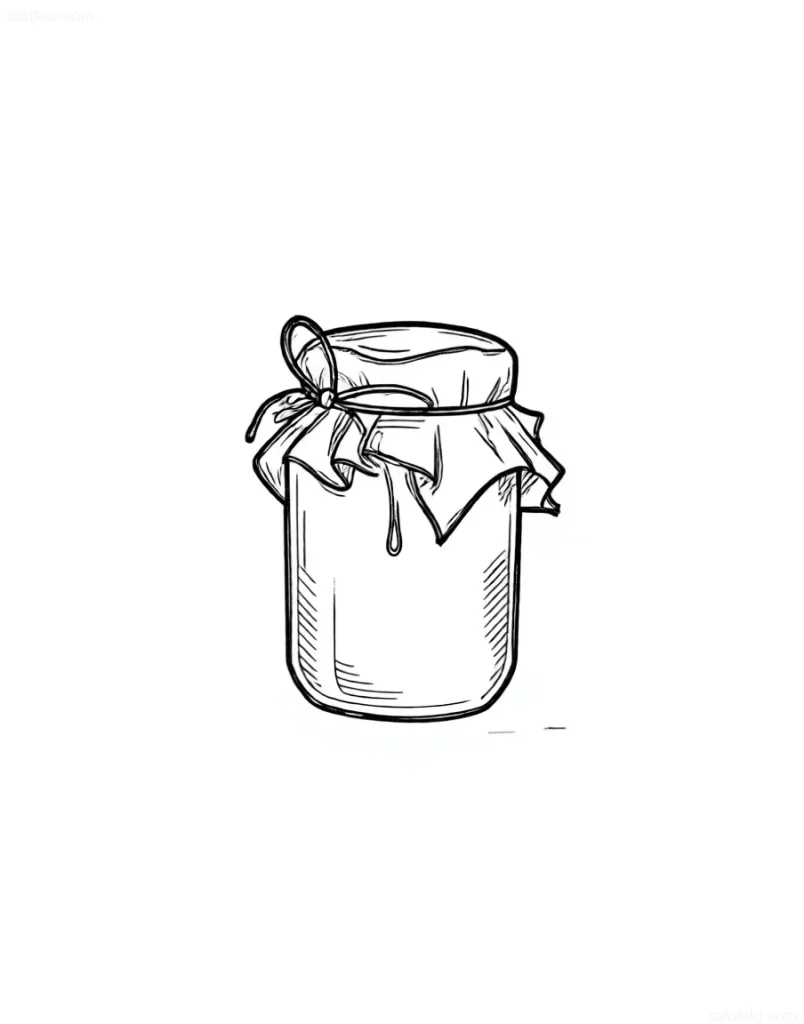
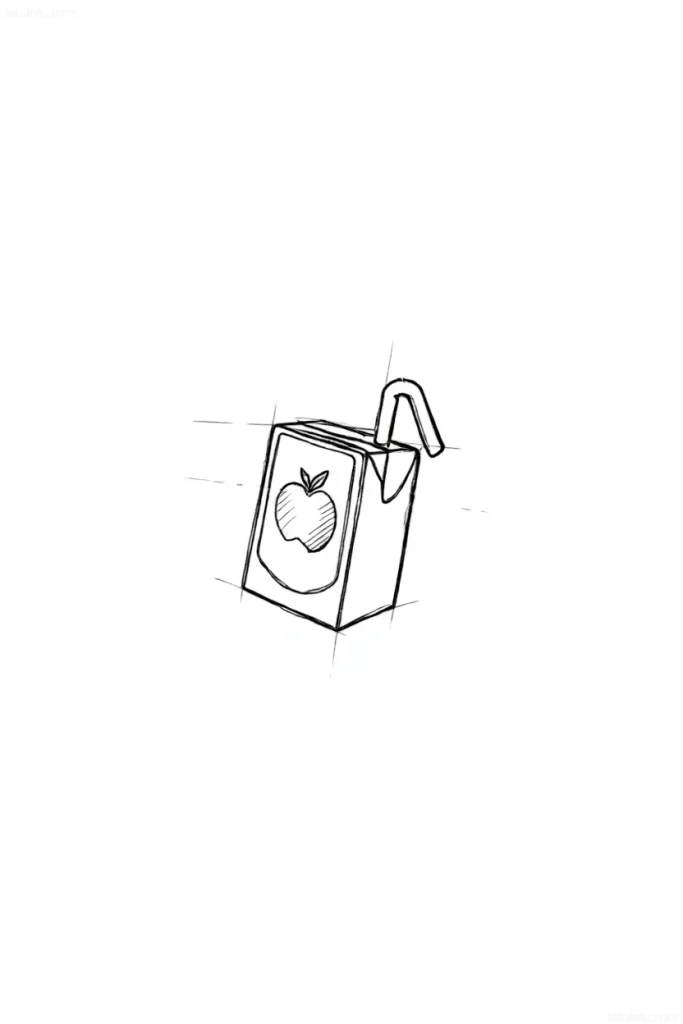
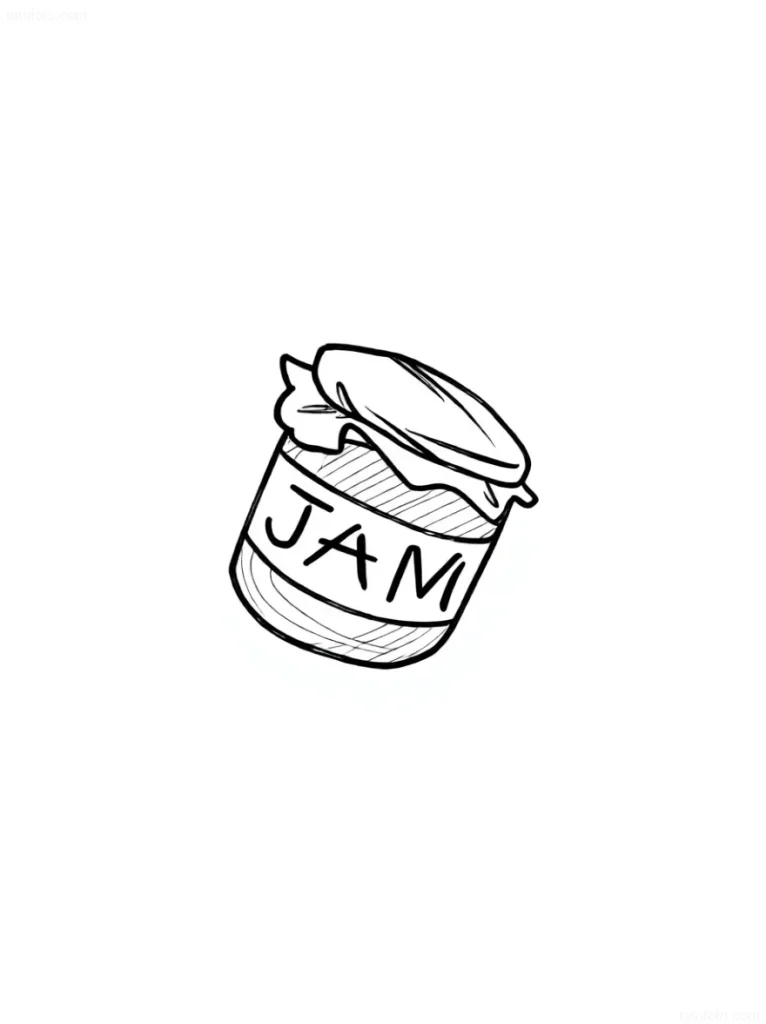
Key metaphorical meanings associated with jam:
- Preservation and Memory. Jam is a concentrated taste of summer, preserved for colder times. In a tattoo, it symbolizes the desire to preserve precious moments, childhood memories, or happy, “sweet” periods of life. It’s a promise not to forget.
- Home Hearth and Comfort. The process of making jam is inextricably linked with home, traditions, warmth, and care. A tattoo can be dedicated to family, parental home, or the aspiration to create one’s own safe and comfortable space.
- Sweetness of Life and Optimism. Jam is essentially pure sweetness. In this context, a tattoo reflects a positive worldview, the ability to enjoy simple pleasures, and faith that life, despite its difficulties, has its own “sweet” taste.
- Patience and Labor. Making good jam requires time, attention, and effort. This symbol can indicate that the tattoo owner values the fruits of their labor, is willing to wait, and put in the effort to achieve results.
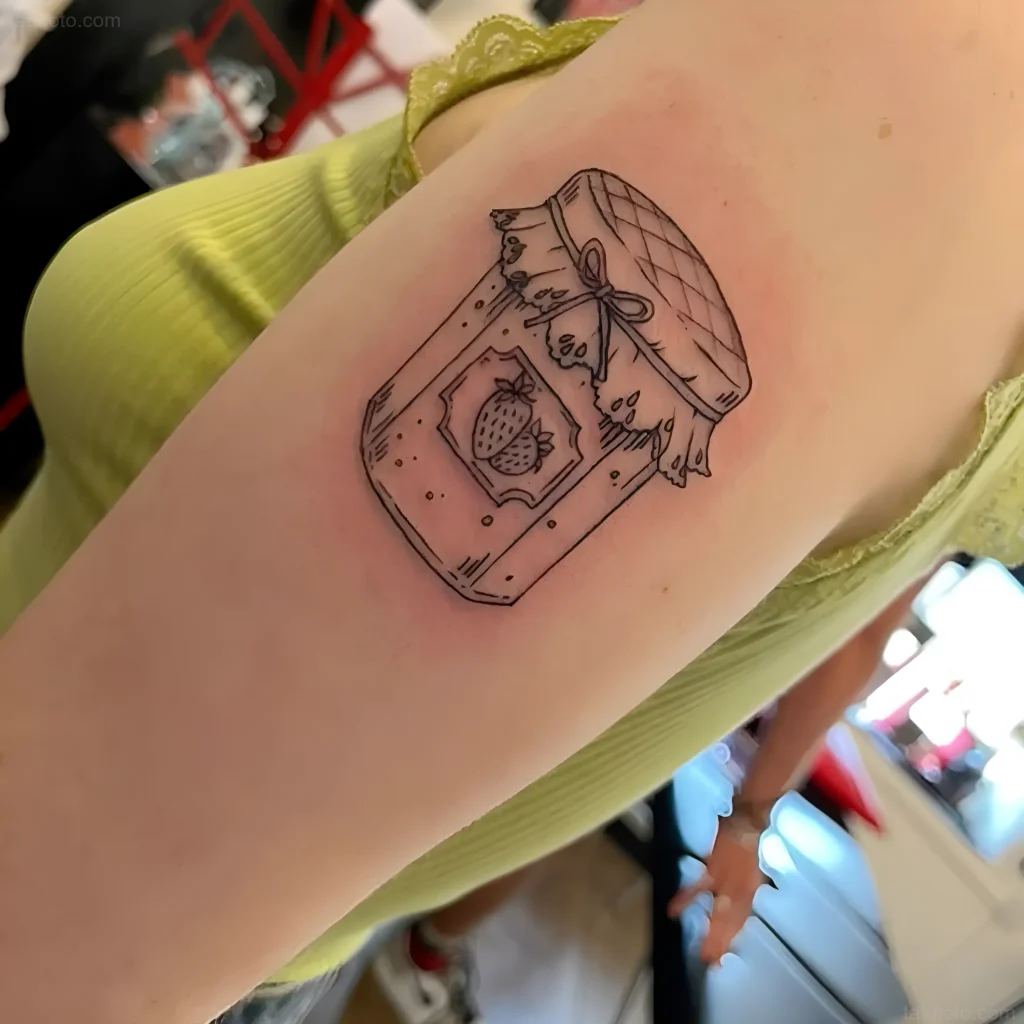
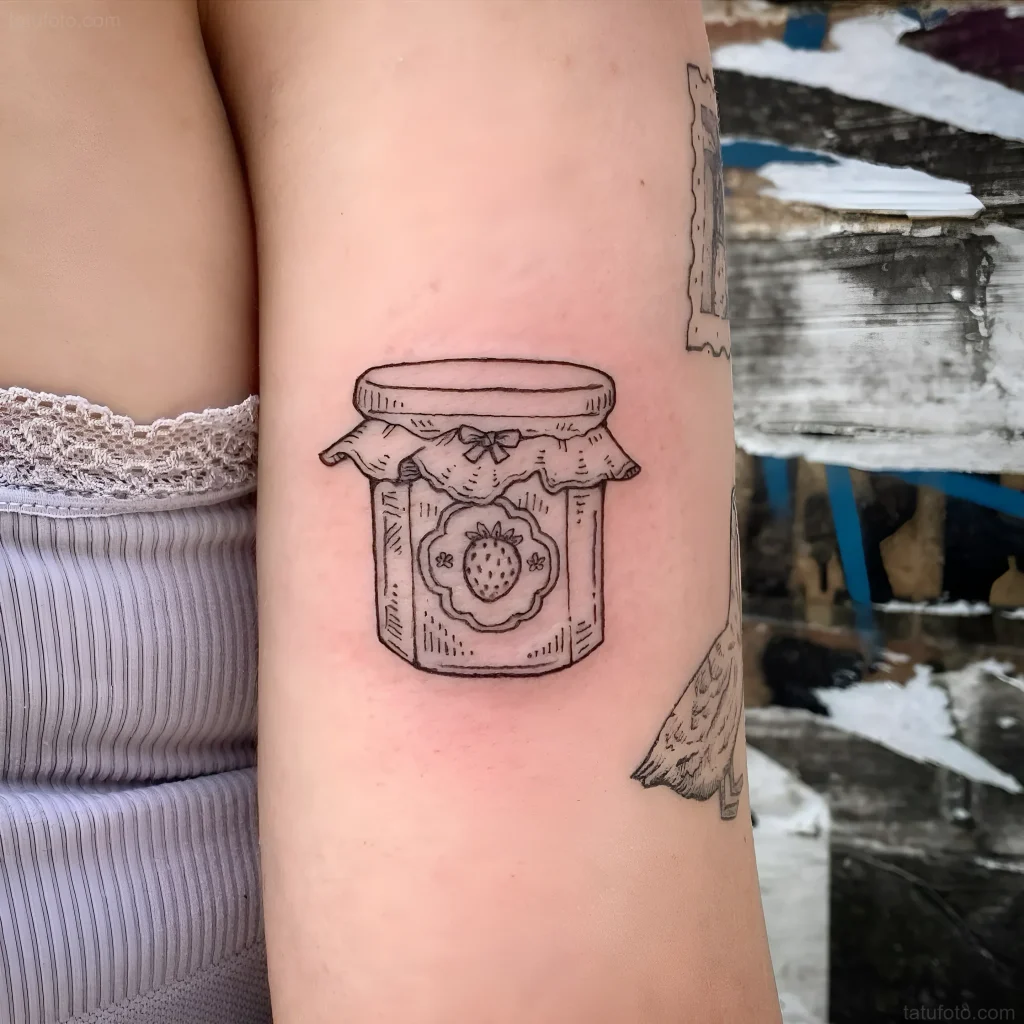
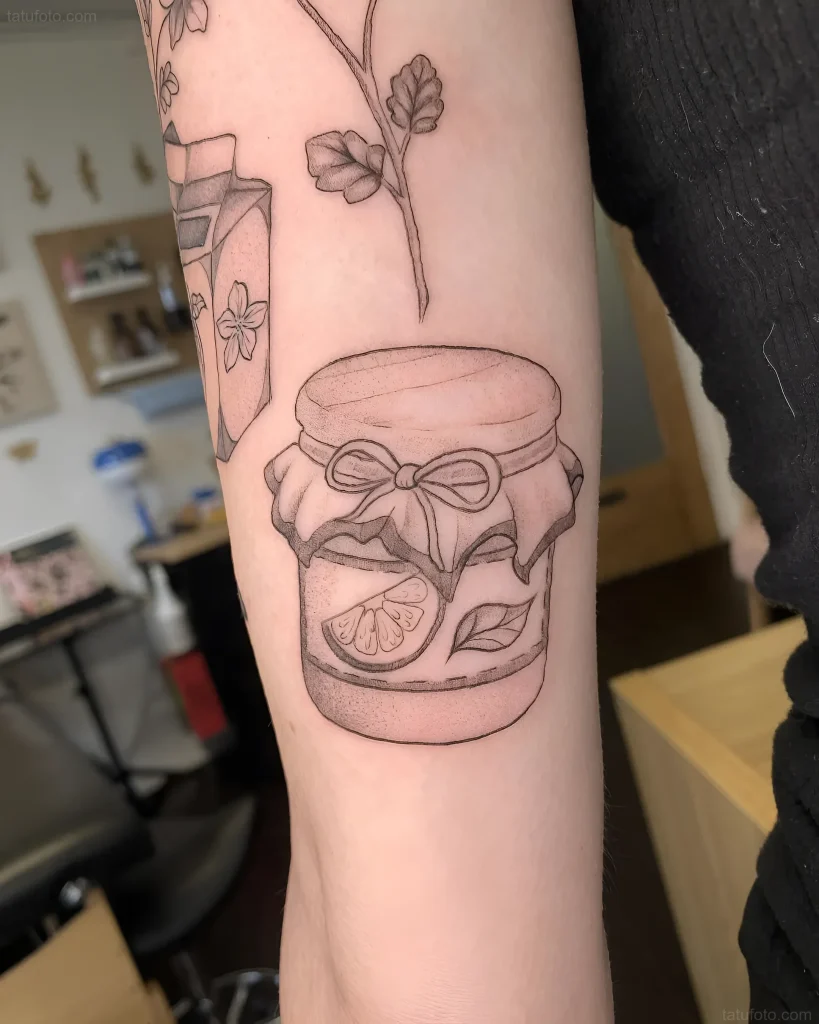
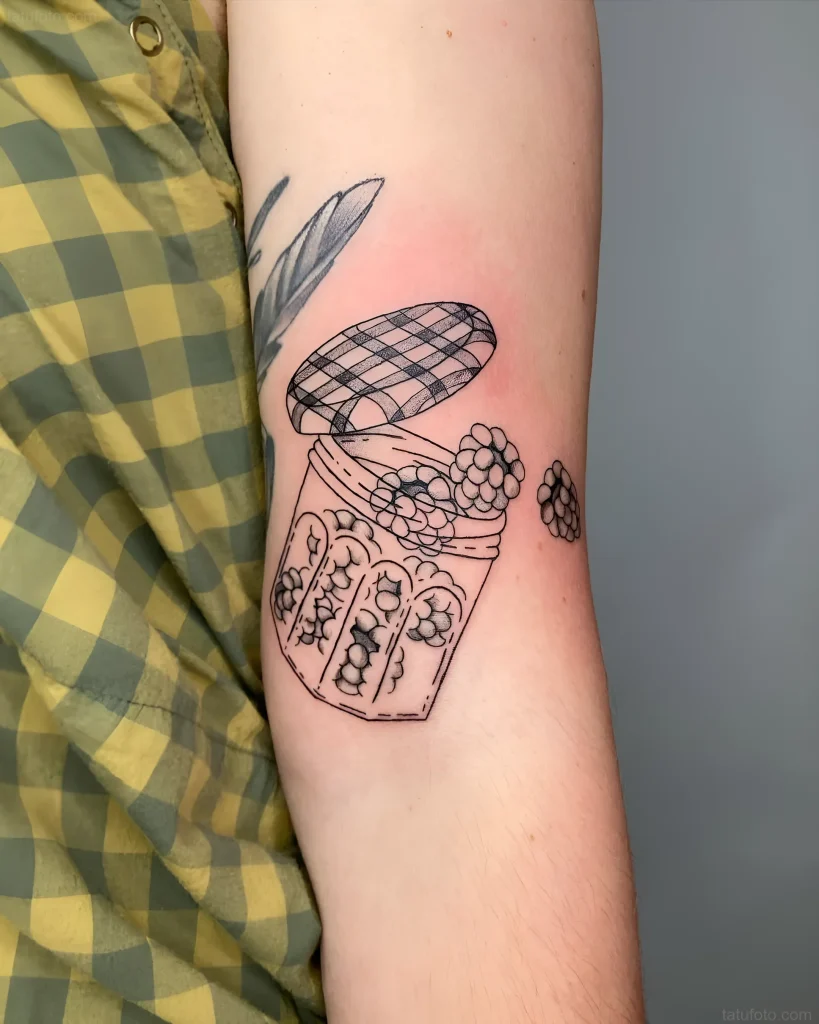
History of Jam Symbolism in Culture and Art
Although the jam tattoo is a relatively recent phenomenon in tattoo culture, the image of sweet preserves is deeply rooted in world symbolism, especially in Slavic and European cultures. Understanding this context helps reveal the true depth of the subject.
Jam as a Symbol of Abundance and Care
Since the Middle Ages, preserving food (including by sugaring) was a sign of prosperity and foresight. In peasant culture, full jars of jam or honey symbolized a successful harvest and a guarantee of survival during winter. Thus, jam became a symbol of abundance, thriftiness, and care for the future.


The Image in Literature and Art
In Russian literature and folklore, jam often appears as a symbol of carefree childhood and pure happiness. Recall the famous “gooseberry jam” or the tea party scenes in classic works. It’s not just food; it’s a ritual that unites generations. In painting, especially in still life, the image of glass jars with transparent, shimmering jam (cherry, strawberry) emphasizes the beauty of the moment, the fragility, and the fleetingness of summer.
Cultural Parallels:
- In English culture, “preserves” are directly associated with preserving traditions and family recipes. A jam tattoo can be a tribute to family culinary traditions.
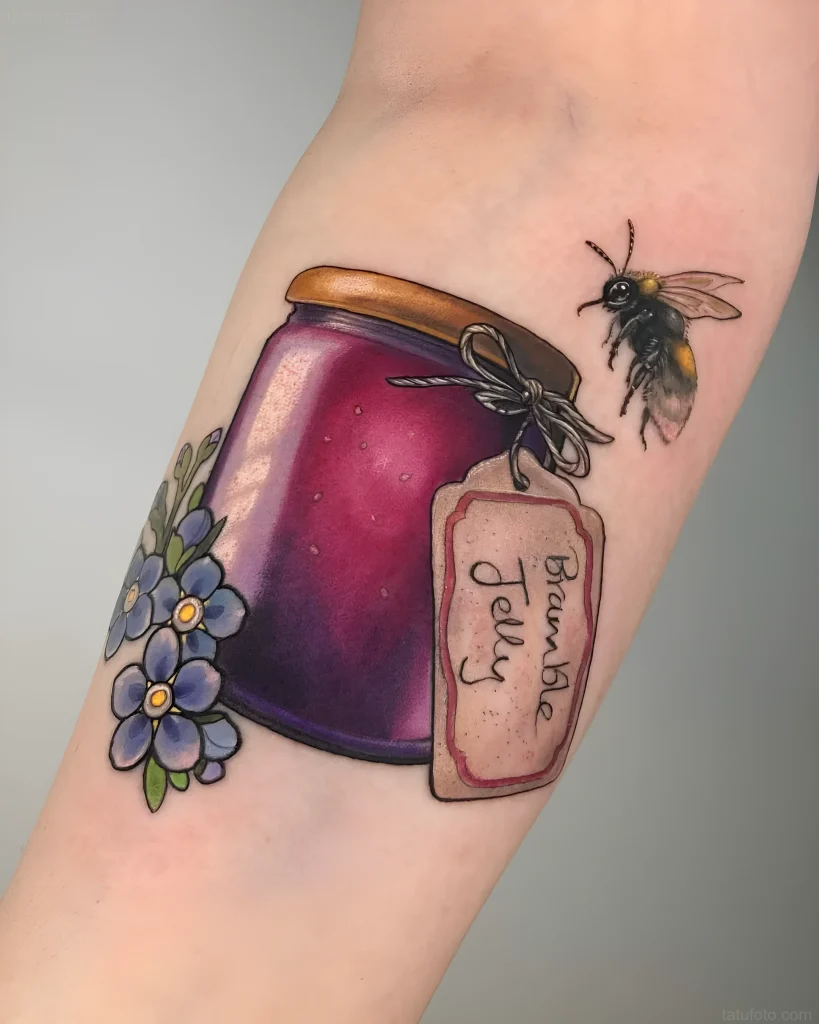
- The image of jam combined with bees or berries enhances the symbolism of hard work (bees) and fertility (berries).
- If the jam is depicted in an old, slightly chipped jar, it emphasizes the value of old things and nostalgia for the past.
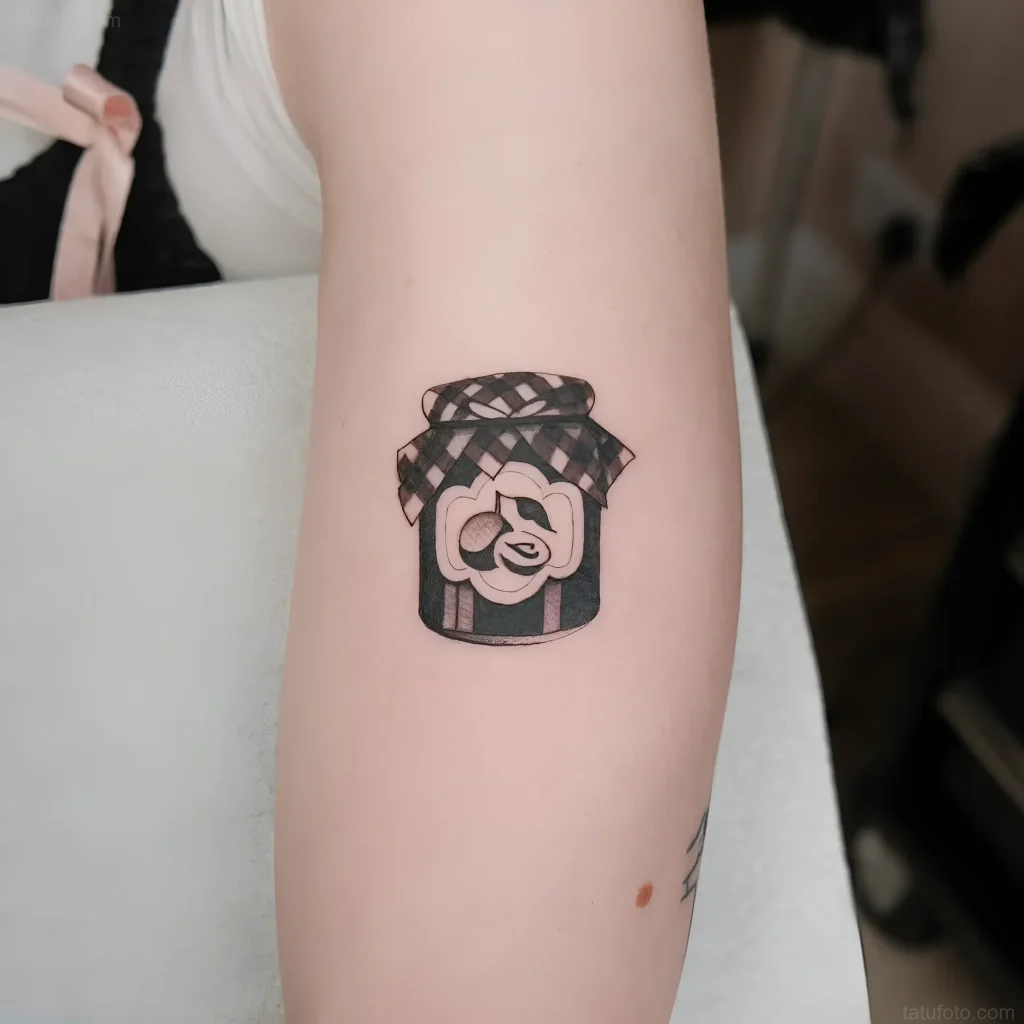
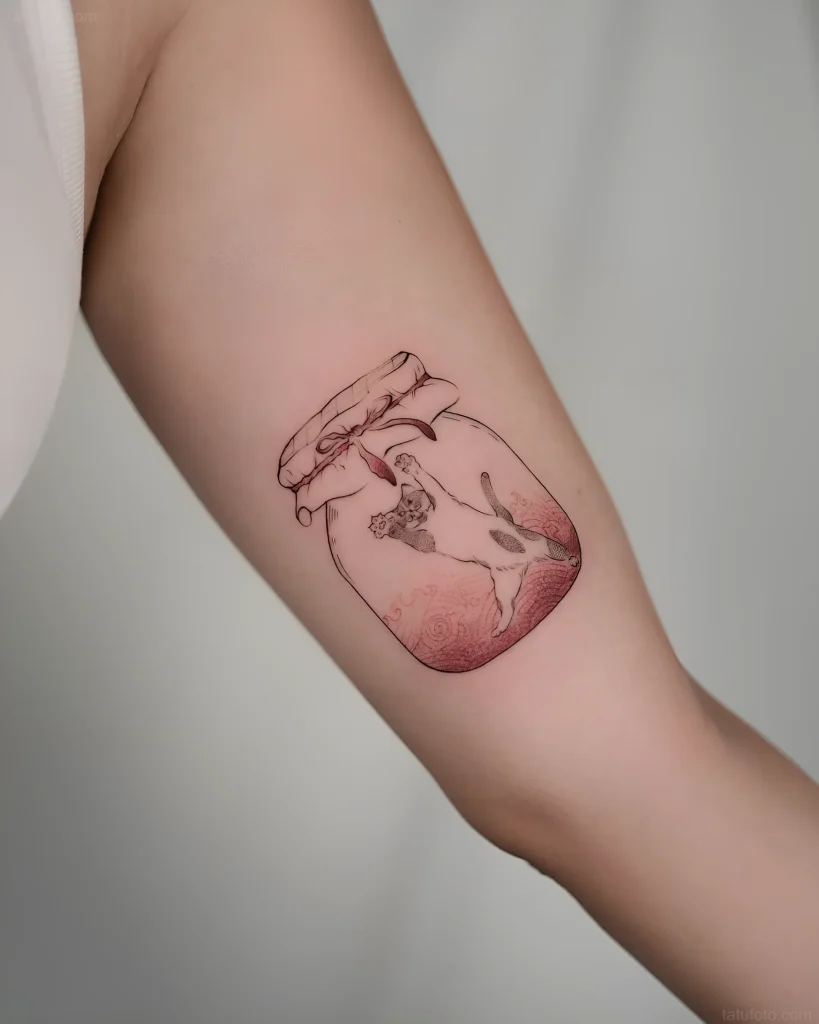
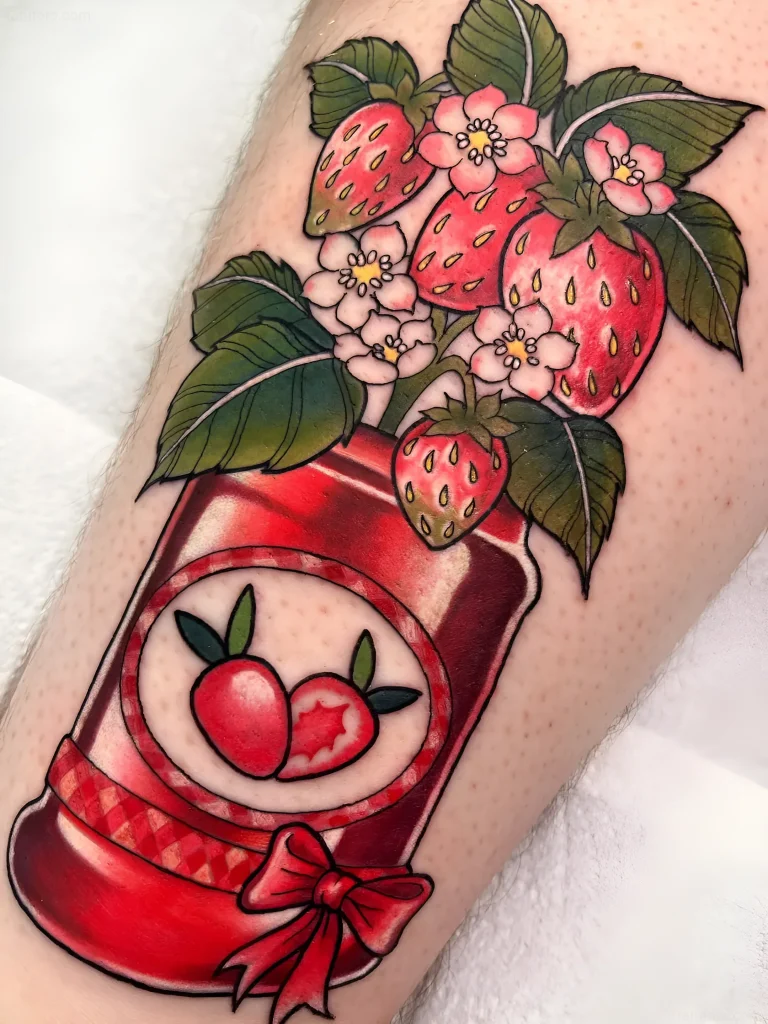
What Does a Jam Tattoo Mean: Main Interpretations and Personal Meanings
The meaning of a jam tattoo is rarely universal, as it strongly depends on the type of berry or fruit depicted, as well as the context. We will analyze the main, most common interpretations that you can use to form your unique meaning.
1. Meaning Related to the Berry or Fruit
The choice of a specific jam ingredient adds a specific nuance to the main meaning:
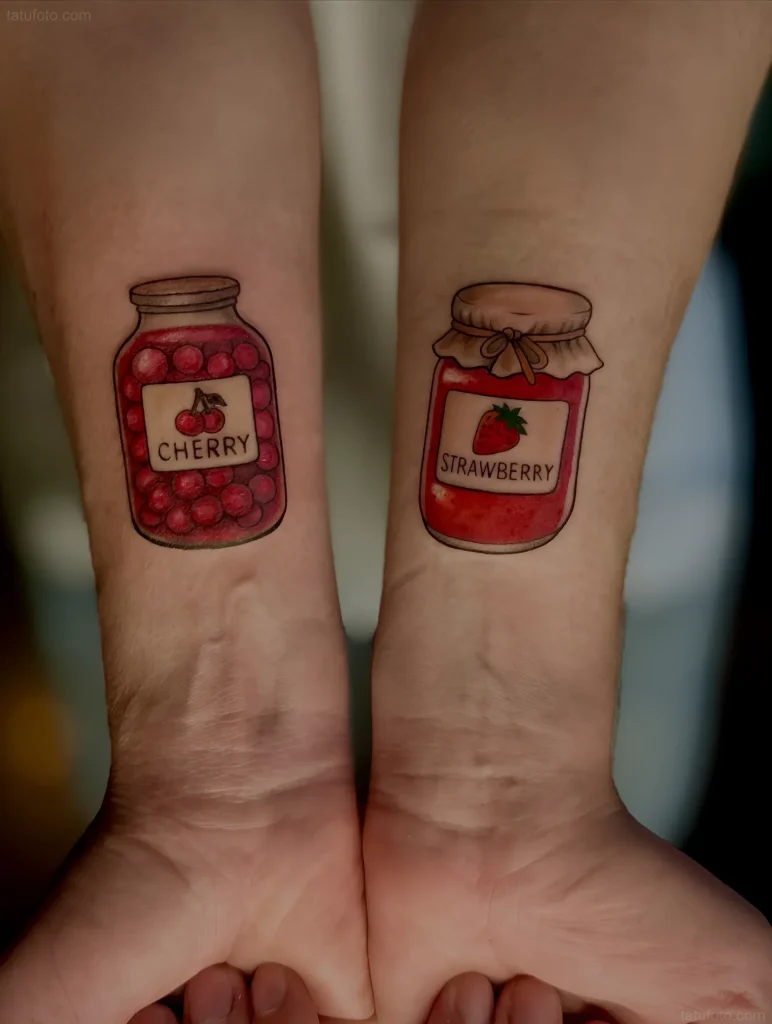
Cherry Jam:
- Often symbolizes passion, love, and sacrifice (red color).
- Can indicate the “bitterness” or “sourness” of the past, which has been transformed into the “sweetness” of experience.
- A symbol of summer that passed too quickly, and therefore was preserved.
Strawberry Jam:
- A symbol of pure, carefree joy, innocence, and pleasure.
- Associated with first, brightest impressions and romance.
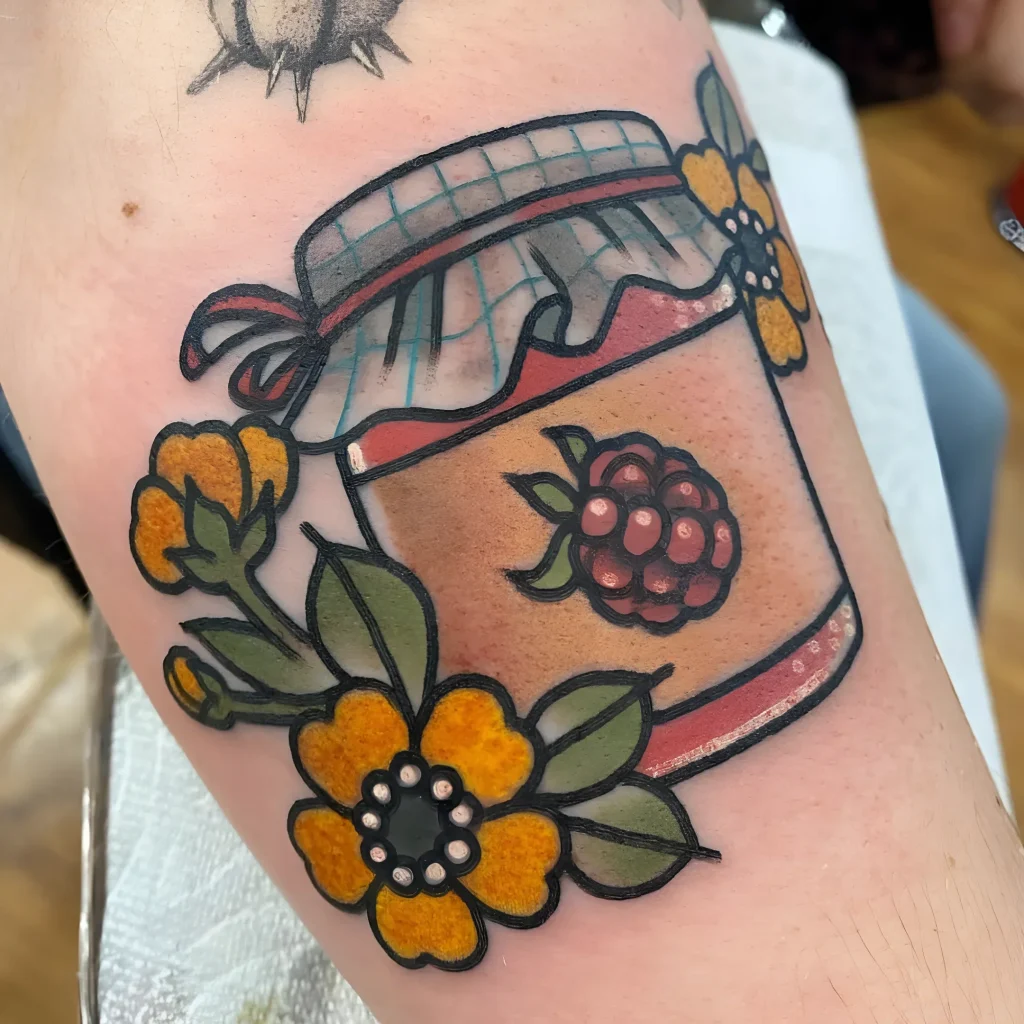
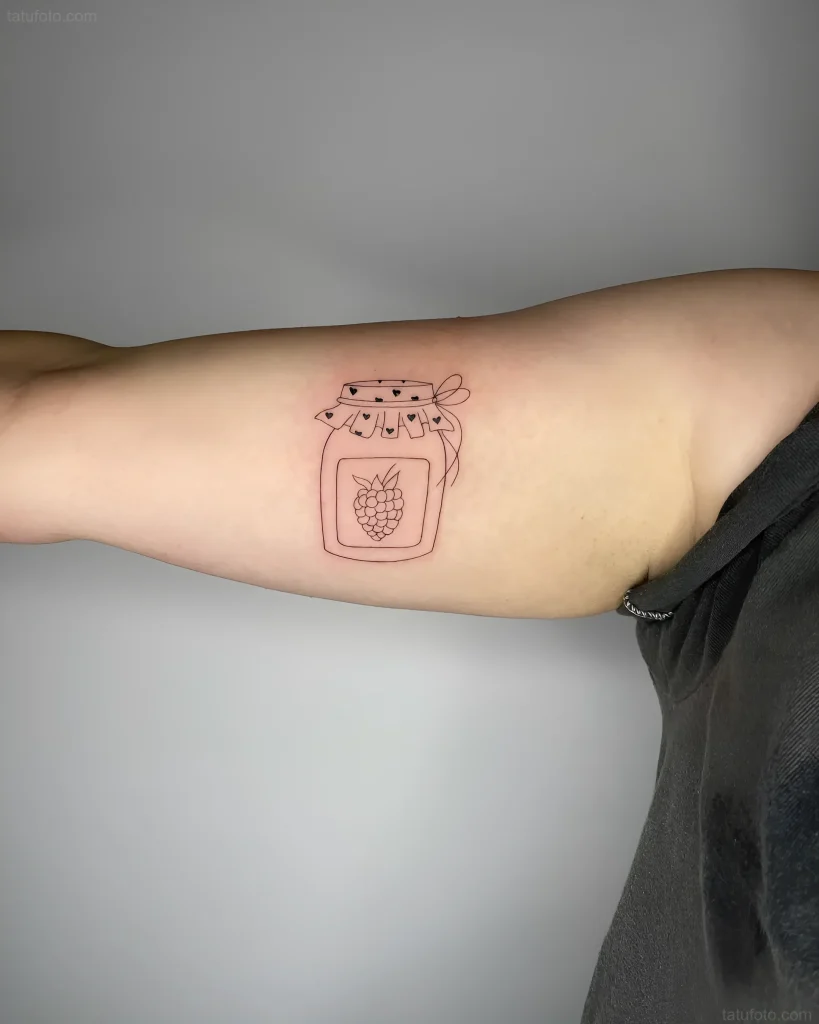
Raspberry Jam:
- Traditionally associated with health, healing, and care (folk medicine).
- Can be a symbol of “medicine” for life’s adversities, comfort.
Apricot/Peach Jam:
- A symbol of longevity, fertility, and sunlight.
- Reflects warmth of character and optimism.

2. Contextual and Compositional Meaning
The elements surrounding the jam jar also bring clarity to the symbolism:
| Element in Composition | Symbolic Meaning | Example of Personal Interpretation |
|---|---|---|
| Jar with a label “1995” or a date | Nostalgia, a specific memory. | “This is the year of my birth/the year I met my love. I am preserving this moment forever.” |
| Spoon or ladle | Readiness to share, generosity, enjoying the moment. | “I know how to take the best from life and share it with others.” |
| Lid sealed with wax | A secret, something cherished, protected. | “I keep something very valuable and personal within me, accessible only to a select few.” |
| Jar breaking | Broken dreams, loss of innocence, or, conversely, liberation from the past. | “I am letting go of sweet, but no longer relevant, memories.” |
3. Philosophical Meaning: “The Sweetness of the Moment”
In a modern context, a jam tattoo is often used as a reminder of the Carpe Diem philosophy, but with an emphasis on Mors Certa, Vita Incerta (Death is certain, life is uncertain). Jam reminds us that even if summer (happiness, youth) passes, its concentrated taste can be preserved and used in difficult times. It is a symbol of inner resource and an optimistic view of life’s cycles.
Jam Tattoo Styles: From Realism to Watercolor – Choose Yours
The choice of execution style is critical, as it determines the emotional message of the jam tattoo. Different styles emphasize different aspects of symbolism: nostalgia, humor, or beauty.
1. Realism
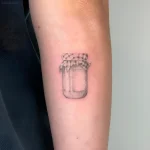
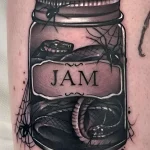
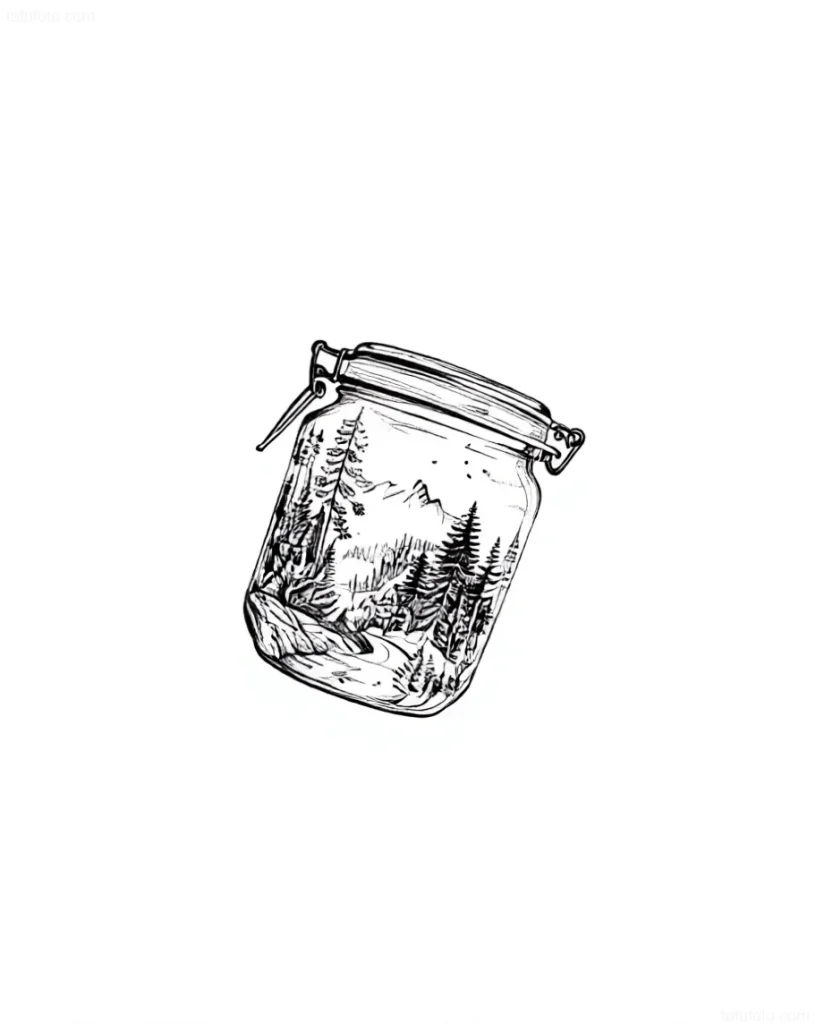
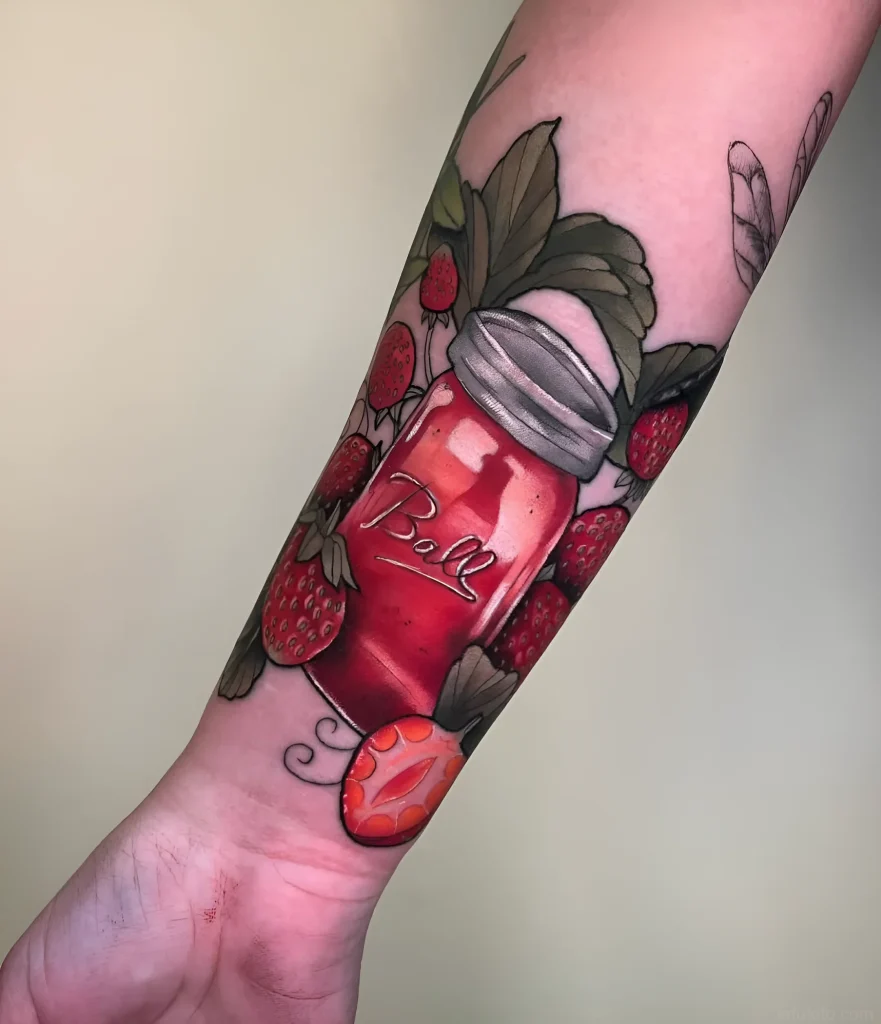
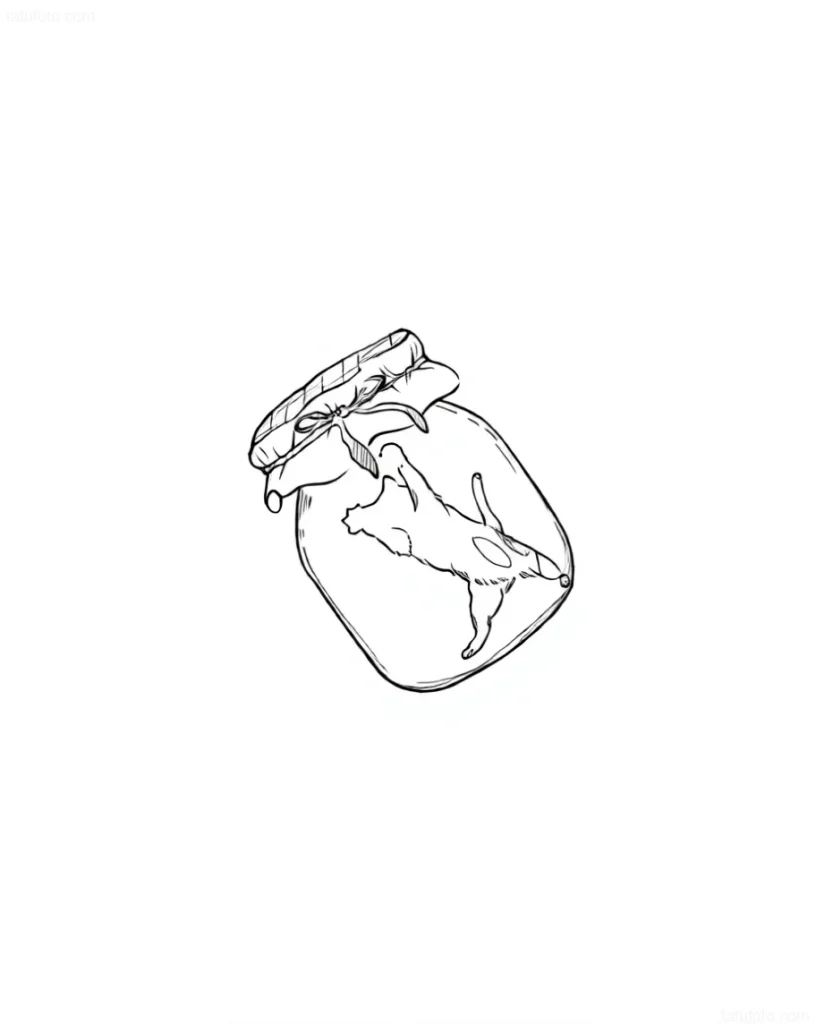
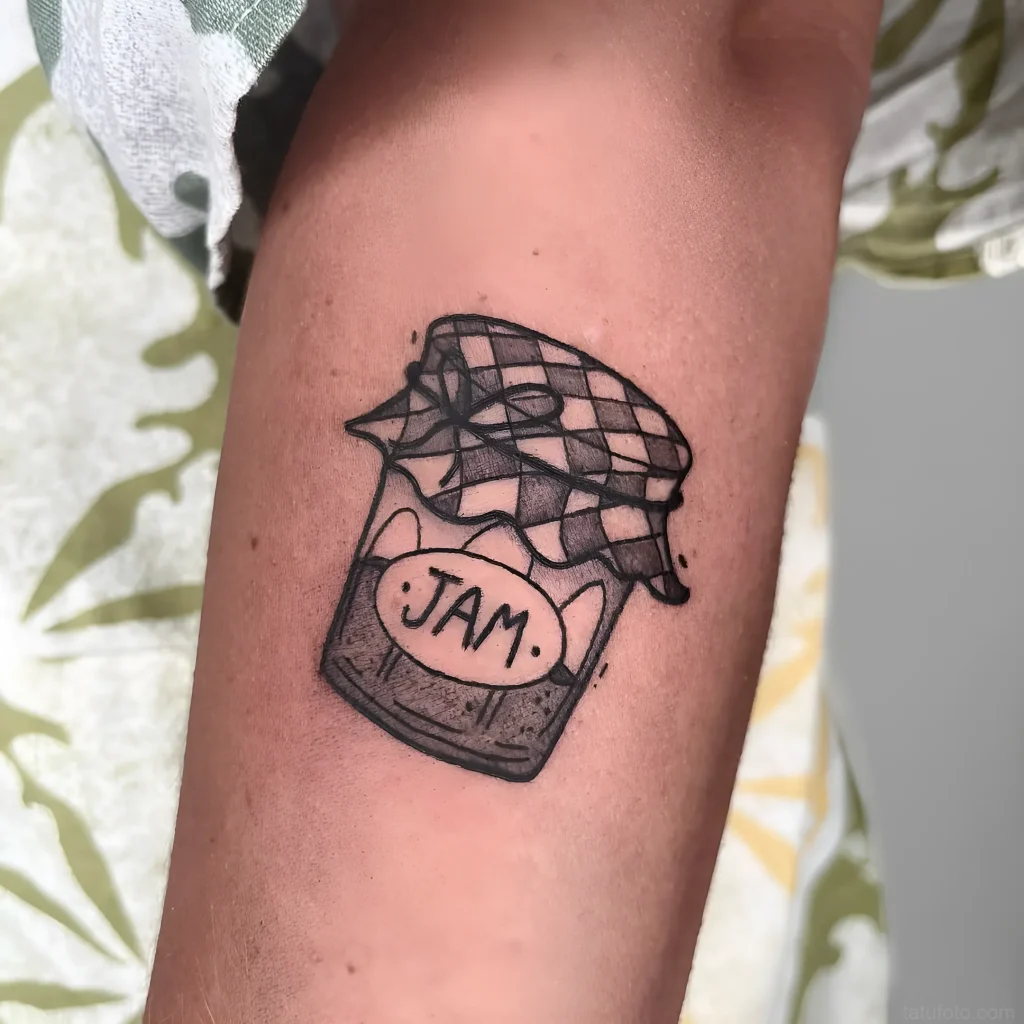
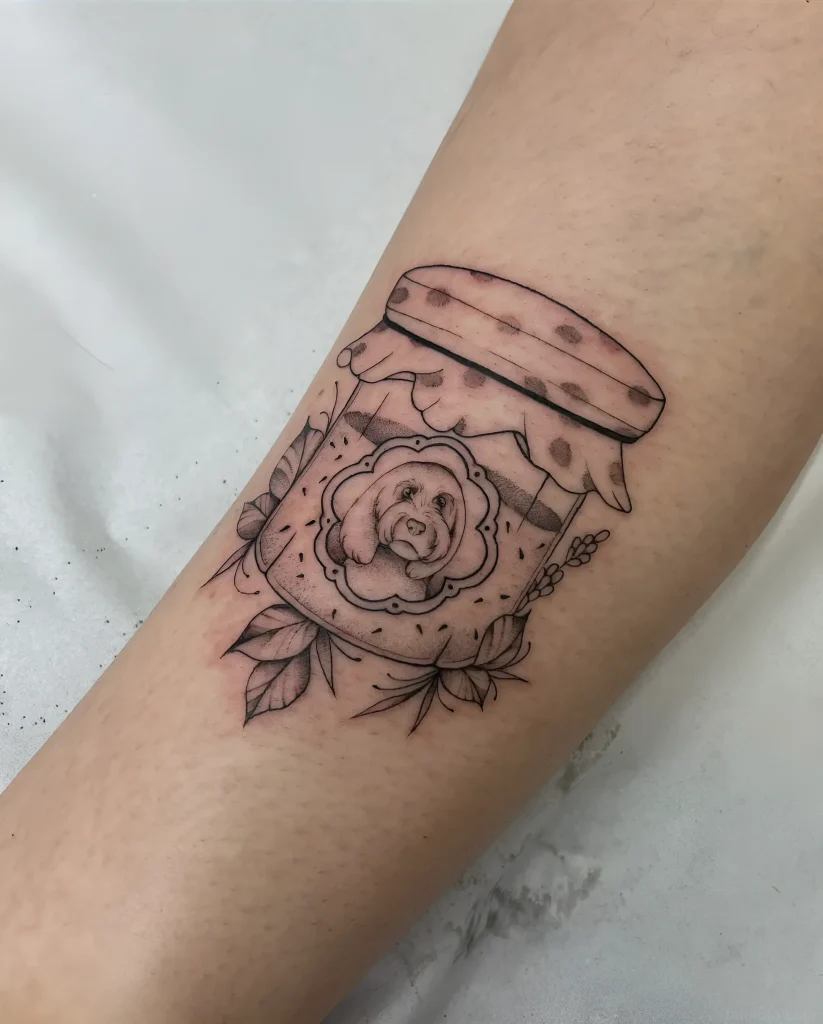
A realistic depiction of a jam jar, with highlights on the glass, clearly drawn berries, and the texture of the label. This style maximally emphasizes nostalgia, detail, and the importance of a specific memory. Realism requires a large size to preserve all details, so it is often placed on the forearm or thigh.
2. Traditional and Neotraditional Styles
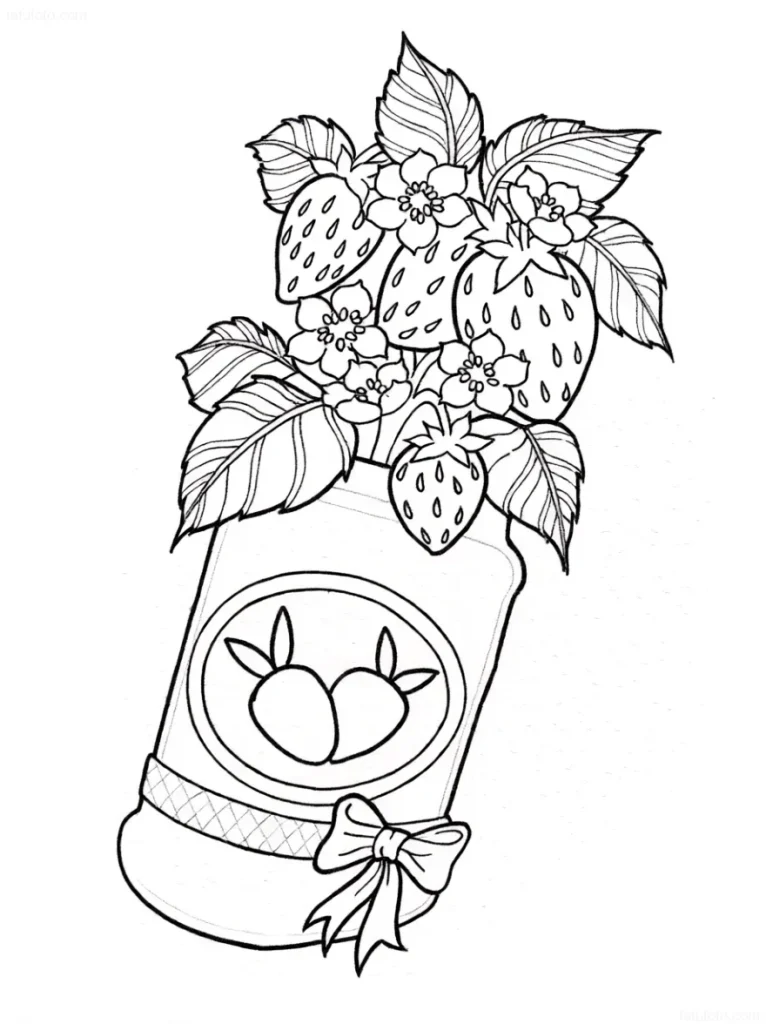
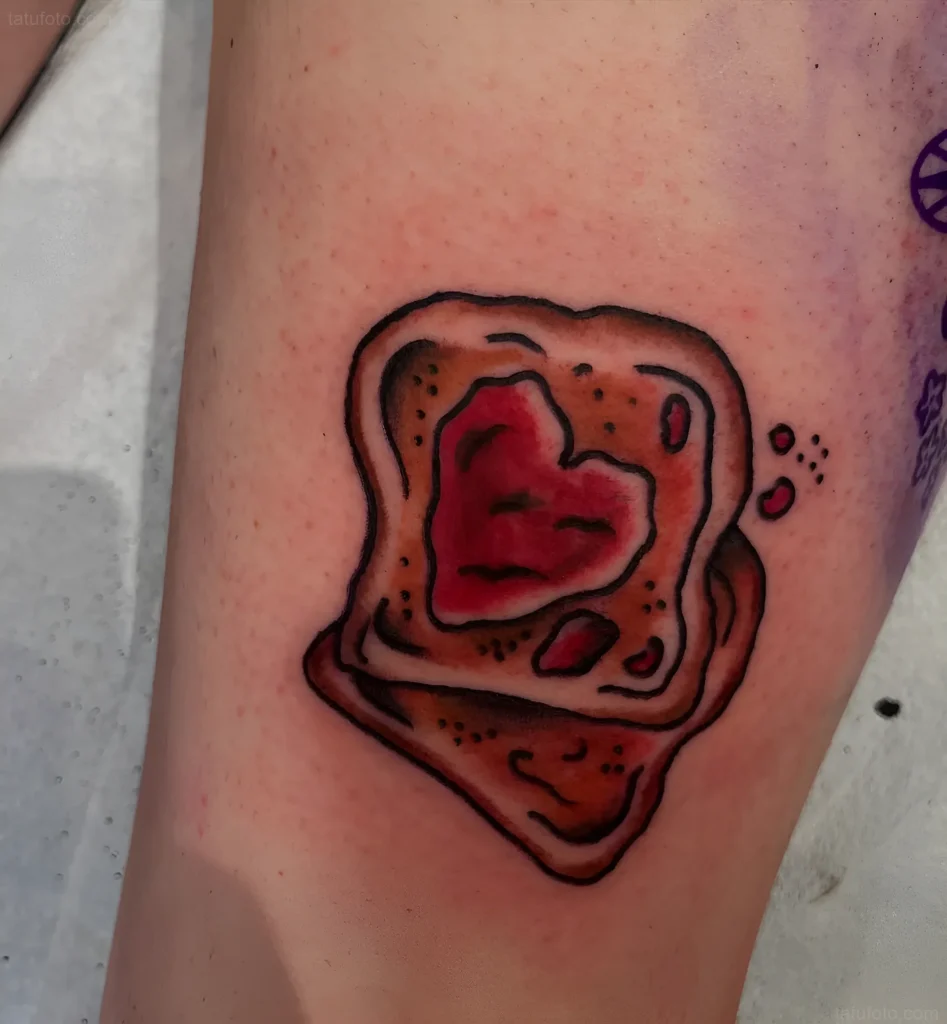
- Traditional (Old School): Bright, thick outlines, limited palette (red, yellow, green). In this style, jam loses its “homemade” quality and acquires a more classic symbolism of abundance, luxury, and pleasure. Often accompanied by ribbons with inscriptions or classic elements (roses, daggers).
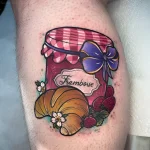
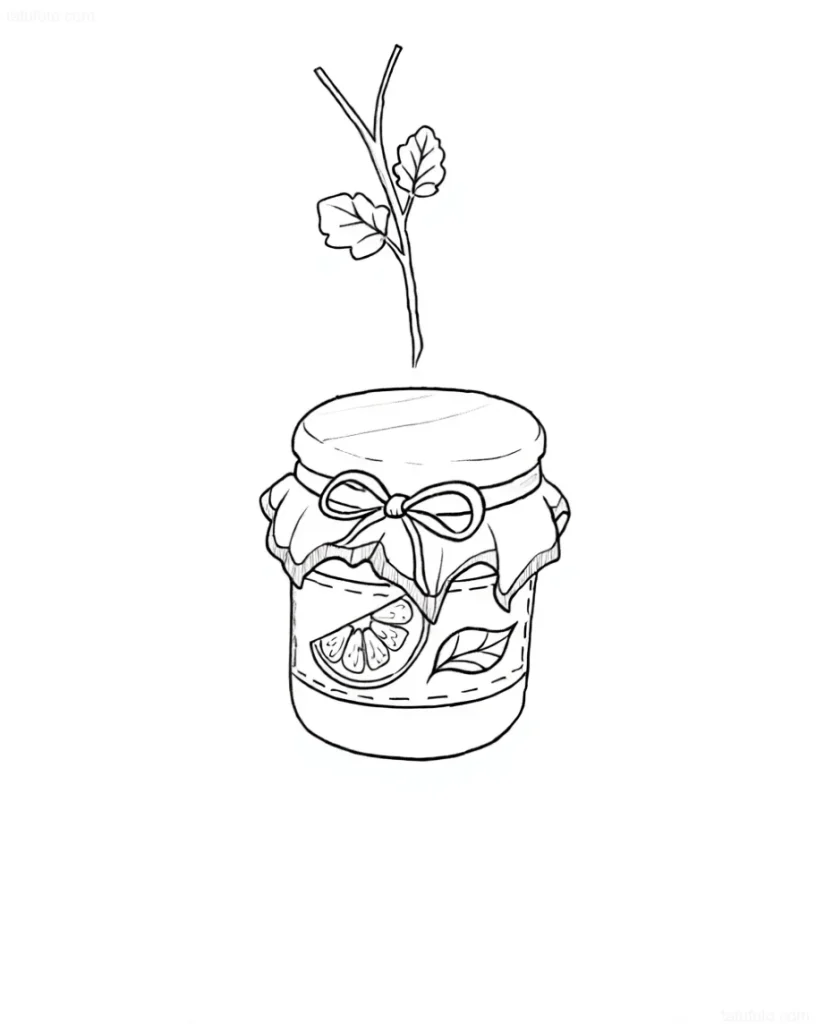
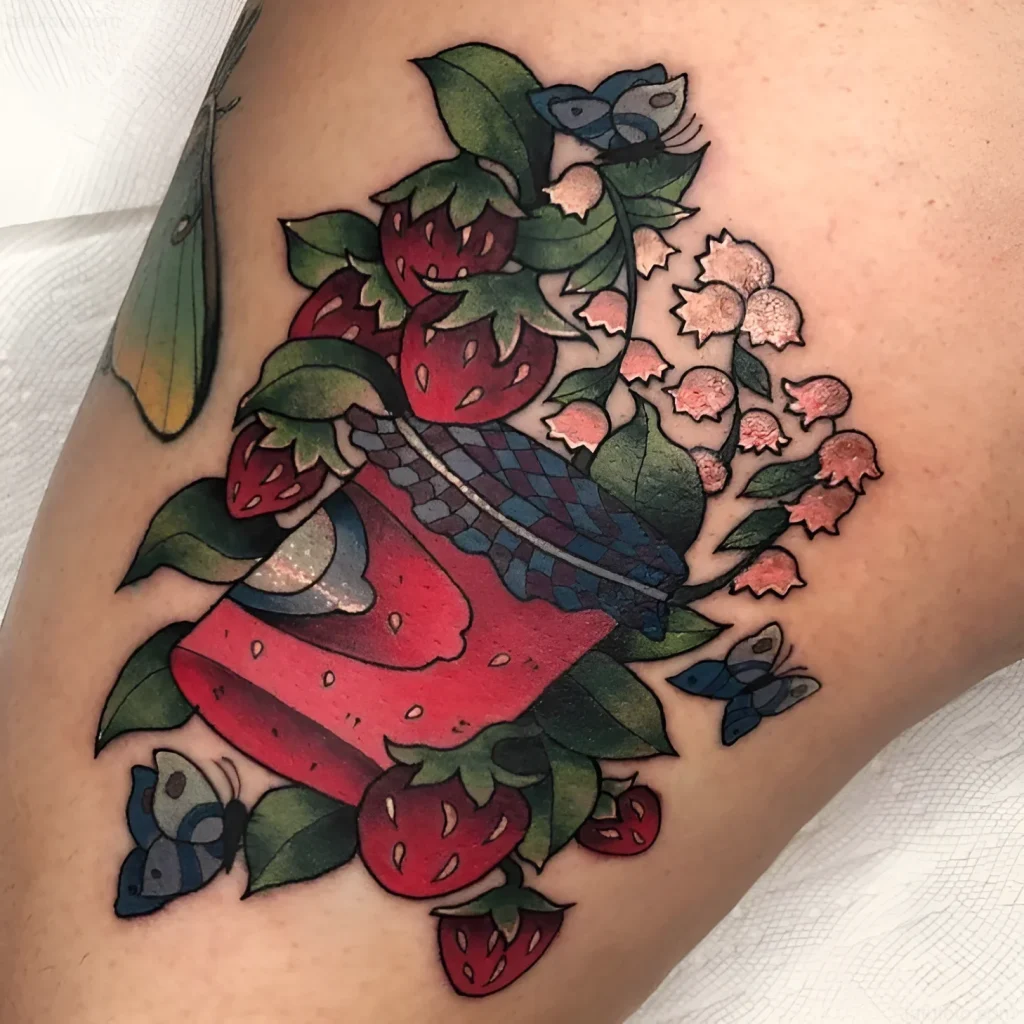
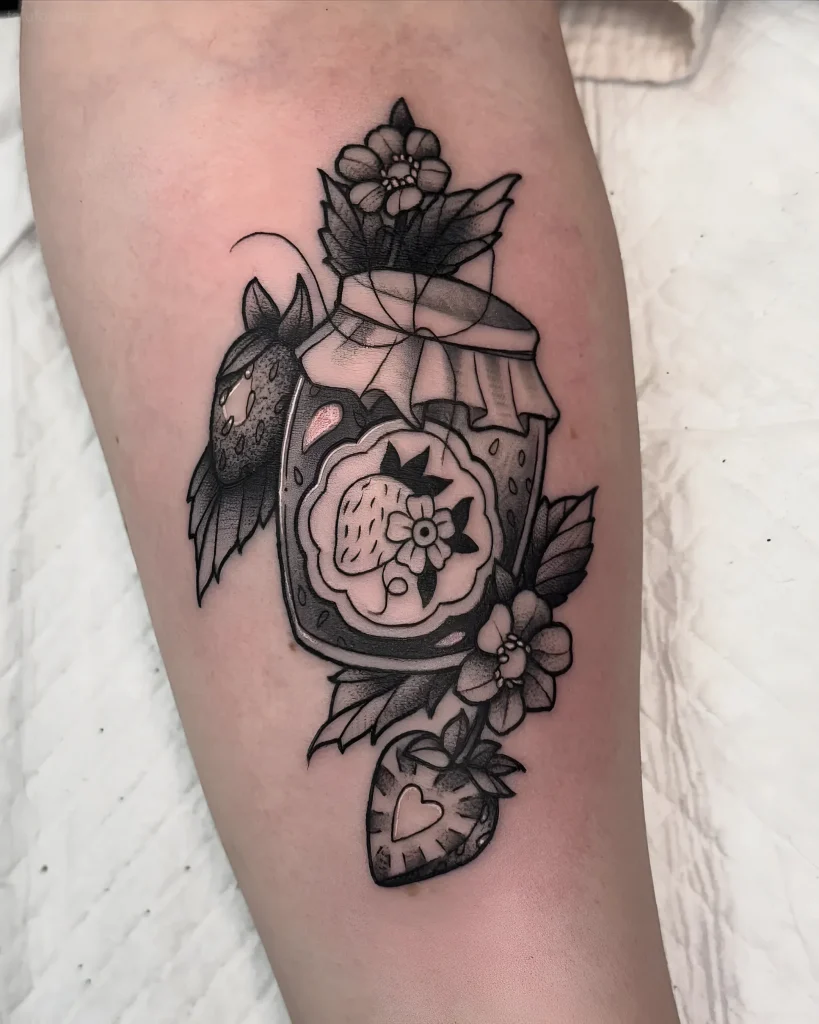
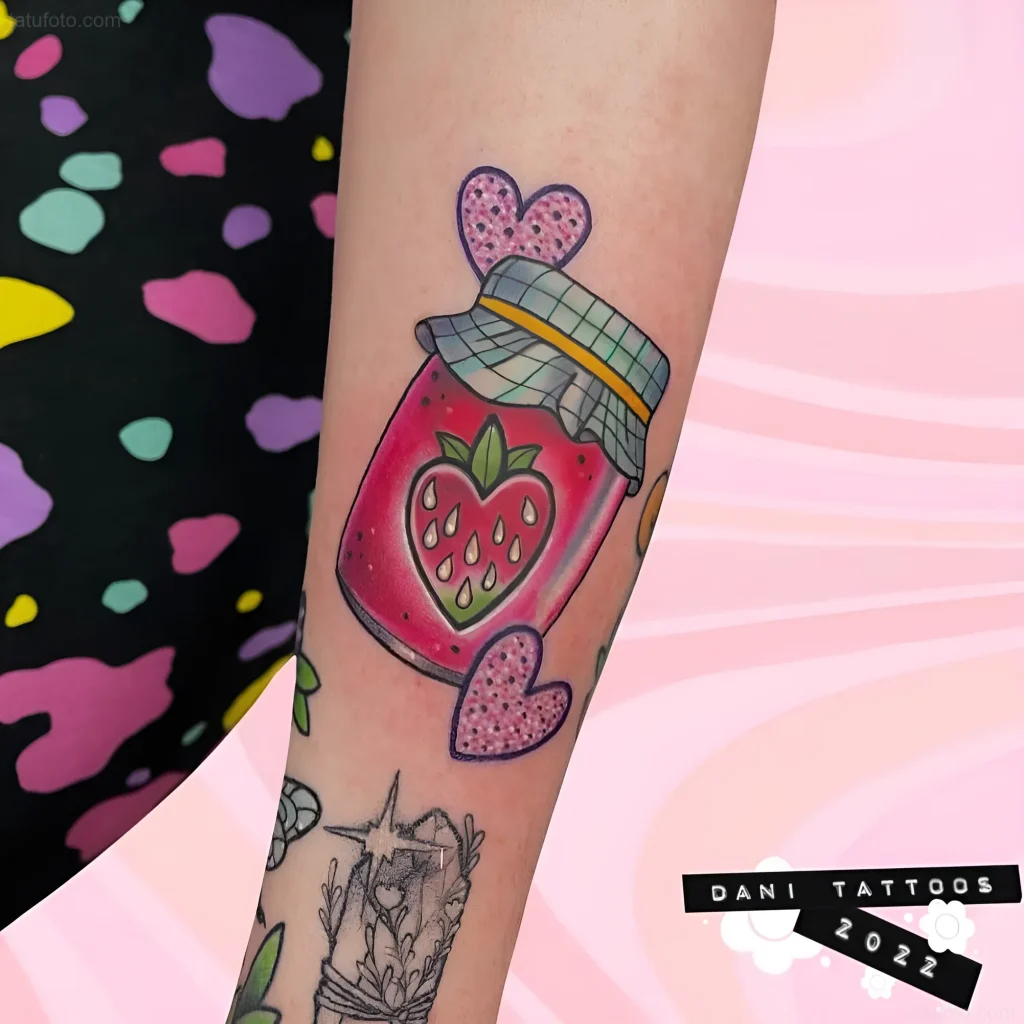
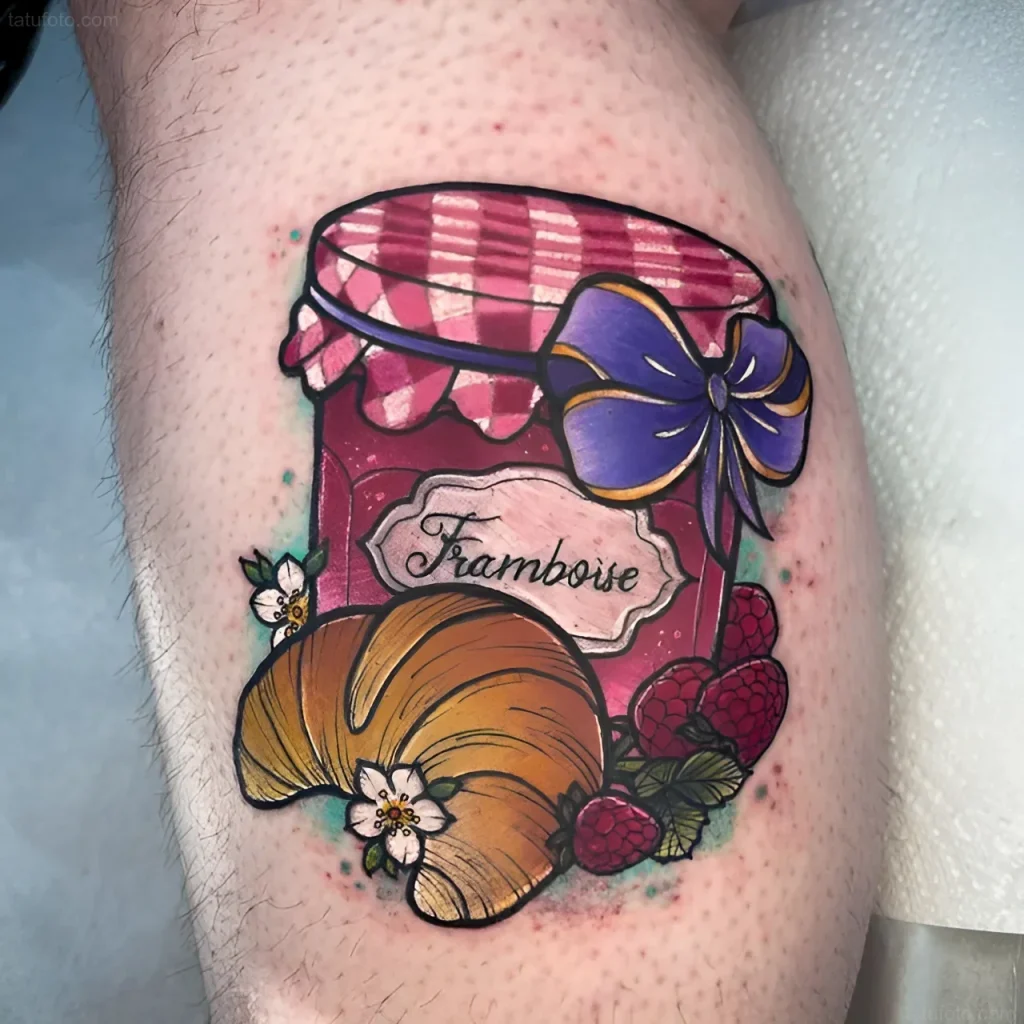
- Neotraditional: Combines clear outlines with a rich color palette and detail. Ideal for depicting complex compositions (e.g., a jar sitting on an antique tablecloth, with a bee). Emphasizes aesthetics, coziness, and vintage charm.


3. New School and Cartoon Style
New School uses exaggerated forms, bright, sometimes acidic colors, and dynamics. In this style, a jam tattoo can be depicted humorously: for example, a jar with a “living” face, a escaping berry, or jam that menacingly “drips” onto the skin. This choice speaks of a lighthearted attitude towards life, humor, and the ability not to take oneself too seriously.
4. Watercolor
The watercolor style, with its soft transitions and lack of clear boundaries, is ideal for conveying the emotional component and the fleetingness of memories. Jam in watercolor often looks like a bright, blurry spot of happiness, symbolizing the “sweetness” of a feeling rather than the object itself. This is a choice for those who value feelings over the material.
Where to Get a Jam Tattoo: Popular Locations and Their Symbolism
The placement of a jam tattoo directly influences how its symbolism will be manifested in your life and perceived by others. Considering that it is often a very personal and warm symbol, the choice of location is of particular importance.
1. Forearm and Bicep
These are open and easily visible areas. A jam tattoo here symbolizes openness, positivity, and the desire to share one’s inner “sweetness” with the world. If the tattoo is on the inner side of the forearm, it can be a more personal reminder of the strength and resource you carry within you.
2. Ribs and Chest (near the heart)
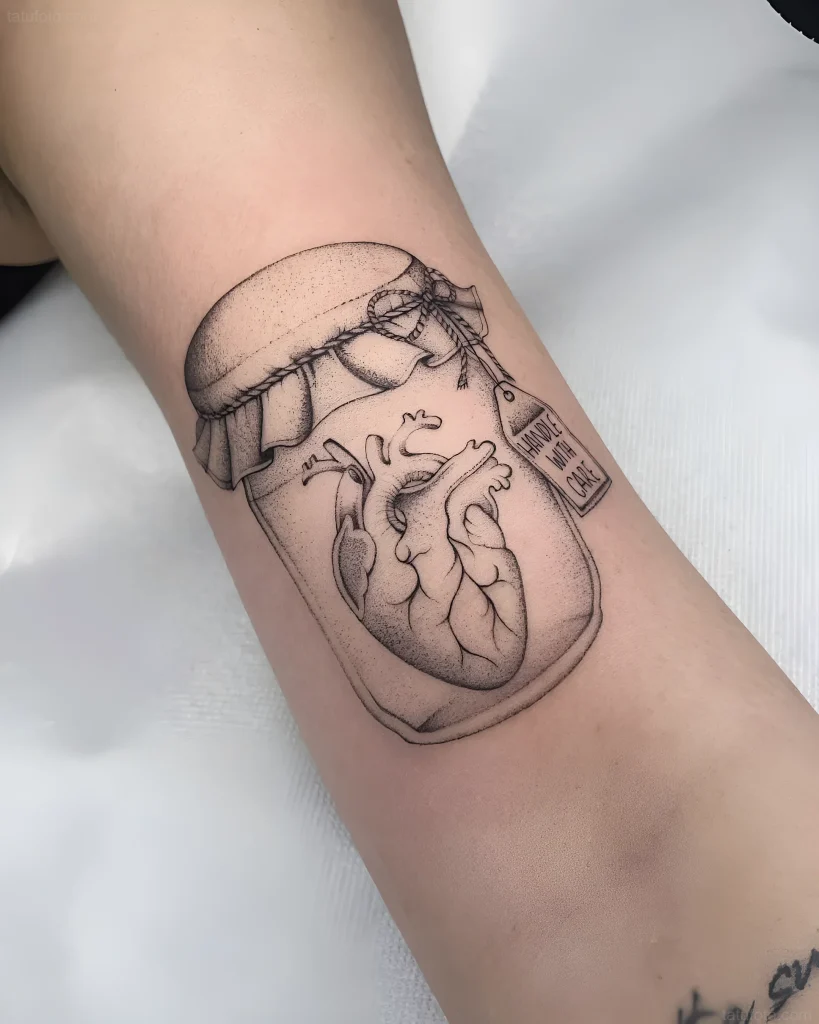
These are intimate zones. Jam placed close to the heart emphasizes that the symbol is connected to the deepest feelings, family, love, and the most cherished memories. It is a talisman that “warms” from within and reminds of home comfort.
3. Wrist and Ankle
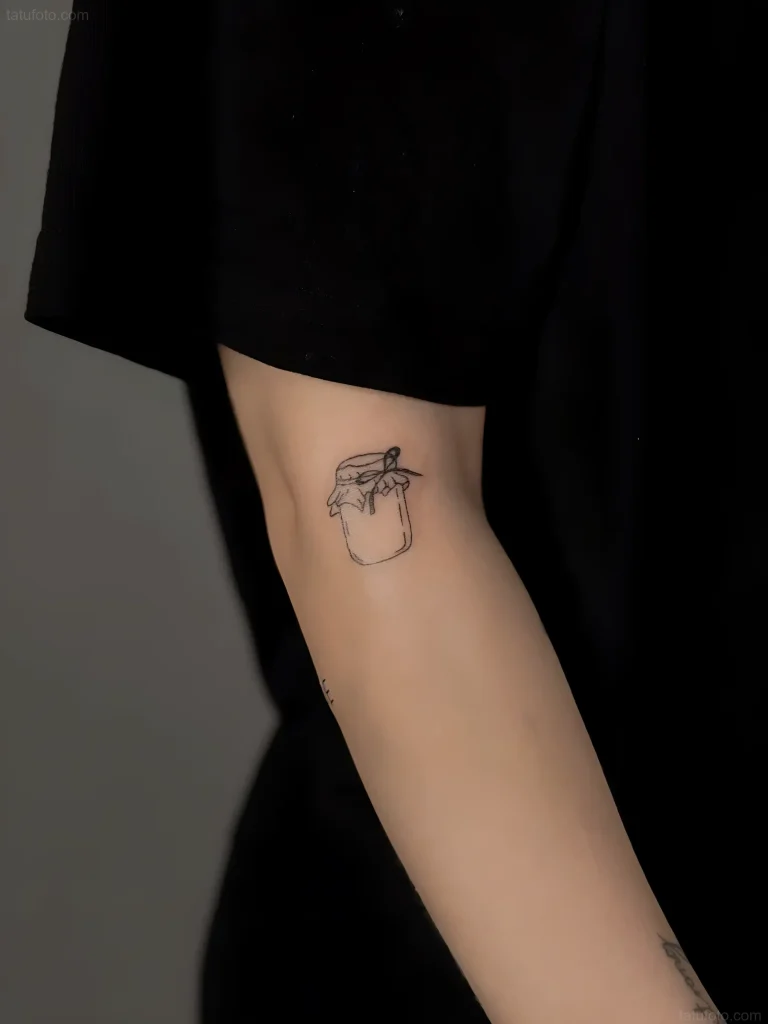
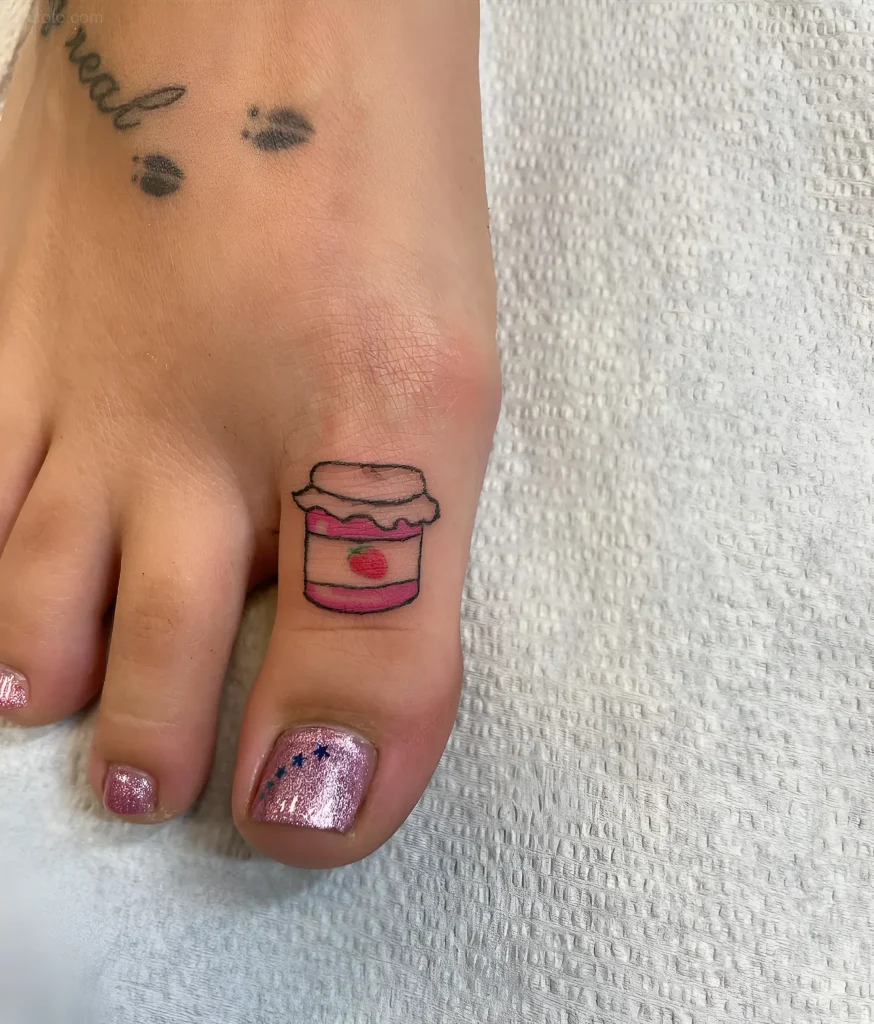
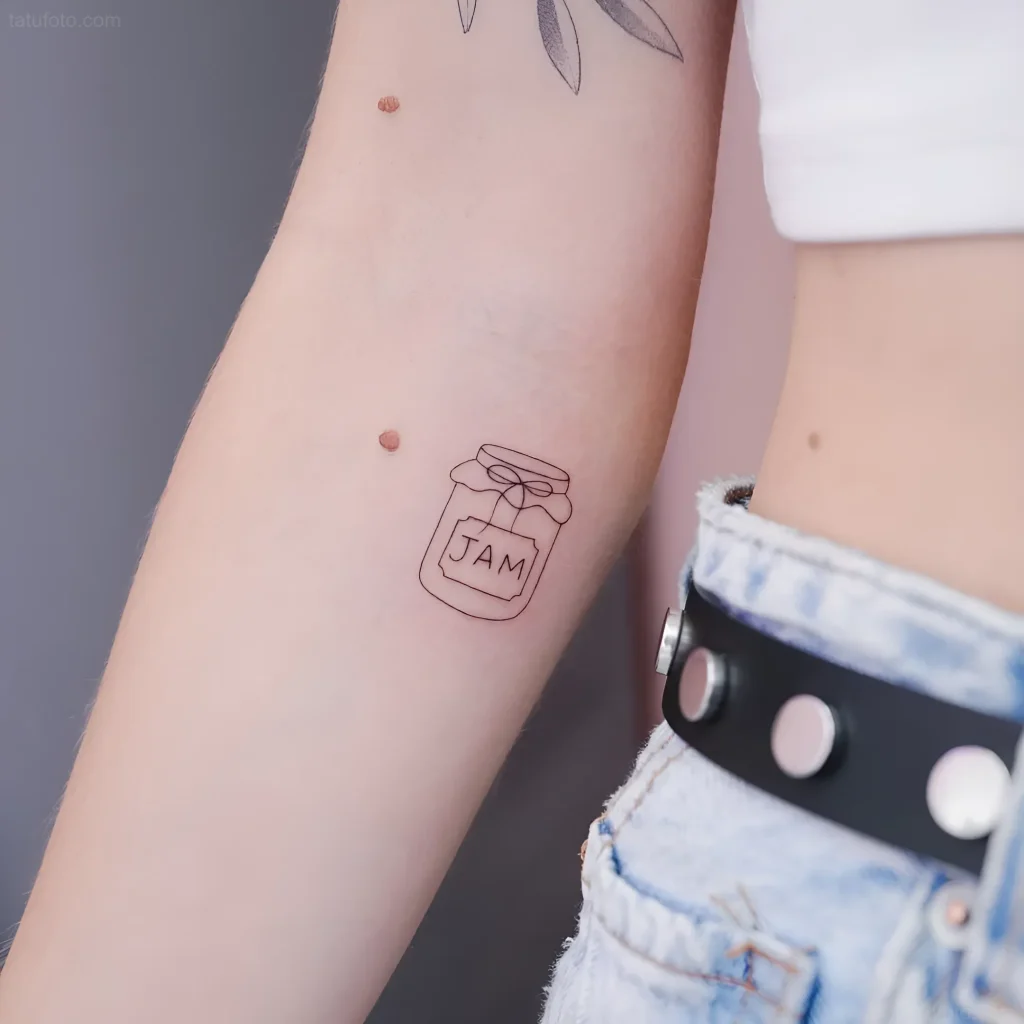
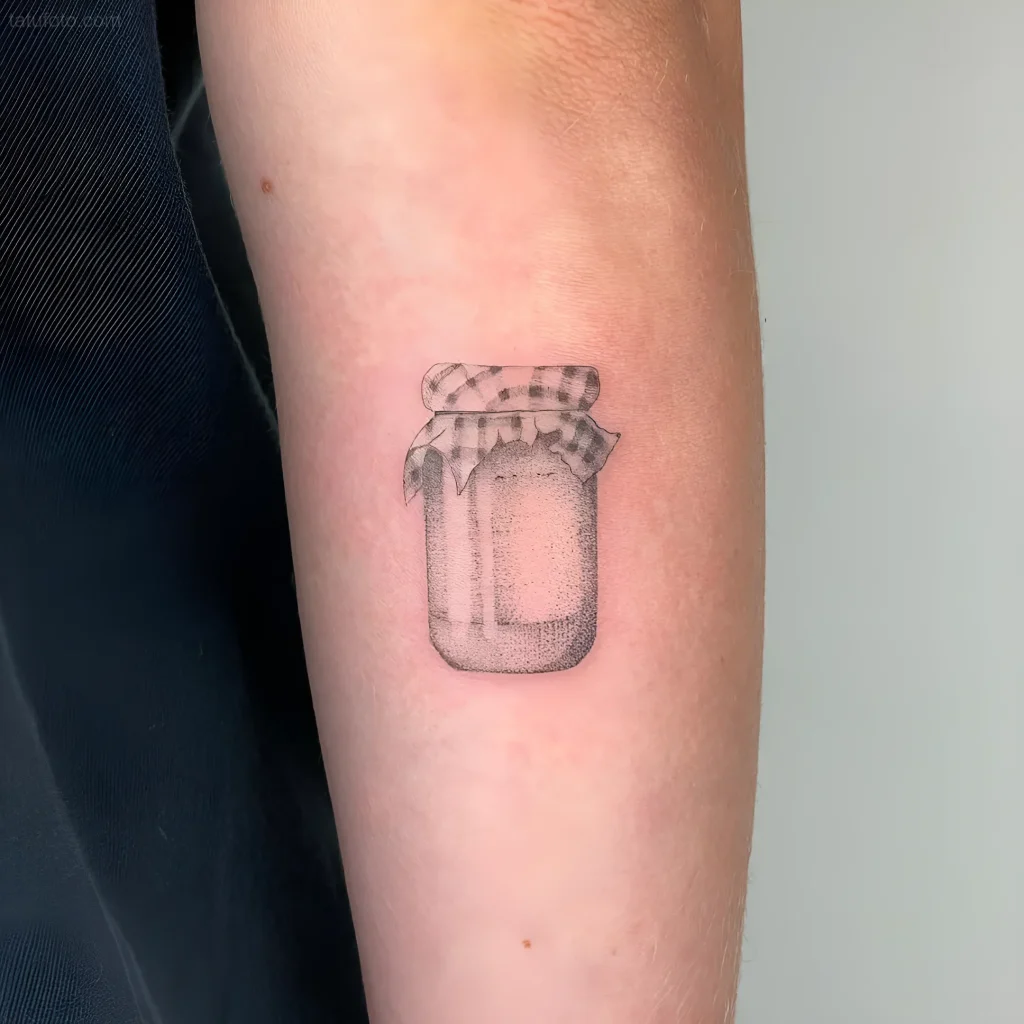
Small, discreet tattoos, often done in a minimalist style (e.g., a jar outline or a single cherry). On the wrist, a jam tattoo can serve as a daily reminder to appreciate the moment and find joy in the little things. On the ankle, it’s a symbol that you choose your “sweet” path in life independently.
4. Thigh
An ideal place for large, realistic, or neotraditional works. The thigh allows for a whole scene (e.g., a still life with a jar, tablecloth, and spoon). This is a more personal area, emphasizing a deep connection to one’s roots, femininity (if it’s strawberry or raspberry jam), and inner abundance.
Jam Tattoo Care Tips: Preserving Brightness and Beauty
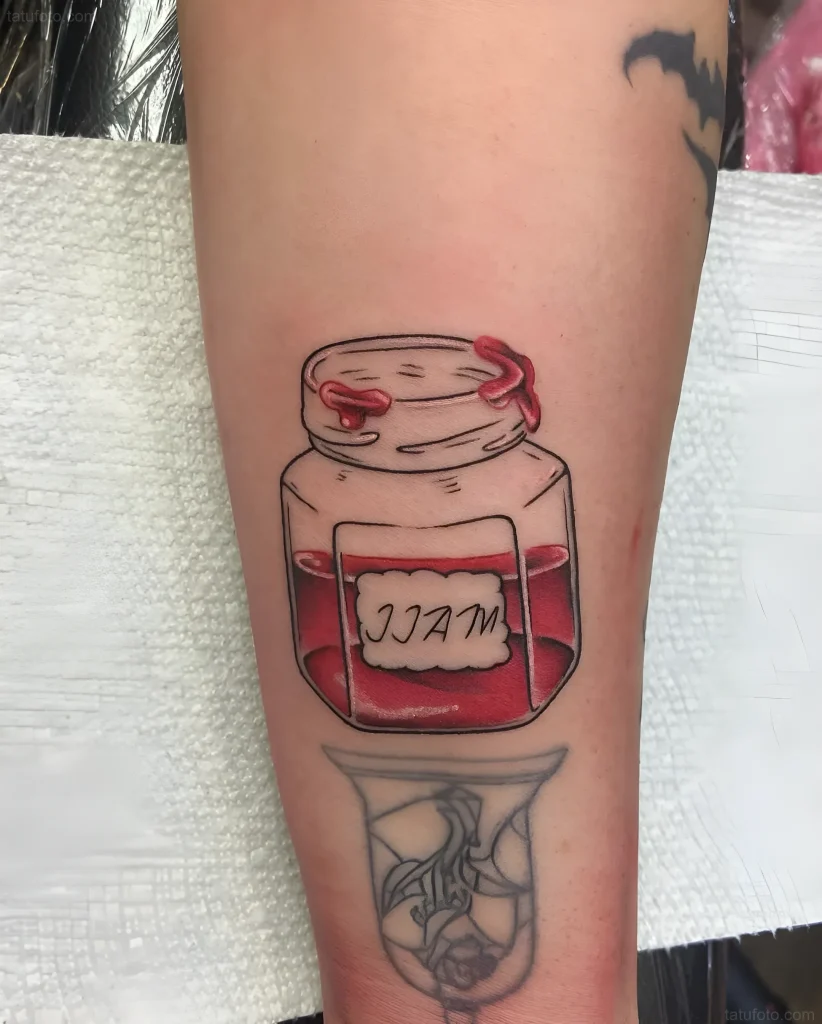
Tattoos depicting jam, especially those done in realism or neotraditional style, often contain rich red, yellow, and orange pigments that mimic berries and transparent syrup. Preserving the brightness of these colors is a key task in the healing process and subsequent care.
Initial Care (first 2-4 weeks)
- Color Protection: Red and orange pigments can be more sensitive to fading in the first few days. Strictly follow the artist’s recommendations for using healing films (Dermalize, Suprasorb) or compresses.
- Hygiene: Use only mild, unscented antibacterial soap. Do not scrub the tattoo with a washcloth.
- Moisturizing: Apply recommended ointments or lotions that do not contain petroleum jelly (it can draw out pigment). Moisturizing should be moderate so that the skin can breathe.
Long-Term Care: Maintaining “Sweet” Brightness
The biggest enemy of colored tattoos is ultraviolet radiation. If a jam tattoo fades, it will lose its appetizing and symbolic appeal.
Mandatory Measures:
- Daily SPF: Use sunscreen with an SPF of 50+ on the tattoo every time it is exposed to the sun, even in winter. This is critically important for preserving the richness of the red and burgundy shades of the jam.
- Minimize Chlorine: Prolonged exposure to chlorinated water (swimming pools) can contribute to rapid fading.
- Periodic Touch-ups: Given the complexity of the color palette, touch-ups may be required every 5-7 years to restore the depth of the syrup and the freshness of the berries.
Frequently Asked Questions About Jam Tattoos (FAQ)
1. Is a Jam Tattoo Exclusively a Female Subject?
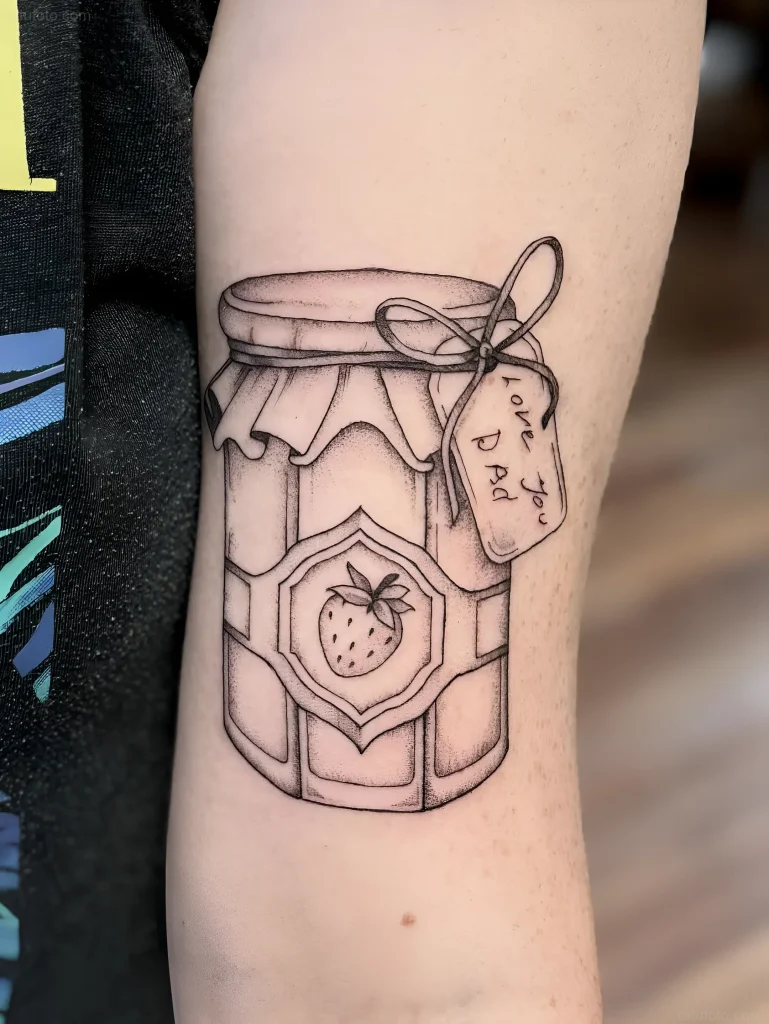
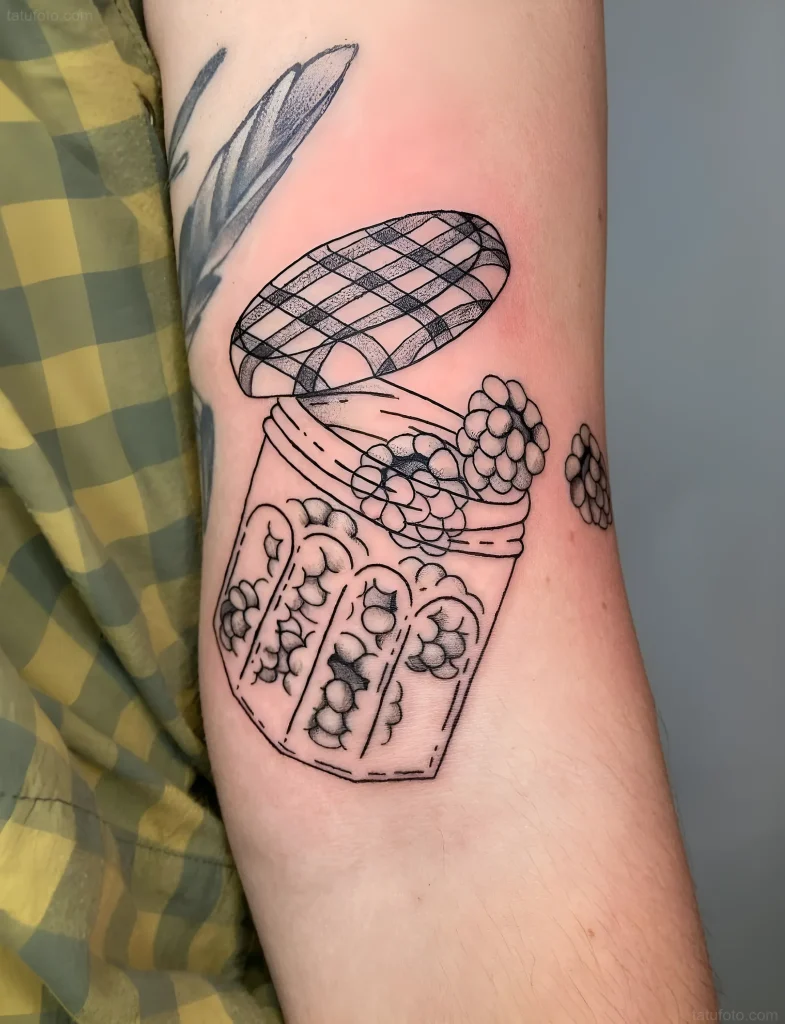
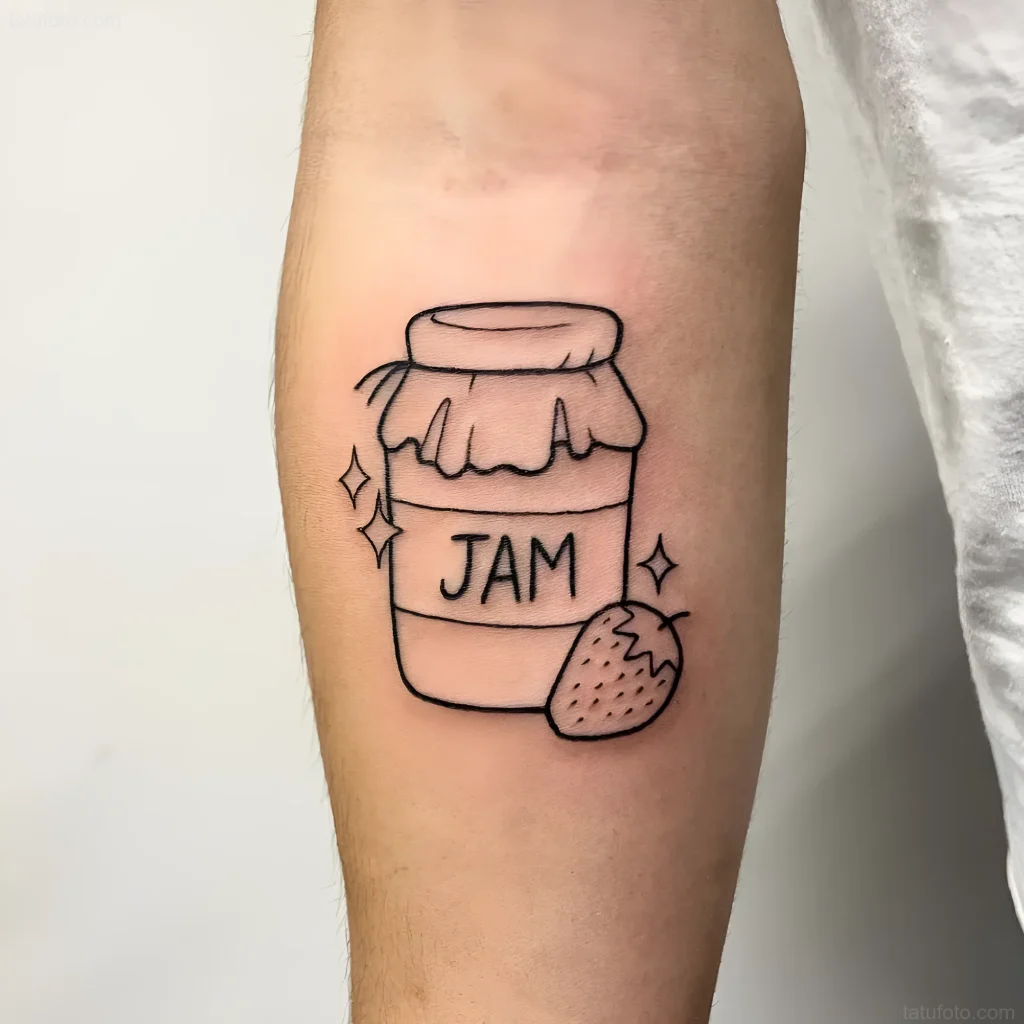
Expert Answer: Absolutely not. While the symbolism of home and care may be traditionally associated with the feminine, men also choose this subject. For a man, a jam tattoo can symbolize strong family values, nostalgia for childhood, strength of spirit (the ability to “preserve” the best qualities), or simply a love for a specific place or person. Often, male versions are done in neotraditional or even black and white styles, emphasizing the graphics of the jar and text.
2. What Other Symbols Best Combine with a Jam Tattoo?
A jam tattoo pairs perfectly with symbols that enhance its core meaning:
- Bees or butterflies: Enhance themes of hard work, the sweetness of life, and fleetingness.
- Keys or locks: Emphasize the idea of “preserving” and protecting memories.
- Books or candles: Add an element of coziness, wisdom, and long winter evenings.
- Teacups: Create a complete “tea party” composition, enhancing the symbolism of home warmth and hospitality.
3. Can a Jam Tattoo Carry a Negative Meaning?
By its nature, jam is a positive and warm symbol. A negative meaning can only be conveyed through context, for example, if the jam is depicted as spoiled, moldy, or if the jar is broken, symbolizing lost memories, a ruined life, or the bitterness of loss that could not be “preserved.”
4. Which Jam is Most Popular for Tattoos?
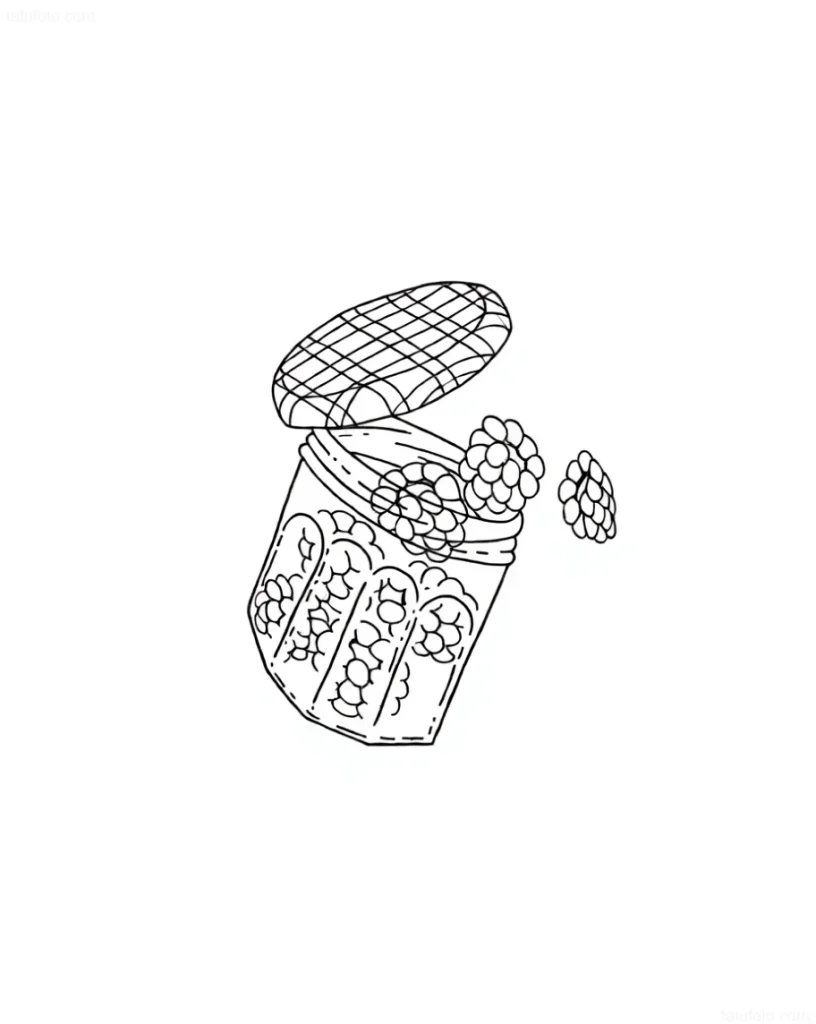
According to statistics of inquiries and studio works, the most popular are: cherry (due to its deep red color and associations with love), strawberry (due to its brightness and associations with summer), and, surprisingly, blackberry/blueberry (due to its deep purple color, which looks good in neotraditional style).
Interesting Facts About Jam Tattoos
The jam tattoo subject, despite its apparent simplicity, has several curious aspects that demonstrate its uniqueness in the world of body art.
1. The “Food Tattoos” Cultural Phenomenon
The jam tattoo is part of a broader trend known as “Food Tattoos.” Unlike tattoos with fast food (which often symbolize rebellion or humor), jam tattoos fall into the category of Comfort Food Tattoos, which are intended to evoke feelings of security, nostalgia, and emotional satisfaction. This trend is particularly popular among millennials seeking visual anchors to connect with a simpler, pre-digital past.
2. Jam as a Symbol of “Preserved Time”
In tattoo philosophy, jam is often used as a visual metaphor for temporality. Artists sometimes refer to this subject as “time preserves.” This is especially relevant for people who have gone through significant life changes and wish to retain the sense of stability that their childhood years provided. The image of jam in this context is an attempt to stop the moment and make it eternal.
3. Influence of Pin-up Style
In neotraditional execution, jam tattoos often echo the aesthetics of 1950s pin-up and rockabilly. Bright, juicy, glossy berries and jars, surrounded by lush flowers, emphasize feminine attractiveness, playfulness, and the “sweetness” of the image, making the subject more dynamic and less sentimental.
4. Tattoo as a Recipe
Some jam tattoo owners go further and inscribe not just a date on the jar’s label, but a short formula or key ingredients of a favorite family jam recipe. This transforms the tattoo from a simple symbol into a unique, personal artifact containing family heritage, and is one of the most unusual and touching ways to use this subject.