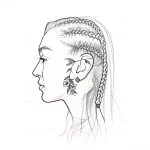
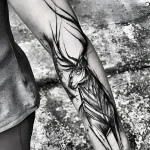
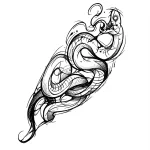
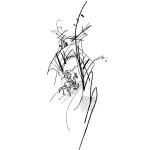
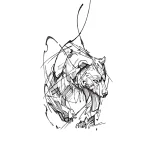
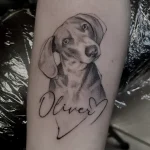
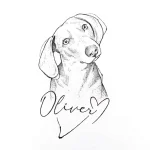
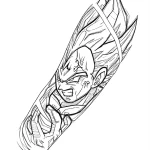
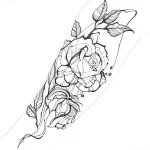
A tattoo is not just a drawing on the skin; it is an entire art form, a way to express individuality, philosophy, and even fleeting emotions. Among the many styles, one of the most dynamic and expressive, gaining increasing popularity, is the sketch style. It brings freshness, lightness, and an indescribable feeling of a live drawing created right before your eyes into the world of tattooing.
If you have ever considered a tattoo that looks simultaneously raw and refined, like a sketch by a genius artist, then the sketch style is exactly what you need. In this article, we will thoroughly examine all aspects of this amazing direction: its origins, key features, popular motifs, and, of course, provide practical advice on choosing a master and caring for your future tattoo. Prepare to immerse yourself in a world where incompleteness becomes the highest form of art, and every stroke carries deep meaning and emotional charge.
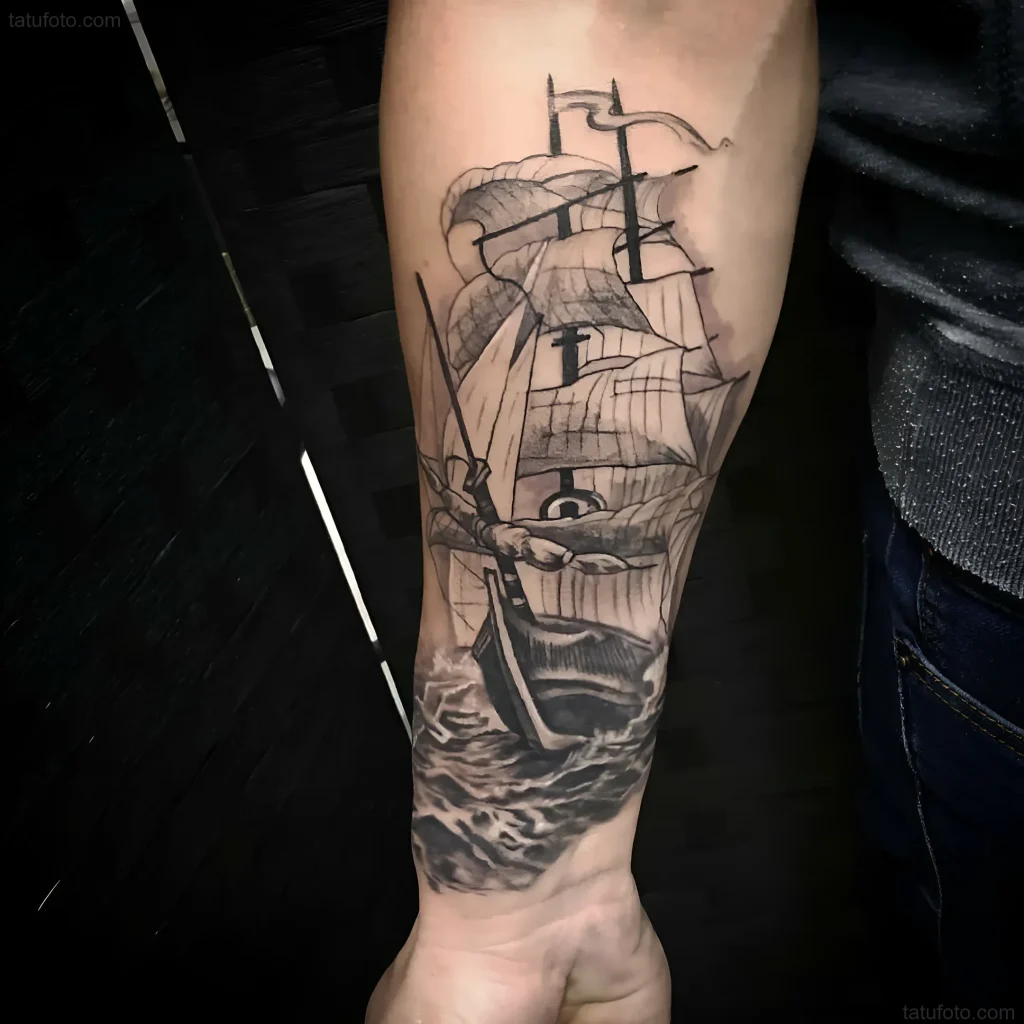
Sketch Style Tattoo: What It Is and Why It Is So Popular
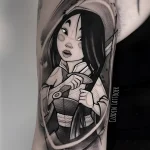
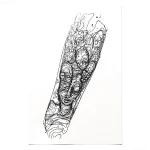
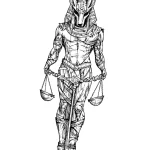
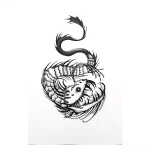
The sketch style (from English sketch – rough draft, outline) in tattooing is an artistic direction that imitates quick, preliminary drawings made with a pencil, ink, or marker on paper. Its main feature and charm lie in its intentional incompleteness, lightness, and dynamism. Such a tattoo looks as if the artist has just finished working on the sketch, leaving live strokes, lines, smudges, and even eraser marks on the skin.
What makes a sketch style tattoo unique?
- Imitation of a rough draft: The main technique involves using free, often intermittent or duplicated lines, mimicking pencil strokes.
- Dynamism: The absence of strict contours and dense filling gives the drawing a sense of movement, energy, and spontaneity.
- Airiness: Due to the minimal use of dense black color and the emphasis on hatching, sketch style tattoos look light and uncluttered.
- Emotionality: This style is ideal for conveying a mood or idea, rather than a perfectly idealized image. It allows capturing a moment, a thought snatched from the stream of consciousness.
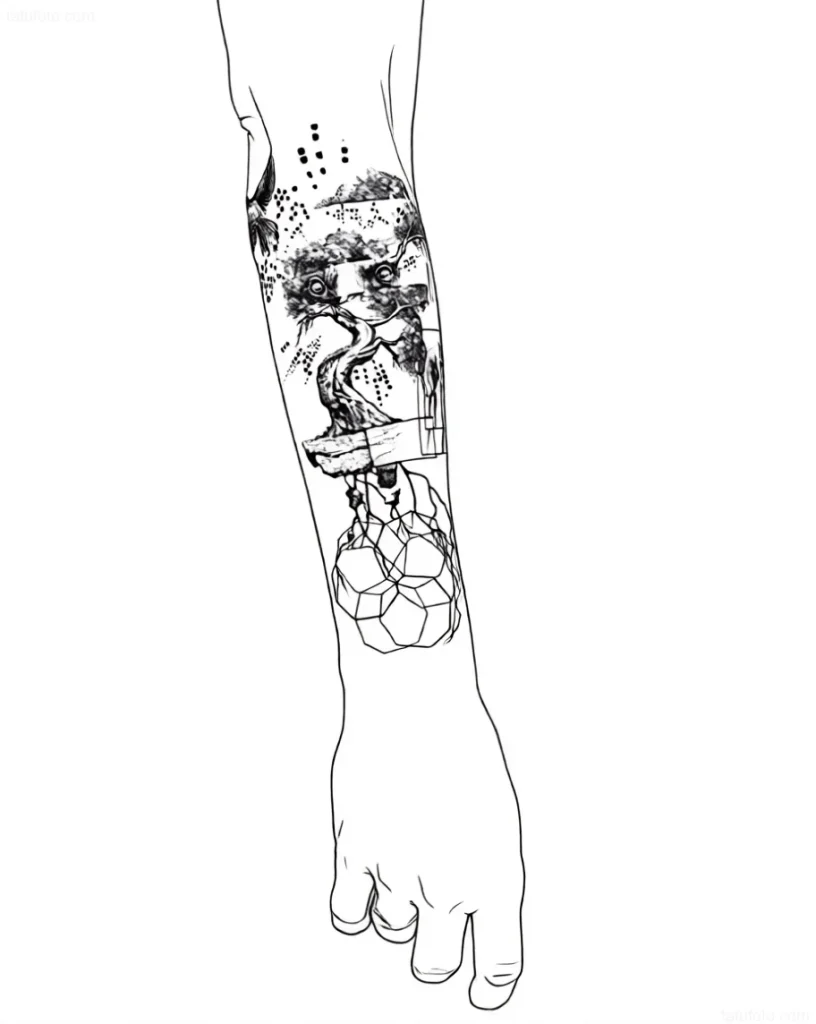
Why is the sketch style so popular?
- Individuality and Uniqueness: Every sketch tattoo is essentially an original, unique draft. It does not strive for perfect symmetry or photorealism, making it truly exclusive.
- Modern Aesthetics: The sketch style fits perfectly into modern culture, where originality, minimalism, and “imperfect” beauty are valued. It moves away from classic canons, offering a fresh perspective on tattoo art.
- Symbolism of Incompleteness: For many people, incompleteness in art symbolizes constant development, growth, and searching, rather than a static state. Such a tattoo can serve as a reminder that life is a process.
- Flexibility and Adaptability: The sketch style allows for the realization of the most diverse subjects—from portraits and animals to abstract compositions and architectural sketches. It easily combines with other styles, such as watercolor, dotwork, or graphic art.
- Visual Lightness: Unlike massive, densely filled tattoos, sketch works often look less aggressive and more refined, making them attractive to a wide range of people, including those who prefer more delicate images.
Thus, a sketch style tattoo is not just a drawing; it is a philosophy embodied on the skin, allowing everyone to express themselves through the prism of living, evolving art.
The History of the Sketch Style in Tattooing: From Drafts to Art
To understand how the sketch style emerged in tattooing, we must turn to its roots in traditional fine art. Drafts, sketches, and quick studies have always been an integral part of any artist’s creative process. They served to:
- Quickly fix an idea or composition.
- Study anatomy, perspective, and movement.
- Search for the optimal solution for a future painting or sculpture.
These preliminary works often possess a special energy, immediacy, and sincerity that finished works sometimes lack. It is this aesthetic of the “live” drawing, the process of creation rather than just the result, that formed the basis of the sketch tattoo style.
From Paper to Skin: The Genesis of the Style
The transition from traditional drafts to tattooing did not happen instantly but was the result of the evolution of tattoo culture and the emergence of new technical capabilities. In the late 20th and early 21st centuries, with the development of tattoo equipment and the expansion of ink palettes, artists began experimenting with forms and techniques, moving beyond traditional styles.
- Influence of Illustration and Graphic Design: Many contemporary tattoo artists have an artistic education or experience in illustration and graphic design. It was natural for them to transfer techniques used in these fields, including sketch aesthetics, into tattooing.
- Search for New Means of Expression: Classic styles, such as Traditional, Realism, or Oriental, have strict canons. Artists and clients began looking for something freer, less formal, that could better convey individuality and emotion.
- Technical Progress: Modern tattoo machines (especially rotary ones) allow for working with very fine lines, creating soft transitions and hatchings that imitate pencil or charcoal. This gave artists the tools to realize the sketch aesthetic.
- Growth in Popularity of Authorial Style: More and more clients value the master’s unique handwriting rather than blind copying of references. The sketch style allows the artist to fully express their individuality, creating a unique draft every time.

Evolution and Recognition
The first sketch style tattoos might have been more experimental and not always perfectly executed. However, over time, as masters honed their technique and developed their vision, the sketch style crystallized into an independent and recognized direction.
- It became particularly popular among those who appreciate art and minimalism, who want their tattoo to look not like a finished painting, but like a fragment of a creative process.
- Modern sketch tattoos often combine elements of other styles, such as watercolor splashes, dotwork hatching, or even geometric shapes, making them even more multifaceted and interesting.
- Today, sketch is not just an imitation of a draft; it is a highly artistic style that requires the master to have not only technical skills but also a deep understanding of composition, perspective, and artistic expressiveness. It is an art that transforms a preliminary sketch into a complete, yet dynamic and living work on the skin.
Thus, the history of the sketch style in tattooing is the story of how the aesthetic of the creative process moved from artists’ studios onto people’s skin, becoming a symbol of freedom, individuality, and constant motion.
Key Features of Sketch Style Tattoos: Differences and Advantages
Sketch style tattoos possess a number of unique characteristics that distinguish them from all other directions and give them an inimitable charm. Understanding these features will help you appreciate the depth and expressiveness of the style, as well as make an informed decision if you are considering it for your future tattoo.
Distinctive traits of the sketch style:
Lines and Strokes:
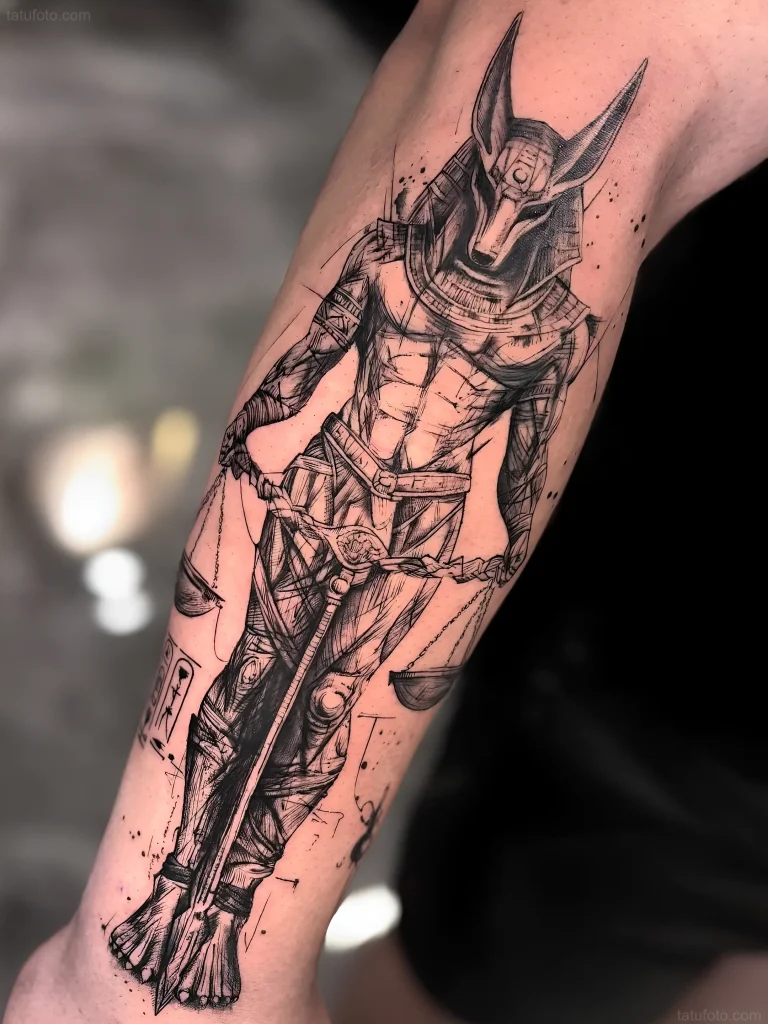
- Live and Dynamic: Unlike the strict, uniform contours of other styles, lines in a sketch are often intermittent, uneven, and duplicated, creating the effect of a pencil draft.
- Varying Thickness: Lines of different thicknesses are used, from the thinnest to the bolder ones, which gives the drawing volume and expressiveness.
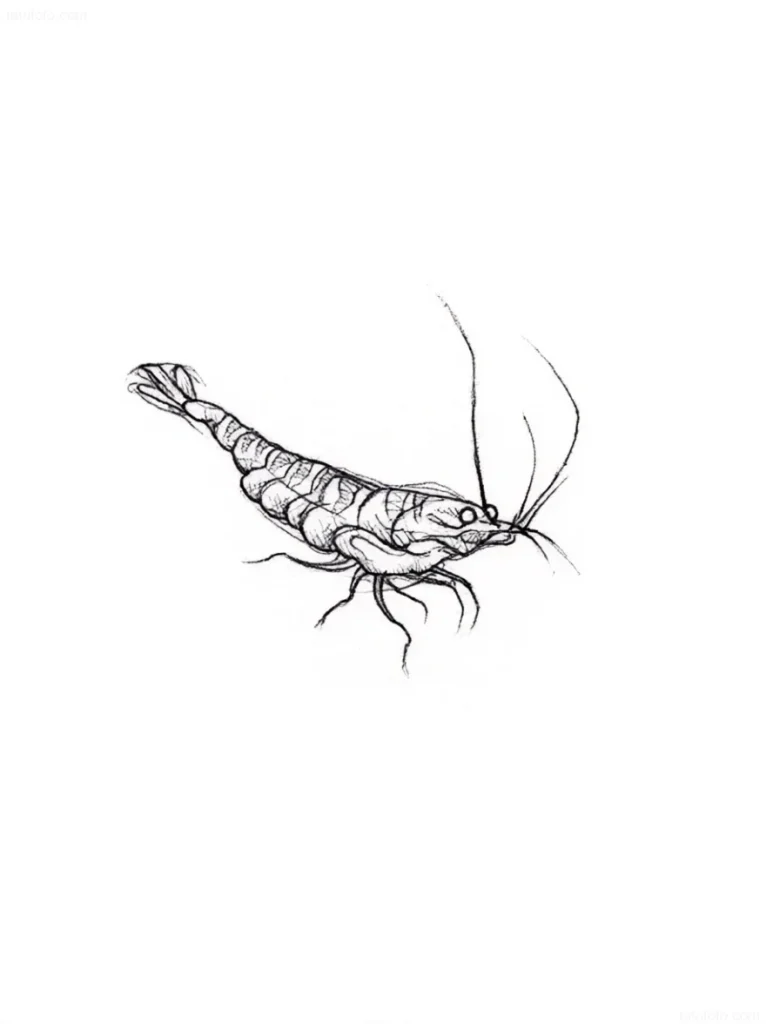
- The “Search” Effect: Some lines may look like “extra” or “test” lines, mimicking the process of searching for form and contour on paper.
Color and Tone:
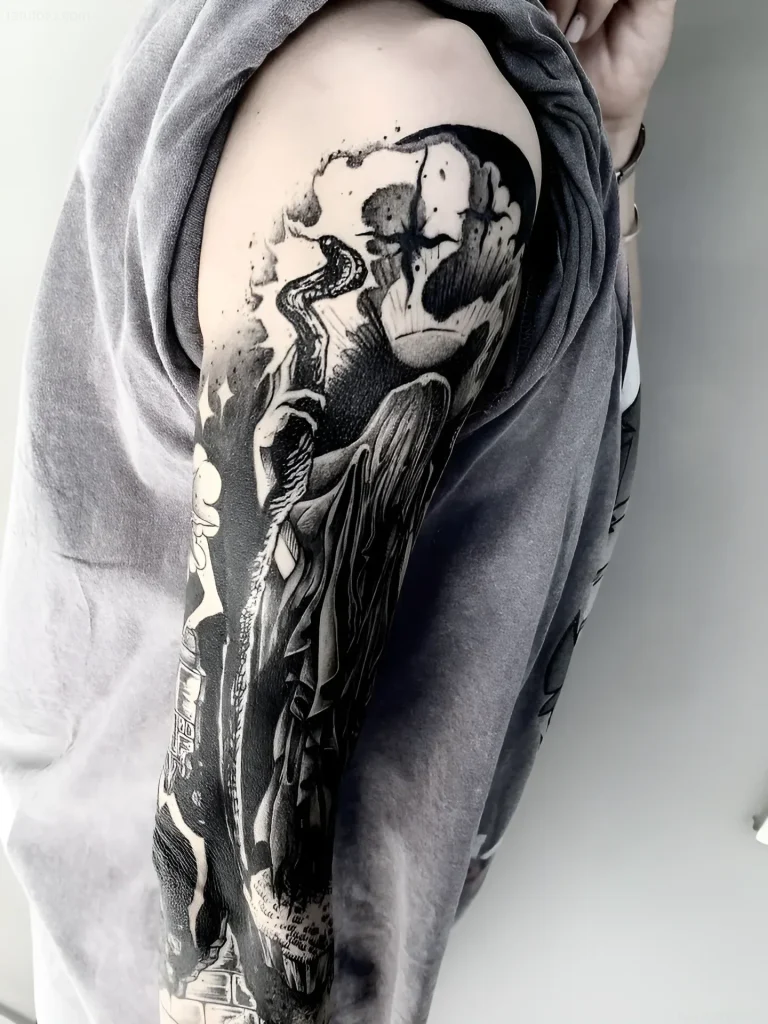
- Monochrome: Most often, sketch tattoos are done in black and gray tones, imitating graphite pencil, ink, or charcoal.
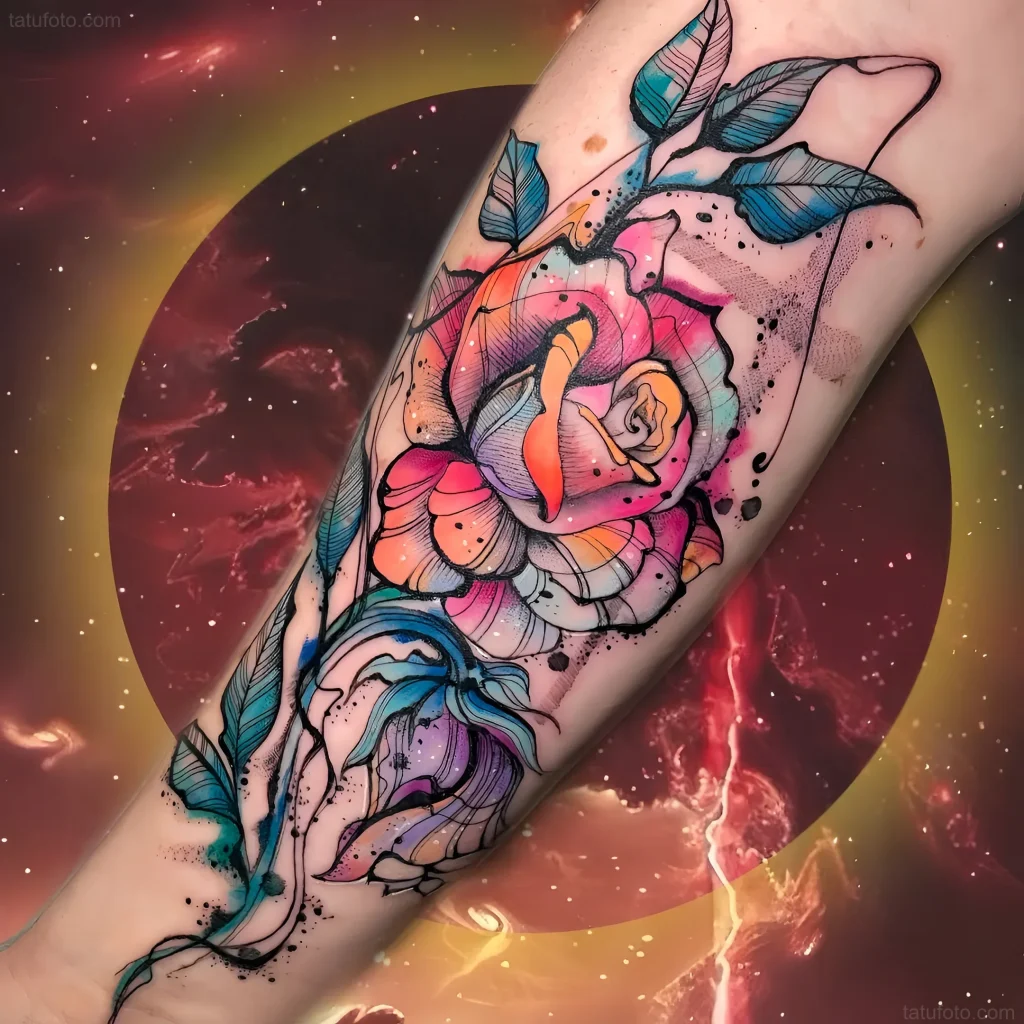
- Color Accents: Small splashes of bright colors (red, blue, yellow) are sometimes added, often in the watercolor technique or light strokes, to highlight certain details or give the drawing extra vibrancy.
- Hatching Instead of Solid Fill: Volume and shadows are created not by solid filling, but through various types of hatching (cross-hatching, parallel, dotwork), which gives the work an airy and light quality.
Composition and Form:
- Intentional Incompleteness: A key feature that creates the feeling that the drawing is in the process of creation. This can manifest in missing fragments, unclear edges, or lines extending beyond the contour.
- Dynamism and Asymmetry: Compositions are often asymmetrical, which enhances the feeling of movement and spontaneity.
- Use of “Draft” Elements: Sometimes masters include elements resembling an artist’s notes in the drawing—arrows, circles, guide lines—which would be removed in traditional styles.
Texture:
- Imitation of Various Materials: Thanks to hatching and tonal work, sketch tattoos can imitate the texture of paper, canvas, and also create a sense of volume and material for the depicted object.
Advantages of Sketch Style Tattoos:
- High Artistic Value: Every sketch tattoo is essentially an original work of art, requiring the master to have not only technical precision but also deep artistic intuition.
- Individuality: Due to its unique aesthetic, a sketch tattoo always looks original and emphasizes the owner’s individuality.
- Aesthetic Lightness: These tattoos do not look bulky or heavy. They can be quite large but still maintain airiness and elegance, making them suitable for various body parts.
- Design Flexibility: The sketch style allows for the realization of almost any idea, from minimalist symbols to complex multi-figure compositions. It is excellent for creating dynamic scenes.
- Ease of Correction and Addition: Due to their “incompleteness,” sketch tattoos are relatively easy to correct or supplement over time if you wish to make changes or develop the theme.
- Less Painful: Since dense filling is rarely used, and the work is mainly done with thin lines and hatching, the application process may be less painful compared to tattoos requiring a large amount of solid pigment.
Overall, the sketch style is a choice for those who value uniqueness, artistic expressiveness, and dynamism. It offers a fresh, modern view of tattooing, turning it from a static image into a living, evolving drawing on the skin.
Popular Motifs and Subjects for Sketch Style Tattoos: Ideas for Inspiration
The versatility of the sketch style allows for the realization of almost any motif and subject, lending them special dynamism and artistic expressiveness. Regardless of what you want to depict, the sketch technique can breathe life and a sense of the moment into the drawing. Here are the most popular motifs and subjects that look great in this style:
Animals:
- Predators (lions, wolves, tigers): Their power and grace are perfectly conveyed through dynamic strokes, creating a sense of movement and wild energy. Often depicted mid-jump, running, or with an expressive snarl.
- Birds (eagles, owls, hummingbirds): Ideal for conveying lightness, freedom, and flight. Thin lines and hatching emphasize the plumage and wing movement.
- Pets: Portraits of beloved pets in sketch style look very touching and personal, retaining the individuality of each animal.
- Examples: A lion with a flowing mane, a wolf howling at the moon, a flying eagle with spread wings, a cat in a playful pose.
Portraits and Human Figures:
- Faces and Silhouettes: Sketch lends portraits a special expressiveness and depth, often with a slight ambiguity that leaves room for imagination.
- Dancers, Musicians, Athletes: Dynamic poses and the expression of the human body are perfectly suited to be conveyed through lively strokes.
- Examples: A stylized portrait, the silhouette of a dancing girl, a musician with an instrument, an athlete in motion.
Nature and Landscapes:
- Mountains and Forests: Majestic landscapes acquire a special atmosphere, often using geometric elements or abstract strokes symbolizing wind or movement.
- Flowers and Plants: Roses, peonies, lotuses, tree branches—thin lines emphasize their delicacy and grace. Often combined with watercolor spots.
- Examples: A mountain range shrouded in mist, a cherry branch with falling petals, a forest transitioning into abstract lines.
Objects and Items:
- Mechanisms (clocks, compasses): Their complexity and precision can be highlighted through detailed yet “raw” drafts.
- Musical Instruments: Guitar, violin, piano—their shapes and textures are perfectly conveyed with sketch strokes.
- Architecture: Buildings, bridges, cityscapes—can be depicted with a sense of perspective and depth, as if they just came from an architect’s pencil.
- Examples: An antique pocket watch, a sailboat, a compass, a musical instrument.
Fantasy and Mythological Subjects:
- Dragons, Griffins, Phoenixes: These creatures, dynamic and symbolic by nature, are perfectly suited for the sketch style, which enhances their mystical aura.
- Mythological Scenes: Sketch allows conveying the epic nature and drama of ancient legends while leaving room for interpretation.
- Examples: A flying dragon, a griffin soaring over a castle, a phoenix rising from the ashes.
Abstraction and Geometry:
- The combination of free sketch lines with clear geometric shapes (triangles, circles, squares) creates an interesting contrast and gives the tattoo a modern look.
- Examples: Abstract compositions combining chaotic strokes with perfectly straight lines and figures.
Symbols and Inscriptions:
- Any symbols (zodiac signs, runes, hieroglyphs) or inscriptions executed in sketch style acquire special uniqueness and an authorial touch.
- Examples: An infinity sign with light hatching, a quote written by hand with a draft effect.
When choosing a motif for a sketch style tattoo, remember that the main thing is not the perfect rendering of every detail, but conveying the overall idea, mood, and dynamism. This style offers enormous freedom for creativity and self-expression, allowing you to create a truly unique work of art on your skin.
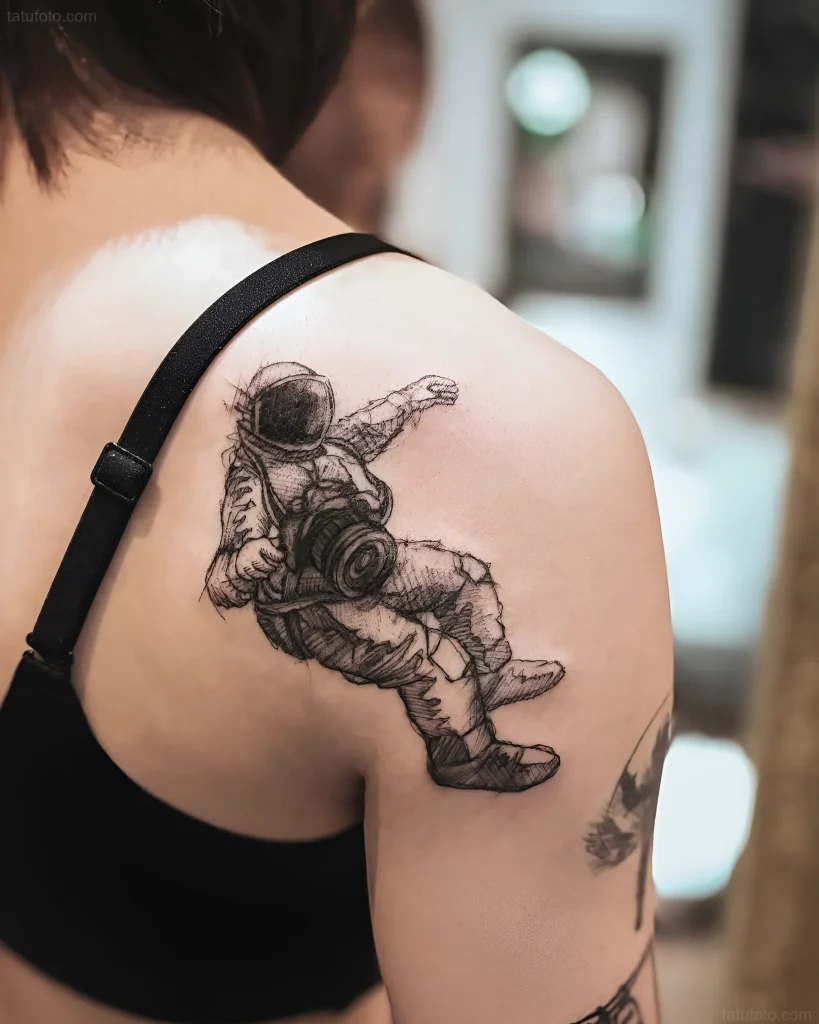
How to Choose a Master and Prepare for a Sketch Style Tattoo: Practical Advice
Choosing a master is perhaps the most critical stage in the process of creating a tattoo, especially when it comes to such an artistic and specific style as sketch. The final result directly depends on the professionalism and artistic intuition of the tattoo artist. Proper preparation for the session also plays a key role. Here is detailed advice to help you:
Choosing a Master:
Study the Portfolio: This is the most important step. Don’t just browse the works; specifically look for sketch style tattoos. Pay attention to the following:
- Cleanliness of Lines: Even when imitating unevenness, the lines must be confident, clear, and not blurry.
- Volume Rendering: How does the master use hatching to create shadows and volume? Does it look natural and expressive?
- Understanding of “Incompleteness”: Does it really look like an intentionally artistic draft, or just an unfinished piece?
- Variety of Subjects: Does the master work with various motifs in sketch style, or is their portfolio limited? This shows their versatility.
- Healed Works: Ask to see photos of healed sketch tattoos. This is critically important, as thin lines and hatching can behave differently after healing.
Specialization: Some masters specialize in certain styles. Look for someone who actively works in the sketch style and has extensive experience in it. Not every master who does realism or traditional well can flawlessly execute work in the sketch style.
Artistic Education and Taste: Since sketch is a very artistic style, a master with an artistic education or developed artistic taste will be a huge plus. They must understand the principles of composition, chiaroscuro, and dynamics.
Communication and Consultation:
- Schedule a Consultation: This is an opportunity to discuss your idea in person, ask questions, and assess how comfortable you feel communicating with the master.
- Assess How the Master Perceives Your Idea: A good tattoo artist will not blindly copy references. They will offer their own ideas, refine your sketch, and make it unique and suitable specifically for you.
- Sense of Style: The master must understand how your idea will look specifically in the sketch style and whether they can execute it beautifully and durably.
Reviews and Reputation: Read reviews about the master and the studio. Pay attention to cleanliness, sterility, and the overall atmosphere. Professionalism includes not only artistic skills but also adherence to all hygiene standards.
Preparation for a Sketch Style Tattoo:
Formulating the Idea and References:
- Clear Concept: Decide on the main motif, its meaning, and the emotions it should evoke.
- Gathering References: Find as many images as you like as possible—these can be photos, drawings, other tattoos (but for inspiration, not for copying). Show the master what exactly you like about these images (composition, hatching, color accents).
Placement and Size:
- Discuss with the Master: Some subjects and styles look better on certain body parts. The master will help determine the optimal placement and size based on anatomy and the specifics of the sketch style.
- Visualization: Ask the master to create a few sketch options and try them on the chosen body part, if possible.
Skin and Body Preparation:
- Moisturizing: For a few days before the session, start moisturizing the skin where the tattoo will be. Healthy, hydrated skin accepts pigment better and heals more easily.
- Avoid Alcohol and Caffeine: Refrain from alcohol and caffeine for 24 hours before the session. They can thin the blood and increase sensitivity.
- Get Enough Sleep and Eat: Arrive at the session well-rested and fed. This will help you better endure the pain and discomfort.
- Clothing: Wear comfortable, loose clothing that won’t press on the tattoo area and that you don’t mind potentially staining.
Mental Attitude:
- Be Prepared for Pain: A tattoo is always discomfort. Prepare yourself that it will not be very pleasant, but the result is worth it.
- Trust the Master: If you have chosen a professional, trust their experience and artistic vision.
A careful approach to choosing a master and preparing for the session guarantees that your sketch style tattoo will not only be beautiful and unique but also expertly executed, pleasing you for many years.
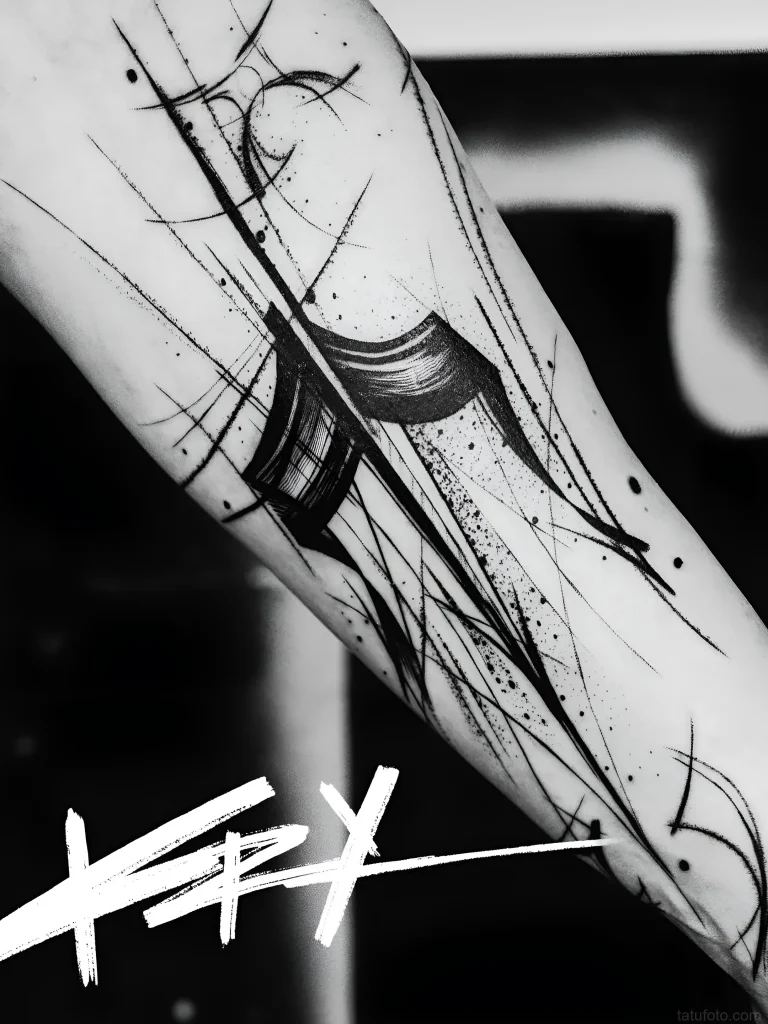
Caring for a Sketch Style Tattoo: Preserving Brightness and Line Clarity
Proper care for a fresh tattoo is the key to its longevity, brightness, and line clarity. For sketch style tattoos, this is especially relevant, as they often consist of thin lines, hatching, and light color accents that are more sensitive to improper healing than solid fills. Incorrect care can lead to thin details losing clarity, blurring, or even fading out.
The First Days After the Session (Acute Healing Period):
Protective Film or Dressing:
- Special Healing Film (Dermalize, Suprasorb F): If the master applied such a film, follow their instructions. It is usually left on for 3-5 days. It creates ideal healing conditions, protects against bacteria, and eliminates the need for frequent dressing changes.
- Regular Dressing (Plastic Wrap): If regular wrap was used, it must be removed after 2-4 hours. Then, gently wash the tattoo.
Cleaning:
- Frequency: Wash the tattoo 2-3 times a day for the first 1-2 weeks.
- Product: Use antibacterial soap without fragrances (e.g., baby soap or specialized tattoo soap).
- Technique: Gently wash the tattoo with warm water, lightly massaging with your fingers to remove lymph fluid and ink residue. Do not rub! Let it air dry slightly.
- Drying: Pat the tattoo dry with a clean paper towel. Do not rub! Let it air dry slightly.
Moisturizing:
- Frequency: After every wash and as needed (if you feel dryness or tightness), apply a thin layer of healing ointment.
- Product: Use specialized tattoo ointments (e.g., Bepanthen Plus, D-Panthenol, Tattoo Goo) or those recommended by the master. Avoid greasy creams, Vaseline, and products with strong fragrances.