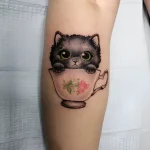
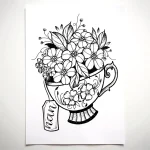
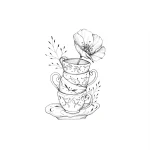
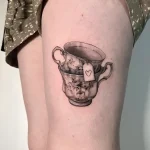
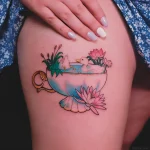
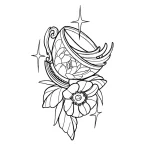
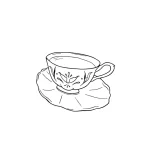
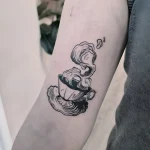
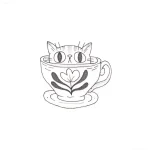
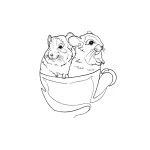
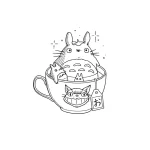
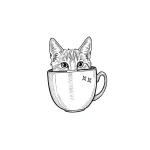
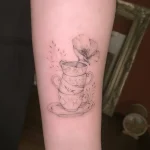
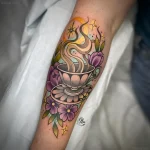
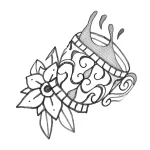
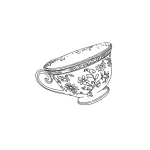
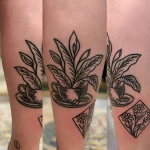
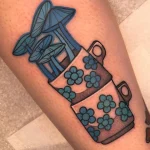
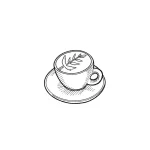
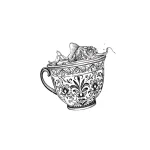
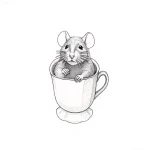
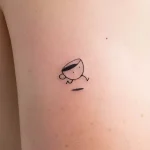
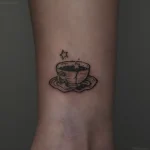
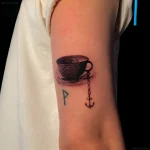
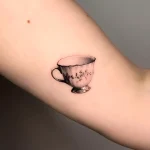
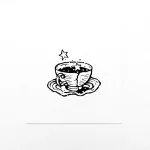
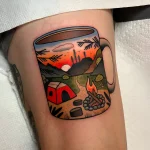
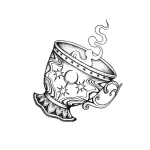
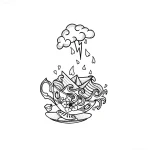
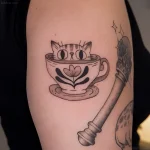
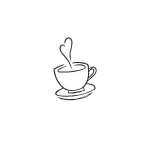
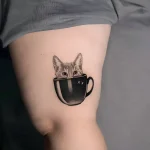
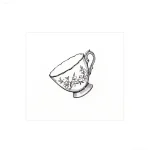
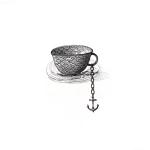
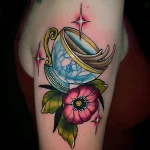
A tattoo depicting a cup, at first glance, might seem too mundane or simple for deep artistic interpretation. However, in the world of body art, there are no random images. The cup is one of the most multifaceted, archetypal, and yet personally oriented symbols, carrying a powerful charge of coziness, ritual, hospitality, and, in a deeper esoteric context, the search for sacred truth.
Cup Tattoo: General Description and Popularity
A cup (or mug, glass, bowl, depending on the context) is a universal vessel that has been an integral part of human culture for millennia. In tattooing, it serves as a metaphor for a container – both physical and spiritual. The popularity of this motif is explained by its ability to combine everyday, easily recognizable images (morning coffee, evening tea) with deep philosophical concepts.
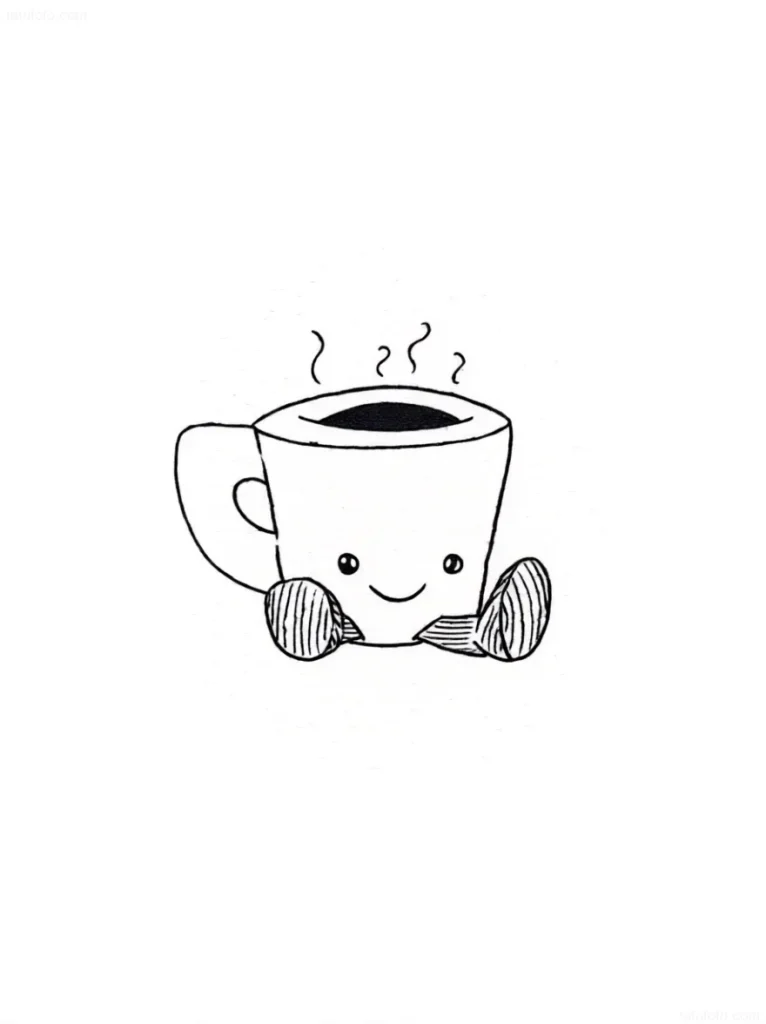


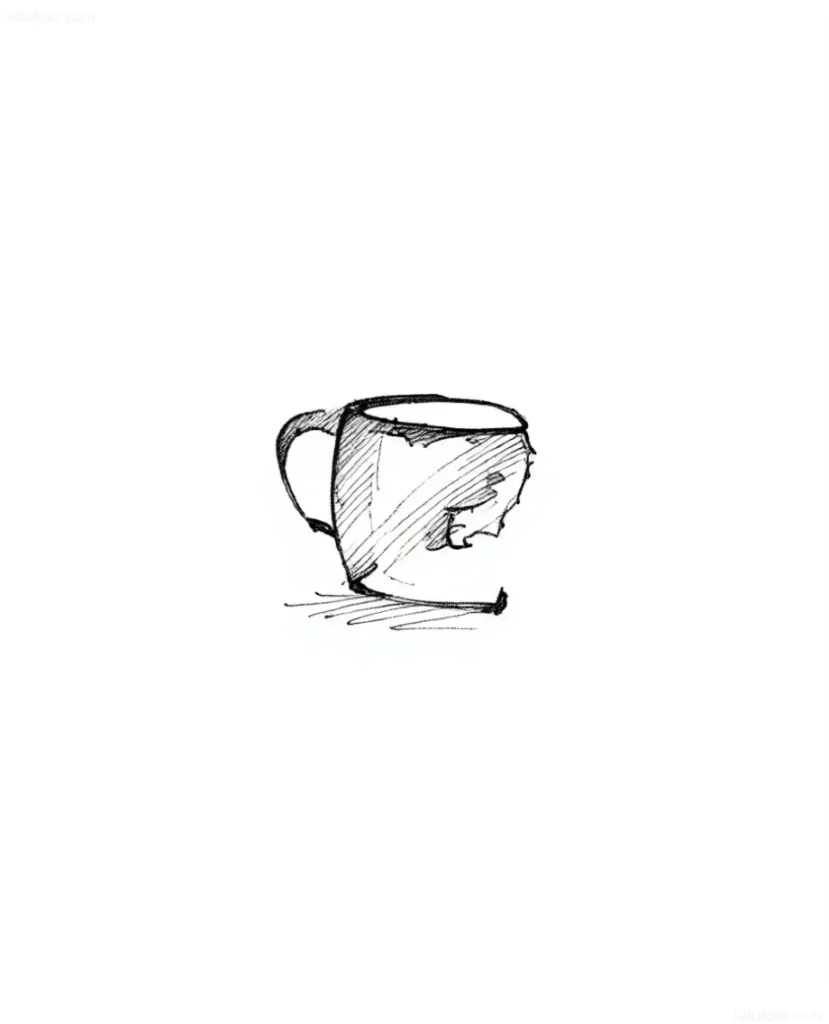
People often choose a cup tattoo for whom the following are important:
- Ritual and routine: Daily consumption of beverages often serves as an anchor that structures life and brings a sense of stability.
- Hospitality and connection: A cup symbolizes a moment when we share warmth and attention with others.
- Coziness and comfort: Especially if the cup is depicted with steam, it becomes a visual embodiment of home and peace.
- Creativity and inspiration: For many writers, artists, and programmers, a cup of coffee or tea is a companion to the creative process.
It is important to understand that in modern tattoo art, a cup rarely exists in isolation. Its meaning is always enhanced or changed by surrounding elements: steam, tea leaves, coffee beans, books, skulls, or even mystical patterns.
History of Cup Symbolism in World Cultures
The symbolism of the cup is rooted in ancient myths and religious rites. It is not just an object, but a “container” – a symbol of acceptance, reception, and storage. Without understanding this historical context, it is impossible to fully reveal the meaning of a cup tattoo.
The Cup as a Symbol of Container and the Feminine Principle
In many ancient cultures, the cup or vessel was associated with the feminine principle (Yin), fertility, and the maternal womb. It is a symbol capable of receiving and containing life or knowledge. Accordingly, a tattoo can reflect receptivity, intuition, or readiness to accept new experiences.
The Holy Grail and the Search for Truth
The most powerful and well-known cultural context is, of course, the Holy Grail. In Celtic legends and Christian myths, the Grail is a cup that possessed miraculous properties (healing, eternal life). A tattoo stylized as the Grail (often with an ornament, emanating light, or mystical patterns) symbolizes:
- The search for spiritual enlightenment or higher truth.
- The pursuit of self-improvement and the immortality of the soul.
- Trial and personal spiritual journey.

The Cup as a Symbol of Sacrifice and Fate
In Christianity, the cup (chalice) is used in the sacrament of communion, symbolizing the blood of Christ and redemption. In a broader sense, “to drink the cup” means to accept one’s fate, however bitter it may be. If a cup tattoo is depicted with a bitter liquid or filled to the brim, it can indicate acceptance of life’s difficulties and readiness to bear one’s burden.
Cup with Poison or Elixir
In alchemy and mythology, the vessel often contained either a deadly poison or a life-giving elixir. A tattoo can reflect the duality of life, the choice between good and evil, or the possession of secret knowledge (for example, a cup entwined with a snake refers to the symbol of medicine – the Cup of Hygieia).
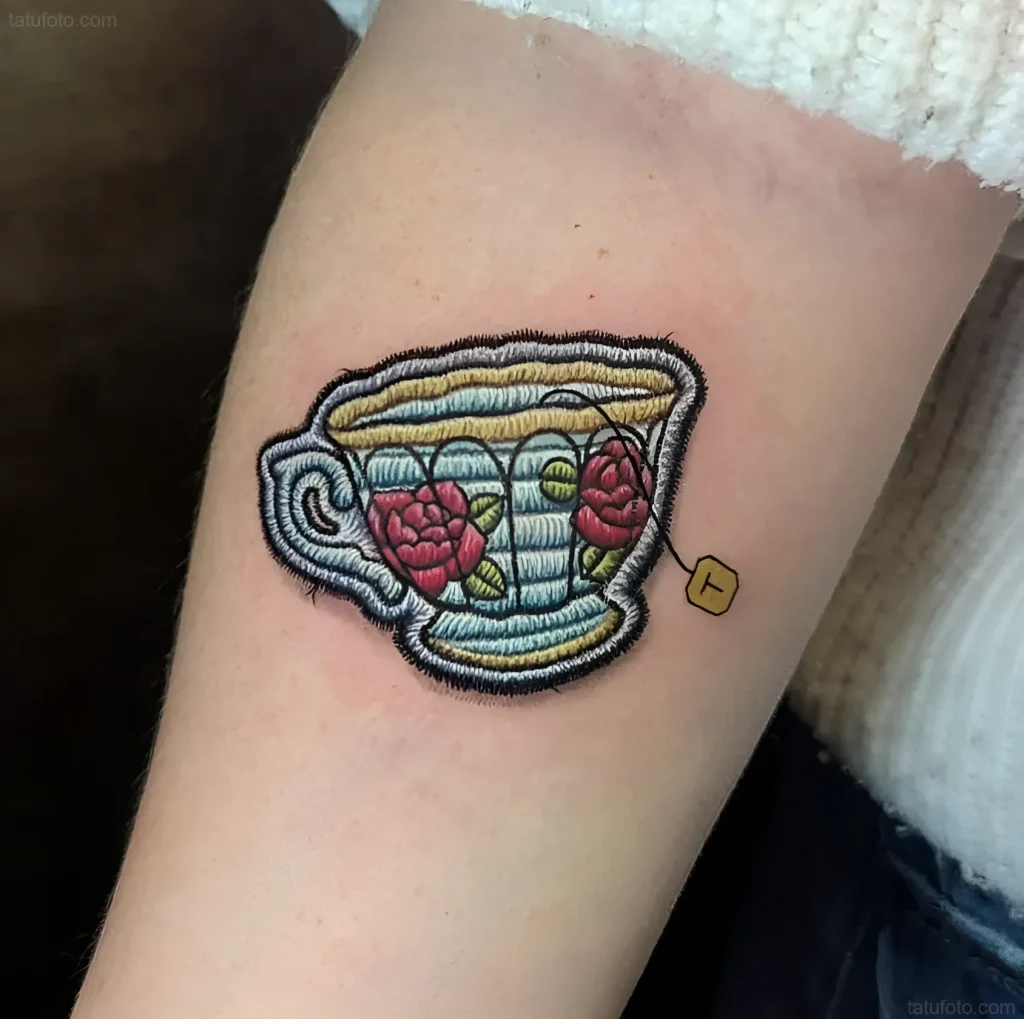
Key Meanings of a Cup Tattoo: From the Grail to Everyday Ritual
The meaning of a cup tattoo heavily depends on its contents, style, and additional elements. Let’s consider the most common interpretations you might encounter.
1. Meaning Related to Contents
Coffee Cup Tattoo:
- Energy and alertness: A symbol of the start of the day, activity, striving for action.
- Dependence on ritual: For those who value their morning ritual and stability.
- Creative process: Often associated with sleepless nights of work and inspiration.
- Friendship and communication: An invitation for coffee as a symbol of openness.
Tea Cup Tattoo:
- Peace and meditation: The tea ritual (especially in Eastern cultures) is associated with tranquility, slowing down, and mindfulness.
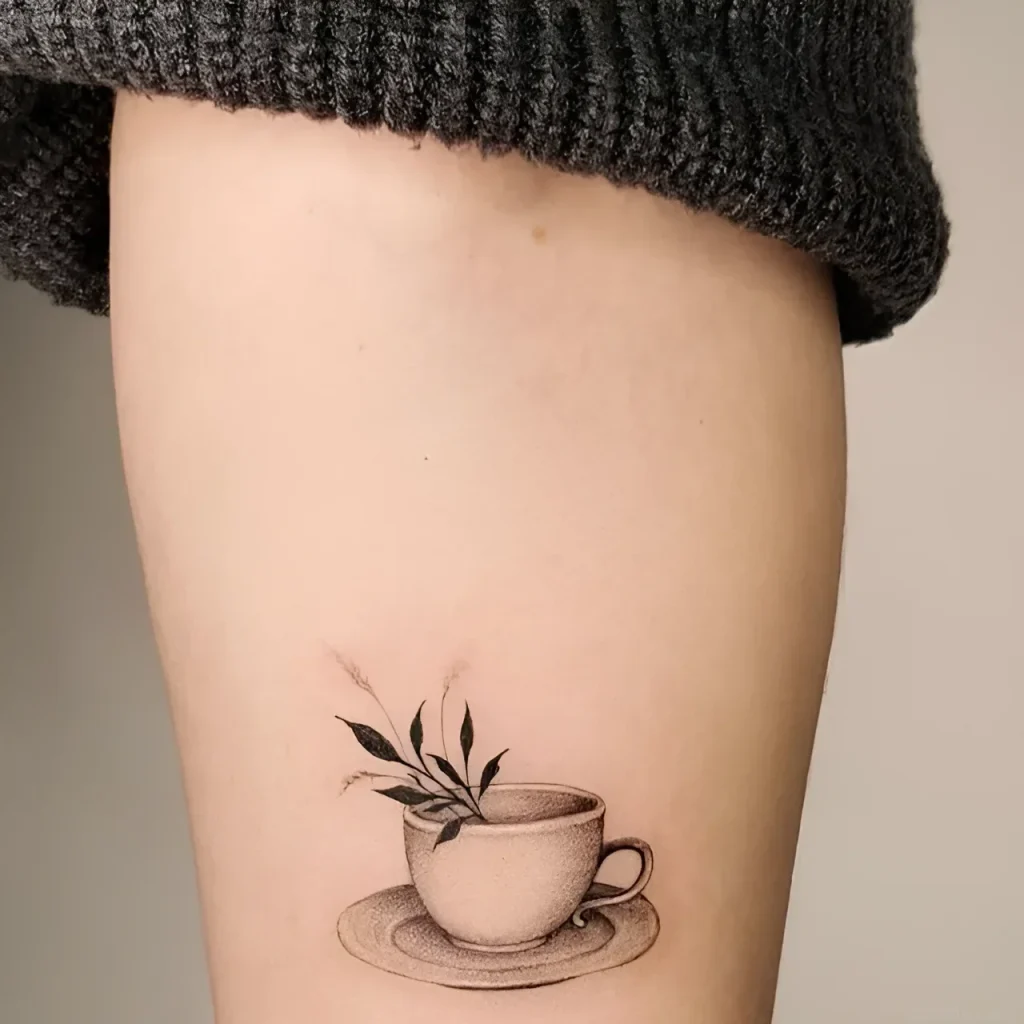
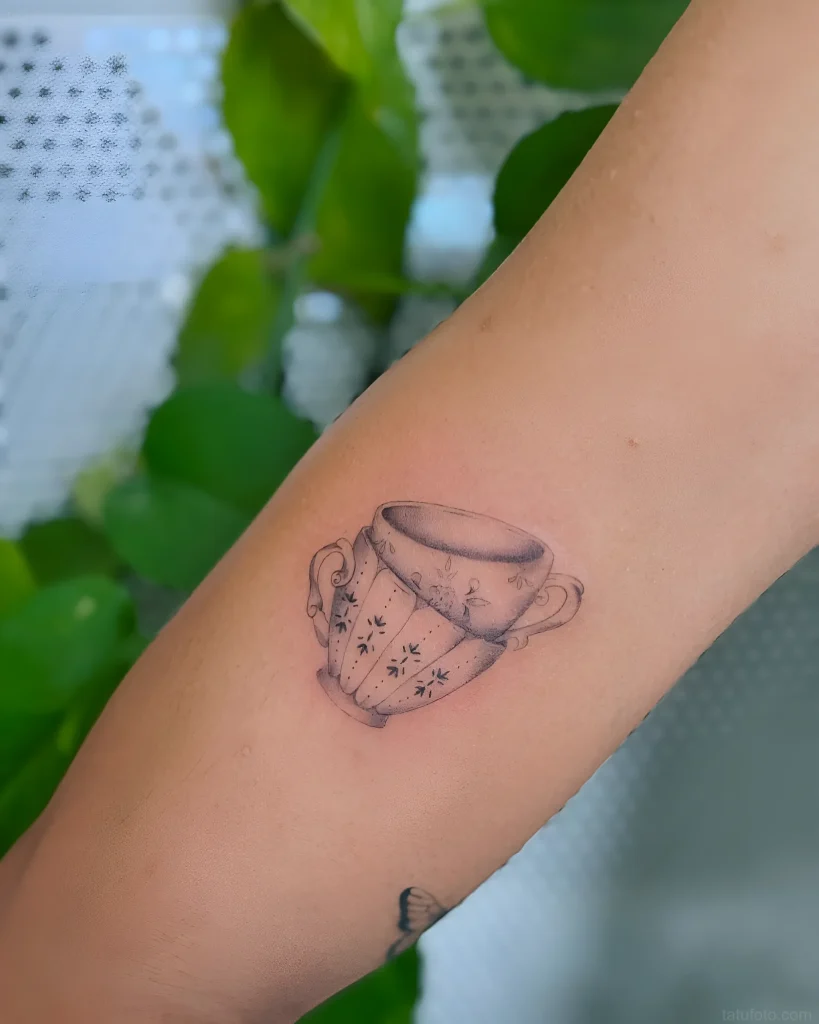
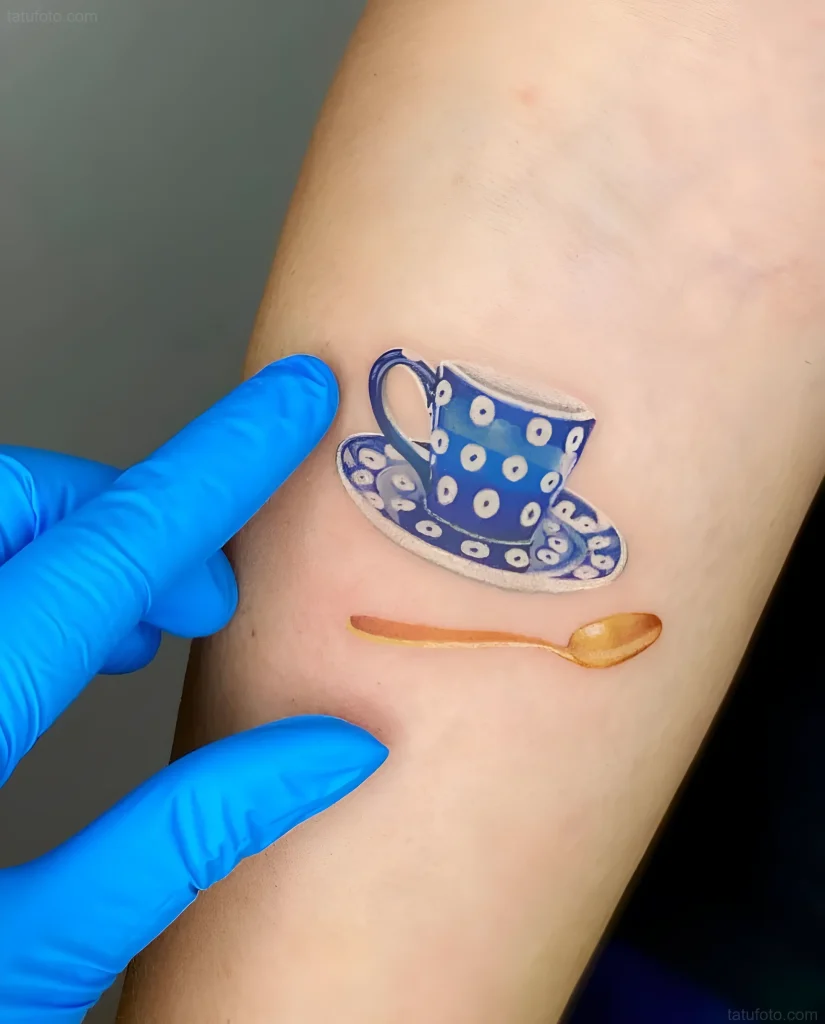
- Elegance and tradition: A porcelain cup with a saucer often symbolizes sophistication, old traditions, and nostalgia.
- Home comfort: A strong emphasis on warmth, family, and security.
Cup with Alcohol (Wine, Cocktail):
- Celebration and hedonism: Enjoying life, joy, the ability to relax.
- Memory of a moment: Can be associated with a specific important event or person.
2. Conceptual Meanings of the Cup
Full Cup:
Symbolizes abundance, fullness of life, satisfaction, as well as generosity and readiness to share one’s resources (spiritual or material). A full cup is a sign that a person feels whole and prosperous.
Empty Cup:
This is a more complex symbol. It can signify loss, emptiness, or sadness. However, in a positive sense, an empty cup symbolizes readiness. It is an “open vessel” – awaiting new experiences, readiness for change, acceptance of new knowledge or opportunities. In Zen philosophy, an empty cup is a prerequisite for learning.
Broken or Cracked Cup:
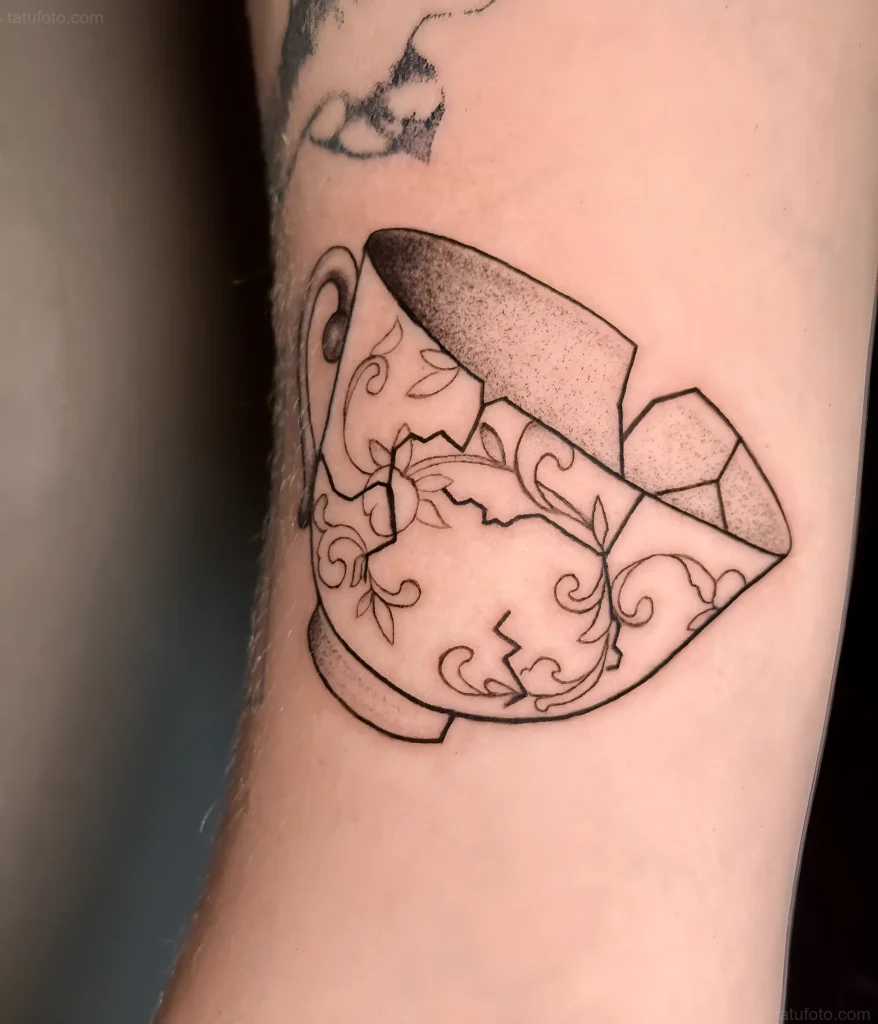
A symbol of fragility, loss, endured grief, or trauma. However, often in Japanese philosophy (Kintsugi), a broken object repaired with gold symbolizes the beauty of imperfection and the strength gained after destruction. Such a tattoo speaks of resilience and acceptance of one’s scars.
3. Additional Elements and Their Role
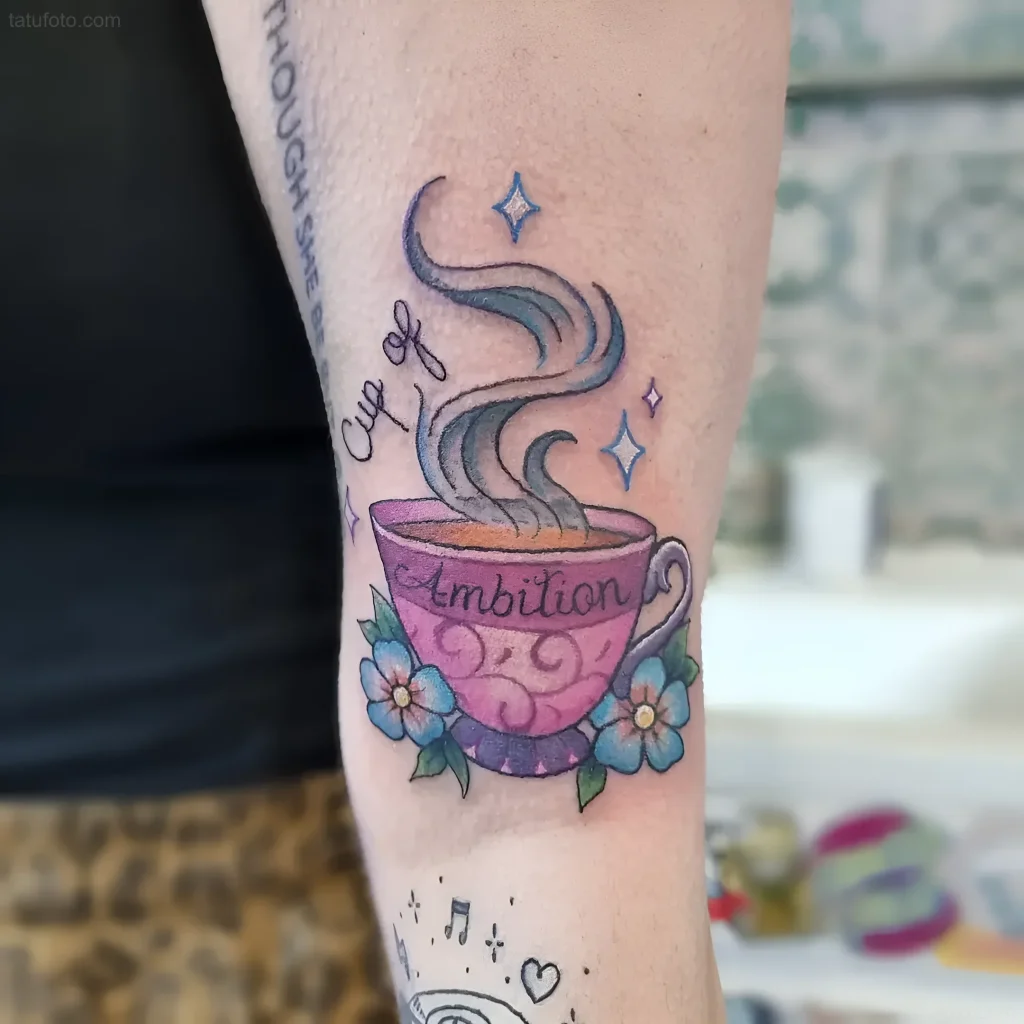
- Steam (smoke) above the cup: A symbol of warmth, life, presence, and possibly mystical or prophetic vision.
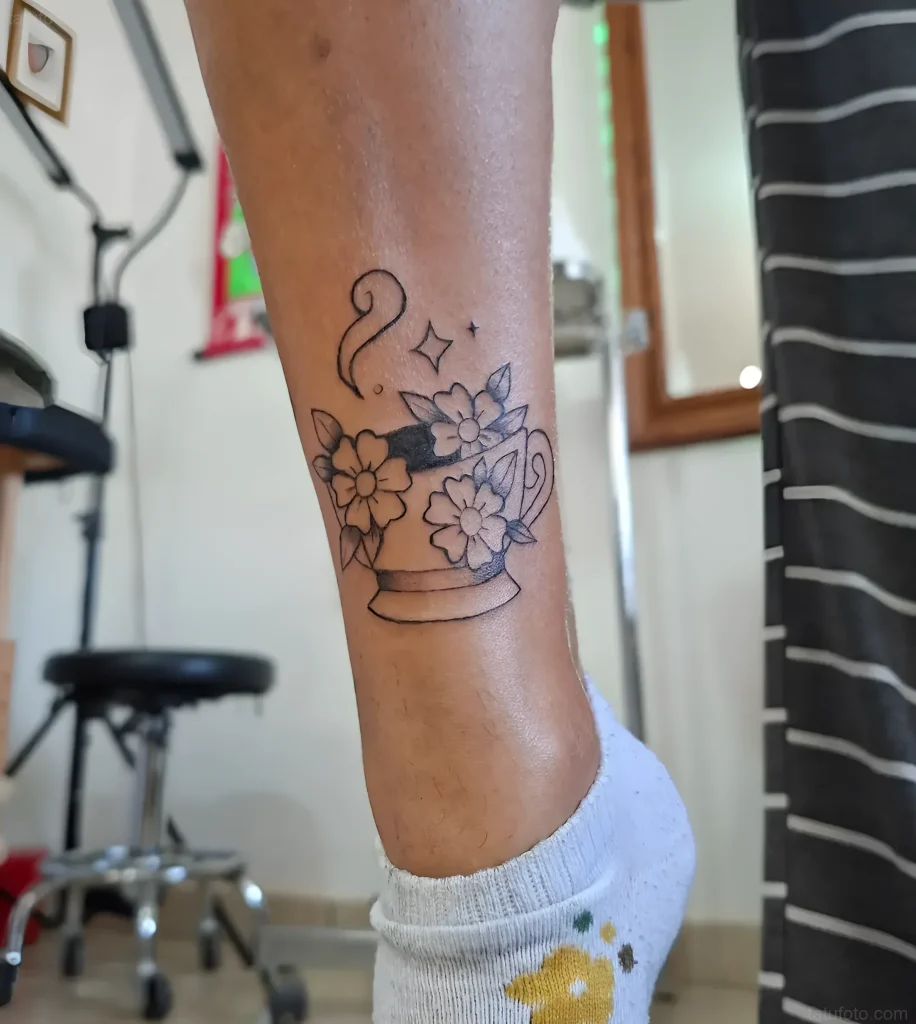
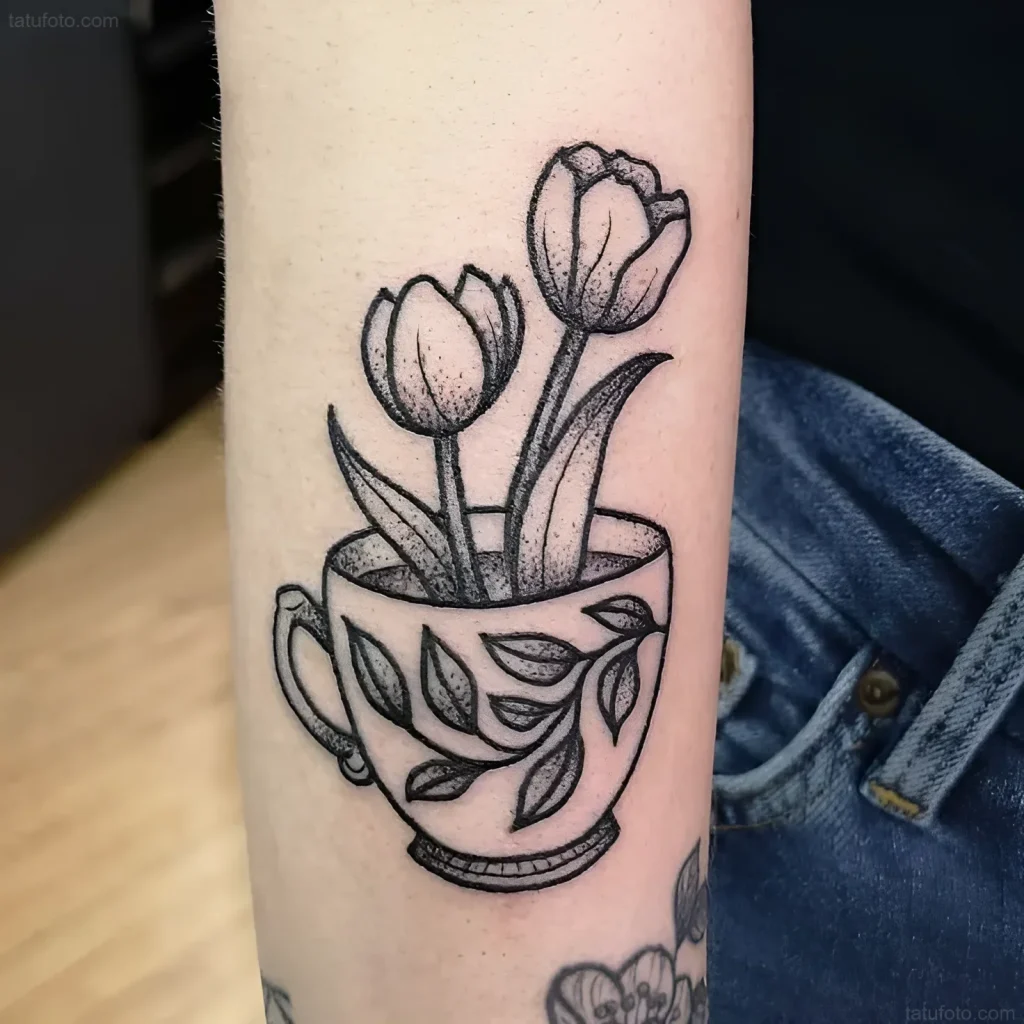
- Flowers or plants (rose, lavender, herbs): Add meaning of love, healing, or a specific mood (lavender – calmness, rose – passion).
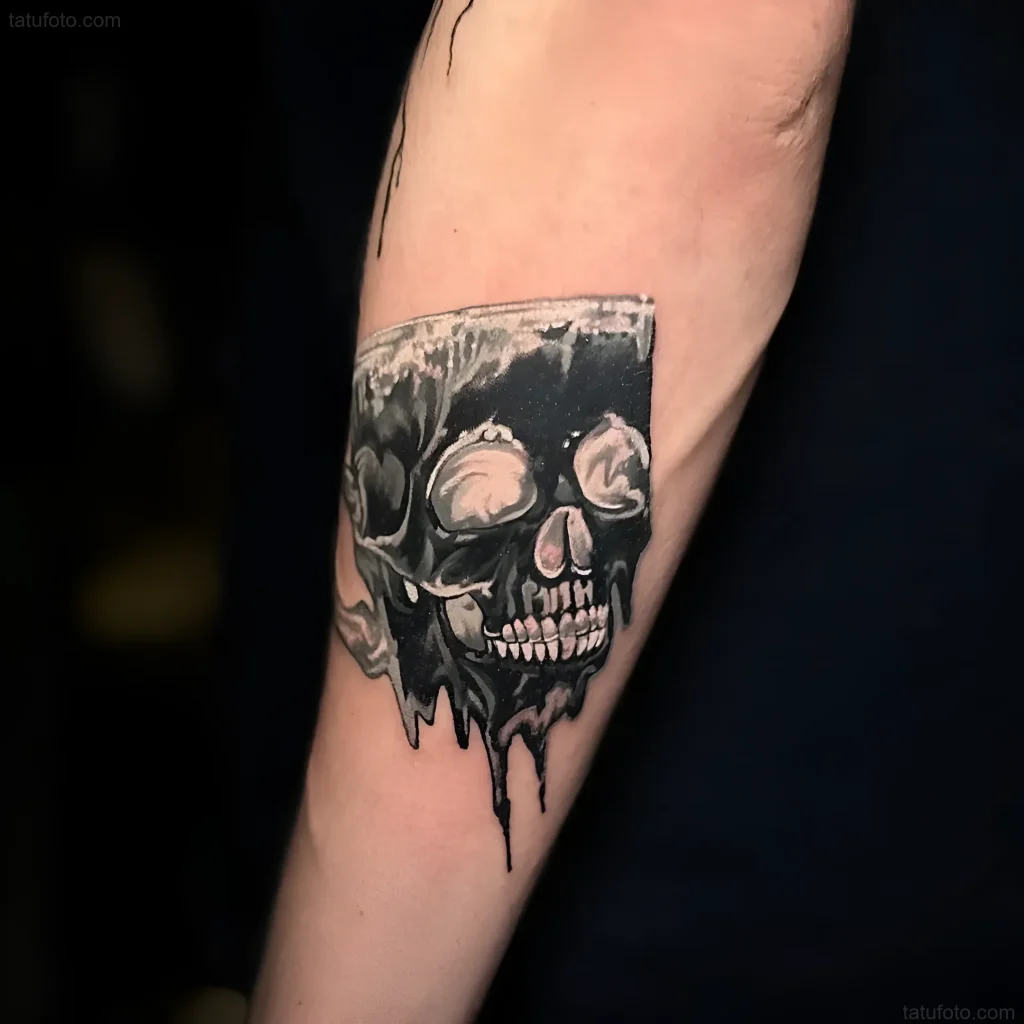
- Skull or bones near the cup: Indicates the theme of Memento Mori (remember death) and enjoying the moment while the cup of life is full.
- Books or writing utensils: A symbol of intellectual work, study, and knowledge.
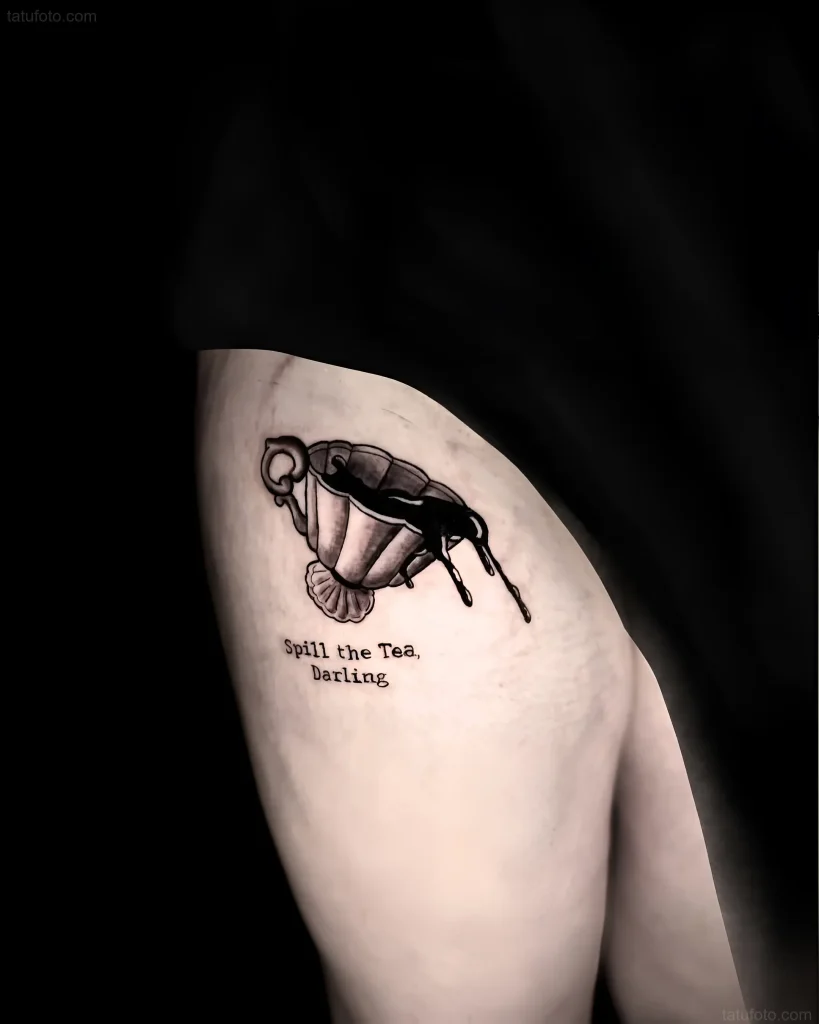
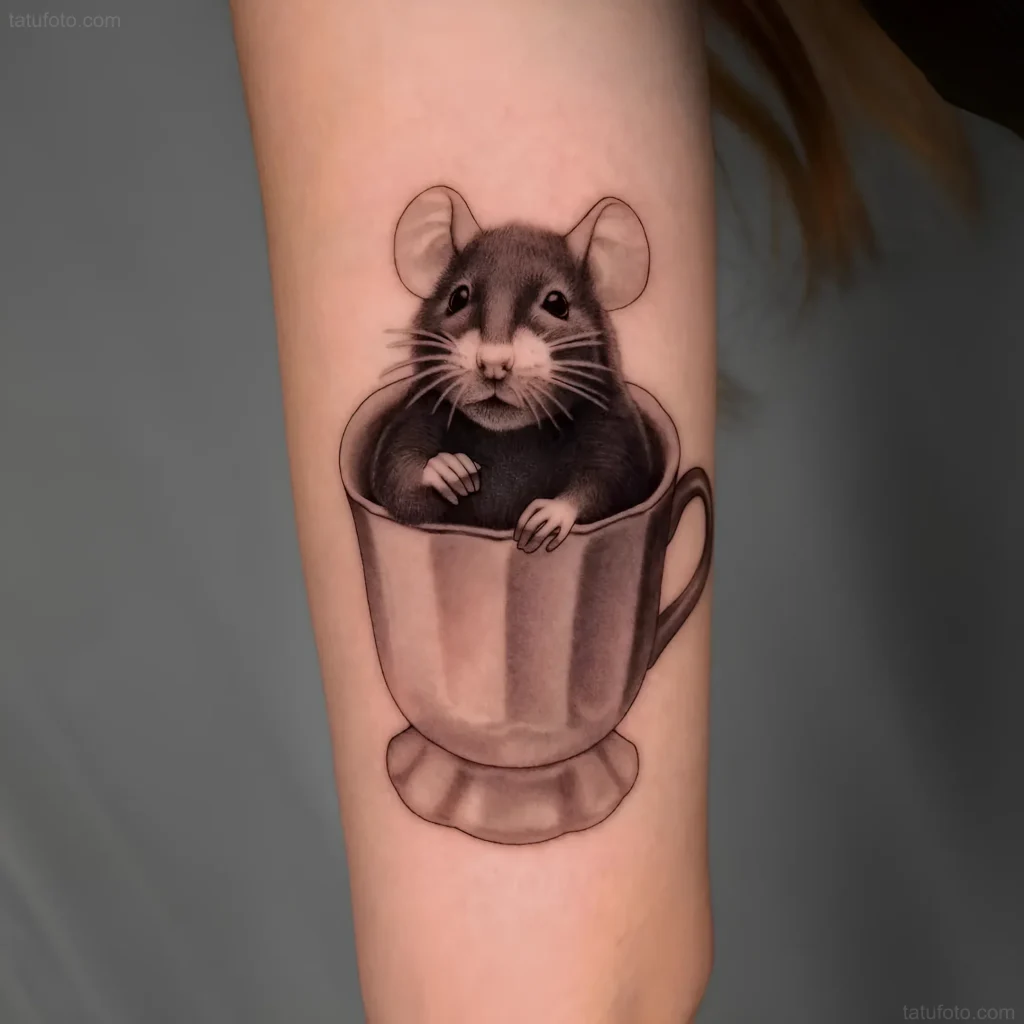
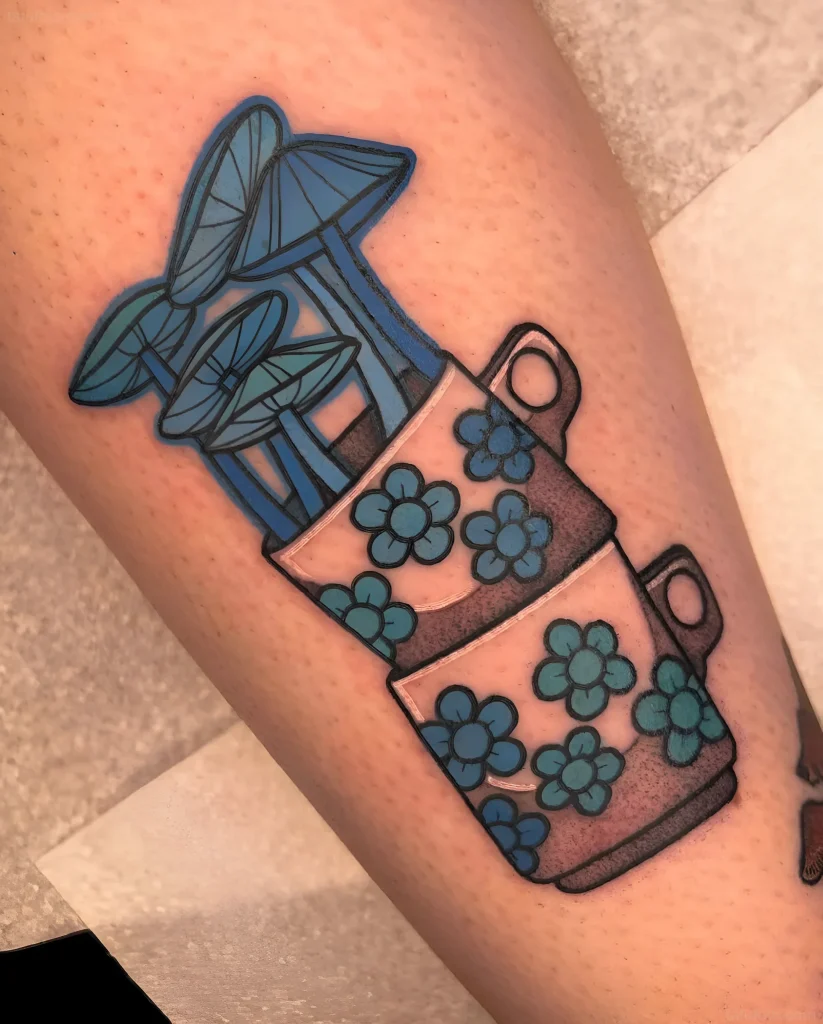
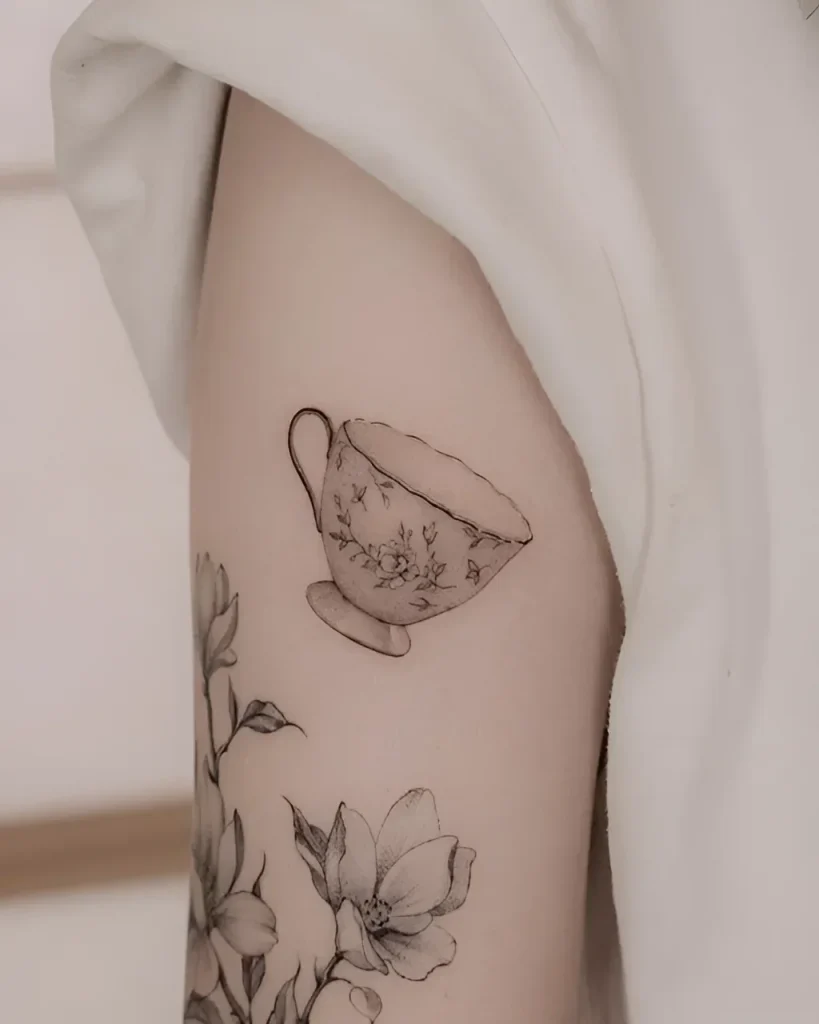
Cup Tattoo Styles: From Realism to Minimalism
The choice of execution style drastically changes the perception of a cup tattoo. What looks like a cozy home symbol in one style can become a mystical artifact or a bold statement in another.
1. Traditional (Old School) and Neo-Traditional
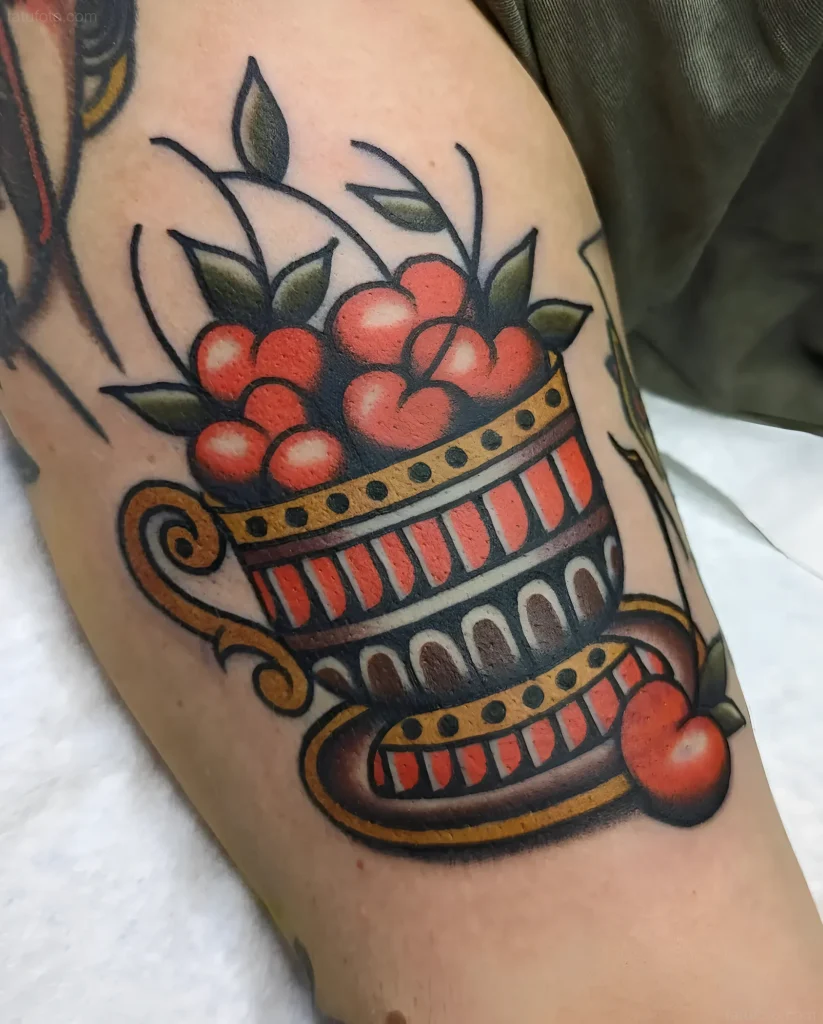
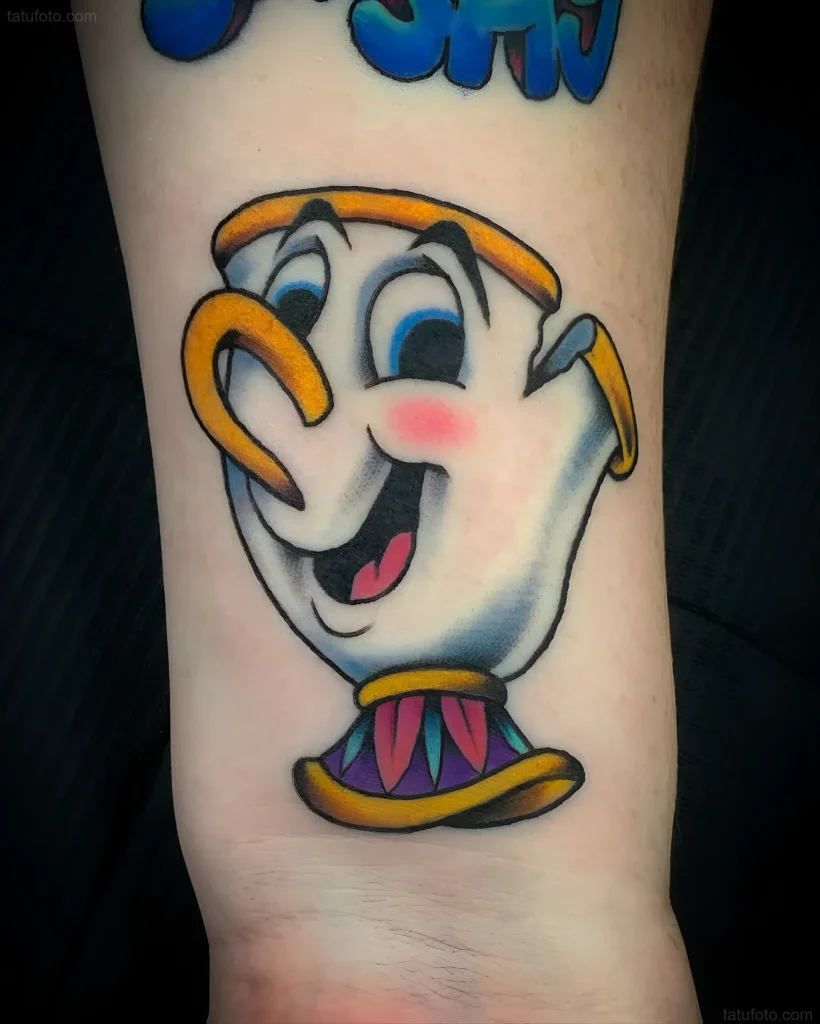
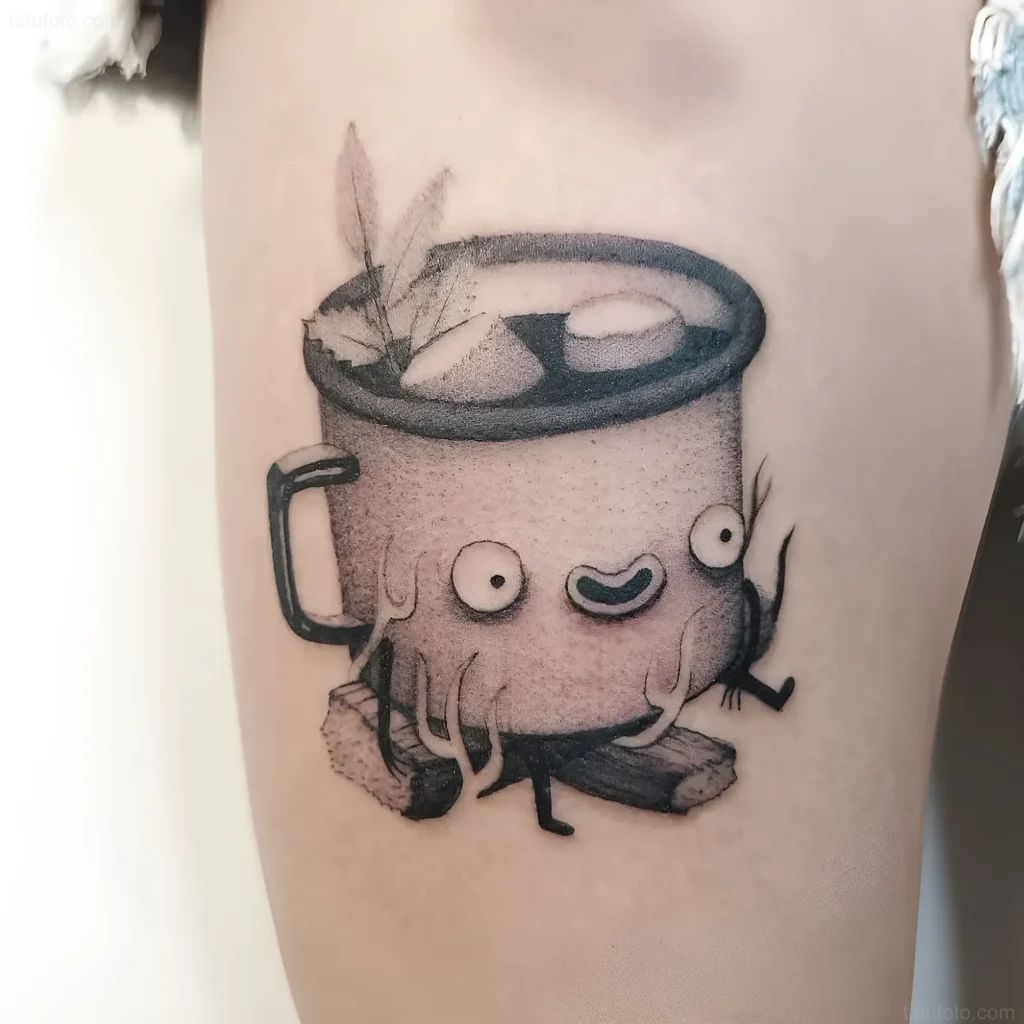
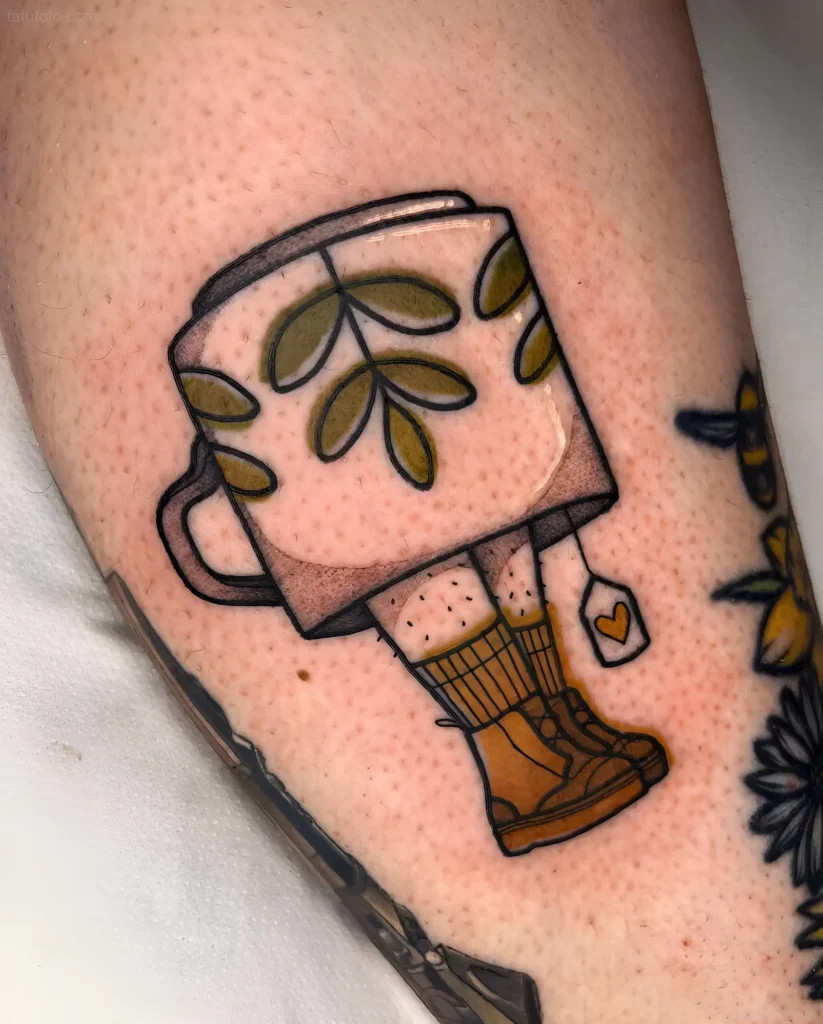
In these styles, the cup is often depicted as a richly decorated item or, conversely, as a simple, massive mug. Colors are saturated, outlines are thick. In Old School, the cup can be part of a still life with flowers, ribbons, and skulls, symbolizing stability, home, and eternal values. Neo-Traditional allows for more details, shading, and rich ornamentation, emphasizing its mystical or antique significance (e.g., the Grail).
2. Realism
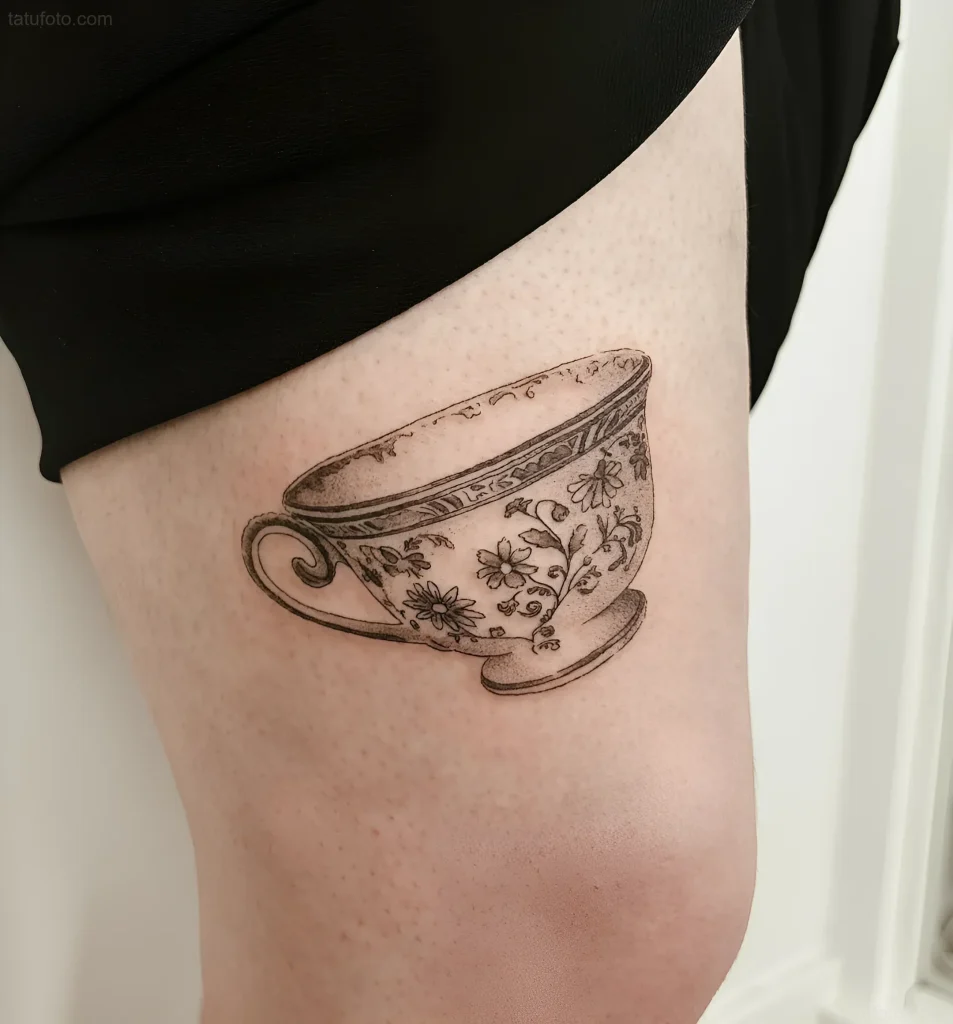
Realistic cup tattoos are incredibly popular, especially when combined with steam, the texture of porcelain, or reflections on the liquid. They often depict a specific favorite cup or scene (e.g., a cup placed on a book). This style maximally conveys individual ritual, nostalgia, and a tangible sense of coziness.
3. Minimalism and Graphics (Fine Line)
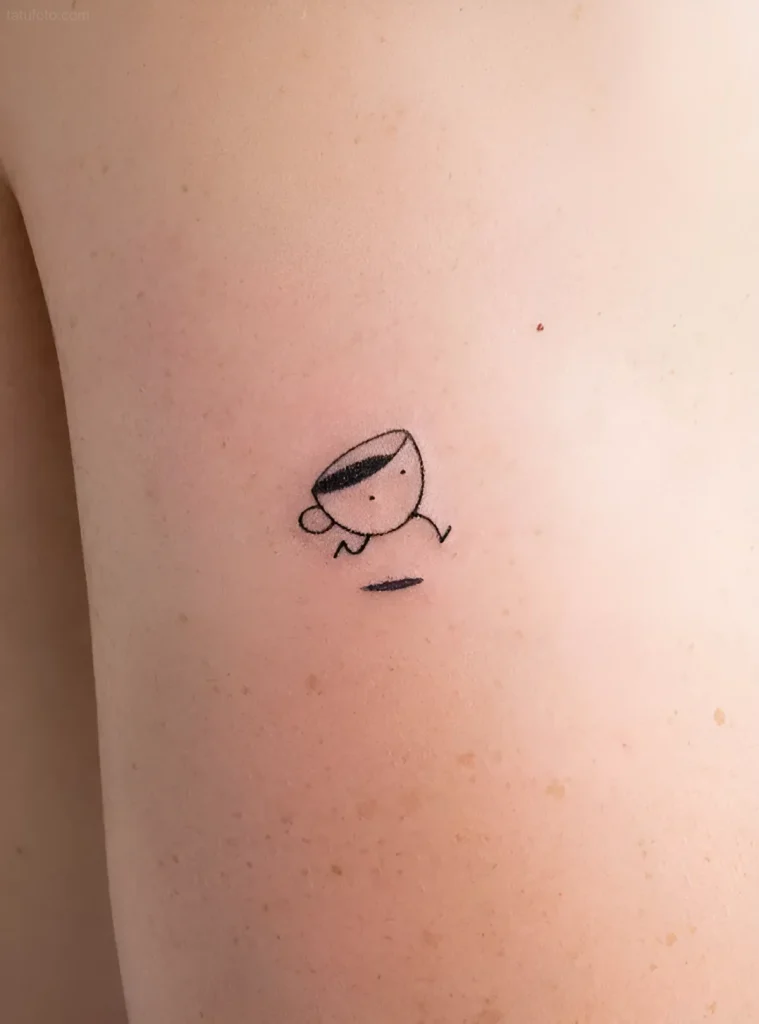
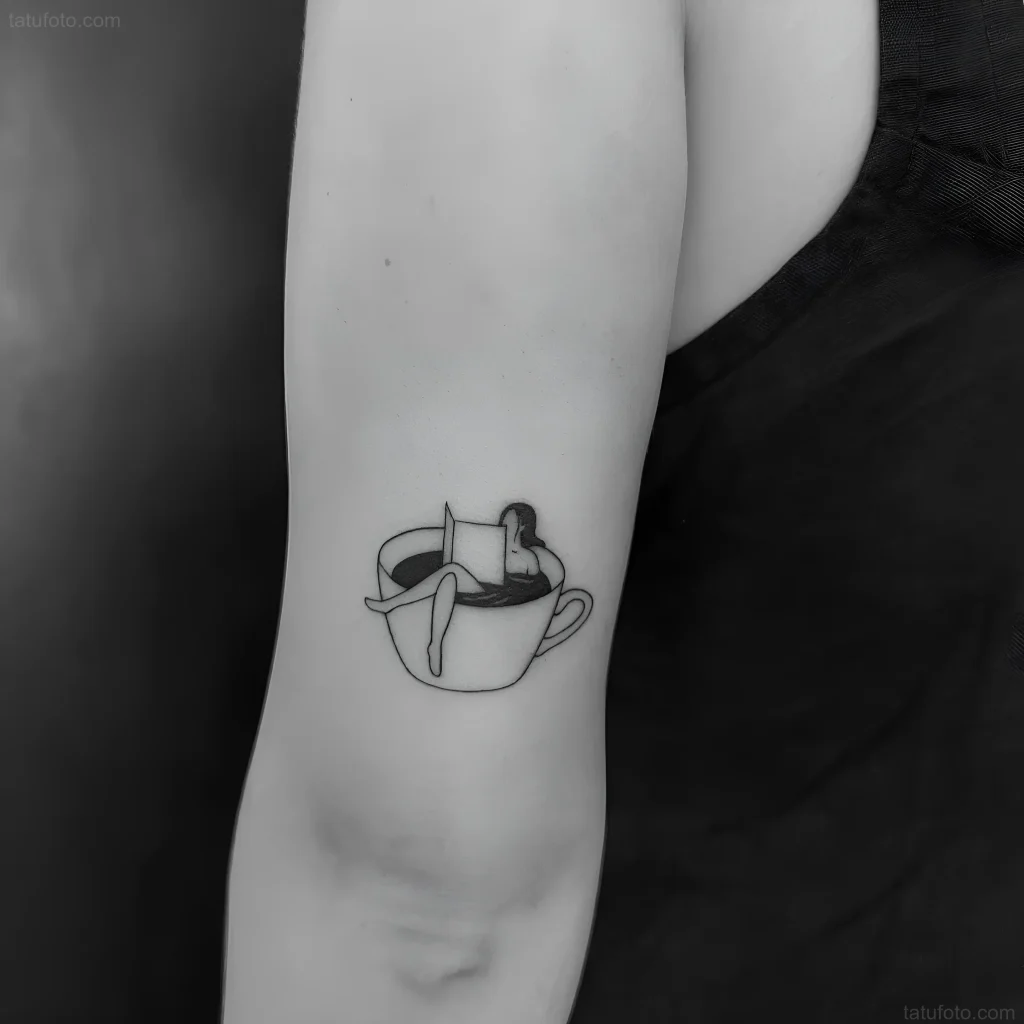
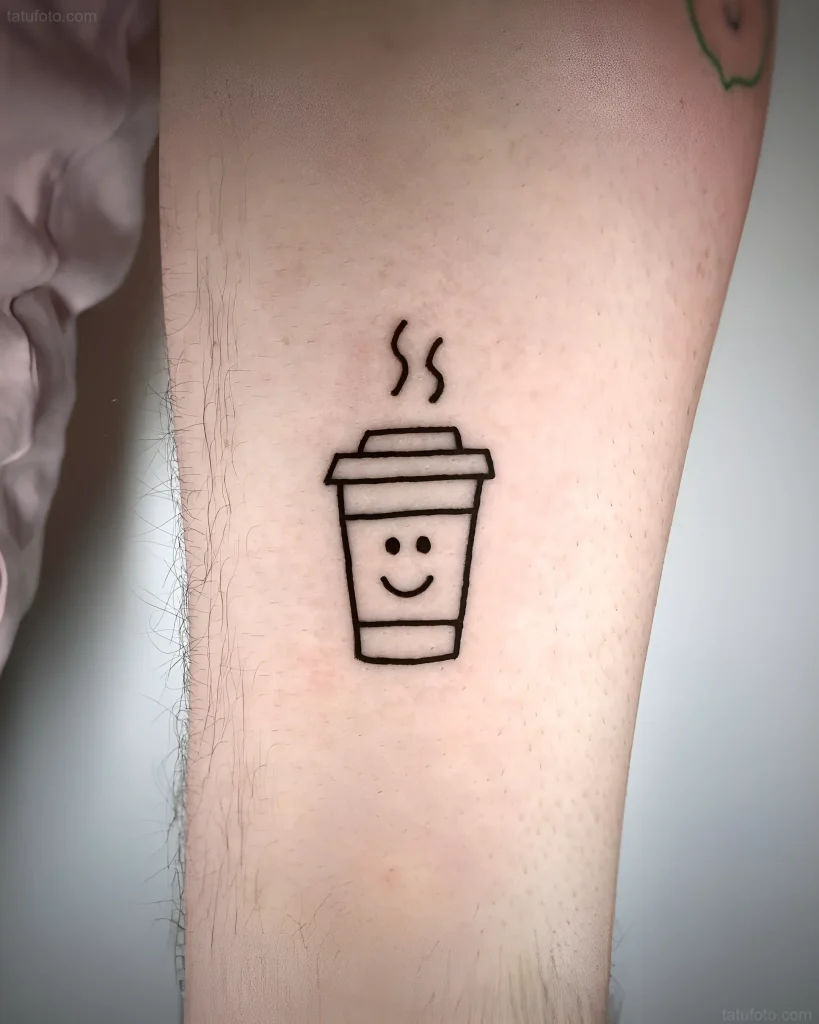
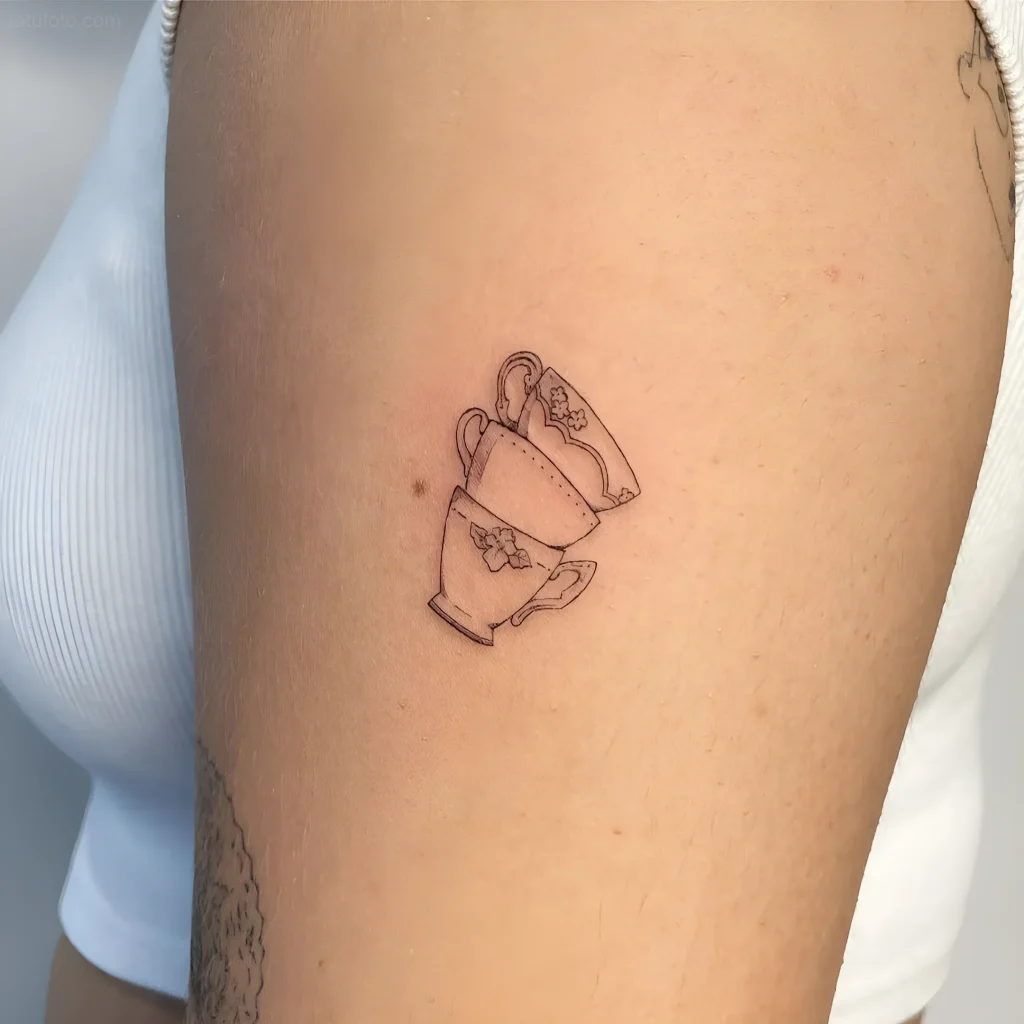
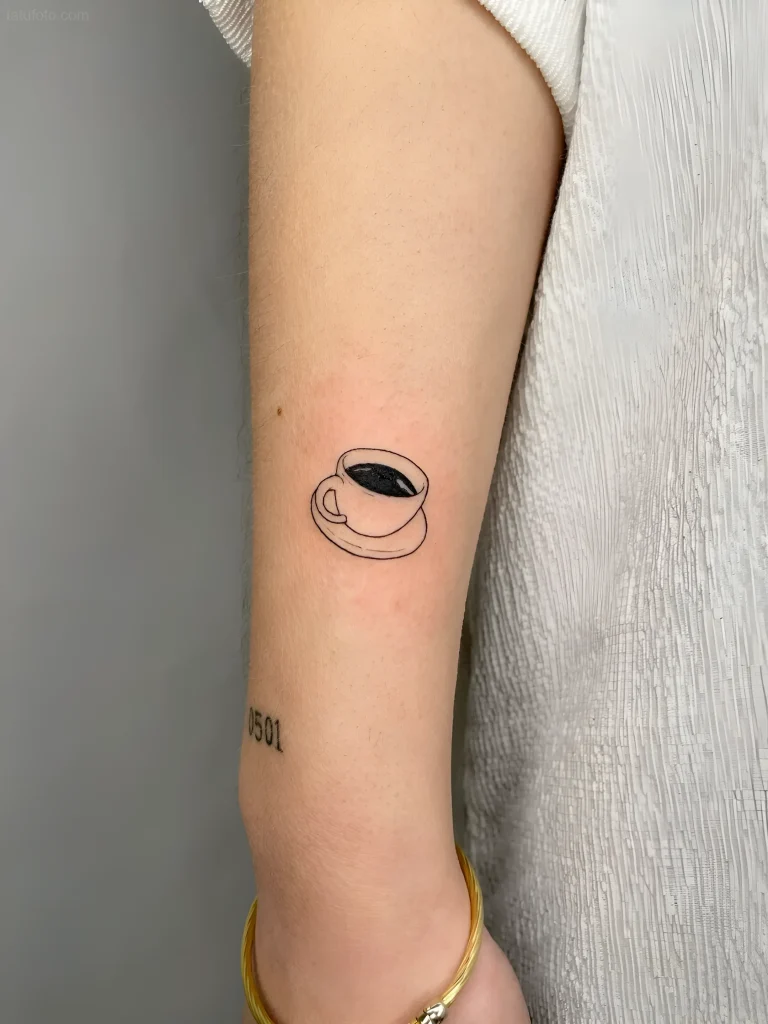
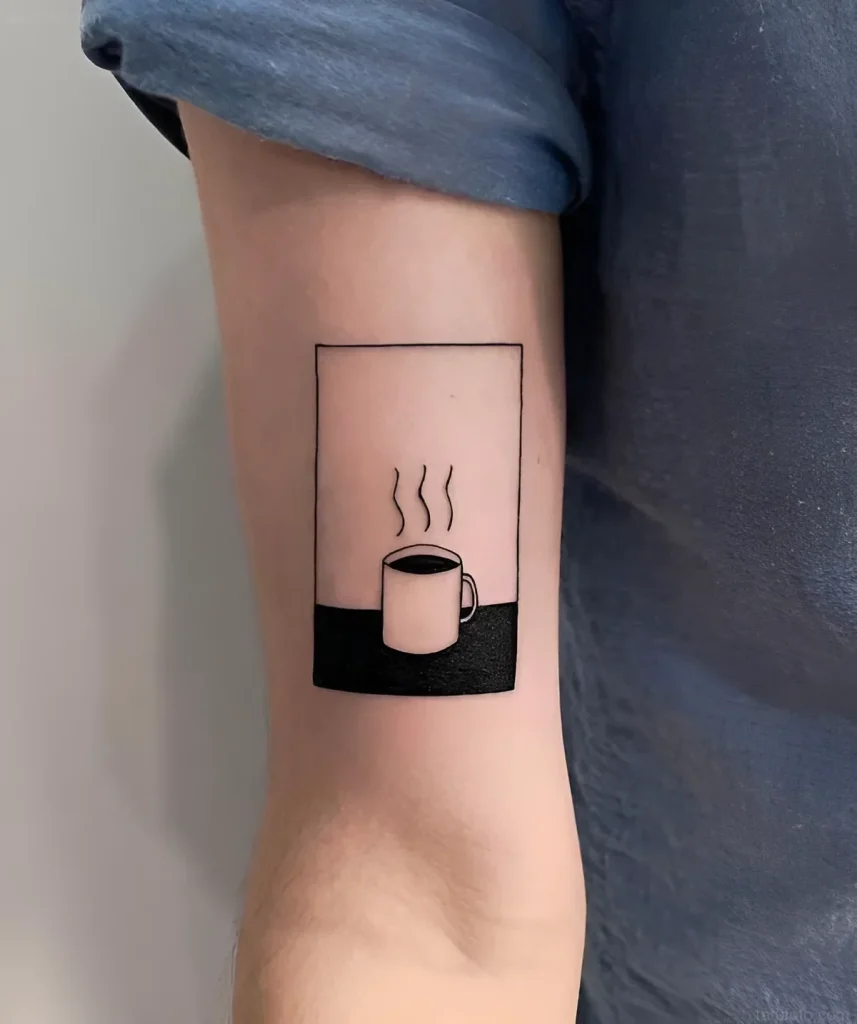
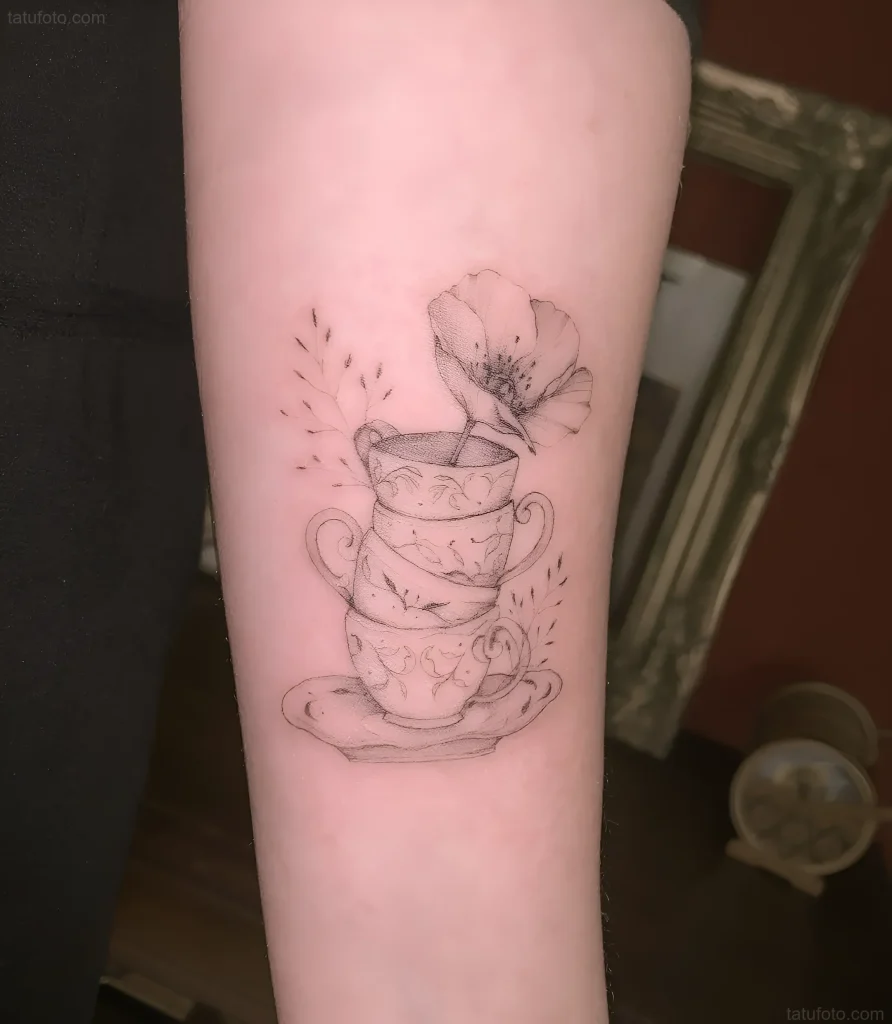
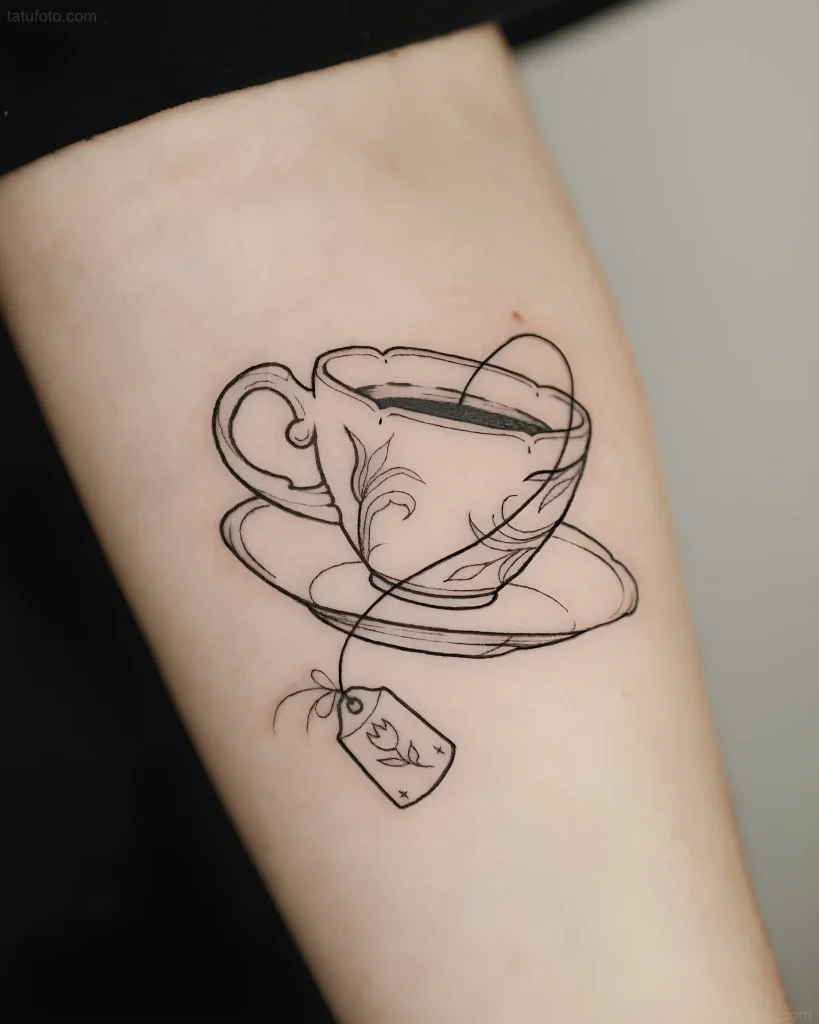
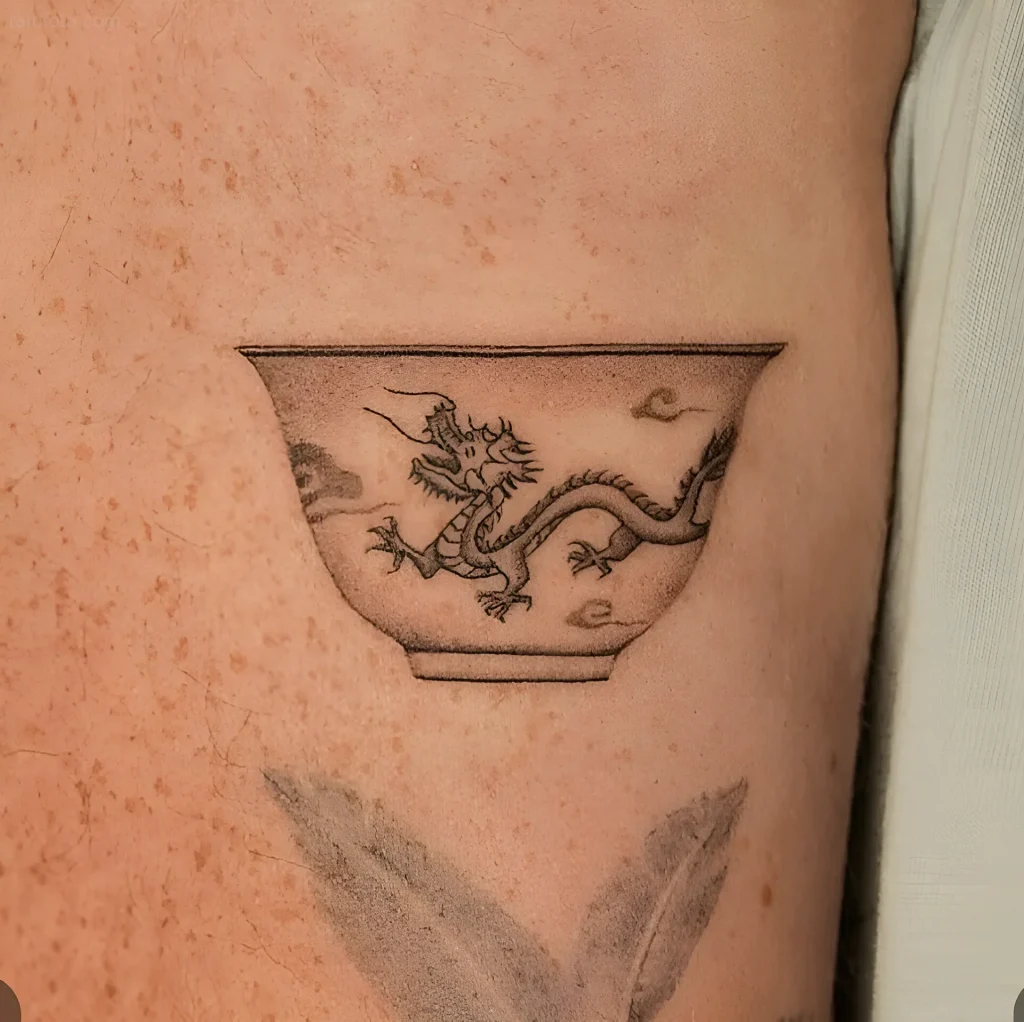
Simple contour images of a cup without shading or with minimal use of dots. In minimalism, the cup becomes a pure symbol, focusing attention on the concept and idea, rather than the object. Ideal for those seeking a symbol of personal ritual or a subtle sign of hospitality.
4. Blackwork and Dotwork
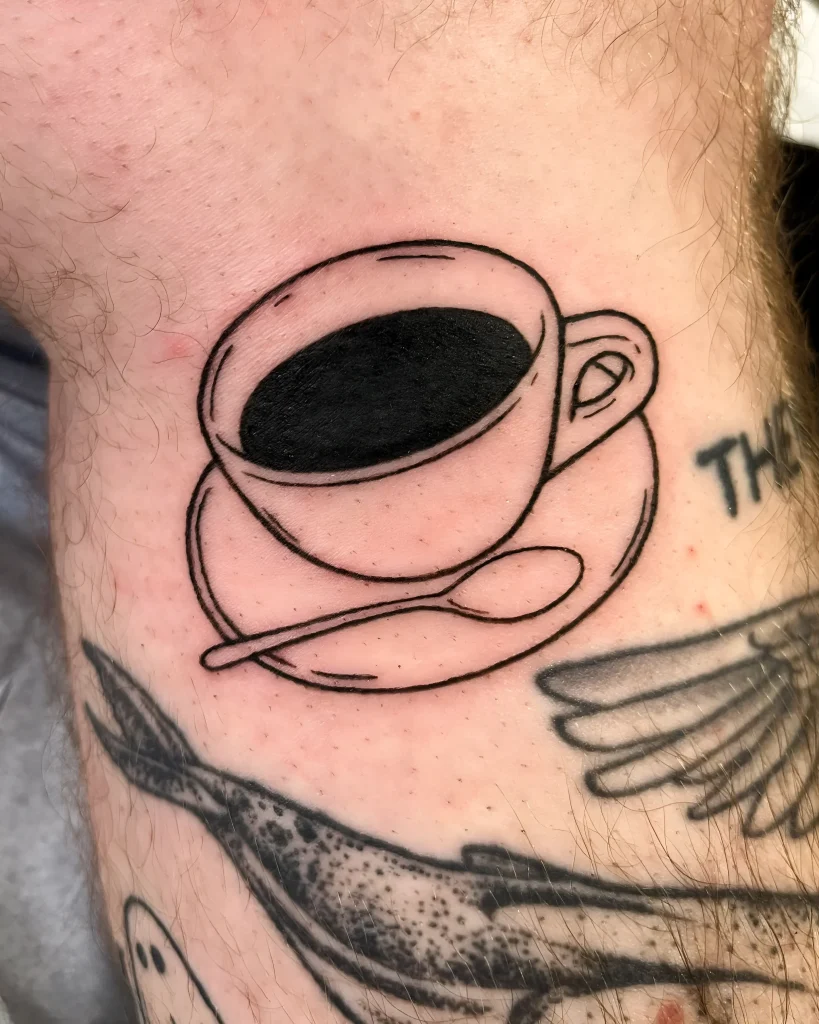
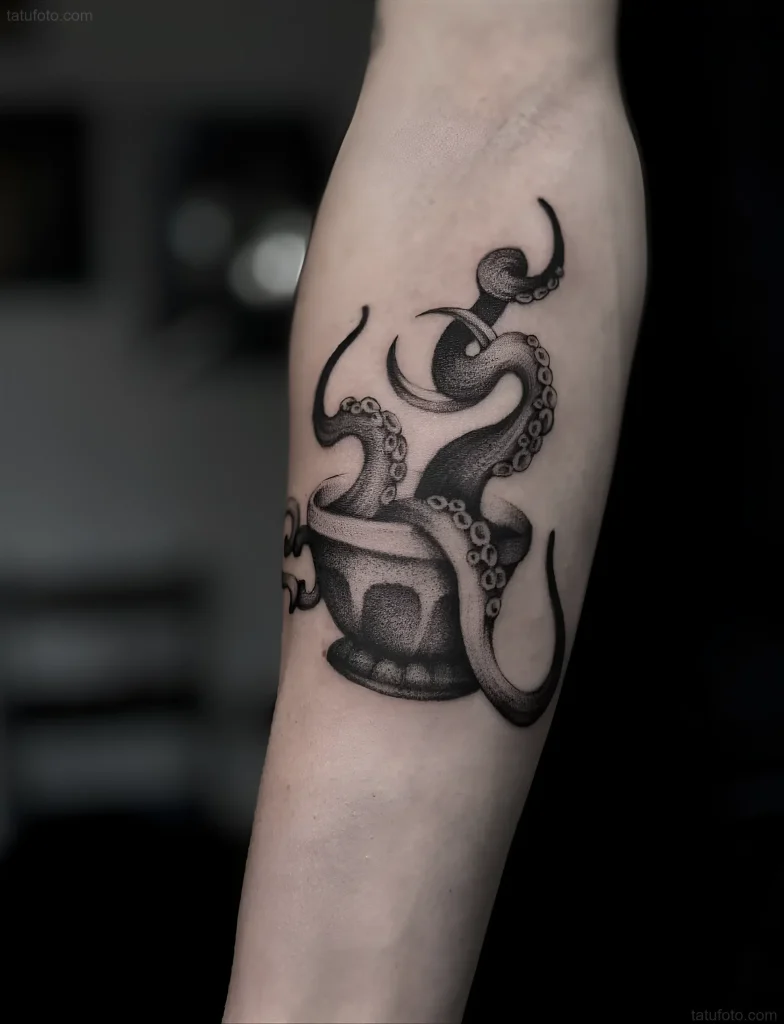
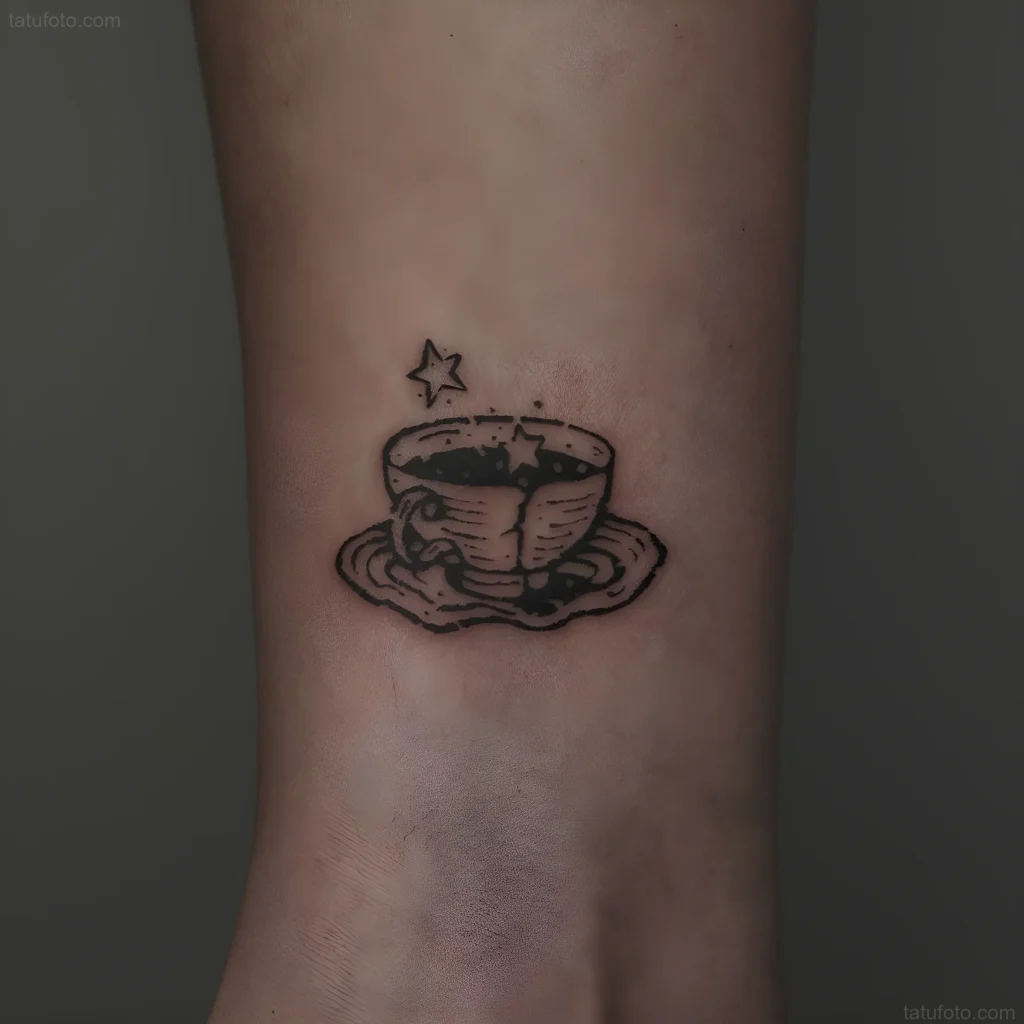
Cups in Blackwork style are often massive, geometric, and can be integrated into complex ornaments. This style gives the symbol archetypal power and rigor. If dotwork is used, it can emphasize mystical or esoteric meaning (e.g., a cup surrounded by dotted patterns resembling stars or mandalas).
5. Watercolor
The watercolor style gives the cup lightness, airiness, and emotionality. Blurred contours and color transitions can symbolize the transience of the moment, inspiration, and pure emotions associated with the ritual of tea or coffee drinking.
Where to Best Get a Cup Tattoo: Placement Options on the Body
The placement of a cup tattoo often has symbolic significance, enhancing or specifying its meaning for the wearer.
| Placement | Symbolic Meaning | Style Features |
|---|---|---|
| Wrist / Forearm | Daily ritual, routine, constant reminder. Easy to see yourself and show others. | Ideal for minimalism, Fine Line, or small realism. |
| Inner Bicep | A personal, hidden symbol of coziness that is important only to the wearer. Association with “warmth close to the heart.” | Suitable for larger, more detailed designs (Neo-Traditional, Realism). |
| Collarbone / Chest | A symbol related to the soul, heart, and home. If it’s the Grail, it’s a spiritual quest. If it’s tea, it’s deep personal peace. | Looks good as a neat, symmetrical ornament or watercolor. |
| Ankle / Foot | Symbol of path and destination (if the cup is the Grail). Designation of “comfort” or “home” to which one always returns. | Small, outline, or geometric designs. |
Tips for Choosing a Sketch and Caring for a Cup Tattoo
To ensure that a cup tattoo not only adorns the body but also carries deep personal meaning, it is necessary to carefully consider its concept and ensure proper care.
1. Sketch Conceptualization
Before going to the artist, answer the key questions that will determine the symbolism of your cup:
- What is inside? Coffee (energy), tea (calmness), water (purity), wine (celebration), or is it mystical light (Grail)?
- What is its condition? Full, empty, broken? This directly affects whether you are talking about life’s fullness or readiness for something new.
- What is its style? A simple ceramic mug (earthy, practical) or an exquisite porcelain set (elegance, sophistication)?
- What additional elements are important? Add personal anchors: a favorite book, a date, a symbol that enhances your personal meaning of coziness or ritual.
2. Choosing an Artist
If you have chosen realism or Neo-Traditional, look for an artist specializing in detailing small objects and working with textures (porcelain, steam, liquid). In minimalism, precision of lines and perfect geometry are important.
3. Tattoo Care
Like any tattoo, a cup requires careful care, especially if it is done in styles with many fine lines or shading (Fine Line, Realism):
- In the first few days, use a healing bandage or regularly wash and moisturize the tattoo with recommended products.
- Avoid direct sunlight. Ultraviolet light is the main enemy of tattoos, especially those where the clarity and contrast of black pigment are important.
- If the tattoo is on the wrist or ankle (areas with high mobility), make sure that clothing does not rub against the fresh design.
Frequently Asked Questions About Cup Tattoos (FAQ)
Is a cup tattoo gender-specific?
No, a cup tattoo is absolutely universal. Women are more likely to choose more delicate forms (tea cups, watercolor, flowers), emphasizing coziness and aesthetics. Men may prefer massive mugs, vintage glasses, or cups associated with alchemy, mysticism, and resilience. The meaning is always individual.
Can a cup be combined with other, more aggressive symbols?
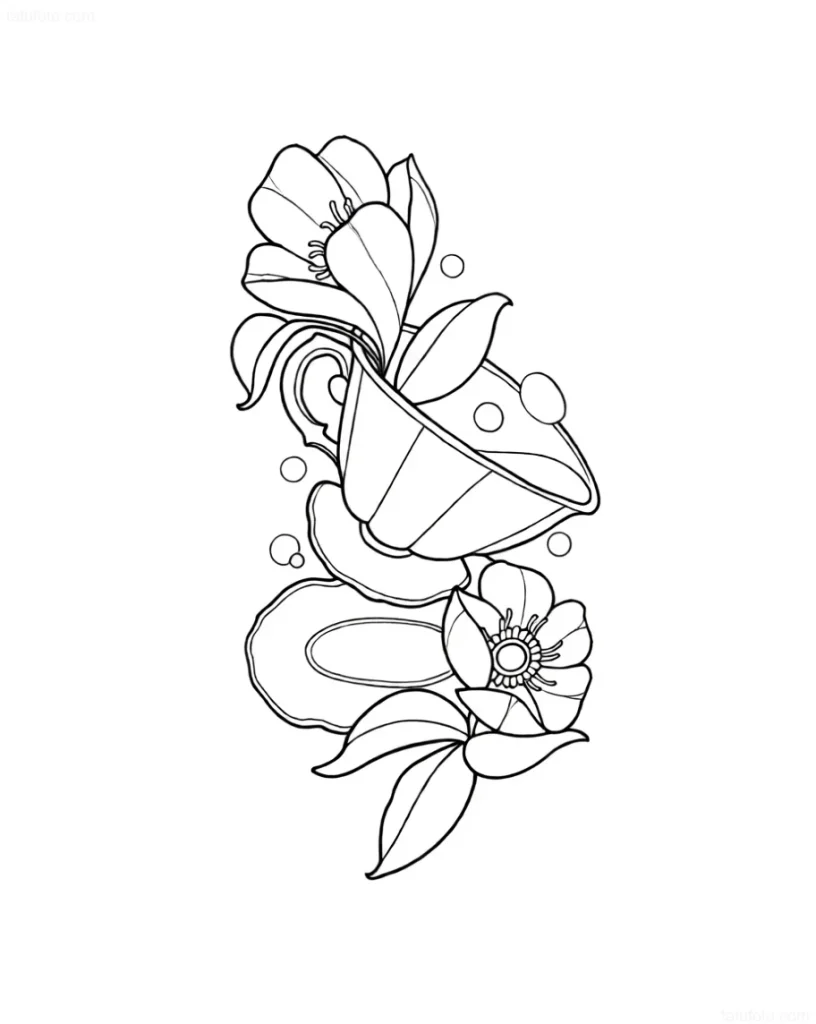
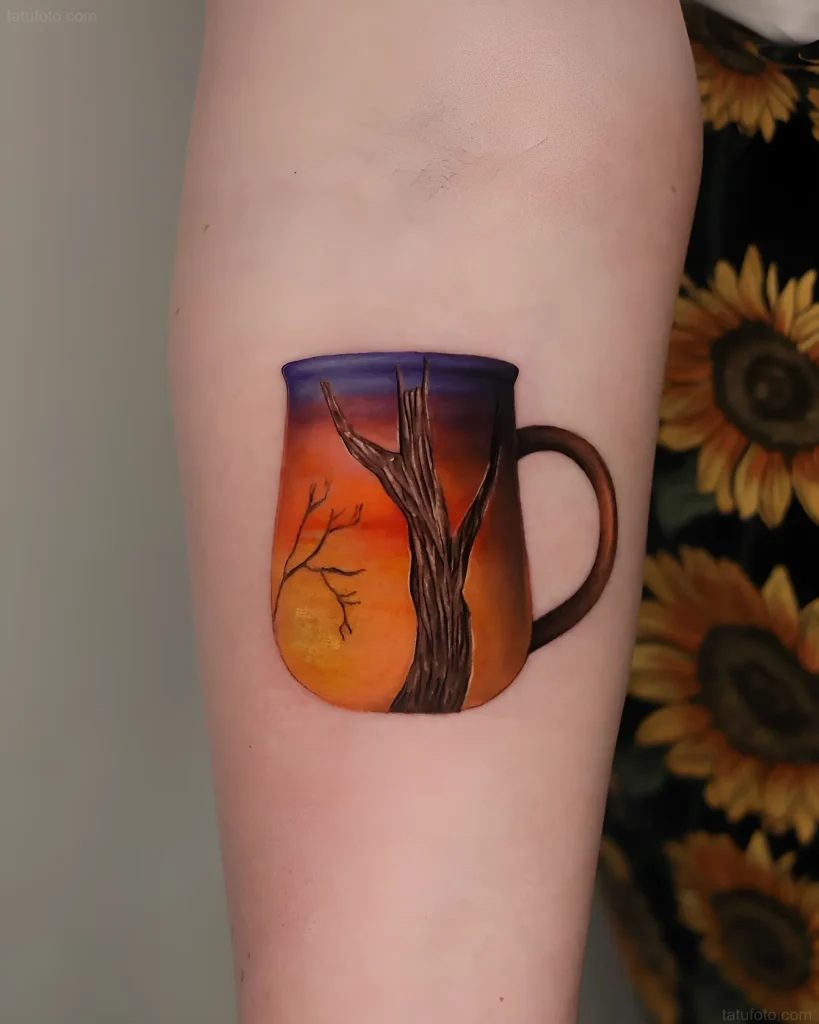
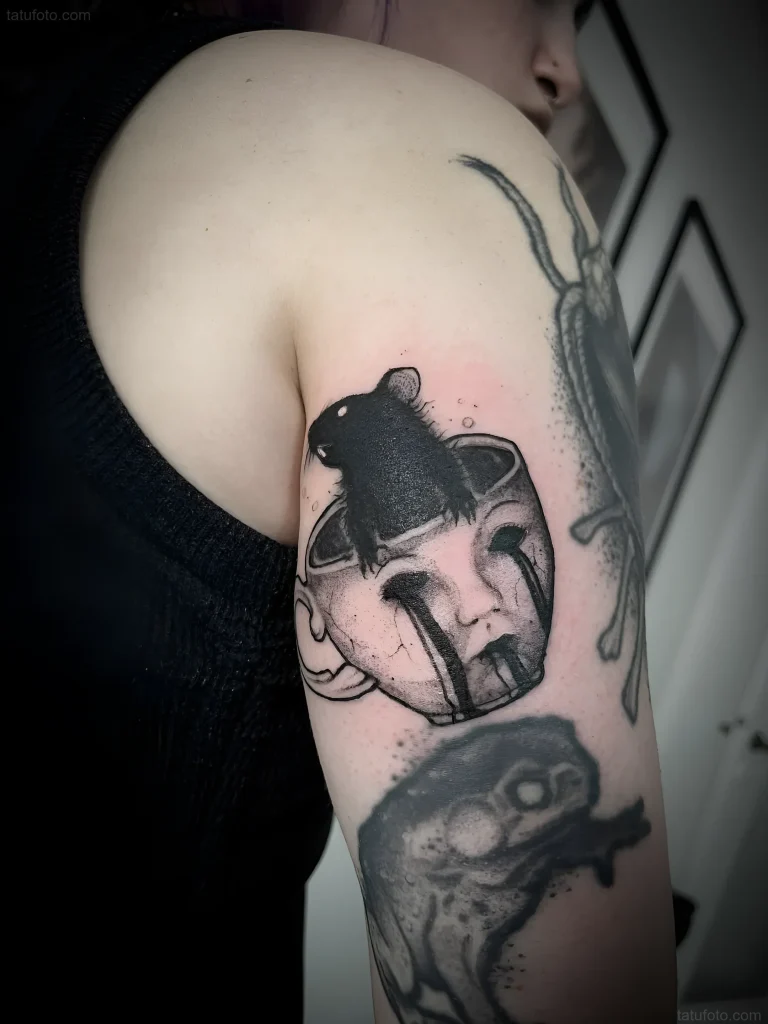
Yes, this is a very popular technique in Neo-Traditional. A cup from which snakes, skulls, or fire “flow out” creates a powerful contrast. For example, a cup from which a tree grows symbolizes life nourished by ritual and stability. Such a contrast emphasizes the duality of symbolism: coziness and danger, life and death.
How to depict “movement” or “warmth” in a cup tattoo?
Warmth and movement are best conveyed through the depiction of steam or waves on the liquid. Steam, rendered in dotwork or with light, blurred lines (Watercolor), instantly creates a sense of warmth and coziness. Dynamics are also added by depicting spilling liquid or the effect of movement created by the artist.
Interesting Facts About Cup Tattoos
The symbol of the cup has several unique cultural and modern connotations that can inspire you to create an original sketch:
Cup and Tarot: In Tarot decks, the suit of Cups symbolizes the element of Water, emotions, intuition, love, and relationships. A cup tattoo stylized as a Tarot card can become a powerful amulet aimed at developing emotional intelligence and harmony in personal life.
“Cup of Suffering” and Strength: In prison culture and old European traditions, a cup could symbolize a trial. A tattoo depicting a cup that a person has “drunk” is a sign of overcoming difficulties and gaining inner strength. It’s not so much about sadness as about resilience.
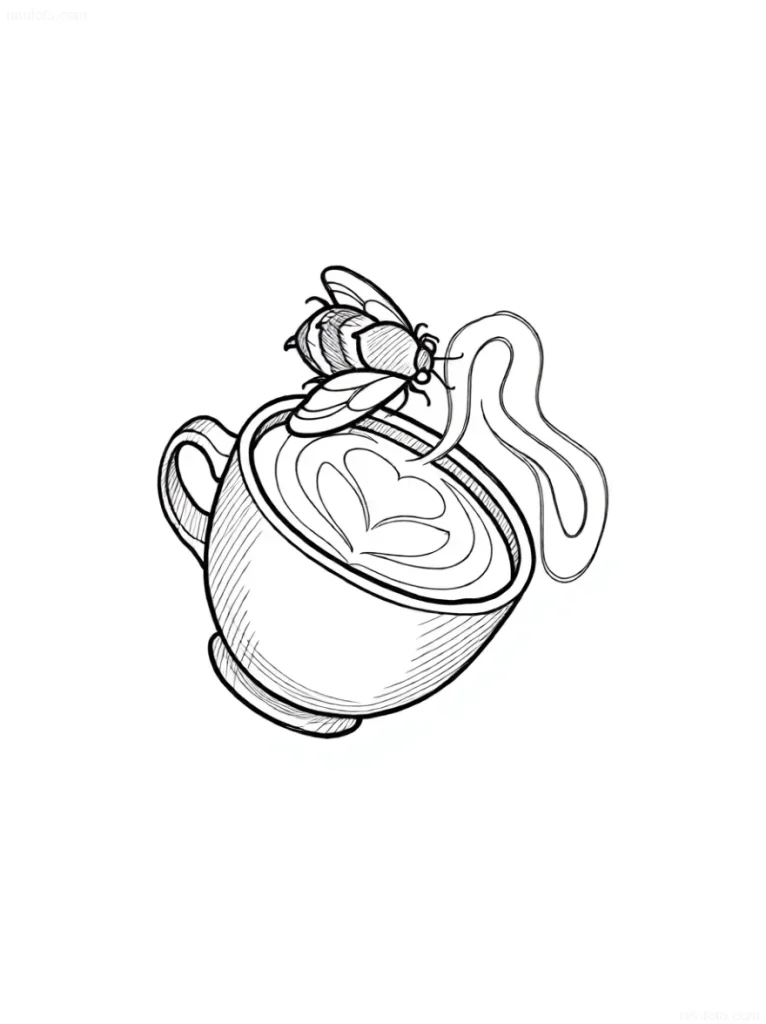
Symbol of the Barista and Coffee Culture: In recent decades, a cup tattoo, especially stylized as latte art (drawing on the foam), has become a kind of professional mark for baristas, coffee shop owners, and connoisseurs of modern coffee culture. It is a symbol of mastery, love for one’s craft, and respect for the ritual of preparing the drink.
Cup-House: In some modern interpretations, a cup can be depicted as a small house or sanctuary. In this case, it symbolizes a microcosm, personal space, and refuge from the outside world, emphasizing the importance of mental health and personal comfort.
A cup tattoo is not just a drawing. It is a deeply personal, multi-layered symbol that can tell about your commitment to ritual, the search for truth, or simply about your love for the small but important moments in life. By choosing this motif, you choose a symbol of warmth, stability, and the eternal pursuit of filling your life with meaning.