
Choosing a tattoo is always a search for balance between aesthetics and deep inner meaning. In the world of body art, there are many symbols that are understood without words, and one of the most striking examples of this category is the image of sports equipment. In this article, we will delve into the meaning of a dumbbell tattoo, which has long gone beyond a simple love for physical exertion. For many, this design becomes a manifesto of personal strength, endurance, and the continuous process of self-improvement, turning into a real talisman for those who are accustomed to “forging” themselves.
The Meaning of a Dumbbell Tattoo: A Symbol of Strength, Discipline, and Self-Improvement

When we talk about the meaning of a dumbbell tattoo, physical power comes to mind first. However, for a connoisseur of tattoo culture, this symbol is much more multifaceted. The dumbbell represents not just muscle mass, but primarily a person’s inner core. It’s a sign that the tattoo’s wearer knows how to set goals and achieve them systematically, without backing down from difficulties. In tattoo psychology, this image is often chosen by people who have undergone a serious transformation – not only external but also spiritual.
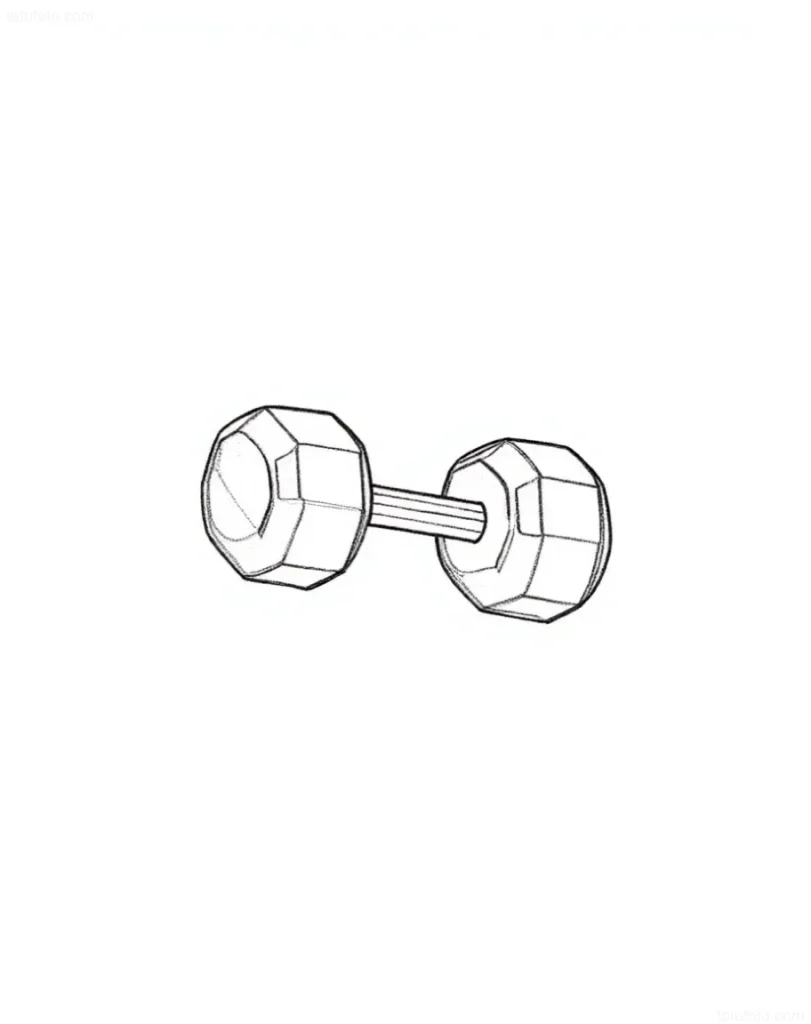
The main aspects of dumbbell symbolism include:
- Discipline and Routine: A dumbbell is a tool that requires regular use. A tattoo of it emphasizes that you are a person of your word and deed, respecting order and stability.
- Overcoming Pain: Any progress in sports involves stepping out of your comfort zone. A dumbbell on the skin speaks of the readiness to endure temporary discomfort for a great goal.
- Self-Sufficiency: Unlike team sports, weight training is often a solitary path. It’s a symbol of an individualist who is solely responsible for their results.
- Balance: Dumbbells are often depicted in pairs or have a symmetrical shape, symbolizing harmony between physical and mental health.
For many men, the meaning of a dumbbell tattoo lies in demonstrating masculinity and readiness to defend their interests. For women, such a design often becomes a symbol of a “steel” character, independence, and a love for a healthy lifestyle. It’s not just a picture, but a reminder that every day is an opportunity to become better than yesterday.
The History of the Dumbbell: From Antiquity to Modern Fitness Clubs

To fully understand the meaning of a dumbbell tattoo, it’s worth looking into the history of this object. Dumbbells didn’t appear out of nowhere in modern gyms; their ancestors were used in Ancient Greece. Devices called “halteres” were stone or metal weights with finger holes. Ancient athletes used them not only for strength exercises but also to increase the distance of long jumps, believing that the extra weight helped them “push off” from space.

In the Middle Ages and the Renaissance, interest in athleticism somewhat waned, but it revived with renewed vigor in the 19th century with the emergence of circus strongmen. It was then that dumbbells acquired their familiar form – two balls connected by a bar. In tattoo culture of that time, images of kettlebells and dumbbells were popular among sailors and circus performers as a symbol of professional affiliation and incredible strength.
With the development of bodybuilding in the mid-20th century, thanks to figures like Joe Weider and Arnold Schwarzenegger, the dumbbell became an iconic item. Today, a dumbbell tattoo is a tribute to the “golden era” of fitness and an acknowledgment that physical culture is an integral part of modern civilization. The historical context adds weight to the tattoo: you wear not just a piece of iron, but a legacy of millennia of human striving for physical perfection.
Key Meanings of a Dumbbell Tattoo: What Does It Say About You?

When choosing the meaning of a dumbbell tattoo, it’s important to understand what message you want to convey to others. Depending on the details of the composition, the meaning can change. Let’s look at the most popular interpretations:
- “Iron Will”: A dumbbell depicted alone, without unnecessary details, emphasizes strength of character. This is the choice of those who believe that life is a constant workout.
- Transformation: Often, a dumbbell is depicted next to a butterfly or a blooming flower. This is a deep symbol that through hard work and “iron,” beauty and a new personality are born.
- Professionalism: For trainers and professional athletes, such a tattoo is a kind of “master’s seal.” It signifies that sport is not a hobby for them, but a calling and a life purpose.
- Victory Over Oneself: If a dumbbell is depicted as broken or bent (which is impossible in reality), it emphasizes the owner’s extreme, almost mythical strength, capable of crushing even metal.
Interestingly, the meaning of a dumbbell tattoo can also be ironic. A small, minimalist dumbbell on the wrist can indicate a good sense of humor and a lighthearted attitude towards fitness fanaticism, while still remaining a stylish accessory.
Dumbbell Tattoo Styles: From Minimalism to Realism

The visual embodiment of an idea plays a key role. The meaning of a dumbbell tattoo can be enhanced or softened by the chosen style. Here’s how the most successful options look:
1. Realism
This is the choice for those who want to convey the power of metal. The artist meticulously draws highlights on the chrome surface, the texture of the knurling on the bar, and even drops of sweat or rust. Such a tattoo looks voluminous and impressive, emphasizing the seriousness of the owner’s intentions.
2. Old School
A classic of tattooing. Dumbbells in this style are often complemented by ribbons with motivational inscriptions (e.g., “No Pain No Gain” or “Strong Mind”), roses, or skulls. Bright colors and bold outlines make the image noticeable and canonical.
3. Minimalism and Geometry
Thin lines, schematic depiction. Ideal for a first tattoo or for those who prefer a hidden meaning. A dumbbell can consist of just a few geometric shapes, but still retain its recognizability and symbolism.
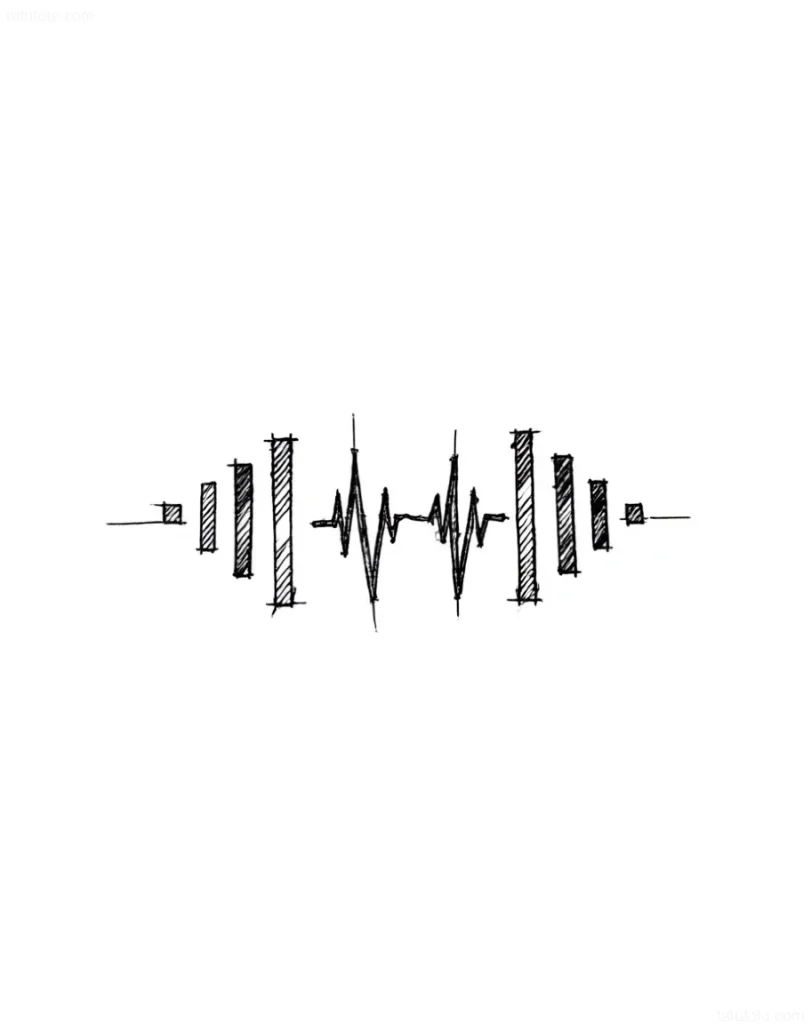
4. Graphics and Dotwork
The use of dots and shading creates an engraving effect. Such tattoos look stylish and modern, often resembling illustrations from old anatomical atlases or early 20th-century physical education textbooks.
5. Trash Polka
For those who want to add dynamics and aggression. The combination of a realistic dumbbell image with chaotic strokes of black and red paint symbolizes struggle, protest, and untamed energy.
Best Places for a Dumbbell Tattoo: Where to Place Your Symbol of Strength

The placement of the tattoo is no less important than its design. The meaning of a dumbbell tattoo often resonates with human anatomy. Let’s consider the most suitable areas:
- Biceps: The most logical and popular location. A tattoo here emphasizes the muscles and highlights the direct connection between the design and physical form.
- Forearm: An excellent place for those who want to see their motivational symbol constantly. A dumbbell on the forearm is always visible to the wearer during training.
- Chest: Larger compositions are often placed here. A dumbbell near the heart symbolizes a sincere love for sports and loyalty to one’s principles.
- Calf: A popular choice among runners and those who pay a lot of attention to leg training. This emphasizes a person’s “fundamental” strength.
- Wrist or Ankle: Suitable for miniature tattoos. It’s a subtle reminder of one’s goals that can easily be hidden under clothing or watches.
- Back (Shoulder Blade): The large area allows for a detailed narrative, such as a dumbbell in the hands of Atlas or surrounded by mythological symbols.
When choosing a location, consider your pain threshold and how often you plan to show off the tattoo to others. Remember that the meaning of a dumbbell tattoo is primarily your personal manifesto.
Tips for Choosing a Design and Artist for a Dumbbell Tattoo

To ensure your tattoo brings you joy for years to come and the meaning of a dumbbell tattoo remains relevant, follow these recommendations:
- Individuality: Don’t blindly copy designs from the internet. Ask the artist to add a unique detail: your favorite quote, the date of an important sports achievement, or a specific weight that became significant for you.
- Proportions: A dumbbell is a geometrically correct object. The slightest curvature of the lines will be noticeable. Choose an artist who is confident in working with geometry and straight lines.
- Anatomy: If you plan to continue exercising and building muscle mass, discuss this with the artist. The design should be placed so that it doesn’t deform too much with muscle hypertrophy.
- Contrast: Since dumbbells are usually depicted in dark tones (metal, steel), it’s important to ensure sufficient contrast with skin color so that the tattoo doesn’t turn into a shapeless dark spot after a few years.
Be sure to look at the artist’s portfolio for works in your chosen style. If you want realism, the artist should have examples of rendering metal textures. If you want minimalism, then perfectly straight thin lines.
Frequently Asked Questions About Dumbbell Tattoos

In this section, we’ve gathered answers to the most popular questions that arise for those who decide to get a dumbbell tattoo on their body.
Do I have to be a professional athlete to get a dumbbell tattoo?
Absolutely not. A tattoo is a symbol of your personal values. If the ideas of discipline, strength of spirit, and self-improvement resonate with you, a dumbbell will be appropriate, even if you only go to the gym a couple of times a week or practice yoga.
What does a dumbbell with wings mean?
This combination symbolizes “lightness of strength” or transcendence over physical limitations. It can also mean that sports give a person a sense of freedom and flight.

Does the tattoo affect the training process?
Only during the healing period. You will have to refrain from intense workouts for 10-14 days so that sweat and friction from clothing do not damage the design. After complete healing, the tattoo does not interfere with training in any way.
Can an old tattoo be covered with a dumbbell image?
Yes, especially if you use the realism or old school style. The dense black fill of the dumbbell plates is excellent for hiding old, faded designs.
Interesting Facts About Dumbbells and Their Symbolism

Concluding our overview of the meaning of a dumbbell tattoo, here are a few curious facts that will help you delve deeper into this symbol:
- Etymology: The word “dumbbell” comes to us from German (Hantel), where it is formed from the word Hand. Literally, it means “hand tool.”
- The Heaviest Dumbbell: In some gyms around the world, there are dumbbells weighing over 150 kg. An image of such a “monstrous” dumbbell in a tattoo can symbolize an unattainable ideal or an extreme goal.
- Dumbbells in Art: In antiquity, sculptors often depicted athletes with halteres to emphasize their status and physical superiority. A tattoo continues this tradition in a modern way.
- Symbol of Longevity: In some Eastern practices, exercises with light weights are associated with maintaining vigor into old age. Thus, a dumbbell can also be a symbol of a long, active life.
A dumbbell tattoo is a powerful visual tool that helps convey your life position to the world. Whether it’s a massive realistic piece or a modest graphic symbol, the meaning of a dumbbell tattoo will always remind you that the most important victory is the victory over your own laziness and weakness. Wear your “iron” mark with pride!