
A tattoo of a tattoo machine is not just a tribute to the tool; it’s a powerful symbol that carries deep meaning for both professional artists and devoted fans of body art. In the world of modern tattooing, this image has become a kind of “quality mark,” indicating an inseparable connection between a person and the art of body transformation. By choosing such a design, you declare your belonging to an ancient yet eternally young culture where metal, electricity, and ink merge to create timeless images on the skin.
For many, a tattoo machine on the body is a symbol of professional self-determination, but its meaning is much broader than just indicating a profession. It is an emblem of passion, dedication, and the willingness to devote one’s life to creation. In this article, we will delve into what exactly lies behind this mechanical image, how it has evolved, and why it remains one of the most sought-after subjects in the industry.
Tattoo Machine Tattoo: Meaning and Symbolism in Modern Art

In the modern context, the meaning of a tattoo machine design is multifaceted. First and foremost, it is a symbol of dedication to the craft. For a tattoo artist, such a tattoo is a kind of vow, a confirmation that they have found their true calling. However, one should not think that only those who hold a machine in their hands every day get such a design. For tattoo enthusiasts, this image symbolizes deep respect for the process and recognition that tattoos have become an integral part of their identity.
The main symbolic meanings include:
- Creative Energy: The machine is a conduit between the artist’s imagination and reality. It symbolizes the ability to bring ideas into material form.
- Transformation: The process of tattooing is always a change, a transition from one state to another. The machine acts as an alchemical tool here.
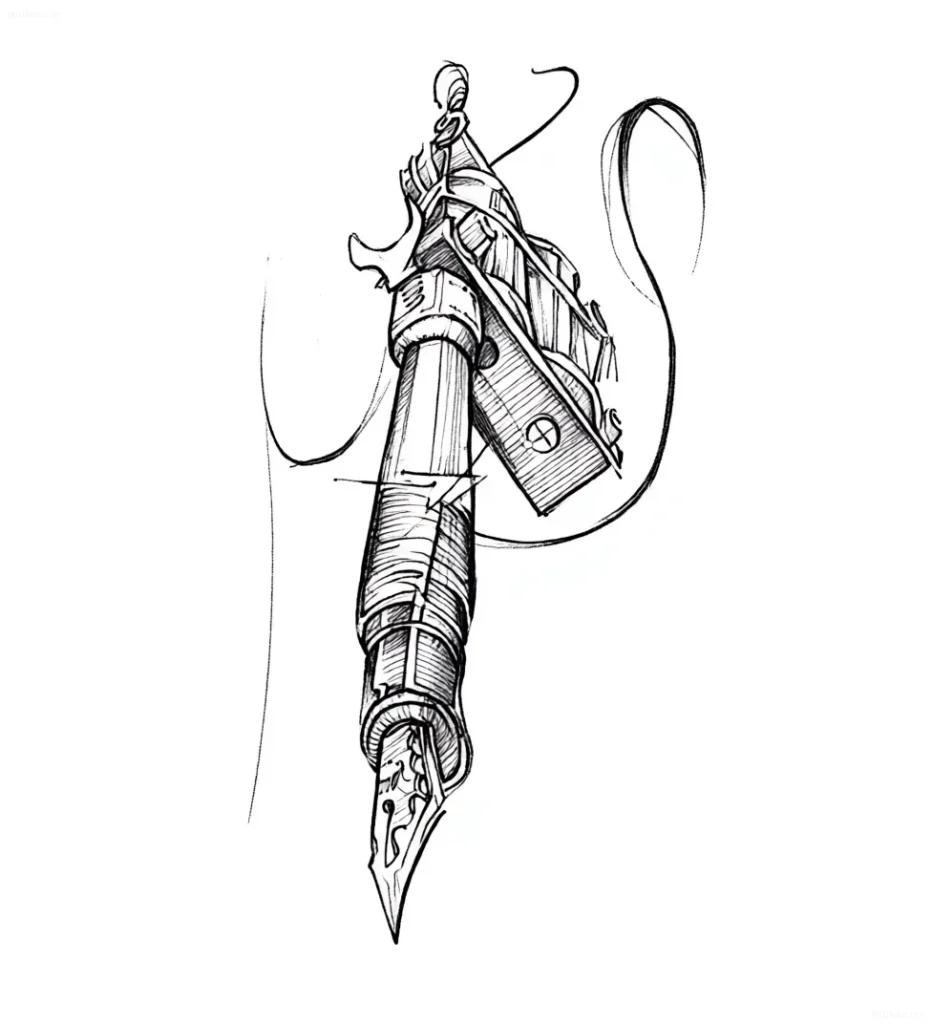
- Control and Precision: Working with this tool requires incredible concentration and a steady hand, so a tattoo can signify a pursuit of perfection in details.
- Connection of Times: The image of a classic coil machine often refers to the “golden age” of tattooing, symbolizing respect for roots and traditions.
Interestingly, the meaning can change depending on how the tool is depicted. If the machine is shown in action, with splashes of ink flying, it emphasizes the dynamism and energy of creativity. If it is presented statically, like a museum exhibit, the focus shifts to the aesthetic value of the mechanism itself.
History of the Tattoo Machine: From Primitive Tools to Modern Technology

To understand the deep meaning of a tattoo with this tool, one must look into its history. After all, the tattoo machine is the pinnacle of engineering thought, having evolved from simple needles to complex electromagnetic devices. The symbolism of the tattoo often relies precisely on this historical context.
It all began in 1891 when Samuel O’Reilly patented the first electric tattoo machine. He based it on Thomas Edison’s “electric pen,” a device for copying documents. Adapting this invention for tattoo artists was a revolution. Since then, the machine has become a symbol of progress and technical breakthrough in art.
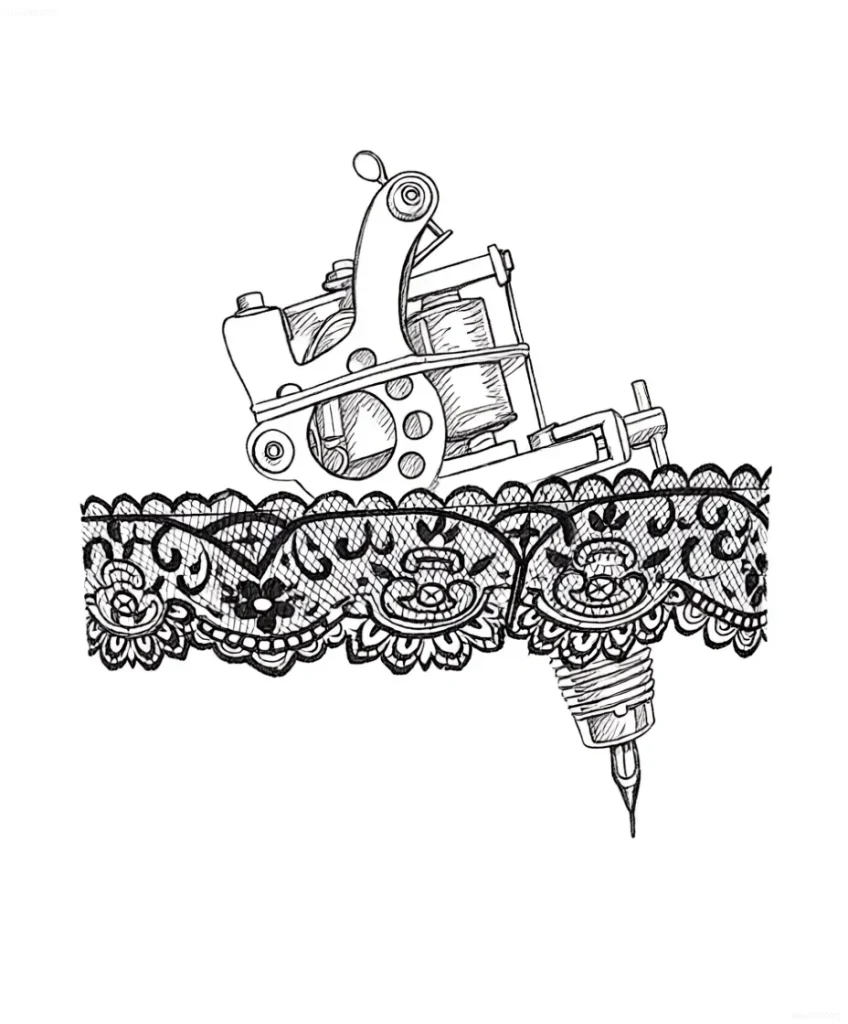
In the history of this tool’s development, several key stages can be identified, each leaving its mark on the meaning of the tattoo:
- The O’Reilly Era: A symbol of the birth of the professional industry.
- Classic Induction: Developed later, it became a style icon. These coil machines are most often the subject of old school or realism sketches.
- The Era of Rotary Machines: A symbol of modernity, minimalism, and technology.
When you choose a sketch with a classic coil machine, you convey a love for history, for that very “buzz” that has accompanied the development of tattoo culture for a hundred years. It’s a choice of conservatives in the best sense of the word, people who value authenticity.
Deep Meanings of a Tattoo Machine Tattoo: Passion, Craft, and Self-Expression

If you dig deeper, a tattoo with a machine is a metaphor for continuous movement. The operation of an induction mechanism is based on vibration and rhythm. For many, this is associated with a heartbeat. It’s no wonder that you can often find sketches where the wires from the machine are intertwined with an anatomical heart or veins. This is a direct indication that a tattoo is life, it’s what makes the heart beat faster.
Let’s examine the psychological aspects of this symbol in more detail:
- Overcoming Pain: The machine is the source of pain that ultimately brings beauty. Such a tattoo can mean that a person has gone through difficulties and emerged renewed, adorned by experience.
- Professional Pride: Among artists, there is an unwritten rule: a tattoo with the tool is a mark of distinction. It’s like a coat of arms for a knight.
- Fatalism: Some imbue this image with the meaning of “destiny inscribed by a needle.” What is applied by the machine remains forever, symbolizing the irreversibility of important life decisions.
For a creative person, the machine is an extension of their hand. Therefore, in sketches, you can often see the tool literally growing into the skin or bones. This direction in tattooing is called biomechanics, and it perfectly reveals the essence of the fusion of a person and their craft.
Tattoo Machine Tattoo Styles: How to Choose the Perfect Execution for Your Idea

The choice of style is critically important, as it sets the tone for the entire meaning of the tattoo. The same object can look like a harsh technical drawing or a bright, almost cartoonish picture.
| Style | Features of the Image | Symbolic Undertone |
|---|---|---|
| Realism | Maximum detail: screws, coils, metal texture. | Honesty, attention to detail, reverence for technical perfection. |
| Old School | Thick outlines, limited palette (red, yellow, black). | Loyalty to traditions, tribute to the pioneers of tattooing. |
| New School | Bright colors, distorted proportions, graffiti elements. | Humor, creativity, a modern take on the classic. |
| Graphic / Sketch | Linearity, hatching, sketch effect on paper. | The creation process, dynamism, lightness of idea. |
| Biomechanical | Integration of machine parts into human anatomy. | Inseparable connection of the artist with the tool, cyberpunk. |
If you want to emphasize the seriousness of your intentions and professionalism, it’s best to choose black and grey realism. If, however, a tattoo is a joy and a lifestyle for you, then new school with its juicy colors and ink splatters will be an excellent choice. Sketches in the steampunk style look very impressive, where the tattoo machine is complemented by gears, steam pipes, and copper elements, transforming into a fantastic device from another reality.
Best Places for a Tattoo Machine Tattoo: Where to Place the Symbol of Creativity

The choice of location for such a tattoo is often dictated by its shape. A tattoo machine has an elongated, complex geometry, which makes certain parts of the body more preferable.
- Forearm: The most popular location. The machine is always visible here; it’s as if it continues the owner’s arm. For an artist, this is the ideal location – when they are working, their “tattooed” machine is next to the real one.
- Shoulder: Allows for a large, detailed work in realism. There is plenty of space here for additional elements: flowers, skulls, or inscriptions.

- Calves: An excellent place for vertically oriented sketches. Often, paired tattoos are placed here (e.g., a coil machine on one leg and a rotary on the other).
- Hand: A bold choice, often called a “job stopper.” A tattoo on the hand declares complete devotion to the culture, as it cannot be hidden.
- Chest: Here, the machine is often placed closer to the heart, emphasizing an emotional attachment to art.
When choosing a location, consider how the tattoo will deform with muscle movement. A machine is a rigid and mechanical object, so it’s important that it doesn’t “break” or distort when the arm or leg bends. An experienced artist will always help you correctly “fit” the sketch into your body’s anatomy.
Tips for Choosing a Sketch and Artist for a Tattoo Machine Tattoo

Since a tattoo machine is a technically complex object, the choice of sketch should be approached with particular care. Errors in proportions or the placement of details (e.g., incorrectly drawn coils or contact screw) will be immediately noticeable to anyone who understands the subject even a little.
Here are some practical tips:
- Study the Subject Matter: Even if you’re not an artist, look at photos of real machines. Understand how the spring is tensioned, where the wires go. This will help you distinguish a good sketch from an amateur one.
- Detailing: If you choose realism, look for an artist who specializes in micro-realism or “black and grey” technique. Metallic textures require a high level of skill in rendering highlights and shadows.
- Individuality: Don’t copy other people’s work from the internet. Ask the artist to add something personal to the sketch: your favorite colors, your initials on the machine’s frame, or elements of your favorite tattoo style.
- Size Matters: Don’t try to cram a detailed coil machine into 5 centimeters. Over time, small details will blur, and you’ll get an indistinct spot. Good detail requires scale.
Remember that a tattoo machine tattoo is a kind of test for the artist. If an artist undertakes to draw their main tool, they must do it flawlessly.
Frequently Asked Questions About Tattoo Machine Tattoos

Can I get a tattoo with a machine if I’m not a tattoo artist?
Absolutely. It’s a common myth that such tattoos are only for professionals. If you love tattoo culture, if it has changed your life, or if you simply admire the aesthetics of mechanisms, this design is for you. It’s a symbol of your passion for art.
What does it mean if the machine is depicted with a skull?
This is a classic motif, referring to the theme of “Memento Mori” (remember death). In the context of tattooing, it means that art is eternal, and life is short. It can also symbolize that a person will pursue their craft until the very end.
Which machine looks better in a tattoo: coil or rotary?
From an aesthetic point of view, coil machines are considered more photogenic. They have more open parts, screws, and wires, which gives the artist room for creativity. Rotary machines often look like concise “pens,” which is more suitable for minimalism.
Does it hurt to get a tattoo on the forearm, where the machine is most often drawn?
The forearm is considered one of the most painless areas. It’s an excellent choice for a first tattoo or for a large-scale project with high detail.
Interesting Facts About Tattoo Machines and Their Meaning in Culture

Did you know that the sound of a working coil machine is often compared to the buzzing of a swarm of bees? In some cultures, this is considered a meditative sound that sets you in a working mood. Here are a few more curious facts:
- The most expensive tattoo machine in the world can cost several thousand dollars if it’s a limited edition released by a renowned builder.
- Many veteran artists believe their machine has a soul. That’s why in tattoos, they are often depicted with eyes or as living beings.
- The first tattoo machines ran on bulky batteries that had to be carried around, making the tattooing process a real test of endurance.
- The image of a tattoo machine is often found in the logos of tattoo studios worldwide, serving as a universal international symbol that requires no translation.
In conclusion, a tattoo machine design is a choice for people who value depth and sincerity. It is a symbol that combines the coldness of metal and the warmth of the human soul, technical precision and the flight of fantasy. Whatever style or location you choose, such a tattoo will always remind you that art is a powerful force capable of changing the world and people. May your tattoo become not just an adornment, but a true talisman, inspiring new achievements and creative discoveries.