In the modern world of tattoo culture, body art has long ceased to be just decoration or a means of self-expression. Today, in the face of global challenges and tragic circumstances, tattoos are taking on the role of an “indelible passport,” becoming a decisive factor in personal identification. As of March 12, 2026, a specialized database of tattoo sketches from unidentified individuals has reached 225 entries. This digital catalog, created to assist families of the missing, demonstrates how the ancient art of skin pigmentation is transforming into a high-tech tool for modern forensics.
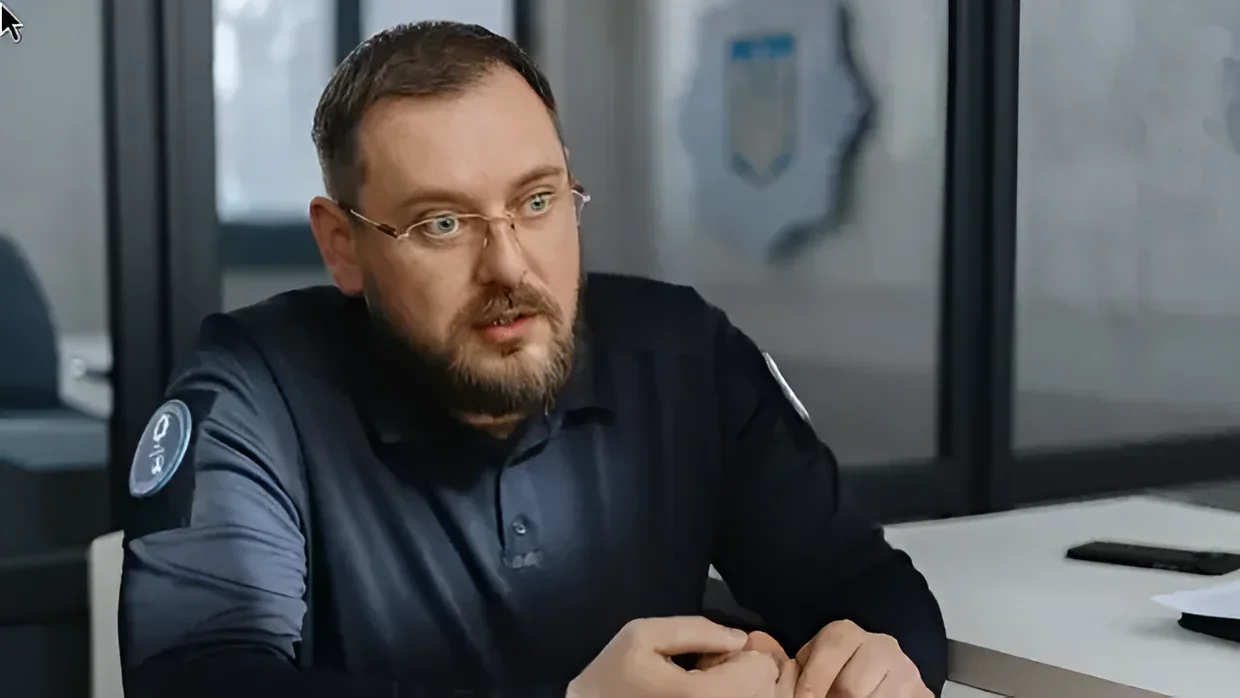
The Commissioner for Missing Persons in Special Circumstances, Artur Dobroserdov, emphasized the dynamic development of this project in his recent speech. Although the resource has been operational for less than three days, it has already proven its critical significance. The number of uploaded sketches is constantly changing: specialists add new images daily and remove those for which identities have been established. Currently, 225 unique graphical reproductions of body art are publicly available, which may be the last lead for desperate relatives.
The Technology of the Process: From Photograph to Sketch
It is important to understand that the database does not contain original photographs of bodies, which would be ethically unacceptable and psychologically difficult for loved ones, but professionally drawn sketches. The process is as follows: forensic experts and investigators photograph the tattoo during examination, trying to convey the details, scale, and placement of the pigment as accurately as possible. Then, specialists from the relevant ministry process these images, creating clear graphic copies. This approach preserves the privacy and dignity of the deceased while providing a recognizable visual image for remote identification.
Functionality and Accessibility of the Digital Resource
Access to the catalog on the “Single Window for Citizens” portal is open to everyone and does not require a complex registration procedure. This is done to maximize audience reach and simplify the search process in stressful situations. The search system within the database is meticulously designed, allowing images to be filtered by several important categories:
- Type of tattoo (text inscriptions, portraits, floral, geometric);
- Military symbolism (unit emblems, blood types, memorable service dates);
- Location on the body (forearm, back, chest, shin, and other areas);
- Keywords from the description (specific names, city names, or unique phrases).
Each sketch is assigned an individual sequential number. Artur Dobroserdov emphasized that if a relative recognizes a tattoo, they only need to note this number and report it through the feedback form. This significantly speeds up the work of investigative bodies and minimizes bureaucratic delays.
Initial Results and Expert Analysis of Effectiveness
The effectiveness of the system, launched in March 2026, has exceeded expectations: over 40 relevant inquiries have already been received in the first few days of operation. Just recently, two analytical reports were prepared for investigators. In these cases, families provided pre-mortem photographs of their loved ones, on which the tattoos were clearly visible. Comparing these photos with the sketches from the database and the examination materials of the bodies yielded positive results, allowing the official identification process to begin without lengthy DNA testing.
| System Indicator | Value (as of 12.03.2026) |
|---|---|
| Total number of sketches in the database | 225 units |
| Online platform operational period | Less than 72 hours |
| Number of processed inquiries | Over 40 |
| Access status for citizens | Open, no registration required |
Tattoo as a Biographical Marker in Culture
In the context of tattoo culture, this project highlights the deep connection between an individual and their body art. Experts note that tattoos often represent a person’s encrypted biography. Military tattoos indicate the branch of service and period of service, religious symbols reflect a value system, and matching tattoos or children’s names signify strong social bonds. In a forensic context, a tattoo is a “special characteristic” that is almost impossible to remove without serious surgical intervention, making it more reliable than many paper documents that can be lost or destroyed.
Dobroserdov specifically noted that all privacy-related risks were considered during the service’s development. The portal’s operation fully complies with the “On Personal Data Protection” law. The department’s future plans include expanding the functionality of the “Single Window.” Sections with detailed descriptions of personal belongings are planned to be added, which can also assist in finding and identifying people in conflict zones or during emergencies.
For the tattoo community, such initiatives are further confirmation that tattoos have long transcended subcultural phenomena. They are a powerful layer of information that, in critical situations, becomes the sole link between a person’s past and their family, ensuring the right to a name and a dignified end to life’s journey, even in the most difficult times.