The art of tattooing has rapidly emerged from the underground in recent years, transforming into a legal and safe business. However, a tragic incident in Molodechno brings us back to a harsh reality: neglecting sanitary norms and choosing a “home-based” artist can cost a life. The story of a 21-year-old girl who wanted to adorn her body before her wedding, only to become a victim of sepsis, has shocked not only Belarus but the entire professional tattoo community. The situation was compounded by a double tragedy – unable to bear the weight of guilt, her 25-year-old fiancé, who gave her the fatal tattoo, committed suicide before the trial began.
Chronology of a Fatal Session: From Idea to Resuscitation
The events unfolded in an ordinary apartment in Molodechno, where the couple lived together. Wedding preparations are always an exciting time, and the young bride decided to mark this milestone with a new tattoo on her left forearm. The choice of artist was obvious: her future husband had been tattooing for about six years. Despite a considerable tenure by ordinary standards, the young man worked exclusively from home. He had neither specialized medical education nor certificates in hygiene and sanitation for the tattoo industry.
The session itself lasted about an hour – a standard time for a small piece on the forearm. After the procedure, the artist treated the skin with an antiseptic, applied healing ointment, and bandaged it. At first glance, everything followed the classic scenario. However, by the next day, the girl’s body began to show distress signals. Her condition worsened sharply right during her work shift. By evening, the thermometer reached a critical mark of 40 degrees Celsius. Despite clear signs of severe intoxication, the girl, hoping for the best, categorically refused to call doctors.
The Price of Delay: When Antiseptics No Longer Help
By morning, the fever had subsided slightly, creating a false illusion of improvement. But soon, the symptoms returned with doubled force: uncontrollable vomiting, confusion, and then complete loss of consciousness. Only when the situation became critical was an ambulance called. The girl was urgently hospitalized, but precious time had been lost. Less than a day later, doctors pronounced the patient dead in the intensive care unit.
The forensic medical examination put an end to the question of the cause of death: generalized sepsis. This is a condition where an infection enters the bloodstream and causes systemic inflammation, leading to multiple organ failure – the kidneys, liver, and heart shutting down. Although the tattoo wound itself was not the direct cause of death, it served as the “entry point” for aggressive microflora, which freely entered the body through the damaged epidermis.
Expert Analysis: Why “Home” Studios Are a Risk Zone
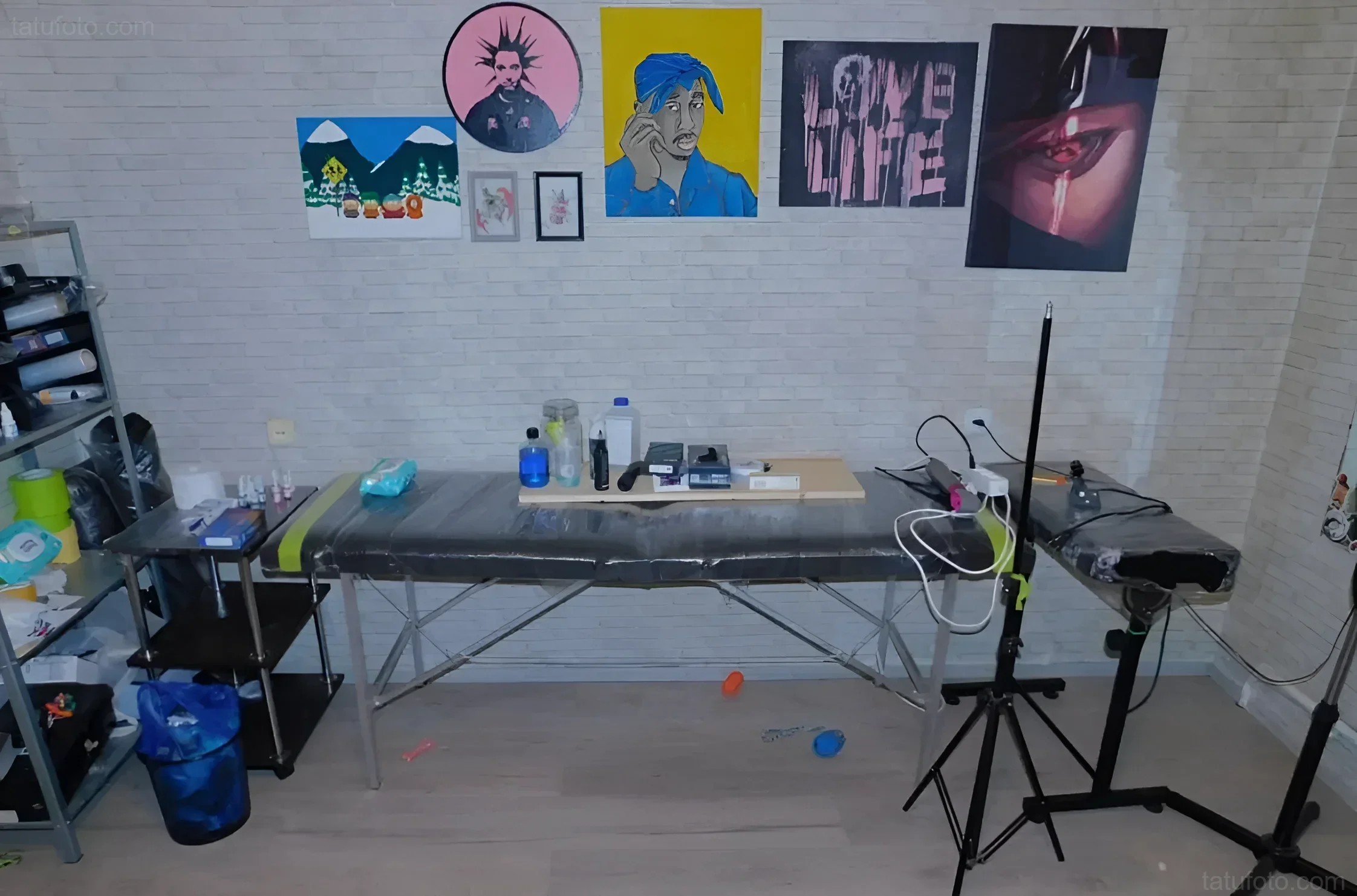
From the perspective of professional tattoo culture, this incident highlights the main problem in the industry – the existence of so-called “scratchers.” Even six years of experience does not guarantee safety if an artist does not understand the basics of microbiology. During the apartment inspection, investigators discovered egregious violations. Pets were present in the room where the procedure was performed, and furthermore, pet grooming services were also offered there. This is unacceptable for a sterile tattooing procedure.
| Risk Factor | Consequences in a Home Environment |
|---|---|
| Presence of Animals | Pet hair and skin particles are carriers of staphylococcus and other bacteria. |
| Lack of Autoclave | Household disinfectants are incapable of destroying all types of pathogens on instruments. |
| Lack of Ventilation | In living rooms, the concentration of microorganisms in the air is tens of times higher than in a procedure room. |
| False Sense of Security | Close acquaintances are more likely to neglect formalities and early symptoms of complications. |
A professional studio is not just about a beautiful interior. It is, above all, about strict requirements: the use of disposable supplies, barrier protection for equipment, and, most importantly, sterile air and surfaces. In a home environment, where a cat runs across the sofa and household dust accumulates on shelves, achieving surgical cleanliness is impossible. Any puncture of the skin with a needle in such an environment turns into a biological attack on the immune system.
Legal Consequences and a Moral Ending
The Investigative Committee qualified the young man’s actions under the article of causing death by negligence. However, justice was not served. The psychological burden of realizing that a loved one died by his hand proved unbearable. The artist committed suicide before the trial began. Due to the suspect’s death, the criminal case was closed, but this story will remain an eternal reminder for all lovers of “cheap and cheerful” tattoos.
For the tattoo community, this case is a reason to reiterate: tattooing is a minor surgical procedure. It requires not only artistic talent but also the strictest adherence to medical protocols. When choosing an artist, a client should evaluate not only their social media portfolio but also the conditions under which the artwork is created. The money and time saved by not going to a certified salon are never worth the risk to human life.