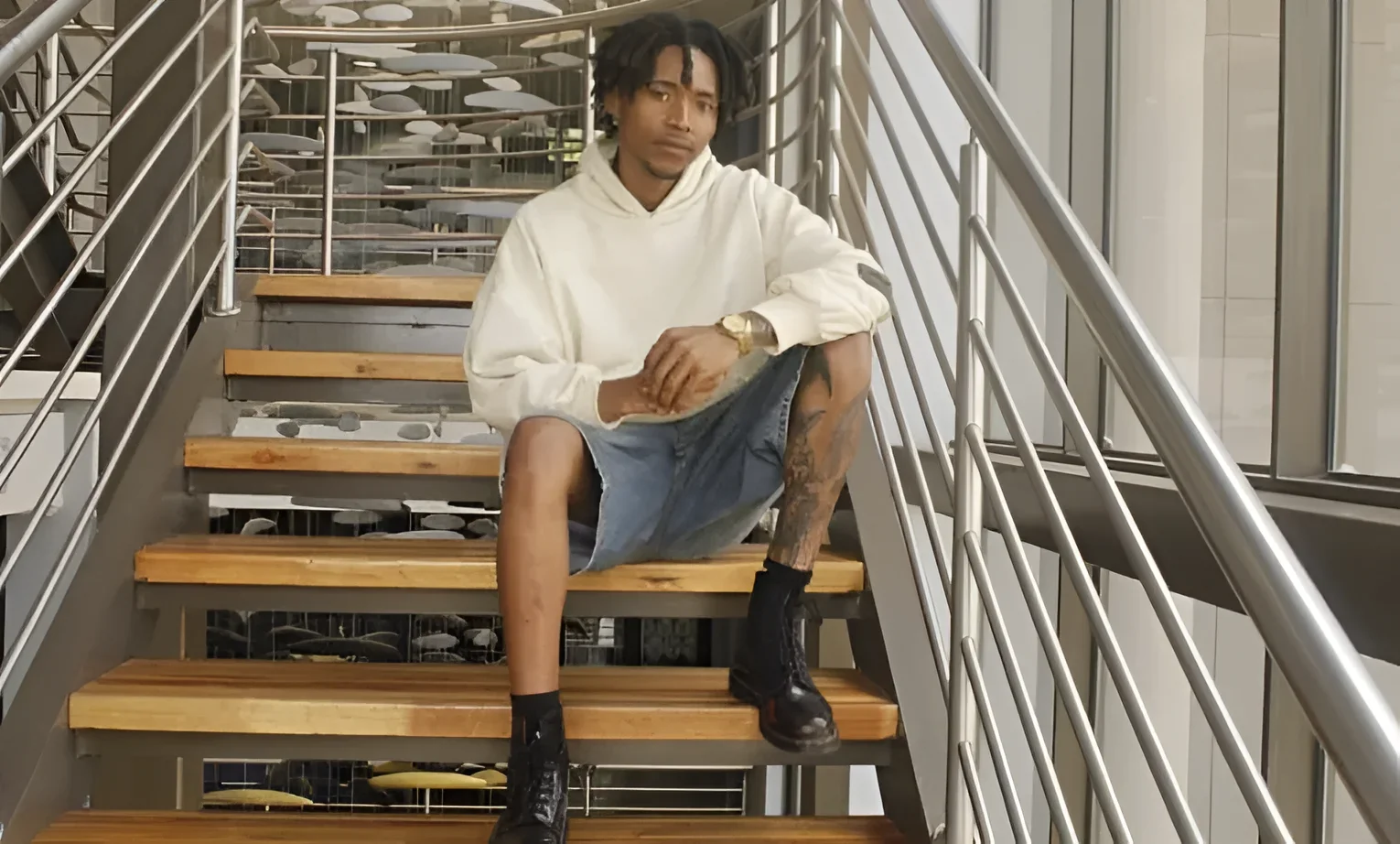
In South African Ferndale, a suburb of Randburg, the creative path rarely runs straight. Tyric Nqovela, known in the tattoo community as Ty, is proof of this. A man who once sat at the drawing board now works with a needle and brush, turning skin and canvas into his main fields for experimentation. His story is not just the biography of a master, but a vivid snapshot of how the street culture of Jowill continues to fuel the new wave of the country’s tattoo scene.
The Road Through Architecture
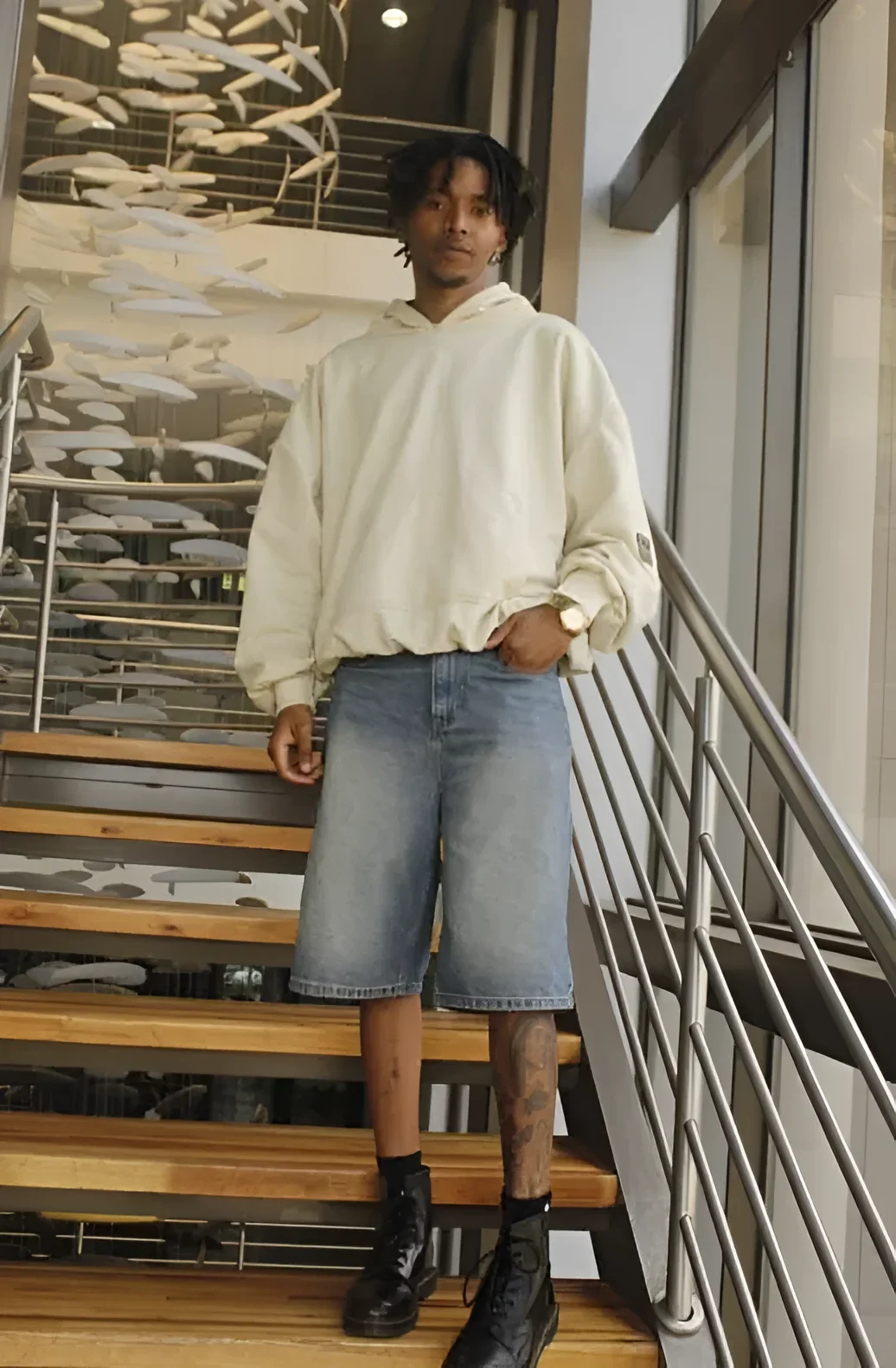
Nqovela’s love for drawing appeared early, even before he realized it could be a profession. In his own words, he grew up on the streets of Jowill and began to consciously engage in art in the ninth grade when a teacher advised him to take additional courses. After school, he chose graphic printing, and then enrolled in architecture. But visual art proved stronger than the rational plan, and he dropped out of his studies, admitting that he never aimed to become a tattoo artist – it just happened.
From the perspective of tattoo culture, such a transition does not seem accidental. Architecture and tattooing are closer than they seem: both disciplines are built on composition, scale, working with surfaces, and understanding how form lies on volume. A master who can read space transfers this habit to the skin – and this, perhaps, is the secret to the expressiveness of his lines. Abandoning a “stable” profession for the needle is a typical gesture for the street scene: art here is not a hobby, but a way to stay in dialogue with one’s surroundings.
Brother, Machine, and First Practice
The turning point came when Nqovela saw tattoos on his brother’s body. His older brother’s tattoos gradually sparked his curiosity, and eventually his parents gave him a tattoo machine. The first “canvas” was his own leg – he practiced his hand on it before taking on other people’s orders. This practice on one’s own body has long been ingrained in the tattoo community: it is how a master honestly shows that they are ready to take responsibility for every stitch, and at the same time turns their body into a living portfolio.
As soon as he picked up the needle, the connection with the craft turned out to be so strong that he never looked back. Today, Nqovela continues to hone his tattooing technique and simultaneously develops his painting: he creates and sells paintings, allowing his creativity to live beyond the studio. In his free time, he engages in photography and videography, making him a versatile, rather than narrowly specialized, artist.
Why This Matters for Tattoo Culture
Nqovela’s story reflects a general trend: tattooing is increasingly perceived not as a temporary impulse, but as a full-fledged artistic practice capable of competing with academic disciplines. For the reader following the development of tattoo culture, there are several key observations here:
- The transition from related visual professions (architecture, graphics) enriches tattoo stylistics and raises the bar for composition.
- The artist’s street background directly influences the themes and presentation of their work, maintaining a connection with the local context.
- Practicing on one’s own body remains a marker of trust and professional maturity in the community.
- The combination of tattooing, painting, and filming turns the artist into a multimedia creator, not just a service provider for a narrow niche.
For Ferndale and all of Randburg, Ty Nqovela is an example of how the local scene forms recognizable artists whose work extends beyond the studio. His journey from drawings to the needle is another reminder that in tattoo culture, what matters most is not a diploma, but the ability to listen to the material and not be afraid to change trajectory.