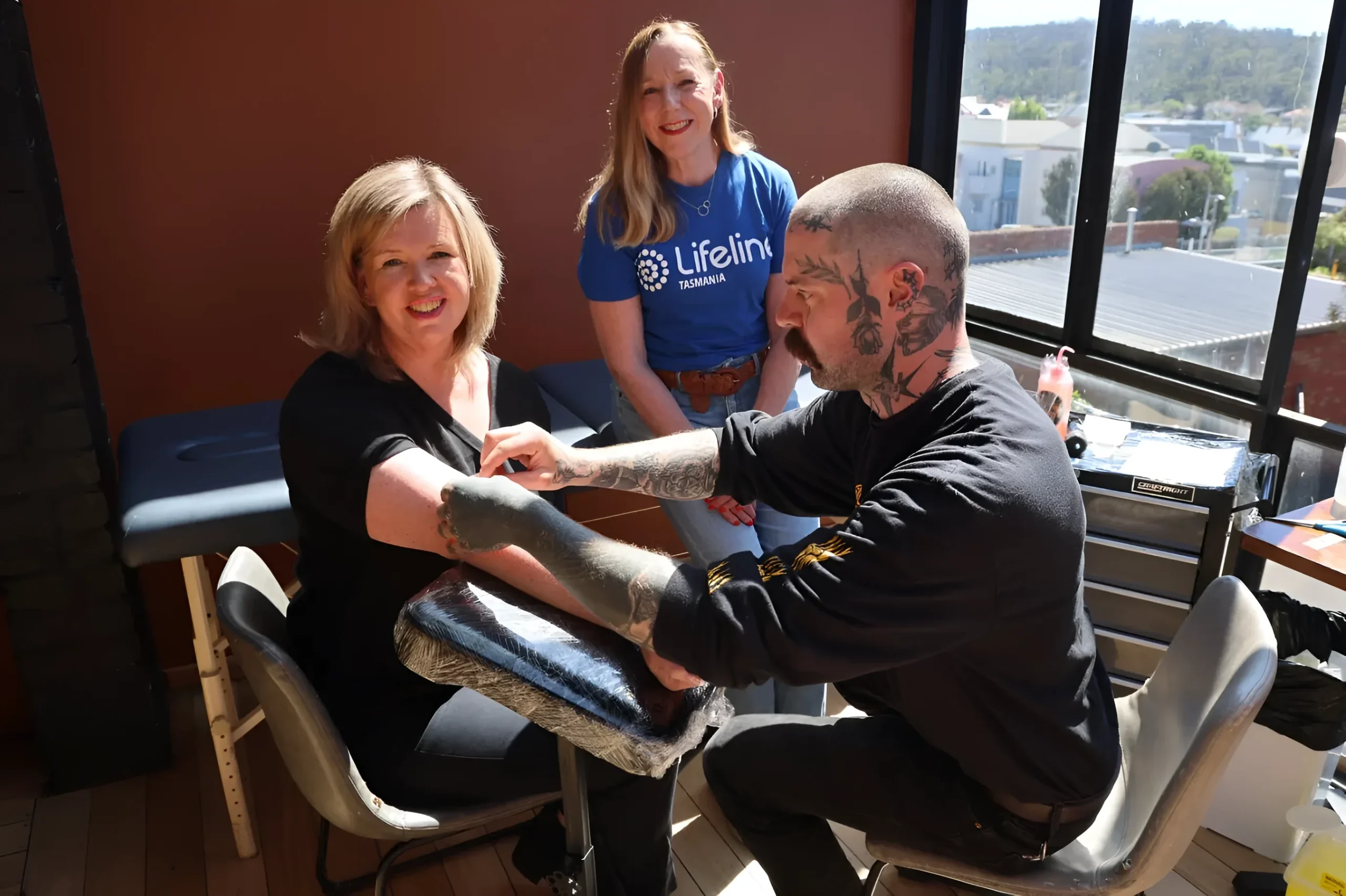
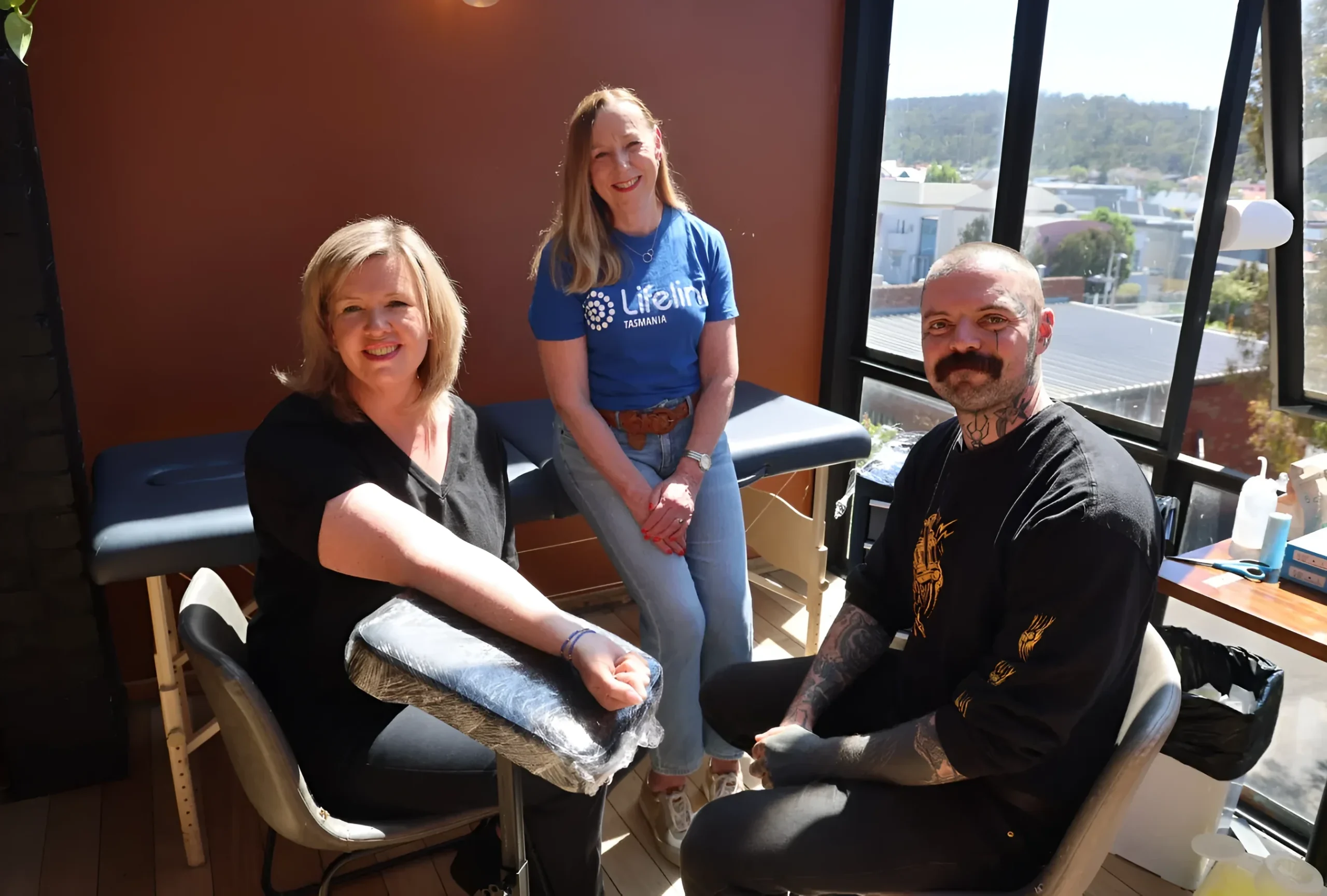
In Tasmania, the ban on mobile tattoo vans has been officially lifted. The decision updates sanitary regulations for the tattoo industry and is the result of a months-long campaign by local artists who were previously unable to travel to festivals and private events. The change was announced by the state’s Minister for Health, Bridget Archer, during a charity tattoo event in North Hobart, where she received a fresh two-star tattoo on her hand.
How the New Rules Came About
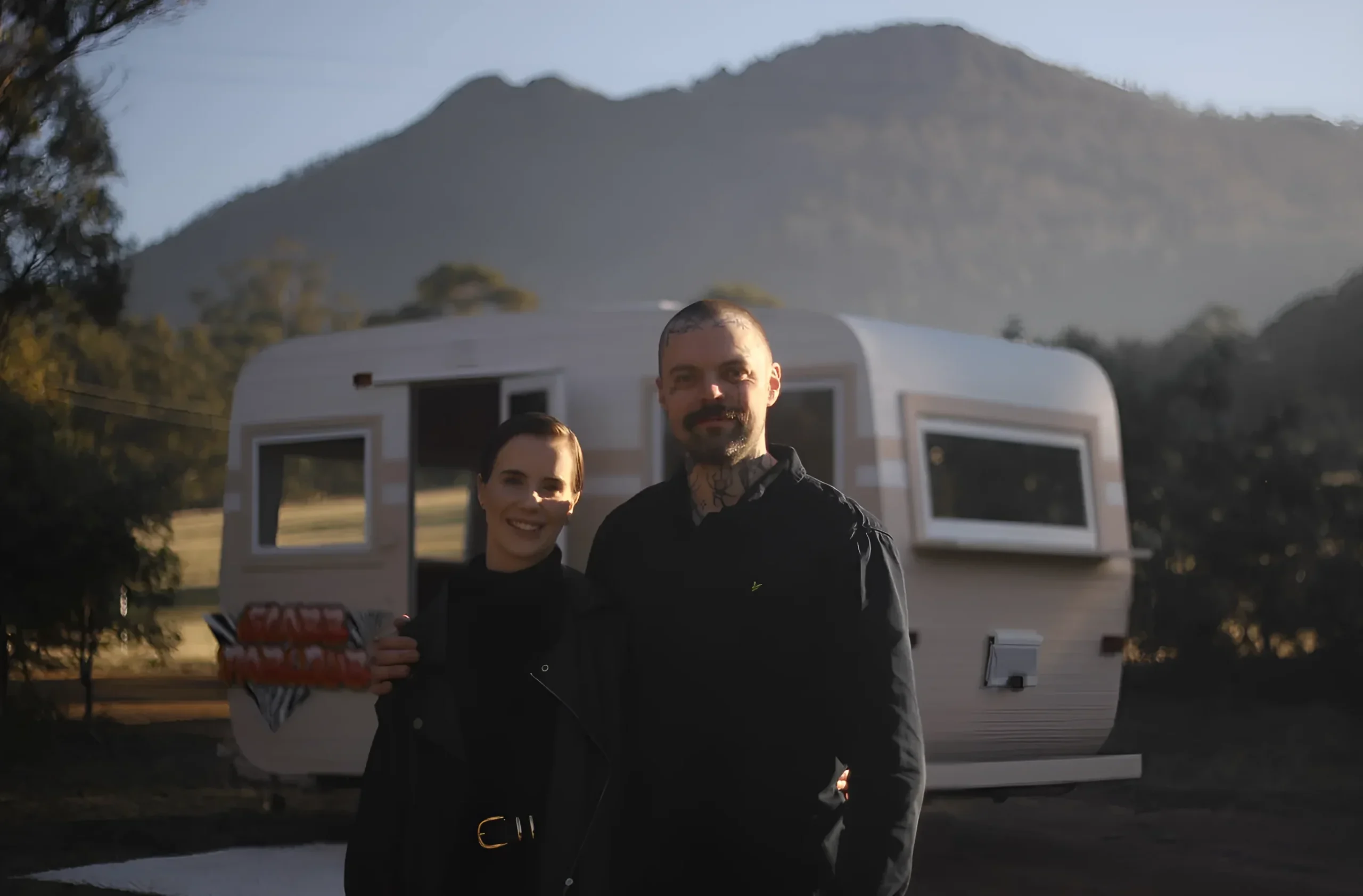
The initiative came from the grassroots. Owners of the Scarr Parlour studio, Jason Scarr and his wife Casey, collected a petition with about twelve hundred signatures and planned to submit it to parliament the following week. The catalyst for the campaign was the Dark Mofo festival, where the artists’ van was not permitted to be used – under the then-current regulations, mobile tattooing was effectively banned. According to Jason, the business lost several small orders because of this, although the artist himself emphasized that he now plans to actively take the van to events.
Minister Archer confirmed that the updated “Tattooing Guidelines” have been signed by the Director of Public Health, and publication in the official gazette is scheduled for this week. The key condition is simple: a mobile facility is permitted for work if it is registered with the local council and meets the same procedural and environmental standards as a stationary studio.
What Has Changed in the Regulations
In addition to legalizing vans, the document has revised references to current codes and standards and added a section on infection prevention and sanitation control. Archer specifically noted that unsafe or unhygienic practices can have serious consequences, and the regulatory framework is designed to ensure that infection control standards are consistently met. At the same time, the minister acknowledged that the existing tattoo regulations are “quite outdated” and promised that the government will continue to work on them in the coming months.
- Mobile tattoo facilities are permitted if registered with the local council.
- Sanitary requirements are the same as for stationary studios.
- References to codes, standards, and infection control rules have been updated.
- The Scarr Parlour petition gathered approximately 1200 signatures.
Charitable Context and Figures
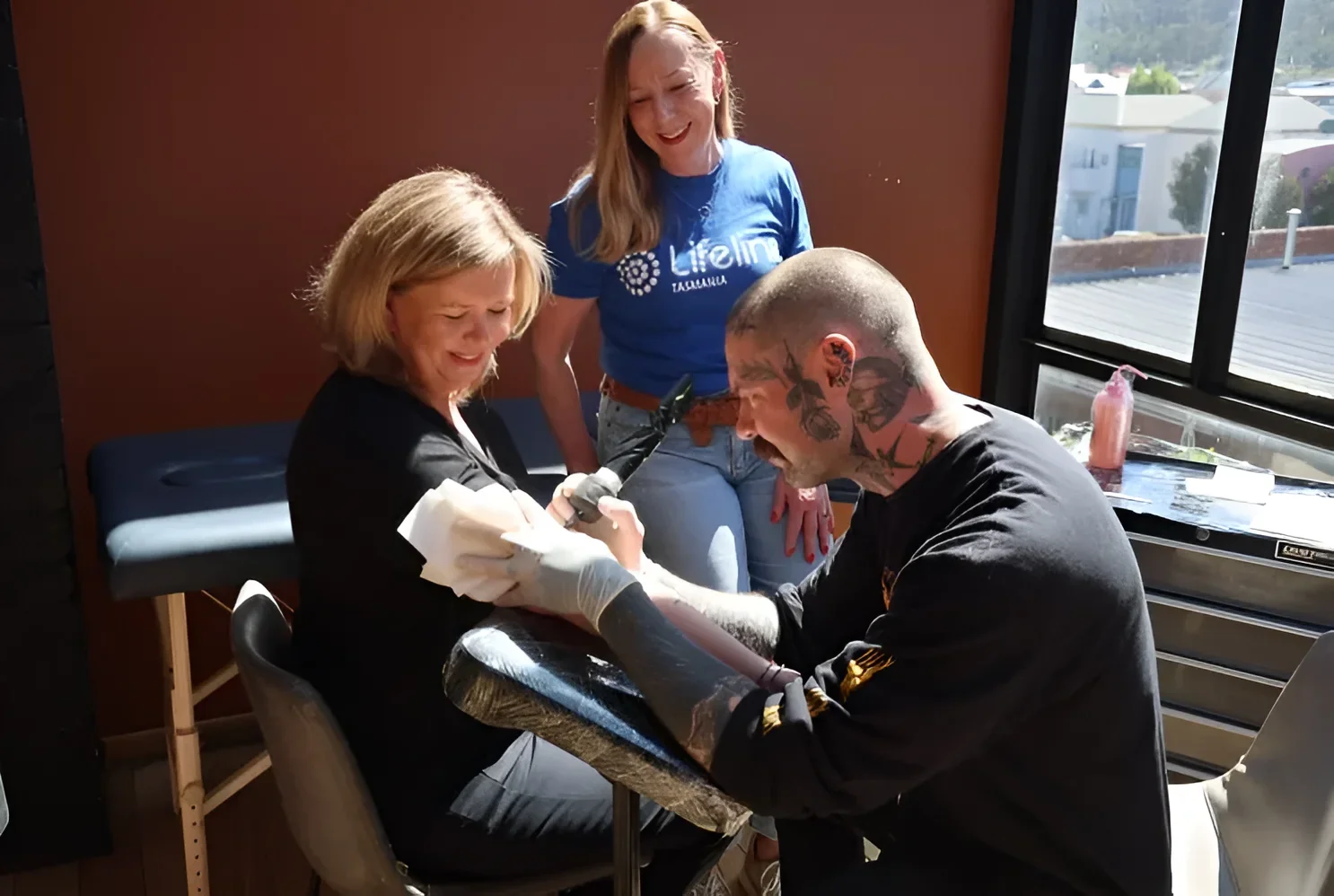
The announcement coincided with a Sunday flash event where only cash was accepted, and all proceeds went to the Lifeline Tasmania fund. Jason aimed to raise “at least a couple of thousand” dollars. The fund’s executive director, Liz Brown, linked the event to raising awareness about mental health and accessible support during times of acute need.
| Parameter | Value |
|---|---|
| Region | Tasmania, Hobart |
| Initiating Studio | Scarr Parlour (Jason Scarr, Casey) |
| Petition Signatures | ≈ 1200 |
| Fundraising Goal | Lifeline Tasmania |
| Regulation Status | Signed, publication this week |
A Look at Tattoo Culture
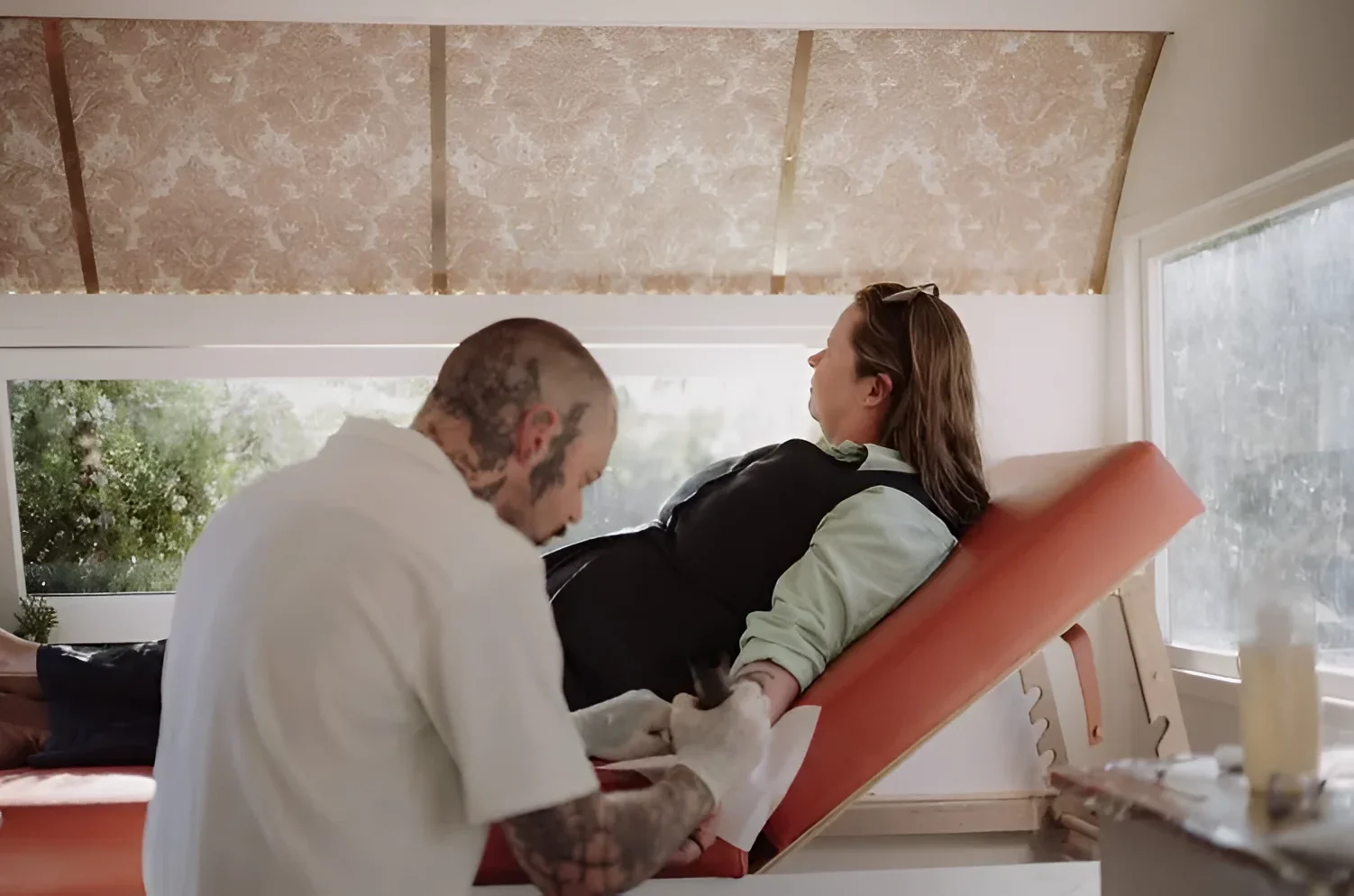
For the tattoo community, the decision is a logical step towards normalizing the street and mobile format. Mobile vans have long been a part of festival and wedding culture: the artist comes to the event instead of the client going to the studio. Jason, incidentally, called weddings the most in-demand request – and this is characteristic: tattoos are increasingly perceived as a personal ritual, not just decoration. The legalization of vans with strict sanitary control is a compromise that protects both the client and the artist: the industry gains freedom of movement, and the state retains a verification tool. It remains to be seen how the new regulations will be implemented and whether further clarifications will be needed in the coming months.