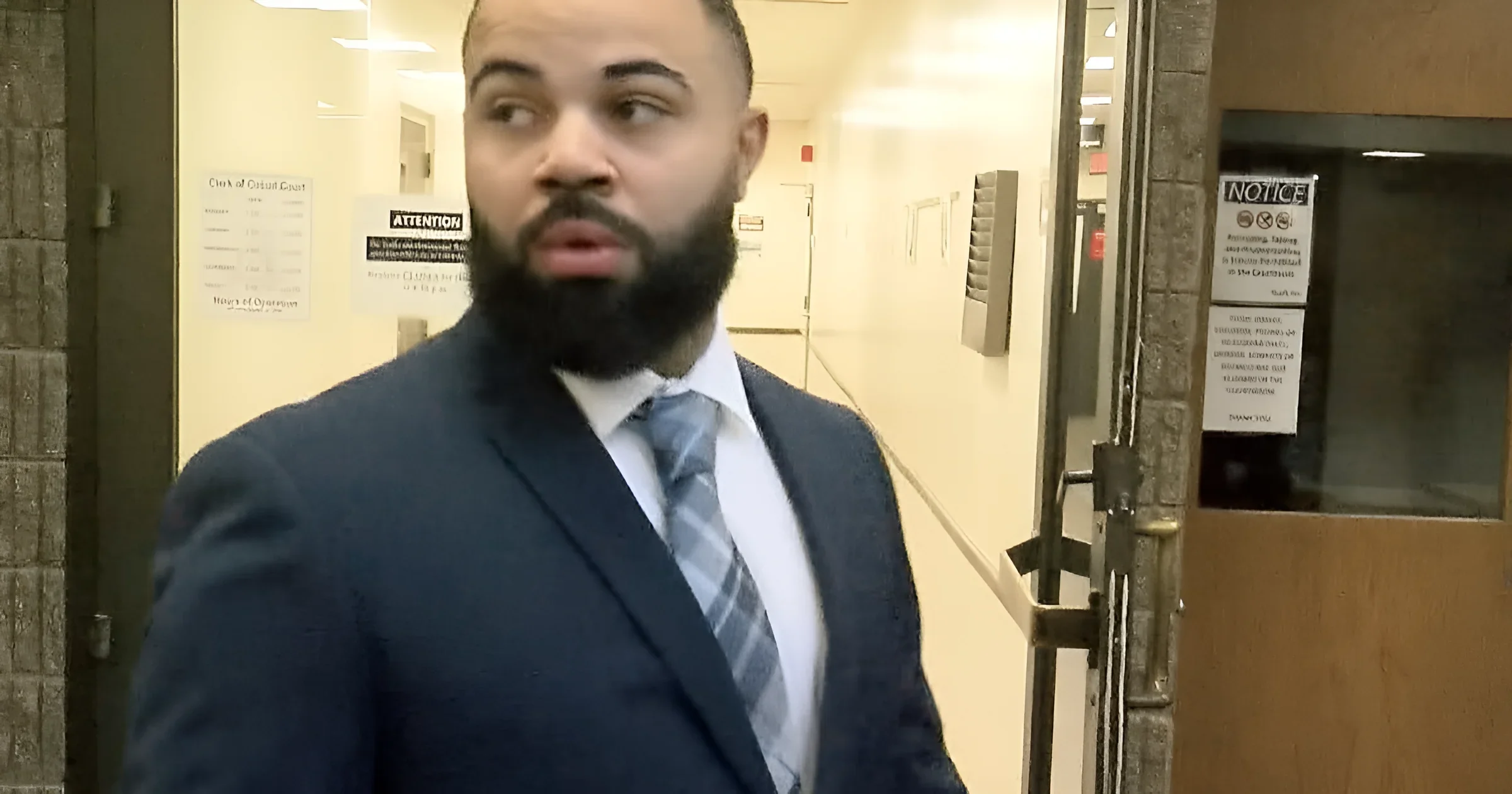
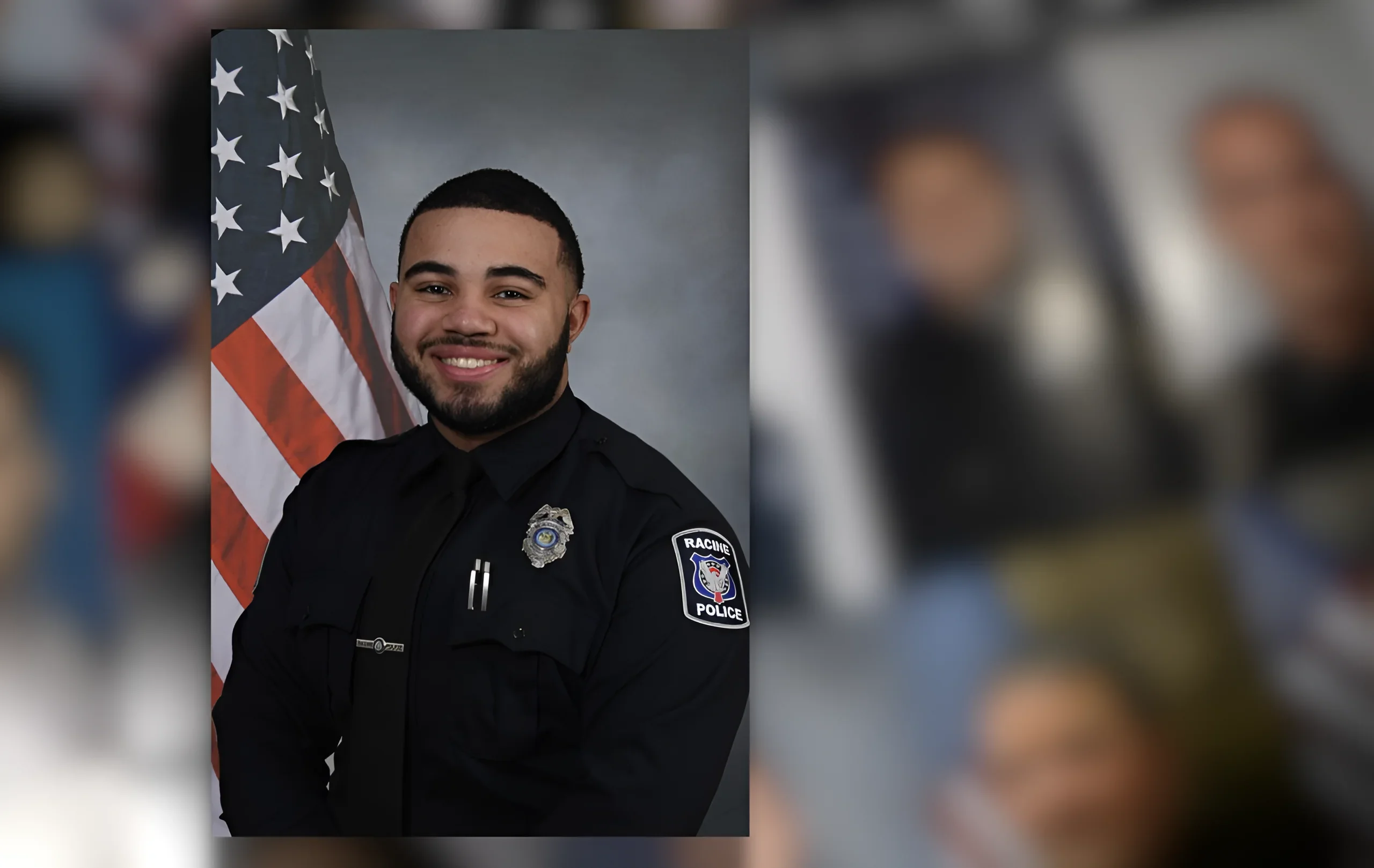
A scandal has erupted at a tattoo studio in Racine County (Wisconsin) that strikes at the most vulnerable point of tattoo culture — the trust that a client and artist must place in each other within a private room. Former police officer Caleb Mackenzie, 30, has been charged with second-degree sexual assault: according to the prosecution, on August 22, he forced a tattoo artist with whom he had a scheduled session into a sexual act. The case quickly moved beyond a typical criminal story because the defendant, as it turned out, had been on the so-called Brady list since January — a registry of law enforcement officers who have been flagged by investigations regarding the credibility of their testimony.
For the tattoo community, this story is not just another crime report. A tattoo studio by its nature creates a situation where the boundaries of personal space are narrowed to the limit: the artist and client are left alone in a small room, the door is closed, the body is partially exposed, and conversations often drift into an intimate plane. This is precisely why the incident in Racine has forced many artists and salon owners to re-examine safety protocols — from keeping doors open to the presence of an assistant and clear rules of conduct in the room.
What the courts and the prosecution say
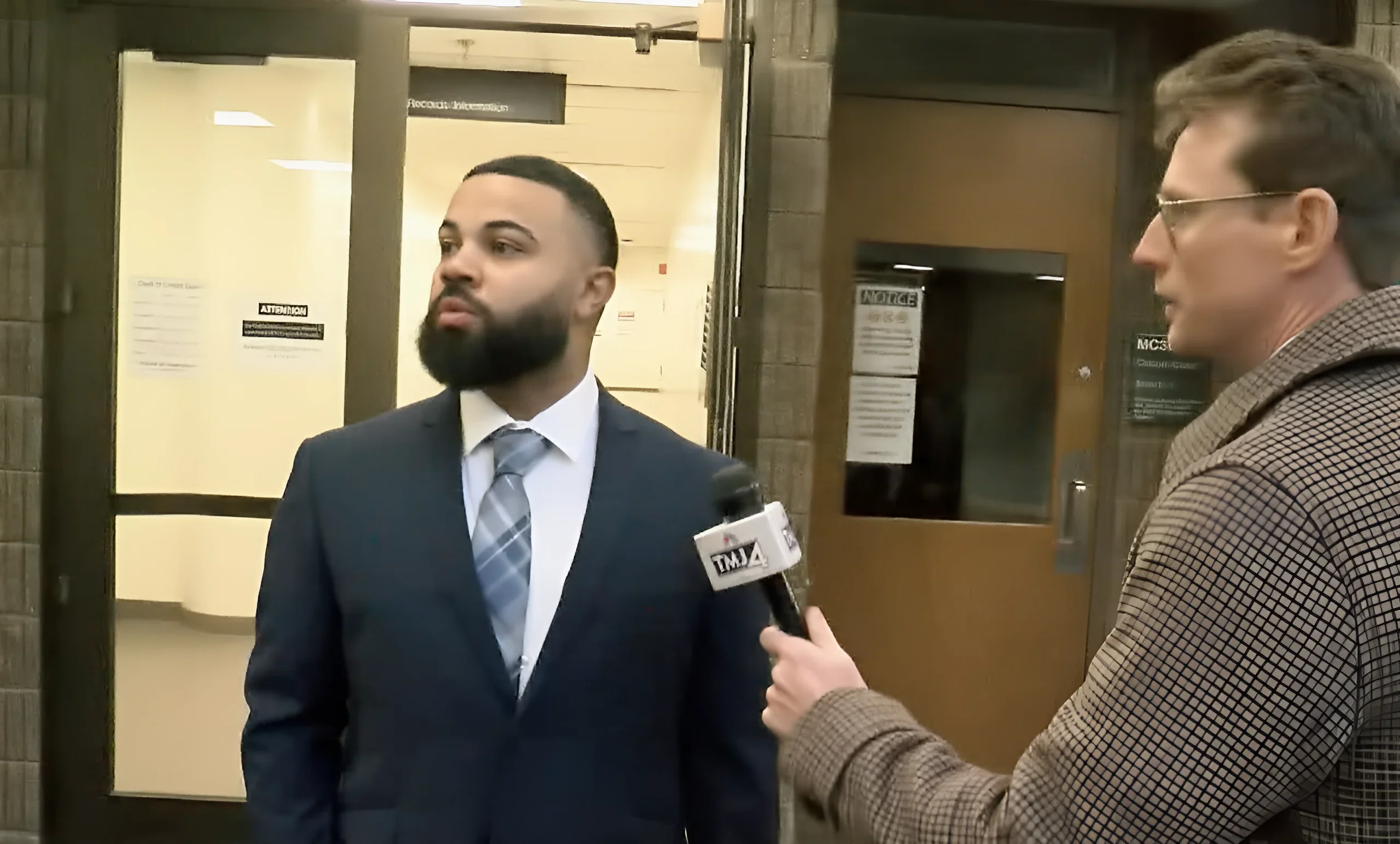
According to case files, Mackenzie was brought into the tattoo room for a scheduled session, with the door closed. After the work was completed, the artist told investigators that Mackenzie undressed and said the phrase, “I need an extra service.” When the woman refused, the defendant, according to the prosecution, forced her into sex. The complaint notes that the victim “repeatedly asked him to stop,” but did not scream or try to run away because he was physically stronger and she understood she was dealing with a former police officer — which, as stated in the documents, frightened her.
Mackenzie himself gave a different version during questioning: he claimed that the sexual act was “consensual” and that it was the artist who “initiated” it. At a brief court hearing on Tuesday, he and his lawyer, Patrick Cafferty, declined to comment on the situation. The name of the studio and its exact location in Racine County are not being disclosed to protect the victim’s identity.
Key facts of the case
| Parameter | Details |
|---|---|
| Defendant | Caleb Mackenzie, 30, former Racine police officer |
| Charge | Second-degree sexual assault |
| Date of incident | August 22 |
| Location | Tattoo studio, Racine County (Wisconsin) |
| Victim | Tattoo artist, identity not disclosed |
| Brady list status | Added in January due to questions about honesty |
| Bail | Initially $5,000 (signature), then $20,000 (cash) |
| Possible penalty | Up to 40 years in prison |
| Next hearing | Preliminary, in January |
The bail in the case was changed: initially, the court set a so-called signature bond in the amount of $5,000, which effectively allowed Mackenzie to remain free without paying money, provided he appeared at hearings. After the District Attorney’s office asked the court commissioner to reconsider the decision, the bail was replaced with a cash bond of $20,000.
Context: why this is important for tattoo culture
Safety experts in the tattoo industry emphasize: a tattoo room is a space where professional, trusting contact is easily confused with personal contact. The artist is accustomed to working with the client’s body, and the client, in turn, trusts the artist with their body. When a person with an authoritative background intervenes in this scheme — especially a former police officer — the imbalance is multiplied. The victim in the Racine case explicitly stated that the defendant’s status as a former officer influenced her behavior and fear.
Among the practices now being discussed more frequently in professional circles are several:
- leaving the room door ajar or working with transparent glass where possible;
- the presence of an assistant or administrator in the session area;
- a clear refusal script and protocol for actions if a client violates boundaries;
- training artists to recognize signs of coercion and pressure;
- an open studio safety policy and the ability to call for help.
It is important to understand that none of these steps negate the artist’s right to personal space, but they reduce the risk when a person with the intent to use trust against another ends up in a closed room.
Connection to the Brady list and the investigation
According to the investigation, Mackenzie is one of approximately 140 officers included on the Brady list in ten counties in southeastern Wisconsin. This registry is named after a U.S. Supreme Court decision and records officers who have issues regarding honesty, bias, or committed crimes. District Attorney Patricia Hanson reported that Mackenzie was added to the Racine County list in January due to a separate incident involving alleged dishonesty. The Racine Police Department declined to disclose exactly what the alleged false behavior consisted of. Wisconsin Department of Justice records show that Mackenzie left the service before the completion of an internal investigation into another incident in September 2025 after six years of service. According to Hanson, he is one of three former Racine officers listed on the Brady list for alleged dishonesty.
A number of advocates and public defenders, including Kevin Smith, believe that information from this registry should be available to the public. According to Smith, in the hands of a competent defense attorney, such information becomes “very strong evidence to undermine the prosecution’s position.” An expanded investigation on the topic of information disclosure is scheduled for release on November 15, the same day a searchable Brady list database will be published on the TMJ4 website.
As for Mackenzie himself, the courts note that he has not yet entered a plea. If found guilty, he faces up to 40 years in prison; a preliminary hearing is scheduled for January. For the tattoo community, this case will likely be another reason to accelerate the implementation of safety standards in studios — because trust in tattoo culture is built over years, but it can be destroyed by one closed room and one violated boundary.