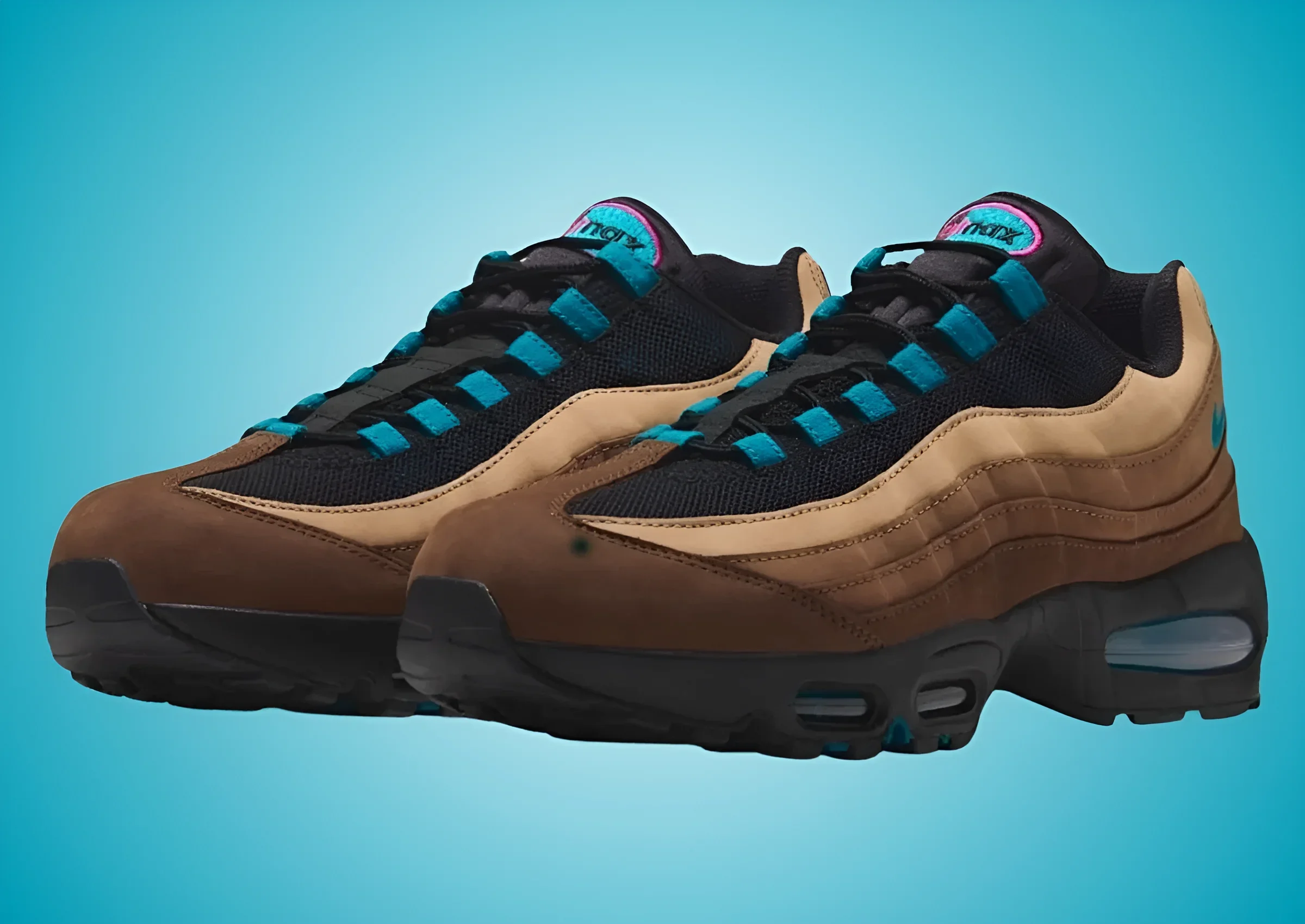
In a world where the tattoo scene has long ceased to be a marginal phenomenon and has become a full-fledged layer of street aesthetic, crossovers with fashion look particularly organic. Nike is bringing back one of the most recognizable silhouettes of the 90s—the Air Max 95—and dressing it in the identity of the legendary ACG lineup. The new pair, titled “ACG,” will go on sale on November 10, 2026, and its palette, built on earthy-toned suede with splashes of Tropical Teal and Hot Pink, reads as a direct reference to the visual culture of those years, where tattoos, hip-hop, and outdoor gear shared the same wardrobe.
 admin
Carly Pearce warns about the pain of tattoo removal
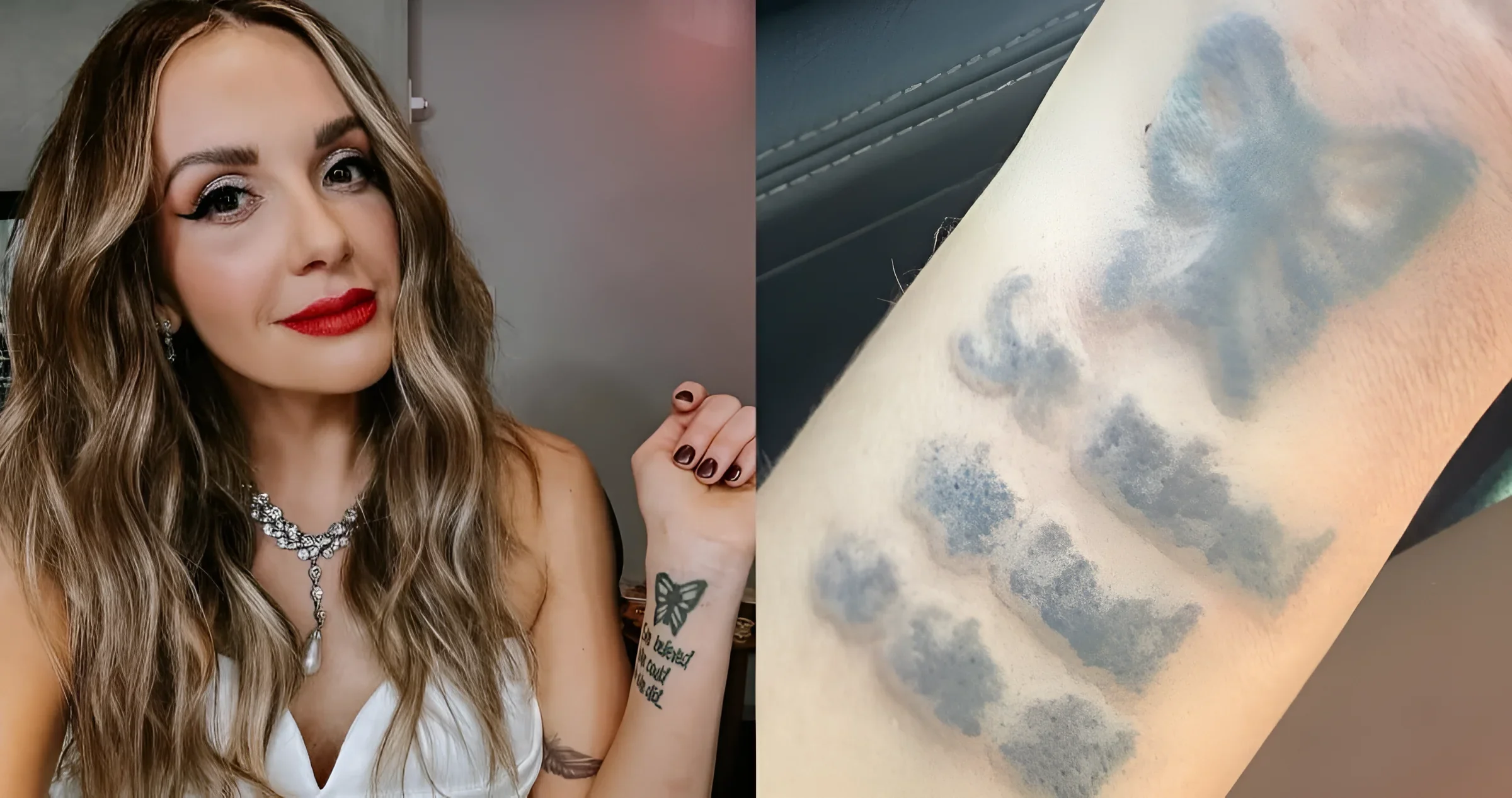
Country artist and GRAMMY award winner Carly Pearce shared her personal experience with tattoo removal with her Instagram Stories followers and warned fans about how unpleasant the process can be. The footage shows her wrist, where the outlines of a butterfly and the inscription “She believed she could so she did” are still visible. The singer did not explain why she decided to get rid of this particular design, but emphasized that the procedure was extremely difficult for her.
Name tattoo becomes evidence in D4vd case
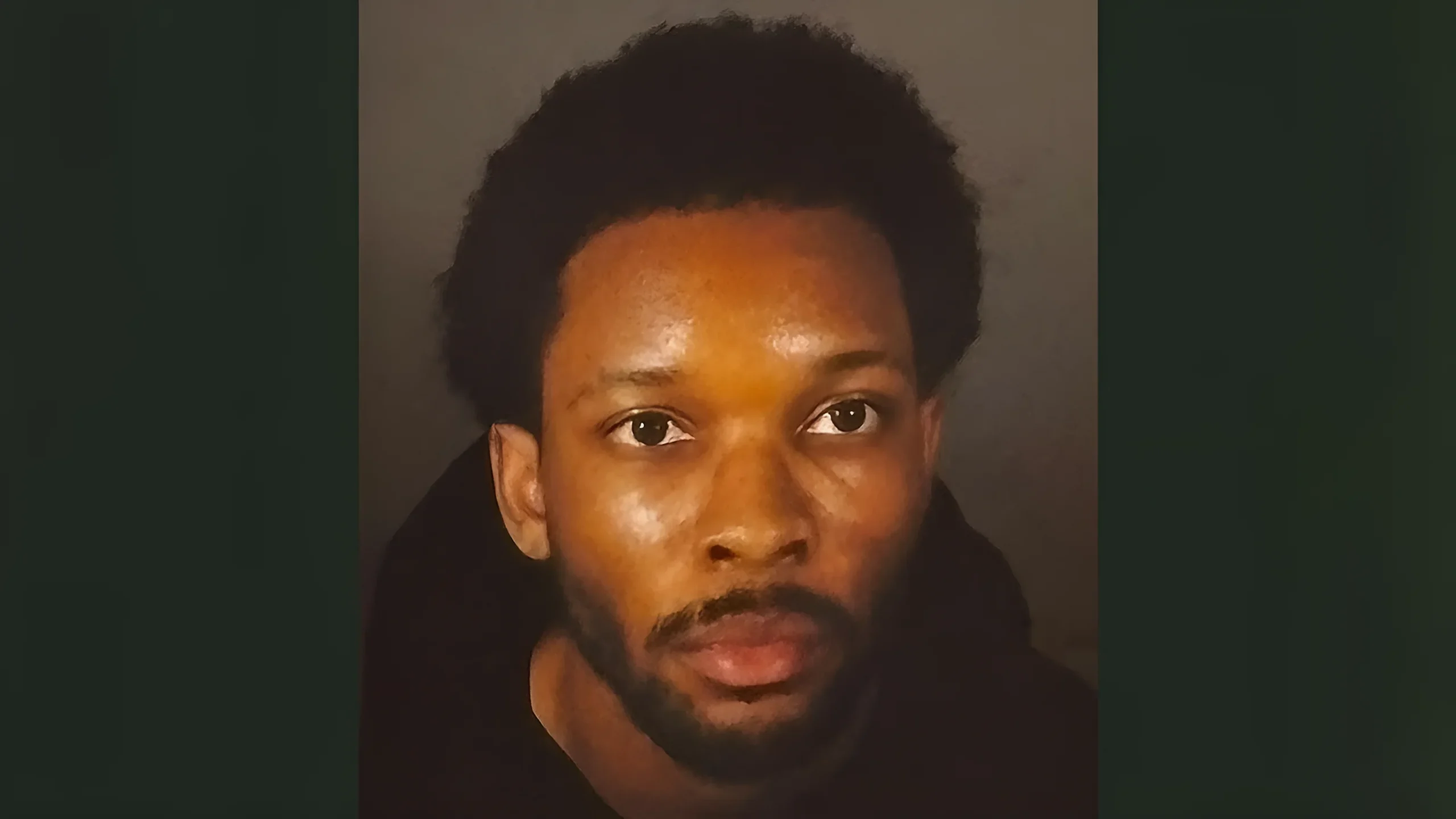
A story has emerged in the Los Angeles criminal chronicle that the tattoo community is discussing with a specific, almost professional interest. Prosecutors in the murder case of 14-year-old Celeste Rivas Hernandez have revealed a detail that seems gruesome at first glance, but logical to those who understand the language of skin and ink: the accused, 21-year-old Los Angeles resident David Burke, known by his stage name D4vd, allegedly amputated two fingers from the victim’s left hand precisely because there was a tattoo of his name on the ring finger. According to the investigation, he wanted to “distance himself from the victim” and erase the visible connection between himself and the girl. The fingers have still not been found.
The Teacher with Tattooed Eyes: The Story of Sylvain Helaine
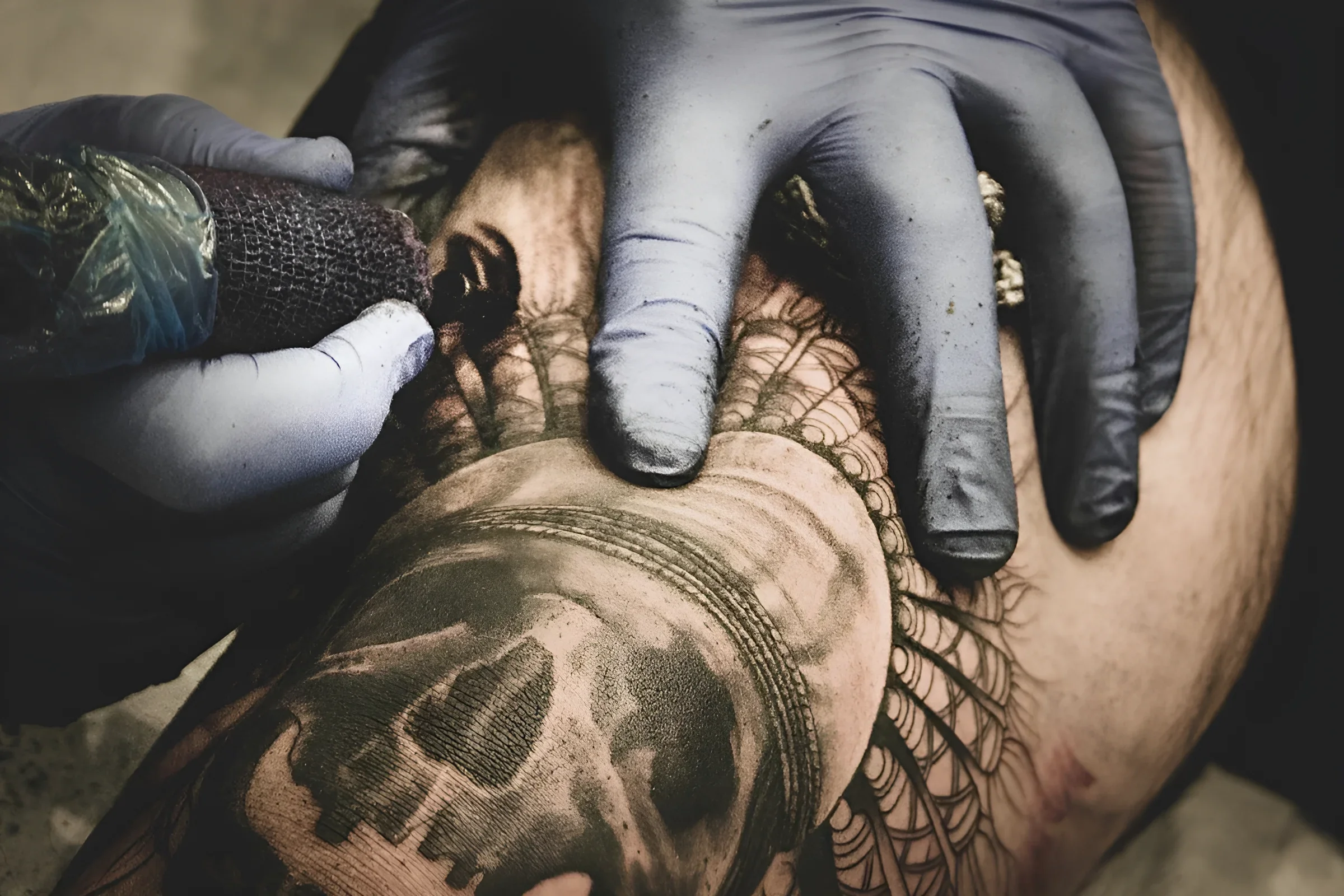
Imagine a person who stands by the chalkboard every day explaining fractions to children, while his own eyeballs feature ink patterns and his nipples have simply been cut off. It sounds like a plot from a thriller, but this is the biography of a real educator. Sylvain Helaine, an elementary school teacher working in the UK and France, has turned his own body into the most controversial art piece in the world of education. He is now in his forties, and after over thirty years of active work with the needle, he has managed to cover almost his entire skin with ink, earning him the unofficial title of the most tattooed schoolteacher on the planet.
Tattoos and Cancer Risk: What a Danish Study Showed
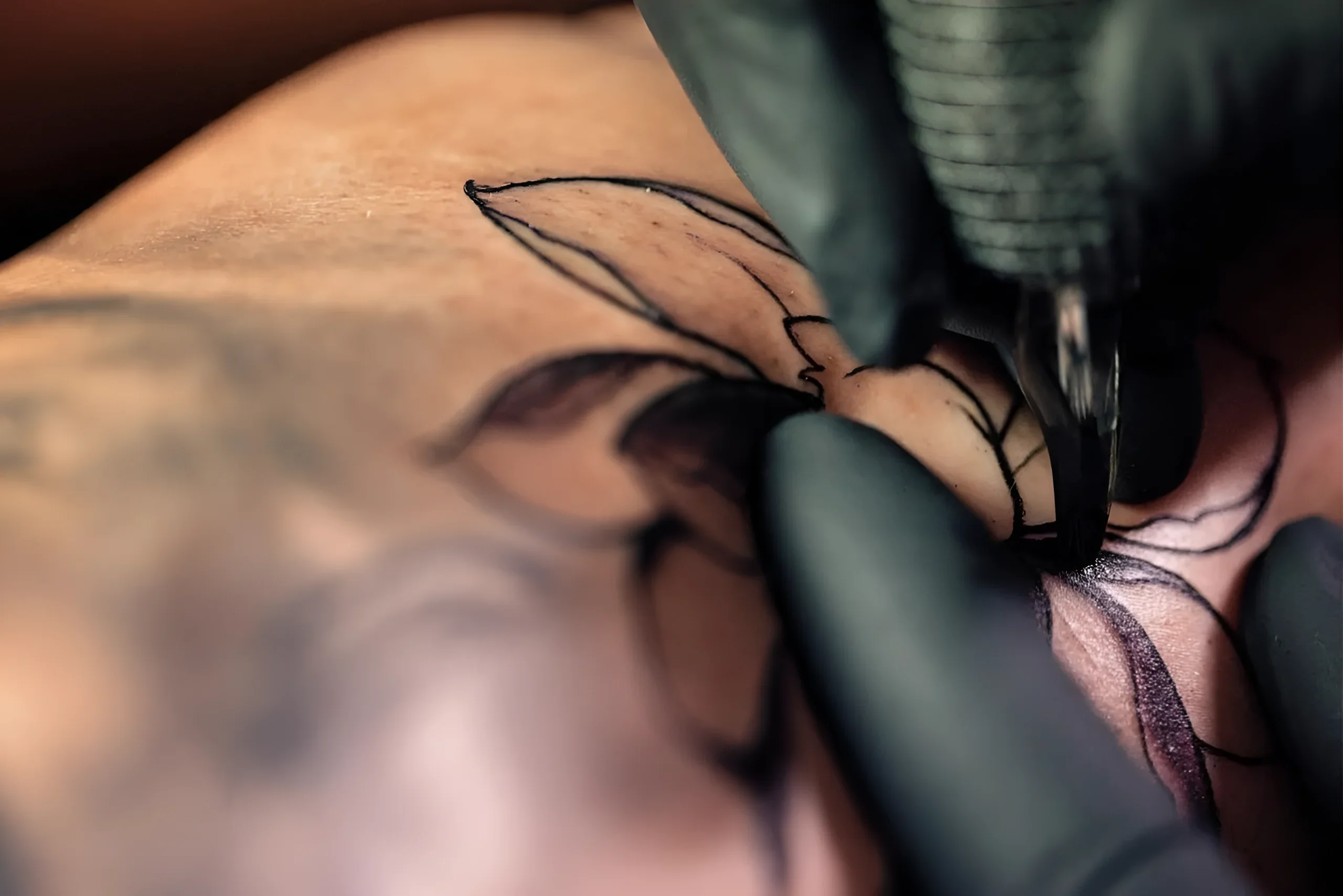
Tattoos have long ceased to be a marker of subculture and have transformed into a mass form of self-expression. Millions of people around the world wear designs on their skin, which are applied by injecting colored pigments into the dermis—the layer of skin beneath the epidermis. But what happens to these particles next? Some of them settle in the lymph nodes, and some even reach other organs. It is precisely this journey of ink in the body that became the subject of a recent Danish study published in the journal BMC Public Health.