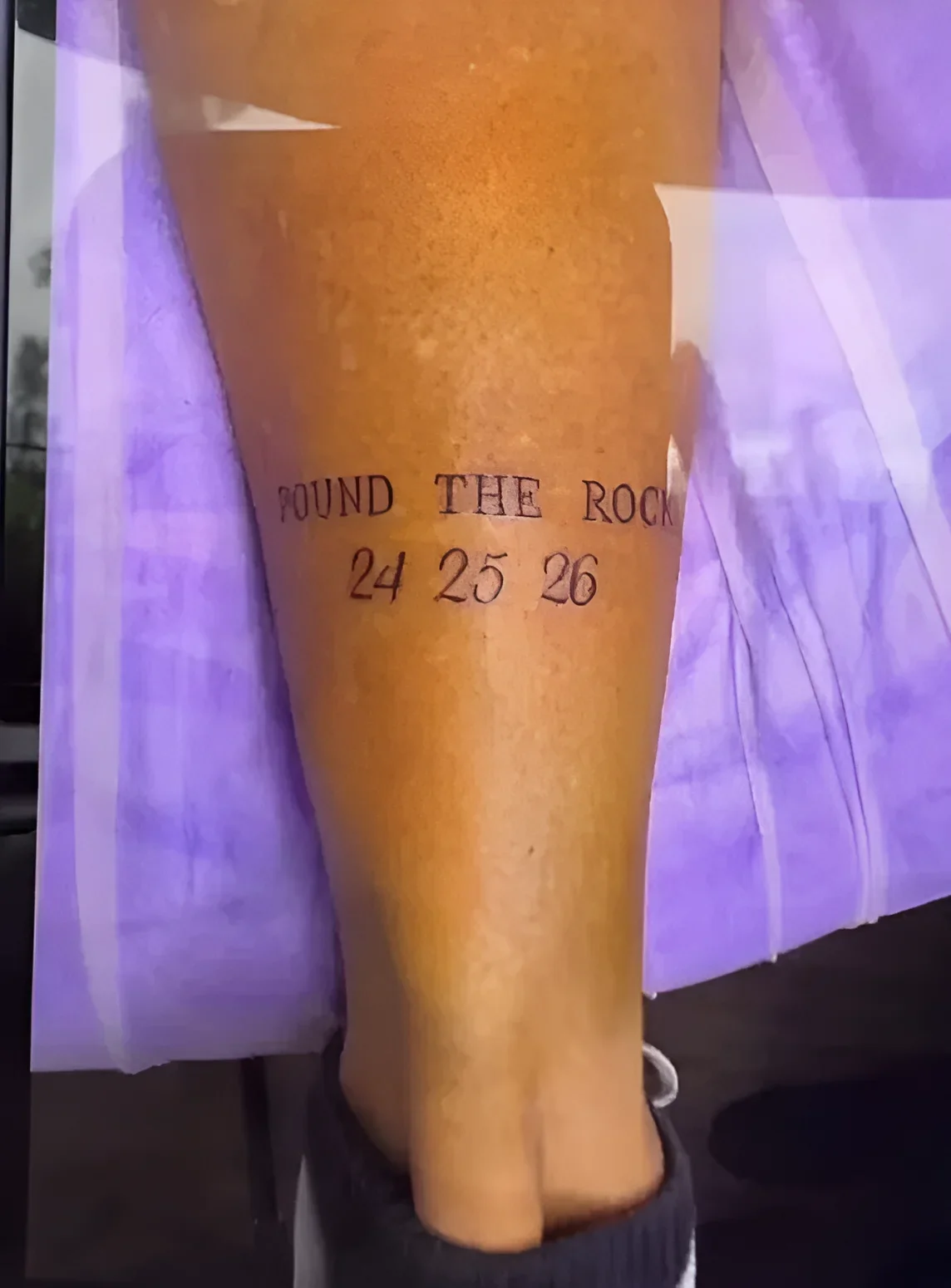
Three-time champion coach of the Brisbane Lions, Chris Fagan, has fulfilled a promise to his players and immortalized the club’s philosophy on his own body. The coach’s shin now bears three words – “Pound the Rock” – and three numbers: 24, 25, 26. These are the years the team won the Grand Final, achieving an unprecedented three-peat. The club posted a video of the tattoo on social media, and the players were shocked: Will Ashcroft simply used a surprised face emoji, Cam Rayner wrote “Different Gravy,” and Scott Draper simply called the coach “Daddy.”
Uncategorized
Roxanne Perez got a new ankle tattoo in Hawaii
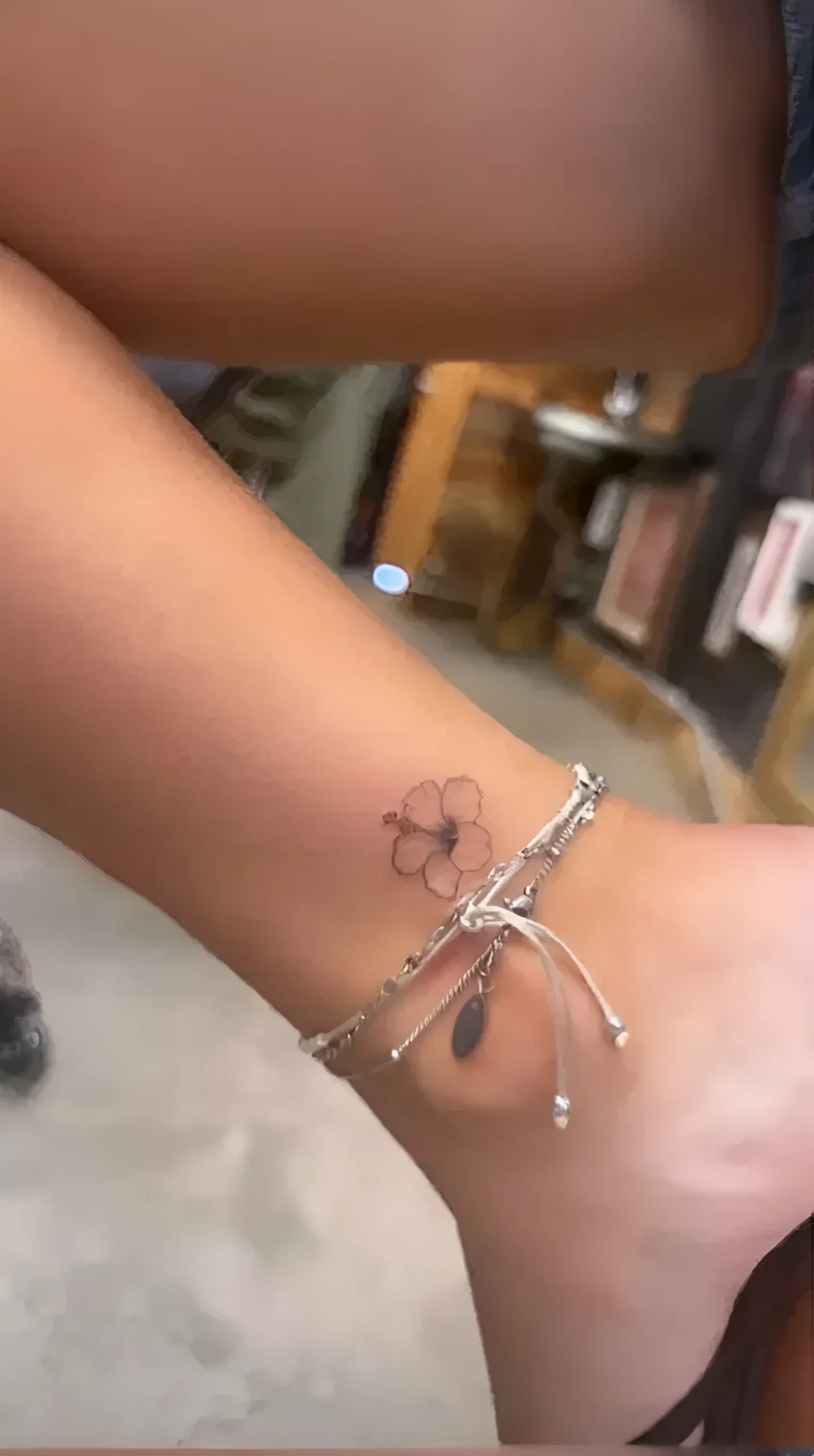
WWE superstar Roxanne Perez, known to fans by her nickname “The Prodigy,” is currently in Honolulu, Hawaii. The wrestler has come for a series of Live Events and talent tryouts, and has also managed to update her tattoo collection. In an Instagram Story, she showed off a fresh design on her ankle – a miniature flower in a fine line style, which she got at the Hawaiian studio Holumua Tattoo. Next to the design on her leg, a silver bracelet with charms is visible, making the composition particularly delicate and neat.
Fake tattoo artists on TikTok are scamming clients out of money
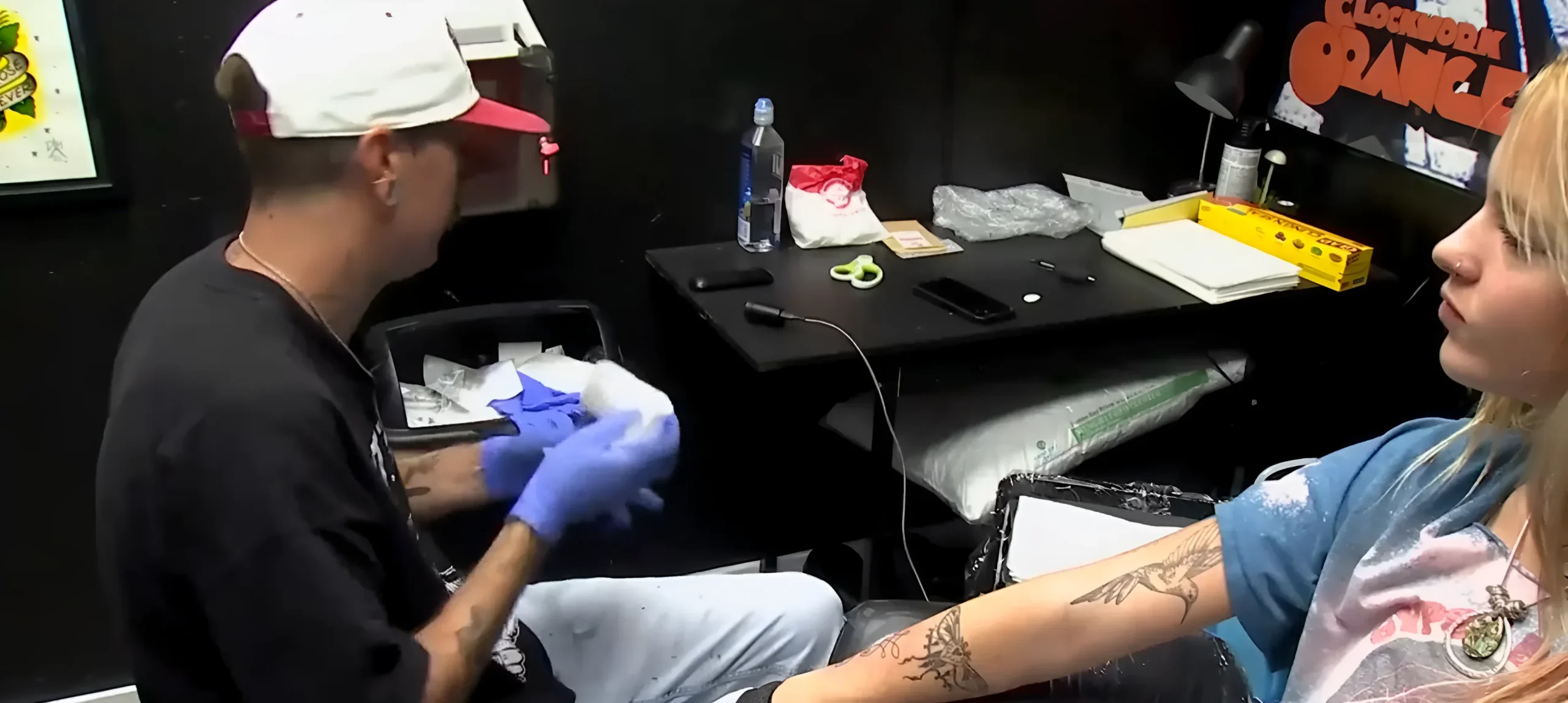
In Oklahoma, tattoo artists are sounding the alarm: fake accounts are appearing en masse on TikTok, stealing other people’s work, promising clients “special discounts,” but in reality, they just take the prepayment and disappear. Victims come to real studios with a ready receipt in hand and an empty spot on their skin, while the reputation of those who have spent years building trust is being ruined.
Romeo Beckham Showed Off New Arsenal-Style Tattoo
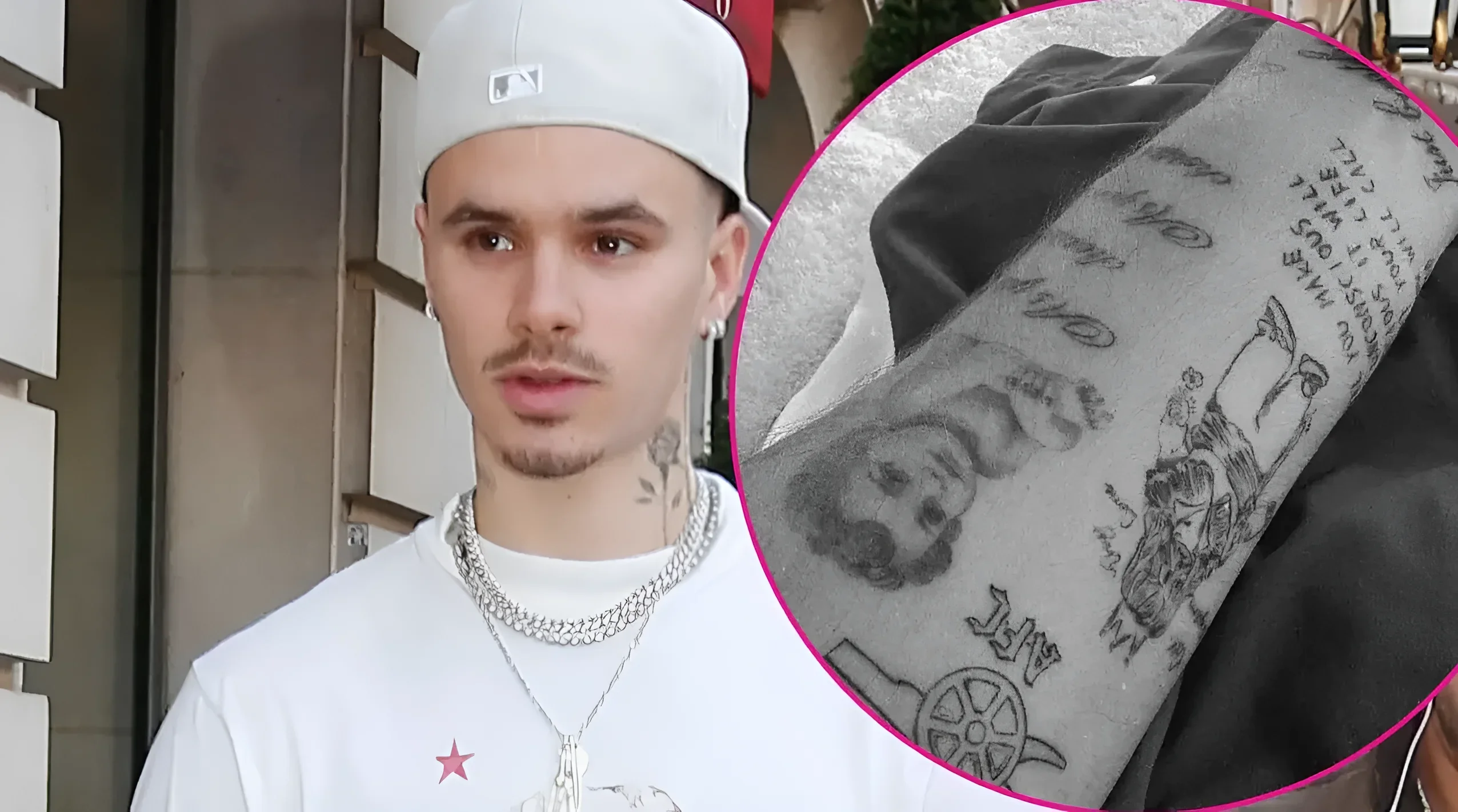
The son of David and Victoria Beckham has once again found himself in the spotlight of the tattoo community. 24-year-old model Romeo Beckham posted a close-up of a fresh design on his forearm on Instagram Story, followed by a shirtless shot where a whole collection of ink is visible against a sculpted physique. For those who follow body aesthetics as a personal chronicle, this is not just another photo: it’s a continuation of the story he’s been telling on his own skin for several years.
Ukrainian Tattoo Artist Counts Clients Who Died in the War
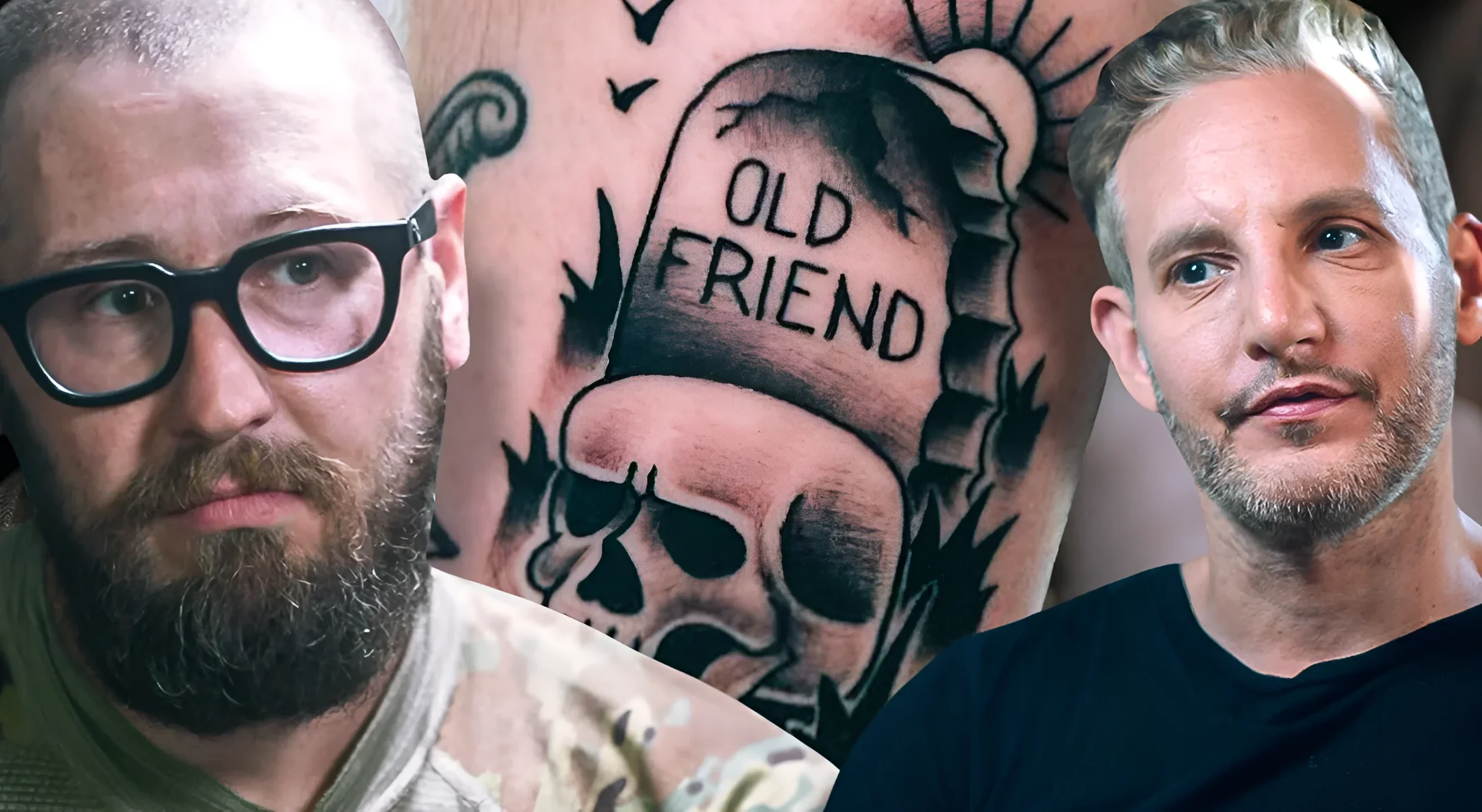
At the Tattoo Hall studio in Dnipro, located about 60 miles from the front line, time flows differently than in peaceful workshops. People come here not for aesthetics or self-expression – they come to capture what would otherwise fade from memory. A local artist named Yulik keeps his own statistics, which most of his colleagues wouldn’t even consider keeping: during the war, his works include over 50 people who died on the front. He himself is now also a soldier, and, as he admits, burying his own works is one of the most difficult experiences of his life.