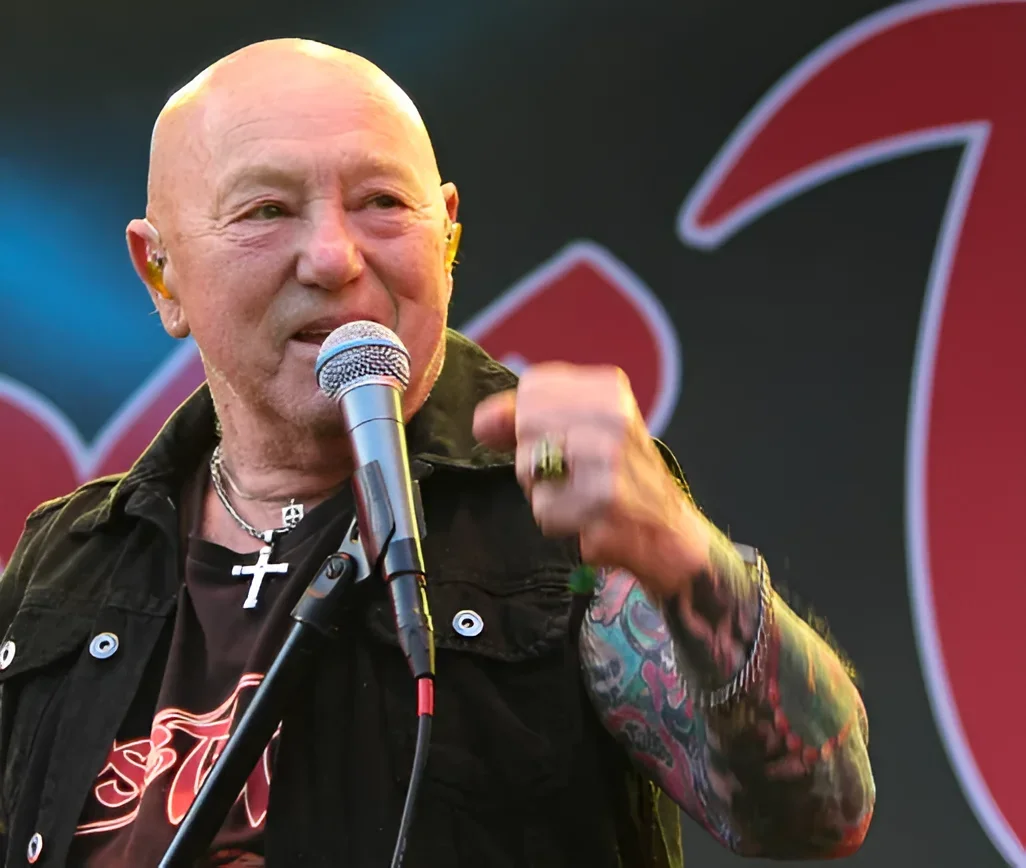
When Rose Tattoo vocalist Angry Anderson took the stage at the Skogsröjet festival in Rjukan, Sweden, on July 31, 2026, none of the spectators suspected they were seeing him for one of the last times. A few days later, the musician suffered a heart attack from which he never recovered, and the “One Last Ride” farewell tour was cut short. But it was this concert in the Swedish wilderness that became his high-note farewell: a few days before his 79th birthday, the frontman delivered more energy and talent on stage than many artists half his age.
Rose Tattoo’s bluesy, unpolished “beer rock” perfectly suited the atmosphere of a Swedish summer rock festival. By the time of the farewell tour, only Angry remained from the band’s classic lineup, but he had gathered a strong team around him who lovingly performed the band’s catalog. In the final Rose Tattoo lineup, he was supported by drummer Paul DeMarco, bassist Steve King, and guitarists Mick Arnold and Ronnie Simmons.
A Legacy Woven with AC/DC
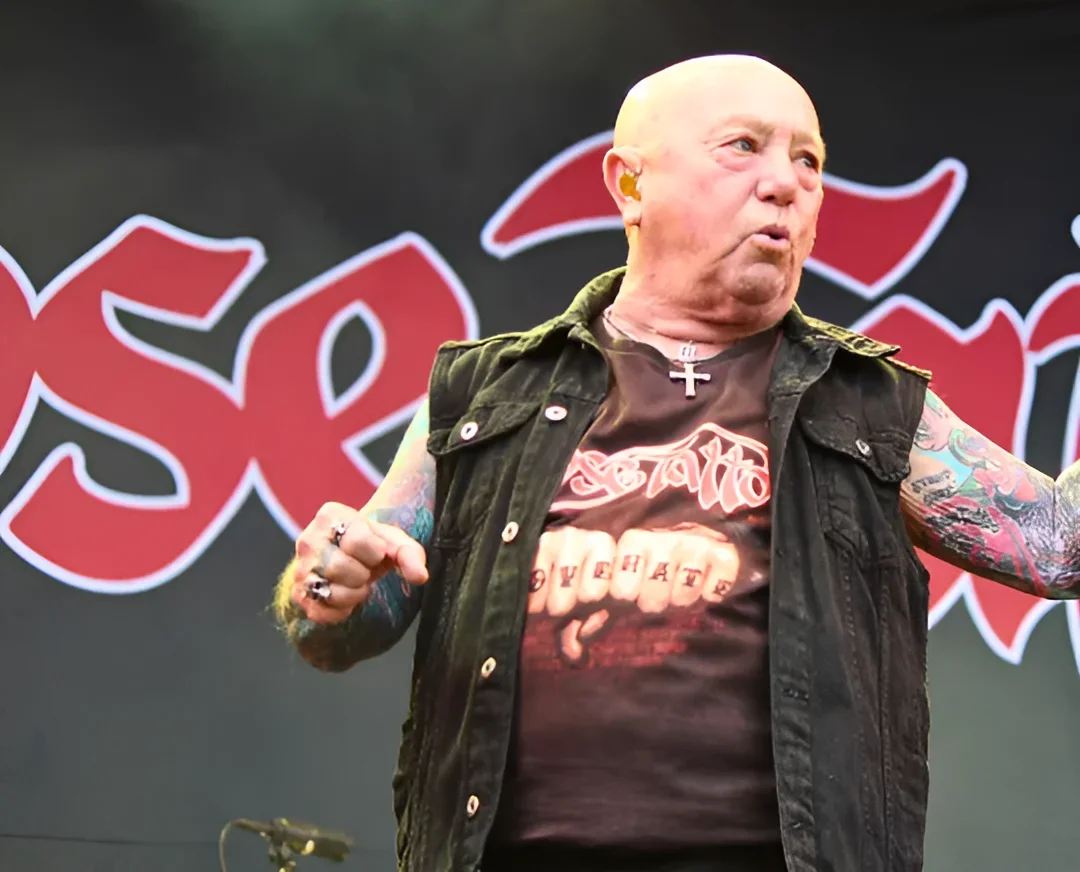
The band was founded in Sydney in 1976 and from the very beginning was closely intertwined with the history of AC/DC – this was evident directly in their music. Angry once played with future AC/DC drummer Phil Rudd in the band Buster Brown, early Rose Tattoo albums were produced by Harry Vanda and George Young, and former AC/DC bassist Mark Evans later joined the “Tatts” himself. By the time the farewell tour was announced, the band had been performing with breaks for five decades, and after the European summer, final concerts at home in Australia were planned.
What the Band Played
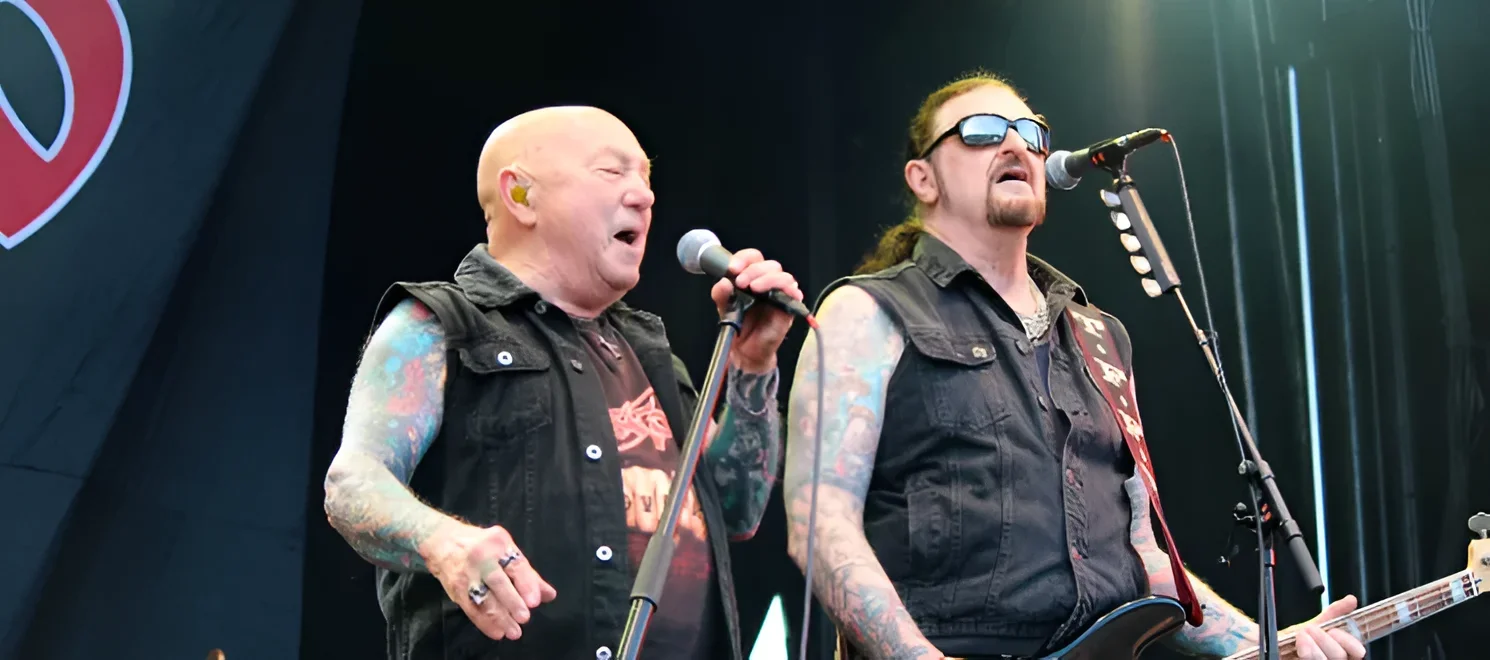
The majority of the setlist consisted of fan favorites from the 1978 self-titled debut album. The program included:
- “Rock’n’Roll Outlaw”
- “Nice Boys”
- “One of the Boys”
- “Bad Boy for Love”
- “Astra Wally”
In addition, songs from the albums “Assault & Battery” (1981) and “Scarred for Life” (1982) were performed, as well as the more recent “1854” and the cover “Hard Road” – a 1974 song by Stevie Wright, which Rose Tattoo released as a single in 2025. The obvious highlight of this spectacular show was “We Can’t Be Beaten” from the “Scarred for Life” album.
Tattoos as Part of the Scene
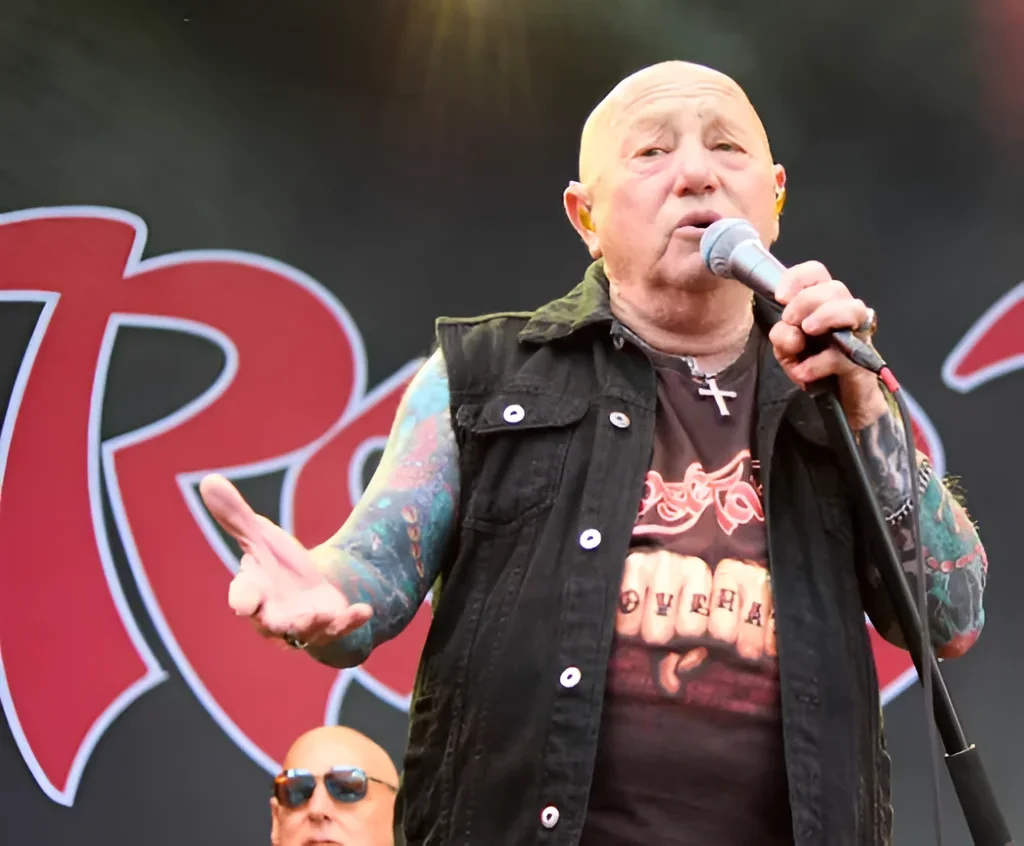
For those who follow tattoo culture, Angry Anderson is a figure no less significant than for the rock scene. His forearms and neck, covered in tattoos since his youth, have long been part of his public image and one of the visual markers of hard rock identity. He is not alone in this: the connection with AC/DC and Phil Rudd leads back to the same tradition where a tattoo is not an adornment, but a “diary” of the musician’s life, his belonging to the scene and its code. In the shots from Skogsröjet, these signature tattoos on his arms and neck read as a continuation of the same story the band has carried for over forty years. This is precisely why his passing is felt not only as the loss of a vocalist but also as the loss of one of the most recognizable “living” tattoo portraits of the rock era.
A few hours before the performance, Angry Anderson gave a backstage interview to Stefan Nilsson, and this conversation became further evidence of how alive and witty he remained until the end. Rest in peace, Angry. Thank you for the music – you lived a full life.