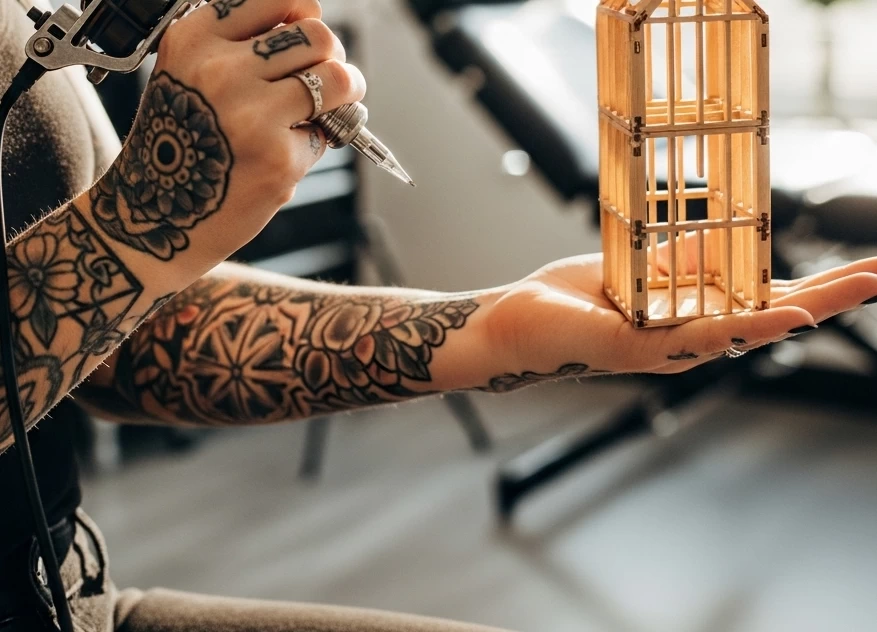
In the world of professional tattooing, the place where art is created is no less important than the skill itself. A studio is not just a room; it’s a temple, an operating room, and an artist’s business card. Choosing the ideal location, or more importantly, the ideal structure for a studio, is a critically important investment decision. In recent years, many progressive artists seeking independence and ideal working conditions have turned their attention to modern construction technologies. In particular, frame houses for suburban living have become a symbol of a rational, fast, and energy-efficient approach to organizing workspace, allowing the artist to focus on creativity rather than operational issues.
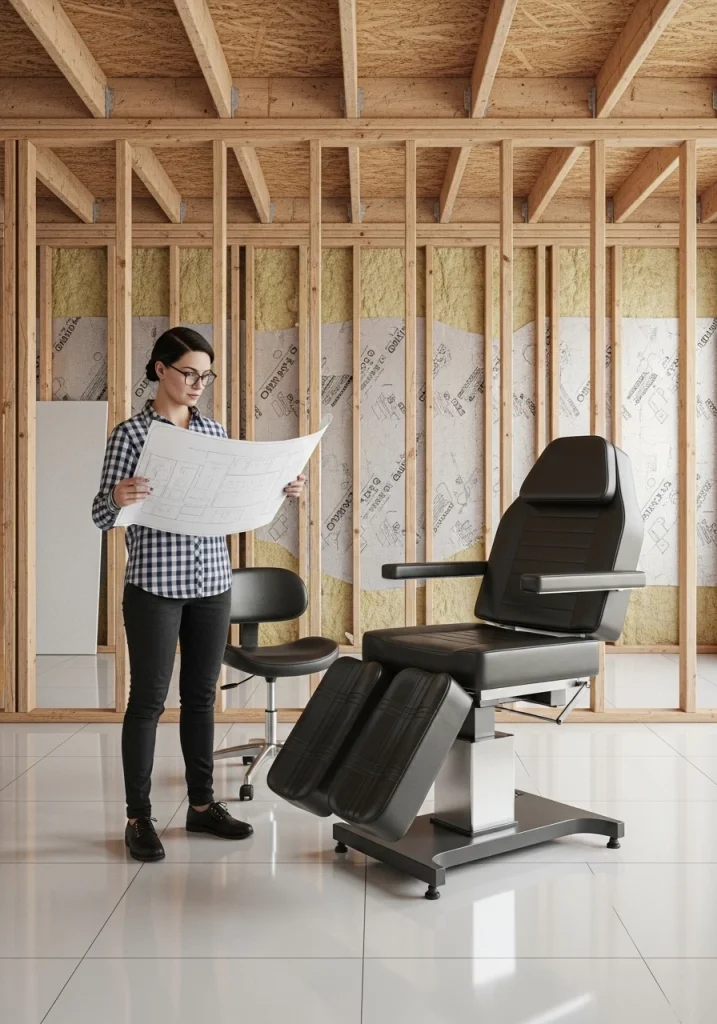
The Frame as a Metaphor: Studio Symbolism and Professional Approach
For a tattoo artist, the word “frame” has a deep symbolic meaning. It is the foundation, the skeleton, on which the entire composition rests, whether it’s a complex blackwork or a realistic portrait. Translating this principle into architecture, a frame house becomes the ideal expression of a professional philosophy: strength, structural clarity, and the possibility of perfect customization. It’s not just walls; it’s an engineered environment that ensures long-term stability, essential for working with sensitive equipment and demanding clients.
In this expert review, we will examine the key reasons why frame construction is the optimal choice for a tattoo artist planning to create a studio that meets the highest standards of hygiene, comfort, and cost-effectiveness.
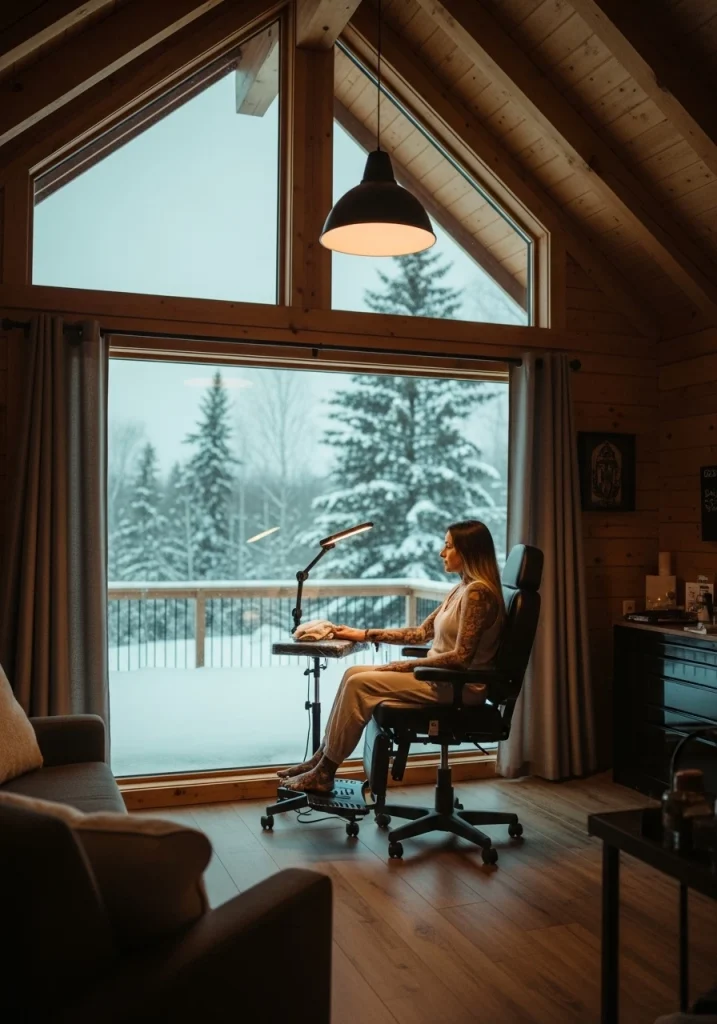
Five Pillars of Success: Advantages of Frame Structures for Tattoo Business
1. Financial Accessibility and Budget Optimization for Startup
Opening a professional tattoo studio is a capital-intensive process. In addition to paying rent or buying property, the artist needs to invest in specialized equipment: rotary and induction machines, sterilizers, high-quality pigments, massage tables, specialized lighting. Every saved ruble on construction can be directed towards improving the quality of consumables or purchasing more reliable autoclaves.
Frame technology offers a significant reduction in initial costs:
- Foundation Savings: The lightness of the frame structure eliminates the need for a heavy, expensive monolithic foundation, which is mandatory for brick or concrete buildings. Using screw piles or shallow strip foundations can save up to 30% of the budget on groundwork. This is critical, as the foundation provides no artistic benefit but consumes a significant portion of the startup capital.
- Reduced Material Costs: The main components (wood, insulation) are often more affordable than glued laminated timber or aerated concrete, provided equivalent thermal insulation is achieved. This allows the artist to free up funds for purchasing premium pigments, which require strict quality control and, consequently, are more expensive.
- Minimal Labor Costs: Thanks to the standardization of elements and speed of assembly, the overall cost of labor is reduced, allowing for a faster transition to interior finishing and equipment installation.
Expert Commentary: “Investments in the foundation and walls should be reasonable. The real investment in the tattoo business is sterility and quality of tools. A frame house allows for a reliable base without overpaying for excessive massiveness,” notes a practicing artist with 15 years of experience who moved into their own studio.
2. Speed of Project Launch: From Blueprint to First Session
Time in the tattoo industry is not just money; it’s also about maintaining a client base. A prolonged downtime between closing an old studio (or starting a career) and opening a new one can negatively impact reputation. The speed of frame house construction is one of its undeniable advantages.
- Fast “Box” Assembly: The assembly of the frame and sheathing can be completed in 1–3 months. While capital construction requires long waits for concrete to cure and “wet” processes, a frame house is ready for interior finishing almost immediately.
- No Technological Shrinkage: This is perhaps the most important advantage for a studio. Unlike log or timber houses, which can shrink for up to a year, causing deformation of finishes, frame walls are stable. This means that expensive finishing work (perfectly level floors, installation of specialized medical tiles, installation of panoramic windows) can begin immediately.
- Instant Readiness for Equipment Installation: The absence of shrinkage allows for the immediate installation of complex ventilation and lighting systems, as well as the installation of heavy equipment such as chairs and autoclaves, without the risk of deforming the room’s geometry.
3. Energy Efficiency and Climate Control: The Key to Hygiene and Comfort
A tattoo studio has extremely high demands on its microclimate. This is due to two key factors: pigment safety and client comfort during long sessions.
3.1. Ideal Conditions for Consumables
Modern tattoo pigments, especially those with an organic base, are extremely sensitive to temperature and humidity fluctuations. An unstable climate can reduce the shelf life of pigments, alter their consistency, or even cause them to separate. A frame wall, which is a multi-layer “sandwich” with effective insulation (mineral or basalt wool), provides outstanding heat-saving properties.
- Temperature Stability: A frame house functions like a thermos. A wall 150–200 mm thick with quality insulation is equivalent to a meter of brickwork in terms of thermal protection. This ensures that even with sharp changes in outside weather, the ideal temperature (usually 20–22°C) is maintained inside the studio, which is critical for the consumables storage area.
- Humidity Control: A properly designed frame house with correctly installed vapor barrier allows for effective humidity control, preventing condensation, which can become a breeding ground for bacteria and mold (unacceptable in a sterile zone).
3.2. Comfort for Client and Artist
Tattoo sessions can last 6–8 hours. Discomfort from drafts or overheating can lower a client’s pain threshold and impair an artist’s concentration. The energy efficiency of a frame house directly translates into low operating costs for maintaining an ideal climate:
Low Utility Bills: Heating costs in winter and air conditioning costs in summer are significantly lower than in less insulated buildings. This reduces monthly operating expenses, making the studio more profitable in the long run.
4. Technological Flexibility and Integration of Studio Communications
A modern tattoo studio is a high-tech facility requiring complex engineering: powerful ventilation, numerous electrical outlets, specialized flicker-free lighting, and sometimes water supply in the sterilization area. Frame technology is ideally suited for the hidden routing of all these systems.
4.1. Hidden Routing of Engineering Systems
The space between the studs in a frame wall provides ideal room for communications. This allows for:
- Aesthetics and Safety: All wires, pipes, and ventilation ducts are routed inside the walls and partitions before finishing. This ensures a clean, minimalist look that meets high modern design standards and eliminates the risk of cable damage.
- Ease of Modification: If new outlets need to be added or the lighting scheme changed, accessing communications in a frame wall is often easier than chasing channels in solid brick or concrete.
4.2. Organization of Supply and Exhaust Ventilation
The airtightness of a frame house, which is an advantage for energy saving, requires the mandatory installation of forced supply and exhaust ventilation (SEV). For a tattoo studio, this is not a drawback but a necessity:
When working with disinfectants, stencil inks, and during equipment cleaning, vapors can be present in the air. The SEV system ensures a constant supply of fresh air and removal of contaminated air, which is vital for the health of the artist and client. The frame “sandwich” easily integrates ductwork, and its thermal insulation properties allow for the most efficient use of heat recovery units without heat loss.
5. Durability and Reputational Stability
The myth of the short lifespan of frame houses has long been dispelled by years of experience in North America and Scandinavia. A professional tattoo artist builds a studio not for a year or two, but for decades, creating a legacy and solidifying their reputation.
- Service Life Comparable to Permanent Structures: With proper treatment of wood with antiseptics and fire retardants (bio- and fire protection), as well as adherence to vapor barrier technology, the service life of a frame house is 70–100 years. This guarantees the artist a stable workplace throughout their active career.
- Seismic Resistance and Rigidity: The light yet rigid wooden frame possesses high elasticity. In regions with increased seismic activity or strong wind/snow loads, the frame demonstrates excellent stability. For a studio, this means reliable protection for expensive equipment and confidence in the structural integrity.
- Reputational Factor: A studio built with modern, environmentally friendly, and energy-efficient technologies speaks to the artist’s foresight and responsibility. This attracts conscious and solvent clients who value environmental care and high quality in everything.
Practical Issues of Organizing a Studio in a Frame House
Transitioning to one’s own frame space raises a number of specific issues related to adapting residential technology for commercial (studio) needs.
How to Ensure Ideal Soundproofing in the Studio?
Soundproofing is critically important, especially if the studio is combined with a living area or is in close proximity to neighbors. The hum of induction machines, loud music for sessions, or consultations require proper insulation.
Frame technology, due to its multi-layer nature, allows for easy integration of additional soundproofing materials (e.g., high-density mineral wool acoustic panels or specialized membranes). Unlike monolithic walls, where sound is transmitted structurally, a frame house allows for the creation of a “floating” partition system that effectively dampens airborne and impact noise.
What Type of Finish Is Best for the “Wet” Zone and Sterilization Area?
The area where equipment is cleaned requires materials resistant to aggressive disinfectants (e.g., chlorhexidine or specialized medical cleaners). In a frame house, after sheathing with moisture-resistant drywall, it is recommended to finish the walls and floor in the sterilization area with medical tiles or epoxy coatings. This ensures ease of cleaning, compliance with sanitary standards, and protection of the wooden frame elements from moisture.
Is Special Wiring Needed for Tattoo Equipment?
Modern rotary machines consume little power, but studios often use powerful lighting fixtures, sterilizers, and, most importantly, autoclaves, which may require a dedicated circuit. The flexibility of frame construction allows for easy installation of separate, reinforced electrical lines (in compliance with all fire safety regulations, using metal conduits or non-combustible cable channels) directly to the workstations and sterilization area.
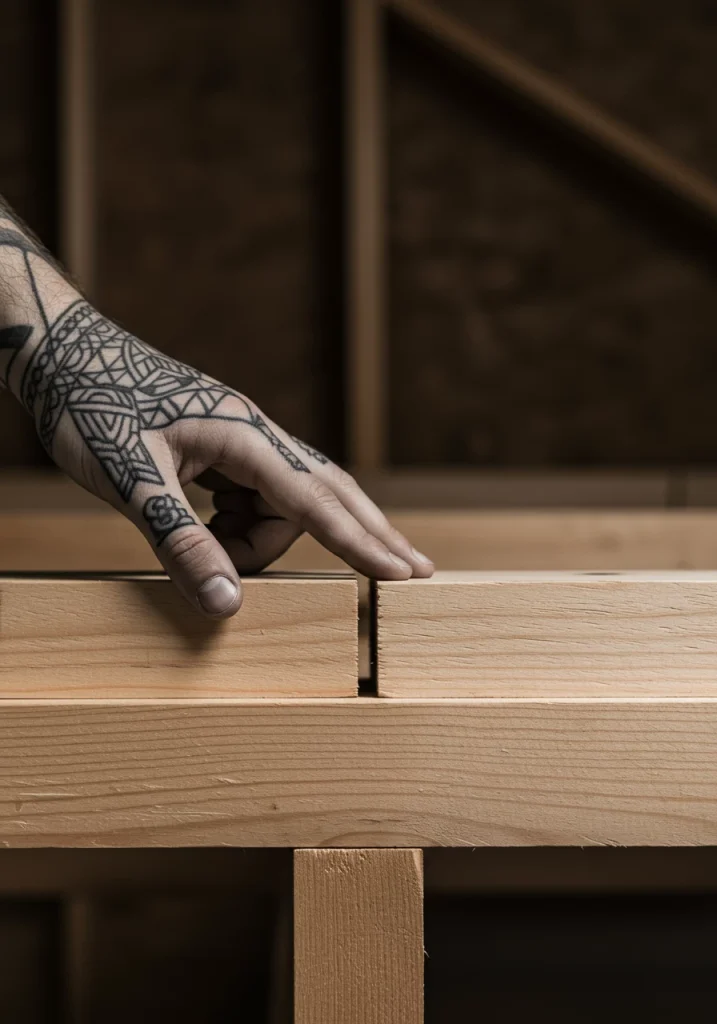
Choosing frame technology for creating a tattoo studio is a decision based on pragmatism, economy, and the pursuit of ideal working conditions. It allows a young or established artist to quickly enter the market, minimize overhead costs, and ensure an unparalleled microclimate for clients and consumables.
Ultimately, a frame house provides the ideal, reliable, and energy-efficient framework on which an artist can build not only walls but also their long, successful career in the art of tattooing.
Questions and Answers: Everything About a Studio in a Frame House
- What insulation is best for a studio where pigments are stored?
Basalt (stone) wool or XPS (extruded polystyrene) are most preferred, as they provide not only high thermal insulation but also minimal shrinkage, which is important for maintaining airtightness and climate stability.
- Is it true that a frame house cools down quickly in winter?
Yes, due to the low thermal inertia of the walls, it cools down faster than a brick house. However, this same property allows it to heat up quickly. This is ideal for a studio: if the artist works by appointment, the temperature can be quickly brought to a comfortable level before a client arrives, saving energy during idle hours.
- How many years can a quality studio built with frame technology last?
With strict adherence to technology and regular maintenance (checking for airtightness, ventilation), the service life is 70–100 years, which is more than enough for several generations of tattoo artists.
- Does a frame house require mandatory forced ventilation?
Yes, absolutely. The airtightness of the frame requires organized air exchange. For a tattoo studio, this is not just a requirement; it is a sanitary standard, ensuring the removal of cleaning agent vapors and maintaining fresh air.
- Can a frame studio be built independently?
Theoretically, yes, but for a studio where hygiene is critical, it is strongly recommended to involve professionals. Errors in vapor barrier or insulation can lead to cold bridges, mold, and disruption of the temperature regime, which is unacceptable for a professional workspace.