A portrait of Donald Trump still adorns Stewart Rhodes’ forearm — the very tattoo he got at the height of his devotion to the president. Today, Rhodes, founder of the far-right Oath Keepers group and a key figure in the events of January 6, 2021, openly calls Trump a “traitor” and “one of the worst in the nation’s history.” Along with this, he is changing his attitude toward his own skin: he says he intends to “modify” the prison-style tattoo of the president’s face to reflect “that reality, that betrayal.” A story that began as a gesture of absolute loyalty is turning into one of the most telling cases in tattoo culture: when a symbol on the body ceases to align with what a person believes.
From Fanatic to Critic: How Rhodes’ Position Changed
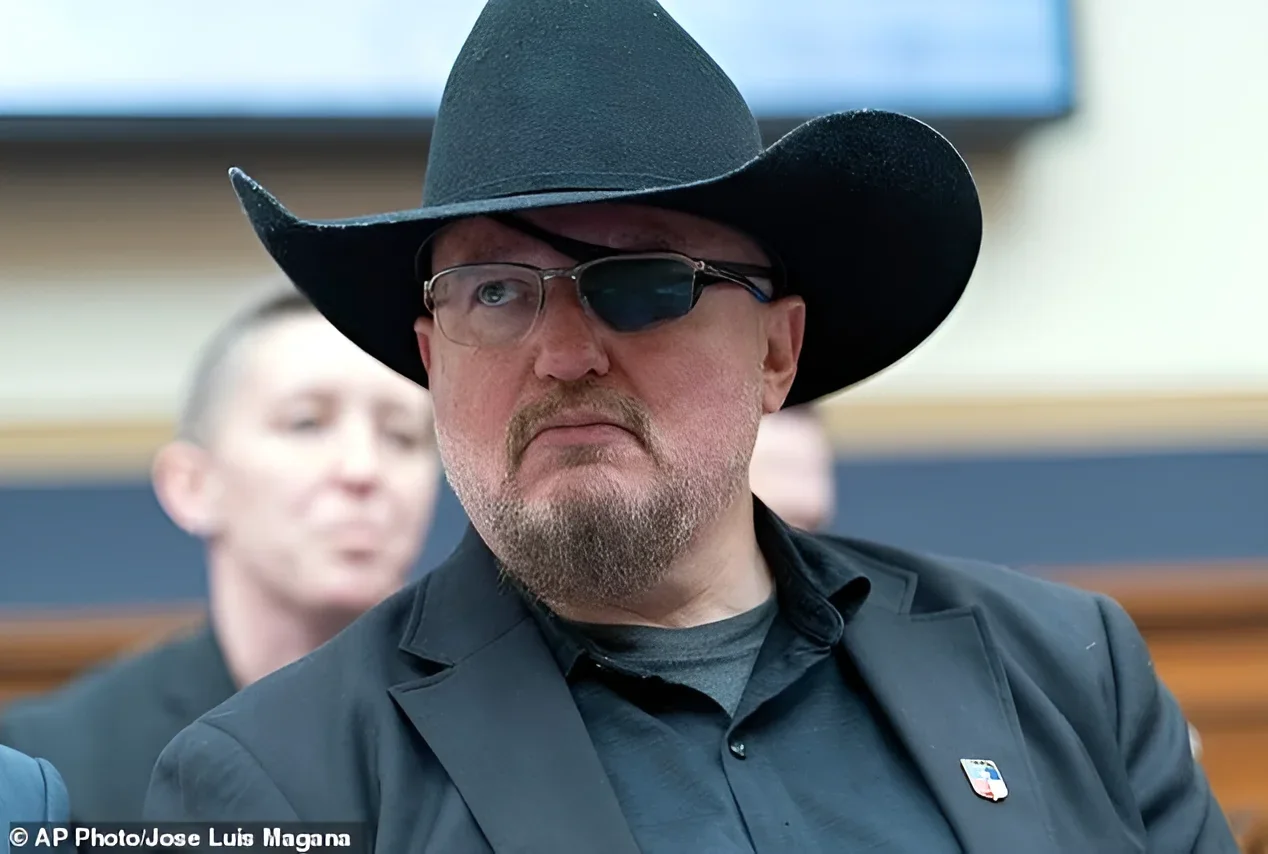
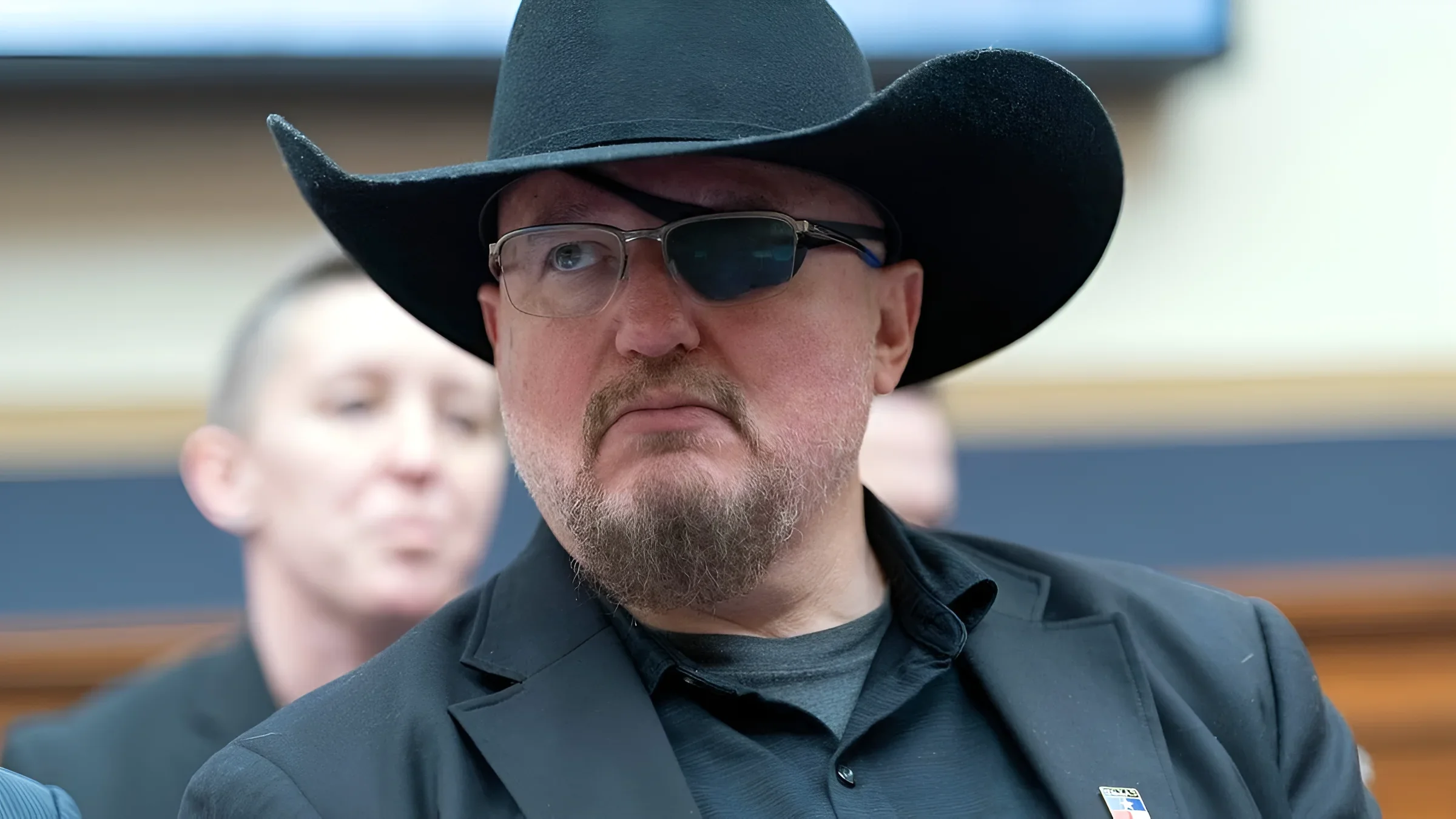
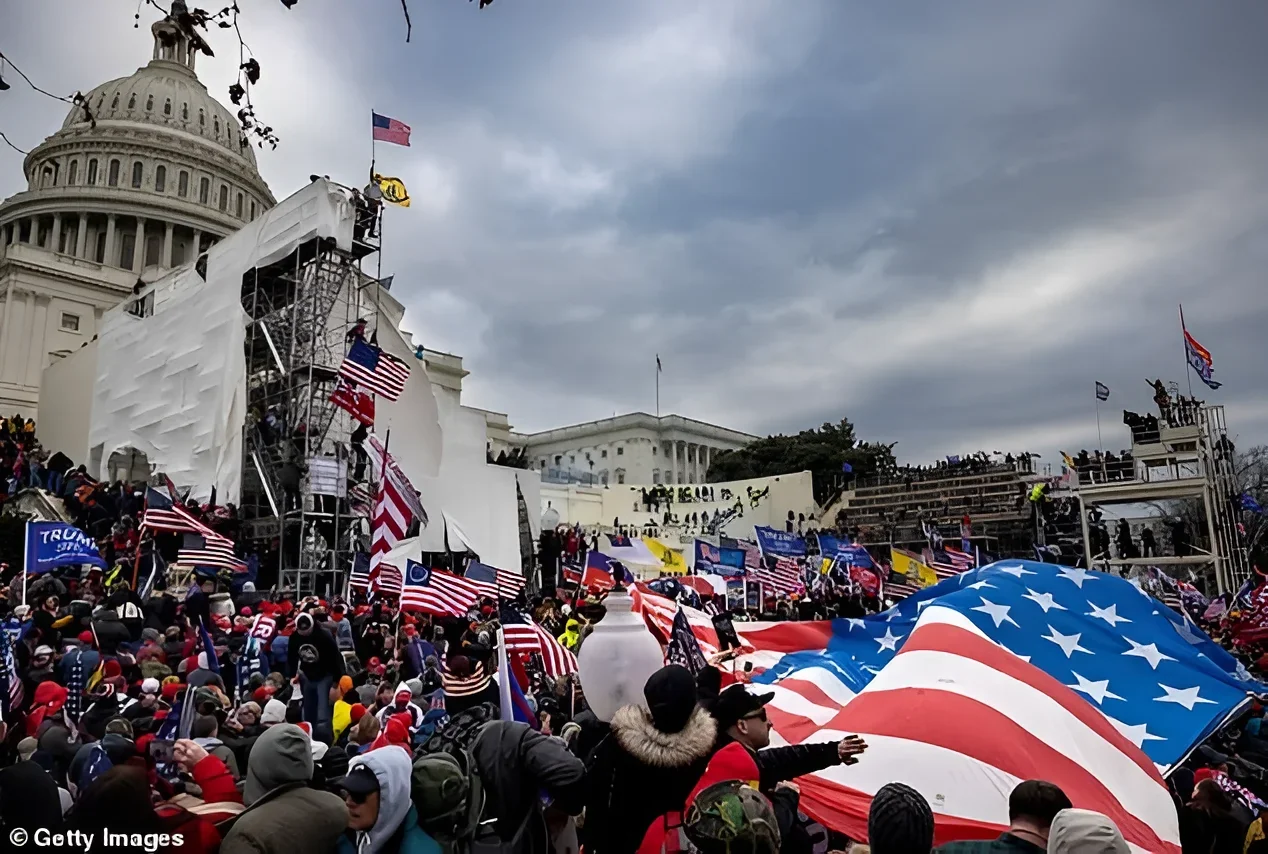
Rhodes is a figure who is difficult to reduce to a single image. A Yale Law School graduate who worked for Senator Ron Paul, he founded the Oath Keepers in 2009 with the stated goal of encouraging military and law enforcement personnel to refuse “unconstitutional orders.” Later, he sided with Trump, and his men participated in the storming of the Capitol. Rhodes himself did not enter the building, but received 18 years on charges of seditious conspiracy — one of the harshest sentences in the January 6 cases. Judge Amit Mehta said bluntly at the hearing: “You are smart, charismatic, and persuasive, and that is exactly what makes you dangerous.”
After Trump’s return to power in 2025, Rhodes’ sentence was commuted, and the Department of Justice removed his status as a convicted felon. But, as he emphasizes, he did not receive a full pardon — unlike hundreds of other participants in the events. This moment, he says, was the “first trigger” in his break with the president. Added to this were the war with Iran, which violated the promise to end foreign conflicts, and Trump’s statement about those who demanded the release of files related to the Jeffrey Epstein case — whom he called “former supporters.”
Tattoo as a Marker: What Tattoo Culture Says
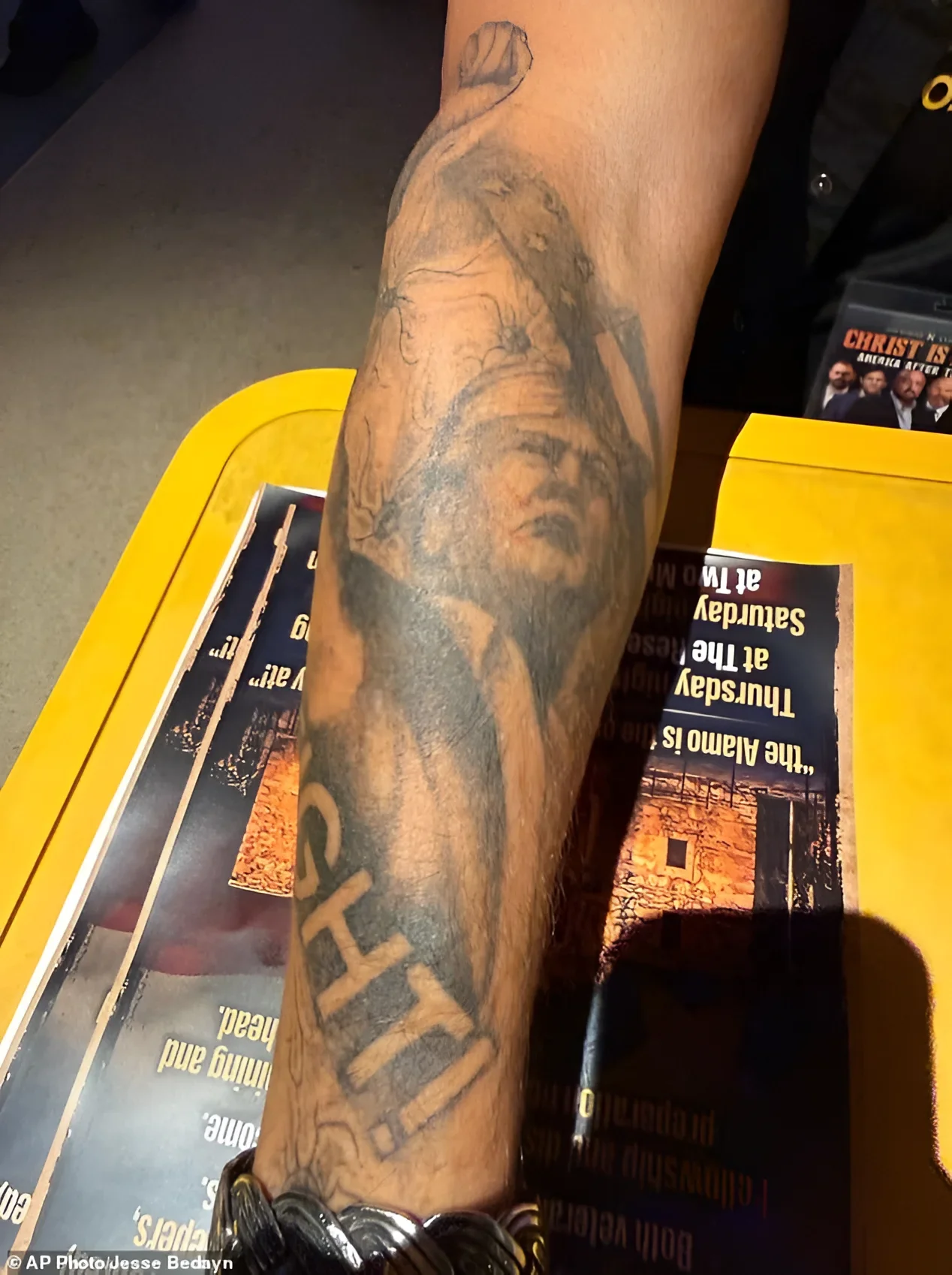
For the tattoo community, Rhodes’ case is not just a political story, but a classic example of how the body becomes a chronicle of beliefs. Political tattoos have historically functioned as a “public contract”: a person puts what they believe on their skin and does so in plain sight. When beliefs change, a dilemma arises that is familiar to every tattoo artist — what to do with an outdated design.
- Symbol of loyalty. A portrait of a leader on the body is a gesture comparable to an oath. It is not decorative, but declarative.
- The cover-up problem. Redoing a tattoo is more difficult than getting one: it requires recoloring, masking, or complete removal. Rhodes specifically speaks of “modifying” — changing, not erasing.
- Social context. In subcultures, a tattoo often “sticks” to a person longer than their views, turning into a living artifact of a past phase of life.
Sam Jackson, an associate professor at the University at Albany who studies anti-government extremism, explains Rhodes’ reversal as an ideological shift: supporters stopped seeing Trump as an ally and realized they had been “drawn into a conspiracy” they thought they were opposing. For tattoo culture, this means that the design on Rhodes’ body is now not just a portrait, but a visual dispute with his own past.
Context: Where and Under What Circumstances
Rhodes’ statements were made in Irving, Texas, at a battered yellow table at a gastropub, during the “Christ is King: America After Trump” conference. Around him were his “Christian Warriors After-Party,” Oath Keepers registrations, and community defense training. Rhodes, whose left eye is covered by an eyepatch from an old gunshot wound, says the Republican Party “took us for granted,” and he did not vote. At the same time, he says, the first thing he will do after his rights are restored is “stock up on weapons.” He did not specify exactly what he will do with the Trump tattoo, but the intention to change it is in itself a sign that even the most enduring symbol on the skin is not eternal as long as the person wearing it is alive.