
For many men, hunting is not just a hobby or a way to procure food, but a true philosophy, a way of life, and a return to the roots of masculine nature. Tattoos have always held a special place in this environment, serving not only as decoration but also as a kind of passport, a protective charm, and a testament to past achievements. The meaning of tattoos for hunters dates back to deep antiquity, when every mark made on the skin was intended to appease forest spirits or bring luck in pursuing game. Today, a hunting tattoo is a complex fusion of traditions, realistic art, and the personal story of a man who relies on his sight, hearing, and steady hand. In this article, we will delve into the subjects modern trackers choose, what they signify, and how to approach selecting your ideal sketch.
Tattoos for Hunters: Symbols of Strength, Luck, and Connection with Nature

When we discuss the meaning of tattoos for hunters, it’s important to understand that each element of the design carries a specific energetic message. For a hunter, a tattoo is a way to declare their values: respect for nature, recognition of the animal’s power, and readiness for challenges. The main meanings conveyed by such images can be divided into three categories: demonstration of strength, seeking protection, and commemoration of trophies.

The symbolism of strength is expressed through images of large predators or scenes of combat. This emphasizes the owner’s courage and their readiness to go all the way. Luck in the hunting context is often visualized through magical signs, runes, or images of objects that bring success (e.g., a four-leaf clover woven into a forest landscape, or special ethnic ornaments). The connection with nature is conveyed through detailed depictions of forests, mountains, animal tracks, and the inhabitants of wild places themselves. For a hunter, it’s important for the tattoo to look authentic, so sketches with a high degree of detail are often chosen, where every animal hair or tree leaf is rendered with special care.
The History of Hunting Tattoos: Ancient Traditions and Modern Significance

The history of tattoos associated with hunting spans thousands of years. In ancient tribes, a hunter who took down a dangerous animal had the right to get a special mark on their body. This was a form of recognition of their status in the community. It was believed that a tattoo allowed a person to absorb some of the power of the killed animal – its keen sight, speed, or ferocity. In many cultures (e.g., among Native Americans or the indigenous peoples of Siberia), tattoos served as protection from evil forest spirits who could “confuse tracks” or lead the prey astray.
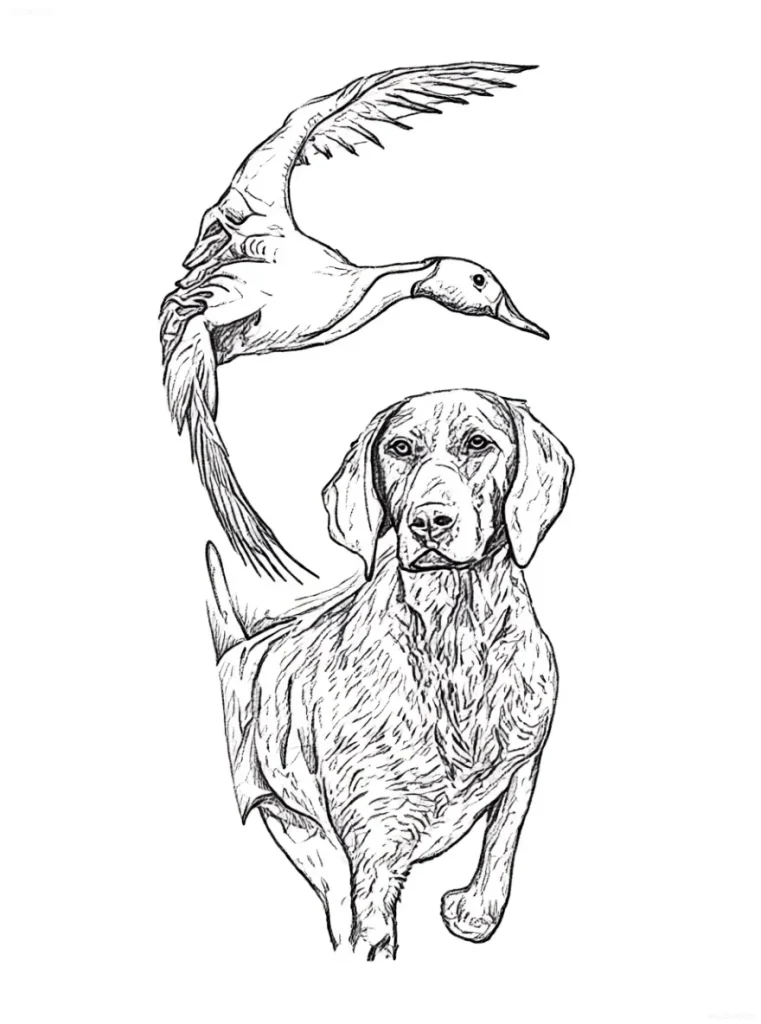
In the modern world, the meaning of tattoos for hunters has transformed but has not lost its depth. Now, it’s more often a way of self-identification within the professional community or an expression of love for wildlife. Modern hunters often choose subjects that reflect their specialization: waterfowl enthusiasts prefer images of pointers and ducks, while those who hunt bears or enjoy driven boar hunts opt for more aggressive and powerful imagery. Today’s tattoo culture allows for the combination of ancient sacred symbols with modern application techniques, creating unique works of art that tell the story of a specific individual.
Totem Animals of a Hunter: Deep Meaning and Personal Connection

Choosing an animal for a tattoo is perhaps the most crucial step. Each animal carries a unique set of qualities that a hunter wishes to either emphasize in themselves or appease in the forest. Let’s consider the most popular options and their meanings:
- Bear: A symbol of absolute strength, the master of the forest. Tattoos with a bear are chosen by people with strong characters, confident in themselves. It is a sign of protection and steadfastness. A bear’s roar can signify readiness to defend one’s interests, while a calm bear represents wisdom and power.
- Wolf: Embodies the strategist, the tracker, and the loyal companion. The wolf symbolizes endurance and the ability to work in a team (pack). For a hunter, it is also a symbol of a keen sense of smell and the ability to track prey under any conditions.
- Deer: Nobility, purity, and connection with the higher forces of nature. Deer antlers are often depicted as a symbol of life energy and cyclical renewal. For many, it is a sign of a successful hunt and respect for the most graceful animal of the forests.
- Boar (Wild Boar): A symbol of fearlessness and ferocity. A boar never retreats, so such a tattoo is suitable for those who value excitement and risk in hunting above all else.
- Fox or Lynx: These animals symbolize cunning, stealth, and the ability to remain unnoticed. Ideal for those who prefer ambush hunting or subtle tracking.
Hunters also often choose images of birds. An eagle or hawk symbolizes sharp vision and superiority, while an image of an owl can indicate a lover of night hunting and the wisdom of a tracker.
Symbols of Luck and Protection in Hunting Tattoos

In addition to animals, the meaning of tattoos for hunters is often revealed through additional symbols that serve as protective charms. In the forest, where a person is alone with the elements, faith in higher protection becomes particularly relevant. Popular protective elements include:
- Compass and Wind Rose: Help to always find the way home and not lose your way, both literally and figuratively.
- Runes (e.g., Algiz or Teyvaz): Scandinavian symbols of protection and victory. Algiz resembles elk antlers and is considered a powerful amulet against hunting accidents.
- Crossed Arrows or Guns: A symbol of readiness for combat and loyalty to one’s craft.
- Dreamcatcher: Used as an element to ward off negative energy and bring peace during nights in the forest.
- Animal Tracks: The image of a trail of animal tracks on the skin symbolizes the hunter’s path, their ability to read the “book of the forest.”
An interesting solution is the use of Slavic amulets, such as “Odolen-trava” (Overcoming Grass) or “Fern Flower,” which, according to legends, granted hunters luck in finding hidden things and protection from forest spirits.
Styles of Hunting Tattoos: From Realism to Abstraction

The choice of style directly affects how the meaning of a tattoo for hunters is perceived. Currently, several directions lead in this theme:
- Realism: The most popular choice. Portraits of animals, done in color or black and gray (black and grey), allow for conveying the majesty of nature. High-quality realism looks like a photograph on the skin, evoking admiration from onlookers.
- Engraving: A style reminiscent of illustrations from old hunting books. Fine lines, hatching, and conciseness create an “old school” image and emphasize respect for tradition.
- Trash Polka: For those who want to add dynamism and aggression. The combination of realistic images with red strokes, blots, and geometric shapes symbolizes the excitement, blood, and drive of the hunt.
- Blackwork and Graphics: Silhouette images of forests, mountains, or animals. They look stylish, strict, and are excellent for covering old tattoos or creating large-scale compositions on arms or the back.
- Dotwork: Creating a design using dots. Often used for creating esoteric and magical symbols, runes, and geometric ornaments surrounding the main hunting subject.
Best Places for a Hunter’s Tattoo on the Body: Where the Symbol Will Look Harmonious

The location of a tattoo often depends on its size and how personal its meaning is. Hunters are practical people, so the choice of location is often dictated by convenience and aesthetics:
| Body Part | Recommended Subject | Features |
|---|---|---|
| Forearm | Animal head, compass, tracks, knife | The most popular location. The tattoo is always visible to the owner, reminding them of their passion. |
| Shoulder | Large predator (bear, wolf), hunting scene | Ideal for voluminous, detailed works. Emphasizes musculature and strength. |
| Back | Large landscape, forest, mountains, wolf pack | Allows for the realization of the most complex artistic ideas with many small details. |
| Chest | Eagle, animal heart, protective amulets | A place for the most significant, sacred symbols that a person wants to keep “close to their heart.” |
| Calves | Running animals, dogs, ornaments | A good place for dynamic subjects. Often chosen for tattoos that can be hidden by clothing. |
Choosing a Tattoo for a Hunter: Practical Tips and Recommendations

If you’ve decided to immortalize your passion for hunting on your body, don’t rush to choose the first sketch you find online. The meaning of tattoos for hunters is too individual to simply copy others’ work. Here are a few tips from tatufoto.com experts:
- Personalize the sketch: Add details to the design that are important specifically to you. This could be the silhouette of your favorite dog, the coordinates of the place where you got your best trophy, or the date of an important event.
- Study animal anatomy: If you choose realism, ensure the artist understands animal anatomy. An incorrect head tilt or distorted proportions can ruin the entire impression of the work.
- Consider the background: An animal in “vacuum” looks less impressive than one integrated into a context. Forest fog, spruce branches, reeds, or mountain peaks will add depth and atmosphere to the tattoo.
- Don’t skimp on the artist: A good hunting tattoo requires a high level of skill, especially in rendering fur texture, eye shine, or the play of light on weapon metal.
- Factor in healing: Hunting often involves physical exertion, dirt, and exposure to the elements. Plan your session so that you have at least 2 weeks for calm healing before your next trip to the hunting grounds.
Questions and Answers About Tattoos for Hunters: Everything You Wanted to Know

Question: Can you get a tattoo of a weapon?
Answer: Yes, it’s a very popular subject. The meaning of a tattoo for hunters with an image of a rifle or bow is a symbol of professionalism, readiness for defense and procurement. Often, the specific model of weapon the hunter uses is depicted.
Question: Which dog breed is best to depict in a tattoo?
Answer: Usually, people choose the breed they hunt with. Laikas, German Wirehaired Pointers, Pointers, or Hounds are loyal assistants. Such a tattoo symbolizes devotion, friendship, and coordinated teamwork.
Question: Is it worth getting a tattoo with an image of blood or a killed animal?
Answer: This is a matter of personal preference. Such subjects emphasize the realism and harshness of the process, but they can be perceived ambiguously by others. Most hunters prefer more aesthetic options: majestic animal portraits or landscapes.
Question: Does the color of the tattoo affect its meaning?
Answer: Black and white tattoos are considered classics; they are more durable and look sophisticated. Color tattoos allow for conveying the beauty of an autumn forest or the bright plumage of a bird, making the design more vivid and emotional.
Interesting Facts About Hunting Tattoos

- In some northern cultures, it was believed that a tattoo depicting a whale or seal helped a hunter “see through water.”
- The image of a cartridge is often applied as a symbol of the “last chance” or a careful attitude towards each shot.
- Among wild boar hunters, tattoos depicting tusks are popular, serving as a symbol of courage and victory over a dangerous opponent.
- Many professional gamekeepers get tattoos of signs indicating the boundaries of their territories or symbols of the reserves where they work.
In conclusion, the meaning of tattoos for hunters is a deeply personal story etched into the skin. It is a tribute to nature, a recognition of one’s roots, and a way to express individuality. Regardless of whether you choose a powerful bear in a realistic style or a modest rune of luck, the main thing is that this symbol resonates with your inner world and inspires new achievements in the wild forests.