
A tattoo depicting the name of Allah is not just body adornment, but a powerful symbol carrying a colossal layer of cultural, religious, and philosophical heritage. For many owners of such a tattoo, the calligraphic inscription of the Almighty’s name becomes a way to express their unwavering faith, find inner peace, and gain spiritual protection. In the world of tattoo art, Arabic script is valued not only for its deep meaning but also for its incredible aesthetics: elegant lines, intricate interweaving, and harmonious proportions transform the inscription into a true work of art that speaks of a person’s soul louder than any words.
Choosing such a motif requires awareness and respect for traditions. It is important to understand that in the context of Islamic culture, depicting sacred words on the body causes much discussion. However, in modern artistic space, the Allah tattoo is often interpreted as a personal amulet and a symbol of the search for truth. In this article, we will delve into all aspects related to this topic: from the history of calligraphic styles to practical advice on choosing a master and placement, so that your choice is informed and aesthetically impeccable.
Allah Tattoo: Deep Faith and Spiritual Protection in Calligraphy

When we talk about a tattoo with the name of Allah, we primarily mean the art of calligraphy. Unlike Western tradition, where text is often perceived merely as information carrier, in Eastern culture, the very inscription of letters is a sacred process. The word “Allah” (الله), rendered by a skilled master, becomes a visual embodiment of divine presence. For a person who decides to take this step, it often means declaring their belonging to a higher order and acknowledging that there is a power in the world that surpasses human understanding.
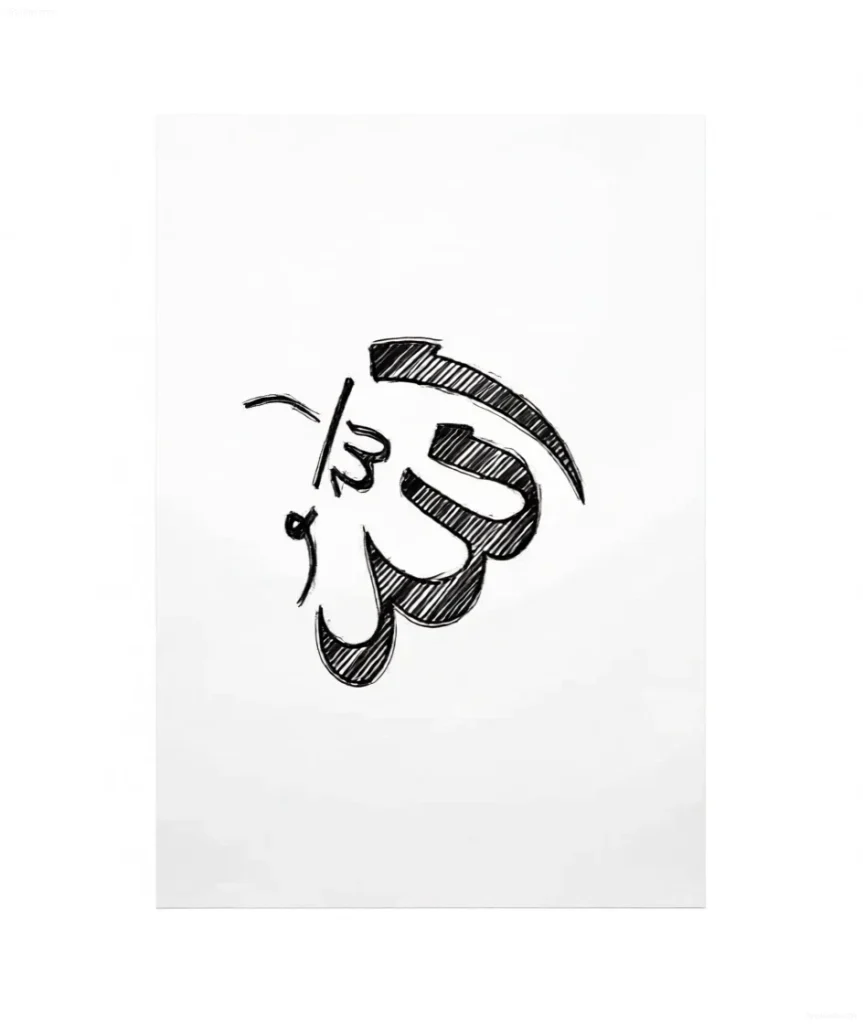
Spiritual protection is one of the key motives for choosing this design. It is believed that the sacred name can protect the owner from the “evil eye,” negative energies, and life’s adversities. It is a kind of “spiritual shield” that is always with the person. It is important to note that such a tattoo imposes a certain responsibility on the owner: it calls for purity of thoughts and actions that correspond to the greatness of the inscribed symbol. Many choose this design at turning points in their lives when seeking support and protection becomes a paramount task.
History and Origin of Calligraphic Depictions of the Name Allah

The history of calligraphy used in tattoos of the name Allah dates back to ancient times when Arabic script was just beginning to form as a high art. Since for a long time there were restrictions on depicting living beings in the Islamic tradition, all the creative energy of the masters was directed towards perfecting writing. This led to the creation of unique styles that we see in tattoo parlors worldwide today.
- Formation Period: The first calligraphic styles, such as Kufic script, were used for writing the Quran. They were characterized by rigor and geometricity.
- Golden Age: During the Abbasid era, calligraphy reached its peak. More fluid and elegant styles appeared, such as Thuluth and Naskh, which are the most popular in tattoos today.

- Architectural Influence: Many tattoo designs draw inspiration from the ornaments of the Alhambra or Taj Mahal mosques, where the name Allah is woven into endless patterns symbolizing the infinity of the universe.
The transformation of calligraphy from manuscripts to human skin is a relatively recent process, associated with globalization and the interpenetration of cultures. Today, the Allah tattoo is a bridge between ancient tradition and modern self-expression, allowing one to maintain a connection with their roots in a rapidly changing world.
Symbolism of the Allah Tattoo: Faith, Submission, and Spiritual Quest

The symbolism of the Allah tattoo is multifaceted and is not limited to religious affiliation. Each element of the inscription carries a hidden meaning, understandable to the initiated and deeply feeling people. Let’s consider the main meanings embedded in this symbol:
- Tawhid (Monotheism): The word “Allah” itself symbolizes the concept of the oneness of God. In a tattoo, this is expressed through the integrity of the composition, where each line leads to the center, emphasizing the unity of creation.
- Islam (Submission): Literally translated, “Islam” means “submission to the will of God.” A tattoo can serve as a reminder that a person accepts their destiny and trusts in divine providence.
- Ihsan (Striving for Perfection): The beauty of calligraphy symbolizes the inner beauty of the soul. A person with such a tattoo often declares their aspiration for moral and spiritual growth.
- Dhikr (Remembrance): A tattoo in a visible place (e.g., on the wrist) serves as a constant reminder of God, helping to maintain mindfulness in everyday hustle.
For many, the Allah tattoo becomes a symbol of spiritual quest. This does not always mean strict adherence to religious dogma, but it always indicates an acknowledgment of life’s sacredness and a search for connection with the transcendent.
Styles of Allah Tattoos: From Classic to Modern

Choosing a style is a crucial stage in creating a tattoo, as it determines not only the visual perception but also the emotional message of the work. Arabic calligraphy is incredibly plastic, allowing it to be adapted to any direction of modern tattoo art.
| Tattoo Style | Features of Depicting the Name Allah | Who it Suits |
|---|---|---|
| Kufic Style | Strict geometric shapes, right angles, massive lines. | Lovers of minimalism and archaic styles. |
| Thuluth | Elegant, elongated letters with smooth curves and complex interweaving. | Those who appreciate classic beauty and grace. |
| Diwani | Calligraphy with a high degree of decorativeness, often letters merge into a single pattern. | For large-scale works with an artistic focus. |
| Watercolor | Addition of bright color splashes and drips around a clear black inscription. | Creative individuals wanting to add expression. |
| Trash Polka | Combination of calligraphy with aggressive brushstrokes, newspaper font, and contrasting colors. | To express protest or complex inner conflict. |
Modern masters often combine calligraphy with other elements: lotus flowers, geometric shapes (sacred geometry), or realistic depictions of clouds and light. This allows for the creation of a unique design that will reflect the owner’s individual story.
Choosing a Placement for an Allah Tattoo: Meaning and Aesthetic of Location

Choosing a placement for a tattoo of the name Allah is a matter not only of aesthetics but also of ethics. Given the sacred nature of the inscription, there are certain unwritten rules and recommendations that will help avoid disrespectful treatment of the symbol.
- Chest (near the heart): One of the most popular and appropriate places. It symbolizes that God is always in a person’s heart.
- Forearm and wrist: Allows the owner to see the tattoo frequently, using it as an object for meditation or a reminder of faith.

- Neck (back or side): Looks very aesthetic, emphasizing the importance of spiritual thoughts and ideas.
- Back (shoulder blade): A good place for large calligraphic compositions with additional decorative elements.
Important Warning: It is highly not recommended to place the name of Allah on the legs (feet, shins) or the lower back. In most cultures that respect Arabic tradition, this is perceived as a sign of disrespect, as these parts of the body are considered “lower.” Try to place the tattoo above the waist to emphasize its elevated status.
Tips for Choosing a Master and Caring for an Allah Tattoo

A tattoo with religious calligraphy cannot tolerate dilettantism. An error in one line can completely change the meaning of the word or make it unreadable. Here are some professional tips:
1. Look for a font specialist. Not every tattoo artist who can draw skulls or flowers can handle Arabic script. The ideal option is a master who is passionate about calligraphy or understands the structure of Arabic writing. Ask to see a portfolio specifically with text-based works.
2. Check the sketch with a native speaker. Before the needle touches your skin, make sure the inscription is composed correctly. In Arabic, the dots (diacritical marks) above or below letters are crucial. An error can turn a sacred name into a meaningless set of signs.
3. Pay attention to details. The fine lines of calligraphy require special care during the healing process. Use only professional ointments recommended by the master and avoid direct sunlight in the first few weeks after the procedure. To ensure the tattoo doesn’t “blur” and remains clear for many years, don’t neglect touch-ups if they are needed.
Remember: a quality tattoo is an investment in your image and your self-perception. Do not skimp on the master when it comes to such a significant symbol.
Frequently Asked Questions About Allah Tattoos

Can I get an Allah tattoo if I am not Muslim?
Yes, modern tattoo art is open to everyone. Many choose this symbol out of love for Eastern aesthetics, philosophy, or as a personal sign of protection. The main thing is to treat the image with respect.
Does getting such a tattoo hurt?
The level of pain depends on the placement. On the chest or forearm, the procedure is tolerated quite easily, while on the ribs or neck, the sensations will be more intense. However, for the sake of deep meaning and the beauty of the result, it is worth enduring a little.

How do people react to such a tattoo?
Reactions can vary. People deeply immersed in Islamic tradition may have mixed feelings, as tattoos are not encouraged in classical Islam. However, in secular circles and among tattoo enthusiasts, it is perceived as a manifestation of strong character and spirituality.
Can such a tattoo be covered up (cover-up) later?
Technically, yes, but due to the sacred meaning of the name Allah, the issue of covering it up should be approached very carefully. It is better to initially choose a design that will be relevant to you for a lifetime.
Interesting Facts About Religious Calligraphy in Tattoos

- In Arabic calligraphy, there is the concept of the “golden ratio,” thanks to which inscriptions look harmonious and attractive to the human eye, even if a person cannot read Arabic.
- The word “Allah” in calligraphy is often inscribed in the shape of a drop, a circle, or even a bird’s silhouette, which adds additional layers of symbolism to the tattoo (life, eternity, freedom).
- Some modern artists use “invisible” UV inks to apply the name of Allah, emphasizing the sacred and intimate nature of faith, hidden from prying eyes.

- The longest calligraphic tattoo in the world includes all 99 names of Allah and covers almost the entire back of the owner, representing an incredible example of artistic endurance and devotion to the idea.
Choosing an Allah tattoo is a path to oneself, an attempt to fix on the skin what cannot be expressed in ordinary language. May your choice bring you harmony, protection, and become a true adornment on your life’s path.