A new dispute over the right to self-expression through tattoos is brewing in the USA. This time, the state of South Carolina has come into focus, where local authorities have introduced a series of restrictions that, according to many, violate citizens’ constitutional rights. The story began when Josh and Stephanie McDonald wanted to get tattoos but encountered unexpected obstacles.
A Law That Divides People
According to South Carolina’s current legislation, tattoo parlors cannot be located within 1000 feet of a church, school, or playground. This rule effectively deprives many cities of the opportunity to open such establishments. For example, in Charleston, where the McDonalds live, finding a suitable location is almost impossible. Furthermore, the law prohibits tattooing on the head, face, and neck—areas that are becoming increasingly popular among clients.
Small Tattoos, Big Problems
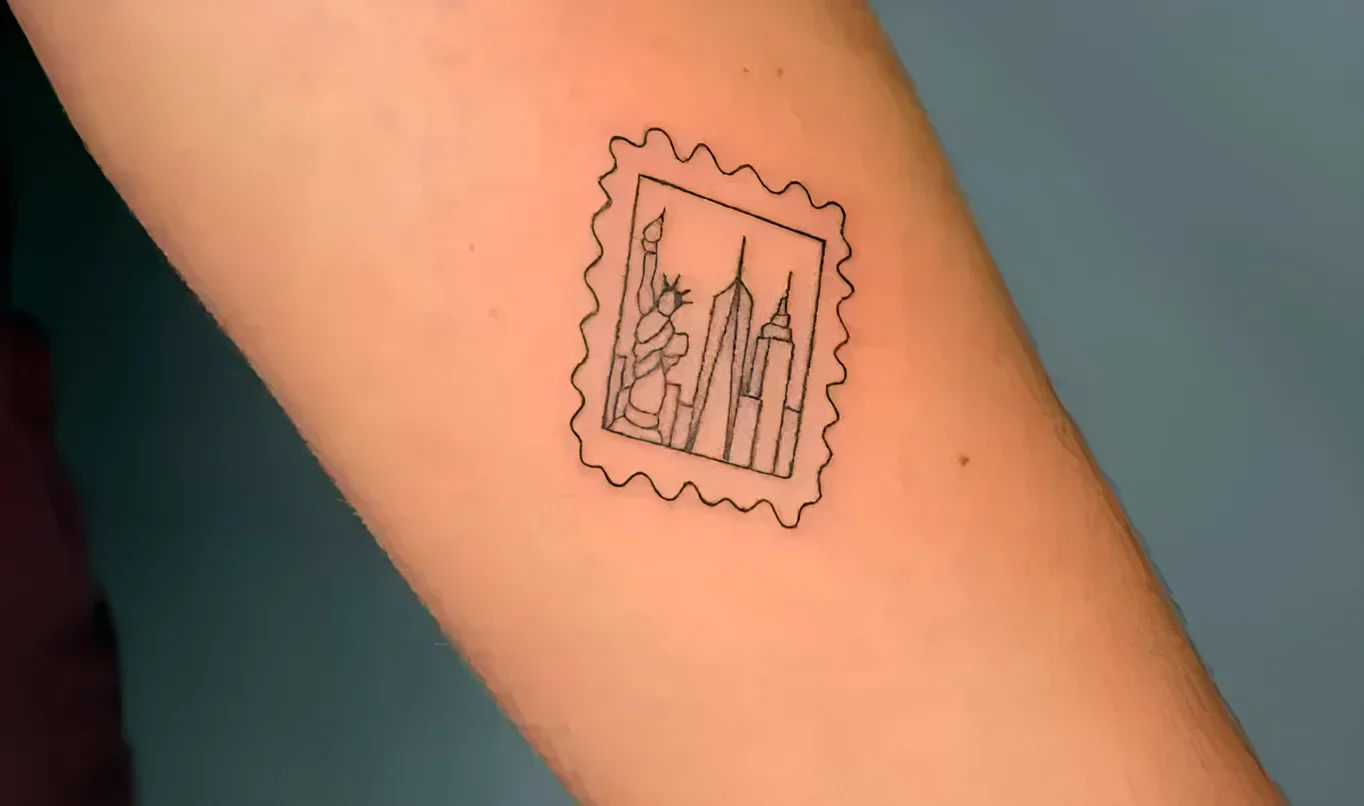
One of the main victims of these restrictions is the New York-based tattoo parlor Tiny Zaps, which planned to open a branch in Charleston. The salon specializes in small, affordable, and quick tattoos. Despite being ready to comply with all licensing, sanitation, sterilization, and staff training requirements, Tiny Zaps faced a ban on tattooing due to legislators’ displeasure that people were their “canvases.”
Freedom of Speech or Censorship?
Tiny Zaps filed a lawsuit, arguing that the restrictions on tattoo placement and parlor location violate the First Amendment to the U.S. Constitution. According to the salon, tattooing is a form of self-expression, and its restriction violates the rights of both artists and clients. The ban on cross tattoos, which is one of the most popular designs in the salon, is particularly ironic. People want to express their faith, but the law does not allow them to do so on their neck or behind their ear.
Double Standards in Legislation
Interestingly, piercing, another form of self-expression, is not subject to the same restrictions. Any adult can get a piercing anywhere on their body, regardless of proximity to schools or churches. This creates double standards that raise questions about the fairness of the legislation. South Carolina has always had a complicated relationship with tattoos. Until 2004, the state was one of two where tattoos were completely banned, and this ban was upheld by the state supreme court in 2002.
History of Restrictions
The modern law, while not completely banning tattoos, effectively makes them inaccessible to most residents. South Carolina has over 7,000 churches, making compliance with the distance rule practically impossible. This leads to many people being forced to seek alternative ways of self-expression or turn to illegal artists.
Political Context
Legislative restrictions on tattoos in South Carolina reflect a broader political trend where the state intervenes in the personal lives of citizens. While many conservatives once advocated for freedom and individualism, the new right-wing forces seek to regulate morality through legislation. For example, Kevin Roberts, president of the Heritage Foundation, has urged colleagues to focus on the “common good” rather than personal freedom.
Public Reaction
Public reaction to these restrictions is mixed. On the one hand, many support the state’s right to protect children and religious sentiments. On the other hand, critics believe that such laws are a form of censorship and violate citizens’ rights. In 2017, over 100 feminists in Minneapolis got tattoos that read “still she persisted” to support Senator Elizabeth Warren. This shows how tattoos can be used for political statements.
The Future of Tattoo Culture
The dispute over tattoos in South Carolina raises important questions about the balance between personal freedom and public interests. Will the state continue to interfere in the personal lives of citizens, or will society find a way to protect its rights to self-expression? The answer to this question depends on how political and social trends develop in the coming years.
The story of Tiny Zaps and the South Carolina law demonstrates how complex the fight for the right to self-expression can be. Tattoos, once considered a symbol of rebellion, are now becoming part of mass culture. However, despite this, many states continue to introduce restrictions that can hinder the development of the tattoo industry. The future of tattoo culture depends on how society and legislators address these issues.