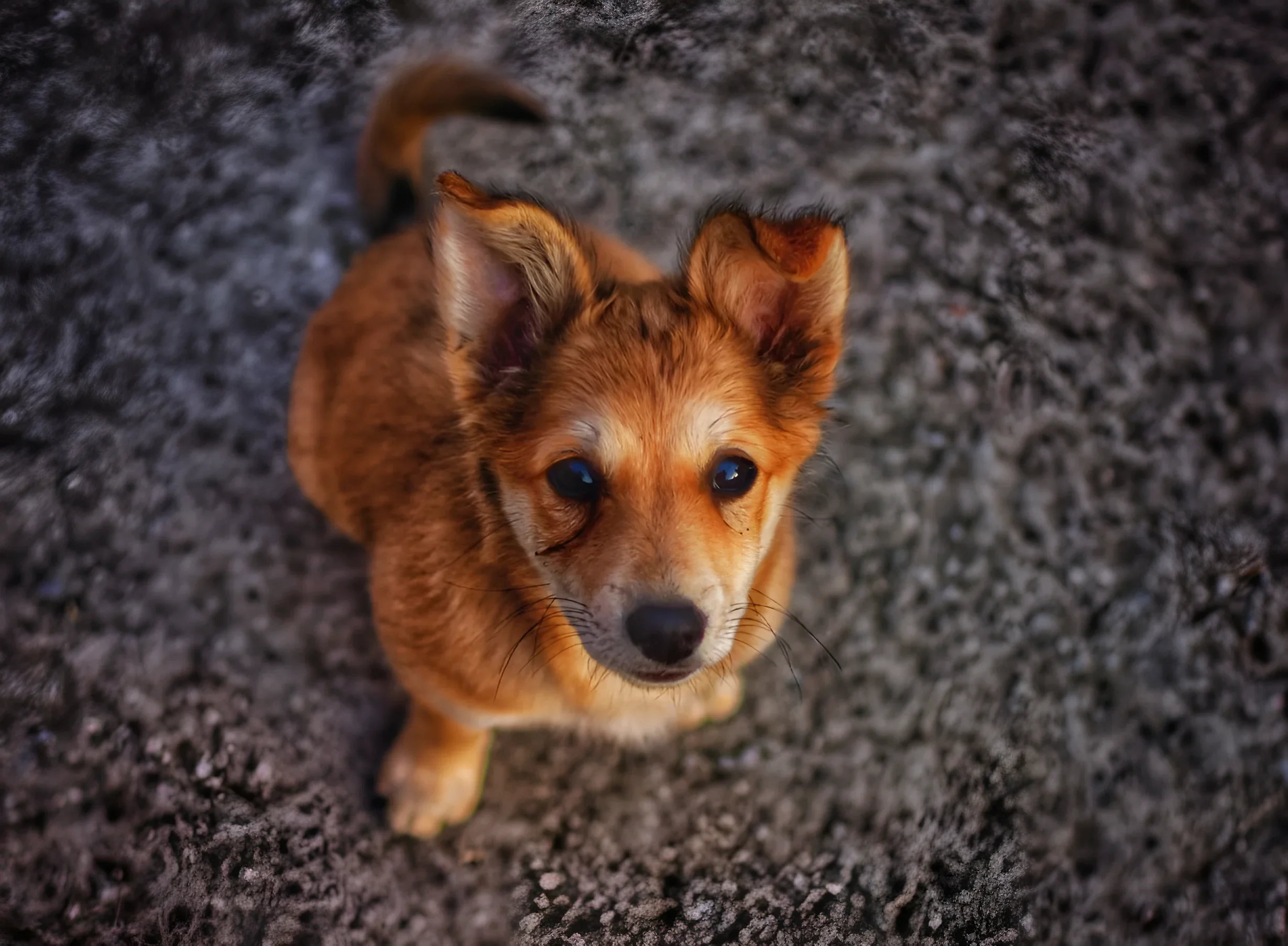
In the tattoo industry, the idea that a needle can be not just a tool for self-expression, but also a channel for help, has long taken root. In November 2026, in Lisbon, this concept was turned into a concrete mechanism: artist Vera Servo Pereira launched a charity session where clients receive miniature fine-line tattoos in exchange for bringing a supply of wet dog food and paying a fixed fee. All collected supplies go to União Zoófila, the capital’s oldest animal protection association, which has been operating since 1951.
Why the campaign is firmly focused on pâté
This is not the first such collection: a year earlier, the same initiative collected over 270 kg of dry food. But in 2026, the focus was intentionally shifted to wet canned food, primarily meat pâtés. The reason here is not fashion, but veterinary practice. The shelter has many elderly, injured, and sick dogs that require daily pills and antibiotics. Animals refuse to swallow bitter medications, and forced administration only increases their stress. Dense pâté allows the pill to be hidden so that the dog eats the treat entirely without noticing the medicine. For the shelter, this is the simplest and least traumatic way to ensure medication intake, which is why this specific item became the main shortage before winter.
Rates and session conditions
Concise graphic designs up to 5 centimeters in size have been prepared for the campaign, which are applied to the arms or legs. The work is performed with black or red ink. The logic is simple: the more designs a client chooses in one visit, the larger their contribution to the shelter.
| Service Package | Work Cost | Contribution to the shelter |
|---|---|---|
| 1 tattoo | €50 | 5 cans of meat pâté (400g each) |
| 2 tattoos | €60 | 7 cans of meat pâté (400g each) |
| 3 tattoos | €70 | 10 cans of meat pâté (400g each) |
Booking and design reservations are available directly through the artist’s Instagram profile: @veraservopereira. The campaign runs from November 1 to November 30, 2026.
How to help if a tattoo is not your thing
União Zoófila cares daily for hundreds of abandoned, sick, and abused cats and dogs waiting for permanent owners. The humanitarian aid collection point is open daily from 14:00 to 17:00 at: Rua Padre Carlos dos Santos, 1500-901, Lisboa. Among the most requested items are:
- specialized and medical food: hypoallergenic lines, gastrointestinal diets, rations for puppies and kittens;
- medical and household supplies: disposable gowns for staff, laundry detergents, dishwashing gels, disinfectant solutions;
- equipment: plastic transport boxes and kennels, warm beds and mats.
In addition to goods, you can support the association financially on their official website, sign up for membership, become a guardian of a specific animal through remote sponsorship, or sign up as a volunteer — the shelter constantly needs hands for walking, grooming, and basic socialization of pets before responsible adoption.
Expert view: why such campaigns work
From the perspective of tattoo culture, this model is a successful example of how the fine-line niche goes beyond aesthetic consumption. Fine lines are historically associated with delicacy, minimalism, and the “first tattoo,” so the entry barrier for a newcomer is low, and the emotional response to a charitable gesture is amplified. The artist gets live traffic and new faces in the studio, the client gets a meaningful design, and the shelter gets exactly what it lacks at the moment. It is the link to a specific need (pâté for masking medicine, rather than abstract “food”) that makes the campaign convincing: the person understands exactly where their contribution is going. For the tattoo market, this is an important signal — sustainable projects are increasingly built not on one-off flash mobs, but on the transparent logic of “skill + resource + specific goal,” which increases audience trust and extends the life of the initiative beyond a single month.