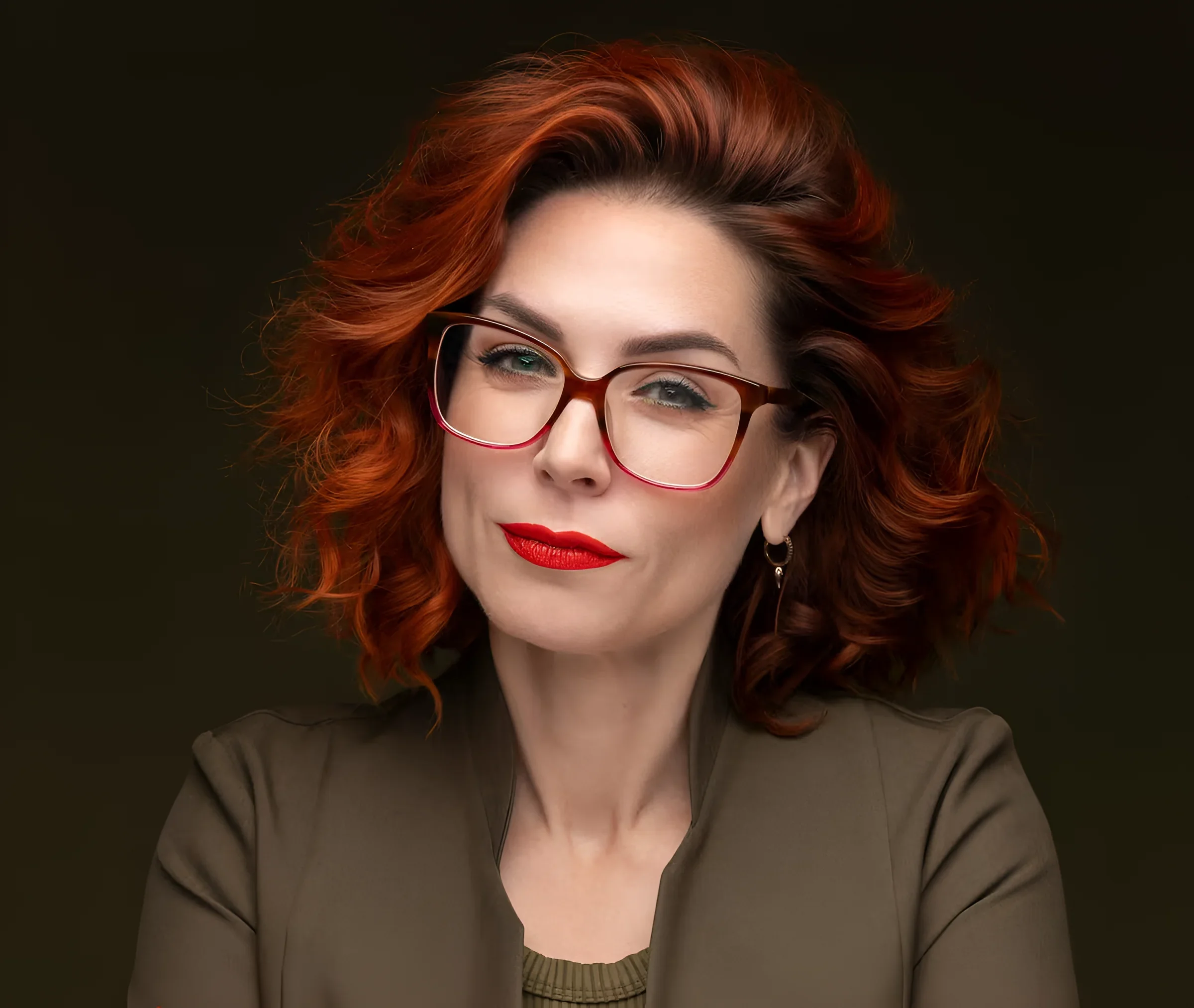
Every areola is as unique as a fingerprint or an iris pattern. This is the thought that Mariska de Jong, a 45-year-old tattoo artist from Breda (Netherlands), repeats when talking about her work. Since October 25, she has been officially recognized as the world champion in breast micropigmentation for patients who have undergone mastectomies or other oncology-related surgeries. Her specialization is drawing nipples and areolas on the skin of reconstructed breasts, a procedure that goes far beyond aesthetics and enters a purely psychological realm: a realistic tattoo helps a person believe in their own body again.
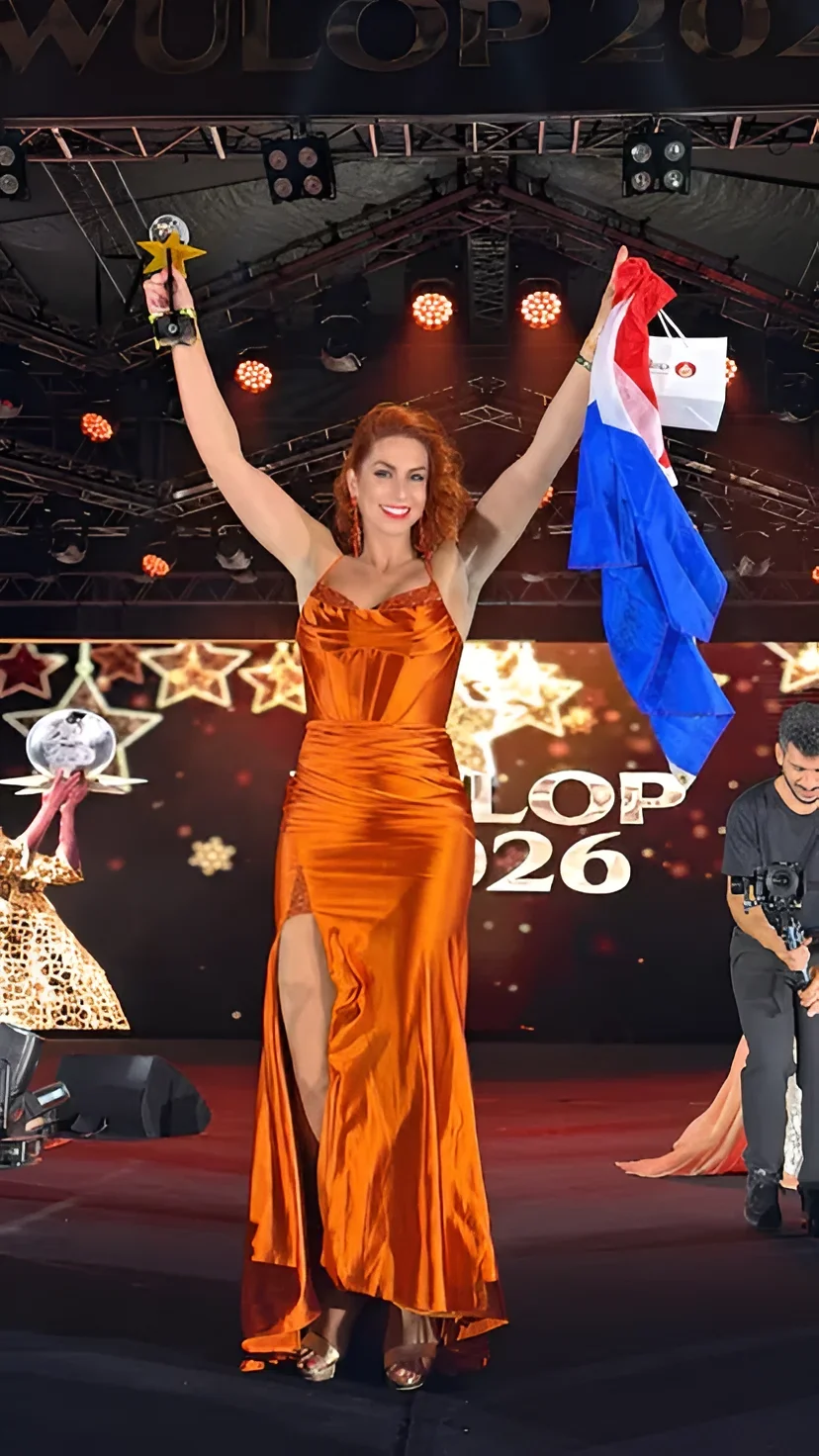
The coronation took place at the World Universal League of Permanent Makeup (WULOP) championship, which gathered thousands of artists from 85 countries in Antalya (Turkey) at the end of October. De Jong arrived there with the already earned title of Benelux champion (Belgium, Netherlands, Luxembourg), which she achieved in September of the previous year. In her own words, she went there to “enjoy the experience with low expectations,” but ended up performing perhaps the best work of her fifteen-year career.
Competition Format: 75 Minutes and Working from Memory
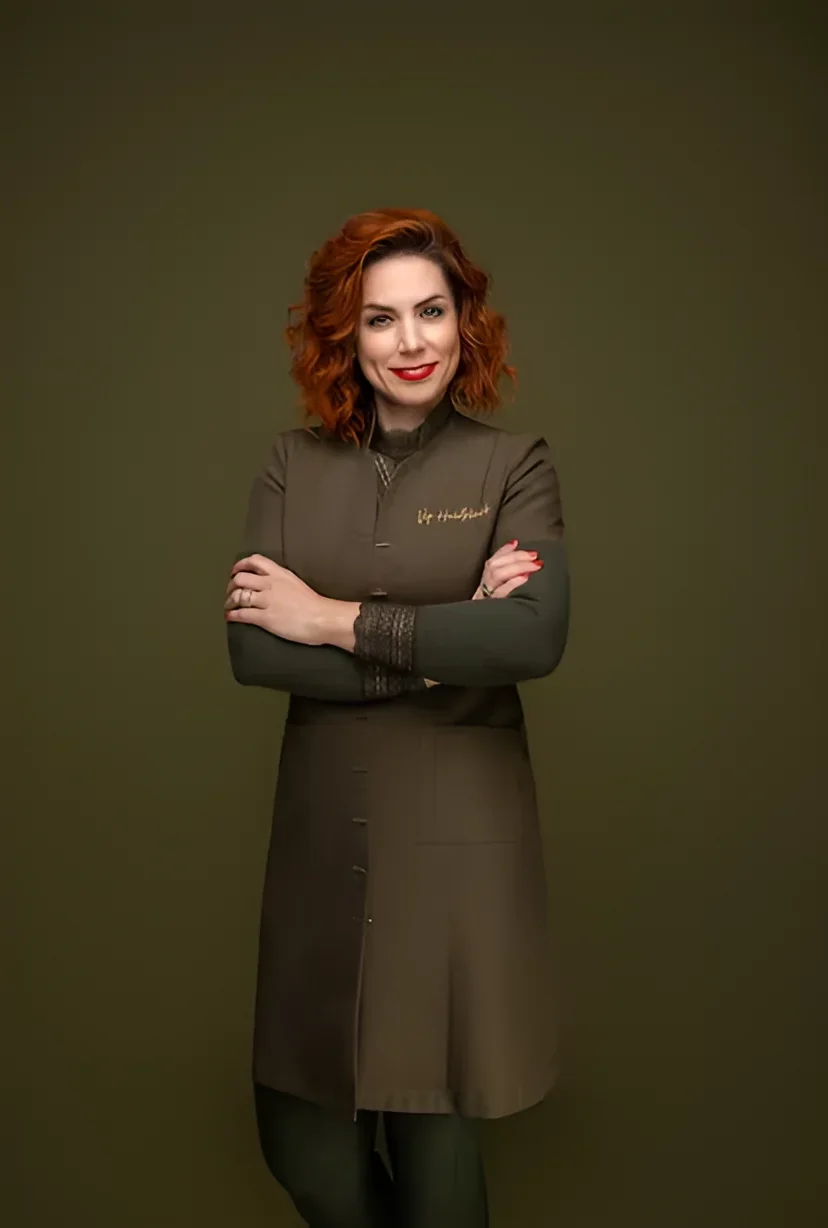
Contestants had to work from memory for 75 minutes on a smooth piece of latex — the same material de Jong uses in her clinic to capture the pre-operative look of a breast. If a patient does not have a photo from before the surgery, the artist shows her an album with samples of all types of nipples and areolas and sketches the design with pigment so the person understands what to expect. Color tests help determine depth, contour sharpness, and shine: “there is always a point where the light falls, and the composition is built exactly from it.” The palette varies from pink tones to various shades of brown because every person’s skin absorbs pigment differently.
Key facts about the champion:
- Name: Mariska de Jong, 45 years old, Breda, Netherlands
- Specialization: Nipple and areola micropigmentation after mastectomy
- Experience in permanent makeup: 15 years
- Benelux Champion title: September (previous year)
- WULOP World Champion title: October 25, Antalya, Turkey
- Competition participation: artists from 85 countries, 75-minute limit
Psychology, Not Just Aesthetics
De Jong emphasizes that her work is about restoring wholeness. She recalls a patient who, after reconstruction, almost decided on a skin graft for a new nipple, but upon learning about the artist’s title, chose a tattoo. “She lacked the information to make an informed choice,” notes de Jong. She separates two ideas: on one hand, a tattoo helps one “feel whole again,” as with concealing scars; on the other, medicine solves problems, but the person learns to live with the result themselves, and it is the work on the psychological and aesthetic side that restores confidence.
The experience here is personal. De Jong herself did not have oncology, but after a period of bodybuilding in her youth, she experienced rapid weight loss and several surgeries to remove and lift skin. Long-term inflammation and infections, followed by the search for a specialist capable of fixing all the “marks,” taught her to see the work from the inside. Today, she shows her own scars — they are the same color as her skin, and one needs to look closely to notice them. “Seeing my breast again thanks to a 3D tattoo, daring to wear a swimsuit in the summer, not feeling shame… This is the best thing I can do in my work.”
Medical Boundaries and Regulation
A clinical tattoo artist must have a deep understanding of skin and the reaction of scar tissue. A scar must “mature” for at least six months to a year, swelling must be absent, and the artist must know when the patient underwent radiation therapy, whether treatment is completed, and what medications are being taken. De Jong advises against touching keloids — scars from excessive connective tissue growth — for anyone other than doctors and researchers: stimulation can trigger their proliferation. A remarkable fact for tattoo culture: her work is so realistic that Instagram periodically censors posts with the results.
Important context for the entire industry: since 2022, the REACH regulation has been in effect in Europe, limiting the concentration of hazardous substances in permanent tattoo inks. “Thanks to this regulation, the procedure has become safe, and my task is to achieve the most realistic result possible,” the artist admits. The world championship opened a door for her that was previously only slightly ajar: surgeons with whom she had unsuccessfully offered cooperation for years are now calling from hospitals to book patients. “We could do something great together,” says de Jong, and in parting adds what is perhaps the essence of the entire tattoo culture in its medical dimension: “I want to help because I learned to love myself again when my numerous scars were smoothed over.”