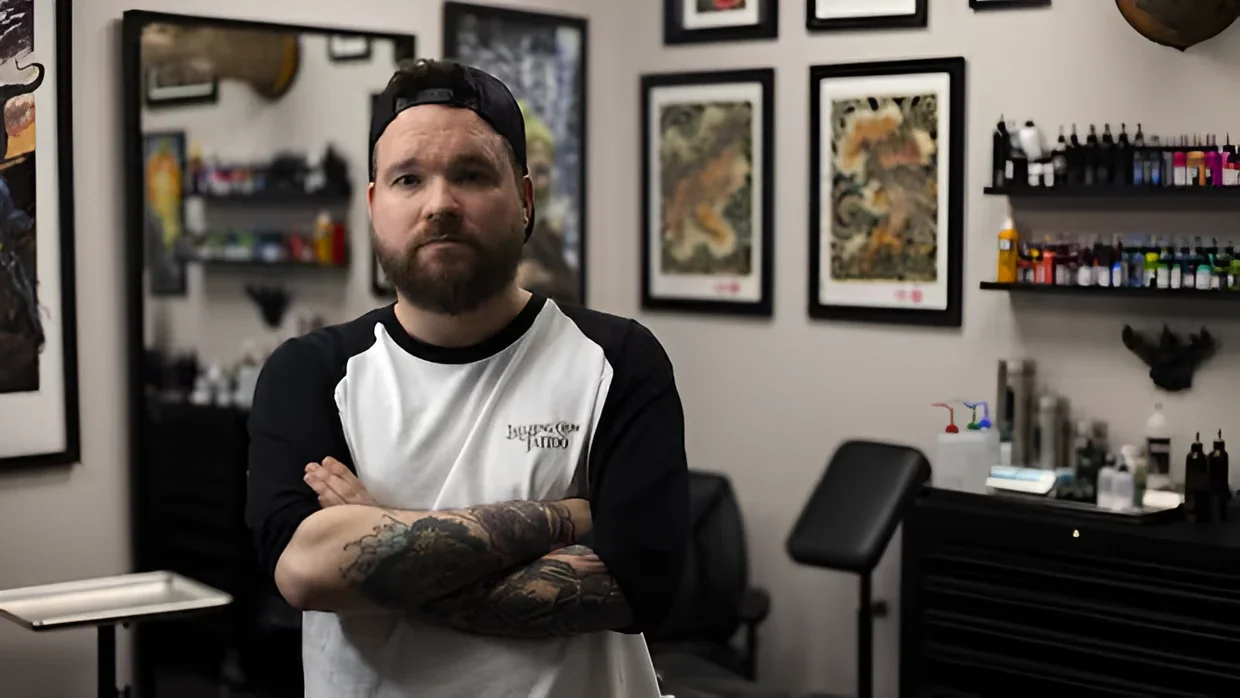
In the southwestern part of the Canadian province of Manitoba, the tattoo community has split in two. Nine studios from the city of Brandon have united and issued a joint statement, in which they point directly to a growing problem: some colleagues are inflating their reputations using images generated and edited by neural networks. According to them, such portfolios are used to inflate skills, mislead clients, and lure novice artists into paid mentorships.
Nine Brandon studios issue a joint statement
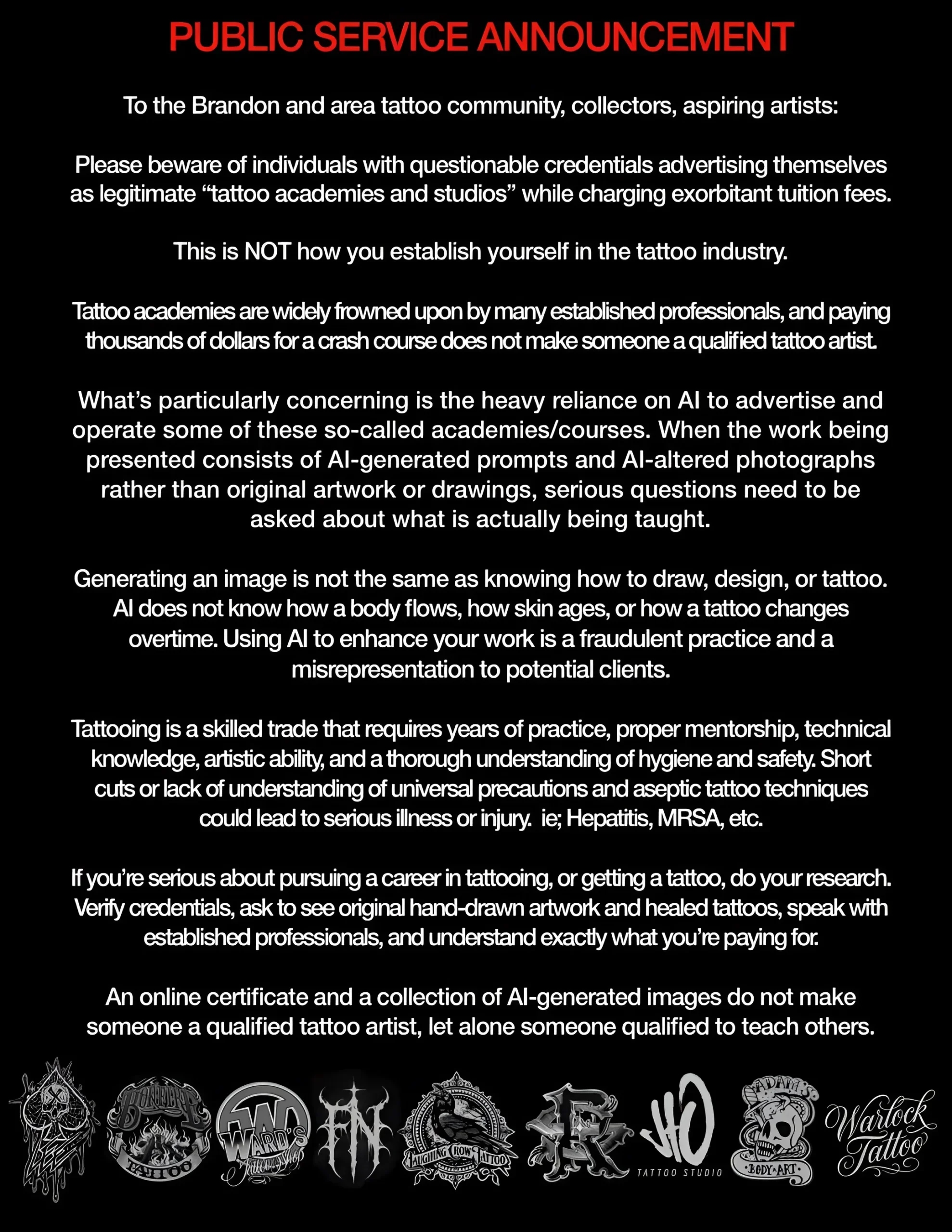
The initiative was supported by owners and artists of local workshops, and at the center of their grievances is not just “pretty pictures,” but systematic deception. TJ VanStone from the studio Laughing Crow Tattoo Custom Tattooing puts it bluntly: faking a portfolio with AI is essentially false advertising that misleads clients. His goal is not to punish, but to teach people to notice manipulations and demand transparency from artists: what the original sketch looked like and what the finished tattoo looks like on the skin.
The risk here is not abstract. A person getting their first tattoo who is not familiar with AI-generated images can easily choose a workshop where they are promised a result that the artist is physically incapable of delivering. VanStone notes that vulnerable clients pay huge sums for failed work, and novice artists go broke spending months in the shadow of someone with undervalued skills. He admits that he has covered up others’ “mistakes,” only to later see heavily doctored photos of the same work in someone else’s online portfolio, which had almost nothing to do with what he saw on the client’s skin.
Ethics at the intersection of AI and craft
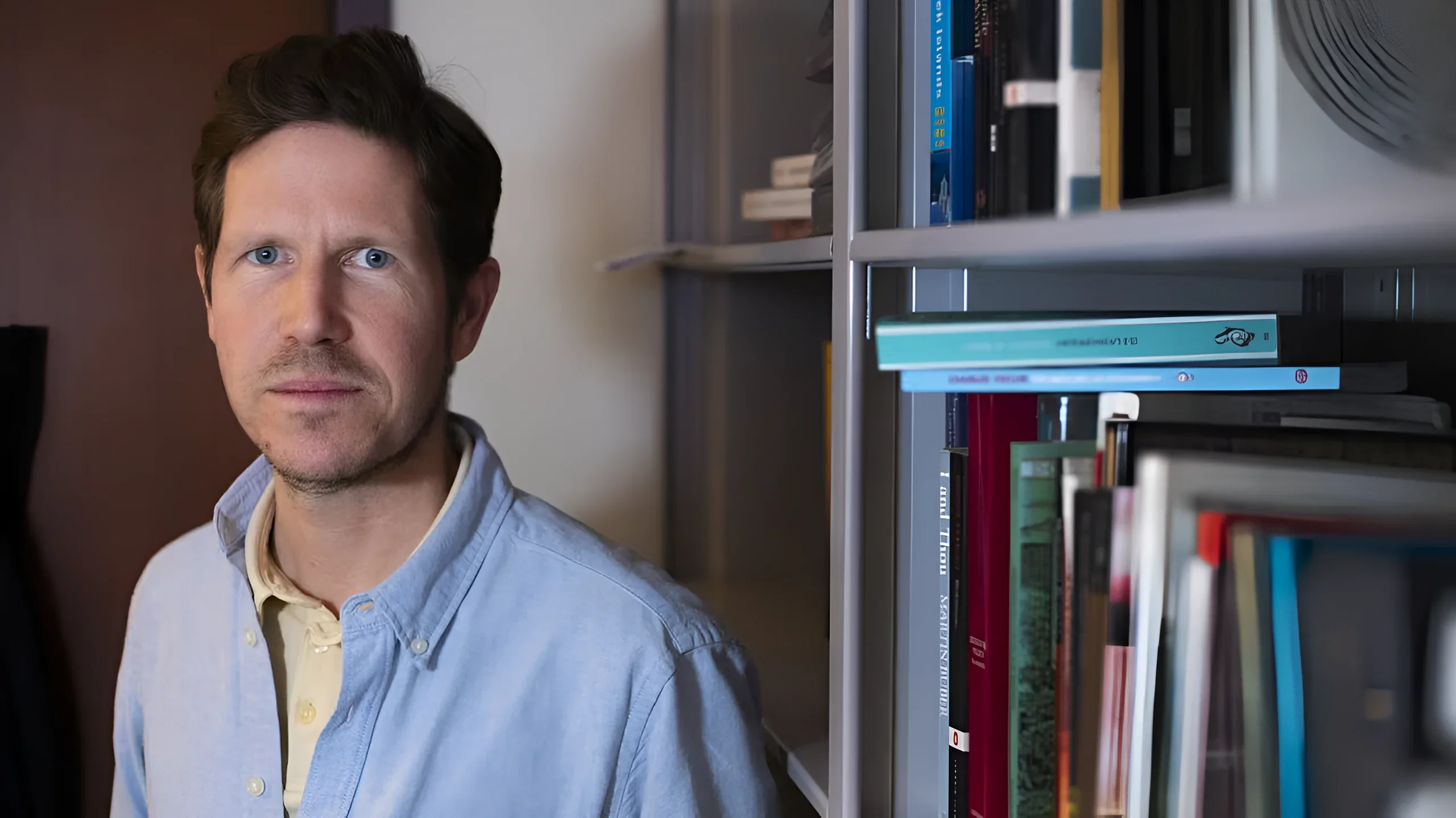
The issue has gone far beyond a single industry. Cameron Boult, a professor at Brandon University who teaches a course on AI ethics, notes that the intersection of neural networks and art gives rise to complex and contradictory discussions. In the case of tattoos, he says, there are strict ethical boundaries: an artist who fakes an image or uses tools to distort their skill and the final result crosses these boundaries. But there are also gray areas — for example, is it acceptable to remove a single spot on a forearm so that the tattoo reads more clearly, or is that already a misrepresentation of the quality of work?
Boult emphasizes that the dispute largely comes down to personal preferences: not everyone believes that AI devalues the creative process. He cites the example of musician Ama Eme, who writes and performs music with live musicians but uses an AI team for promotion. This frees up her time for the creative work itself. His wish is for people to use AI consciously, without displacing the human side of creating art.
Why the portfolio has become a battlefield
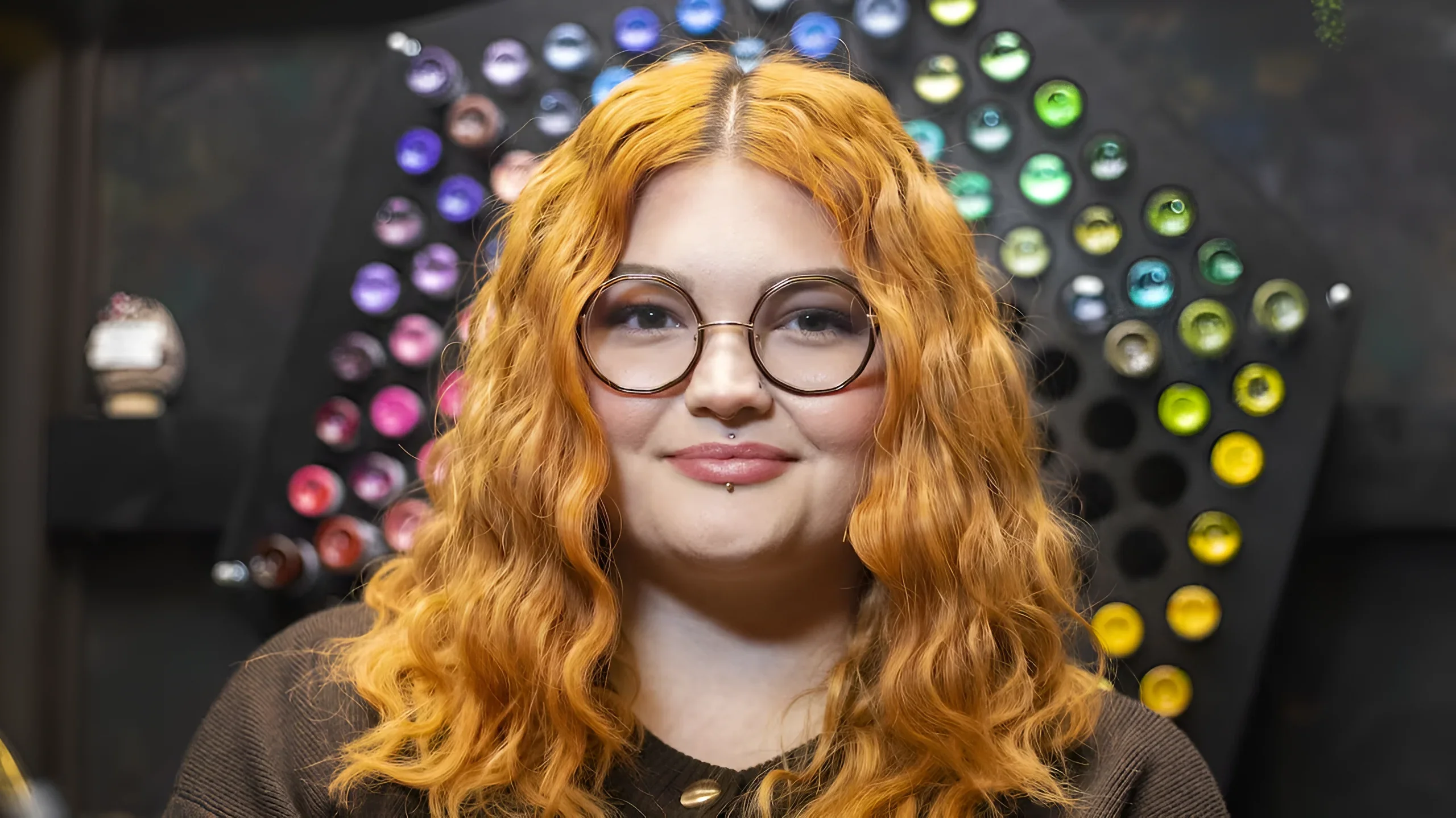
Practicing artists see the problem from the inside. Haylee Janai, who works at Ward’s Tattoo Shop in Brandon, says that some of her clients bring in ideas generated by neural networks, and she then reworks them into her own sketches. For her, the key is the artistic process itself, and that is what distinguishes human art from machine art. When one artist puts hours into the character and energy of a work, and another automates everything through AI, the value of the craft is devalued.
Janai cites a characteristic phrase: there are those who create a sketch via AI, tattoo it, and then run the photo through a neural network again. She doesn’t see the point of the tattoo itself in that case — it would be easier, she says, to connect a tattoo machine to a 3D printer. Her main concern is the use of technology to distort real work, and she suggests introducing some standardization: rules for creating and presenting portfolios and advertising using AI. This would help prevent those who have neither the foundation nor the experience from presenting themselves as professionals.
VanStone, in turn, advocates for the protection of apprentices looking for a mature mentor and for the cessation of deceptive AI advertising. He reminds us that regulations against false advertising and requirements for sanitation and safety already exist, but without oversight, some studios will continue to take money for failed tattoos — with typos, shaky lines, and damaged skin — and then hide behind edited photos.
Expert context: what breaks the trust model
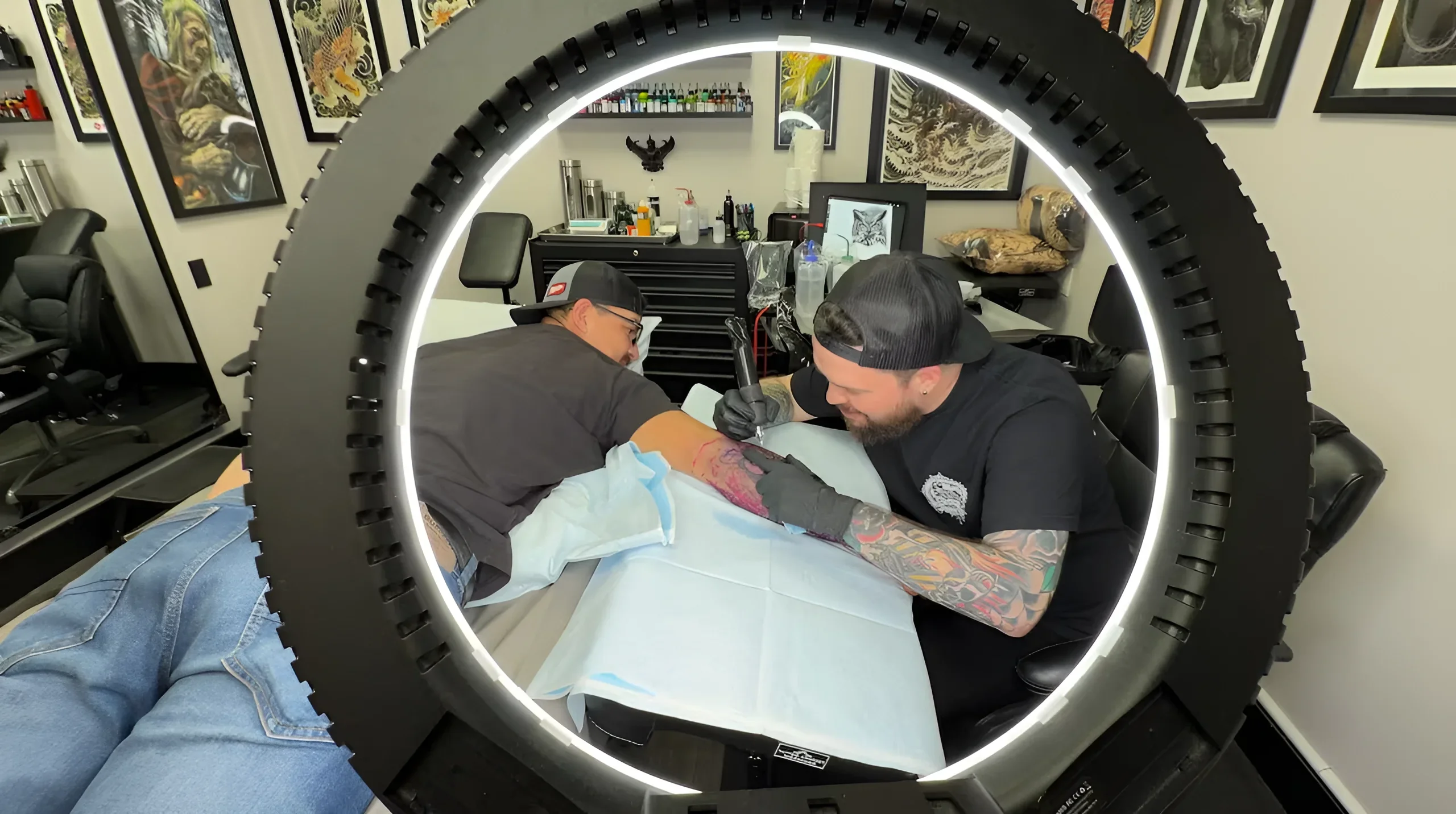
Looking at the bigger picture, the conflict in Brandon is not a local quarrel, but a symptom of a general shift in tattoo culture. Historically, an artist’s portfolio worked as proof: photos of real work on real people, taken in real conditions. The client was not buying a picture, but a verified result. Neural networks are destroying this connection: now “proof” can be drawn without leaving home. For an industry where trust is the only asset that cannot be returned after damaged skin, this is critical.
There is a second layer as well. A tattoo is also a medical procedure with risks: from allergic reactions to infections like hepatitis and HIV, which are explicitly mentioned in the studios’ statement. When a client chooses an artist based on a fabricated portfolio, they risk not only aesthetics but also their health. Therefore, the demand for professional standards in technique and quality looks not like censorship of creativity, but as basic consumer protection.
At the same time, it is important not to slide into a prohibitive approach. As both Boult and the artists themselves note, AI can be a useful tool at the brainstorming stage, but it should not replace either the artistic process or the honest presentation of the result. Most likely, the way out is not a global ban, but transparency: labeling generated images, mandatory “before and after” photos without retouching, and industry codes that will protect both the client and the honest artist. As long as there are no such rules, the Brandon tattoo community will likely continue to argue — and probably not for the last time.