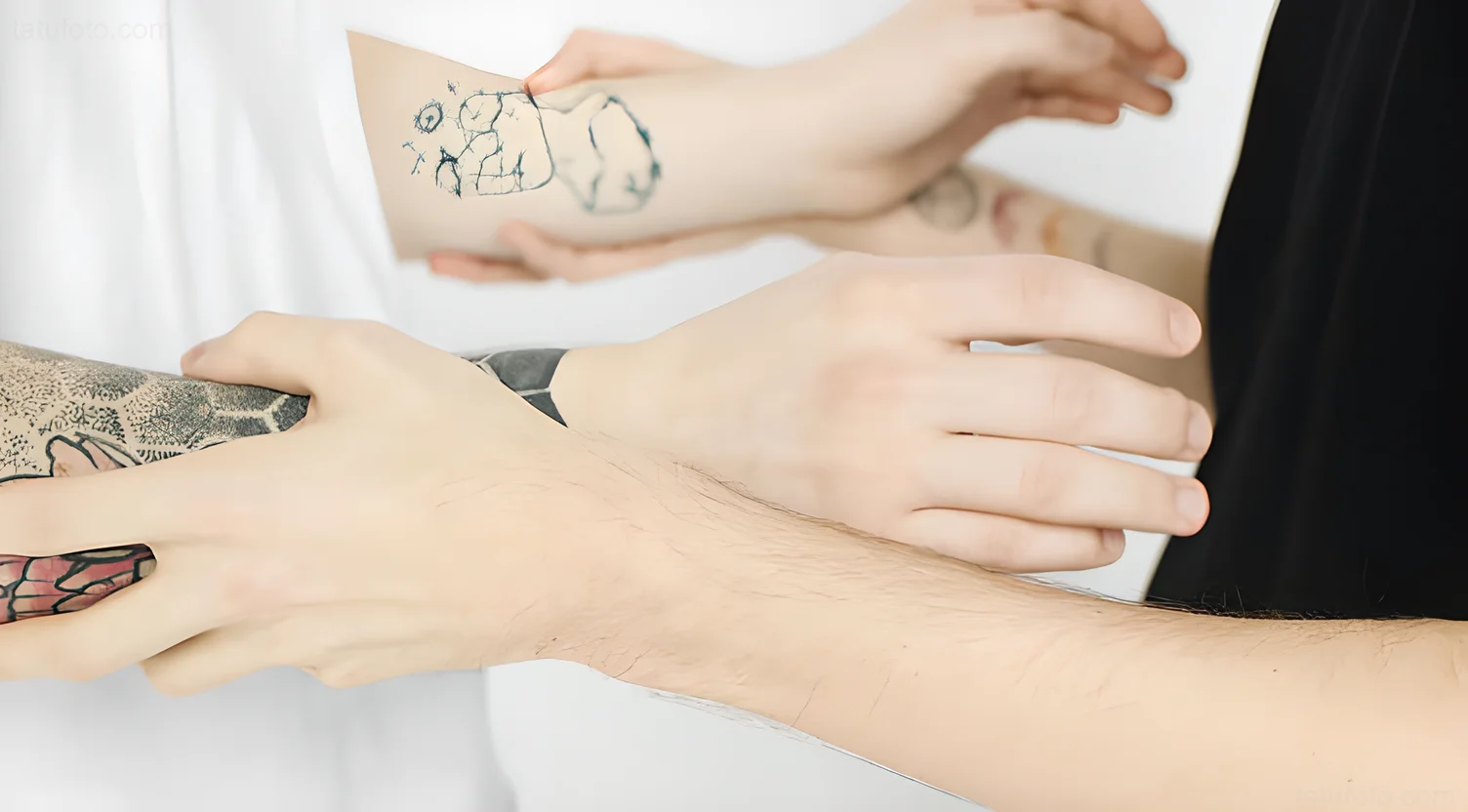
The concept of tattooing is rapidly moving beyond artistic expression, transforming into a tool for high-tech biometrics. A recent development, presented by teams of engineers from Texas, promises to revolutionize the approach to mental health. This is an ultra-thin electronic patch that functions as a “next-generation tattoo.” This device, equipped with microsensors, is designed for continuous analysis of physiological signs of stress and mental overload. Its main goal is to discreetly warn thousands of workers about impending chronic exhaustion or professional burnout before its symptoms become obvious.
Sticker that reads your body: ultra-precision technology
Externally, the device is a “soft sticker” that easily attaches to the skin, usually on the forehead or another hairless area. However, behind this seeming simplicity lies a complex monitoring system. This electronic tattoo (e-tattoo) is capable of simultaneously tracking four key physiological markers that are early indicators of latent stress:
- Heart rate: measuring heart rate variability.
- Sweating: analysis of skin conductivity associated with nervous tension.
- Hormonal signals: monitoring changes caused by stress reactions.
- Brain waves: recording patterns indicating mental overload.
It is the comprehensive approach, covering both cardiovascular and neuroendocrine systems, that allows the device to achieve unprecedented accuracy in prediction.
Artificial intelligence as a forecaster
The raw data collected by the microsensors immediately goes to the analytical center – a special algorithm based on artificial intelligence (AI). AI does not just record peaks; it searches for subtle patterns and weak signals indicating increasing mental load or physiological stress. Surprisingly, the system is able to detect deviations a few days before a person feels exhaustion creeping up.
In case of detecting a critical shift, the device initiates a warning – a notification that may appear on a paired smartphone or other gadget. It suggests the user to immediately take corrective measures: take a break, perform breathing exercises, or, if the situation is critical, seek professional help, thereby preventing the condition from worsening.
Integration into tattoo culture: from symbol to function
For the tatufoto.com community, this development is particularly significant as it erases the traditional boundaries between body art and functional gadgets. If earlier a tattoo was a form of self-expression, attachment to a subculture, or a tribute to aesthetics, now we see how the concept of “on-skin” design is mutating into a wearable, semi-permanent technology.
This “electronic tattoo” symbolizes a transition to biointegration. It is not permanent like a traditional tattoo, but its ultra-thin and inconspicuous form factor brings it as close as possible to the idea of a second skin. In the future, we can expect a merging of these trends, where artistic elements will be applied over or integrated into functional electronic circuits, making wearable electronics not only useful but also aesthetically pleasing.
The emergence of devices such as e-tattoo makes the tattoo industry think about new materials and possibilities. This is not just a medical patch; it is a harbinger of an era when the body will become a platform for high-tech, but fully customizable solutions.
Availability and ethical dilemmas
One of the key advantages emphasized by the developers is affordability. The projected cost of the device is less than 200 euros (<€200), making this preventive medicine technology accessible to a wide range of consumers without burdensome costs or invasive procedures.
However, the introduction of such a device into everyday working life cannot avoid serious ethical issues. Researchers are aware of the risk of turning health monitoring into a tool for corporate surveillance. Therefore, they emphasize the strictest confidentiality:
- Data is fully encrypted.
- Information is stored locally on the device or personal server.
- Data remains private, excluding the possibility of its exploitation by the employer or insurance companies.
Despite the guarantees, the question of voluntariness and consent arises. How voluntary will the use of such a device be if it becomes an unspoken standard in highly competitive or stressful professional areas? This innovation opens a new chapter in prevention, but requires careful development of ethical frameworks that guarantee respect for personal choice and privacy.
Expert forecast: the future of wearable technology
This electronic sticker demonstrates how technology and mental health care can inextricably intertwine. In an era when mental overloads affect more and more professionals, especially in areas with high responsibility, such gadgets become not just useful, but vital.
The potential of e-tattoo is undeniable. It offers an ultimately early warning, acting as an invisible ally in the fight to preserve well-being. However, its successful acceptance in society, especially among those who value the autonomy of their bodies (as in tattoo culture), will depend on the strictness of ethical regulation. If developers can convince users of the absolute privacy of their biometric data, this innovative device, developed by Texan teams, has every chance of becoming a discreet but powerful health tool in the 21st century.