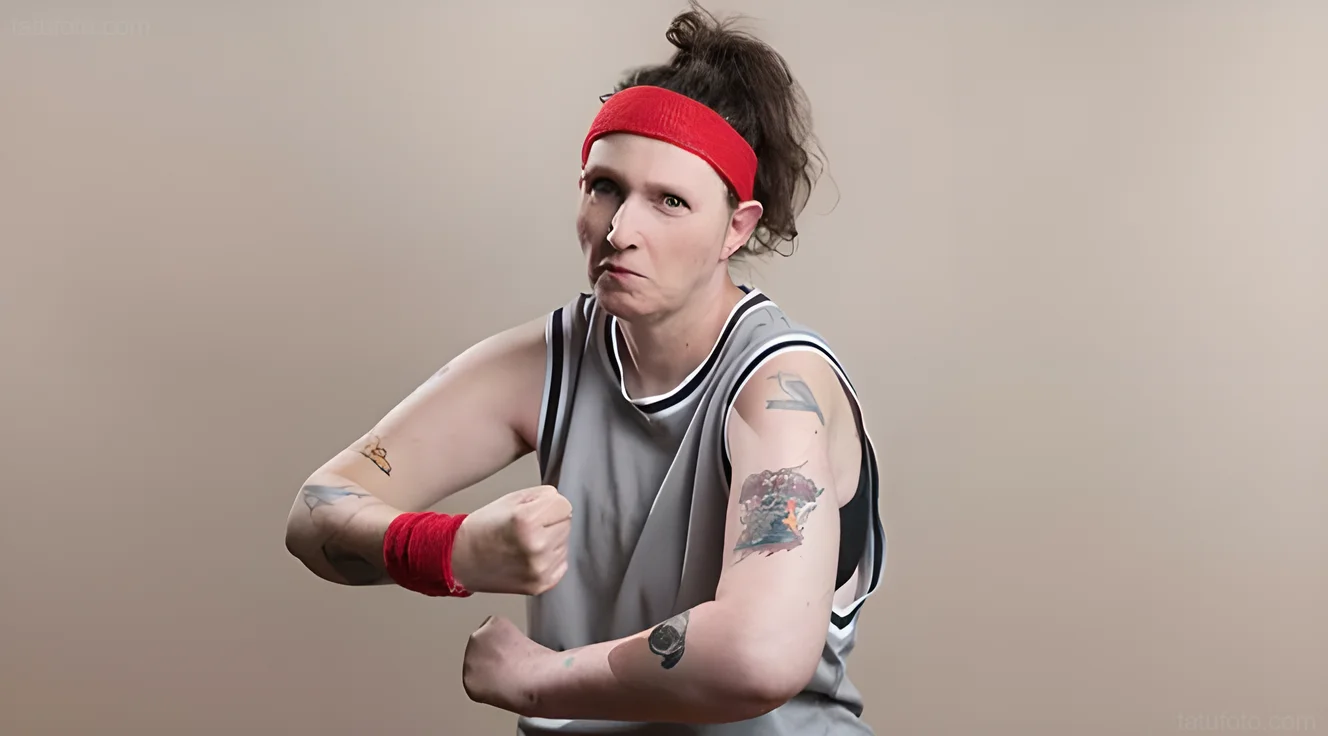
On October 16, 2025, the theater world received a bold and deeply intimate manifesto that directly addresses the philosophy of ink on skin. The play “Tattoo Show” by Rawcus Theatre is not just a performance; it is a living exploration of the fragile nature of memory and our desire for permanence in a world destined to fade. The production, which critics say requires courage not only from the actors but also from the audience, became a central event at Trades Hall in Carlton.
“Tattoo Show”: When Body Art Becomes a Metaphor for Life
Rawcus Theatre has always been known for its unconventional approach, but in “Tattoo Show,” they surpassed themselves by using tattoos as a key medium to dissect existential questions. The main and most shocking element of the show is the actual tattooing of one of the audience members live on stage during each performance. This act, according to reviewers, is not just a gimmick but a radical embodiment of the theme: how a fleeting event (a theater evening) can be permanently recorded (in ink on skin).
The production masterfully weaves together the impermanence of live performance and the transience of human life itself. Tattoos here are viewed as anchors we cast into the ocean of time, attempting to hold onto fleeting emotions or experiences. If memory is unreliable, then a tattoo is our attempt to make the ephemeral tangible and concrete.
The Ensemble and the Architecture of Memory
The central ensemble – Nilgun Guven, Louise Riihik, Clem Baade, and Mike McEvoy – guides the audience through a series of questions concerning personal stories and marks on the body. The entire process is silently observed by tattoo artist Xani Kennedy. Kennedy’s presence, as a guide into the world of irreversibility, adds tension: she is the keeper of permanence in a world discussing change.
An important structural element, emphasizing the theme of memory, was the use of live subtitles and audio descriptions of actions. This inclusive approach unintentionally serves the performance: the viewer sees or hears an action, but then notices that the subtitles or description slightly differ from their own recollection. This dissonance instantly questions the reliability of personal perception: do we really remember the moment correctly? And will this memory remain undistorted a year from now?
Emotional Anchors: Butterflies, Cicadas, and Lost Details
The play features several moments of exceptional emotional power. One of them is related to Mike McEvoy‘s performance. After discussing butterfly tattoos, Mike transitions into a monologue about memory. His words, interwoven with the atmospheric music of Bo Esposito, create an effect of immediate personal recognition. As a critic notes, general reflections on butterflies suddenly transform into a specific thought about a cicada tattoo on his arm, made in memory of a friend. This is an example of how art, using tattoo symbolism, penetrates the deepest layers of personal grief and affection.
Another, no less poignant episode, is dedicated to Louise Riihik. A detailed list of her tattoos and what or whom they symbolize is read aloud on stage. Initially, Louise manages to slowly show each image to the audience. But then the pace accelerates: the narrator names the tattoos but omits the reasons for their application. The speed increases further, and details are lost: “a pug in honor of someone special” becomes simply “a pug,” and then – just “a dog.”
This scene is a pure metaphor for how memory works over time. Subtle, important details inevitably fade. Meanwhile, Louise’s movements do not stop: ignoring the accelerating text, she transitions into a captivating dance. This fleeting but magnificent movement symbolizes that even as specific memories fade, the physical sensation associated with the tattoo remains a part of our body.
Expert View from tatufoto.com: Tattoos as a Cultural Archive
The play “Tattoo Show” perfectly fits into the contemporary discourse of tattoo culture, where ink has long ceased to be mere decoration or rebellion. Today, a tattoo is a conscious act of archiving personal experience. In a world where digital data and relationships are ephemeral, permanent body art stands as the last reliable form of information storage.
Three key aspects highlighted by the production:
- Irreversibility as Value: Unlike the digital world where “delete” is simple, a tattoo requires a deliberate choice. This choice reflects the value of the moment we wish to preserve.
- The Tattoo Artist as Witness: Xani Kennedy’s role in the show reflects the real function of tattoo artists. They are not just artisans; they become witnesses and accomplices to personal stories destined to remain on the skin.
- Loss of Context: The scene with Louise Riihik about the loss of details is a powerful reminder of how old tattoos can become a mystery even to their owners. We remember that the tattoo exists, but we forget *why* it was done – only the image remains, like an ancient, undeciphered hieroglyph.
The ensemble actors demonstrated outstanding dedication, authenticity, and presence. Creating such an intimate and provocative show requires immense trust, which Rawcus Theatre managed to establish with the audience from the outset. “Tattoo Show” is a moving work of art exploring the essence of human connection and how some of us use ink to make the impermanent last a little longer.
Performance Details
The play “Tattoo Show” was presented at Trades Hall – Solidarity Hall, located at the corner of Lygon and Victoria Streets in Carlton. The premiere discussed in the review took place on Wednesday, October 15, 2025. The season of performances continued until October 19, 2025, leaving an indelible mark on the cultural calendar.