
Working with tattoos in the bikini area is one of the most delicate and complex areas in a tattoo artist’s practice, especially for beginners. This area requires not only the highest level of professional skill but also impeccable tact, a deep understanding of anatomy, and strict adherence to sanitary standards. In this expert guide, we will detail all the key aspects that a beginner specialist needs to master to ensure the client’s safety, comfort, and an excellent result.
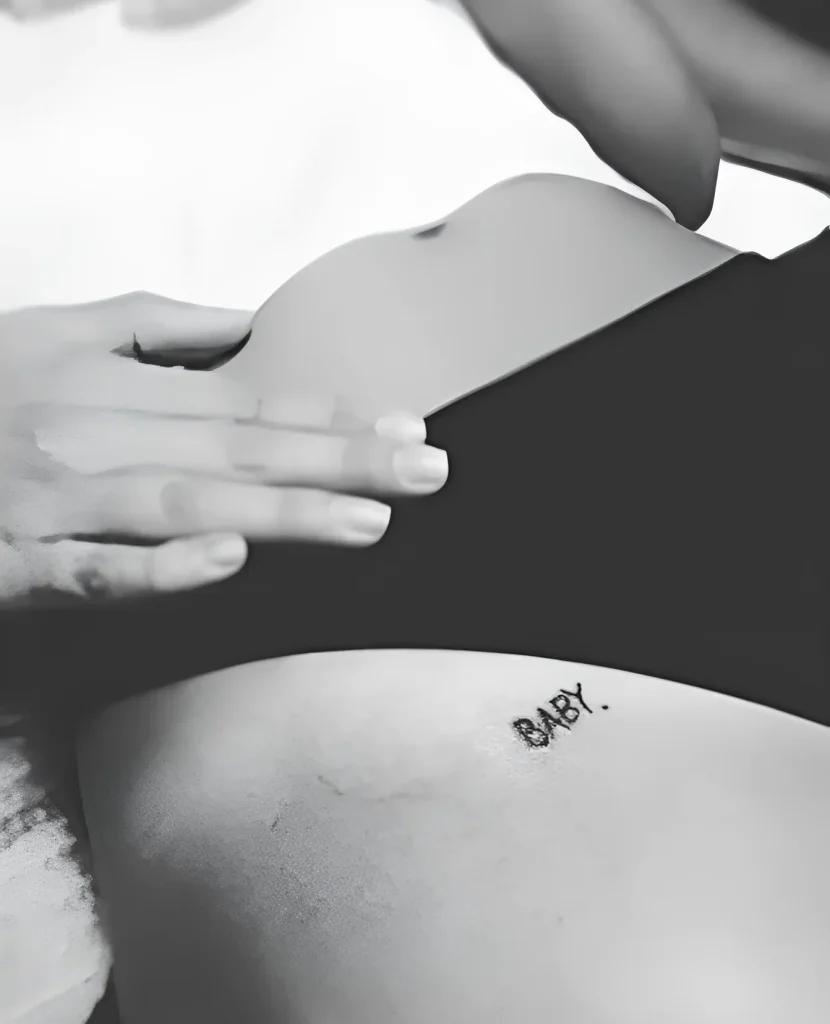
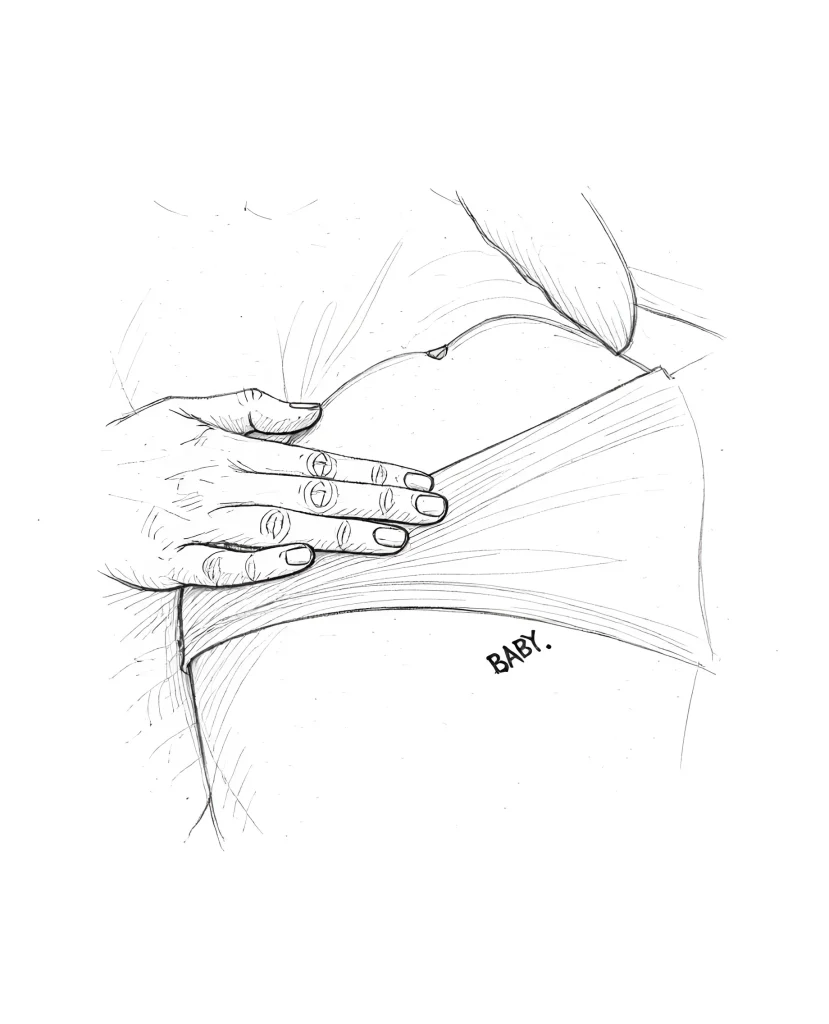
Bikini Area Tattoos for Women: Specifics for Beginner Artists
Intimate tattoos, or bikini area tattoos, are no longer considered marginal; they have become a form of self-expression chosen for its privacy and deeply personal meaning. However, for an artist, especially in the early stages of their career, this work presents unique challenges that distinguish it from working on arms or legs.
Key Challenges for a Beginner Artist:
- Increased Client Sensitivity: The work is done in a highly intimate area. The artist must create an atmosphere of complete trust and safety, minimizing discomfort and embarrassment.
- Anatomical Complexities: The bikini area has uneven skin thickness, proximity to bony structures (pubic bone), and numerous lymph nodes.
- Healing Risks: Constant friction from clothing, increased humidity, and temperature create ideal conditions for infection, requiring a special care protocol.

Consultation Protocol and Ethics
Before starting, you must conduct an extremely thorough and tactful consultation. Your task is not only to discuss the sketch but also to establish boundaries.
- Confidentiality: Guarantee the client complete confidentiality. Any photo or video materials can only be taken with written consent, and their publication must be agreed upon in detail (e.g., only photographing the design itself, without identifying the client).
- Discussing Pain: Be honest. The bikini area, especially closer to the inner thighs and groin crease, is one of the most painful due to the high concentration of nerve endings. Discuss the possibility of using high-quality anesthetic agents permitted in your jurisdiction.
- Client Preparation: Clearly explain how the client should prepare (shaving, no creams, personal hygiene). In many cases, it is better to ask the client to complete the preparation (shaving) themselves immediately before the session in a private setting.
Anatomy and Physiology of the Bikini Area: What a Tattoo Artist Should Know
A thorough knowledge of the anatomy of this area is critically important for preventing injuries, blowouts, and ensuring quality healing.
Skin Characteristics
- Skin Thickness: The skin in the groin area and inner thighs is generally thinner and more elastic than in other parts of the body. This requires reducing needle depth and using gentler machine settings.
- Fat Layer: A significant fat pad is located above the pubic bone. This can make even pigment application difficult, requiring more confident and consistent skin stretching.
- Proximity to Bone: Directly above the pubic bone, the skin is thin, and the bone is close to the surface. When working in this area, the risk of “blowout” (ink spreading under the dermis) increases sharply if the needle penetrates too deeply. Recommendation: Use a shorter needle extension and lighter pressure.
Vascular and Lymphatic Systems
The groin area is a zone of high concentration of lymph nodes (inguinal lymph nodes). These nodes are part of the immune system and react actively to any intervention. Trauma to this area can lead to more pronounced swelling and delayed healing.
- Bruising and Swelling: Due to the abundance of small blood vessels, bruising and swelling after a session in the bikini area are more common than in other areas. Inform the client about this.
- Avoid Creases: Never work in deep groin creases where the skin is constantly folded and rubbed. This is not only very painful but also guarantees poor healing and rapid fading of the design.
Hair Cover and Pigmentation
Even if the client has completely removed hair, it is necessary to consider the high density of hair follicles. This can affect:
- Detailing: Residual follicles can interfere with the clear rendering of fine lines.
- Healing: As hair grows back, itching and irritation may occur, requiring additional monitoring by the artist during the healing process.

Popular Bikini Area Tattoo Designs: Trends and Client Preferences
Designs for this area are typically smaller in scale, highly detailed, and often carry a deeply personal, non-public meaning. You must be able to adapt popular styles to the specifics of this anatomical region.
Styles and Motifs Most Suitable for the Bikini Area
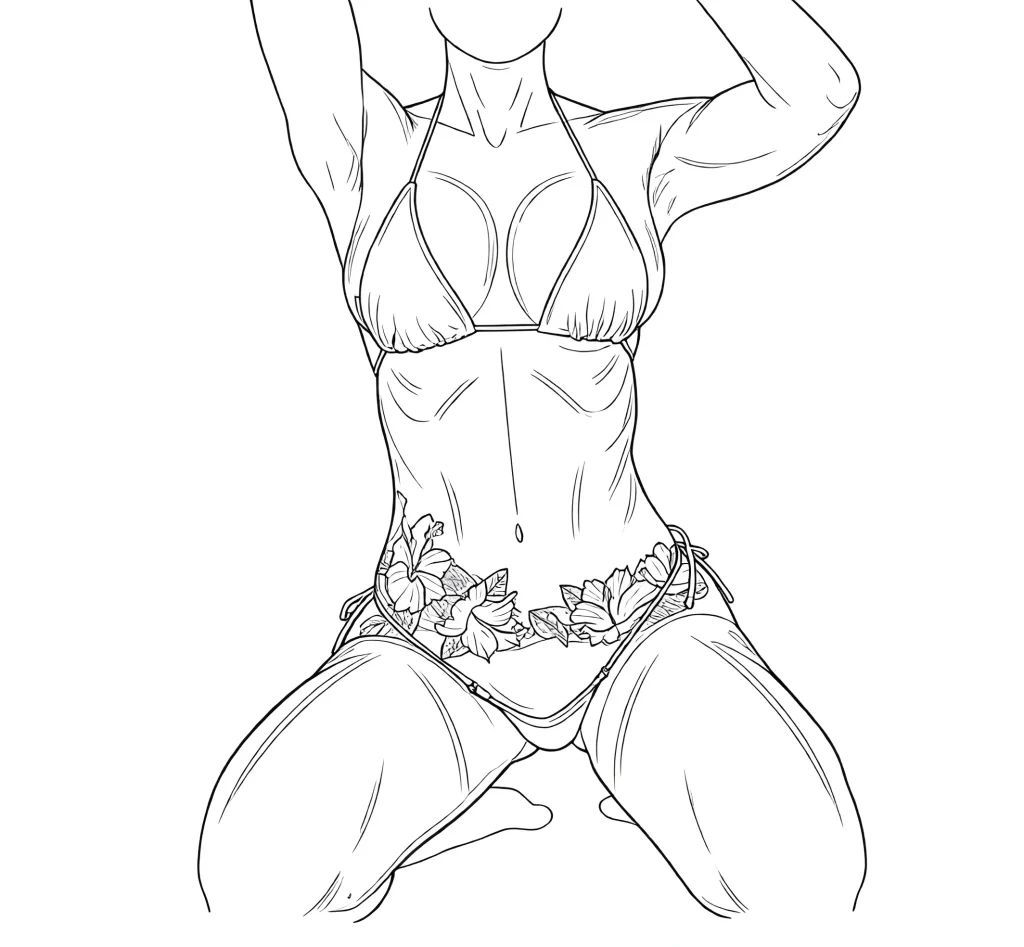
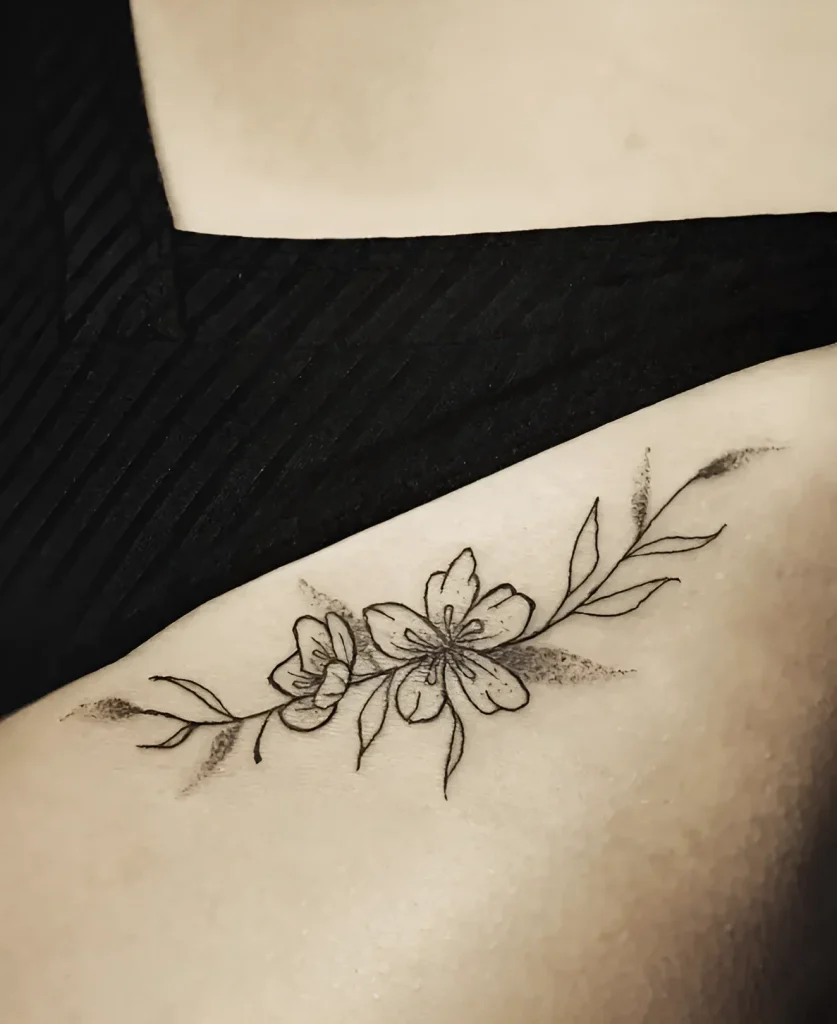
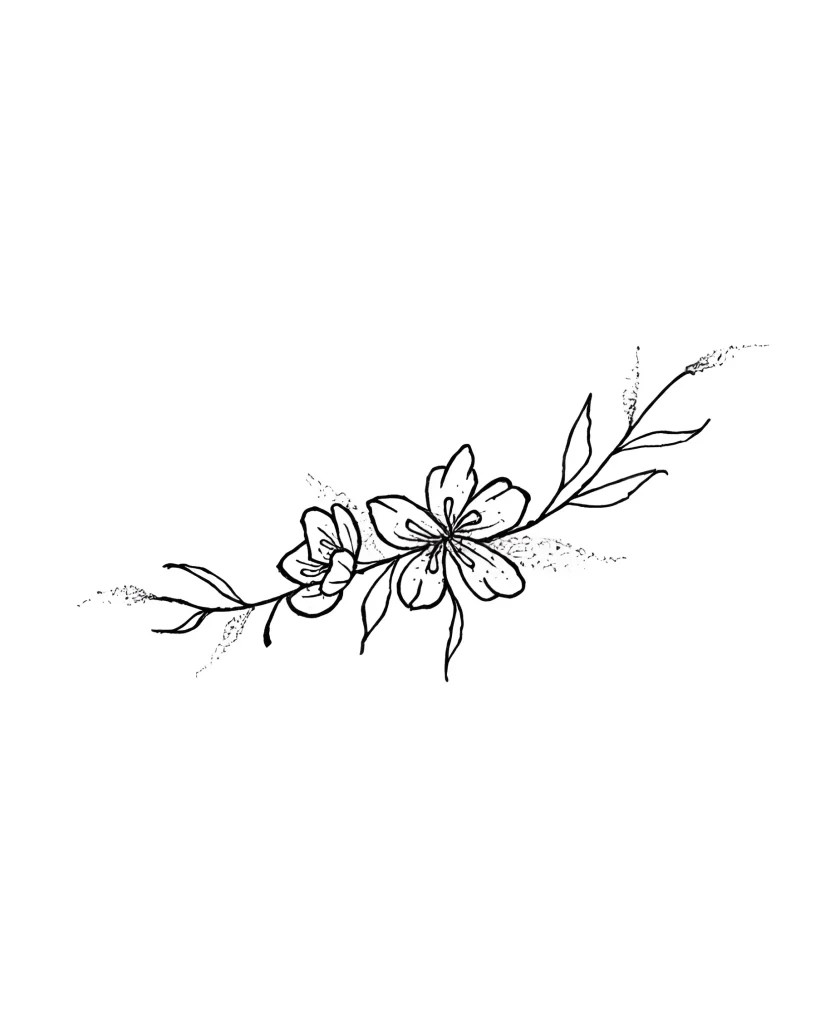
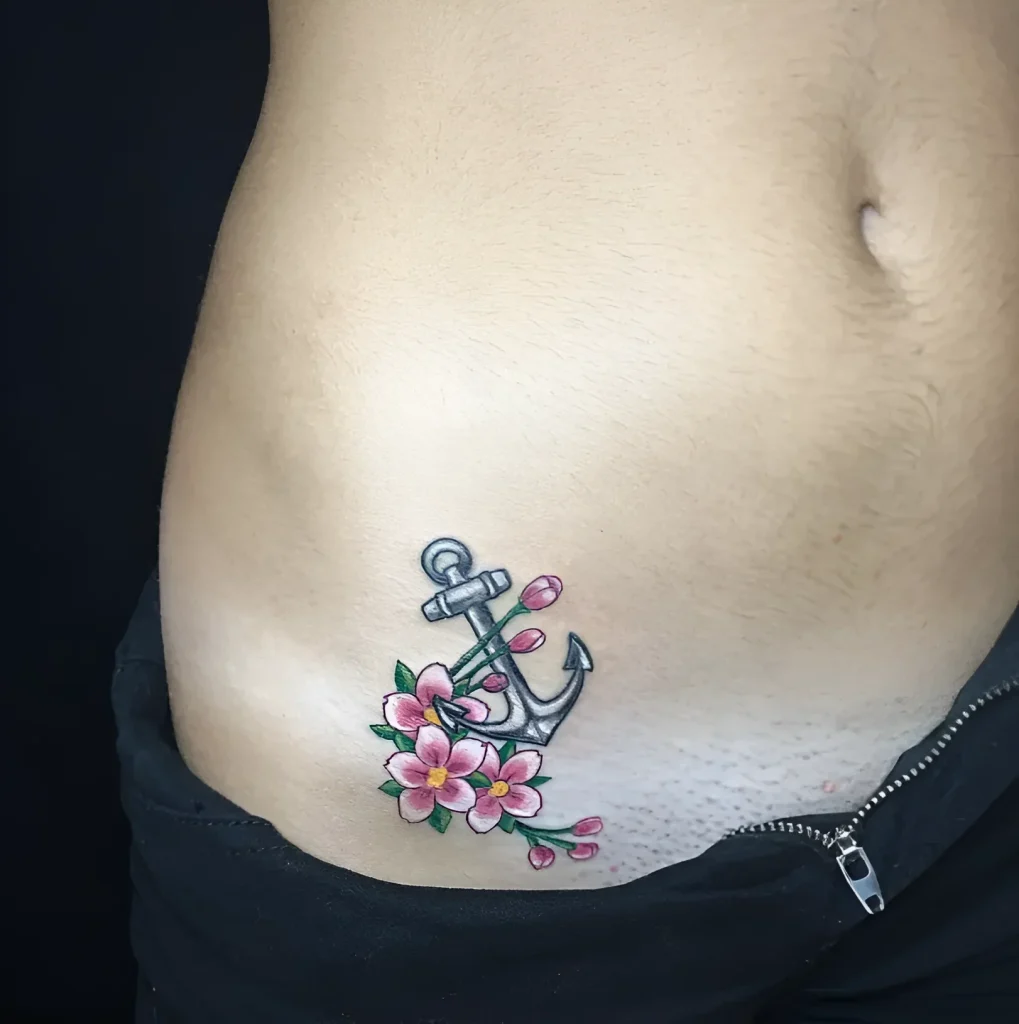
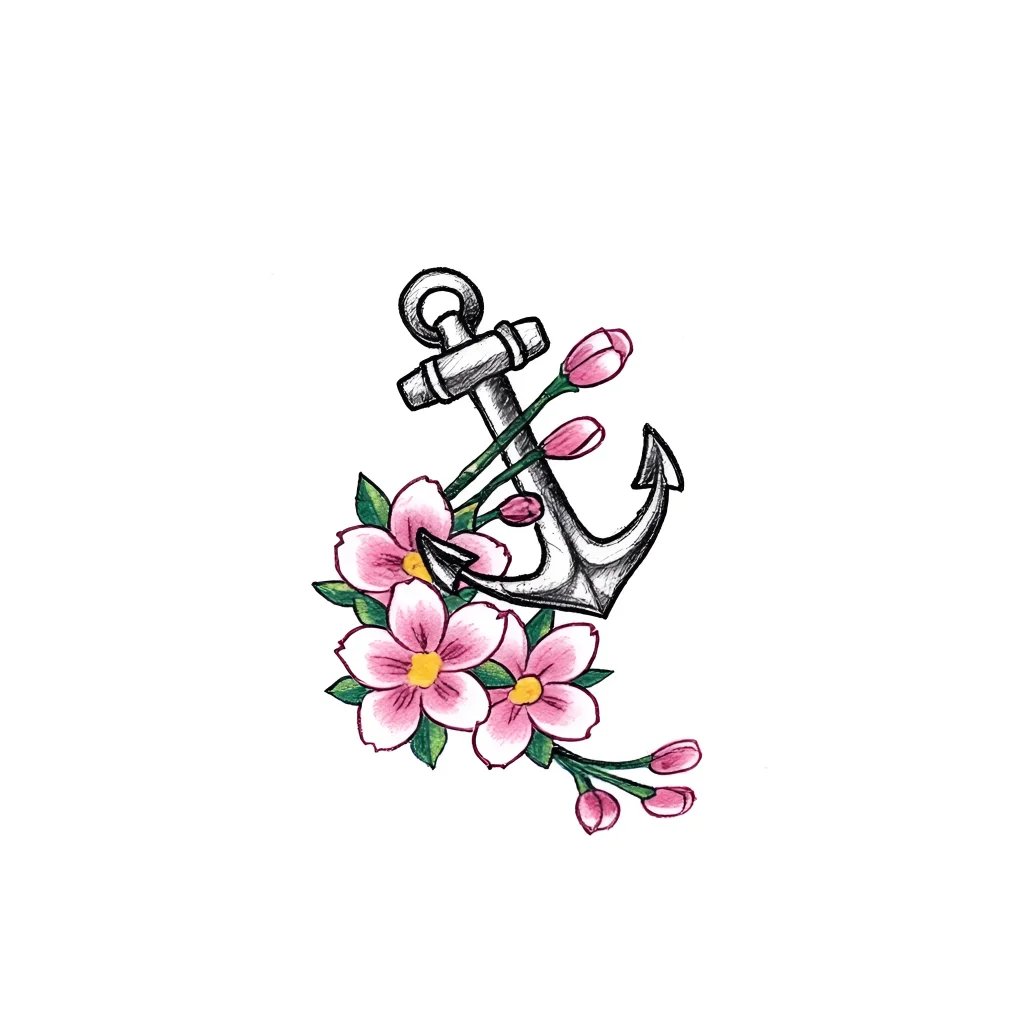
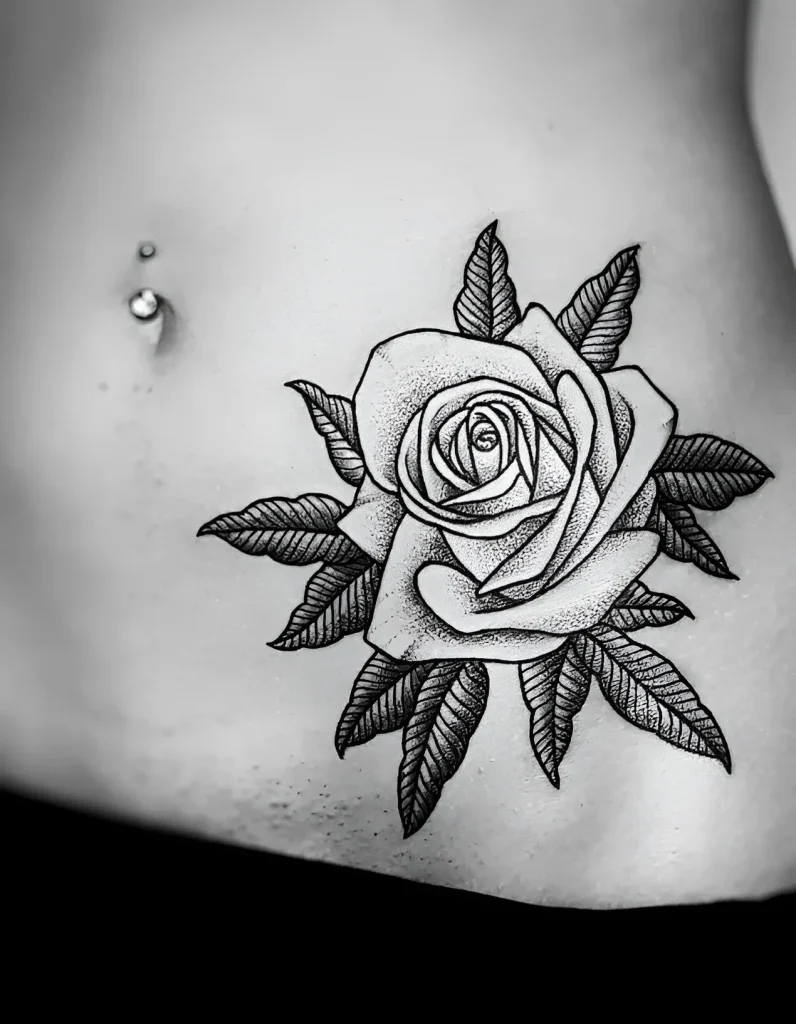
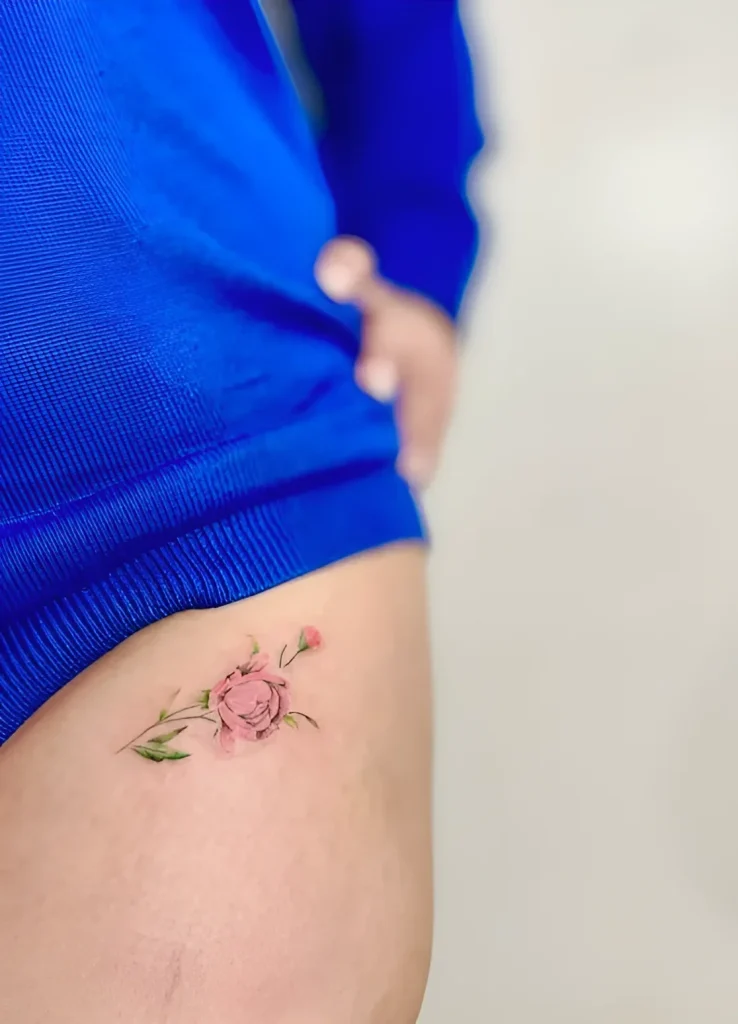
- Floral Motifs (Flowers): The most popular choice. Flowers (roses, lotuses, lavender) symbolize femininity, beauty, and rebirth. They fit well along the bikini line or symmetrically above the pubic bone.
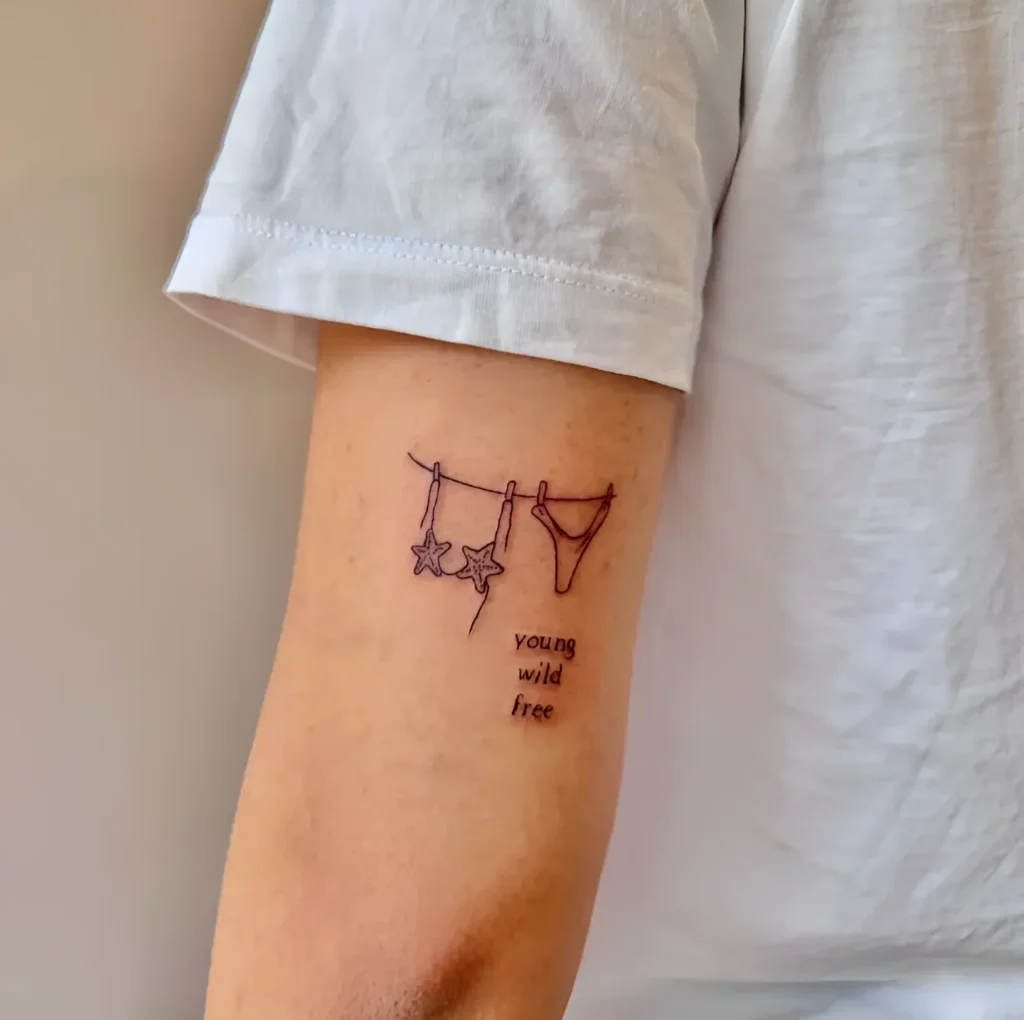
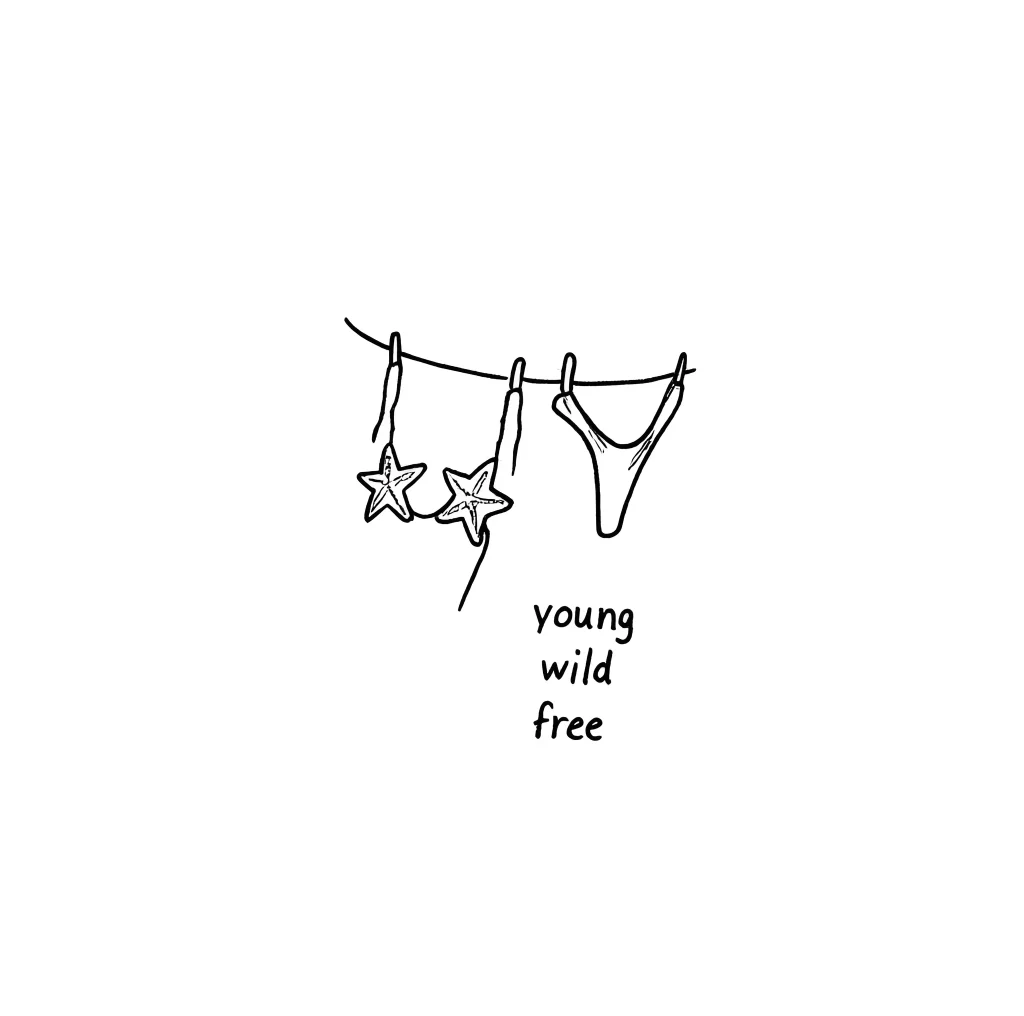
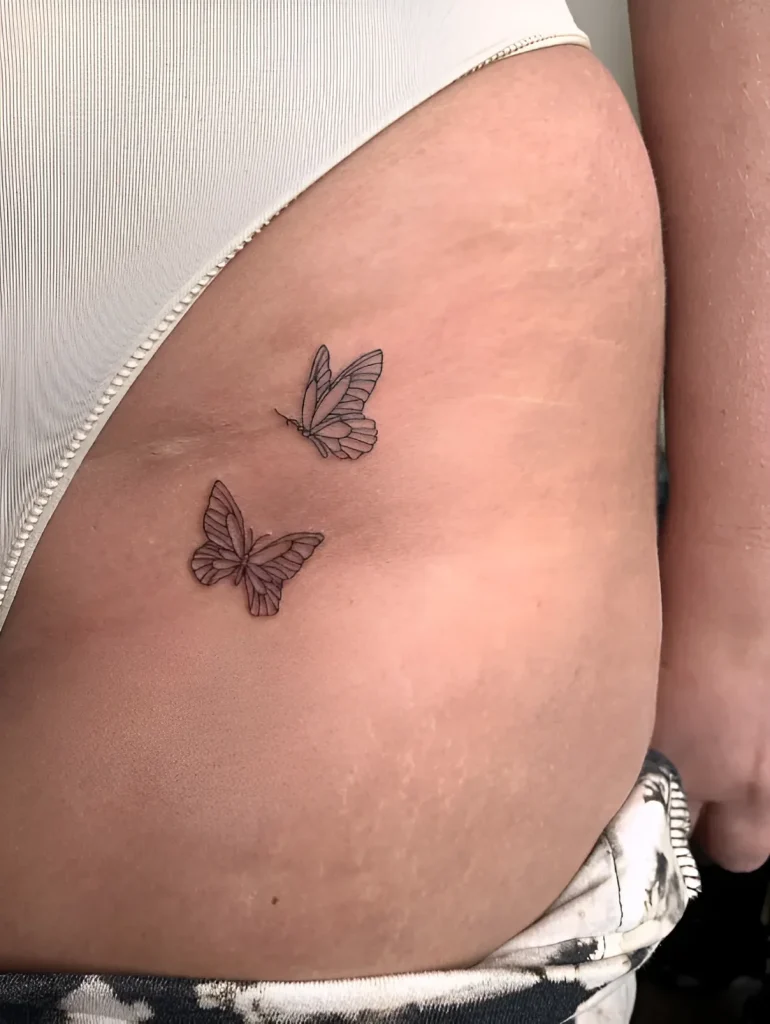
- Minimalism and Geometry: Small symbols, moons, stars, fine lines, or small mandalas. These designs require minimal session time, which is important for a sensitive area.
- Inscriptions and Quotes: Usually short, motivational phrases or names written in a thin, elegant font. Placed horizontally or in a semicircle.
- Symbols of Protection and Luck: For example, Hamsa (less common due to size), small snakes (symbol of transformation), or birds.
What to Avoid
Beginner artists are strongly advised against attempting:
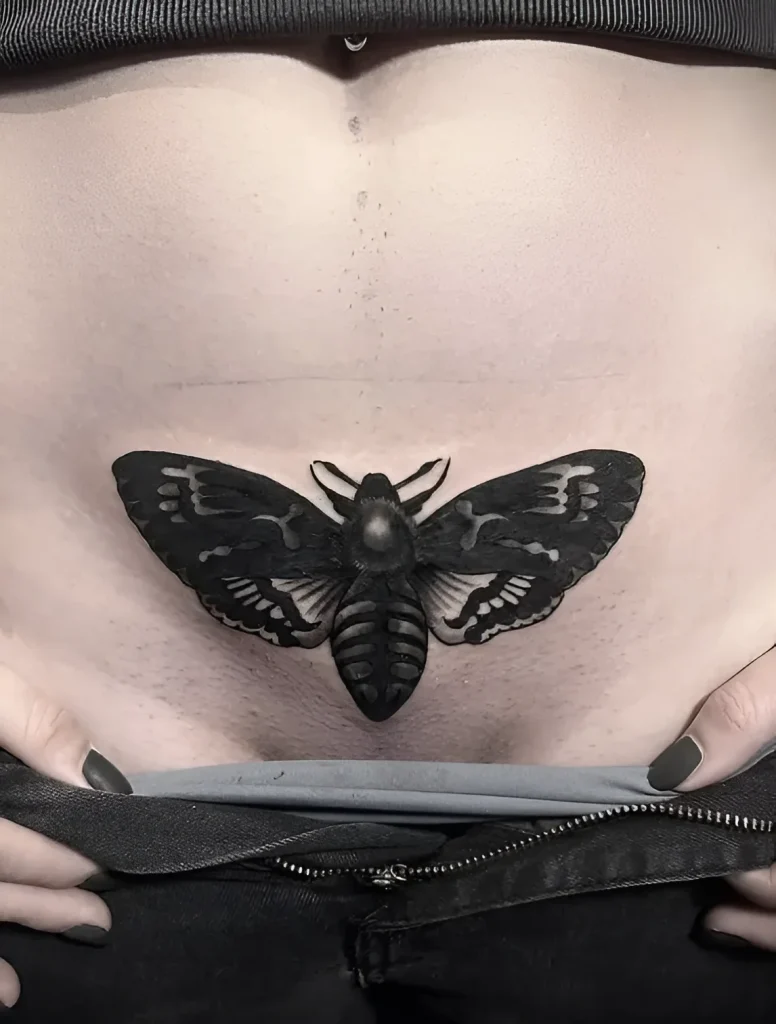
- Large Realistic Portraits: Uneven healing, constant friction, and difficulties with skin stretching make this style extremely risky for this area.
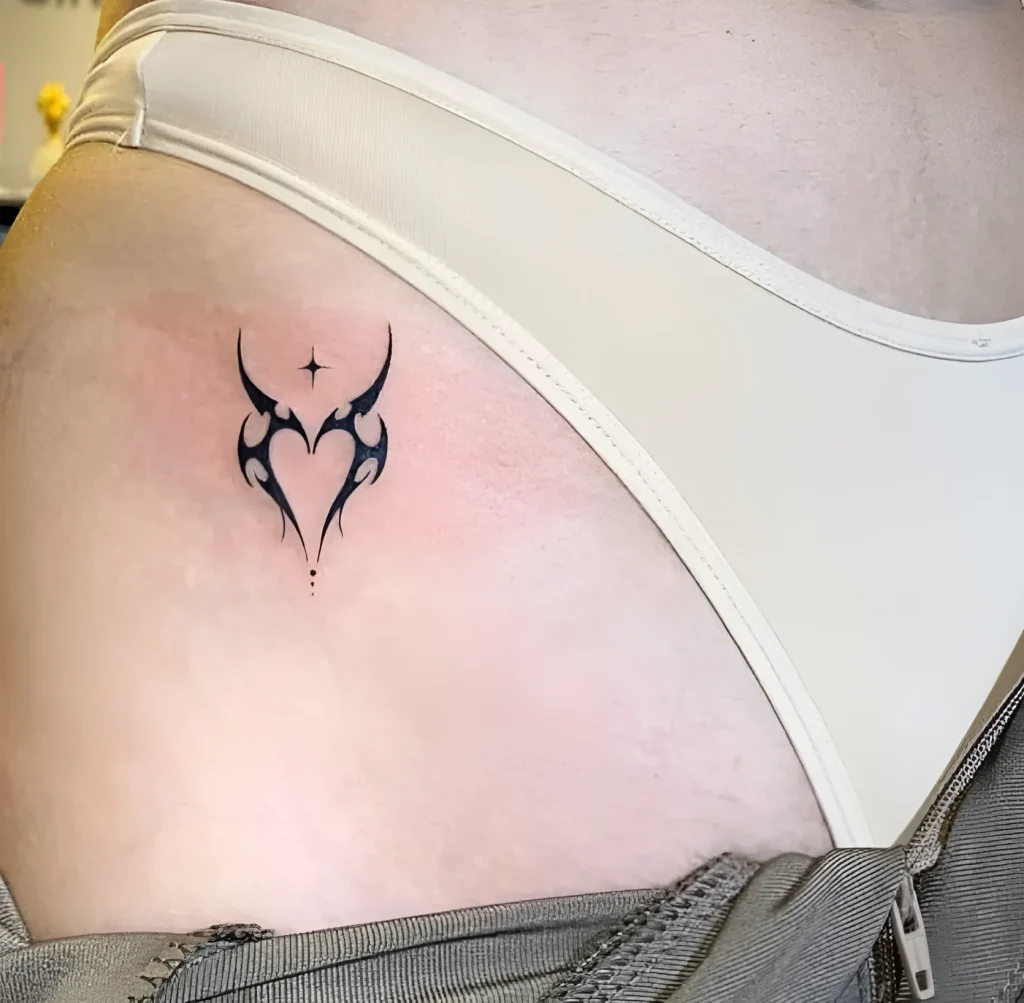
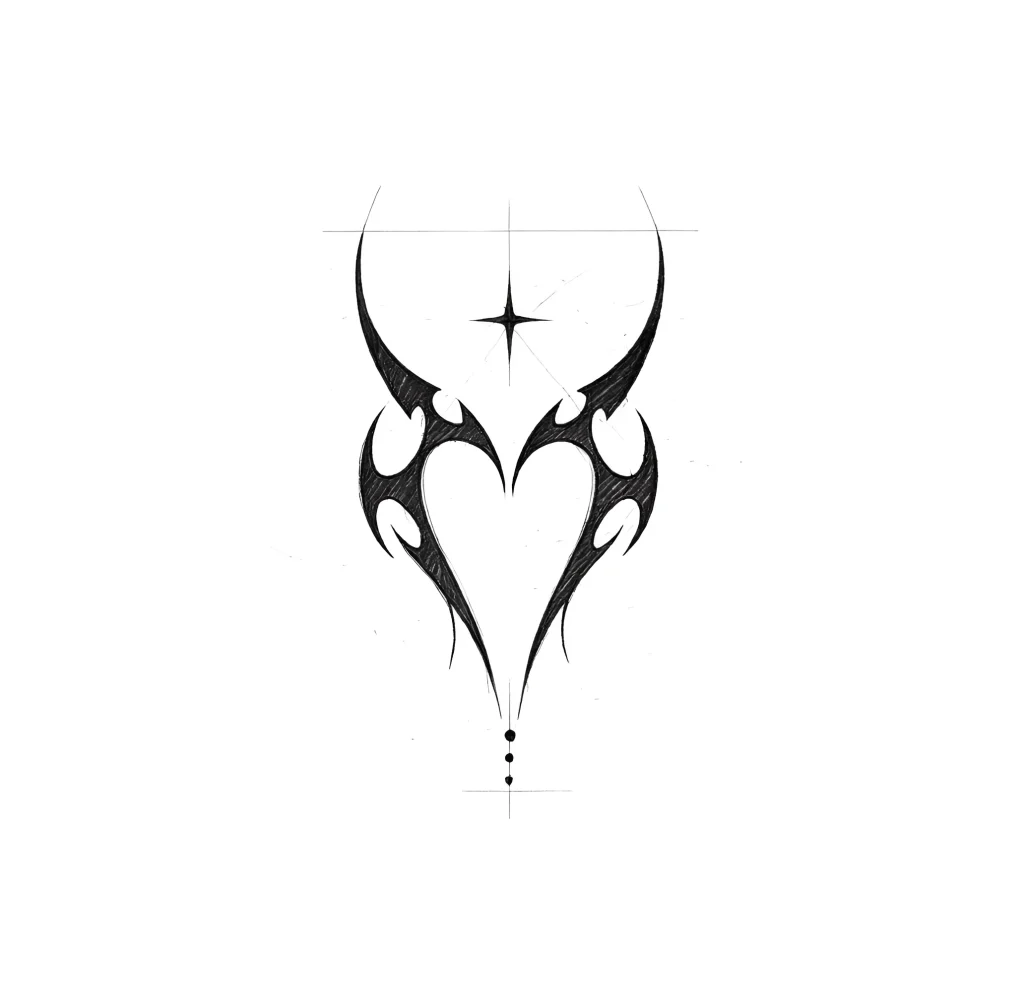
- Tribal or Blackwork Style with Dense Shading: Filling large black areas in a sensitive zone can cause severe swelling and requires multiple passes, increasing trauma.
- Complex Colors and Gradients: Due to skin characteristics and constant exposure to moisture, bright colors and subtle gradients may fade or migrate faster.
Bikini Area Tattoo Technique: Nuances and Recommendations
Working in the bikini area requires modifications to the standard technique used on less sensitive areas.
Client Positioning and Skin Stretching
Proper positioning is 50% of success. The client should be in the most relaxed and stable position that gives you full access to the working area.
- Pose: Most often, the client lies on their back with knees slightly bent and spread (similar to a gynecological chair, but less extreme). It’s important to provide soft support under the knees so the client doesn’t get tired.
- Stretching: The skin in this area is very elastic. You must use two hands for stretching (one to hold, the other to stretch maximally). Insufficient stretching will lead to blurry lines and uneven pigmentation.
- Working with Curves: If the design is located close to the groin crease, use pillows or rolls to slightly lift the thigh and smooth out the crease as much as possible.
Equipment Settings and Needle Selection
Your goal is to minimize trauma while ensuring solid pigment insertion.
| Parameter | Recommendation for Bikini Area | Rationale |
|---|---|---|
| Machine Type | Rotary machine | Provides gentler and more controlled pigment insertion compared to coil machines. |
| Speed (Voltage) | Medium or slightly reduced | Reduces trauma and the risk of “blowout” on thin skin. |
| Needle Extension | Minimal (1-1.5 mm) | Critically important to prevent over-penetration and contact with bone. |
| Liner Needles | RL 3, 5, 7 (thin configurations) | Ideal for fine, delicate lines, which are most commonly used in this area. |
| Shading/Coloring (Magnum) | M1 or RS (small configurations) | Use gentle movements, work quickly to avoid over-traumatizing the area. |
Pain Management
Use secondary anesthesia (sprays or gels) after the outline is done to reduce sensitivity during shading and coloring. Take short breaks regularly. Remember that the client is in an uncomfortable and psychologically tense position.

Bikini Area Tattoo Aftercare: Client Instructions and Artist Monitoring
Healing in the bikini area has specific risks, primarily related to moisture, heat, and friction.
Key Factors Affecting Healing
- Friction: Constant contact with underwear, waistband, or seams.
- Moisture: Sweating, especially in summer.
- Clothing: Choosing the wrong underwear or tight jeans can lead to pigment abrasion and infection.
Client Instructions (What the Artist Should Convey)
Your instructions should be as detailed as possible and include the following points:
- Initial Protection: Recommend using specialized healing film (e.g., Suprasorb F or Dermalize) for the first 3–5 days. This minimizes friction and protects from external contaminants.
- Cleaning: After removing the film, clean twice a day with mild antibacterial soap. Important: Ensure the client thoroughly dries the area after washing by patting, not rubbing.
- Moisturizing: Apply a thin layer of healing cream (e.g., Panthenol or specialized tattoo ointments). Excessive cream in this area will create a “greenhouse effect” and slow down healing.
- Clothing: For the first two weeks, the client should wear only loose, breathable cotton underwear and avoid tight pants or skirts.
- Physical Activity: Avoid intense workouts involving abdominal and thigh strain, as well as swimming in pools, saunas, and hot baths for one month.
Artist Monitoring: Strongly recommend the client send photos on the 3rd and 7th day to assess the healing process. This will allow you to identify signs of inflammation in a timely manner.
Safety and Hygiene in Bikini Area Tattooing: Preventing Complications
Working in the bikini area requires maximum sterility, as this area is in close proximity to mucous membranes and is potentially more contaminated.
Sterilization Protocol and Barrier Protection
- Extended Workspace Preparation: In addition to standard barrier coverage on the treatment table, use additional disposable medical sheets and barrier protection on all surfaces that may come into contact with the client or your gloves.
- Gloves: It is recommended to use gloves with extended cuffs and change them more often than when working on other areas, especially if you have to adjust or hold the client’s clothing.
- Skin Disinfection: Use only specialized skin antiseptics designed for use on sensitive areas. Ensure the skin is completely dry before starting work.
Preventing Cross-Contamination
The risk of bacterial contamination is higher in this area due to its proximity to the body’s natural openings. Strictly ensure that materials used (wipes, petroleum jelly, inks) do not come into contact with non-sterile surfaces or the client’s clothing.
Practical Tip: Always use disposable applicators for applying petroleum jelly. Never dip a needle or machine into ink if there is any suspicion of contact with a non-sterile area.
Legal Aspects and Client Consent: Protecting the Artist and Client
Working with the intimate zone carries increased legal and ethical risks. Protect yourself and your business by using impeccable documentation.
Informed Consent Form
The standard consent form should be supplemented with points specific to bikini area tattoos:
- Area Confirmation: A clear statement that the work will be performed in the intimate area, and the client is fully aware of this fact.
- Understanding Risks: A separate point about the increased risk of infection, swelling, and healing difficulties associated with the tattoo’s location.
- Code of Conduct: Client’s agreement to follow all artist’s instructions, including recommendations on clothing choice and aftercare.
- Photo Confidentiality: A separate section regarding photography. The client must clearly indicate whether they permit photography of only the tattoo (without identifying features) or prohibit it entirely.
Code of Professional Conduct
The artist must behave with the utmost professionalism and detachment. Any comments not directly related to the tattooing process are unacceptable. Always use only professional language. If you need to ask the client to change their pose or adjust their underwear, do so as tactfully and neutrally as possible.
Example: Instead of saying “Lift your underwear,” it’s better to say, “I need you to hold your underwear here, please, to access the edge of the sketch.”

Frequently Asked Questions (FAQ) About Bikini Area Tattoos for Artists
Beginner artists often face the same questions and doubts when working with this delicate area.
1. Can I use pain relief?
Answer: Yes, it is highly recommended. The area is very painful. Use a topical anesthetic cream (applied 30–60 minutes before the session) or a secondary anesthetic (spray, gel) applied to the broken skin (after the outline). Always check the composition for components that may cause allergies in the client.
2. What is the best way to stretch the skin over the pubic bone?
Answer: Use the “three-point” method. One of the artist’s hands stretches the skin maximally from the center towards the thigh, the second hand stretches the skin from the center towards the abdomen, and a third participant (if possible, but usually the artist themselves holds the fabric) stabilizes the client’s position. The stretch should be very firm to smooth out the fat layer.
3. What if the client is embarrassed?
Answer: Create the most private atmosphere possible. Ensure the door is closed, the music is soft and relaxing. If the client is comfortable, offer to cover their legs and body with a blanket, leaving only the working area exposed. The most important factor is your calm, professional, and respectful attitude. Talk about neutral topics to distract the client from their embarrassment.
4. How long does a bikini area tattoo take to heal?
Answer: Due to constant friction and increased moisture, the primary healing process may be slightly longer than on the limbs – usually 10–14 days until new skin forms. Full dermal healing takes 4–6 weeks. The client must be prepared to adhere to strict clothing and hygiene restrictions for a month.
5. Is a touch-up necessary?
Answer: Touch-ups are required more often in this area than in others. Due to skin elasticity, proximity to follicles, and healing complexities, some areas may “drop out” or lines may become blurry. Inform the client that a touch-up may be necessary and include its cost in the service package or offer preferential terms.

Your Professionalism is the Key to Success
Working with bikini area tattoos is a litmus test for a beginner tattoo artist. Successfully completing such a job demonstrates not only your technical skill but also a high level of ethics, tact, and the ability to manage complex situations. Remember that in this field, client trust is your greatest asset. By strictly following hygiene protocols, anatomical knowledge, and showing maximum respect for personal boundaries, you can not only avoid mistakes but also establish yourself as a highly skilled specialist in this delicate niche of tattoo art.