
The area under the female breast, or sternum (from Latin sternum – breastbone), is one of the most intimate, aesthetically complex, and sought-after locations for tattoos in modern culture. This area demands from the artist not only high artistic taste but also a deep understanding of anatomy, the nuances of working with mobile and thin skin, and the ability to interpret complex symbolic requests from the client. If you are a beginner tattoo artist aiming to master this niche, this article will be your comprehensive expert guide.
Tattoo Under the Female Breast: Anatomical Features and Skin Preparation for the Artist
Working in the area under the breast is primarily working with the sternum and rib arches. Understanding this anatomical specificity is critically important for preventing injuries, minimizing pain, and ensuring the longevity of the pigment.
Anatomical Challenges of the Sternum Area
- Proximity to Bone (Sternum): The skin in the central part of the sternum (especially in the area of the xiphoid process) is very thin, with minimal fatty tissue. This means that the vibration from the machine is felt much more strongly by the client, and the risk of “blackout” (when the pigment goes too deep and blurs) significantly increases if the puncture depth is not controlled.
- Mobility and Stretching: The skin under the breast is constantly subjected to stretching during breathing, movement, and, most importantly, changes in body position. The artist must be able to work with these factors, using special stretching techniques.
- High Sensitivity: The sternum area and intercostal spaces are among the most painful areas. A beginner artist should be prepared for the session to be interrupted or for the client to experience significant discomfort, which requires professional communication and possibly the use of more effective anesthetics (in agreement with the client and legislation).
- Hormonal Changes: In women, the skin in this area can change depending on the menstrual cycle, pregnancy, or hormonal background. Always clarify with the client if there is currently increased sensitivity or swelling.
Preparing the Work Area
Proper preparation is half the battle. Pay attention to the following steps:
- Client Positioning: The client should lie on their back, with the upper part of their body slightly raised (use pillows or an adjustable chair). This helps to maximally stretch the sternum skin and stabilize breathing.
- Stretching Technique: In this area, the “three-point stretching” technique must be used. With one hand, the artist stretches the skin upwards (towards the neck), with the second hand – downwards (towards the stomach), and the third point is the machine itself, which slightly presses the skin. This is critically important for achieving a smooth and clear outline.
- Disinfection and Marking: Ensure the skin is perfectly clean. When applying the transfer (stencil), always ask the client to stand up and look in the mirror. Due to the natural curvature of the rib cage, a tattoo that looks straight when lying down may appear “off” when standing.
History and Evolution of Tattoos Under the Breast: From Traditions to Modernity
Although tattoos under the breast seem like a modern trend, their roots go back to ancient history, associated with the protection of vital organs and the sacral center of the body. However, the modern surge in popularity is due to cultural shifts, moving the emphasis from concealment to aesthetic self-expression.
Cultural Context and Evolution of Placement
For a long time, the chest area was considered too intimate for tattooing, with the exception of some traditional cultures where chest patterns (e.g., in Polynesia or among Native American tribes) symbolized status, protection, or fertility. However, the modern surge in popularity is due to cultural shifts, moving the emphasis from concealment to aesthetic self-expression.
- Traditional East: In India and the Middle East, henna-like patterns (mehndi) were often applied to the body, including under the breasts, as part of wedding rituals or to attract luck and protection. These patterns, carried over into tattoo art, became the basis for modern mandalas and ornamental works under the breast.
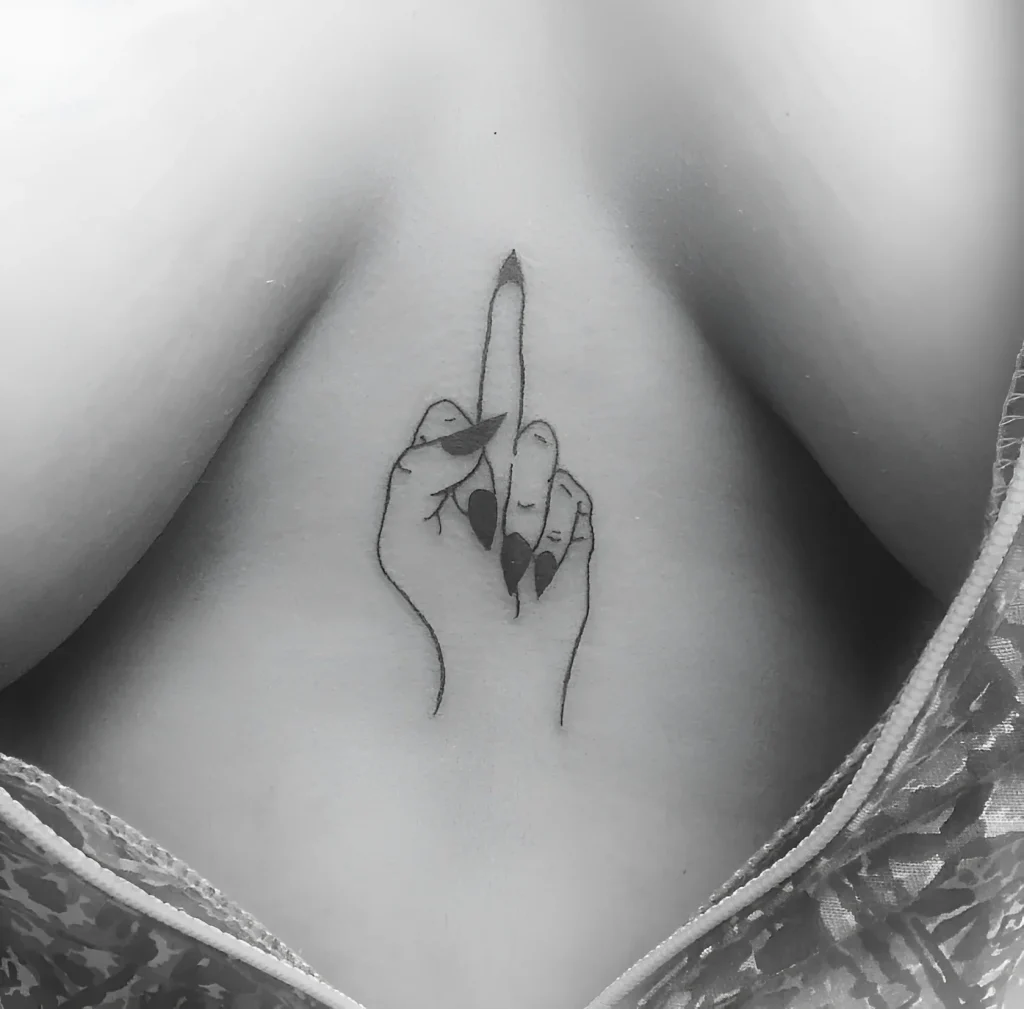
- Modernization (2000s): The popularity of tattoos under the breast surged thanks to celebrities (e.g., Rihanna), who made this area visible and fashionable. The placement became a symbol of “hidden power” – the tattoo is easily concealed by clothing or a bra, but fully revealed in a swimsuit or lingerie, giving it an element of personal, intimate declaration.
Perception Specifics
For your client, a tattoo under the breast is often not just a decoration but a powerful symbol. It is located in the center of the body, near the heart and solar plexus (the center of will and personality). Understanding this context will help you better interpret the client’s wishes.
Symbolism and Popular Tattoo Designs Under the Breast: What Clients Order and How to Interpret Requests
As a professional tattoo artist, you should be not just an executor but also a consultant on symbolism. Tattoos under the breast often have a deep, personal meaning related to self-acceptance, protection, or overcoming challenges.
Main Motifs and Their Interpretation
Popular designs in this area tend to be symmetrical, as it perfectly emphasizes the body’s central line.
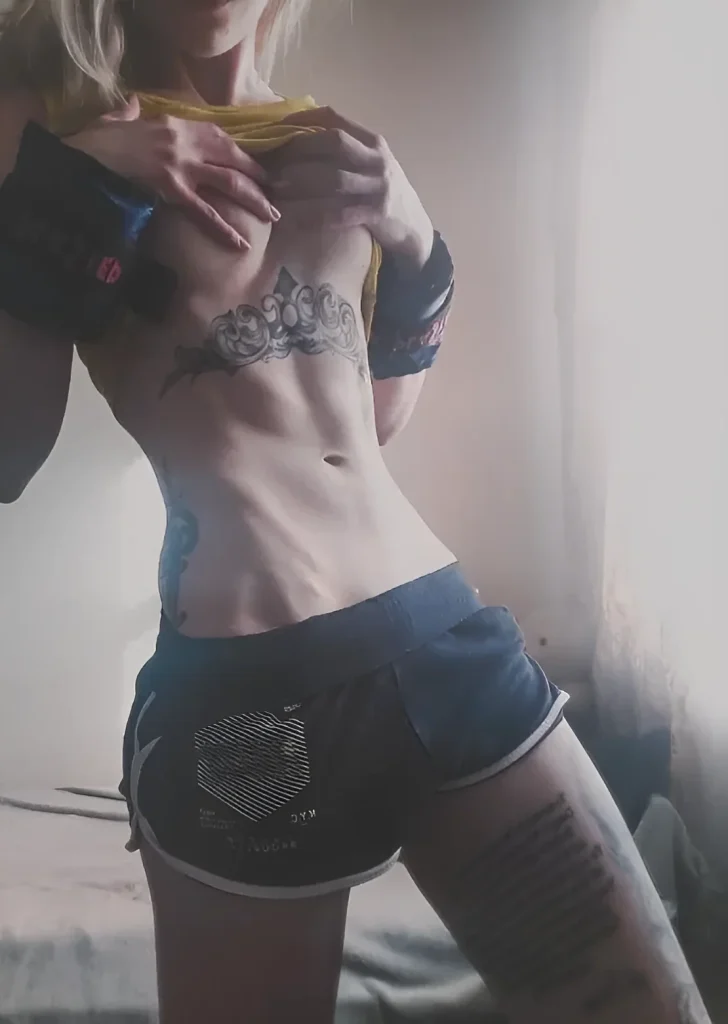
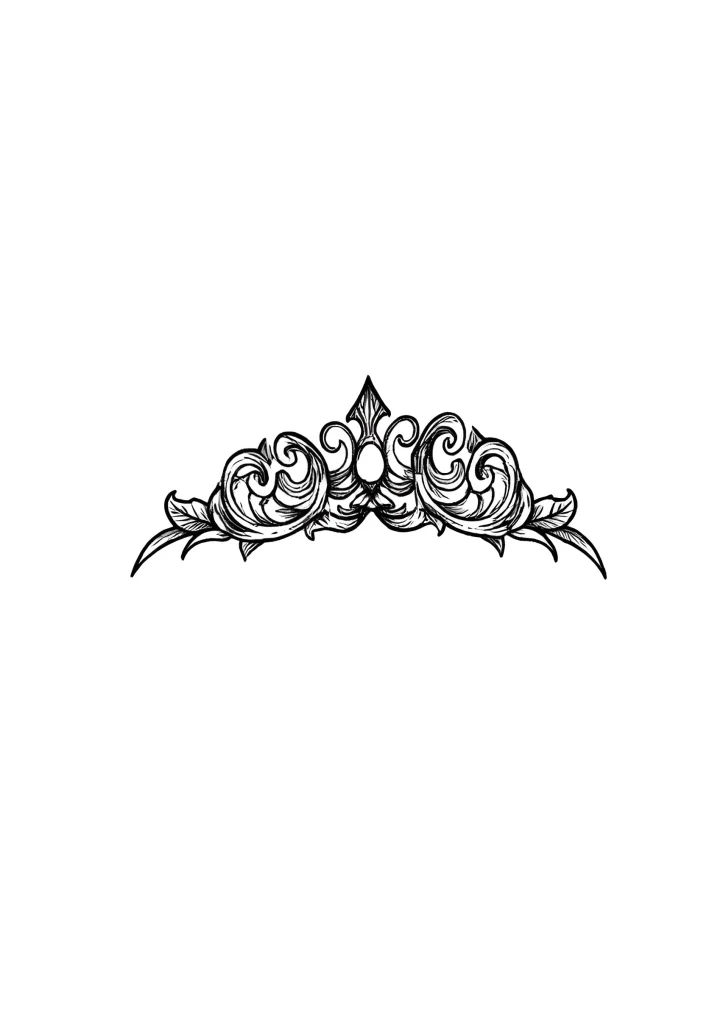
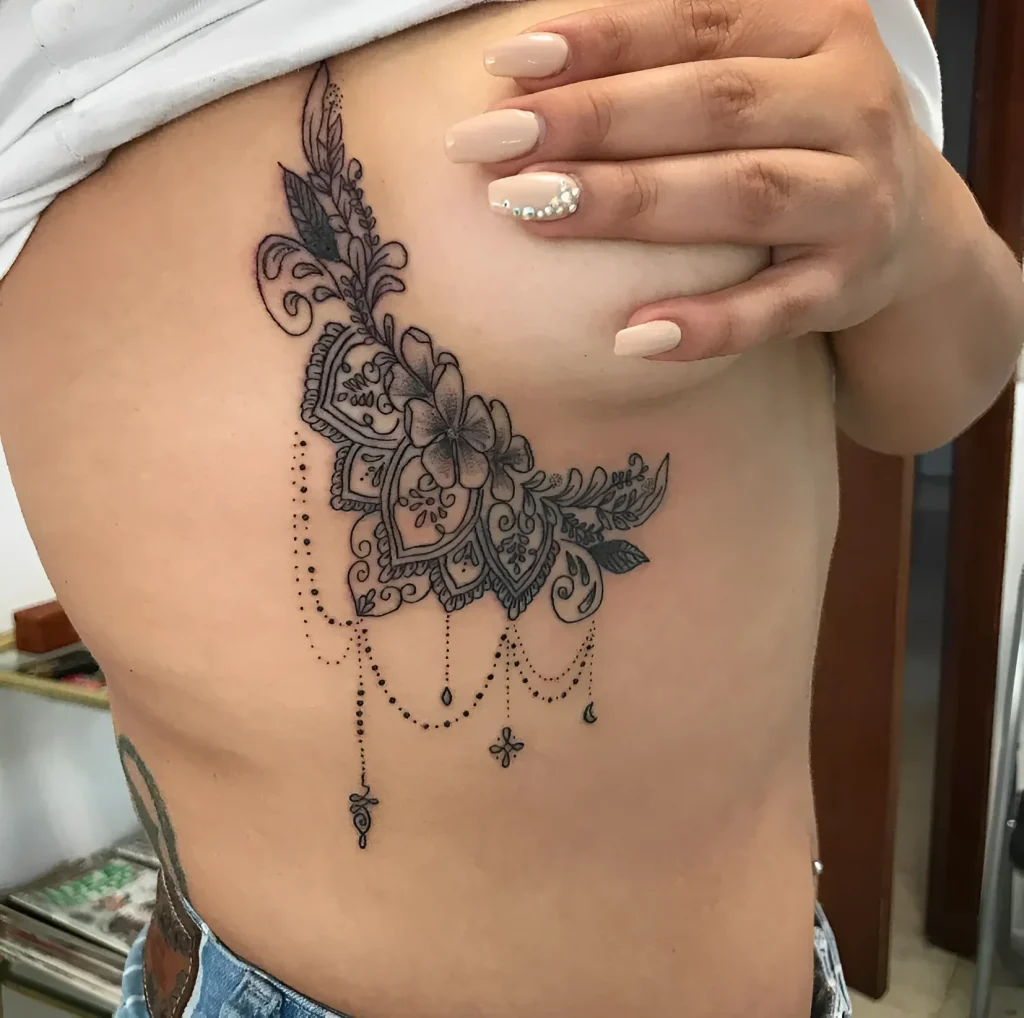
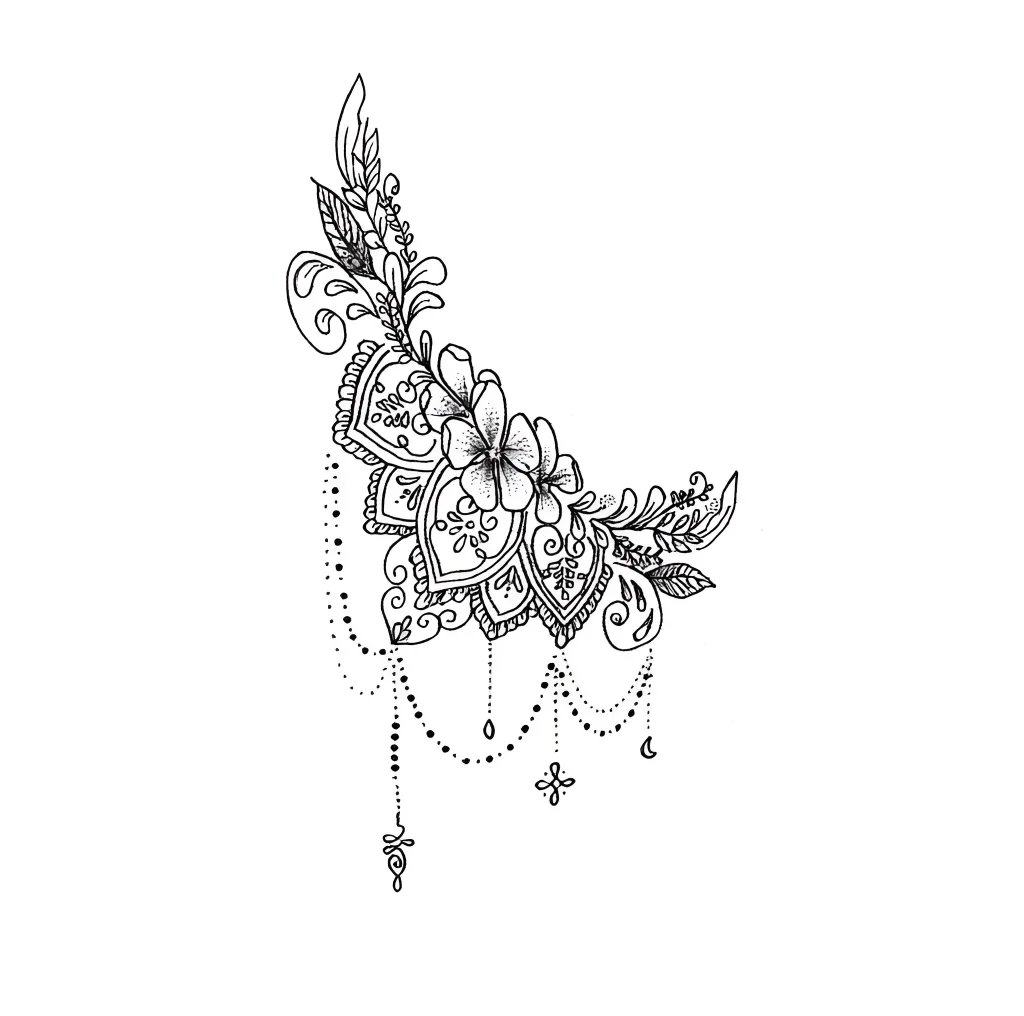
- Mandalas and Ornaments (Dotwork, Blackwork):
- Meaning: Balance, harmony, wholeness, spiritual perfection. Since a mandala is a geometric map of the universe, its placement in the center of the body symbolizes the search for inner equilibrium.
- Artist’s Tip: These designs require perfect symmetry. Use a laser level or specialized stencils for transfer to avoid displacement. Even a minimal shift will be noticeable.
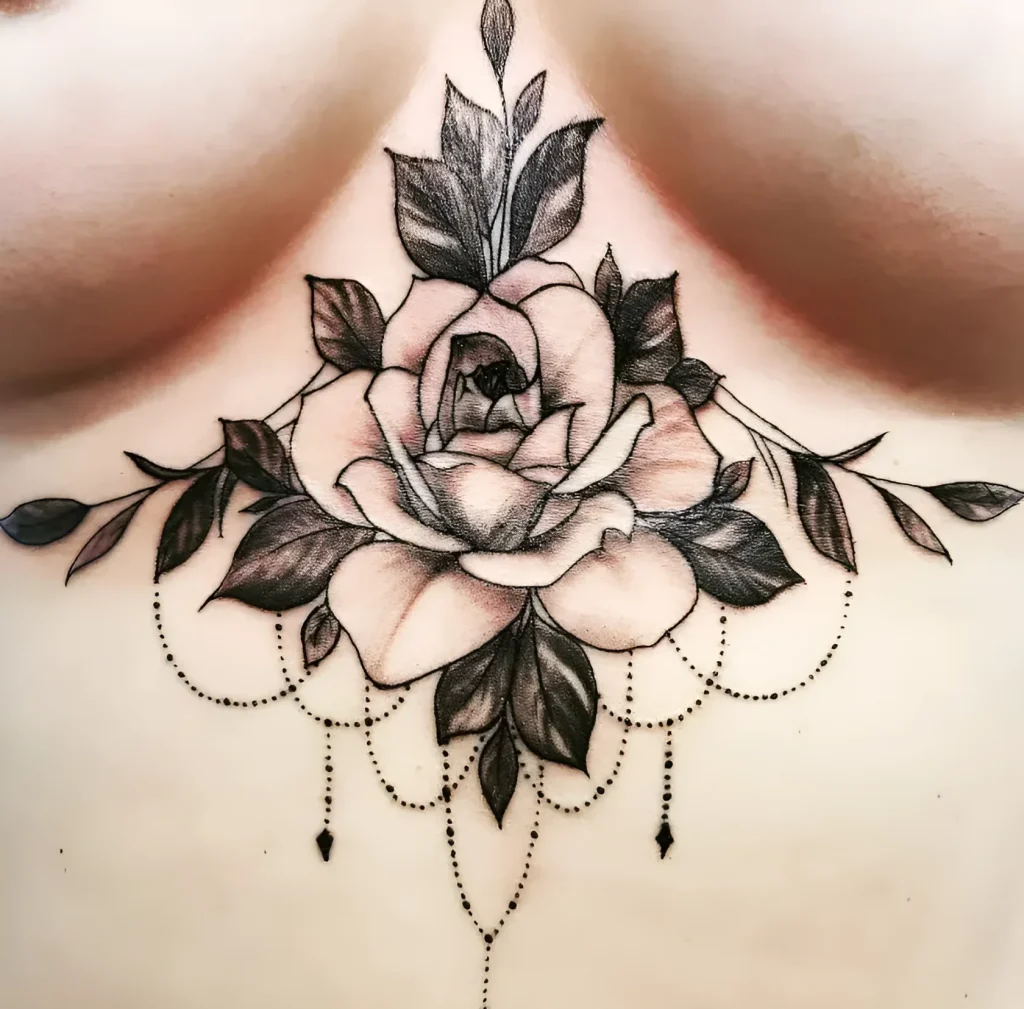
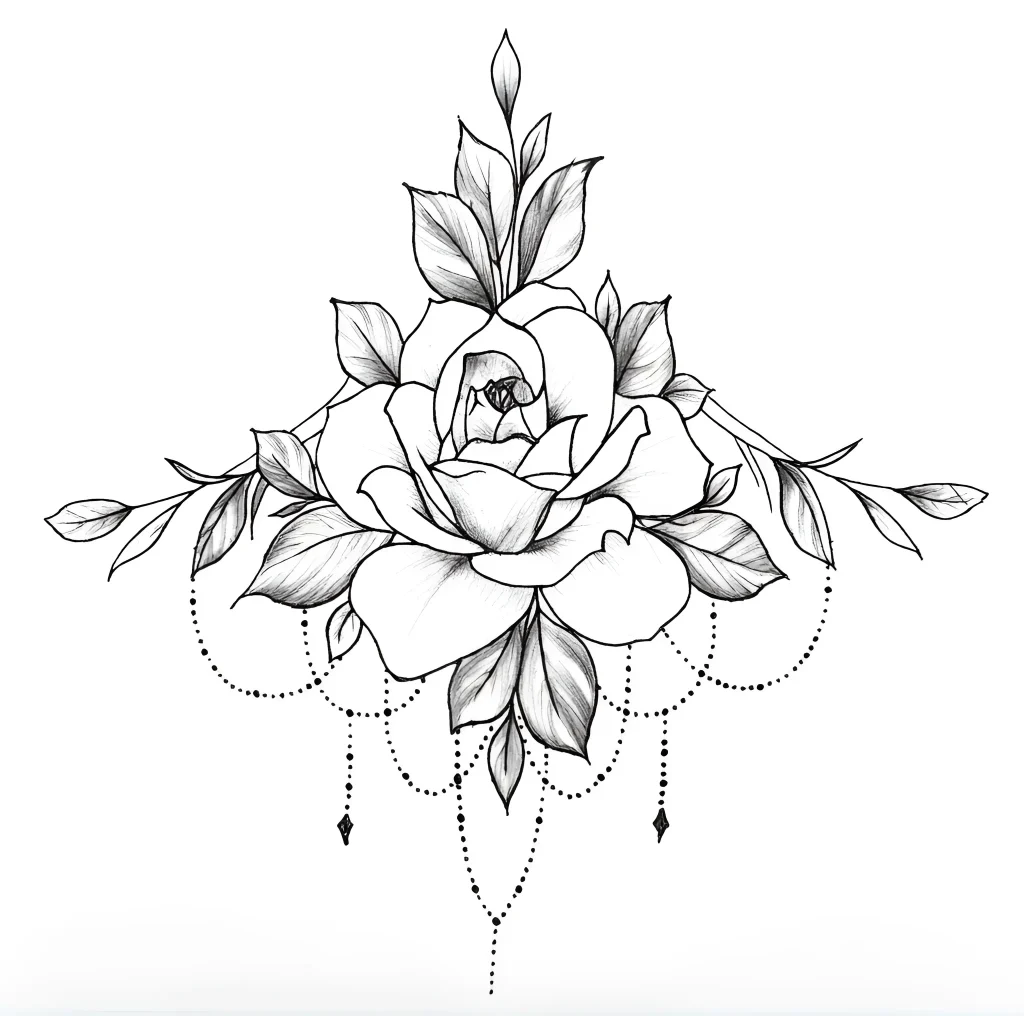
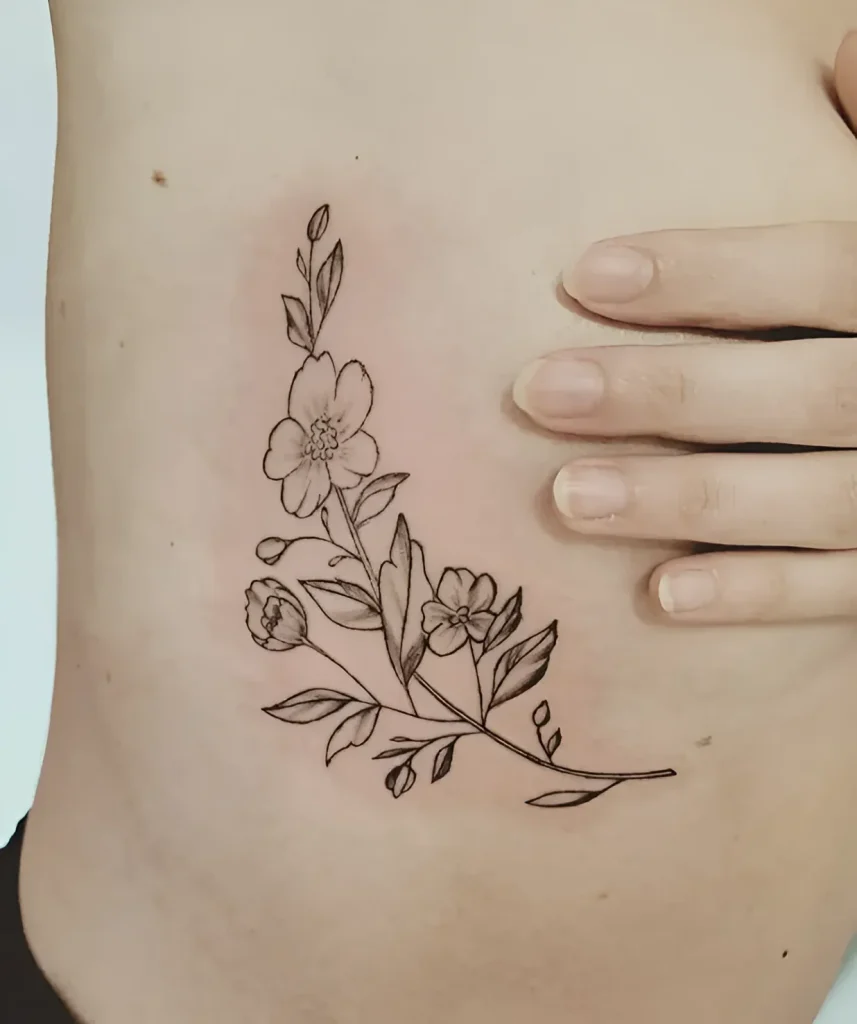
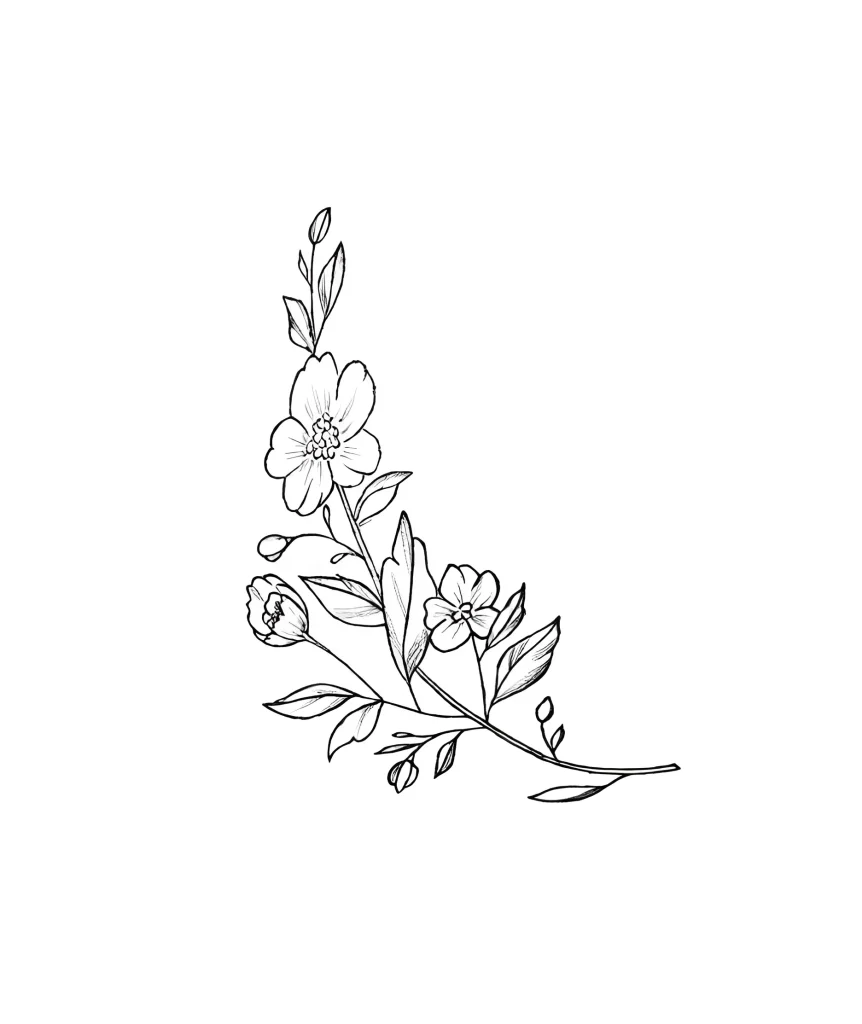
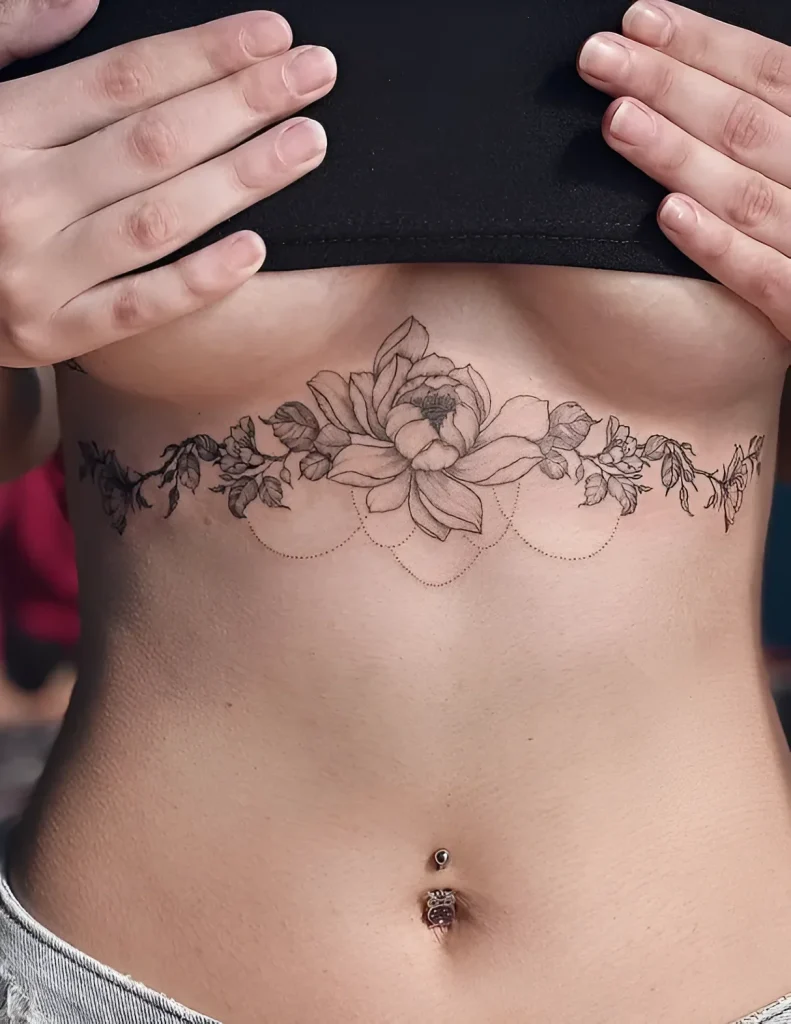
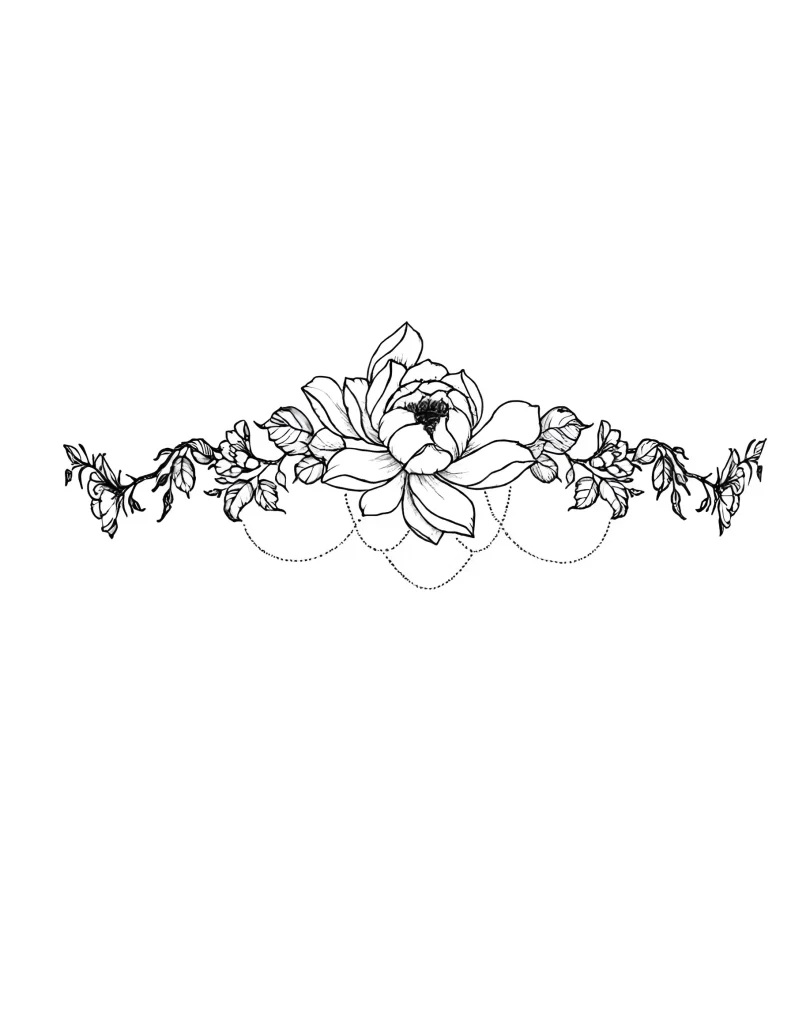
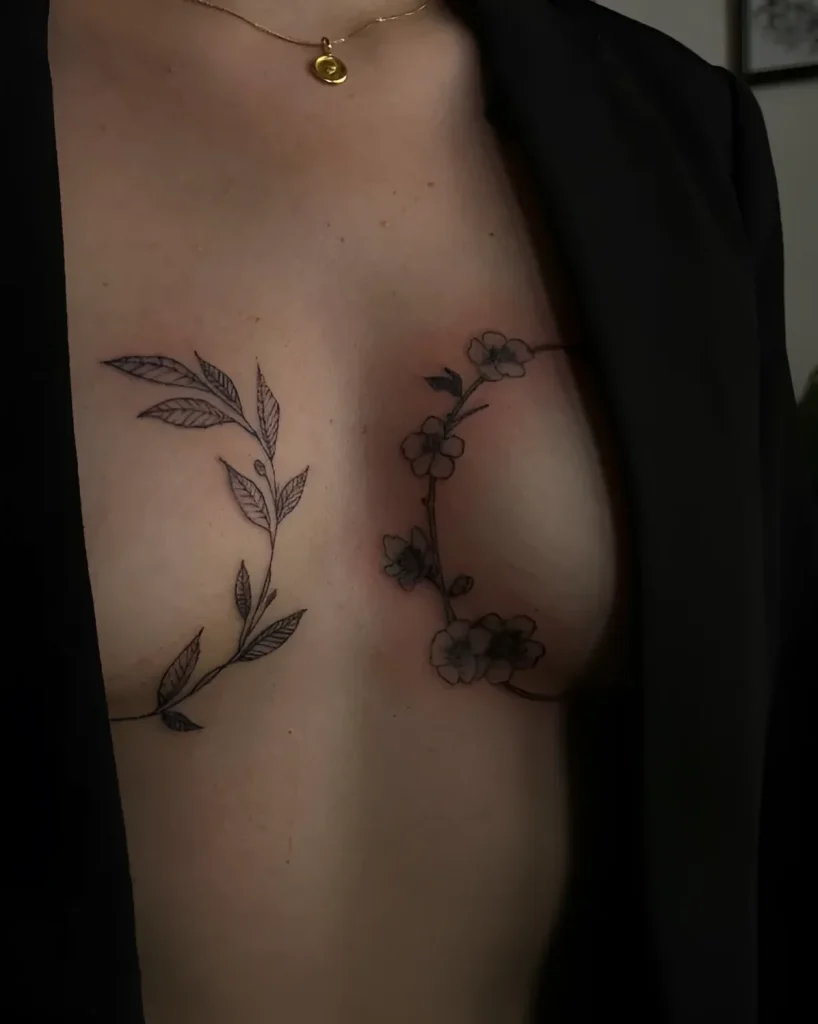
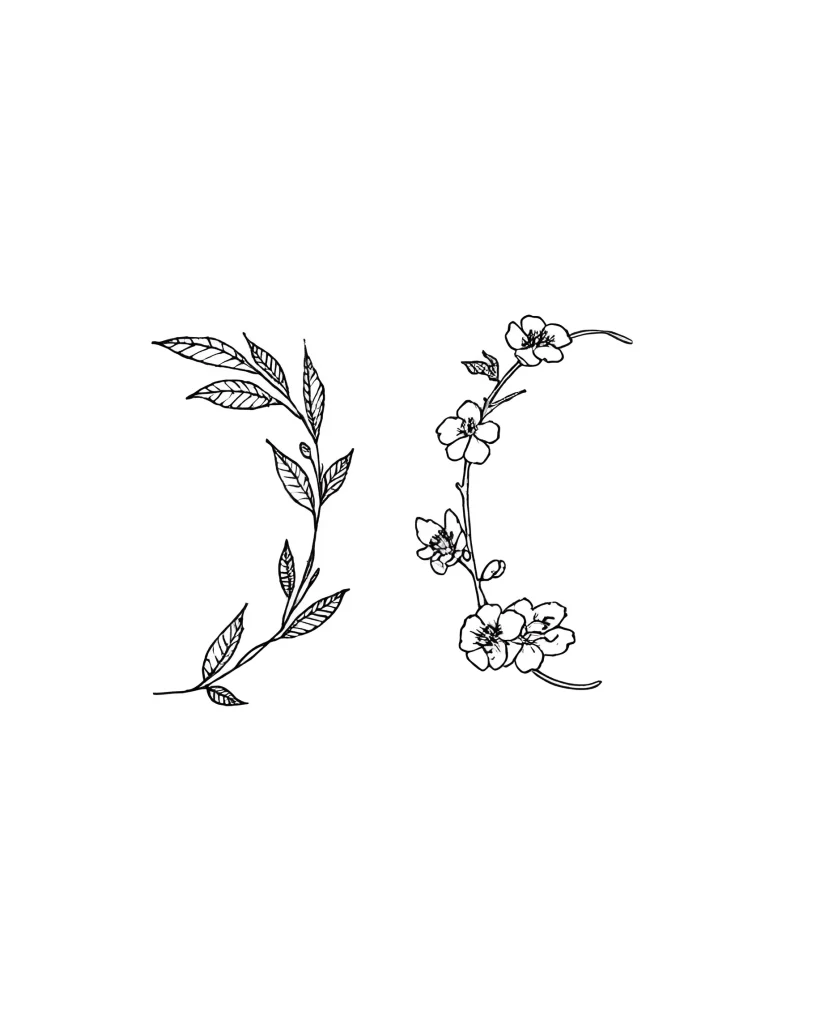
- Flowers and Floral Motifs (Floristry):
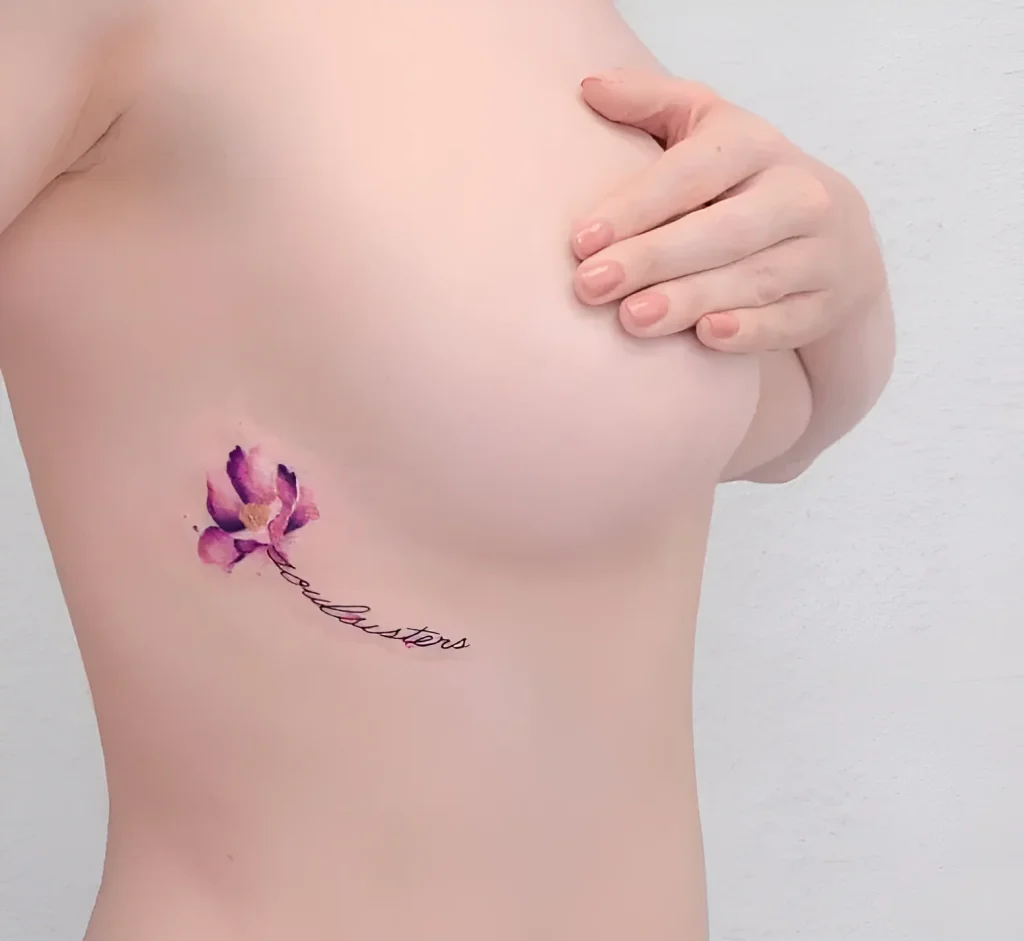
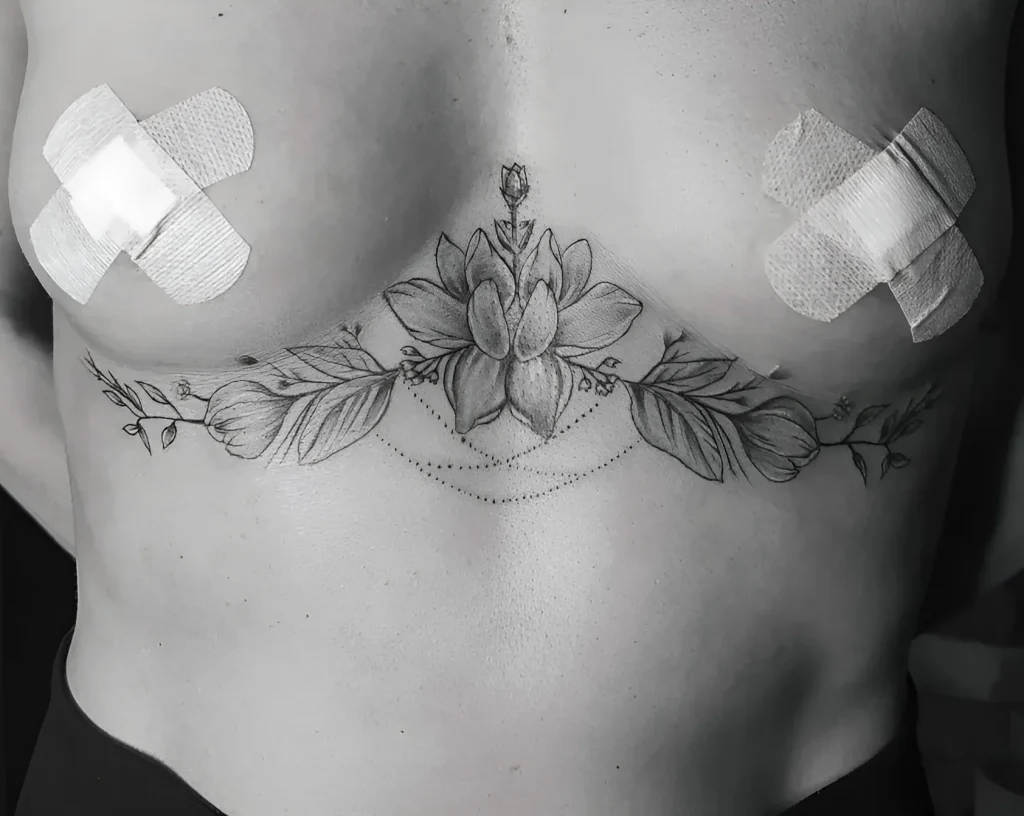
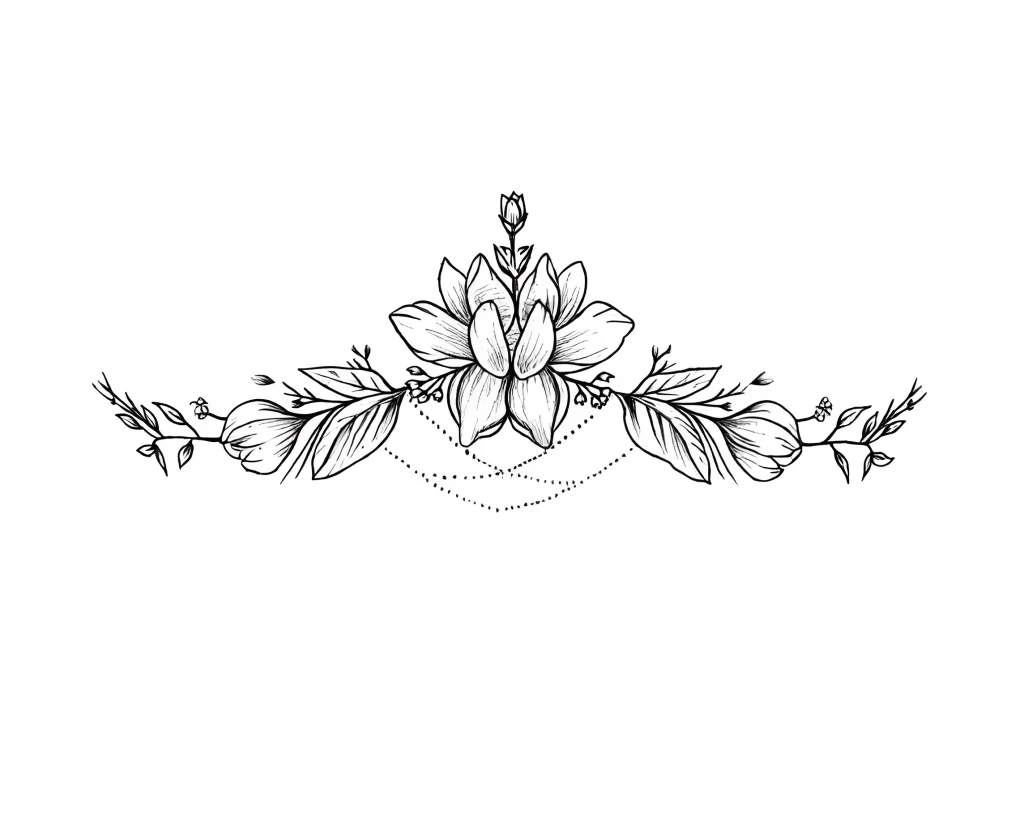
- Meaning: Femininity, growth, renewal, beauty. Lotuses (purity, rebirth) or roses (passion, love) are often used.
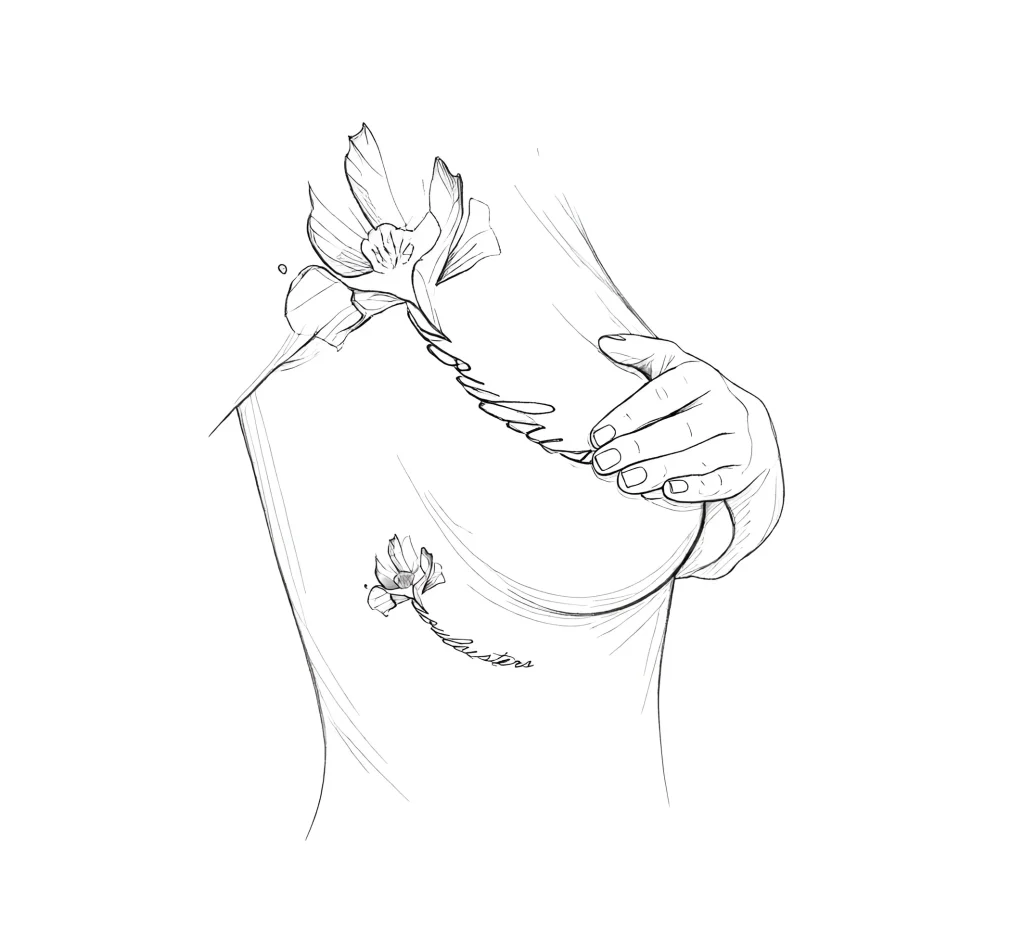
- Artist’s Tip: Floral motifs adapt better to the natural curves of the body. Work with smooth lines so they “flow” around the ribs rather than breaking on them.
- Daggers, Swords, Snakes (Traditional, Neo-Traditional):
- Meaning: Protection, strength, overcoming difficulties, readiness for struggle. Placing a dagger pointing downwards symbolizes readiness to protect one’s heart and territory.
- Artist’s Tip: When working with such elements, clarity and contrast are important. Use Magnums for solid packing and confident Liners for outlines.
- Unicursal Hexagram (Occult Symbols):
- Meaning: Unity of opposites, magic, spiritual freedom.
- Artist’s Tip: When working with occult symbolism, always ensure the client fully understands its meaning and is ready to bear this symbolism.
Techniques for Applying Tattoos Under the Breast: Needle Selection, Puncture Depth, and Skin Working Peculiarities
Successful work on the sternum requires adapting standard techniques. You must be prepared for the skin here to be “capricious.”
Choosing Needle Configurations
Since the skin is thin and the bone is close, preference is given to needles that allow maximum control over the depth and density of pigmentation.
- For Outlines (Liner): Use needles with fewer soldered bundles (e.g., 3RL, 5RL). This helps reduce trauma and avoid line “trembling” due to vibration on the bone. Beginner artists are advised to work at a slightly lower machine speed than usual.
- For Shading and Dotwork: Round Shader (RS) or Soft Edge Magnum (SEM) needles up to 9-11 bundles. Avoid overly wide Magnums (15M+), as they can cause excessive trauma to thin skin.
- Dotwork Technique: Dotwork looks ideal on the sternum, as it is less traumatic than solid shading and allows for soft transitions that lay well on the curved surface.
Depth and Speed Control
The puncture depth should be minimally sufficient – only to the upper layer of the dermis. Due to the proximity of the bone and the absence of a fatty cushion, the slightest excess in depth will lead to blowout (pigment blurring) or rapid fading due to excessive trauma.
Practical Recommendations:
- Stretching: Ensure the skin is stretched taut like a drum. If the skin sags or “plays,” the outline will not lay evenly.
- Gentle Touch: Work “on the tips” of the needle. If you are using a rotary machine, reduce the voltage by 0.5–1.0 V compared to working on, for example, the bicep.
- Working with Curves: Start working from the central, flattest part of the sternum, gradually moving to the rib arches. When moving to the arches, the needle’s angle of attack must be adjusted so that the pigment lays evenly, despite the change in surface curvature.
Aftercare for Tattoos Under the Breast: Recommendations for the Client and Monitoring the Healing Process
Aftercare for a tattoo under the breast is a separate, extremely important stage that requires clear and unambiguous instructions from the artist, as this area is constantly subjected to friction and moisture.
Main Challenges During Healing
- Friction from Clothing and Bras: This is the main enemy of a fresh tattoo. Constant friction can rub off scabs, cause irritation, and even pull out pigment.
- Increased Moisture and Sweat: This area sweats frequently, especially in summer or during physical activity, creating ideal conditions for bacterial growth and slowing down the healing process.
- Sleep: Incorrect sleeping positions can put pressure on the tattoo.
Recommendations for the Client (Be sure to discuss these points)
Your task as an artist is to minimize the impact of these factors:
- Protective Film (Dermalize/Saniderm): Strongly recommend the use of specialized healing film for the first 3–5 days. The film provides protection from bra friction and creates an optimal moist environment for healing. Ensure the film is applied without creases that could press on the fresh work.
- Limiting Bra Wear: For the first two weeks, the client should avoid wearing underwired bras or tight sports tops as much as possible. If wearing a bra is necessary, choose soft cotton tops or wireless bras.
- Hygiene: During the active healing period (1–2 weeks), pay special attention to cleanliness, but avoid prolonged steaming in hot water.
- Physical Activity: Avoid exercises that heavily stretch the chest muscles and sternum skin, as well as cause profuse sweating, for 10–14 days.
Risks and Complications When Applying Tattoos Under the Breast: How to Avoid Mistakes and Ensure Safety
Working in the sternum area involves certain risks that a beginner artist should be aware of to avoid reputational and medical problems.
Main Technical Errors and Their Prevention
| Risk/Complication | Cause | Prevention Method for the Artist |
|---|---|---|
| Blowout (Pigment Blurring) | Puncture too deep due to thin skin over bone. | Reduce machine voltage, use thin needles (RL), perfect skin stretching. Work by the principle: it’s better to go over twice than to go too deep once. |
| Symmetry Displacement | Incorrect marking or working with a client who is not lying perfectly straight. | Use a laser level for marking, check the stencil with the client standing, focus on the body’s midline. |
| Keloid Scars | Excessive skin trauma, especially in clients with a predisposition. The sternum area is prone to keloid formation. | Work as gently as possible, avoid overly dense shading in one pass. Always ask the client about their healing history. |
| Uneven Coloring (Spotting) | Varying skin thickness on the sternum and ribs, insufficient pressure control. | Constantly adjust the angle of attack and pressure as you move from the center to the ribs. |
Safety and Health Issues
Pay special attention to sterility. Since this area is close to the respiratory tract and constantly in contact with clothing, the risk of infection can be higher if aseptic rules are violated.
Important: Do not work on skin that shows signs of recent tanning, irritation, or active stretch marks (striae). Striae themselves can cause uneven pigment distribution and require special attention.
FAQ: Answers to Common Questions from Beginner Artists About Tattoos Under the Breast
Beginner artists often encounter typical problems when working with the sternum area. Here are the answers to the most frequent ones:
1. What is the best way to combat pain in this area?
Answer: Effective pain management is critically important. In addition to preliminary numbing creams (if permitted in your jurisdiction and the client has passed an allergy test), technique plays a key role. The faster and cleaner you work, the shorter the session. Long sessions (over 3–4 hours) on the sternum are highly undesirable. Offer clients frequent, short breaks.
2. What should I do if the client starts jerking due to pain?
Answer: Stop working immediately. Panic and sudden movements can lead to serious mistakes. Calm the client, offer them water, deep breaths. Explain that this is normal. If the pain is unbearable, consider splitting the session into several shorter ones.
3. How to properly stretch the skin to avoid wrinkles during application?
Answer: Use both hands for stretching (the “three-point” technique). Stretch the skin not only vertically but also slightly diagonally to maximally smooth out the natural depressions and convexities of the ribs. The stretch should be firm but not painful.
4. What palette is best to use for tattoos under the breast?
Answer: Blackwork, Dotwork, and Fine Line dominate this area. Black pigment provides maximum contrast and longevity. If color works are used (e.g., watercolor or realism), choose high-density pigments, as thin skin tends to “eat” light and pastel tones faster than dense black.
Interesting Facts and Trends in Tattoos Under the Female Breast: Inspiration for Creativity
As a professional, you should not only master the technique but also stay updated on current trends to offer clients fresh and unique ideas.
Current Styles and Trends
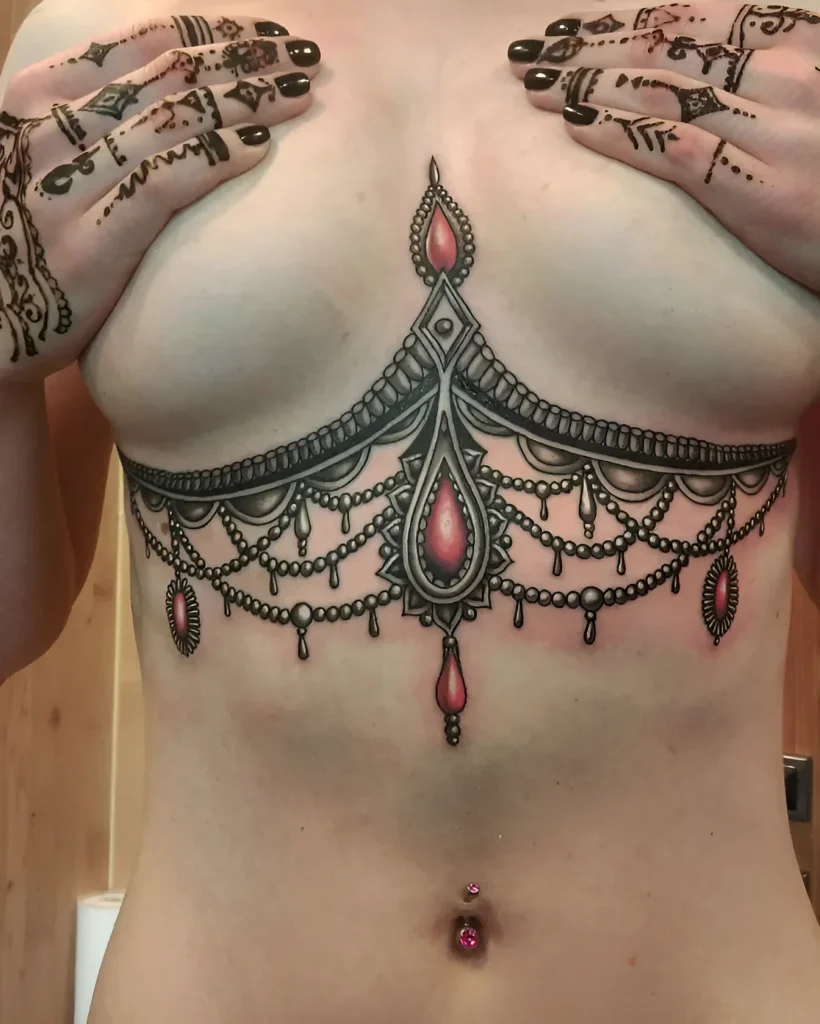
- Underboob Lace: Imitation of lace lingerie or a corset. These are extremely detailed works in Fine Line style, creating the effect of intimate jewelry. They require jeweler’s precision and fine needles (1RL, 3RL).
- Symmetry Revival: A return to classic, strict symmetrical patterns, but with the addition of geometric and minimalist elements.
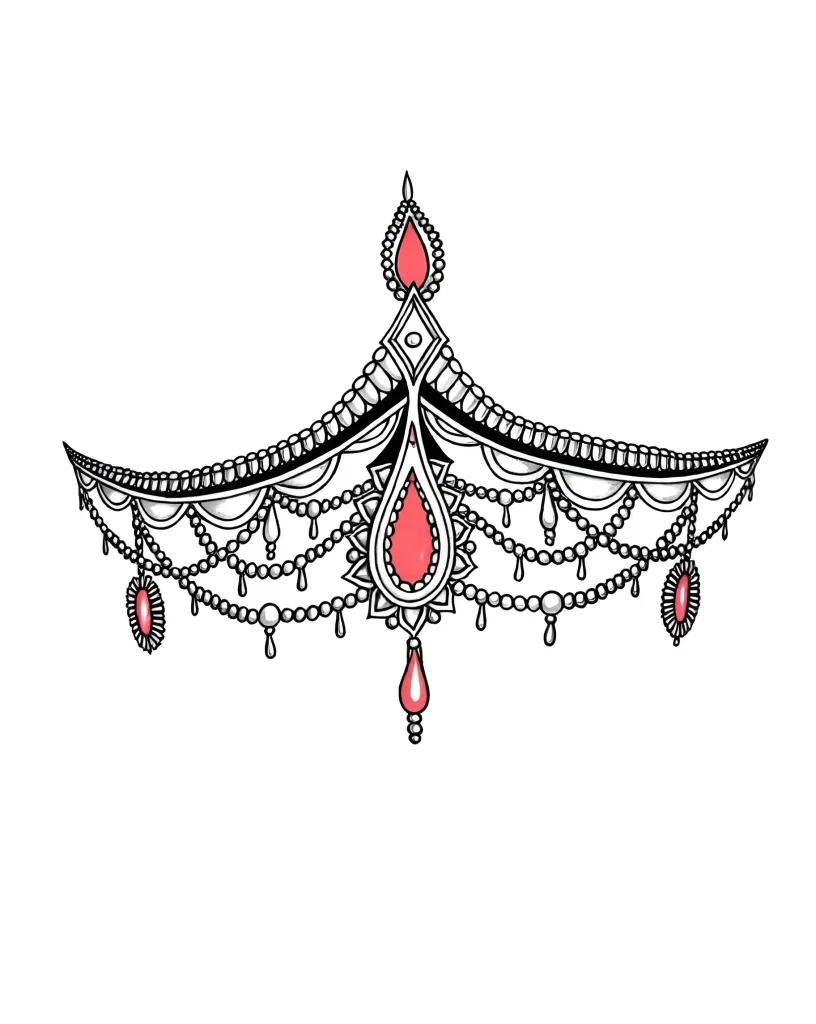
- Crystal and Gemstone Motifs: Tattoos imitating pendants or crystals hanging from the center of the sternum. These works are often done in Black & Grey style using white pigment to imitate the sparkle of stones.
- Cover-Ups and Scar Covering: The area under the breast is often used to conceal scars from operations (e.g., breast reduction or cardiac interventions). This requires special skill, as scar tissue absorbs pigment differently than healthy skin. Always consult with the client about the specifics of working with scars.
A tattoo under the female breast is a challenge for any artist, but especially for a beginner. It requires discipline, attention to detail, and deep respect for the client’s anatomical features. By mastering this area, you will not only expand your professional arsenal but also be able to create truly powerful and personal works of art.