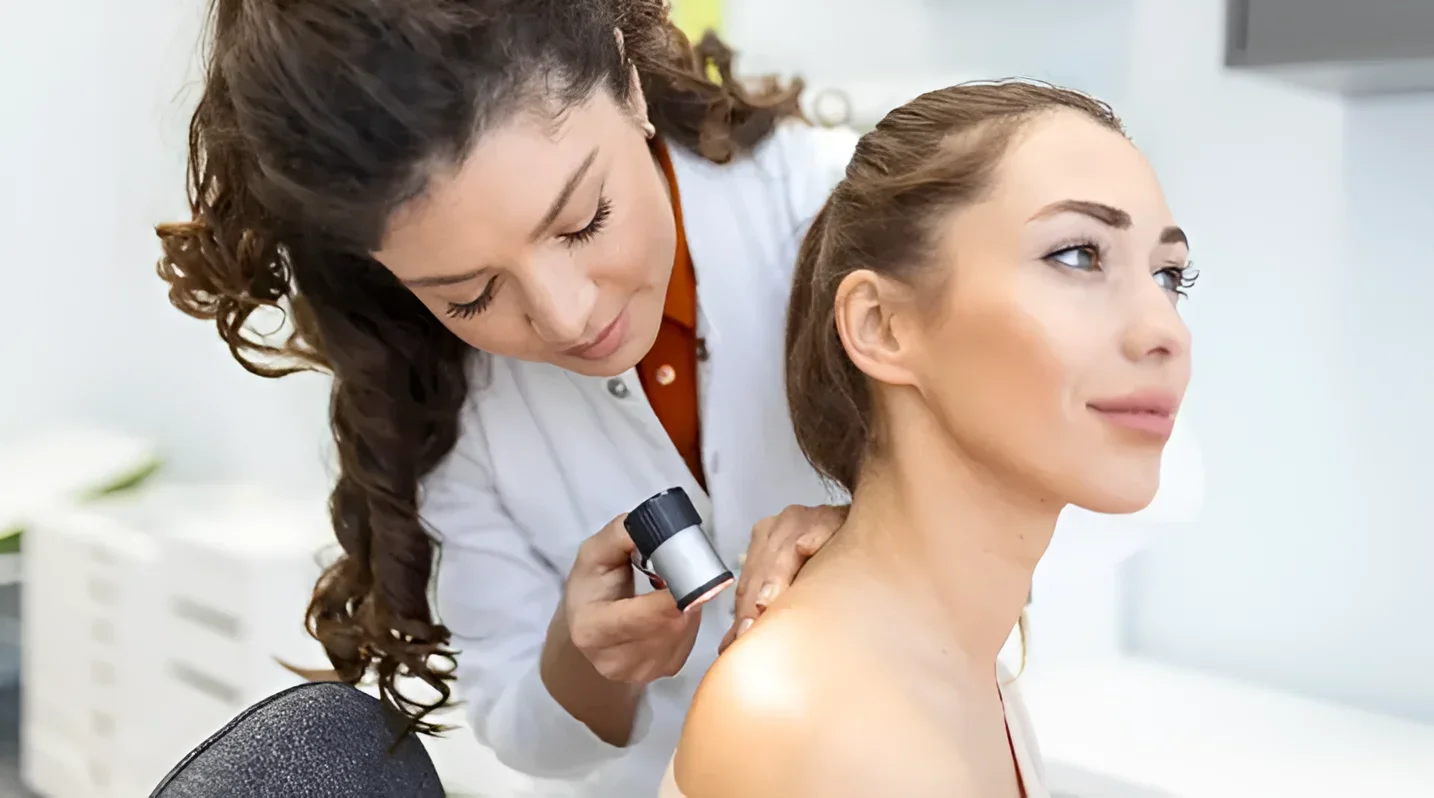
Singapore continues to demonstrate a progressive approach to social adaptation and aesthetic medicine, creating unique precedents at the intersection of religion and high technology. As part of strengthening partnerships between public medical structures and public organizations, the signing of a Memorandum of Understanding (MoU) between the National Skin Centre (NSC), part of the NHG healthcare group, and Masjid Tentera Di Raja (MTDR) mosque has been officially announced. This agreement aims to legalize and expand access to high-tech medical services for tattoo removal under strict clinical supervision by the country’s leading dermatologists.
A New Level for the Mudik Ke Hulu Program
The signed document formalizes a long-term collaboration that will form the foundation for the updated “Mudik Ke Hulu” program. This name, which can be translated as “return to the origins” or “moving upstream,” carries deep symbolic meaning for the participants. The program was launched back in 2006 and over its nearly two decades of existence, it has helped nearly 900 participants change their lives by getting rid of unwanted body art that often became a barrier to successful careers or social integration.
According to the terms of the memorandum, specialists from the National Skin Centre will perform tattoo removal procedures using the most modern equipment. The official signing ceremony took place directly at the National Skin Centre in Singapore, emphasizing the high medical status of the initiative and the program’s transition from a purely social assistance program to the realm of high-tech medical practice.
Technological Breakthrough: Why Pico Laser?
The key tool within this agreement will be Pico Laser technology. In the modern tattoo culture and cosmetology industry, picosecond lasers are considered the “gold standard.” Unlike previous generation lasers (e.g., Q-switched), which affect pigment through a photothermal method (heating), Pico Laser works through a photoacoustic effect.
Experts highlight several critical advantages of using this technology within the state program:
- Minimal risk of scarring: ultra-short pulses (trillionths of a second) break down pigment particles into dust without damaging surrounding tissues.
- Effectiveness against complex colors: the laser successfully handles even difficult-to-remove green and blue pigments.
- Reduced recovery period: patients can return to their usual lifestyle faster, which is crucial for working program participants.
- Fewer sessions: compared to traditional methods, Pico Laser achieves the desired result 1.5–2 times faster.
Expert Analysis: Tattoo Culture and the Right to a “Clean Slate”
From the perspective of tattoo culture, this news is a landmark event. For a long time, the process of getting a tattoo and the process of removing it existed in parallel worlds. Today, we see medicine recognizing a person’s right to change their image without fatal health consequences. In the context of Singapore, where tattoos have historically been associated with belonging to certain social groups, the opportunity for professional and safe removal of these designs is a powerful tool for social mobility.
The ethical aspect is also interesting: the participation of Masjid Tentera Di Raja mosque in this process highlights the flexibility of religious institutions in helping their congregants. For many Muslims, having tattoos acquired in youth or before making certain life decisions can be a source of inner discomfort. The Mudik Ke Hulu program offers them a safe and socially approved path to physical skin cleansing.
Comparative Characteristics of Removal Methods
To understand the scale of the program’s technological capabilities, here is a comparative table of tattoo removal methods considered within NSC’s clinical practice:
| Characteristic | Traditional Laser (Q-switched) | Picosecond Laser (Pico Laser) |
|---|---|---|
| Pulse Duration | Nanoseconds (10^-9) | Picoseconds (10^-12) |
| Pigment Destruction Mechanism | Thermal (heating) | Photoacoustic (shockwave) |
| Risk of Burns and Scars | Medium/High | Minimal |
| Pain Sensation | Pronounced | Moderate |
| Result on Light Colors | Limited | High |
It is important to note that the procedure within the NSC is performed under clinical supervision. This means that skin condition is monitored by professional dermatologists, which eliminates the possibility of infection or improper aftercare – problems often encountered by people seeking services at uncertified salons.
Social Significance and Future of the Initiative
The signing of the MoU between NSC and MTDR is not just a bureaucratic act, but a confirmation that modern society is ready to support people in their pursuit of change. Over 18 years of operation, the Mudik Ke Hulu program has proven its viability, and the involvement of the National Skin Centre’s resources elevates it to a new qualitative level. For the tattoo industry as a whole, this is also a positive signal: the development of removal technologies does not diminish the popularity of tattoos, but makes the culture more responsible and dynamic, removing the fear of a “lifelong mistake.”
In the future, Singapore’s experience is expected to serve as a model for other countries in the region where social and religious organizations are seeking ways to effectively help citizens reintegrate and grow personally. Clinical supervision and the use of advanced laser technologies transform tattoo removal from a questionable cosmetic procedure into a full-fledged medical service with guaranteed results.