
In the world of tattoos, where every symbol carries deep meaning and personal history, images of seemingly ordinary objects hold a special place. Among them, the postage stamp tattoo stands out – a small, yet surprisingly rich sign that might appear simple at first glance, but reveals a universe of meanings upon closer inspection. On our portal tatufoto.com, we strive to provide you with the most comprehensive and expert information about the world of tattoos, and today we delve into the world of “postage stamps on skin” to unravel its mysteries, symbolism, and cultural context.
If you’ve ever wondered what might lie behind this image, or are looking for a unique way to express yourself, this article will be your guide. We will explore not only the obvious associations with travel and collecting but also much deeper, philosophical, and emotional aspects that make the postage stamp tattoo one of the most intriguing choices in modern tattoo art.
The Meaning of a Postage Stamp Tattoo: What Does the Little Square Hide?

A postage stamp tattoo is not just an image of an object; it is a symbol filled with diverse interpretations that make it a unique choice for many. At first glance, it might seem like a tribute to philately, but in reality, the spectrum of meanings is much broader and deeper. For many, it embodies a love for travel and adventure. Each stamp is a kind of ticket, allowing a letter to overcome distances, cross borders and continents. Consequently, for the person wearing such a tattoo, it can symbolize a desire for new discoveries, unexplored paths, and a longing to explore the world. It is a constant reminder of the roads traveled and those yet to be taken.
However, the meaning of a postage stamp tattoo is not limited to geographical movement. It is also a powerful symbol of memory and nostalgia. Just as stamps on old letters hold echoes of the past, capturing important moments in history or personal life, a tattoo can serve as a metaphor for preserving cherished memories, dear people, or significant events. It is a way to archive fragments of personal history on one’s skin that one wishes to carry through life.
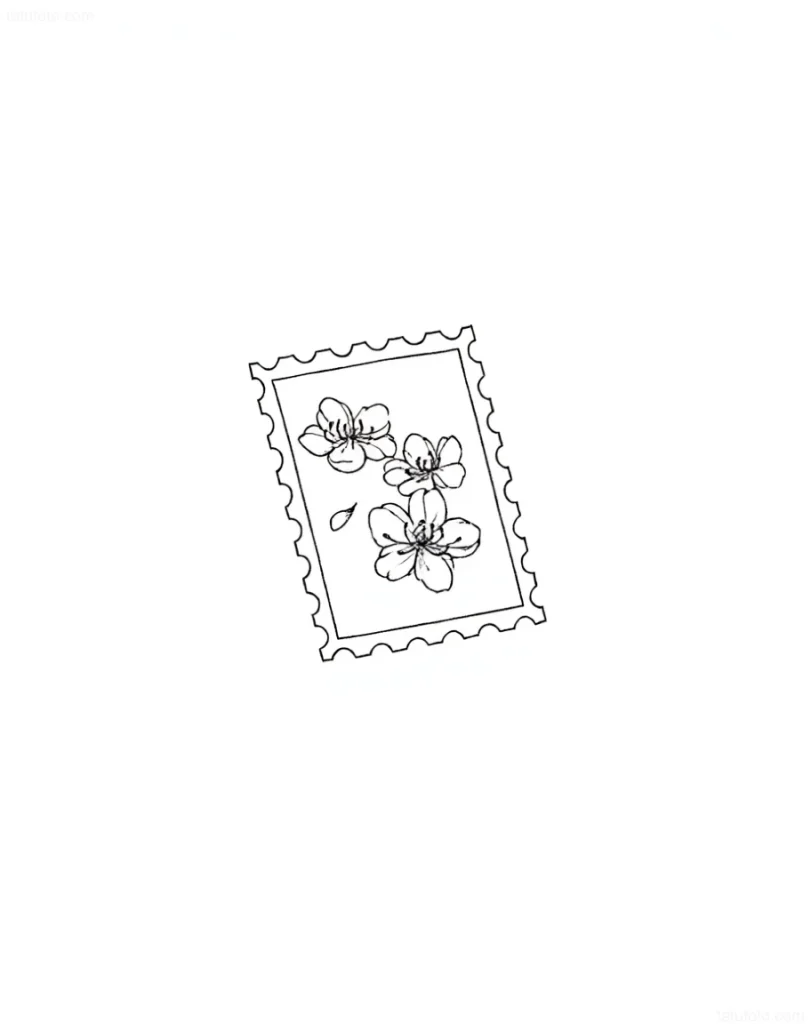
Furthermore, a postage stamp tattoo can speak of connection and communication. A stamp is a means of communication, a bridge between sender and receiver. In this context, the tattoo can symbolize the importance of human relationships, the desire for communication, and the need to be heard and understood. It can be dedicated to a loved one who is far away or symbolize unbreakable bonds with family and friends.
Finally, the image of a postage stamp is often associated with uniqueness and individuality. Rare or collectible stamps have special value, and having one on the skin can indicate a desire for originality, a wish to stand out from the crowd, and to emphasize one’s distinctiveness. It is a way to declare one’s unique story, which, like a rare stamp, holds irreplaceable value.
The History of the Postage Stamp: From the First Letters to Modern Masterpieces

To fully understand the meaning of a postage stamp tattoo, it’s important to grasp the origins of the postage stamp itself and its evolution. The history of the postage stamp is closely linked to the development of postal services and humanity’s desire for long-distance communication. Before stamps, the payment for sending letters was complex and often fell on the recipient, creating many problems.
Everything changed in 1840 when the Penny Black was issued in Great Britain – the world’s first adhesive postage stamp. Its appearance was revolutionary, as it allowed the sender to prepay for the service by affixing a small paper square to the envelope. This act itself was symbolic: it signified a readiness to take responsibility for sending a message, a readiness for communication.
Since then, stamps have become not just a means of payment but also miniature works of art, reflecting the history, culture, achievements, and nature of each country. Each stamp is a kind of “window to the world”, a brief narrative about a place, event, or person. They became objects of collection, philately, adding another dimension of value – collectible and historical.
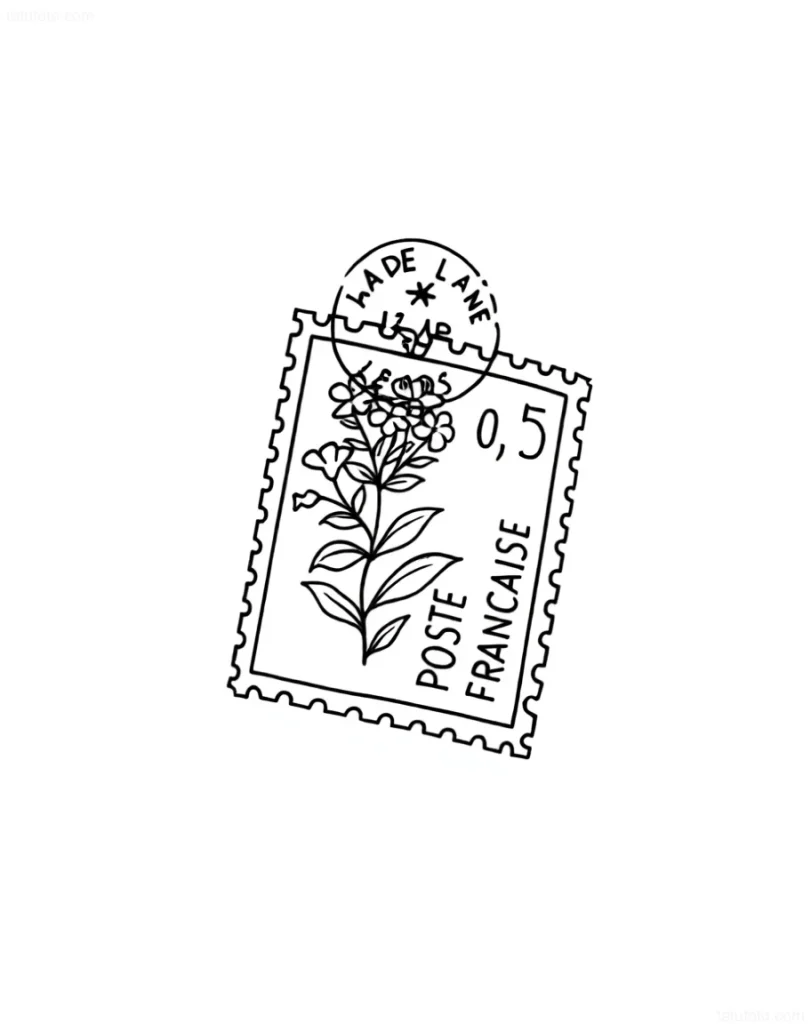
For a tattoo, this historical context is crucial. By choosing the image of a specific stamp, a person can imbue it with an additional layer of meaning:
- If it’s a stamp depicting a specific country or city, it can symbolize one’s homeland, a place that has become home, or a desired travel destination.
- A stamp with a portrait of a historical figure can reflect admiration for their achievements, ideals, or principles.
- Commemorative stamps dedicated to important events (Olympics, anniversaries, scientific discoveries) can serve as a reminder of significant milestones in the tattoo wearer’s life or their commitment to certain ideas.
Thus, the history of the postage stamp, from its functional purpose to its status as a cultural artifact, enriches the meaning of a postage stamp tattoo, making it even more multifaceted and profound.
Multifaceted Meanings of a Postage Stamp Tattoo: From Travel to Memory

As we’ve begun to discuss, a postage stamp tattoo is a treasure trove of symbolic meanings. It allows for the expression of a whole range of emotions, beliefs, and personal stories. Let’s delve into the most common and profound interpretations of this image.
1. Symbol of Travel and Adventure
- Thirst for Wanderlust: A stamp on an envelope always indicates a destination. For many, this is a direct reflection of an insatiable thirst to travel, explore new places, cultures, and horizons. It’s a tattoo for those who feel like citizens of the world, for whom home is the road.
- The Path Traveled: The tattoo can depict stamps from different countries that the person has already visited. It’s a kind of visual travel diary, a reminder of every kilometer traveled, every new impression, and how these adventures have shaped the individual.
- Dream of the Future: Sometimes a stamp can symbolize a country or place the person dreams of visiting. It’s a visualization of a goal, an incentive to achieve it, a constant reminder of a cherished dream.
2. Nostalgia and Preservation of Memory
- Memories of the Past: Just as old letters hold the warmth of past years, a stamp tattoo can be dedicated to important memories. It could be a stamp associated with childhood, a dear person, or a specific period of life.
- Memory of Loved Ones: If a stamp is associated with someone who has passed away or is far away, it becomes a symbol of an unbreakable bond, longing for the past, or a way to immortalize someone’s memory. It could be a stamp from the country where a loved one was born or lived, or a stamp they collected.
- Commemorating Important Moments: Commemorative stamps issued to mark significant events (weddings, births, graduations) can be used to create a tattoo that marks these life milestones.
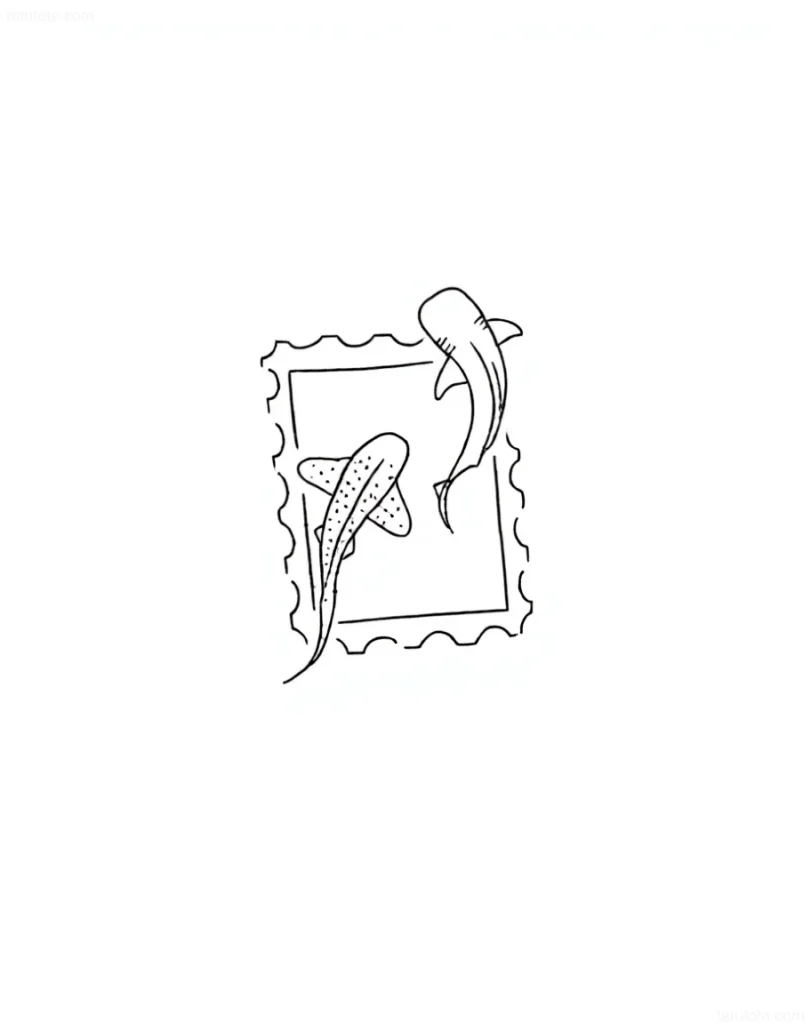
3. Connection and Communication
- A Bridge Between People: A stamp is a mediator that allows a message to be conveyed. In this context, a tattoo can symbolize the importance of communication, the desire to stay connected with loved ones, even if they are far away.
- Openness to the World: The tattoo can speak of readiness for new acquaintances, openness to dialogue, and the desire to understand others and be understood.
- Conveying a Message: Sometimes a person chooses a stamp with a specific image or inscription to convey a personal message to the world or to themselves.
4. Uniqueness and Individuality
- Collectible Value: Rare stamps are valued for their uniqueness. A tattoo of such a stamp can emphasize a person’s individuality, their distinctiveness, their unique life path, and set of values.
- Personal Story: Every stamp has its own history. By choosing a specific stamp, a person tells a part of their personal story, which may be known only to them or their loved ones.
5. The Value of Time and Moments
- Capturing the Moment: A stamp marks the moment a letter is sent. A tattoo can symbolize the importance of every moment lived, the desire to cherish the present, and not to miss opportunities.
- Moving Forward: Despite its static nature, a stamp is always associated with the movement of a letter to its recipient. This can be a symbol of progress, striving for development, and overcoming obstacles.
These meanings can be combined and interpreted in various ways, creating a truly deep and personal symbol on your skin.
Styles of Postage Stamp Tattoos: From Realism to Minimalism

The choice of style for a postage stamp tattoo plays a key role in its perception and its ability to convey the intended meaning. How the image is rendered determines whether it will look like an exact replica of a historical artifact or a stylized symbol. Let’s look at the most popular styles suitable for postage stamp tattoos.
1. Realism
- Features: Maximum accurate reproduction of all stamp details – from the smallest perforations to the texture of the paper, color shades, fonts, and even the postmark. The goal is to create the illusion of a real stamp on the skin.
- What it Conveys: Documentary accuracy, authenticity, historical value. Ideal for those who want to immortalize a specific, historically significant stamp or one associated with a very personal and precise memory.
- Examples: Famous stamps like the “Penny Black,” “Blue Mauritius,” or stamps with portraits of historical figures, architectural masterpieces.
2. Traditional and Neo-Traditional Styles (Old School and New School)
- Features:
- Traditional (Old School): Bold outlines, limited palette of bright colors, simplified forms. The stamp will look like a classic tattoo design.
- Neo-Traditional (New School): A wider color palette, detailed, voluminous, often with elements of humor or cartoonishness.
- What it Conveys: Vintage feel, nostalgia for “the good old days,” boldness, playfulness. These styles can give the stamp a more artistic, less rigid look, emphasizing its aesthetic rather than strictly documentary value.
- Examples: A stamp stylized as a comic or poster, with bright, contrasting colors and thick outlines.
3. Watercolor
- Features: Imitation of watercolor painting – smooth color transitions, blurred edges, “flow” effect of paint.
- What it Conveys: Lightness, dreaminess, ephemerality, freedom, creativity. Excellent for symbolizing travel, change, the flow of life, or for giving the stamp image a more artistic and less literal meaning.
- Examples: A stamp from which landscape elements, sky, or abstract patterns “flow out” or “blur.”
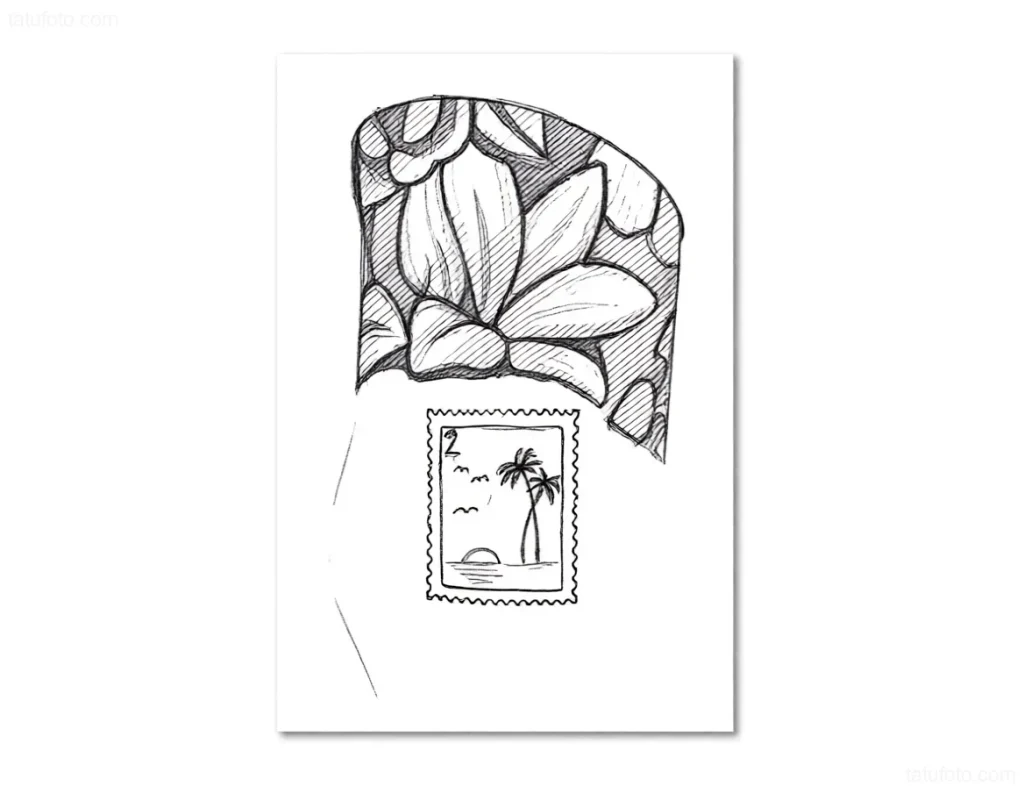
4. Minimalism
- Features: Simple lines, geometric shapes, absence of unnecessary details. Focus on the recognizable outline or a few key elements of the stamp.
- What it Conveys: Restraint, elegance, deep but not ostentatious meaning. Ideal for those who prefer subtle, personal symbols that don’t require explanation for everyone.
- Examples: A clean outline of a stamp with perforations, or a schematic representation of a key element of the stamp (e.g., the silhouette of an airplane or ship within a square).
5. Blackwork & Dotwork
- Features:
- Blackwork: Use of only black ink, solid fills, contrasting lines.
- Dotwork: Creating images using numerous small dots, which adds texture and depth.
- What it Conveys: Strictness, graphic quality, vintage feel, mysticism. These styles can give a stamp tattoo a special atmosphere of an old engraving or black-and-white photograph, enhancing the sense of memory and history.
- Examples: A stamp rendered in the style of an old engraving, with shading effects created by dots.
When choosing a style, it’s important to consider not only aesthetic preferences but also what specific meaning you want to convey. Discuss your ideas with the artist to help them choose the optimal execution for your unique postage stamp tattoo.
Best Placement for a Postage Stamp Tattoo: Where Does the Meaning Unfold?

The placement of a tattoo on the body is as important as the design itself. It can enhance or alter the original meaning, make the tattoo more personal or, conversely, more demonstrative. For a postage stamp tattoo, the choice of location is particularly interesting, as its small size and symbolic load allow for experimentation.
1. Wrist
- Meaning: One of the most popular places for small, meaningful tattoos. On the wrist, a stamp can symbolize a constant reminder of travel, an unbreakable bond with loved ones, or an important moment in life. It will always be visible, serving as a source of inspiration or comfort.
- Visual Effect: Elegant and discreet. Easy to hide if necessary.
2. Inner Forearm
- Meaning: A more personal, yet easily displayable location. Here, a postage stamp tattoo can be part of a larger composition (e.g., with a world map or other travel symbols) or stand alone, signifying openness to new ideas and readiness for change.
- Visual Effect: Enough space for more detailed stamps or compositions.
3. Ankle or Foot
- Meaning: An ideal place for those who want to emphasize the theme of movement, the journey, the paths traveled, and future adventures. A stamp on the ankle symbolizes every step taken in life and every step yet to be taken. It’s a metaphor for “footprints” on the path of life.
- Visual Effect: A hidden but very symbolic place that can be easily revealed.
4. Ribs or Side
- Meaning: This is a more intimate area, often chosen for tattoos with deep personal meaning. A stamp here can symbolize cherished memories, deep emotional connections, or dreams kept deep within the heart.
- Visual Effect: Ideal for larger and more complex compositions that can be revealed only at the owner’s discretion.

5. Back (between the shoulder blades or on the shoulder blade)
- Meaning: The back is often associated with protection, support, and also with what is left “behind.” A postage stamp tattoo here can symbolize the past that is always with you but not always visible. It can be a tribute to memory, or a symbol of “sending” your dreams and desires into the world.
- Visual Effect: Ample space for large-scale and detailed work, the ability to incorporate the stamp into a more complex narrative.
6. Neck (behind the ear or at the nape)
- Meaning: A very delicate and often hidden area. A postage stamp here can symbolize secret thoughts, subtle but important connections, or a reminder that you always keep “in mind”.
- Visual Effect: Elegant and minimalist.
7. Shoulder or Collarbone
- Meaning: The shoulder is often associated with strength and responsibility. A stamp here can symbolize the “baggage” of life experience that you carry, or important “messages” that you send out into the world. The collarbone is a more delicate area, suitable for subtle yet significant symbols.
- Visual Effect: Clearly visible, but not too flashy.
When choosing a location, be sure to consult with your tattoo artist. They will help assess how the chosen design will look on a specific body part, considering anatomical features and skin movement.
Tips for Choosing and Caring for a Postage Stamp Tattoo: Immortalize Your Story

Choosing a tattoo is a significant step, and a postage stamp tattoo, with its deep symbolism, requires a special approach. To ensure your “stamp” becomes a true masterpiece and brings you joy for years to come, follow our expert tips for selection and care.
1. Choosing the Design and Symbolism
- Define the Meaning: First and foremost, clearly articulate what the postage stamp means to you. Is it a symbol of travel, memory of loved ones, commemorating an important event, or something else? This will determine the choice of a specific stamp.
- Explore Stamps: Immerse yourself in the world of philately. Perhaps there is a real stamp that perfectly matches your idea. It could be a stamp depicting:
- A country or city that holds special significance for you.
- A historical event that has impacted your life.
- A cultural symbol or animal that resonates with your beliefs.
- A portrait of someone you admire.
- Stylization: Decide whether you want a realistic depiction or a stylized version. Discuss with the artist which style (watercolor, minimalism, traditional) will best convey your idea.
- Additional Elements: Consider adding other details:
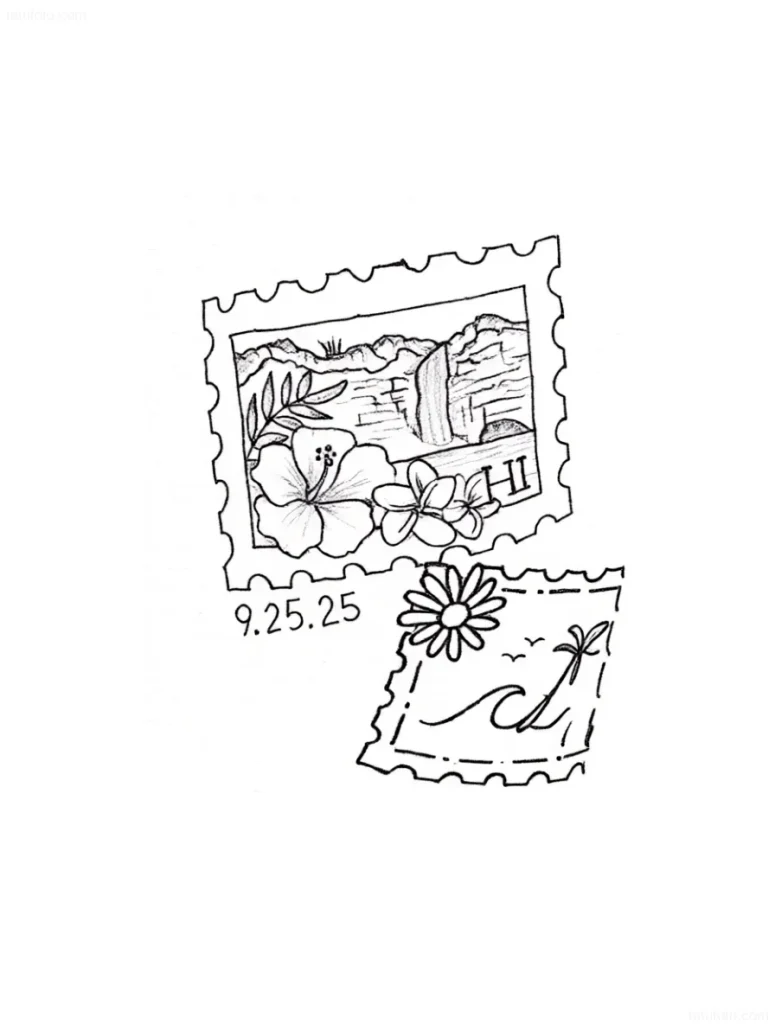
- A postmark with a date or place of significance.
- A piece of a map or a compass to enhance the travel theme.
- Flowers or plants symbolizing growth or specific emotions.
- An inscription or date that complements the meaning.
- Color or Black and White: Color stamps look vibrant and realistic, but black and white ones can give the tattoo a vintage, classic look.
2. Choosing an Artist
- Portfolio: Look for an artist who has experience in your chosen style. Experience in realism is especially important if you want an accurate depiction of the stamp.
- Reputation: Read reviews, look at the artist’s work in person if possible. Ensure their professionalism and adherence to hygiene standards.
- Communication: The artist should be willing to listen to your ideas, offer their suggestions, and help refine the design to perfection.
3. Preparing for the Session
- Health: Make sure you are well-rested, have eaten, and have not consumed alcohol for 24 hours prior to the session.
- Clothing: Wear comfortable clothing that will not chafe the tattooed area.
- Questions: Don’t hesitate to ask the artist any questions about the process, pain, and aftercare.
4. Caring for a Fresh Tattoo
Proper aftercare is key to the longevity and beauty of your tattoo. Follow the artist’s instructions!
- Protection: For the first few hours (or days, depending on the type of wrap), keep the tattoo covered with protective film as recommended by the artist.
- Cleaning: Regularly wash the tattoo with warm water and unscented antibacterial soap. Do this gently, without rubbing.
- Moisturizing: Apply a thin layer of special tattoo healing cream (e.g., Bepanthen, Panthenol) 2-3 times a day. Do not overdo it, so the skin can breathe.
- Avoid:
- Direct sunlight and tanning beds.
- Swimming in pools, open water, hot tubs (showers are allowed).
- Intense physical activity that can stretch the skin in the tattooed area.
- Scratching or picking at scabs.
- Duration: The healing process takes 2 to 4 weeks, but complete skin recovery can take up to several months.
5. Long-Term Care
- Sun Protection: Always use sunscreen with high SPF on the tattoo to prevent fading.
- Moisturizing: Regularly moisturize the skin, which will help maintain the vibrancy of the colors.
- Touch-ups: Over time, any tattoo may require touch-ups. Don’t hesitate to contact your artist to refresh the lines or colors.
Your postage stamp tattoo is not just a drawing; it’s a part of your personal story. Treat it with care, and it will serve as a beautiful reminder of your values and adventures.
Frequently Asked Questions About Postage Stamp Tattoos

To help you make an informed decision and dispel any doubts, we’ve compiled answers to the most common questions regarding postage stamp tattoos.
1. How Popular Are Postage Stamp Tattoos?
- Postage stamp tattoos are not the most common, but their popularity is steadily growing, especially among people passionate about travel, history, or those with a strong sense of nostalgia. They are valued for their uniqueness and deep personal meaning, making them a choice for those seeking more than just a beautiful design.
2. Can a Postage Stamp Tattoo Be Combined with Other Elements?
- Absolutely, yes! A postage stamp combines beautifully with many other elements, allowing for the creation of a complex and multifaceted composition:
- World maps, compasses, airplanes, ships: to enhance the travel theme.
- Flowers, plants: to add femininity, symbolize growth, or represent a specific culture (e.g., a national flower on a stamp).
- Dates, quotes: to specify a memory or message.
- Architectural elements, city silhouettes: to represent favorite places.
- Postmarks: with dates or city names, adding realism and specificity.
3. Is a Postage Stamp Tattoo Suitable for Men and Women?
- Yes, absolutely. A postage stamp tattoo is universal and has no gender association. Men often choose more strict, realistic, or blackwork options, possibly with images of historical stamps or those related to military or sports events. Women may prefer watercolor, minimalist, or neo-traditional designs, often with floral motifs or stamps symbolizing personal achievements and dreams.

4. What Colors Are Best for a Postage Stamp Tattoo?
- The choice of color depends on the desired style and meaning:
- Color Stamps: If you want maximum realism or vibrancy, choose the colors of the original stamp. This can be very striking.
- Black and White/Grayscale: Gives the tattoo a vintage, classic look, especially effective in blackwork, dotwork, or realism styles, mimicking old engravings or photographs.
- Sepia: Creates an old photograph effect, ideal for nostalgic themes.
- Watercolor Hues: For a more artistic and free expression.
5. Will a Postage Stamp Tattoo Age Well?
- Like any tattoo, its longevity depends on the quality of the artist’s work, skin type, aftercare, and external factors (e.g., sun exposure). Detailed realistic stamps may require touch-ups over time, especially if they are very small. Larger, less detailed designs, as well as those done in a traditional style with bold outlines, generally retain their appearance better. Regular moisturizing and sun protection are critical.