
In today’s world, the concept of beauty has undergone colossal changes, and today a tattoo model is not just a person with drawings on their body, but a full-fledged subcultural and professional phenomenon. If thirty years ago tattoos were considered a sign of belonging to marginal segments of society or specific professional groups (sailors, military, prisoners), then today they have become a powerful tool for self-expression and personal brand building. A tattoo model uses their skin as a canvas, turning their body into a living work of art that attracts the attention of brands, photographers, and millions of followers on social media. In this article, we will delve into how this phenomenon has changed the fashion industry, what meanings are carried by the images on the bodies of top models, and what those who dream of turning their love for tattoos into a high-paying profession need to know.
Tattoo Model as a Modern Phenomenon: Who Are They and What’s the Secret to Their Popularity
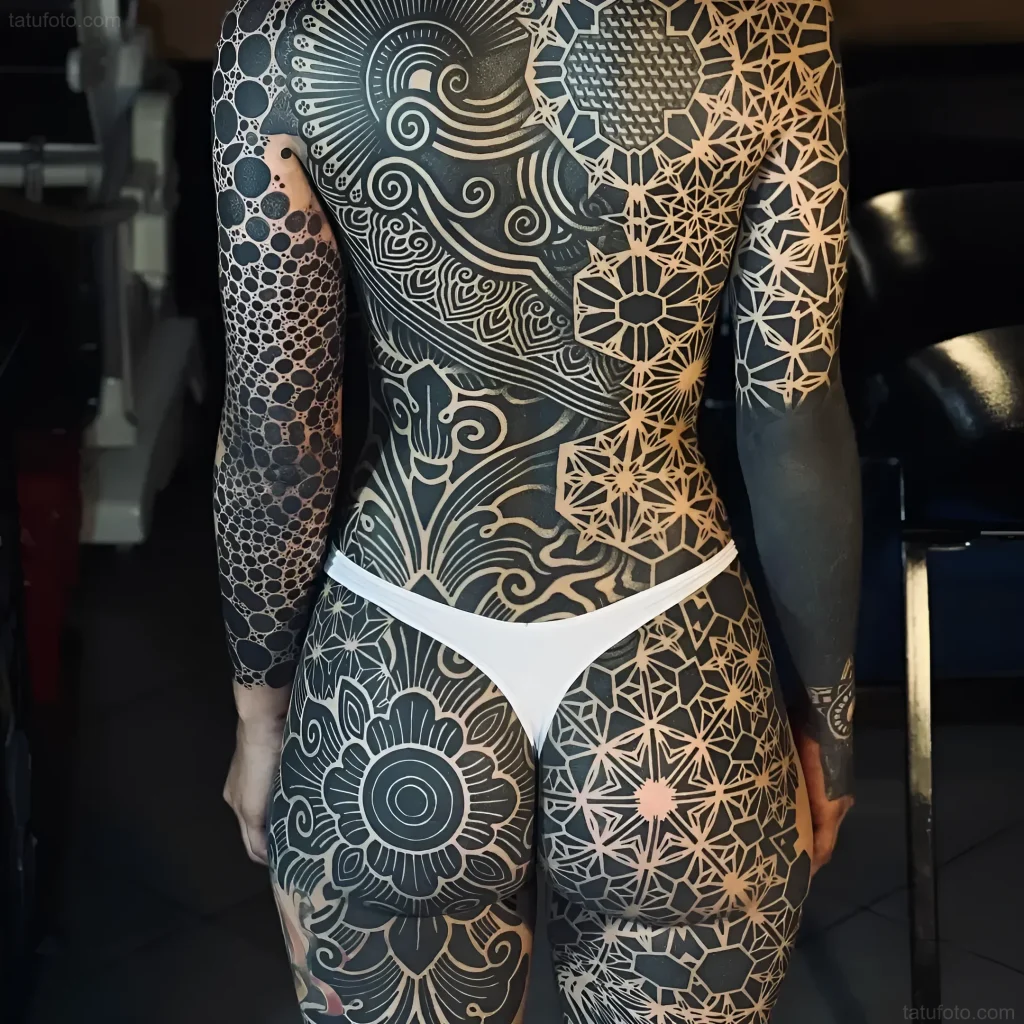

The term tattoo model defines a professional in the field of modeling whose main distinguishing feature and competitive advantage is the presence of artistic tattoos on their body. Unlike classic models, where skin “purity” and universal appearance are valued, here individuality, boldness, and a unique visual code are paramount. The secret to their popularity in the modern world lies in society’s demand for authenticity. People are tired of “plastic” and identical faces; they want to see characters with a story, whose appearance speaks of their inner world, beliefs, and aesthetic preferences.
Tattoo models have become a link between high fashion and street culture. They embody the spirit of freedom and rebellion, which is highly sought after by clothing, accessory, cosmetic, and even automotive brands. It’s important to understand that being a tattoo model doesn’t just mean having a lot of tattoos. It’s the art of posing, the ability to present the artwork so that it harmonizes with clothing and lighting, as well as constant work on skin quality and pigment vibrancy. The popularity of individuals like Rick Genest (Zombie Boy) or Stephen James has proven that tattoos can be a passport to the runways of Paris and Milan if charisma and a well-defined image are behind them.
The History of Tattoo Models: From Fairground Performers to High Fashion Icons
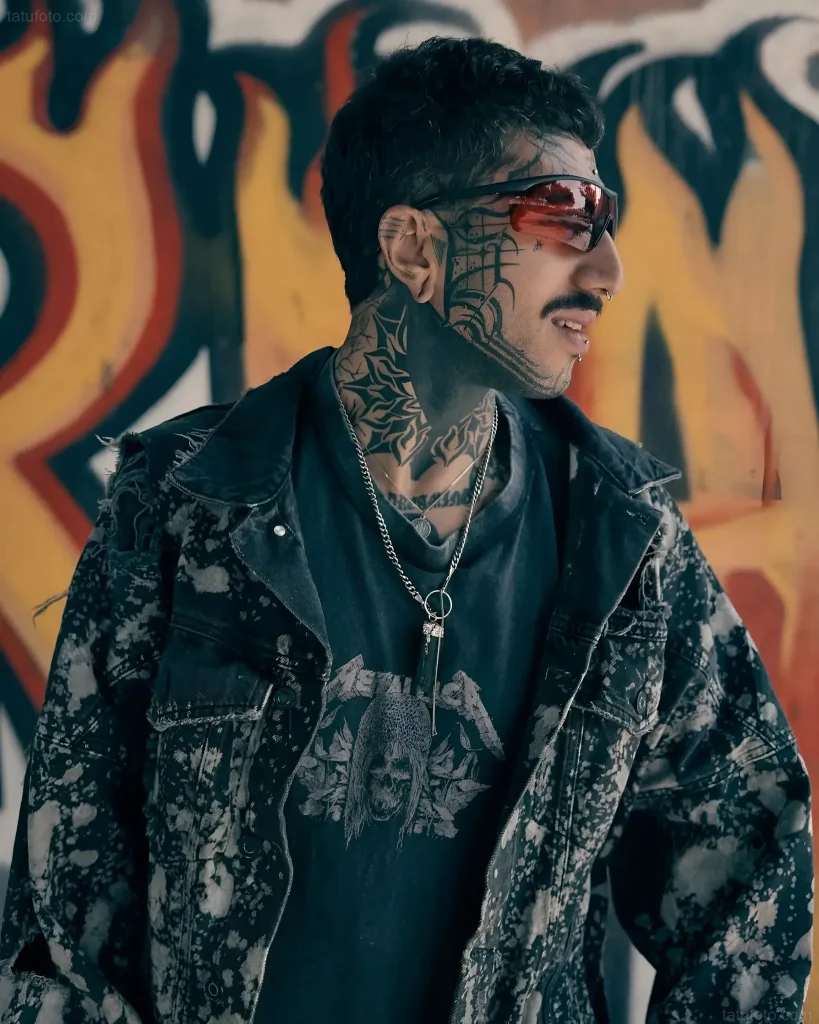

The history of this phenomenon goes back to ancient times, but the path to recognition was thorny. In the 19th and early 20th centuries, “tattooed people” were curiosities exhibited at fairs and circuses. One of the first famous tattoo models was Nora Hildebrandt, who performed in the USA in the 1880s, showcasing her 365 tattoos. At that time, it was a show based on shock and curiosity, rather than aesthetic admiration. The symbolism of those years was simple: anchors, flags, names of loved ones – the classics of the old school style.
A turning point came in the 1970s-1980s with the development of punk culture and rock music, when tattoos became a symbol of protest. However, the true entry into the world of “high art” occurred in the 90s, when designers like Jean-Paul Gaultier and Alexander McQueen began inviting models with tattoos and piercings to their shows to emphasize the avant-garde nature of their collections. In the 2010s, social media, especially Instagram, finally legalized the profession of tattoo model. Today, we see them on the covers of Vogue and in Chanel advertising campaigns, which indicates the complete integration of tattoo culture into the mainstream. A modern tattoo model is an evolution from a fairground performer to an intellectual style icon, where each drawing on the skin has cultural context and artistic value.
Career Through Tattoos: How Body Art Becomes a Means of Earning
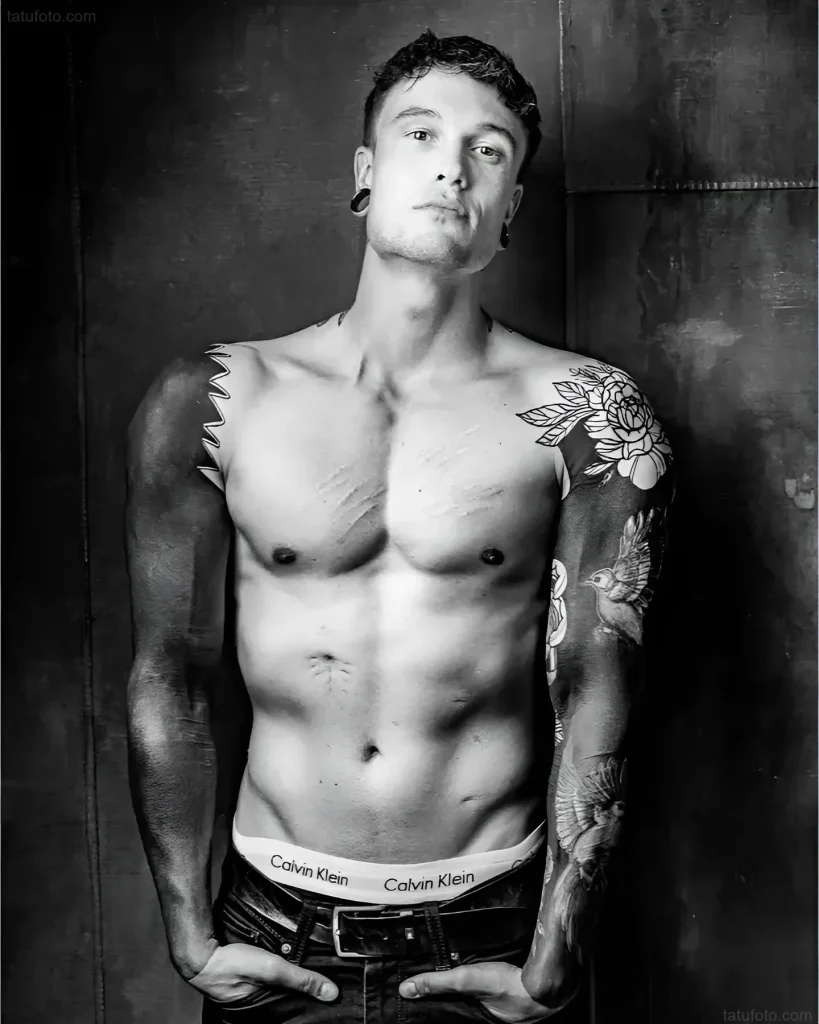

The earnings of a tattoo model come from several sources, with tattoos serving as the “unique selling proposition” (USP). Here are the main areas where such professionals are in demand:
- Advertising contracts with clothing brands: Brands in streetwear, denim, and alternative fashion specifically seek tattooed models to emphasize the “authenticity” and rebellious spirit of their products.
- Participation in tattoo conventions: Top models often become the faces of festivals, participate in judging, or act as “canvases” for renowned artists in competitions.
- Social media and influencer marketing: Having high-quality, conceptual tattoos helps quickly gain a loyal audience. Brands of skincare products (especially tattoo healing products), energy drinks, and tattoo equipment actively collaborate with such bloggers.
- Appearances in music videos and films: Directors often look for distinctive characters, and tattoos help create the desired image without complex makeup.
For a successful career, it is crucial that the tattoos are executed at the highest level. “Messy” or low-quality work (so-called “portaki”) can close doors in professional modeling. Conversely, works by recognized world-class artists are a recommendation in themselves for the model. In this business, the body is an investment, where the value of “assets” grows with the quality and artistic complexity of the applied images.
Tattoo Styles for Successful Modeling: From Aesthetic Minimalism to Striking Blackwork


The choice of tattoo style is critically important for the model’s future positioning. Each style carries its own energy and attracts a specific audience of clients. Let’s consider the most promising directions:
- Realism (black and white and color): The most in-demand style in commercial photography. Portraits, images of animals, or microchips, executed with photographic accuracy, look expensive and impressive in photos.
- Blackwork: Dense black fill of large body areas creates an incredible graphic contrast. Such models look very futuristic and are often invited for cyberpunk or high fashion shoots.
- Ornamental and geometric: Symmetrical patterns, mandalas, and sacred geometry emphasize the body’s anatomy, visually correcting the figure. This is an ideal option for models working in fitness or lingerie.
- Japanese (Irezumi): Traditional Japanese motifs (dragons, koi, sakura) always look prestigious. This is a classic that never goes out of style and symbolizes strength and endurance.
- Minimalism and fineline: Thin lines and small symbols are popular among lifestyle models. They don’t overload the image but add a “kick” and mystery to it.
It’s important to remember composition. Successful tattoo models often plan their tattoos as a single project (costume), where all elements are combined in style and meaning. A mismatch of styles (e.g., combining cartoonish new school and harsh biomechanical on one arm) can look messy and reduce the model’s commercial appeal.
Tattoo Placement on the Body: How Location Affects Model Demand


In the profession of a tattoo model, the location of the artwork is of strategic importance. There are certain areas considered “gold standards,” and those that can limit the number of orders. Full sleeves are the foundation. Fully tattooed arms look great in any shot, from watch ads to outerwear. Chest and abdomen are ideal places for large, detailed works that become the center of composition when shooting lingerie or swimwear.
Special attention should be paid to tattoos on the face, neck, and hands. In the industry, they are called “job stoppers,” but for a professional tattoo model, they can become the main asset. Tattoos on the face are a bold statement that makes a model recognizable from a thousand (remember Monami Frost). However, this narrows the niche to extremely alternative fashion. The back is the largest canvas, allowing for large-scale narratives that photographers value for the opportunity to create deep, artistic shots. When choosing a location, it’s important to consider anatomical lines: the tattoo should “flow” along the muscles, emphasizing their relief, rather than breaking the body’s proportions.
Tips for Aspiring Tattoo Models: How to Create a Personal Brand and Find Your First Clients


If you decide to embark on the path of a professional tattoo model, be prepared for it to be a marathon, not a sprint. Here’s a step-by-step action plan:
- Invest in quality, not quantity: It’s better to have one stunning tattoo from a top artist than to be completely covered in mediocre drawings. Pigment quality and line clarity are your main capital.
- Build a professional portfolio: You need more than just mirror selfies; you need high-quality shots from photographers who know how to work with tattooed skin (they know how to avoid glare and maintain the contrast of the artwork). Do test shoots in various looks: from edgy streetwear to classic suits.
- Develop your social media presence: Instagram and TikTok are your main showcases. Use relevant hashtags (#tattoomodel, #inkedmodel), tag tattoo artists and brands whose clothing you wear.
- Take care of your skin: Tattoos require constant care. Use SPF protection to prevent designs from fading in the sun and moisturize your skin regularly. A faded tattoo looks cheap in a photo.
- Networking: Attend tattoo festivals, meet artists and photographers. Often, the first assignments come through personal recommendations within the community.
Be prepared for rejections and criticism. The tattoo modeling industry is competitive, and it’s not just about appearance, but also about communication skills, punctuality, and professionalism on set. Your task is to prove that tattoos are your adornment, not a mask for shortcomings.
FAQ: Answers to Popular Questions About the Tattoo Model Profession
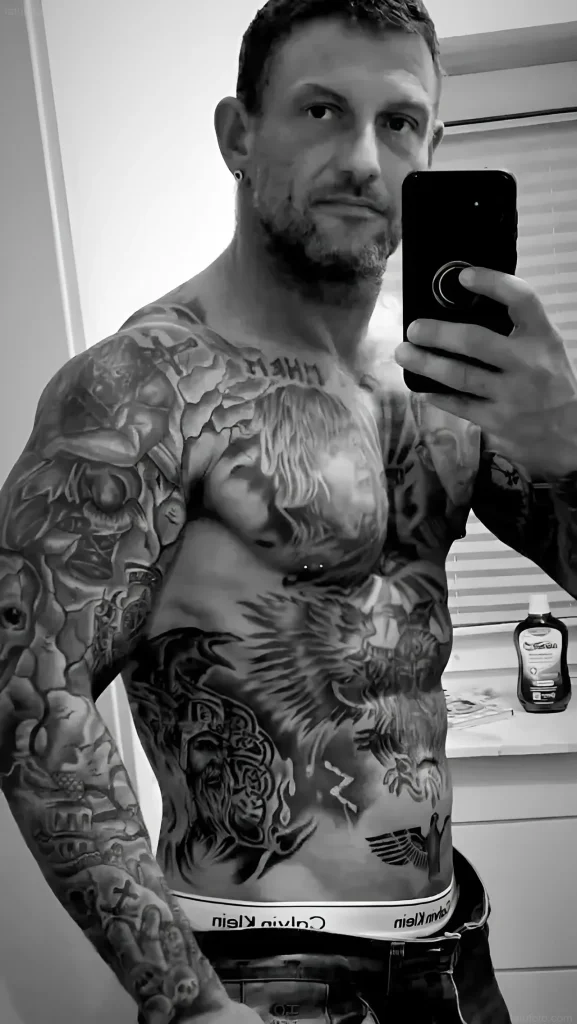

- Do I need to have a perfect body to become a tattoo model? Tattoos draw attention to the body, so good physical shape is essential. However, in alternative modeling, a variety of body types are valued (body positivity); the main thing is the harmony of the image.
- Do tattoos interfere with working in traditional modeling agencies? The lines are blurring now, but many classic agencies still prefer models without tattoos or with minimal ones. However, there are specialized agencies for alternative models.
- How long does a tattoo model’s career last? With proper skin and tattoo care, it can last a very long time. With age, tattoos gain a special charm, turning a model into “noble antique,” which is in demand in certain fashion segments.
- Is it expensive to become a tattoo model? Yes, it requires significant investment. The cost of works by top artists can run into thousands of dollars, plus expenses for a portfolio and care.
Interesting Facts About Tattoo Models: World Records and the Highest-Paid Faces in the Industry
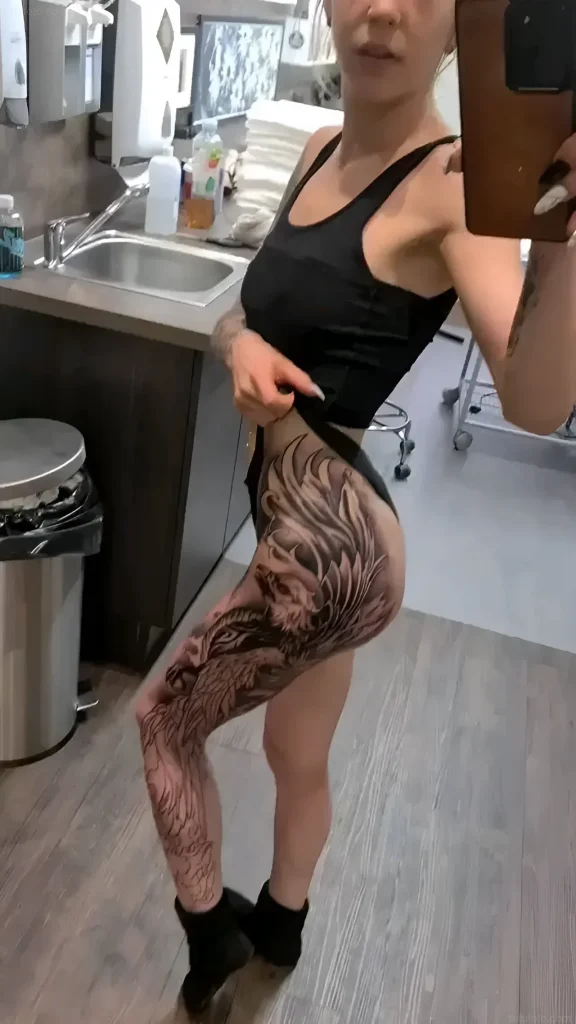

The world of tattoo modeling is full of amazing stories and records that inspire and shock simultaneously:
- Rick Genest (Zombie Boy): Became a global star after appearing in Lady Gaga’s “Born This Way” music video. His body was almost entirely covered in tattoos mimicking a human skeleton. He became the face of the Mugler brand and proved that extreme tattoos are high fashion.
- Lucky Diamond Rich: Officially recognized as the most tattooed person in the world. His skin is 100% covered in tattoos, including his eyelids and gums. Although he is more of a performer, his image is often used in conceptual photo projects.
- Most Expensive Tattoos: Some models wear works whose total cost exceeds the price of luxury real estate. This makes them mobile museums of contemporary art.
- Impact on Sales: According to marketing research, using tattooed models in advertising for youth products increases brand trust by 30-40%, as the image appears more “real.”
A tattoo model in the modern world is a symbol of individuality triumphing over standards. If you feel that your skin is your manifesto, don’t be afraid to make yourself known. In the era of digital technologies and visual content, your body can become not only a means of self-expression but also the foundation for a successful international career.