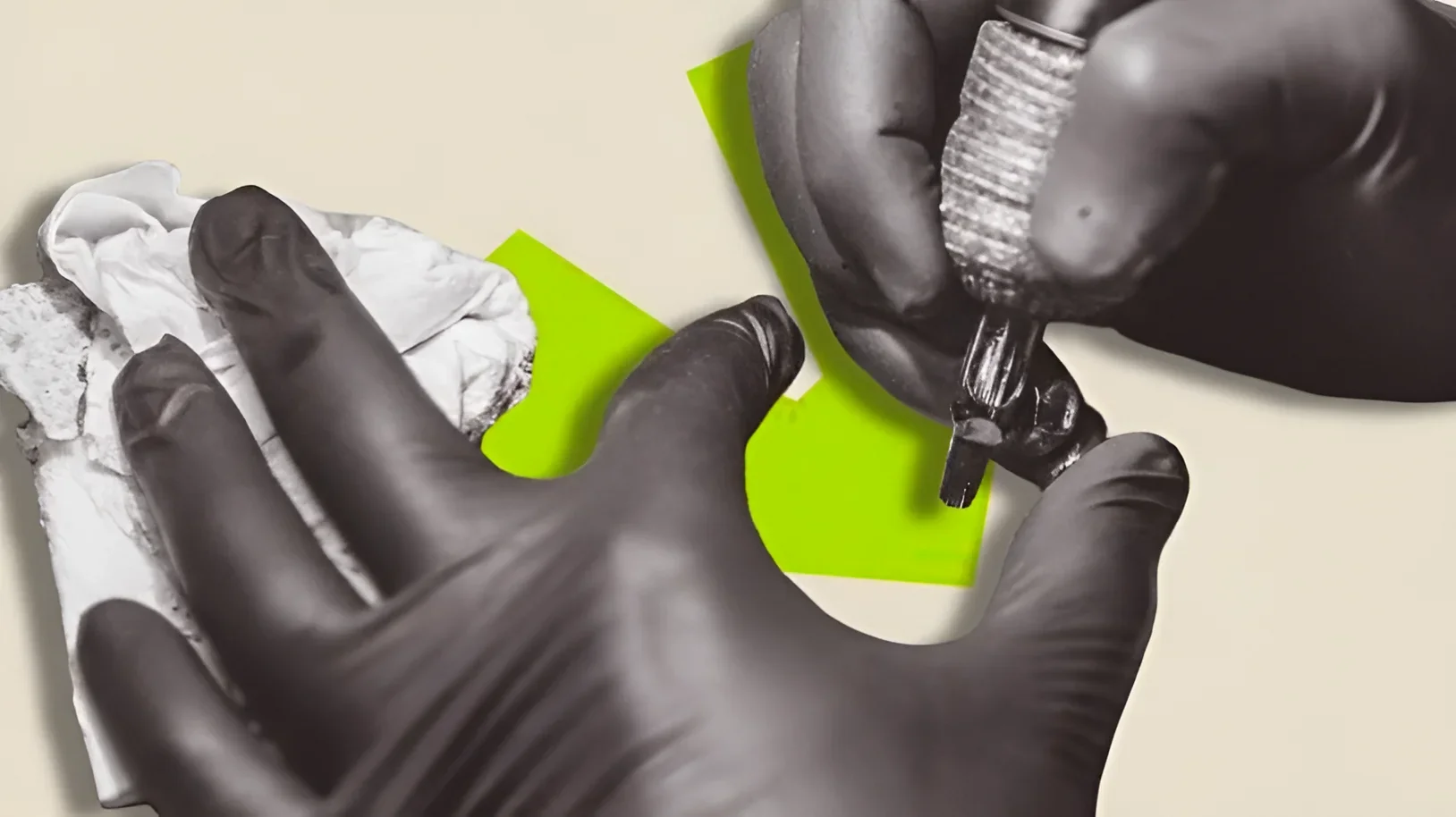
In San Francisco, at a party following the Y Combinator Startup School program, an event occurred that quickly went viral in the startup world: Jordan Zietz, founder of LemonLime, offered anyone present an instant interview for an engineering position – if they agreed to get a tattoo of the company’s logo. Seven people took the challenge. All of them are currently undergoing or have already completed interviews for AI engineer or go-to-market specialist roles. None of them received a guarantee of employment – but all received a chance, which in a tough job market looks like a rare opportunity.
Why a Tattoo Became the Key to an Interview
Zietz explained the idea simply: he was looking for people willing to take risks. “Many brilliant specialists create world-changing technologies, but it’s those who aren’t afraid to try new things and take risks who truly change it,” he said. For LemonLime, a five-year-old AI startup founded this year, a culture of risk is not just a slogan, but part of its DNA. The company develops agents and automation that integrate into clients’ existing software. It has only five employees, but global ambitions. Zietz is the CEO, Munoz is the CTO. Both have gotten tattoos of the logo themselves, as have several members of the founding team. This is not just a marketing ploy – it’s a declaration of values.
The Job Market and Applicant Desperation
Context is important: the market for entry-level IT positions is shrinking. According to Indeed, by May 2026, the number of vacancies for entry-level specialists had fallen by 7.5% compared to last year, while vacancies for senior-level positions grew by almost 15%. Almost half of applications from candidates with over 10 years of experience were for entry-level positions. In such conditions, the offer of “tattoo for an interview” sounds not like a joke, but like a real chance. One commenter under Zietz’s LinkedIn post wrote: “The market can’t be so broken that people get tattoos for an interview.” But reality says otherwise – people are willing to go to extremes to be noticed.
Experts are Skeptical: It’s About Impulsivity, Not Loyalty
Peter Cappelli, director of the Center for Human Resources at Wharton, believes that a tattoo is a poor indicator of long-term commitment. “It’s hard to imagine that a tattoo can be a sign of deep devotion to an organization you don’t yet know,” he said. His conclusion: it most likely indicates impulsivity, not maturity or strategic thinking. However, for startups, especially in their early stages, impulsivity can be an advantage – if it’s combined with talent and energy. LemonLime isn’t looking for “perfect” candidates – they’re looking for those who share their madness.
A History of Extreme Interviews
This isn’t the first time Zietz has used unconventional hiring methods. Previously, at his previous startup Confetti, he organized interviews that concluded with skydiving with the team. “If skydiving seems crazy to you – you might not be our person,” he wrote then. Now, a tattoo is a new level. But the essence is the same: selection based on values, not just skills. The company also works seven days a week, and over a dozen candidates refused interviews after learning that working after 5 PM or on weekends was mandatory. Zietz openly says: “We hire people our employees want to be friends with.”
The Legal Aspect: Is It All Legal?
Zietz assured that the tattoo artist was registered in San Francisco, participants presented documents, signed consent forms, and medical waivers. But the question remains open: did the startup get city permission to hold a temporary tattoo event? Inc. requested confirmation from LemonLime and city health services – no response yet. In California, rules strictly regulate tattooing outside of licensed parlors. If a violation is confirmed, the company could face fines. But even if it’s all legal – it’s a precedent: the first case where a tattoo became an official stage of recruitment.
The History of Corporate Tattoos
LemonLime is not the first company to use tattoos as a motivational tool. In 2013, the New York brokerage firm Rapid Realty offered employees who got a tattoo of the company logo a lifetime 15% commission increase. About 45 people accepted the offer. But then it was a reward for loyalty, not an entry ticket into the company. LemonLime went further: the tattoo is not a reward, but a filter. And that changes the game.
What This Means for Tattoo Culture and the Job Market
The tattoo has long ceased to be a symbol of rebellion – it has become part of corporate culture, especially in creative and tech industries. But using it as a hiring tool is a new level. It’s not just “we love tattoos” – it’s “we want you to invest a part of yourself in us.” It’s a psychological contract: if you’re willing to get a tattoo, you’re willing to take risks. And it works – seven people are already in the process. Even if none get the job – they gained an experience they will remember. And for the startup – it’s free PR that would cost millions in traditional advertising.
It’s Not About Tattoos, It’s About Culture
Ultimately, the LemonLime story isn’t about tattoos. It’s about how startups in an era of uncertainty are looking for ways to stand out, find “their” people, and create a culture where everyone feels part of something bigger. The tattoo is just a symbol. The real goal is to find people who aren’t afraid to be different, to take risks, and to do what others consider crazy. And if seven people are willing to get a tattoo for a chance – it means there are still those in the world who believe in startups, in risk, and in the fact that the future can be created with one’s own hands. Even if that future comes with a tattoo on their arm.