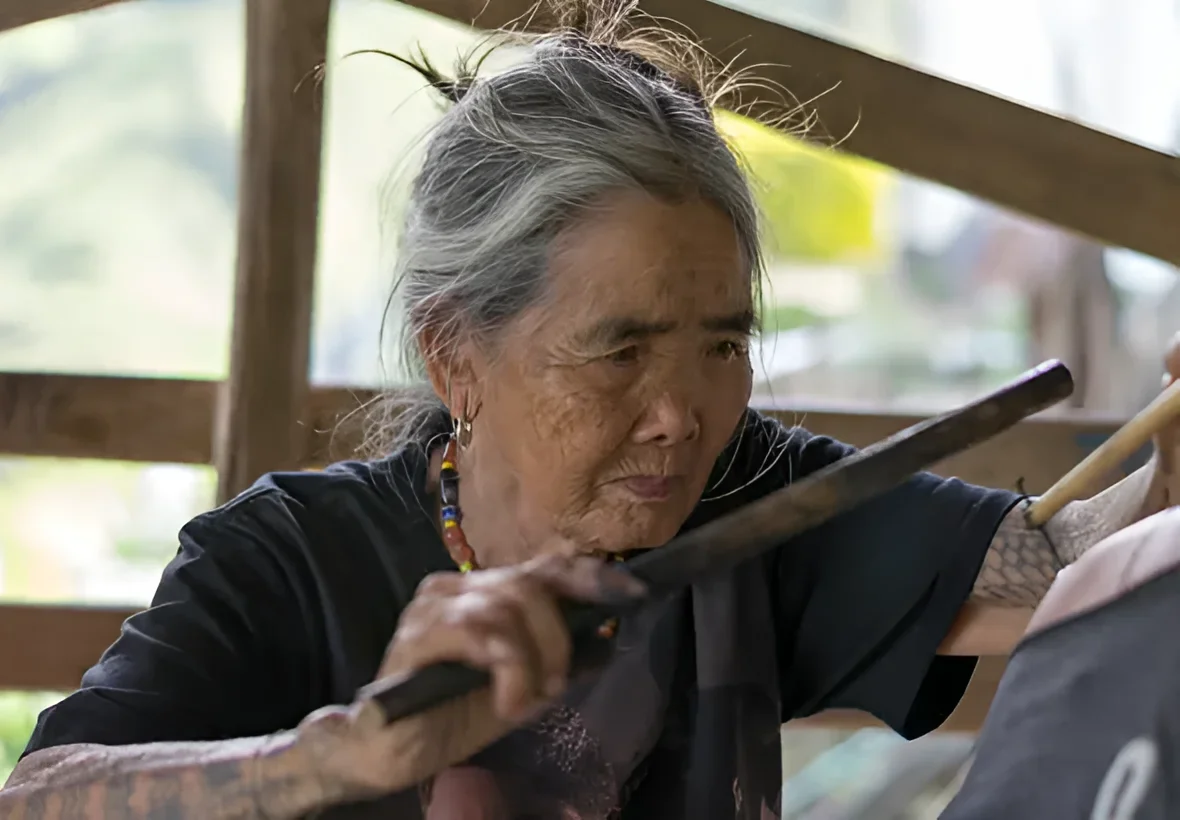
In the municipality of Tinglayan, Kalinga province in the Philippines, a question of cultural etiquette has been raised after a foreign traveler reportedly insisted that the legendary mambabatok Apo Whang-od give him a tattoo on an intimate part of his body. The incident occurred in barangay Buscalan and has prompted an official response from local authorities, who reminded tourists and content creators that batok is a living sacred tradition, not a social media entertainment.
What happened and how the authorities reacted
The local government (LGU) emphasized that even if the practitioner themselves agrees to a client’s request, it does not automatically make the request culturally appropriate. The statement separately noted Apo Whang-od’s personal autonomy as a master but added that visitors have an equal responsibility to approach Kalinga traditions with a sense of proportion and understanding. The official position is about balance: the region continues to welcome foreign travelers, media groups, and tour operators who come for authentic cultural exchange, but opposes turning heritage into a spectacle.
The authorities directly called for adherence to cultural etiquette and approaching the community with respect. The statement concluded with a phrase that is already being quoted in relevant circles: “Kalinga culture is not a prop, tradition is not a joke, heritage is not a souvenir.”