
The lower back tattoo, which has been called by the same, rather crude expression for decades, has suddenly found itself at the center of a linguistic scandal. Generation Z, accustomed to coming up with its own labels for everyday phenomena, decided that the old name was outdated and proposed a replacement. The result is an explosion of emotions in the comments and a debate about who actually owns the rights to the tattoo’s name.
How the new name was born

The lower back tattoo itself became a mass phenomenon in the late 90s and early 2000s: young women would book studio appointments in droves to get an inscription, ornament, or small design on their lower back. It was one of the most recognizable symbols of the era, an almost mandatory attribute of the style of that time. Over the years, the name by which it was known began to be perceived as offensive and humiliating, and this is what prompted the search for an alternative.
The new term was first heard in an episode of the podcast Basically Unfiltered, a recording of which was posted on TikTok at the beginning of the month. Host Alisha Marie asked the guests: what is the lower back tattoo called now. The panel was initially confused and suggested various options – from “booty mark” to “sl**’s arch,” and someone guessed “cake art.” In the end, the hostess revealed the answer: the new name is cake topper. The logic is simple and in the spirit of the generation: a word that previously carried a negative connotation has been replaced with a neutral and even playful one.
Reaction of two generations
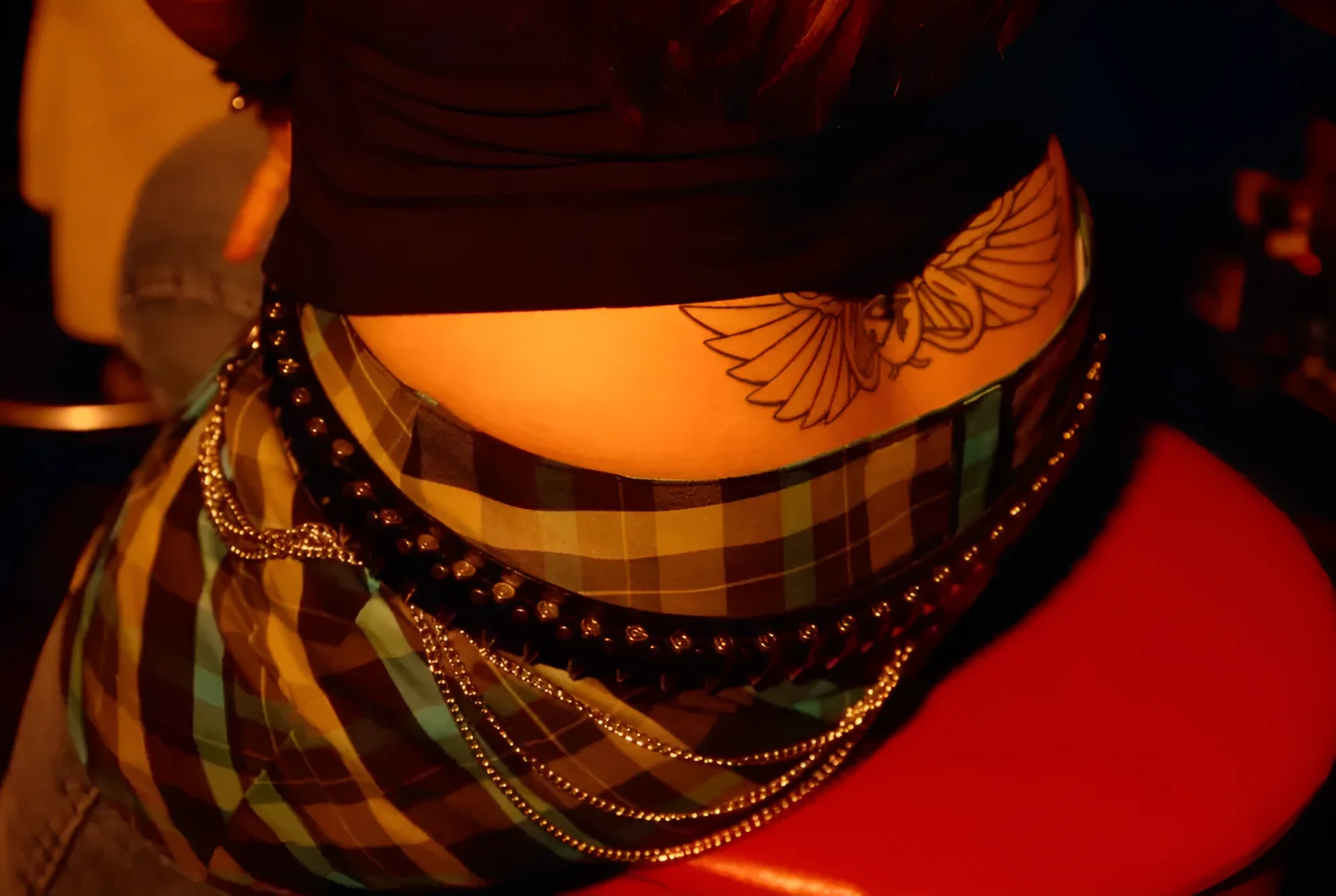
The audience’s reaction was divided. Millennials, for whom the old name was part of growing up, reacted sharply. Comments included phrases like “I want to bang my head against the wall” and “I refuse to call my tattoo a cake topper.” One user directly asked why rename something that already has a name, while another noted that the new word is less offensive and aligns with the spirit of the new generation, whereas the old one is simply an honest reflection of who most often got such tattoos.
However, even within Gen Z, there were those who did not accept the renaming. “I’m from Gen Z and I still say tramp stamp,” wrote one viewer, while another added that she was completely unfamiliar with the term cake topper and had only ever heard the old name her whole life. It turns out that even within the same generation, there is no single opinion.
- Millennials: The renaming is perceived as intrusive political correctness and a cause for irritation.
- Part of Gen Z: The new name is logical, softer, and carries no stigma.
- Another part of Gen Z: The old name is more familiar and there’s no need to change it.
Expert view: why tattoos are changing names
From the perspective of tattoo culture, this case is not just a joke on a podcast, but a clear example of how the industry’s language is catching up with audience demand. Tattoos have long ceased to be a marker of rebellion or subculture: today they are part of everyday self-identification, and they are subject to the same requirements as any public practice, including a respectful, non-stigmatizing name. A term that has been used for decades as a derogatory label objectively hindered normalization: it immediately turned a person with a tattoo into an object of ridicule.
It is important to understand the mechanics here. The tattoo industry has historically formed its vocabulary “from the bottom up” – in studios, in the spoken language of artists and clients. When a practice becomes widespread and enters the mainstream, a struggle for a “decent” name begins, as has already happened with other terms in the body art environment. Generation Z, which grew up in an environment where semantics is a tool for self-presentation (remember bed rotting, delulu, skibidi), simply applied a familiar technique: repackaging an established word into a safer one.
However, the generational conflict here is natural and even beneficial. For millennials, the old name is a memory of a specific experience, of how they chose their tattoos in their youth, and taking away this word is equivalent to devaluing their history. For Gen Z, this word sounds alien and offensive. Both perspectives are valid within their own framework, and that is precisely why there can be no single solution: in tattoo culture, as in language, several layers of vocabulary coexist simultaneously.
The practical takeaway for those involved in the industry is not to engage in a war for the “correct” word, but to give clients space to choose. Lower back tattoos remain one of the most in-demand items in studio portfolios, and their aesthetics do not change based on how they are called. Only the context changes: today it is not a “tattoo to be ashamed of,” but a part of a personal story that a person wears consciously. And this, perhaps, is the main shift in tattoo culture in recent years – from stigma to neutrality, where the name no longer defines the value of the work.