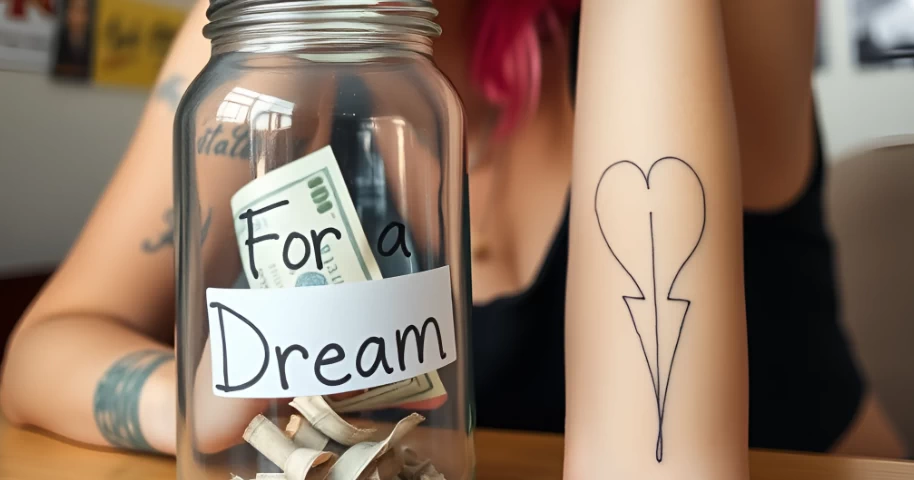
You’ve been nurturing this idea for months, perhaps even years. You’ve saved sketches, studied the portfolios of dozens of artists, and finally found Him – the very artist whose style perfectly matches your vision. You’re already mentally “trying on” your future tattoo, feeling that thrill of anticipation… And then you write to the artist, and the quoted price makes you blink in confusion. Sound familiar? Why does a piece that seems to take only a few hours cost as much as a new smartphone or even a used car?
The thing is, a quality tattoo is not just a service; it’s a symbiosis of art, medicine, and immense behind-the-scenes effort. Planning such a step is not only a creative but also a serious financial process. It can be frustrating when you’re just a small amount short of being able to see your desired artist, and their schedule is booked for six months ahead, meaning the next opportunity will be a long time coming. In such F-orce majeure situations, when you need money “yesterday,” some consider microloans for a card as a way to quickly bridge a financial gap and not postpone a dream. But before making any financial decision, let’s conduct an “investigation” together and get to the bottom of it: what actually goes into the cost of a professional tattoo?

Behind the Scenes at a Tattoo Studio: What Makes Up the Price?
Imagine an iceberg. The cost of your session is just the visible tip. The main bulk of expenses is hidden underwater, and it’s this part that determines the final figure on the price list.
Not Just Ink: The Cost of Consumables
This is the foundation of your safety and the quality of your future tattoo. A professional never cuts corners here.
- Pigments (Ink). Good, certified pigments from global brands (like World Famous, Eternal Ink, Intenze) are expensive. They are hypoallergenic, don’t fade into an unclear blue-green hue over time, and lay down smoothly. Cheap Chinese alternatives from AliExpress are a direct path to allergies, inflammation, and a dull “botch” within a year.
- Needles and Cartridges. For each piece, a new, sterile, disposable cartridge or needle is used. Different configurations of needles are needed for different tasks (outlining, shading, solid fill). A large project might require a dozen.
- Barrier Protection and Sterility. Everything the artist touches during the work is covered with disposable barrier protection: the machine itself, the power supply, spray bottles, cords. This also includes several pairs of gloves, disposable ink caps, wipes, petroleum jelly, or special oil. These are dozens of small items that ensure 100% sterility of the process.
Result: For one medium session (3-4 hours), consumables alone cost from 2,000 to 5,000 rubles or more.
The Artist’s Arsenal: Professional Equipment
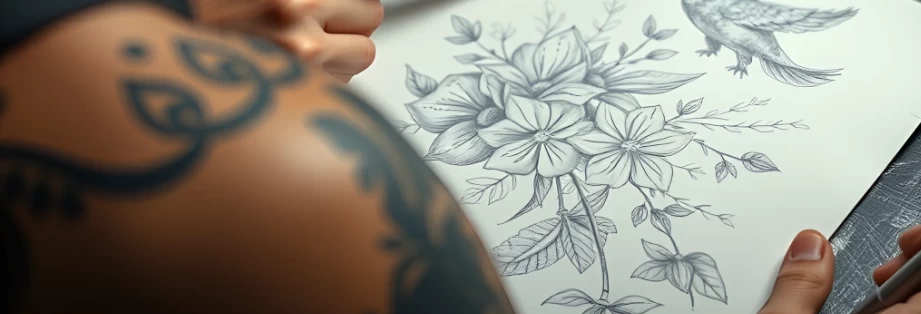
These are long-term investments that directly affect the quality of lines, the density of fill, and the healing process.
- Tattoo Machines. A good artist usually has several – for different tasks and styles. The cost of one professional “machine” from a well-known builder starts at 30,000 rubles and can easily reach 100,000 – 150,000 rubles.
- Power Equipment. A reliable power supply that delivers stable voltage and quality cords are key to ensuring the machine doesn’t “fluctuate” in speed and the lines are perfectly even.
- Furniture and Lighting. A comfortable hydraulic chair for the client, an ergonomic stool for the artist’s long hours of work, and a powerful shadowless lamp – all of this costs serious money but ensures comfort and precision in the work.
The Main Asset – The Artist’s Time and Talent
This is the most valuable and most underestimated part of the cost.
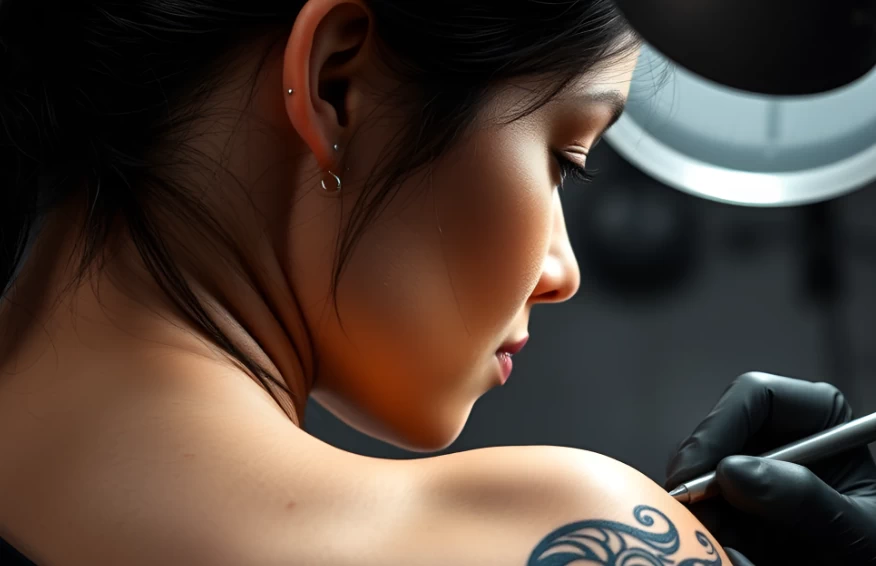
- Sketch Development. If you’re commissioning a custom design, the artist spends hours, sometimes days, creating it: studying references, drawing, revising, and coordinating with you. This is a full-fledged creative endeavor that requires talent and experience.
- Session Preparation. Before your arrival, the artist prepares the workspace, sets up equipment, and pours inks – this takes 30 to 60 minutes.
- Concentration and Physical Labor. The session itself is hours of work in an uncomfortable position, requiring extreme focus. Any mistake is fatal. It’s a huge physical and psychological strain.
- Years of Practice. You’re not paying for 4 hours of work, but for 10,000 hours of practice that have made the artist who they are. Years of study, “kilometers” of lines practiced on artificial skin, hundreds of pieces – all of this is invested in the tattoo you will receive.
Rent, Taxes, and “Boring” Expenses
A professional doesn’t work from home in their kitchen but in a specialized studio that meets sanitary standards. The cost of a session also includes:
- Studio rent.
- Utilities.
- Taxes (if the artist works legally as a sole proprietor or self-employed).
- Advertising and social media management costs.
- Administrator’s salary.
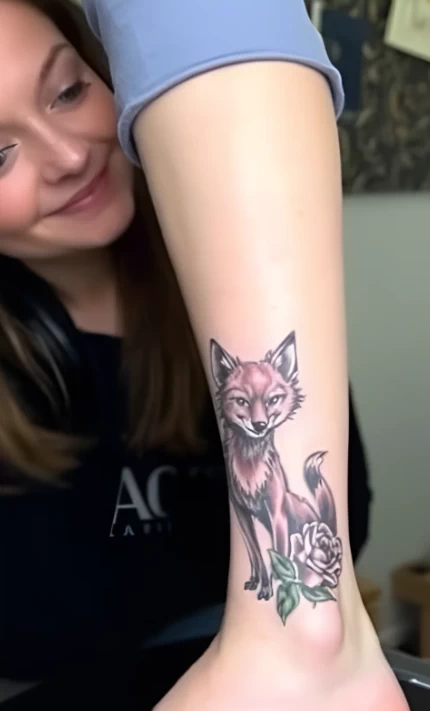
Factors Affecting the Final Price: What the Client Needs to Know
Okay, we’ve covered the general expenses. But how do you understand why one 10×10 cm tattoo costs 5,000 rubles, while another of the same size costs 25,000?
- Complexity and Detail. A simple inscription or outline drawing requires much less time and skill than a photorealistic portrait or detailed graphics with many small elements.
- Color or Black & White. Color tattoos are generally more expensive. Working with color requires more time for mixing shades, densely applying pigment, and using more consumables.
- Size. Logically, the larger the tattoo, the more expensive it is. Most artists calculate the cost either by the hour or by sessions (e.g., a full-day session of 5-6 hours).
- Body Placement. Work on difficult and painful areas (ribs, neck, hands, stomach) is often priced higher. The skin there is more challenging to work with, and the artist requires more experience and precision.
- Cover-up. Covering an old or poorly done tattoo is a task of increased complexity. The artist is limited by the existing design and must devise a sketch that completely and organically hides the “botch.” Such work is always 30-50% more expensive than a tattoo on clean skin.

Financial Planning: How to Save for Your Dream Without Stress
A tattoo is not an impulse purchase. It’s a planned investment.
- Start with a Consultation. Get a clear cost estimate from the artist. If it’s a large project, find out how many sessions it will take and the cost per session.
- Create a “Tattoo Fund.” Open a separate account or simply a piggy bank and regularly set aside a comfortable amount for you. Even 10% of your salary over a few months will add up to the required sum.
- Installment Payments. Large projects (sleeves, back pieces) are always paid for per session. This is very convenient. You only pay for the work done that day, and the next session can be in a month or two, giving you time to prepare financially.
A Tattoo is an Investment
Saving money on something that will stay with you for a lifetime is a bad strategy. A cheap tattoo almost always means cutting corners on something from the list above: safety, quality materials, or the artist’s experience. The consequences of such savings are crooked lines, dull colors, and in the worst case – scars and infections.
Remember: you’re not just choosing a service, but an artist who will leave their mark on your body forever. And good work deserves good pay. Approach this matter consciously, plan your budget, and then your tattoo will bring you only joy for many years to come.