
The traditional notion of tattoos as a form of human self-expression is rapidly expanding its boundaries, penetrating spheres that previously seemed like science fiction plots. Today, the art of applying functional circuits to living tissue finds unexpected applications in big science and global ecology. A group of researchers from The University of Texas at Austin has presented a revolutionary development – graphene “electronic tattoos” for plant leaves. These ultra-thin sensors can monitor the moisture level in a plant in real-time, without disrupting its natural processes or harming biological tissues.
biohacking
Electronic Tattoos: The Future of Wearable Technology and Medicine on Skin

The world of body art is entering an era where the line between aesthetics and high technology is finally blurring. What has been perceived as child’s play for decades – temporary tattoos – is now transforming into a sophisticated tool for biomonitoring. Researchers from Boise State University have presented the “E-tattoo” project, which promises to revolutionize not only medicine but also our understanding of tattoo functionality. This is not just a drawing on the skin, but a full-fledged electronic interface capable of turning the human body into an energy source and a diagnostic center.
Electronic Tattoos Instead of Smartphones: Why Bill Gates Predicts the End of the Gadget Era
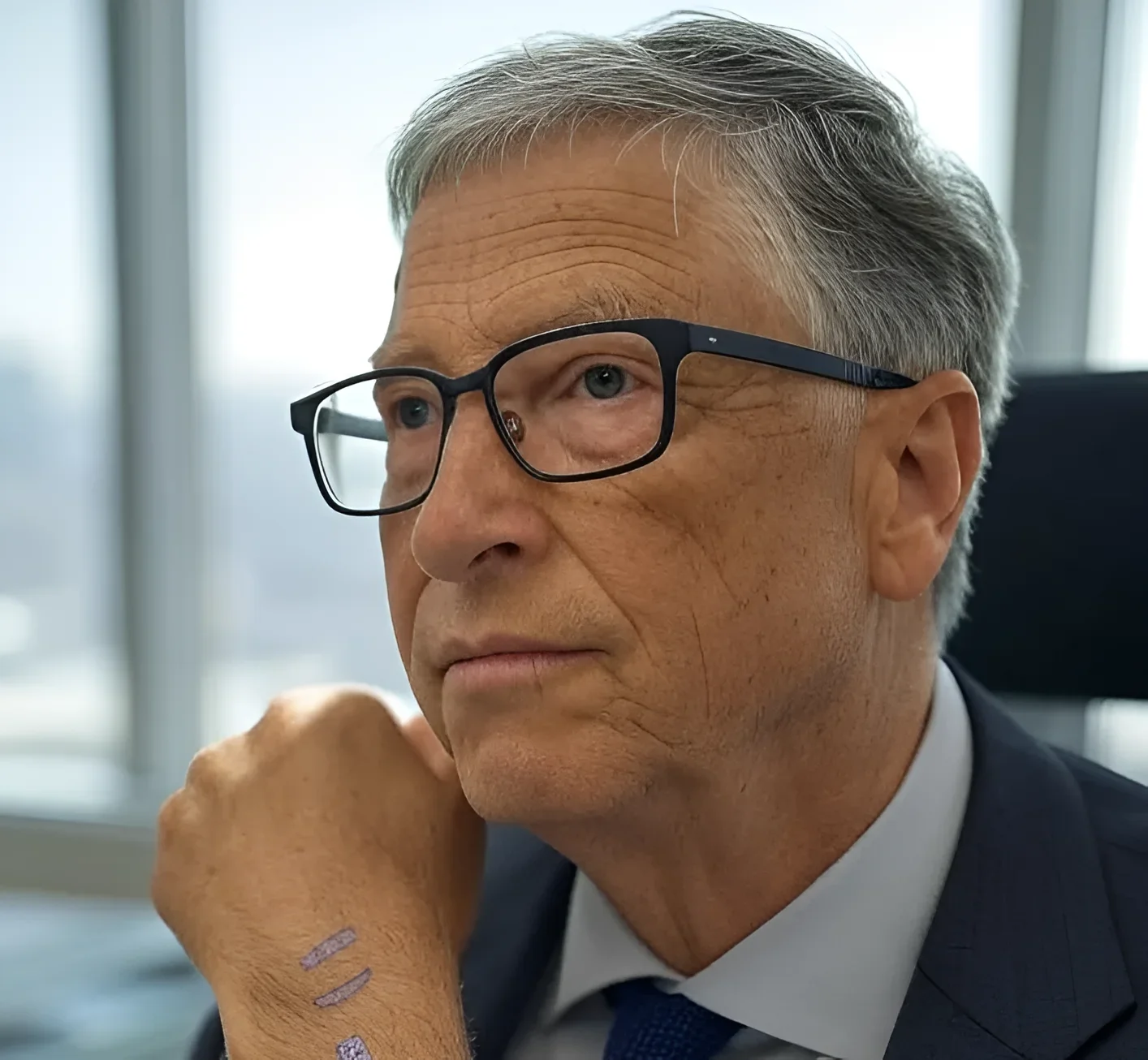
The world of high technology is holding its breath for a massive transformation: Bill Gates, one of the main ideologues of the digital age, has predicted the imminent death of smartphones. According to the Microsoft founder, the mobile devices we are accustomed to will be replaced by a more advanced and intimate technology – electronic tattoos. This futuristic forecast paints a picture of a future where the boundaries between the human body and the digital interface are finally blurred, turning the skin into a living processor and communication tool.