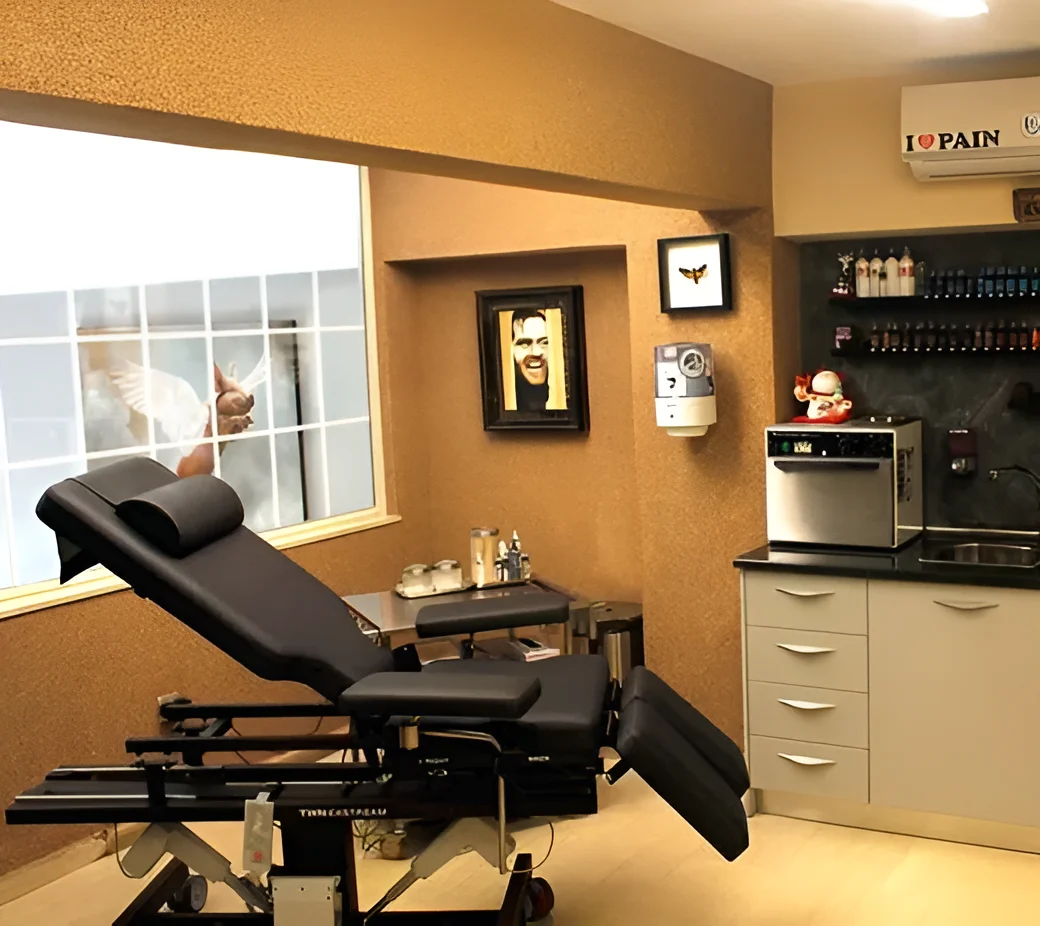
Modern tattoo culture has long gone beyond simply applying pigment. Today, it is a full-fledged body art process that requires clients not only to endure multi-hour sessions but also to approach subsequent recovery with a conscious, professional attitude. Large projects – sleeves, backs, full suits – place a significant physiological load on the body, causing considerable swelling, inflammation, and stress to the lymphatic system. In response to this demand, the aesthetics and wellness industry offers solutions that were previously the exclusive domain of medical clinics. The key driver has been the introduction of high-tech equipment capable of significantly reducing rehabilitation times and improving client comfort.
The emergence of аппаратная косметология (equipment-based cosmetology) in the arsenal of studios focused on premium service and large-scale work is not just a trend, but a necessary measure to improve service quality. If previously the emphasis was solely on sterility and pigment quality, now attention is shifting to a holistic approach: from skin preparation to complete recovery after the session. This is where technologies like pressotherapy come into play, providing effective lymphatic drainage and detoxification.
The Physiology of Trauma: Why Recovery is So Important
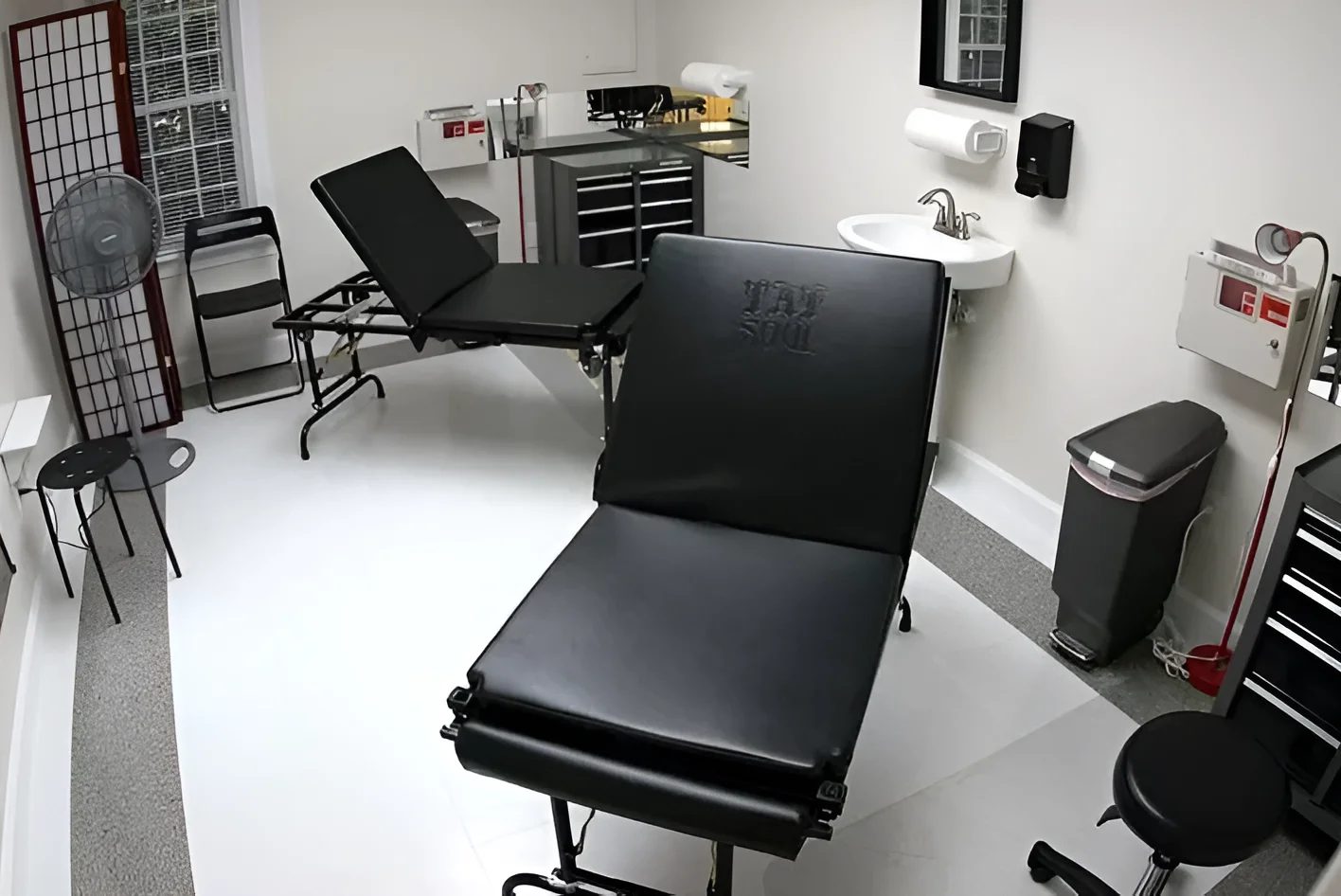
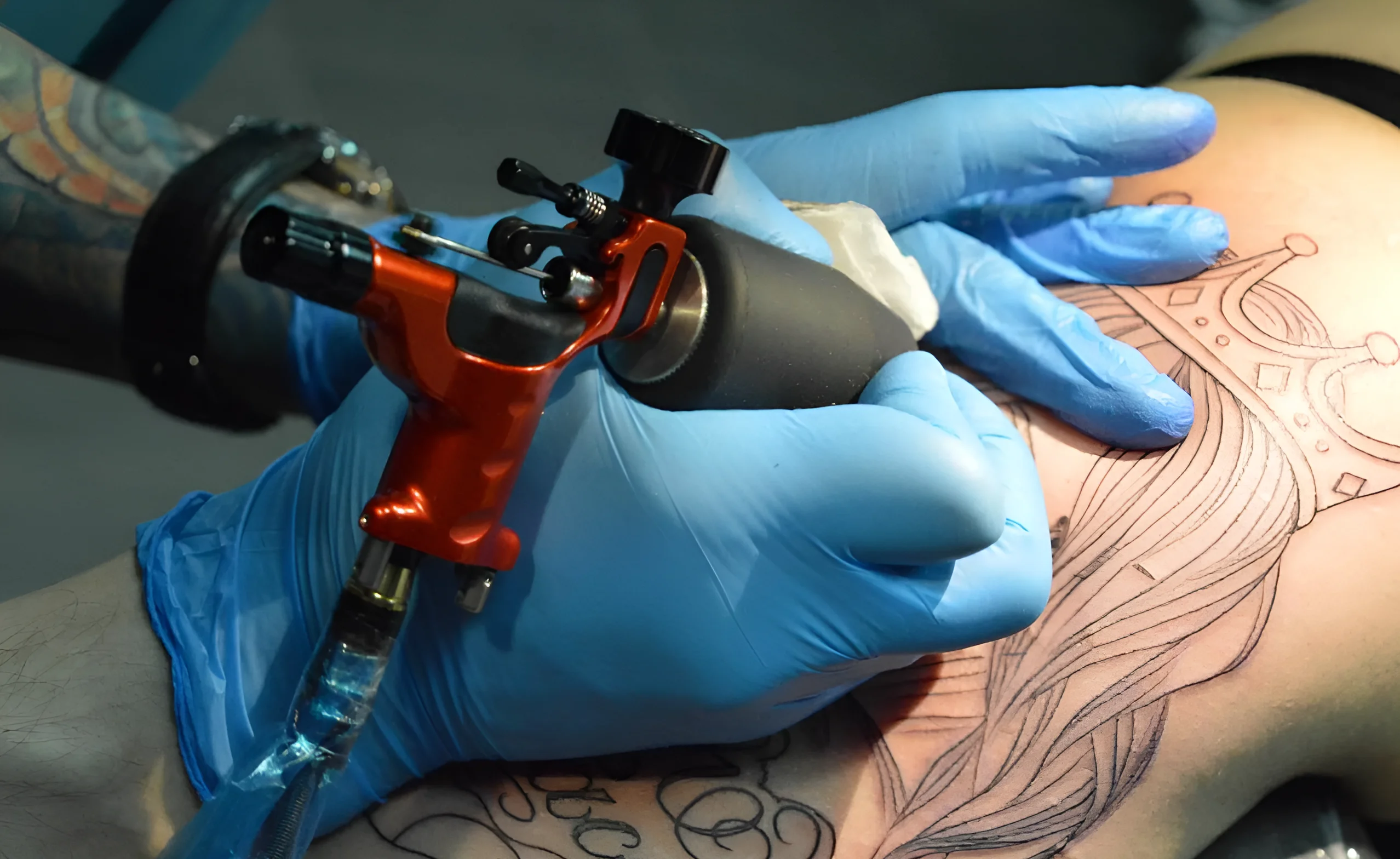
The process of tattooing, especially in styles like blackwork or realism with dense coloring, is a controlled traumatic impact on the dermis. The immune system reacts immediately: an inflammatory process begins, characterized by localized temperature increase, redness, and, most significantly for the client, swelling (edema).
- Lymphatic Load: The lymphatic system plays a crucial role in removing cell debris, excess tissue fluid, and pigment particles that the body tries to reject from the damaged area. In cases of extensive trauma, lymph flow slows down, which intensifies swelling and delays regeneration.
- Pain Syndrome and Stress: Prolonged immobility and constant needle exposure cause muscle tension and overall stress. Quality recovery should include not only skin healing but also full-body relaxation.
Traditional care methods – ointments, films, and rest – are undoubtedly necessary, but they only work on the superficial layer. More profound and targeted techniques are required for effective drainage of deep tissues.
Equipment-Based Cosmetology: A New Standard in Post-Tattoo Care
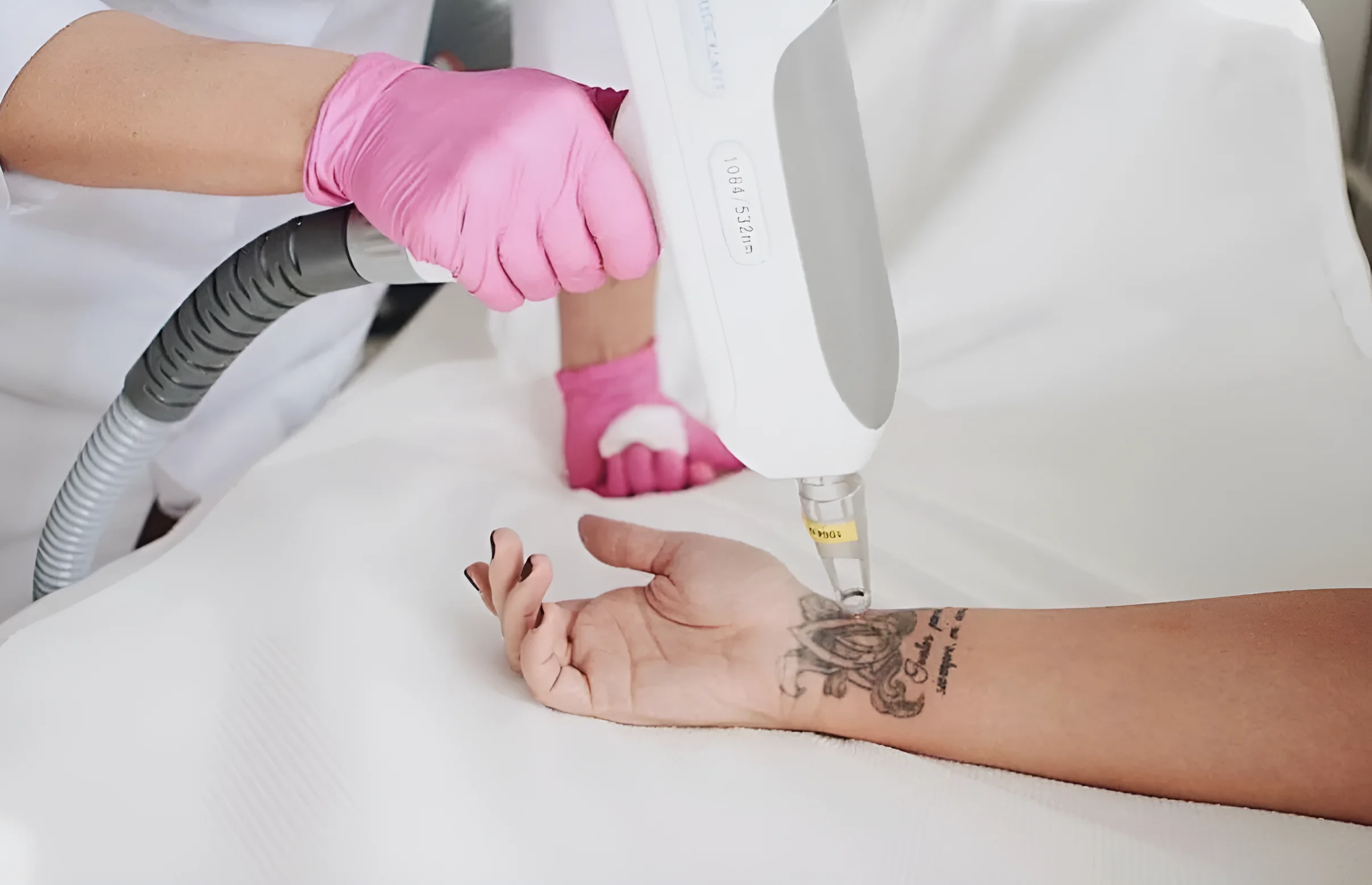
Equipment-based methods, based on physical impact (vacuum, ultrasound, controlled pressure), allow working with deep tissue layers non-invasively. In the context of tattooing, they solve two main problems: accelerating the removal of inflammatory mediators and reducing swelling, which directly correlates with comfort and the speed of tattoo healing.
According to expert estimates, the demand for such procedures in the aesthetic sphere is growing annually, and this trend is inevitably penetrating high-class tattoo studios. Studios positioning themselves as body modification centers are beginning to offer clients comprehensive packages that include not only the session but also subsequent recovery procedures. This increases the value of the service and client loyalty.
Pressotherapy: Mechanical Lymphatic Drainage for Healing
Among all equipment-based methods, pressotherapy (or pneumatic compression) stands out as the safest and most comfortable way to stimulate lymph flow. The procedure is based on the use of special cuffs divided into sections, into which compressed air is supplied in a specific, sequential order. This process mimics the natural muscle pump, which propels lymph and venous blood from the periphery towards the center of the body.
Mechanism of Action:
The device creates a wave-like pressure that gently but persistently affects the tissues. Applied to tattooing, this yields the following critically important results:
- Reduced Swelling: Compression effectively expels excess interstitial fluid that accumulates in the inflammatory area. Reduced swelling alleviates the feeling of tightness and pain.
- Accelerated Metabolism: Stimulation of blood circulation and lymph flow speeds up the delivery of nutrients to damaged cells and helps to remove toxins and breakdown products formed during the healing process more quickly.
- Complication Prevention: Improved drainage reduces the risk of local stagnation and promotes more even pigment distribution in the dermis, minimizing the likelihood of “watery” areas.
- Relaxation: Rhythmic, gentle pressure has a pronounced calming effect, which is extremely important after hours of stress in the artist’s chair.
The use of pressotherapy is becoming standard for clients who have undergone extensive sessions lasting 6-8 hours or more. The procedure can be prescribed as early as 24-48 hours after the session (in the absence of clear contraindications) to quickly manage the initial phase of inflammation.
Integrating Pressotherapy into a Tattoo Studio’s Business Model
For a tattoo studio, investing in quality equipment is not just about client care but also a strategic business decision. It allows you to:
- Increase Average Check: The ability to offer a “Premium Recovery” or “Express Healing” package increases the average service check.
- Differentiate: A studio providing comprehensive services stands out from competitors who only focus on applying tattoos.
- Improve Reputation: Fast and comfortable healing is the best indicator of the professionalism of the artist and the studio as a whole.
The choice of equipment should be based on reliability, certification, and the ability for precise adjustment. A professional pressotherapy device should have pressure regulation, the ability to select different modes (sequential, wave, pulsating), and cuffs suitable for various body areas (arms, legs, torso). High-quality equipment from trusted suppliers guarantees safety and predictable results, which is critical when working with damaged skin.
Equipment Market: Quality and Reliability
Since equipment-based cosmetology requires significant investment and knowledge, supplier reliability plays a key role. Companies specializing in providing certified equipment for beauty salons and aesthetic centers operate in the Russian market, and they are now becoming partners for large tattoo studios as well.
Among the leading platforms offering professional equipment, one can highlight:
- Vitakosmetik: A store that offers a wide selection of devices for face and body, including professional lymphatic drainage systems.
- Planeta Krasoty: A major supplier focused on comprehensive equipment for clinics and salons, with a particular emphasis on staff training.
- Beauty Market: A distributor offering both high-tech and more budget-friendly solutions, but always with a focus on certification and warranty service.
Acquiring equipment through such channels provides studios with access to necessary conformity certificates and technical support, which are mandatory for legal and safe client operation.
Trends in Digitalization and Multifunctionality
A modern pressotherapy device is no longer just a pump and a set of cuffs. It is a high-tech system integrated with digital control. Experts note several key trends in equipment development:
Multifunctionality: Integration of Technologies
Manufacturers are actively combining pressotherapy with other physical methods to achieve a synergistic effect. For example, combining pneumatic compression with infrared heating. Infrared radiation promotes deep muscle relaxation, improves microcirculation, and enhances the detoxifying effect of lymphatic drainage. For a client who has undergone a long session, such a comprehensive impact provides maximum relief and accelerates regeneration.
Digital Control and Personalization
Premium models are equipped with touch screens and automatic calibration systems. A specialist can precisely adjust the pressure and duration of treatment for each cuff section, considering the client’s individual characteristics (e.g., presence of varicose veins or increased sensitivity). Digital systems allow for saving personalized programs, ensuring repeatability and predictability of results – an important aspect in aesthetic medicine and post-tattoo skin care.
Investment Economics: Payback and Efficiency
Investments in equipment-based cosmetology may seem significant, but they are quickly recouped due to the versatility and demand for the procedure. Pressotherapy is a low-cost procedure in terms of consumables (only disposable pants or film for hygiene are required). Due to the ability to use the device for a wide range of tasks – from lymphatic drainage after tattooing to anti-cellulite programs and sports recovery – the equipment can operate almost daily, generating stable income.
For small studios that cannot afford large upfront expenses, leasing or renting equipment models are relevant. This allows testing the demand for the service and gradually integrating it into the price list, minimizing financial risks.
Professional Education and the Role of the Artist
The implementation of complex equipment requires appropriate staff qualifications. Even if pressotherapy is performed not by the tattoo artist themselves, but by an invited aesthetic or rehabilitation specialist, their knowledge must be at a high level. Supplier companies, such as Vitakosmetik and Planeta Krasoty, actively invest in educational programs, offering certification courses and webinars. This ensures that specialists understand the physiological processes occurring in the client’s body and can safely use the equipment in the context of tattoo healing.
The Future of Wellness in the Tattoo Industry
The trend towards a conscious approach to the body and health will only intensify. Clients are willing to pay more for procedures that ensure comfort, safety, and rapid recovery. This shifts the focus of tattoo studios from purely artistic work to comprehensive interaction with the body. In the coming years, we will see further integration of equipment-based methods into standard post-tattoo care protocols.
The transition from a craft-based approach to a scientifically grounded practice is an inevitable stage in the maturity of the tattoo industry. Technologies like pressotherapy demonstrate that the lines between aesthetic cosmetology, wellness, and tattoo art are blurring. The use of modern equipment not only improves healing results, preserving the brightness and clarity of the design, but also significantly enhances the overall service level, transforming the long and painful tattooing process into a controlled, comfortable, and caring experience.
For professionals striving to remain at the peak of competitiveness, investments in recovery technologies and collaboration with reliable equipment suppliers are key factors for success in the new decade.