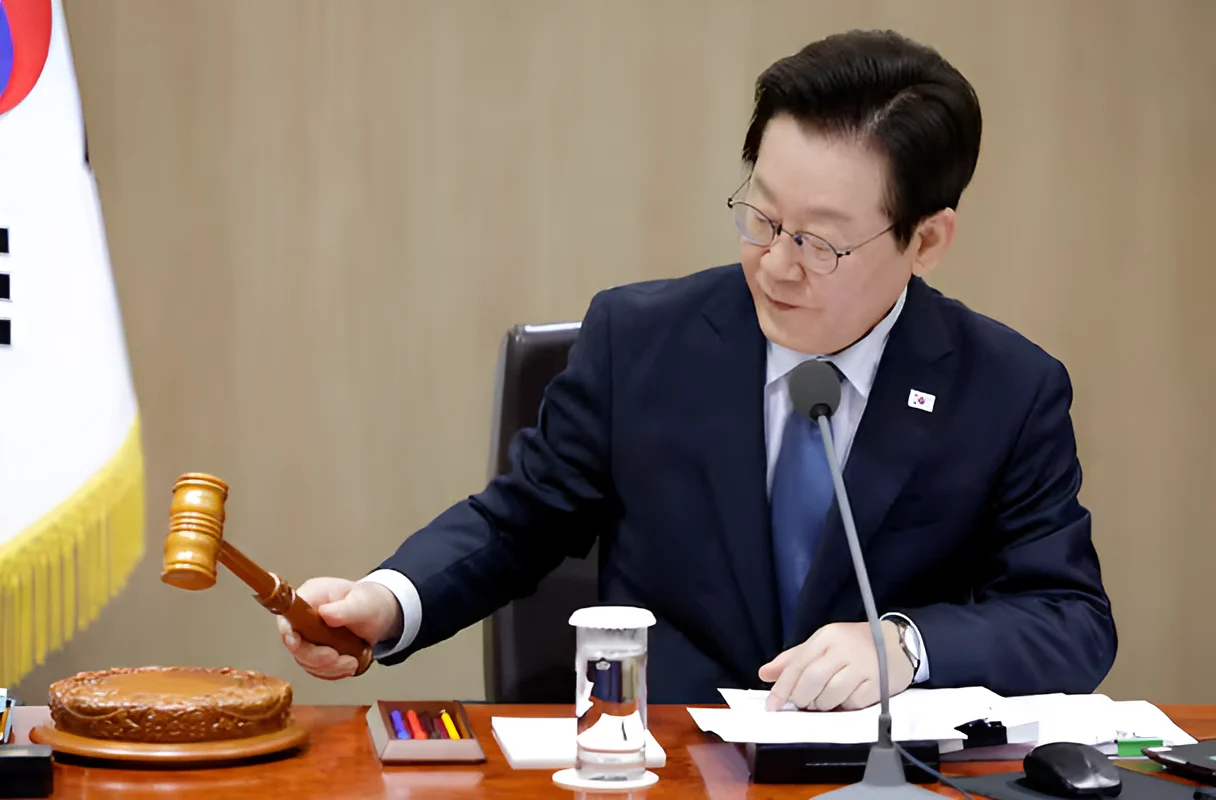
October 21, 2025, will go down in the history of Asian tattoo culture as the day South Korea definitively recognized the profession of tattoo artist. During a Cabinet meeting held at the Presidential Office in Yongsan, chaired by President Lee Jae-myung, the plan for the promulgation of the long-awaited “Tattooist Act” was approved.
This legislative act, which passed through a plenary session of the National Assembly last month, resolves a long-standing legal paradox where the application of permanent makeup and tattoos was classified exclusively as a medical practice. Until today, under existing legislation, only licensed physicians were authorized to perform these procedures, making the vast majority of artists specializing in eyebrows, lips, and even scalps (micropigmentation) de facto lawbreakers.
Context of the Conflict: Between Art and Medicine
The issue of legalizing tattoo artists in Korea has been brewing for decades. The country, a global leader in aesthetic medicine and the beauty industry (K-Beauty), faced a situation where a huge market for semi-permanent makeup—a procedure in high demand by millions—operated in a legal gray area. Doctors, who held a monopoly on the procedure, rarely possessed the necessary artistic skills for permanent makeup, while qualified artists worked under constant threat of prosecution.
The approval of the promulgation plan by President Lee Jae-myung on October 21, 2025, marking the official endorsement of the law by the executive branch, was the culmination of a long struggle for recognition by the professional community. Now, tattoo artists in Korea will be able to emerge from the shadows, gaining official state status.
Key Provisions of the New Law
The “Tattooist Act” introduces clear regulatory frameworks, ensuring both consumer safety and professional guarantees for artists. The law will come into effect in 2027, after a two-year grace period that will allow the industry to prepare for the new standards.
The main changes stipulated by the new act include:
- Expanded Rights: The right to perform tattooing procedures is expanded from “existing medical personnel” to “individuals who have obtained a state license as tattoo artists.”
- Mandatory Licensing: Non-physicians will be able to legally perform procedures (including eyebrow, lip, and scalp tattooing) only after successfully passing a national examination and obtaining a state license.
- Studio Registration: The opening of tattoo studios will be permitted only upon registration and approval from mayors, district governors, or heads of boroughs, which will allow for the control of sanitary conditions and safety.
- Restrictions: The law explicitly prohibits tattoo artists from performing tattoo removal procedures. This function remains within the competence of medical institutions.
Expert Analysis: A Revolution in Asian Tattoo Culture
For the tattoo industry in Korea and all of Asia, this decision is of colossal significance. South Korea has long been an anomaly: despite being home to some of the most talented and influential tattoo artists in the world (whose aesthetics set trends from Seoul to Los Angeles), their work remained underground. Legalization, even with a two-year delayed effective date in 2027, signals the final integration of tattooing into the mainstream.
Safety and Standardization. The introduction of a national examination and licensing, to be overseen by the Ministry of Health and Welfare, is a key step towards raising hygiene and safety standards. Previously, in the context of underground work, consumers were often at risk. Now, the state takes responsibility for the training and certification of artists, which will inevitably lead to a reduction in the number of unqualified practitioners.
Economic Impact. The legalization of semi-permanent makeup—the most widespread segment of tattoo services in Korea—brings a multi-billion dollar market out of the shadows. This will allow the state to collect taxes, and artists to work openly, invest in studios, and develop their businesses without fear of sudden raids or fines.
Cultural Shift. For a long time, tattoos in Korea were associated with the criminal underworld and were taboo. However, thanks to the influence of K-Pop and the growing global popularity of Korean fashion, attitudes towards body art have drastically changed, especially among young people. The adoption of the “Tattooist Act” at the highest level—by President Lee Jae-myung—finally solidifies the status of tattooing as a form of art and craft, rather than solely a medical procedure. This is a powerful cultural precedent for all of East Asia, where issues of tattoo industry regulation are also pressing.
Preparation for 2027
The Ministry of Health and Welfare will spend the remaining period until 2027 developing specific guidelines to be included in the decree for the implementation of the law. These guidelines will include detailed requirements for the national tattoo artist examination, sanitary standards for studios, and registration procedures. The standardization process is expected to be rigorous, ensuring a high level of professionalism among newly licensed specialists.
For artists, this means they must immediately begin preparing for the exams, which will become the only legal way to continue their practice. For consumers, it means a guarantee that services in this field will be provided exclusively by qualified professionals officially recognized by the state.