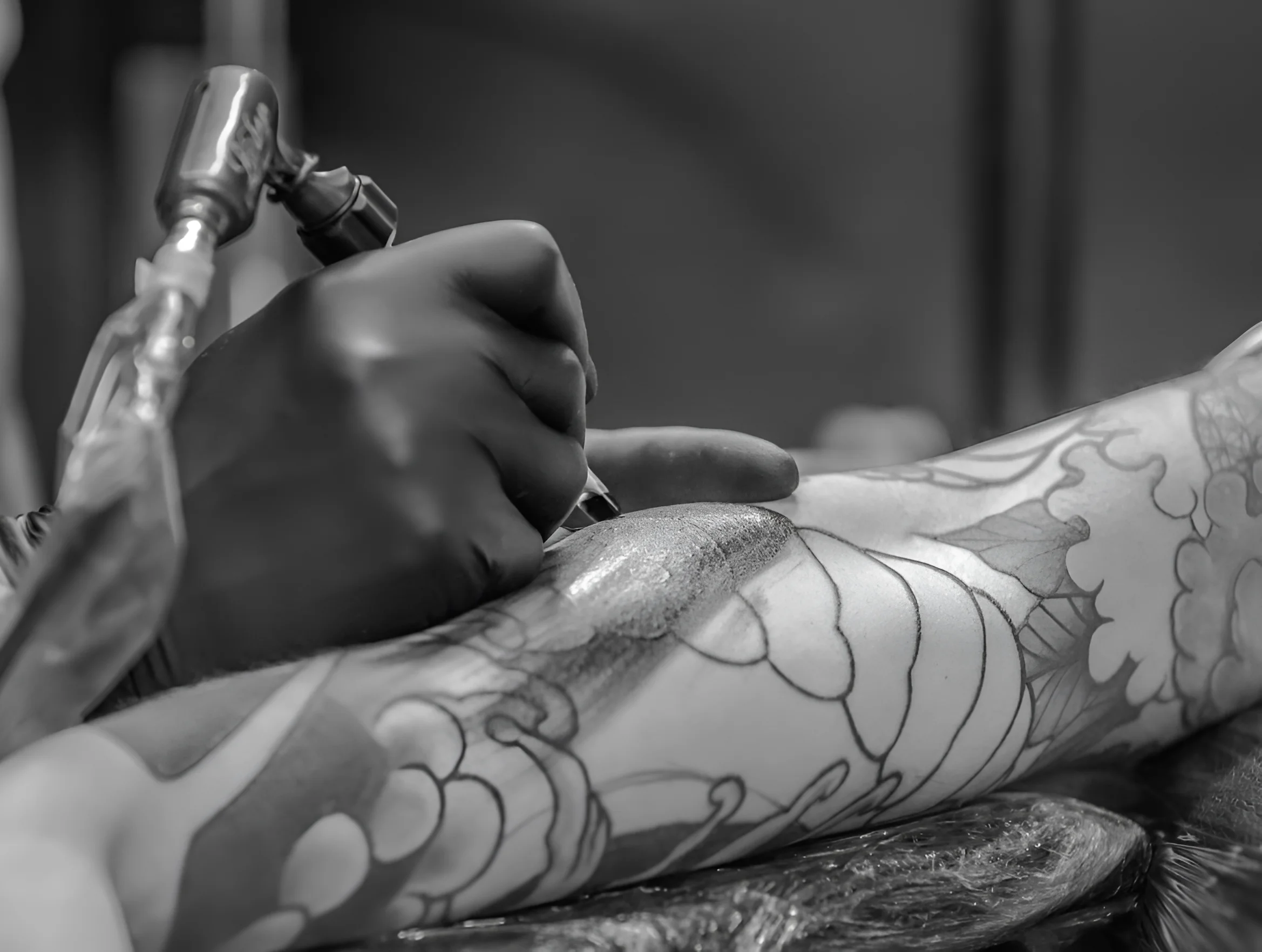
Japan remains a country where traditions hold unquestionable sway over daily life. For the global community, tattooing has long been a form of art and self-expression, but in the Land of the Rising Sun, visible ink on the body still serves as a reason for denial of access to public places. The famous “No Visible Tattoo” policy continues to be enforced in many fitness centers, swimming pools, and, most importantly, traditional hot springs – onsen.
Historical Trace: Tattooing as a Mark of Criminality
To understand the depth of this prohibition, one must turn to history. In Japan, tattooing (traditionally called irezumi) has for centuries served not only as a decorative element but also as a marker, and often a brand. The strongest and most persistent association that has shaped the modern cultural narrative is the link between tattoos and the Yakuza, Japan’s organized crime syndicates.
Yakuza members used extensive, often full-body, tattoos as a sign of affiliation, courage, and loyalty to the clan. It was a lifelong commitment etched beneath the skin. Consequently, for ordinary Japanese people, especially the older generation, any visible tattoo, regardless of its style or size, automatically evokes associations with crime, danger, and antisocial behavior.
The denial of entry policy is not a personal judgment on a tourist’s aesthetics or morals, but an attempt by establishments to create a “safe and comfortable environment” for all visitors. Managers of public facilities strive to avoid fear or discomfort among clients who might mistakenly identify a tattooed person as a member of the criminal underworld.
Where Exactly is the Ban Enforced?
The ban is particularly strict in places where nudity or partial nudity is expected. This is logical, as it is in such conditions that tattoos become most noticeable. The main categories of establishments adhering to this policy are:
- Onsen and Sento (Public Baths): These are perhaps the most well-known places where a strict dress code is observed. Traditional hot springs often deny entry if the tattoo cannot be completely hidden.
- Fitness Centers and Sports Clubs: Especially those equipped with communal shower rooms, saunas, or swimming pools.
- Beaches and Resorts: On some private beaches or in luxury hotels, even if tattoos are allowed on the premises, you may be asked to cover them if you are in common areas.
- Swimming Pools: Generally, public swimming pools have the strictest rules regarding tattoos.
Expert Analysis: Clash of Cultures and Slow Adaptation
From a tattoo culture perspective, the Japanese ban represents a unique anachronism. While in the West, tattooing is experiencing a golden age, recognized as a high form of art (Fine Art), in Japan, it is still stuck in the cultural context of the 1950s. This creates a significant dissonance, especially considering the growth of international tourism.
Experts note that since the mid-2010s, and particularly in the context of growing interest in Japan as a tourist destination, the conservative policy has become a serious obstacle. The government and tourism agencies are aware that a significant portion of Western travelers have tattoos. However, the change in rules is happening extremely slowly, as most onsen and baths are private or managed by local associations deeply committed to old norms.
A Significant Shift: We are observing a slow but steady movement towards compromise. Many modern or foreign-oriented establishments have begun to allow visitors with tattoos, provided they are covered. This can be achieved with special body patches, waterproof stickers, or long-sleeved swimwear. This shows that establishments are willing to make concessions if the “threat” or stigma can be visually eliminated.
“The Japanese tattoo industry market is complex. On one hand, we see incredible respect for the traditional art of irezumi, and on the other, total stigmatization of modern body art in public spaces. This barrier will break down naturally as the younger generation, less burdened by historical fears, begins to manage public facilities,” note cultural experts.
Tips for Tattooed Travelers
If you are planning to visit Japan and do not want to forgo the pleasure of immersing yourself in a famous onsen, preparation is key to success. Tattooed travelers are advised to follow a few simple rules:
- Pre-Check: Always check the establishment’s policy before visiting. Many modern hotels and some traditional ryokans (traditional inns) now explicitly state that they are “tattoo-friendly.”
- Use Cover-Up Means: If your tattoo is small (palm-sized or smaller), purchase special waterproof patches or stickers that will completely hide the design. Some establishments even offer such stickers at the entrance.
- Choose Private Baths: The ideal solution for those with large or numerous tattoos is to book a private onsen (kashikiri-buro). This allows you to enjoy traditional bathing in complete privacy without worrying about visibility rules.
In conclusion, it is worth noting that although Japan’s policy against visible tattoos is deeply rooted in its cultural past associated with the Yakuza, the industry is slowly adapting to the realities of global tourism. Progress is evident: from outright bans to compromises requiring coverage. By knowing these rules and preparing in advance, tattooed tourists can enjoy the unique and unforgettable experiences that Japan offers without issue.