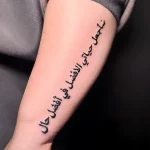
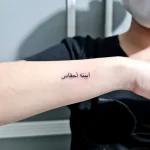
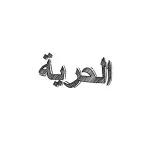
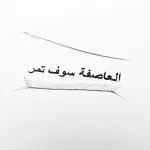
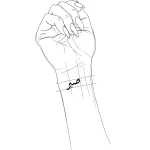
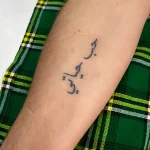
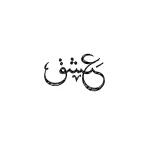
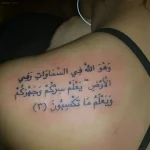
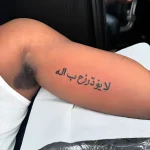
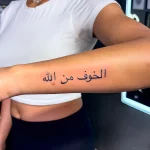
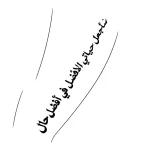
Tattoo inscriptions are one of the most sought-after genres in modern tattoo art, and among all world languages, the Arabic alphabet, or huruf (حروف), holds a very special place. It’s not just a set of letters; it’s a living, fluid system where each connection, each flourish of the pen (or tattoo machine) carries aesthetic and profound semantic weight. Arabic script tattoos attract with their mystery, elegance, and the ability to transform a short phrase into a work of calligraphic art. Choosing an Arabic font for a tattoo is a statement of commitment to the beauty, wisdom, and cultural depth of the East.
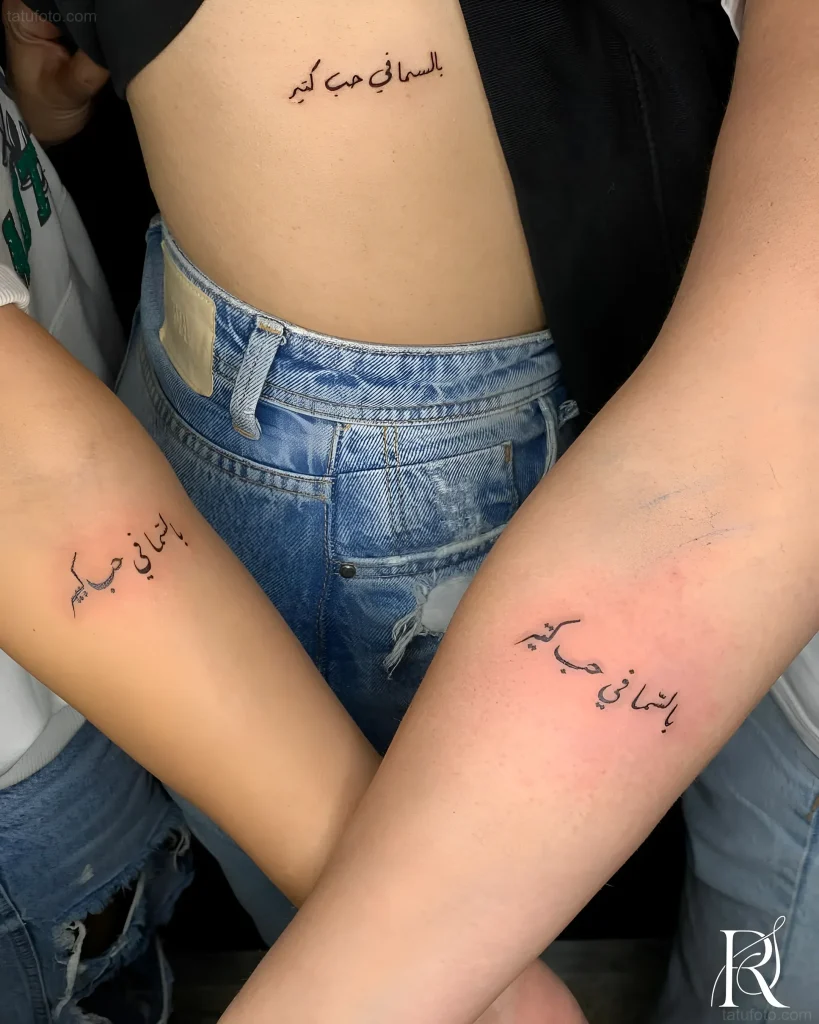
The History of Arabic Calligraphy and Its Influence on Tattoos
Arabic calligraphy (khatt al-Arabi) has historically been considered the highest form of art in the Islamic world, as the depiction of living beings was often restricted by tradition. As a result, writing became the primary means of artistic expression, developing an incredible variety of styles and techniques. This cultural weight carried by the Arabic script is automatically transferred to tattoos.
Unlike Latin script, where letters stand separately, Arabic script is cursive and connective. This means that the shape of a letter changes depending on its position in a word (beginning, middle, end, or standalone). It is this fluidity and interconnectedness that allows an artist to create unique compositions that organically fit the body.
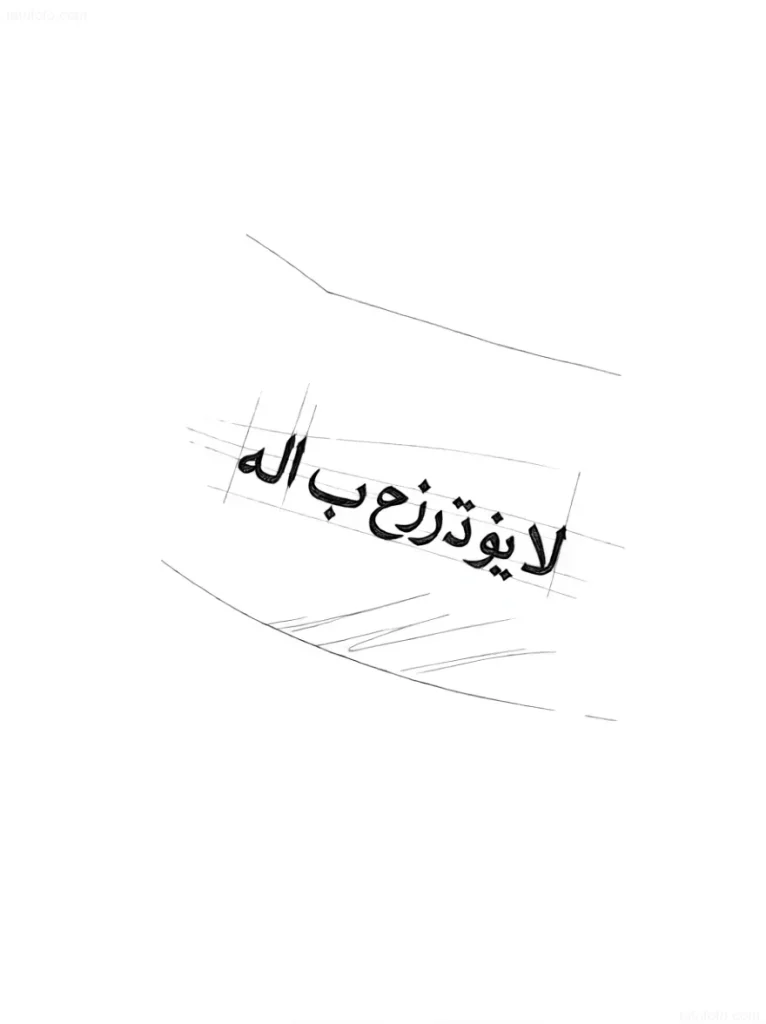
Key aspects of calligraphic heritage important for tattoos:
- Spirituality and Purity: Historically, calligraphy was used to record the Quran, giving it sacred significance. Even non-religious phrases rendered in this style retain a sense of solemnity.
- Geometric Precision: Many styles, especially Kufic, are based on strict mathematical proportions. This ensures that a well-executed tattoo will look impeccably symmetrical.
- Uniqueness of Flourish: Each calligraphic school developed its own rules for slant, line thickness, and ligatures (connections). This provides ample room for personalizing your Arabic inscription tattoo.
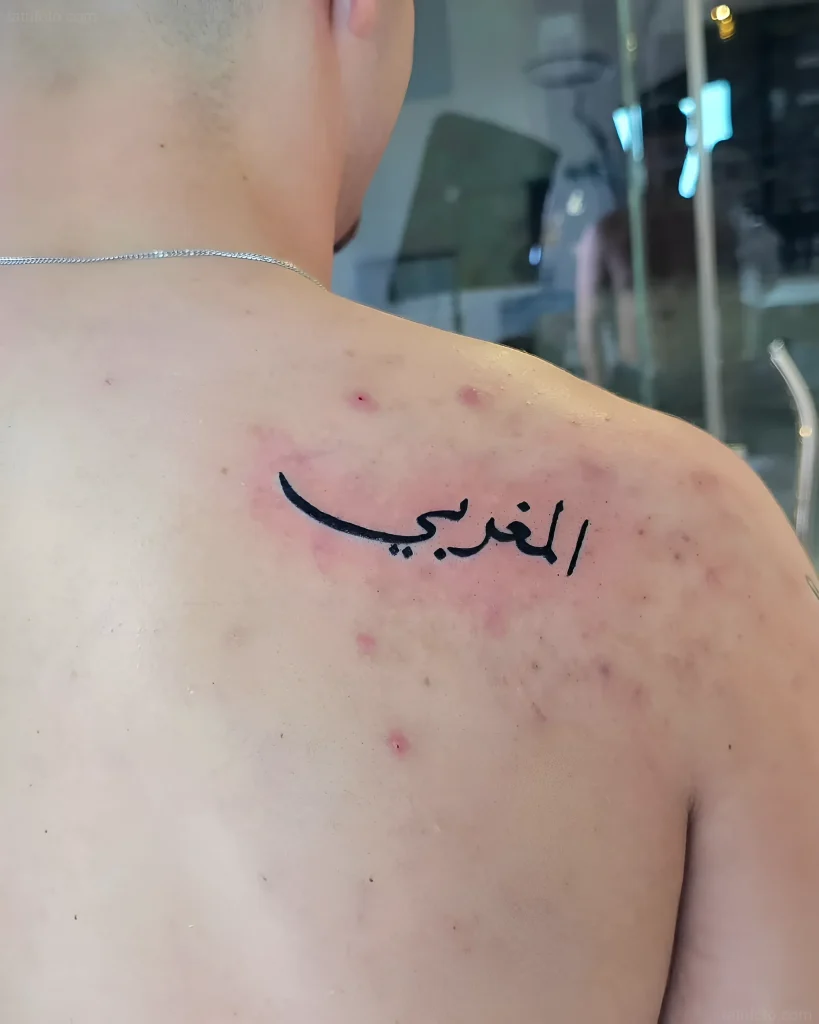
Meanings of Arabic Inscriptions for Tattoos: From Religious to Personal
Choosing a phrase is the most crucial step, as an error in translation or spelling can completely distort the meaning. Arabic is rich in synonyms and metaphors, so it’s important to work with a native speaker or calligraphy expert to ensure the accuracy of the chosen expression. Here are examples of popular categories and phrases often chosen for Arabic inscription tattoos.
Symbolism of Faith and Spirituality
While inscribing verses from the Quran or the name of Allah is often considered taboo in Islamic culture, many phrases expressing general spiritual values remain popular:
- «الإيمان» (Al-Iman): Faith, conviction. A simple and powerful word expressing inner strength.
- «الصبر» (As-Sabr): Patience. A key concept in Eastern philosophy, symbolizing endurance and resilience in the face of trials.
- «الحياة حلوة» (Al-Hayat Hulwa): Life is beautiful. A positive affirmation reminding of the value of every moment.
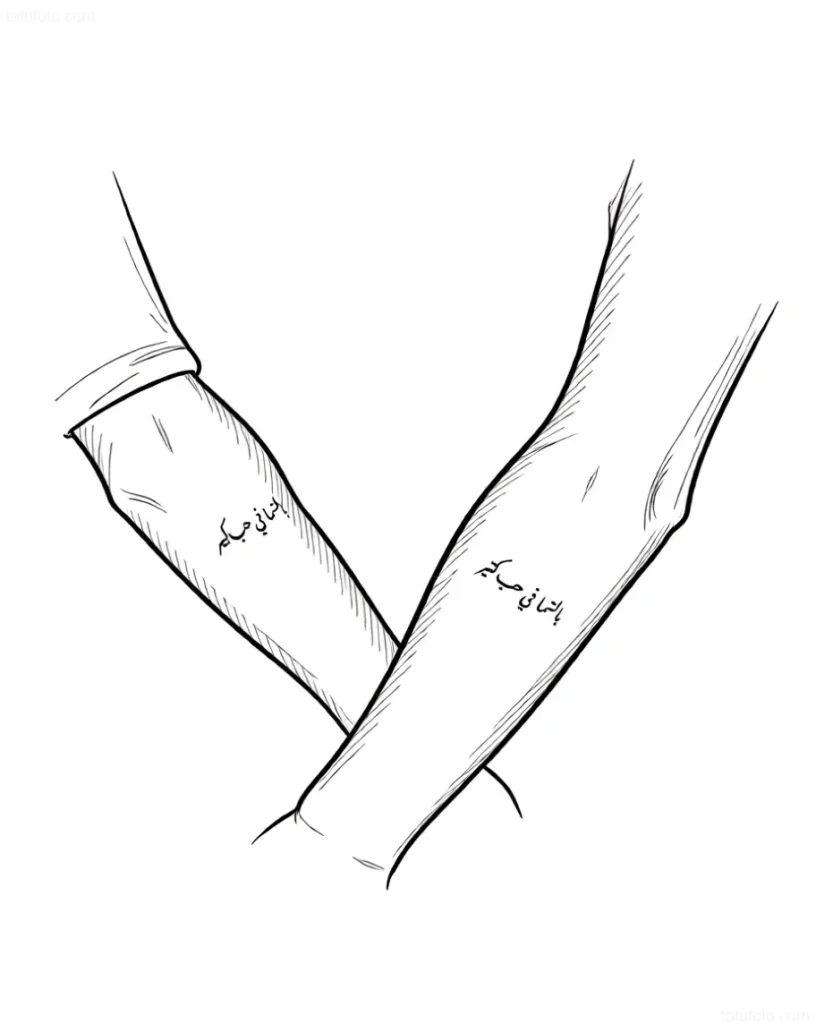
Phrases about Strength, Resilience, and Motivation
These inscriptions serve as personal mantras and reminders to overcome difficulties:
- «كن قوياً» (Kun Qawiyan): Be strong. A clear call to action and inner strength.
- «لا تيأس» (La Tay’as): Do not despair. A motivational motto.
- «إلى الأبد» (Ila Al-Abad): Forever. Often used to symbolize eternal love or unbreakable principles.
Personal and Romantic Meanings
Arabic poetry and love lyrics are incredibly rich, making the language ideal for expressing deep feelings:
- «أحبك» (Uhibbuk): I love you. A classic and direct expression.
- «روحي» (Ruhi): My soul. Often used as an affectionate term for a loved one.
- «أنت قدري» (Anta Qadari): You are my destiny. A profound expression of predestination and connection.
Important Warning: Avoid using online translators. Arabic has strict rules of grammar, morphology, and declension. An error in a single dot or diacritical mark can completely change the meaning of a word (e.g., «قلب» (qalb) means heart, while «كلب» (kalb) means dog).
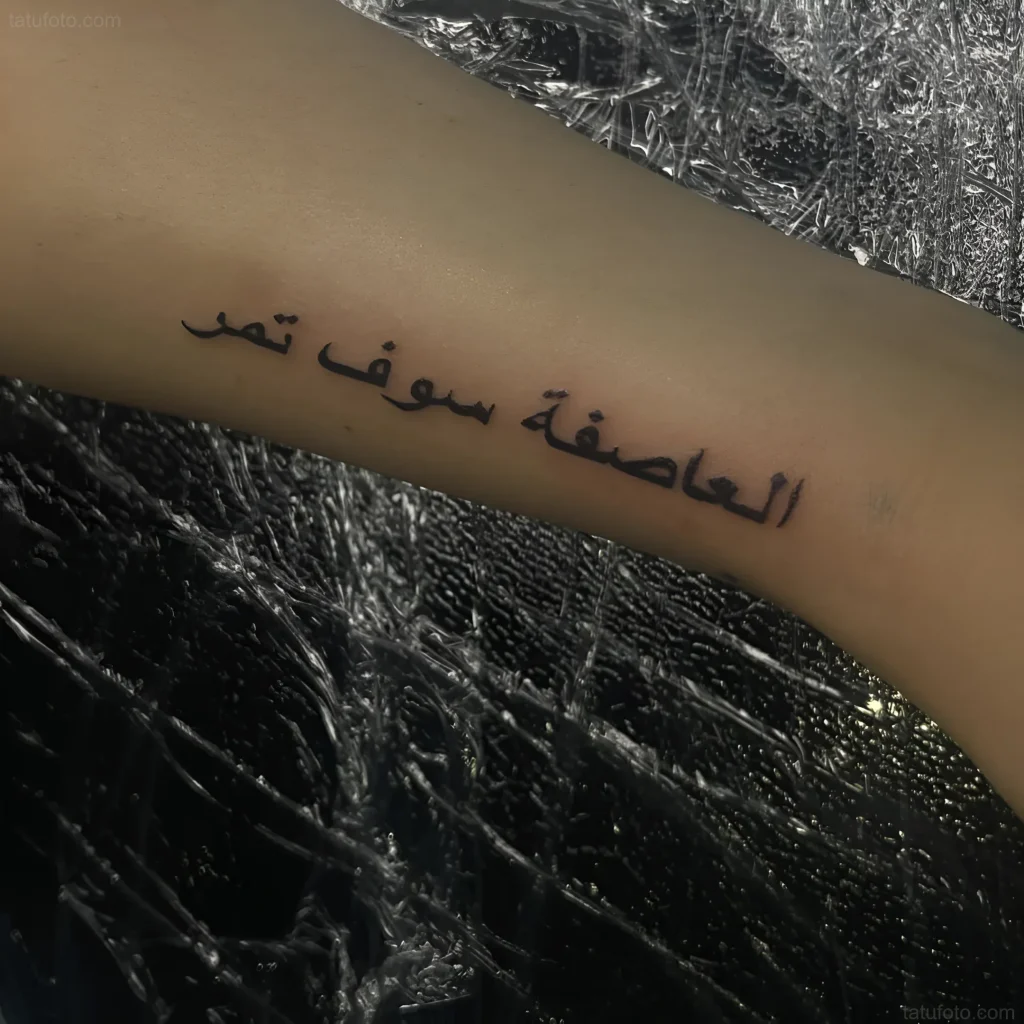
Styles of Arabic Tattoo Inscriptions
The choice of calligraphy style determines not only readability but also the overall mood of the tattoo. Four main styles dominate tattoo art, each offering a unique aesthetic.
1. Naskh
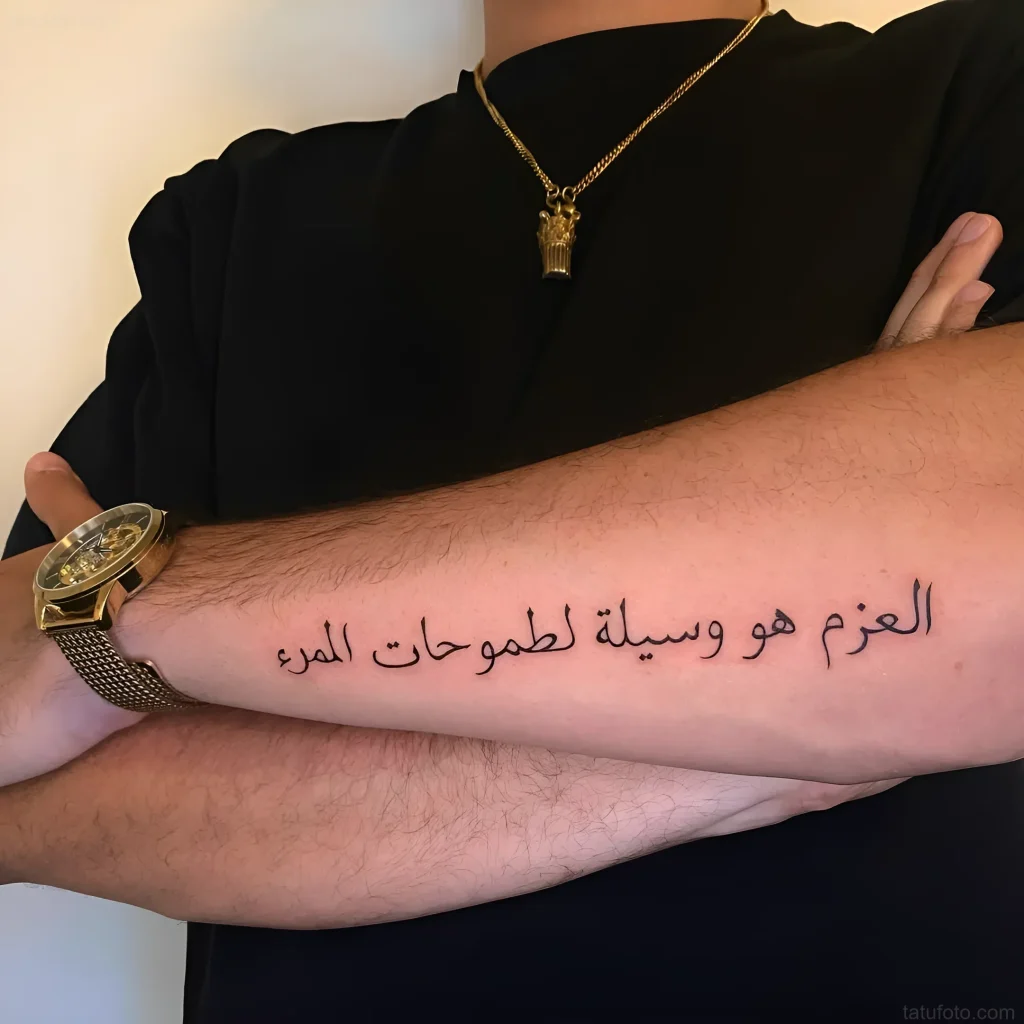
Naskh, which literally means “copying,” is the most common and readable font. It is characterized by clear, rounded forms and vertical orientation. If you want your Arabic inscription tattoo to be easily recognizable and elegant, Naskh is the ideal choice.
- Features: Balance between line thickness and spacing, high readability.
- Application in Tattoos: Ideal for long quotes where clarity of text is prioritized. Looks good on forearms and collarbones.
2. Kufic
Kufic is one of the oldest styles, originating from the city of Kufa. It sharply contrasts with Naskh with its angularity, geometricity, and monumentality. In tattoos, Kufic is often used to create minimalist, abstract, or architectural compositions.
- Features: Strict straight lines, sharp angles, often symmetrical arrangement.
- Application in Tattoos: Excellent for creating monograms, short words, or integrating text into geometric ornaments. Requires the highest precision from the artist.
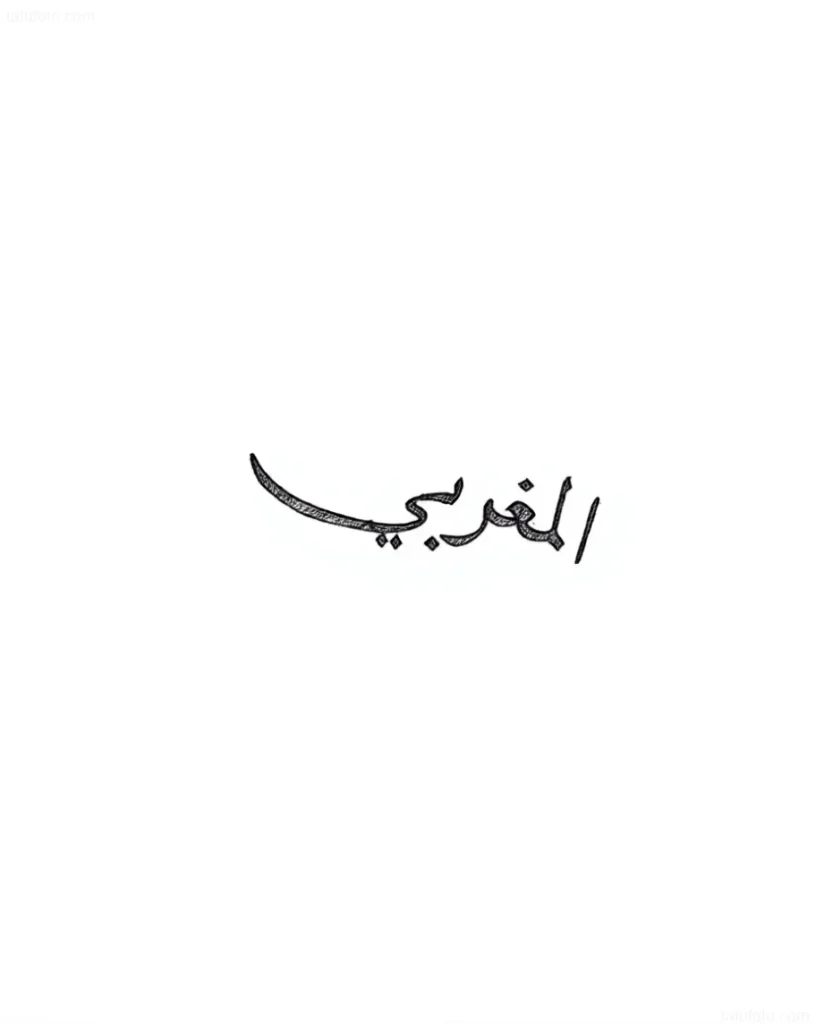
3. Diwani
Diwani is a decorative and very complex style that was historically used in Ottoman courts for writing decrees and official documents. Its distinctive feature is extreme fluidity, intertwining of letters, and frequent absence of diacritical marks, making it difficult to read for the uninitiated but incredibly artistic.
- Features: High text density, letters often overlap, creating a wave effect or a complex pattern.
- Application in Tattoos: A choice for those seeking maximum artistry and decoration. Looks great on wide, curved surfaces (ribs, back).
4. Ruq’ah
Ruq’ah is a modern, quick, and simplified style used in everyday correspondence. It is less formal than Naskh and more compact. In tattoos, it gives the inscription a modern, “sketchy” look.
- Features: Compactness, simplified forms, lines often drop below the baseline.
- Application in Tattoos: For small, personal notes or phrases that should not look too official or monumental.
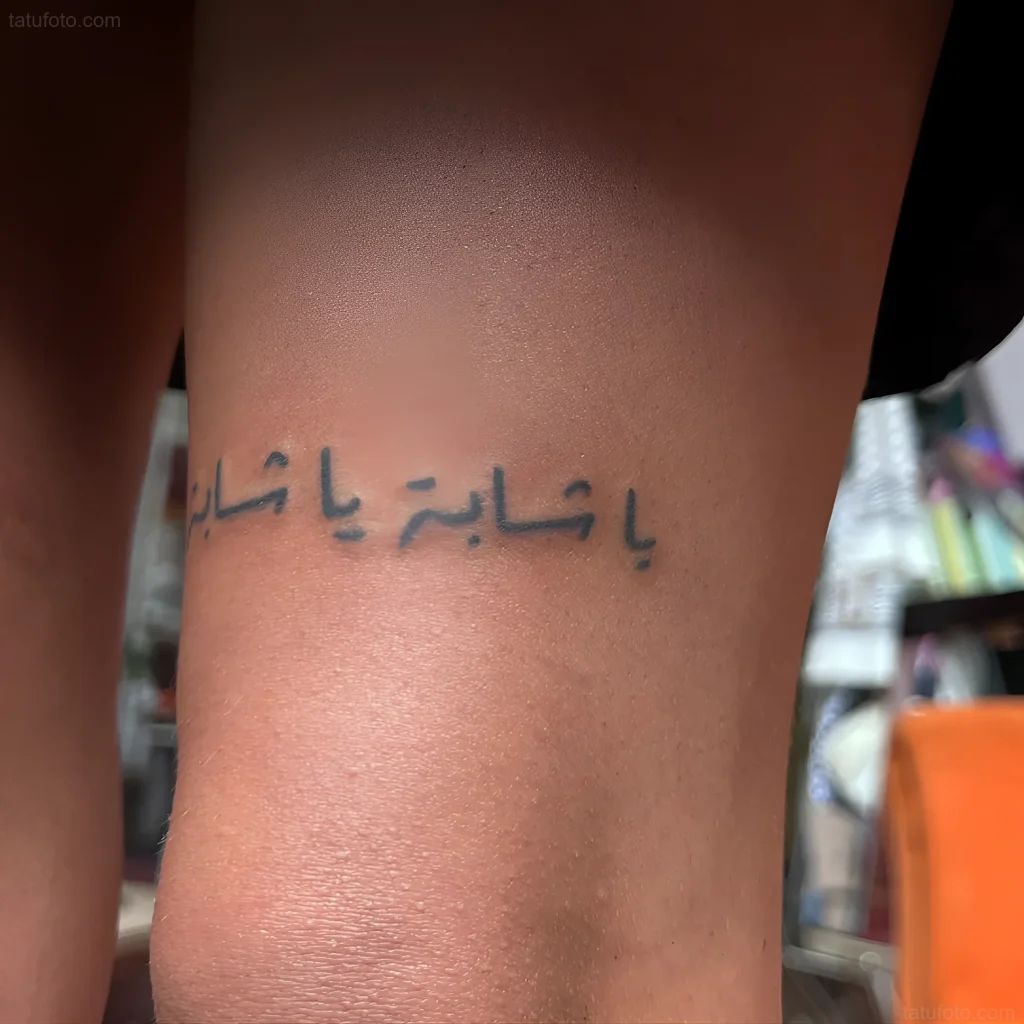
Best Placement for Arabic Inscription Tattoos: Choice and Features
When choosing a location for an Arabic inscription tattoo, it is critically important to consider the direction of writing – from right to left. The composition should naturally “flow” in the correct direction to avoid visual confusion.
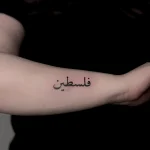
1. Forearm and Bicep
This is a classic choice. On the forearm, the inscription can be placed horizontally, starting from the elbow and moving towards the wrist. This area is excellent for showcasing Naskh or Ruq’ah styles.
- Feature: Allows the length of the limb to be used for long phrases. The inscription should be readable when the arm is down along the body.
2. Ribs and Side
An ideal place for complex, flowing styles like Diwani, or for long lines of poetry. The curved surface of the body allows the calligraphy to look dynamic and organic.
- Feature: Concealment and personal nature. The inscription can be wide, following the curve of the body.

3. Back (along the spine or shoulder blade)
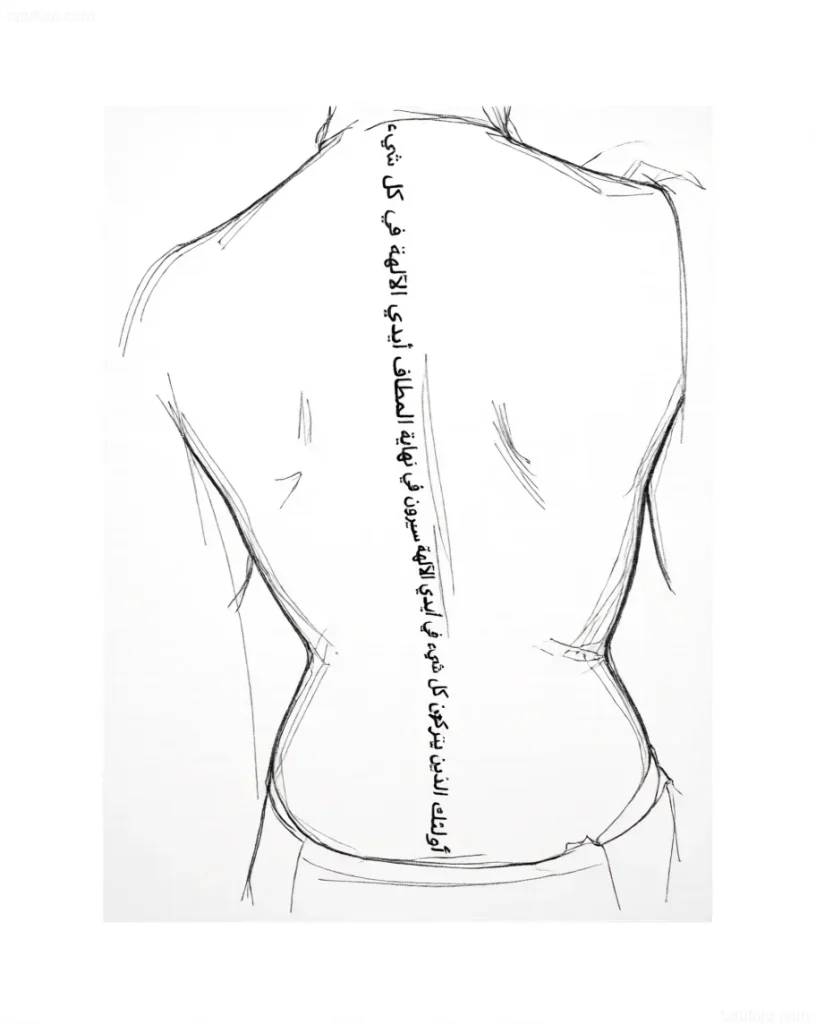
The back offers the largest canvas. An inscription along the spine, done in vertical or slightly curved Kufic, looks monumental. A horizontal placement above the shoulder blades allows for complex Diwani intertwining.
- Feature: Ideal for monumental and geometric compositions.
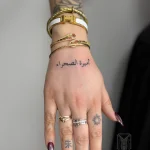
4. Wrist and Hand
Suitable only for very short words or initials. Due to limited space and frequent movement, complex styles are not recommended here, as they can “blur” and become unreadable over time.
Important Directional Nuance: If you are getting an inscription on the outer side of your arm, ensure it starts closer to your body and moves outwards. If the inscription is on your chest or back, it should be readable from right to left for the viewer, which might require a mirror image for yourself if looking in a mirror.
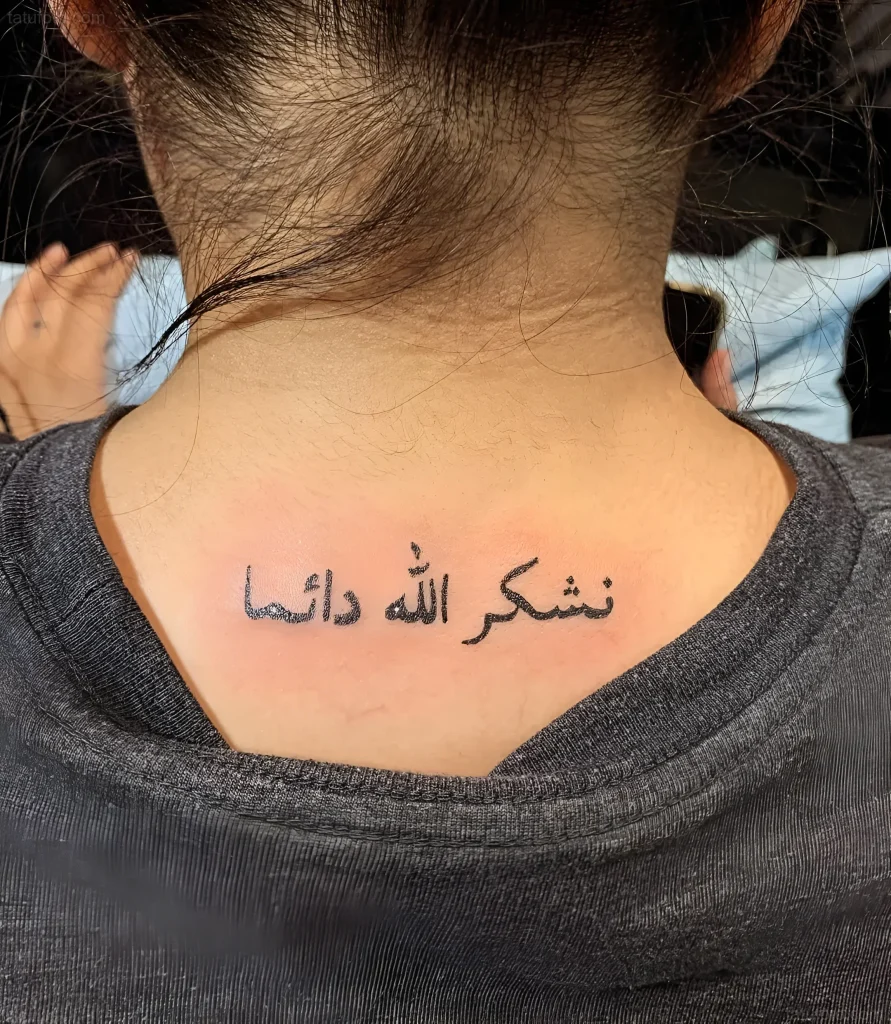
Tips for Choosing an Artist and Caring for an Arabic Inscription Tattoo
An Arabic inscription tattoo requires not only artistic talent but also linguistic competence. An error in calligraphy or spelling can be not just unsightly but also embarrassing.
1. Verifying Linguistic Competence
It is highly advisable for the artist to either have experience with Arabic calligraphy themselves or to work in close collaboration with a native speaker. Before the session:
- Triple Check the Text: Get confirmation of the phrase’s correctness from three independent Arabic-speaking sources.
- Check Ligatures: Ensure the artist understands how letters should connect (ligatures). Incorrect letter connections are the most common mistake among non-specialists in Arabic.
- Calligrapher’s Sketch: Ideally, the sketch should be created by a professional calligrapher, and the tattoo artist should only transfer it to the skin, preserving proportions and line thickness.

2. Technical Aspects of Execution
Calligraphic tattoos, especially in Naskh and Diwani styles, require extreme precision in rendering fine lines and dots. Choose an artist who specializes in fine line or detailed graphics.
3. Tattoo Aftercare
Inscriptions consisting of thin lines are more prone to ink “blooming” over time if not executed well. To maintain clarity:
- Sun Protection: Ultraviolet light is the main enemy of clear lines. Always use sunscreen with a high SPF to prevent fading and line expansion.
- Initial Healing: Strictly follow the artist’s recommendations for moisturizing and protection to avoid pigment loss in thin lines.
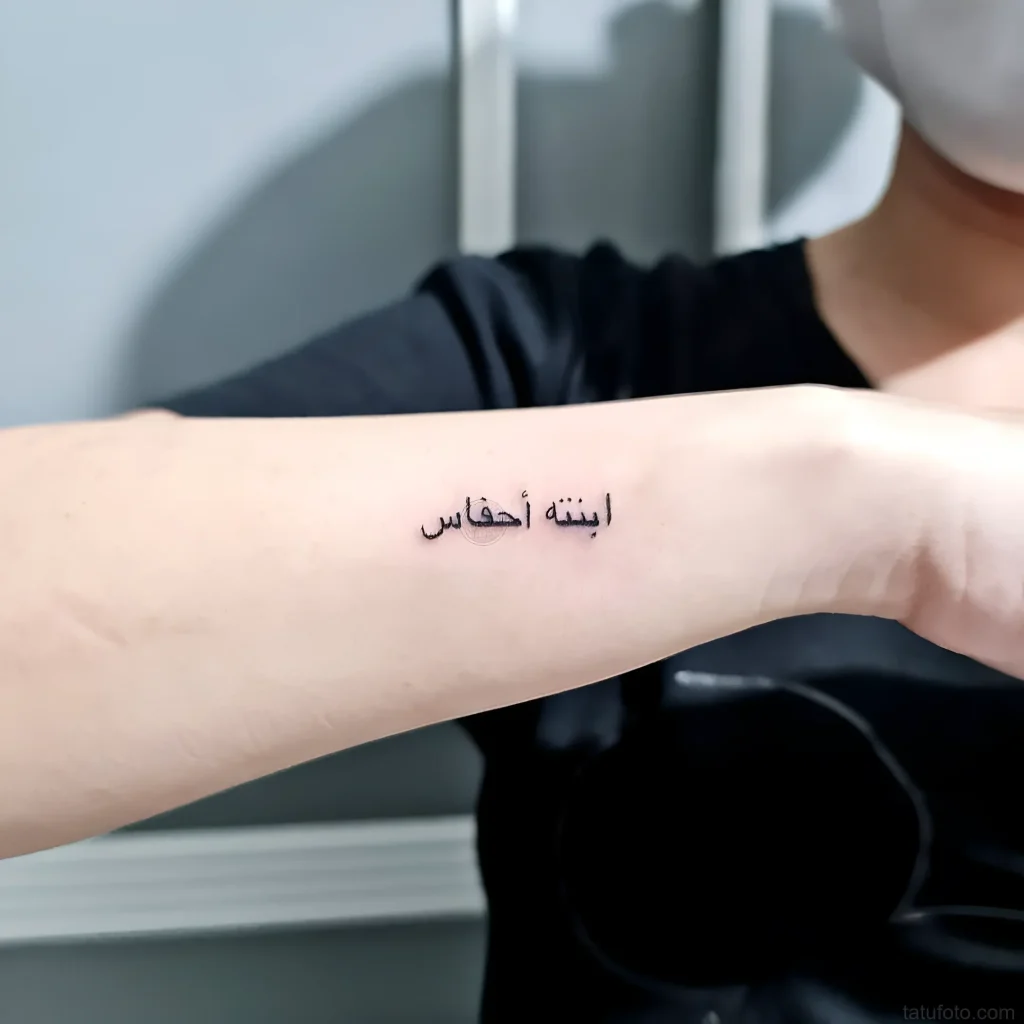
Frequently Asked Questions About Arabic Tattoo Inscriptions
1. Are Arabic tattoos considered offensive?
If a tattoo contains a secular phrase or a personal name, it is generally not offensive. However, inscribing verses (ayat) from the Quran or religious names (such as the names of prophets) on the body, especially on lower body parts, is considered deeply disrespectful in Islamic culture. If you are not Muslim but choose such symbolism, be prepared to be misunderstood in Arab and Muslim communities.
2. Should the inscription be mirrored?
No, Arabic text is always read from right to left, regardless of its placement on the body. The inscription should look correct to the reader. Incorrectly mirroring it so that the text appears “correct” to you in a mirror is a common and gross mistake.
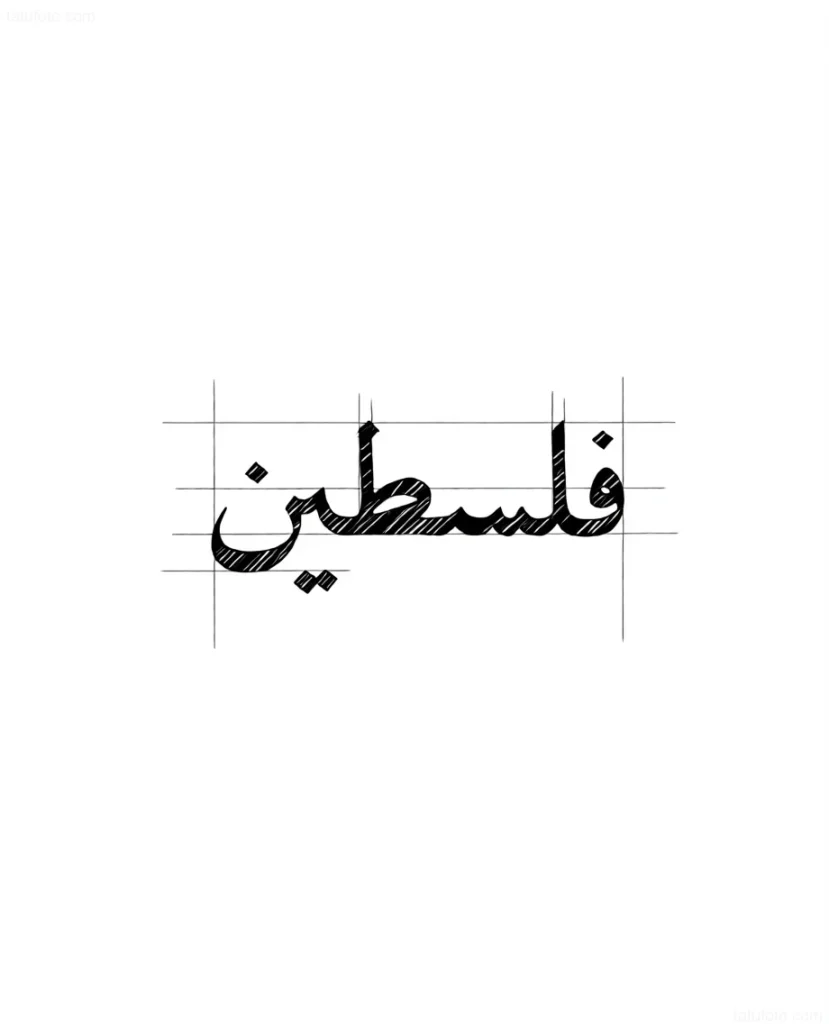
3. How do I choose the correct spelling for my name?
A direct phonetic translation of a name (transliteration) is often inaccurate or unnatural. There is no universal way to write foreign names in Arabic. It is best to find an Arabic equivalent for your name or use a transliteration approved by a native speaker who can select the most suitable sounds.
4. How many characters does an average tattoo fit?
Thanks to the connectivity of Arabic script, a 5-7 word inscription can look very compact. The Kufic style can make the text even more condensed and geometric. Long phrases (10+ words) are best placed on large, flat surfaces like the back or thigh, using Naskh or Diwani styles.
Interesting Facts About Arabic Inscription Tattoos
The Phenomenon of “Calligraffiti”
In the early 21st century, Arabic calligraphy experienced a renaissance in the form of street art and design known as “Calligraffiti.” Artists like eL Seed blend traditional styles with elements of graffiti and contemporary art. This trend has significantly influenced tattoo culture, popularizing more dynamic, larger, and abstract Arabic inscription tattoos that resemble art objects rather than just text.
Celebrities and Arabic Script
Many Western celebrities have chosen Arabic text for their tattoos, which, unfortunately, has often led to public mistakes. For example, the well-known story of Britney Spears’ tattoo, where instead of the desired “Mystique” or “Mystery,” something unintelligible resulted due to incorrect diacritics. These cases serve as a vivid example of why linguistic verification is an absolute priority.
Arabic as a Global Tattoo Language
Arabic is among the top three most popular languages for tattoo inscriptions worldwide (along with Latin and Chinese characters). Its popularity is due to not only its aesthetic beauty but also the perception of it as a language of wisdom, antiquity, and deep philosophy, which perfectly aligns with the purpose of a tattoo – to carry a personal, encoded meaning.
Choosing an Arabic inscription tattoo is a decision that requires respect for the cultural context and attention to detail in execution. If you approach the process with due diligence, you will receive not just text, but an exquisite, deeply personal work of art that will inspire admiration with its calligraphic beauty.