Lil Uzi Vert (Symere Woods) is not just one of the most vibrant representatives of the modern hip-hop scene, but also a true iconoclast in the world of body art. His tattoos are a complex, multi-layered visual language where occult symbols coexist with anime characters, and luxury brand logos with deeply personal, sometimes painful experiences. For Uzi, tattoos have long ceased to be mere decoration; they have become a kind of armor, a way of communicating with the world, and a total manifestation of his inner self, which is constantly transforming. Each new image on his body is a chapter in an endless novel about the search for identity, fame, and existential rebellion.
As a prominent figure in the emo-rap and trap genres, Lil Uzi Vert captures the attention of millions not only with his energetic performances but also with his radical approach to body modification. His tattoos are an extension of his creativity, pushing beyond conventional beauty standards. In this detailed review, we will delve into the world of Symere Woods’ ink, analyze the hidden subtexts of his most famous designs, and understand how his visual image correlates with his musical philosophy. Whether you are a devoted fan or simply an admirer of contemporary tattoo art, this analysis will help you see a coherent system of personal meanings within what appears to be a chaotic set of symbols.
Brief Biography: The Path from Symere to Style Icon
Before dissecting specific images, it’s important to understand the context of the artist’s personality. Symere Woods was born on July 31, 1995, in Philadelphia. His journey to the top of the charts began in 2015 with the mixtape “Luv Is Rage,” and he has continued to surprise audiences ever since. His music is a fusion of aggressive flow and melodic vocals, and his appearance is pure punk rock wrapped in modern hip-hop.
- Full Name: Symere Bisil Woods
- Date of Birth: July 31, 1995
- Place of Birth: Philadelphia, Pennsylvania
- Genres: Hip-hop, Emo Rap, Trap
- Key Milestones: Albums “Luv Is Rage 2,” “Eternal Atake”
Lil Uzi Vert’s Tattoo Philosophy: The Body as a Manifesto
To an expert in tattoo culture, it’s evident that Uzi adheres to an aesthetic often called “Ignorant Style”, mixed with elements of traditional American tattooing and Japanese animation. His body is not a meticulously planned gallery but rather a diary, where entries are made impulsively, influenced by the moment. However, upon closer inspection, clear thematic lines can be traced within this chaos.
The Symbolism of “Eternal Atake”: A Thirst for Immortality
One of the most discussed themes in Uzi’s work and visual image is the concept of “Eternal Atake.” The tattoo of the same name is not just an album title. The word “Atake” itself means “to seize,” and combined with “Eternal,” it refers to the idea of eternal life through art and extraterrestrial civilizations. The design is often inspired by the symbolism of the “Heaven’s Gate” cult, adding an aura of mystery and a certain danger to the artist’s image. For Symere, it’s a symbol of ambitions that transcend earthly existence.
Face Tattoos: A Challenge to Society and Sacred Meaning
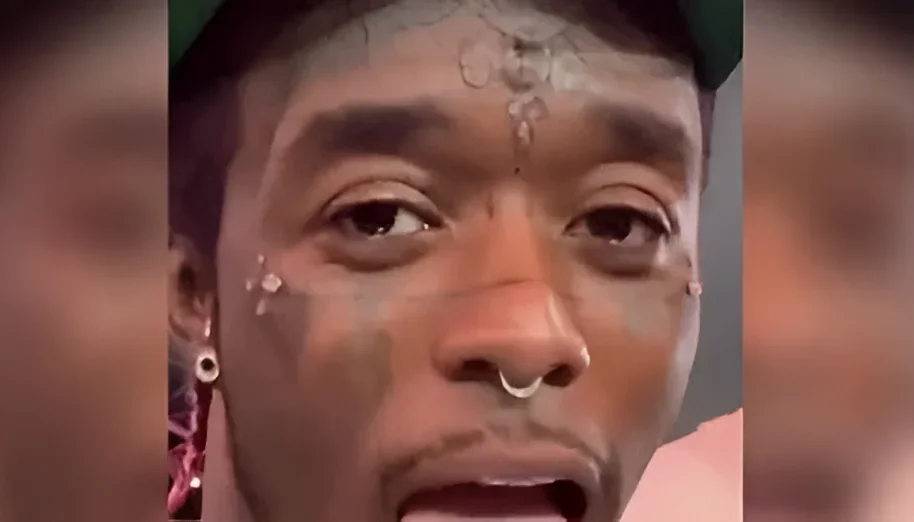
Lil Uzi Vert’s face is almost entirely covered in tattoos, which for many is a symbol of a definitive break with “normal” society. Here, each element deserves individual attention:
- Inverted Cross: Perhaps the most controversial symbol. Many have accused Uzi of Satanism, but the artist himself and experts interpret it differently. In the context of his style, it’s a symbol of rebellion, rejection of traditional dogmas, and a rock-and-roll attitude towards life. It’s not so much a religious gesture as an anti-conformist manifesto.
- Heart on the Forehead: A small outline heart symbolizes the vulnerability and emotionality that permeate all his work. It’s a sign that he lives by feelings, not cold calculation.
- Adinkra Symbols: On Uzi’s face, one can notice symbols of the West African Akan people. For example, the symbol “Wawa Aba” (the seed of the Wawa tree), which signifies resilience, perseverance, and tenacity. This is a deep nod to his roots and an acknowledgment that his success is the result of a hard struggle.
- The word “Faith”: Located at the hairline, this tattoo speaks of inner strength. Despite all the outward flamboyance, faith (in himself, in higher powers, or in his music) remains his foundation.
Anime Culture in Ink: From Naruto to Pain
Lil Uzi Vert is a known fan of Japanese animation, and this is directly reflected in his tattoos. His body features references to cult series like “Naruto.” The character Pain (Nagato) holds a special place. For Uzi, this character symbolizes the philosophy of “understanding the world through pain.” This is very close to the rapper’s lyrics, where themes of emotional suffering and overcoming them are central. The use of anime imagery in tattoos emphasizes his belonging to the “internet kids” generation, for whom Eastern pop culture became more important than traditional Western values.
Occultism, Magic, and Dark Aesthetics
Many of Uzi’s tattoos are inspired by gothic and occult themes. On his arms and chest, one can find images of skulls, pentagrams, and mystical creatures. Experts note that this is characteristic of the “SoundCloud rap” style, where dark aesthetics are used to create an outsider image. However, with Lil Uzi, it looks organic – he doesn’t just copy trends; he lives within this aesthetic. His tattoos with the word “Satan” or inverted symbols are a way to shield himself from superficial judgments and attract those who are willing to look beyond the visual shock.
Luxury and Wealth: Tattoos as a Status Symbol
Despite his inclination towards the dark, Uzi doesn’t forget his superstar status. A tattoo of the Chanel logo or the word “Money” are direct indicators of his success. In hip-hop culture, demonstrating wealth is a mandatory attribute, and tattoos here serve as indelible proof that the artist has “escaped poverty.” This is a contrast between his street past in Philadelphia and his current life surrounded by high fashion.
The Artists Behind the Image: Who’s Behind the Needle?
Tattoos of such complexity and boldness require the work of professionals who understand the specifics of celebrity clients. Among the artists who have contributed to Uzi’s body art are names such as:
- JonBoy: A master of micro-tattoos, known for his work with Hollywood stars. He is often responsible for his small but significant details on his face and hands.
- Tiago de Almeida: A specialist who helps Uzi realize larger and more detailed projects, combining graphics and blackwork.
- Famous Dex: Although better known as a peer, their mutual influence on each other’s tattoo styles within the scene is undeniable.
Technical Aspects and Placement Choices
If we analyze Uzi’s body from a professional tattoo artist’s perspective, we can see that he is not afraid of the most painful areas. Tattoos on his eyelids, behind his ears, on his knuckles, and even on his tongue (yes, he has those too!) indicate a high pain threshold and a willingness to make sacrifices for aesthetics. Most of his works are done in black, which creates a sense of unity despite the variety of subjects. The use of Fine Line allows him to fit a huge number of symbols into a limited space, turning his skin into a detailed map.
Influence on Fans and Modern Culture
Lil Uzi Vert has become one of those who have legalized face tattoos for the masses. If previously this was the prerogative of criminal structures or radical freaks, then today, thanks to Uzi, it is perceived as the highest form of self-expression in art. Social media is flooded with fans copying his “heart” on his forehead or Adinkra symbols. He has set a trend for “emotional tattooing,” where meaning is more important than execution technique.
What Do the Tattoos Say About the Artist’s Future?
In conclusion, Lil Uzi Vert’s tattoos are not a static collection but a living organism. They change with his music and worldview. Each new spot of ink on his skin is an attempt to capture a moment in time, an emotion, or an idea that seems eternal to him. For tatufoto.com experts, it’s clear: Symere Woods uses his body as a canvas for an avant-garde performance that will last his entire life. His tattoos teach us that beauty can be strange, frightening, but always sincere.
We invite you to discuss Lil Uzi Vert’s tattoos in the comments. Do you think such an amount of body art is excessive, or is it a perfect reflection of the modern era? Which of his symbols do you find most profound? Stay with us to learn more about tattoo culture and its brightest representatives!