An era of change has arrived in the beauty world. If the industry used to focus on augmentation—adding volume, color, and permanence—now in Nairobi, as in many other cities worldwide, the reverse process is gaining momentum. People are increasingly paying not to add something, but to remove it. This phenomenon is called the “Great Beauty Reset”—and it affects tattoos, permanent makeup, and even artificial nails.
Tattoos: From Eternity to Temporariness
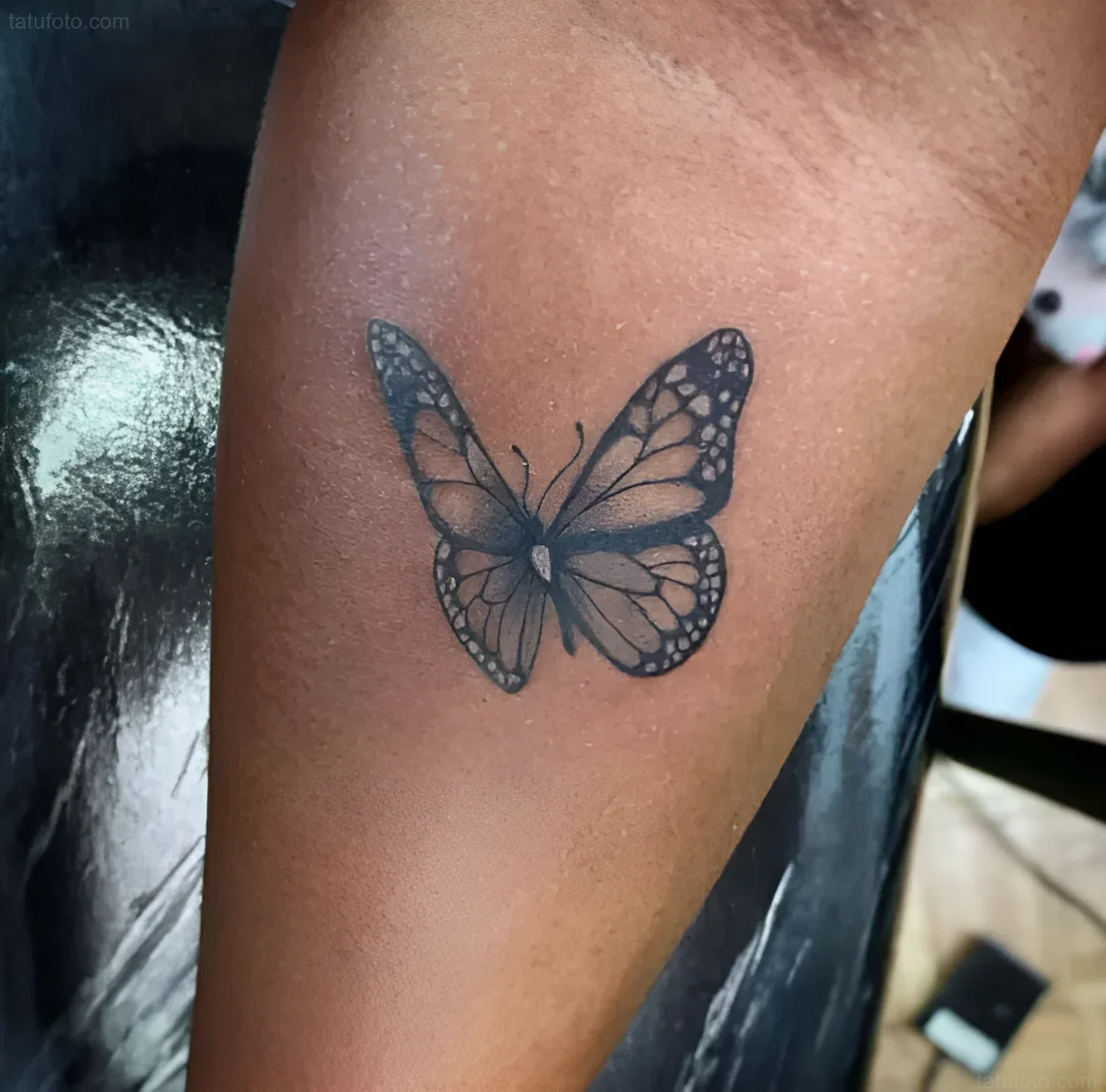
Tattoos were once considered a symbol of immutability, a part of one’s identity that couldn’t be changed. But time changes perspectives. What seemed like the perfect decision at twenty might, a few years later, become a reminder of a past one wishes to erase. In Kenya, as in other countries, the number of people seeking laser tattoo removal in clinics is growing. The reasons are varied: breakups, style changes, the realization that the design no longer reflects one’s inner world.
Stories of “regret tattoos”—those done under peer pressure or in a fit of emotion—are particularly popular. Social media is filled with videos where people share their removal experiences: how painful it is, how many sessions are needed, whether it’s worth it. And although the process is not quick—from several months to a year—many are willing to endure it just to regain clear skin.
Removal Technologies: How It Works
Modern tattoo removal methods have long moved beyond primitive techniques like scalpels or dermabrasion. Today, leading clinics in Nairobi use Q-switched and picosecond lasers. They work on the principle of targeted action: a powerful light pulse breaks down the pigment into tiny particles, which are then eliminated by the body’s immune system. It’s safe, effective, and leaves no scars when done correctly.
It’s important to understand: one session won’t solve the problem. The number of procedures depends on the ink color (black is easier to remove, green and yellow are more difficult), the depth of the pigment, the age of the tattoo, and skin type. Complete disappearance is not guaranteed, but significant lightening is achievable.
Eyebrows: From Geometry to Naturalness
If tattoos are a matter of personal choice, then eyebrows are a battlefield of fashion. Over the past decades, trends have changed radically: from thin threads to lush arched shapes. Permanent makeup, especially microblading and powder brows, became the standard of beauty. But when fashion shifted towards “naturalness,” many found themselves with outdated shapes that now look out of place.
Clinics in Nairobi offer not only correction but also complete removal of old work. Some clients opt for a return to natural brows, while others choose to re-do them in a new style. This is not just a cosmetic procedure, but a way to rethink one’s image without being tied to the past.
Nails: Giving Up Gel for Health
Gel nails once became a symbol of luxury and care. But now, more and more women are opting for natural nails instead. There are several reasons: the desire to give nails a break, concerns about UV lamps, and a growing focus on health. Although scientific data doesn’t confirm serious risks from infrequent lamp use, dermatologists recommend precautions: sunscreen before the procedure, gloves with open fingertips, and regular breaks.
Beauty salons in Kenya have adapted: they now offer not only manicures but also nail rehabilitation programs. This includes strengthening, nourishing, and restoring nails after prolonged wear of artificial coatings. The trend towards “natural nails” has become part of a global movement towards minimalism and mindfulness.
What Does This Mean for the Industry?
For the beauty business in Nairobi, this is not a crisis but a new opportunity. Instead of selling “eternity,” companies are now offering “second chances.” This changes the very philosophy of the industry: from imposing standards to supporting individual journeys. Clients are no longer afraid of making mistakes—because mistakes can be corrected.
This shift reflects a broader cultural trend: people want to be flexible, adaptable, and not stuck in the past. Beauty should no longer be a prison—it should be a tool for self-expression that can change with you.
Freedom of Choice—The New Standard
The “Great Beauty Reset” is not just a trend, but a sign of societal maturity. People are learning to make decisions without fear of changing them. They understand that beauty is not a static state, but a process. And if we used to be afraid of making the wrong choice, now we know: any choice can be corrected. This provides freedom—and that’s precisely what modern consumers value.
So, if you’re thinking about removing a tattoo, redoing your eyebrows, or giving up gel—know that you’re not alone. You are part of a large movement that is returning beauty to its true purpose: to be alive, changeable, and real.