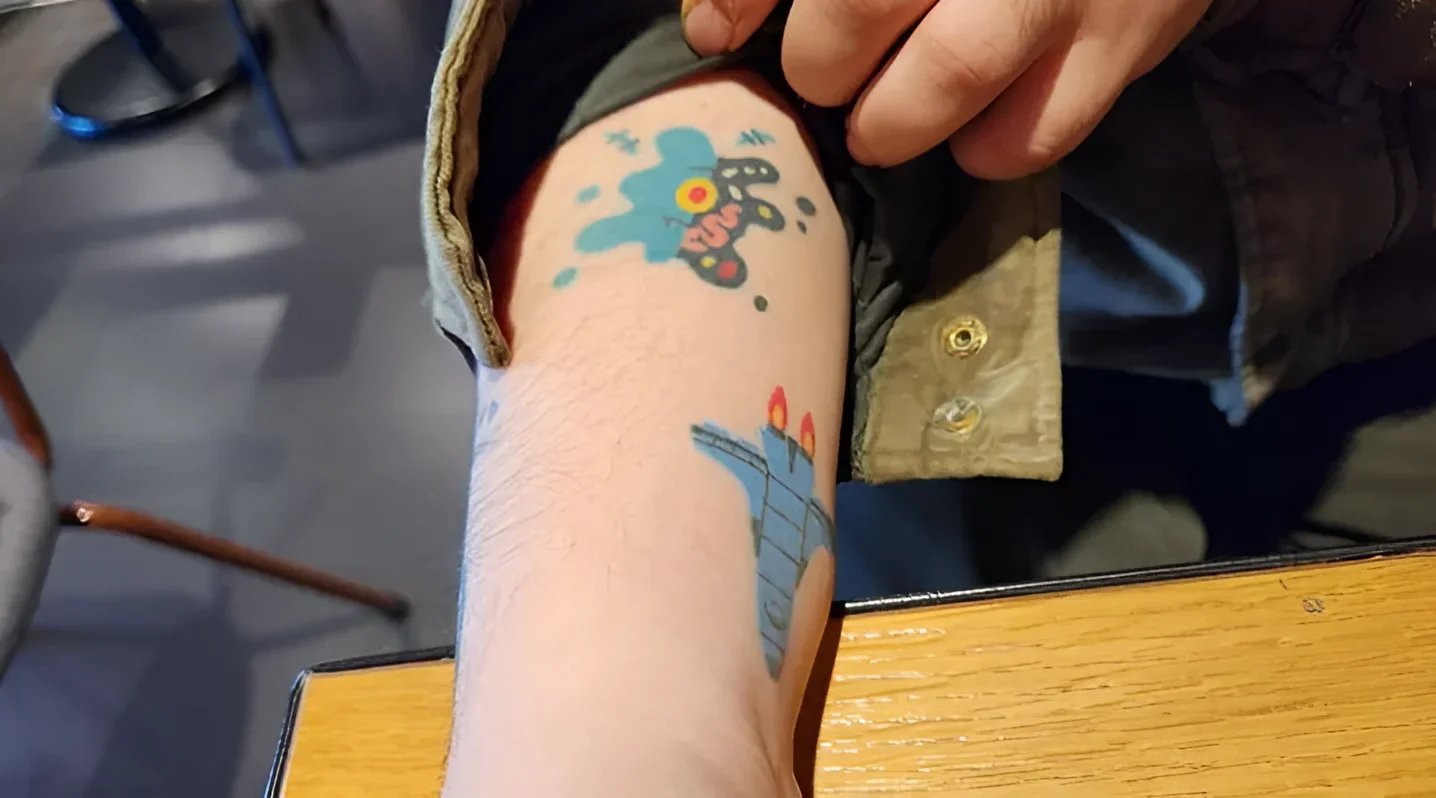
For a long time, South Korea remained an exception where getting a tattoo was legally equated to a medical procedure. This status forced thousands of talented artists to work in the shadows, and millions of citizens dreaming of tattoos relied on gray schemes. However, this era is officially ending: the country’s government is beginning to integrate the thriving body art market into the legal economy.
New Safety and Hygiene Standards
On Thursday, the Ministry of Health and Welfare presented comprehensive national guidelines detailing the requirements for safety, hygiene, and studio equipment. The document, titled “Standard Guidelines for Tattooing,” lays the administrative foundation for the key Tattoo Artist Act, passed in late 2025 and fully effective in October 2027.
The new regulations will transform underground parlors into strictly regulated commercial spaces. According to the new regulations, studios must divide their premises into separate zones: for waiting, for tattooing, and for sterilization. Flexible partitions are permitted to ease the financial burden on small businesses. Artists must wear disposable sterile gloves, use single-use pigment cups and needles, and immediately dispose of all consumables after each session. Any reusable equipment must undergo mandatory washing, disinfection, and sterilization according to approved protocols.
Standardizing the Process for Clients
Clients will also face a more standardized process. Before sitting in the chair, they must sign official consent forms and undergo a basic medical screening. Individuals with a history of blood-borne infections, such as hepatitis B or C, must provide written permission from a doctor before getting a tattoo. The regulations also establish strict legal boundaries: tattoo artists are strictly prohibited from performing laser tattoo removal, working outside registered studios, or providing services to minors.
Minister of Health Jeong Eun-kyung emphasized, “As the Tattoo Artist Act was passed after lengthy national debates, our main task now is to make safe tattooing a part of the legal system.” She urged practitioners to audit their premises, review safety standards, and update their sanitation equipment by the 2027 deadline to ensure a smooth transition.
Result of Negotiations and Balance of Interests
The guidelines are the result of months of detailed negotiations, which took into account direct feedback from over 40 tattoo industry associations, as well as experts from the medical and academic fields, the ministry reported. The primary goal, as noted, was to balance strict public health measures with realistic application in the daily operations of studios.
For a country whose youth culture has enthusiastically embraced body art, these new rules mark a decisive shift, transforming an underground subculture into a safe, recognized, and fully professionalized domestic industry. This is not just a bureaucratic update, but a fundamental change in the societal perception of tattoos.
Context of Tattoo Culture in Korea
In South Korea, tattoos were historically associated with criminal elements and were taboo in society. However, in recent years, the situation has drastically changed: tattoos have become a symbol of self-expression, especially among young people. The legalization and standardization of the industry are a response to growing demand and the need to ensure client safety.
Experts note that the new regulations could serve as an example for other countries where the tattoo industry is also undergoing regulation. It is important that the opinions of the artists themselves were considered during the development of the standards, which increases the chances of successful reform implementation.
In conclusion, South Korea is taking an important step towards recognizing tattoo art as a full-fledged profession. This opens up new opportunities for artists, increases client trust, and contributes to the overall development of the industry.