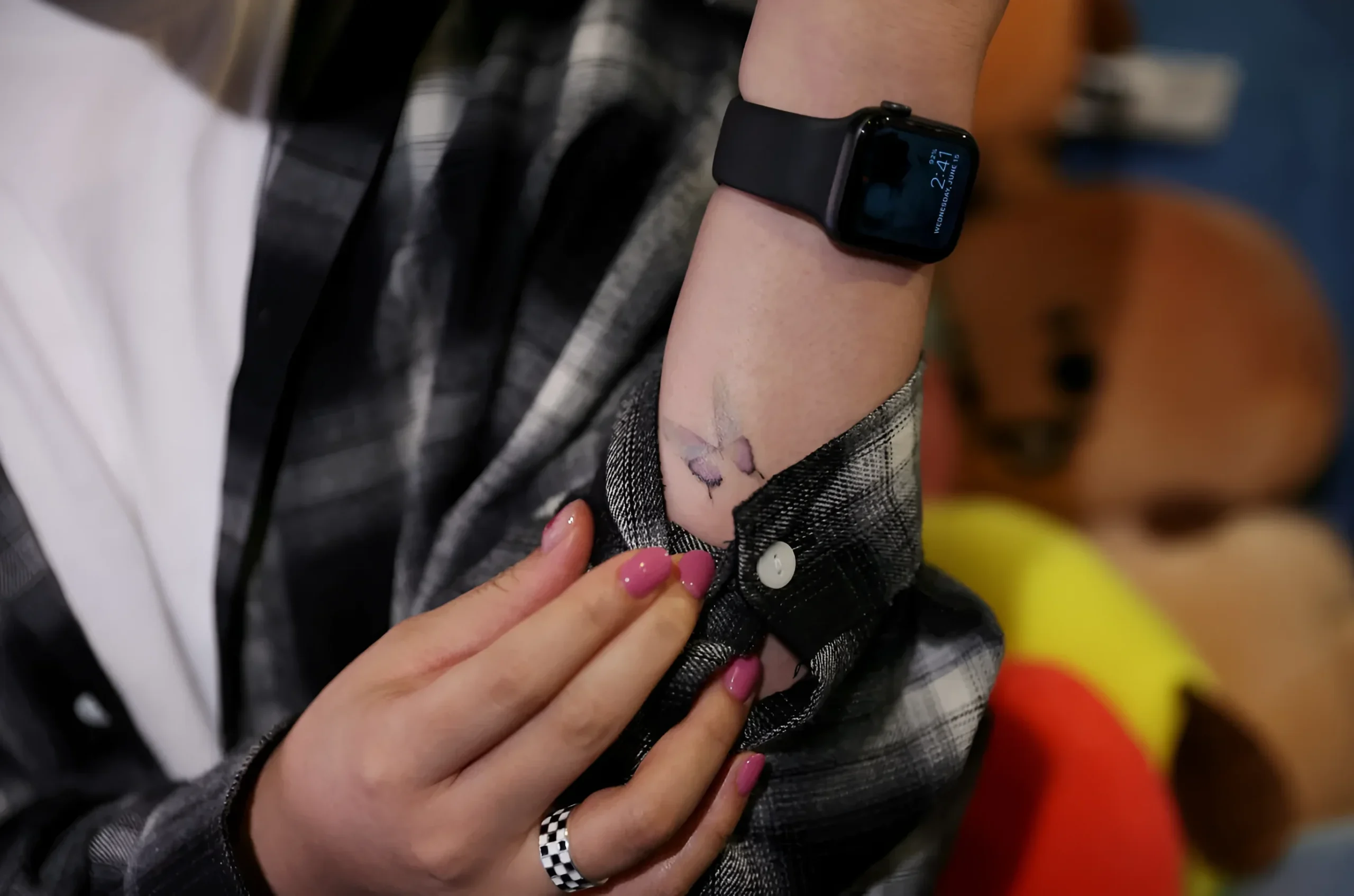
For decades, tattoo artists in South Korea lived in a legal vacuum: their craft was unrecognized, and for every line under the skin, they risked fines or imprisonment. On September 26, 2025, this paradox officially ended – the country’s parliament passed a law that, for the first time in the developed world, separates tattooing from medicine and returns it to where it belongs, into the hands of the artist.
Tattoo Legalization
South Korea Legalizes Tattoos: New Rules and Standards
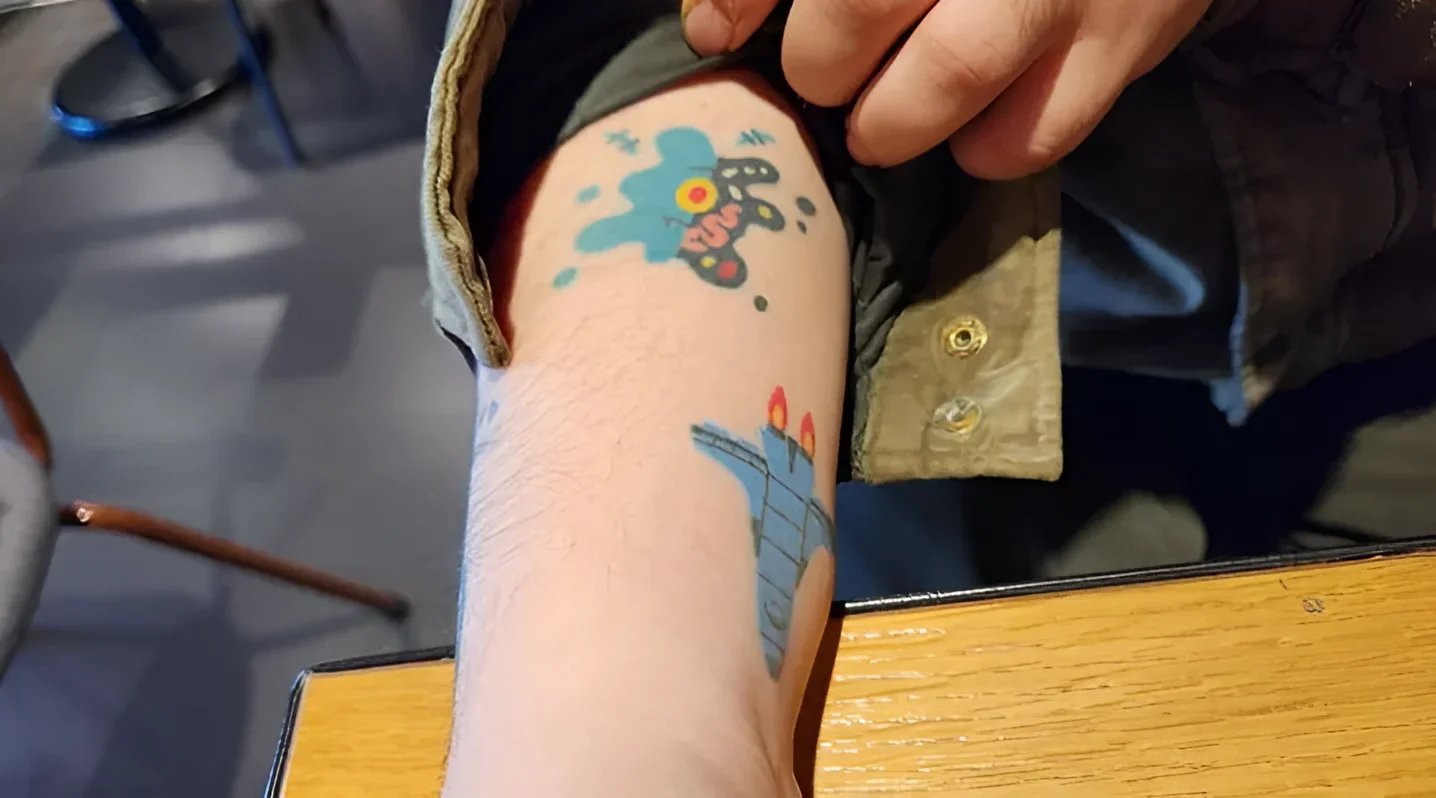
For a long time, South Korea remained an exception where getting a tattoo was legally equated to a medical procedure. This status forced thousands of talented artists to work in the shadows, and millions of citizens dreaming of tattoos relied on gray schemes. However, this era is officially ending: the country’s government is beginning to integrate the thriving body art market into the legal economy.
South Korea: Supreme Court Overturns Ban on Tattoos for Non-Medical Professionals

An event has occurred in the world of the tattoo industry that can safely be called historic for East Asia. The Supreme Court of South Korea, relying on modern realities and changing social norms, has issued a decision that completely changes the legal landscape for artists. The judicial panel ruled that tattooing by individuals without medical education can no longer be classified as illegal medical practice. This verdict effectively overturns the 1992 precedent that had held back the industry’s development for 34 years.
Tattoos in South Korea: The Path from Criminal Stigma to Global Recognition

For many decades, South Korea remained one of the most paradoxical points on the global map of tattoo art. On one hand, Seoul has become a true mecca for connoisseurs of refined, hyperrealistic, and microscopically detailed tattoos, setting trends for the entire world. On the other hand, the very existence of this industry was outside the law for over thirty years. Artists whose works gather millions of likes on Instagram were forced to work in deep underground, hiding from the police and risking real prison sentences. Today, this situation is drastically changing, opening a new chapter in the history of Eastern body art.