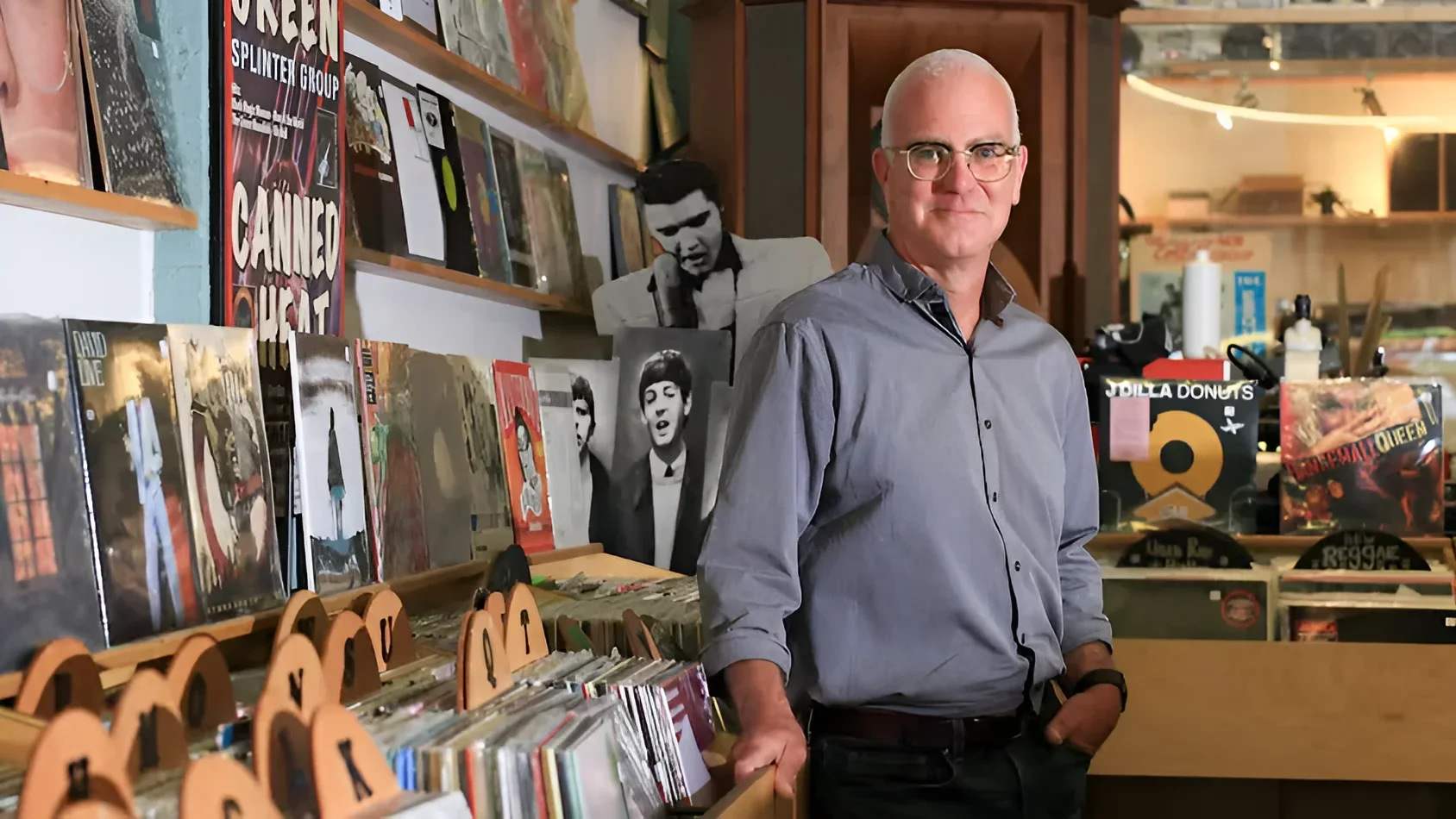
In the run-up to the 2026 Ottawa elections, candidates are accustomed to laying out their cards: platforms, promises, meetings with voters. But Jeff Leiper, a 56-year-old contender for mayor, has his own visual manifesto – and it’s inked directly onto his skin. For him, tattoos are not adornment or rebellion, but a kind of chronicle: each stroke marks a turning point after which a person is no longer the same as they were before.
Skin as a Chronicle
Tattoo culture specialists have long noted a steady trend towards “narrative” and memorial works: more and more people are turning their bodies into personal archives, where symbols, dates, and images form a biography. Leiper is a prime example of this approach. On his shoulder, he has an artistic rendition of the Ottawa coat of arms, done after his election to city council. On his forearm, a heart pierced by a shovel: he marked a heart attack that occurred on February 13, 2019, when he was shoveling snow after a storm. The exact length of a marathon in miles and yards is tattooed on his back – in memory of his first race. A separate inscription, “First Things First,” marks 22 years of sobriety; Leiper himself calls September 19, 2004, his “sobriety date” and does not disclose details. “If I win the election, I’ll get another tattoo,” he says.
Four Marker Tattoos
| Image | Location | What it marks |
|---|---|---|
| Ottawa Coat of Arms | shoulder | election to city council |
| Heart with a shovel | forearm | heart attack, 02/13/2019 |
| Marathon distance | back | first marathon run |
| “First Things First” | not specified | sobriety date, 09/19/2004 |
This collection serves as a visual summary: without a single word, it tells of his career, health, and internal turning points. For the tattoo community, this is a classic “body as canvas” technique – the body is a canvas on which life is written in layers, not as a single narrative.
The Path to Skin and Politics
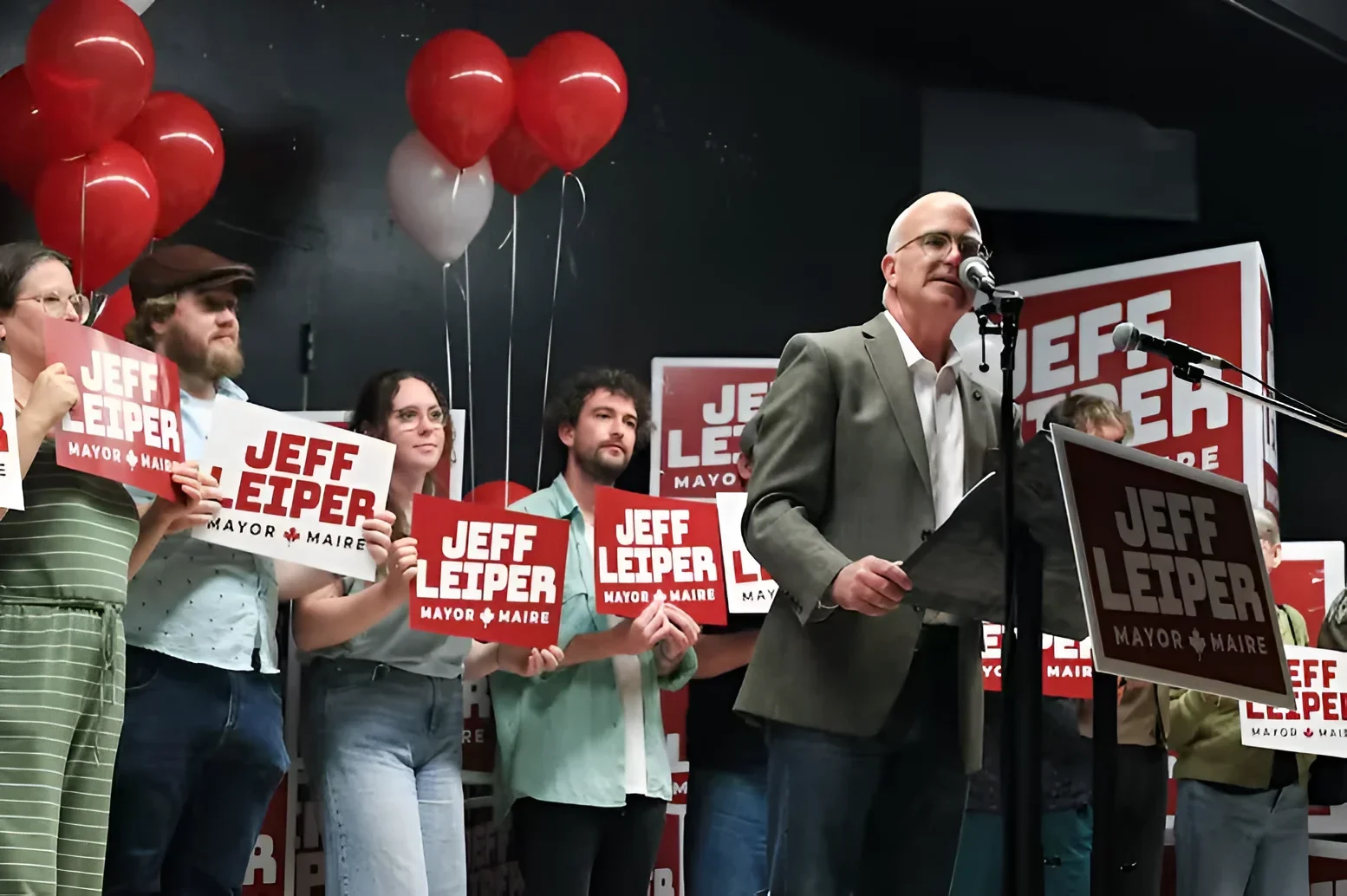
Behind the tattoos lies a rich biography. Leiper was adopted at three months old; the family lived in Nepean, then Blossom Park, and in the early 1980s moved to the Ideal Village cooperative in Orléans. It was this “15-minute” neighborhood, he says, that shaped his understanding of community. He first entered politics at 24, running for the Cumberland Township council and coming in last with 70 votes. His real start came later: journalism at Silicon Valley North, work at the Canadian Radio-Television and Telecommunications Commission, where, in his words, he answered the question “what to do with Netflix,” and in 2014, a victory in the Kitchissippi ward against Catherine Hobbs. He is currently serving his third term on city council.
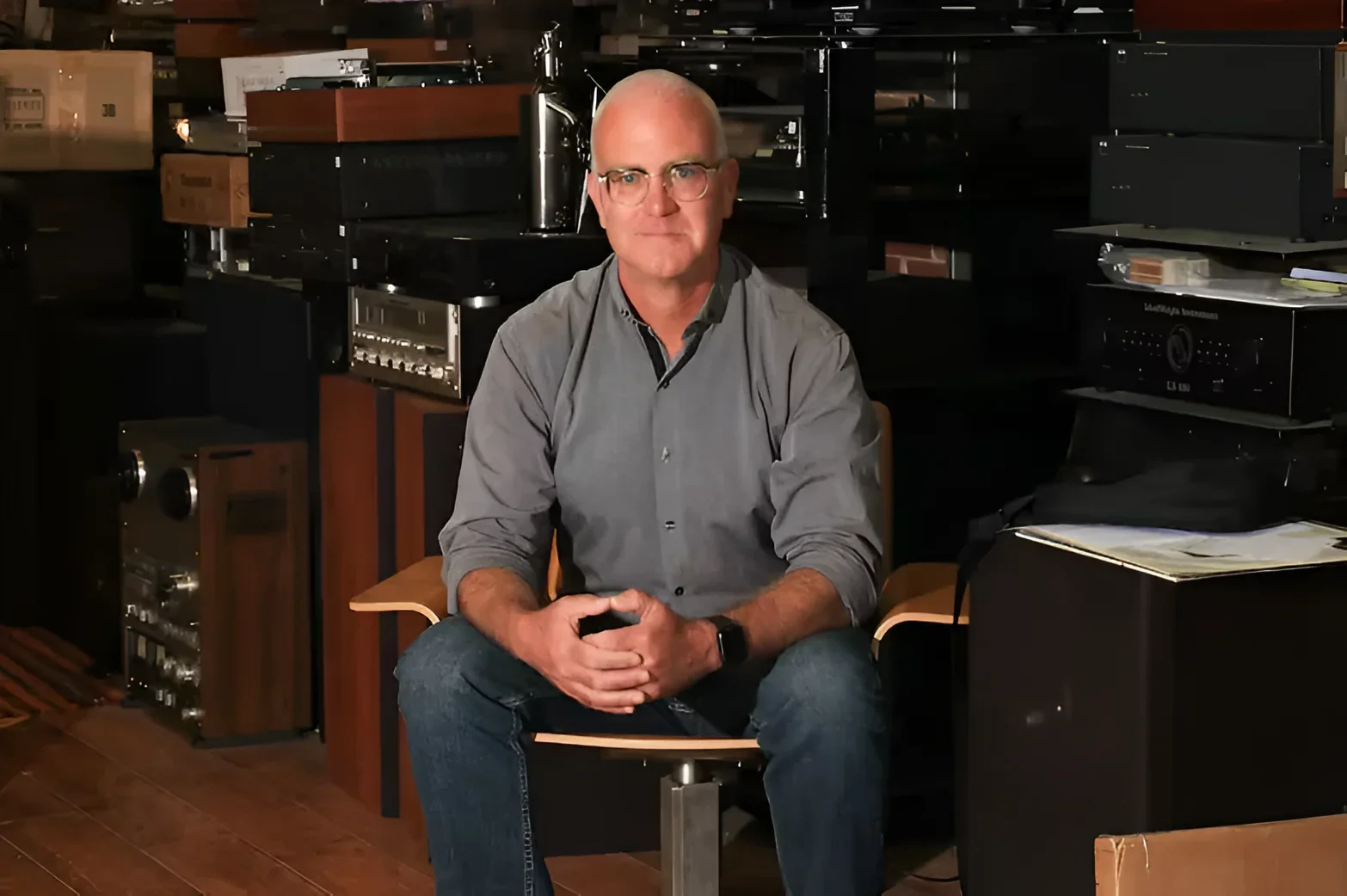
Outside of politics, Leiper is a music lover with a collection of about 1500 vinyl records, who has seen Bruce Springsteen in live concerts more than 30 times. His wife Natalie, son Nick, 70–75 books a year, and love for Jonathan Steinbeck – all contribute to the portrait of a man who, as he admits himself, is an introvert and a poor public speaker, but a strong writer and organizer.
Why This Matters for Tattoo Culture
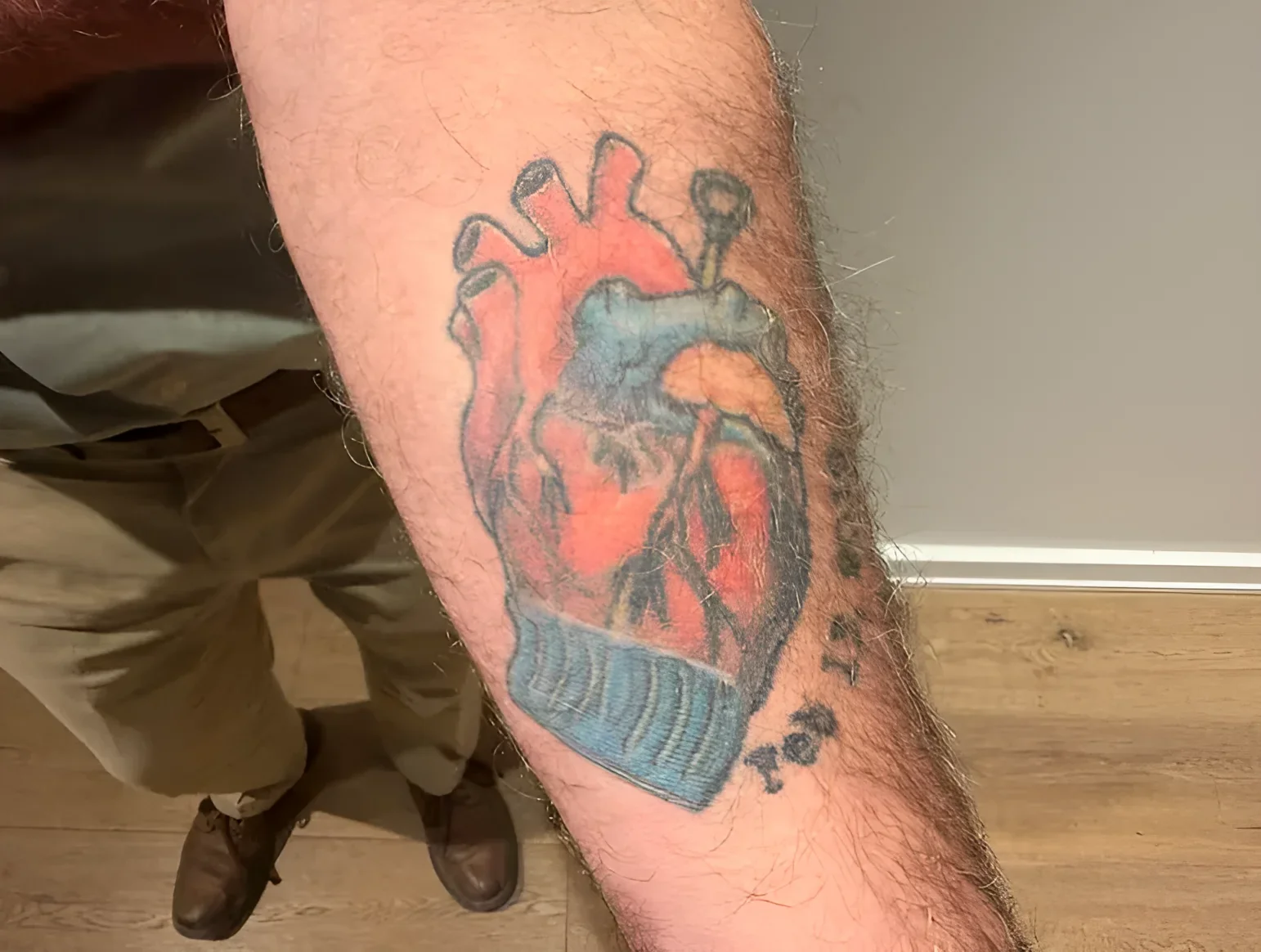
Leiper’s case demonstrates how tattoos have definitively moved beyond subcultural contexts and become a neutral language of self-presentation. There is no aggressive graphics or elitist minimalism here – only a pragmatic fixation of experience. Experts note that it is precisely these “diary” tattoos that sustain the market because they do not become outdated with style trends. A marker tattoo lives as long as the memory of the event remains, not as long as a specific visual trend is current. And this, perhaps, is the main strength of the approach that Leiper intends to supplement with another stroke – should he win the election.