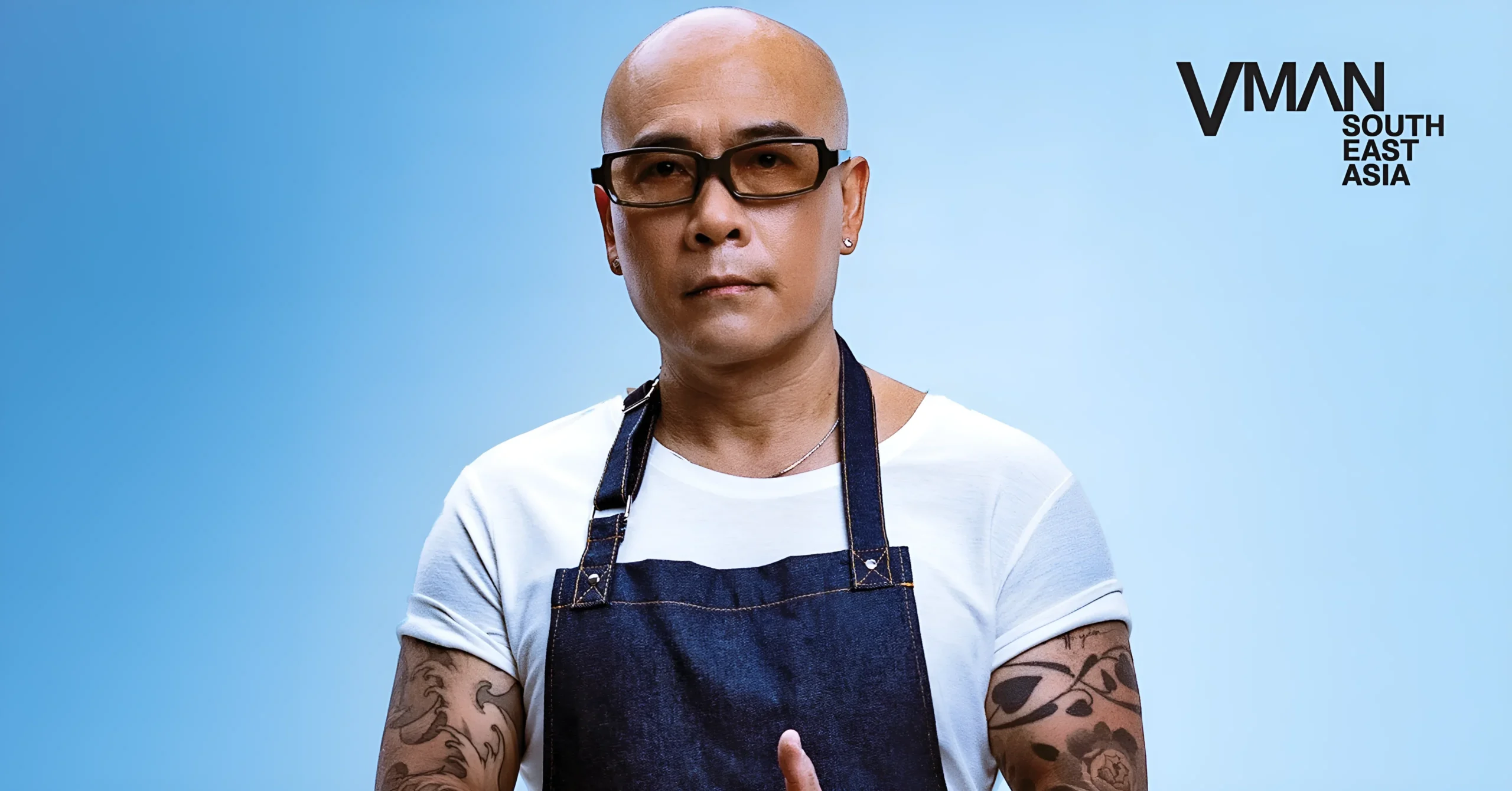
In modern tattoo culture, there is an increasingly common trend that can be called a “visual biography”: a person chooses not just a beautiful motif, but a symbol that represents an entire stage of their life. A striking example of this approach is Vietnamese chef Ngo Thanh Hoa, whose dragon and dove tattoos read like a condensed history of his journey from washing dishes in Sydney to winning the first season of MasterChef Vietnam. His case clearly demonstrates how a tattoo has ceased to be mere skin decoration and has turned into a way to capture meanings that cannot be expressed in words.
The Path from Dishwashing to the Winner’s Podium
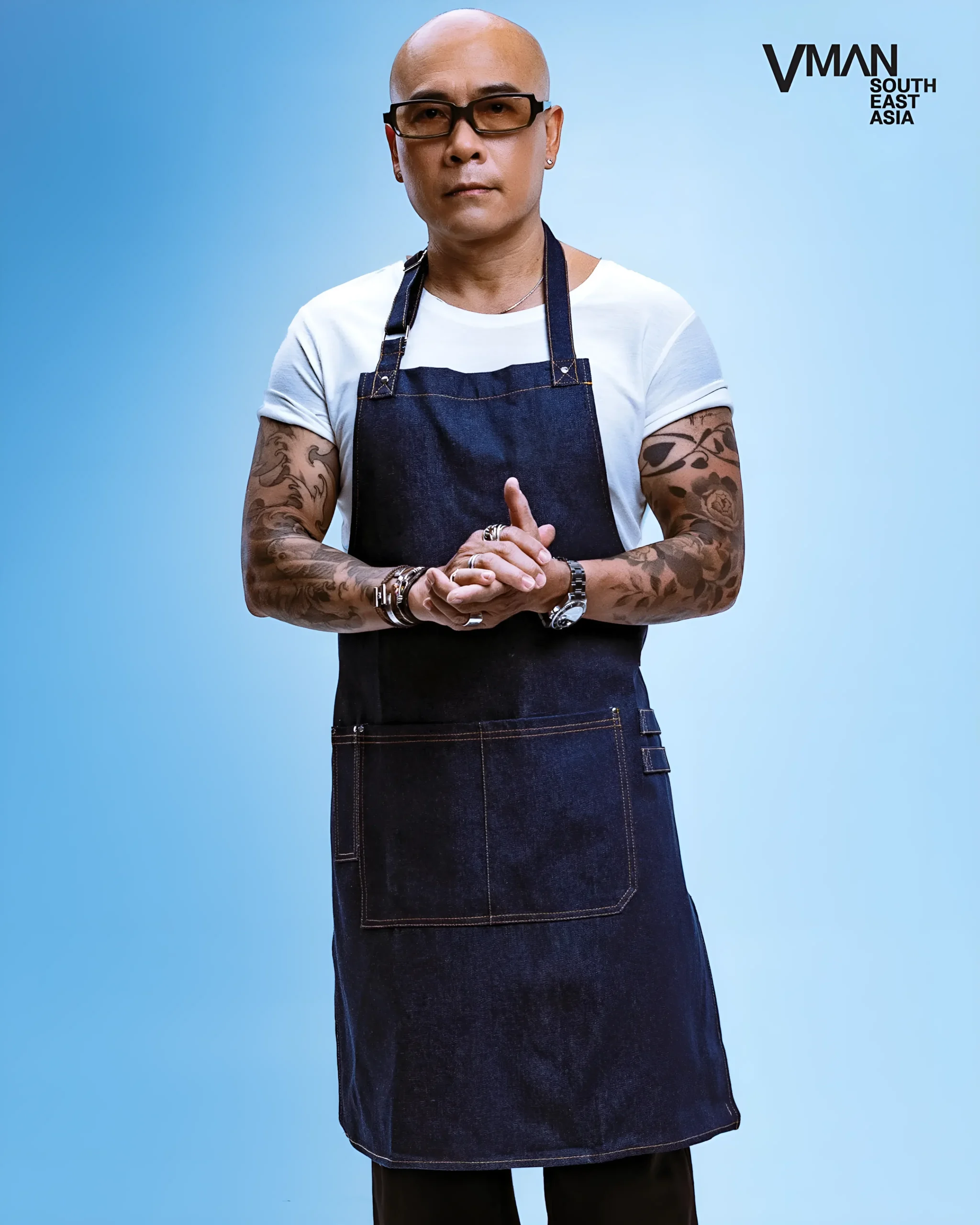
Ngo Thanh Hoa’s story is a classic example that in cooking, as in tattoo culture, there is no such thing as a “late start.” He began cooking for his family at age six, moved to Australia at twenty-one, and lived in Sydney for eighteen years. During that time, he washed dishes, worked as a waiter, managed restaurants, and managed to earn a master’s degree in marketing. Returning to Vietnam to be closer to his parents, he took the stage at age forty for the first season of MasterChef Vietnam and won the entire competition. Since then, his cuisine has been built around modern Vietnamese gastronomy: fish sauce, tamarind, herbs, and chili combined with the European techniques he mastered behind the scenes in Australian restaurants. He built his restaurant, East, in Ho Chi Minh City around an open kitchen and the motto “Cook With Love,” and then began appearing as a guest chef and culinary ambassador, proving that arriving late to the party doesn’t matter if you have your own menu.
Two Symbols That Read Like a Life
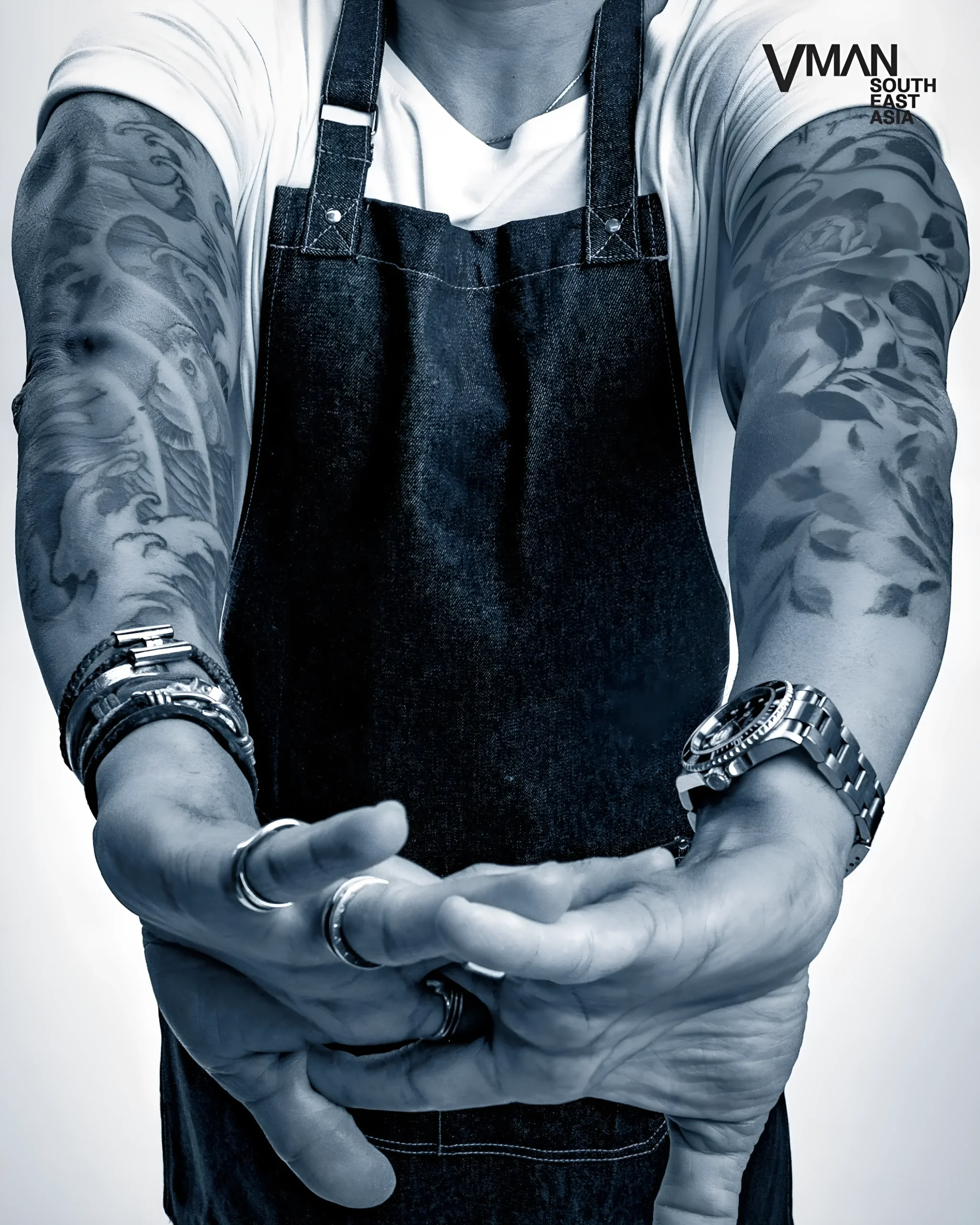
Ngo Thanh Hoa solidified the most important stage of his life with a tattoo. The dragon, which appeared after his MasterChef victory, is intentionally different from the usual muscular and roaring beast. According to the chef himself, it is “freer, almost weightless” and expresses the aspiration to rise higher, which he has always strived for. On his shoulder is a dove, in which his own name and his father’s name combine to form “Hoa Binh,” meaning “peace” or “tranquility.” Together, these two images form a short but precise narrative: ambition, family, freedom, and peace. For a man who spent years washing someone else’s dishes before putting his own name on a menu, such a pair of tattoos works like a personal chronicle.
From the perspective of tattoo culture, this choice is very telling. In the Eastern tradition, the dragon is not an aggressive predator, but a symbol of wisdom, luck, and transformation, while the dove carries motifs of peace and the connection between generations. By combining the two images into one system, Ngo Thanh Hoa did what distinguishes a conscious approach to tattooing: he did not copy someone else’s aesthetic code, but assembled his own. That is why his tattoos are perceived not as decor, but as a text that can be “read.”
Context: Why Narrative Tattoos Are Replacing Mass-Market Motifs
If you look at the big picture, Ngo Thanh Hoa’s story fits into the main shift in modern tattoo culture. Previously, a tattoo was often either a tribute to a subculture or simply a beautiful pattern. Today, more and more people come to an artist with a request for personal meaning: a tattoo should reflect a specific life turning point, loss, victory, or family connection. This is also visible in Southeast Asia, where local artists are increasingly working at the intersection of traditional Eastern symbols and the client’s individual narrative. As a result, a tattoo becomes something like a tattooed diary: each new motif adds a chapter, rather than just filling empty space on the body.
For Ngo Thanh Hoa, the dragon and the dove are exactly those kinds of chapters. They do not claim to be universal and do not try to please everyone. They work as a personal code that explains where he came from and what he believes in. And this is perhaps the main lesson his story gives to the entire tattoo culture: the strongest tattoo is the one that speaks not about fashion, but about the life of the person wearing it.